Letter recognition Normal Alphabet Worksheets for Ages 4-8
59 filtered results
-
From - To
Discover our engaging Letter Recognition Normal Alphabet Worksheets designed specifically for children ages 4-8. These interactive and visually appealing worksheets help young learners master letter identification through fun activities and exercises. Each worksheet focuses on both uppercase and lowercase letters, promoting essential skills for reading and writing. With a variety of games like tracing, matching, and coloring, kids can enjoy learning while building their confidence. Perfect for homeschooling or classroom settings, these resources encourage active learning. Help your child develop strong literacy skills early on with our thoughtfully designed worksheets that make letter recognition an enjoyable adventure!
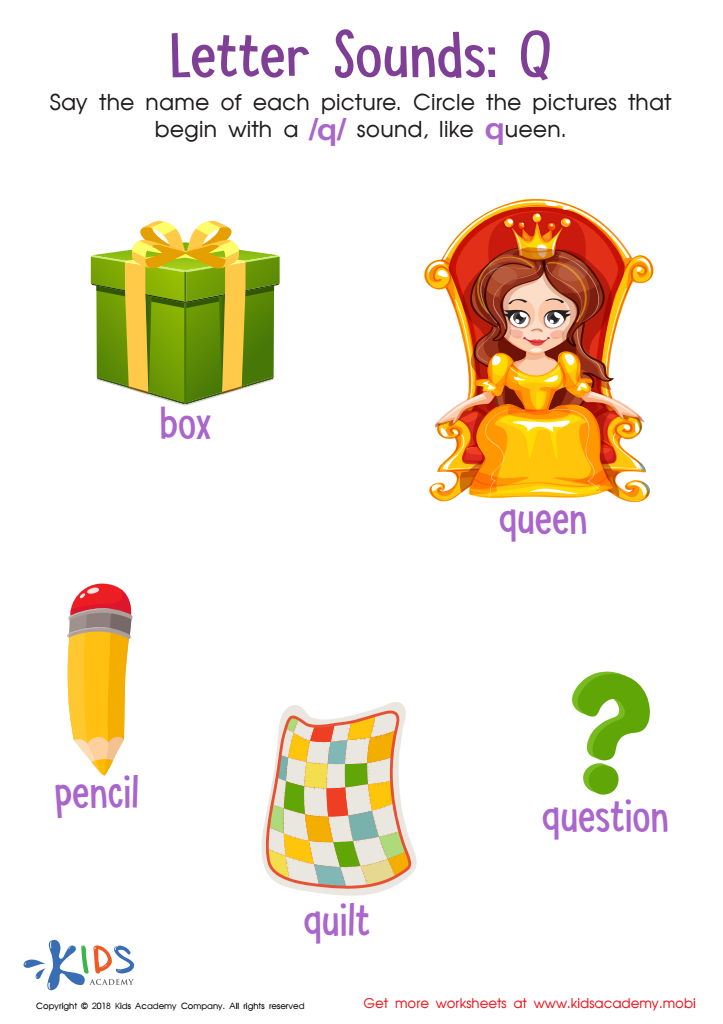
Letter Q Sounds Worksheet
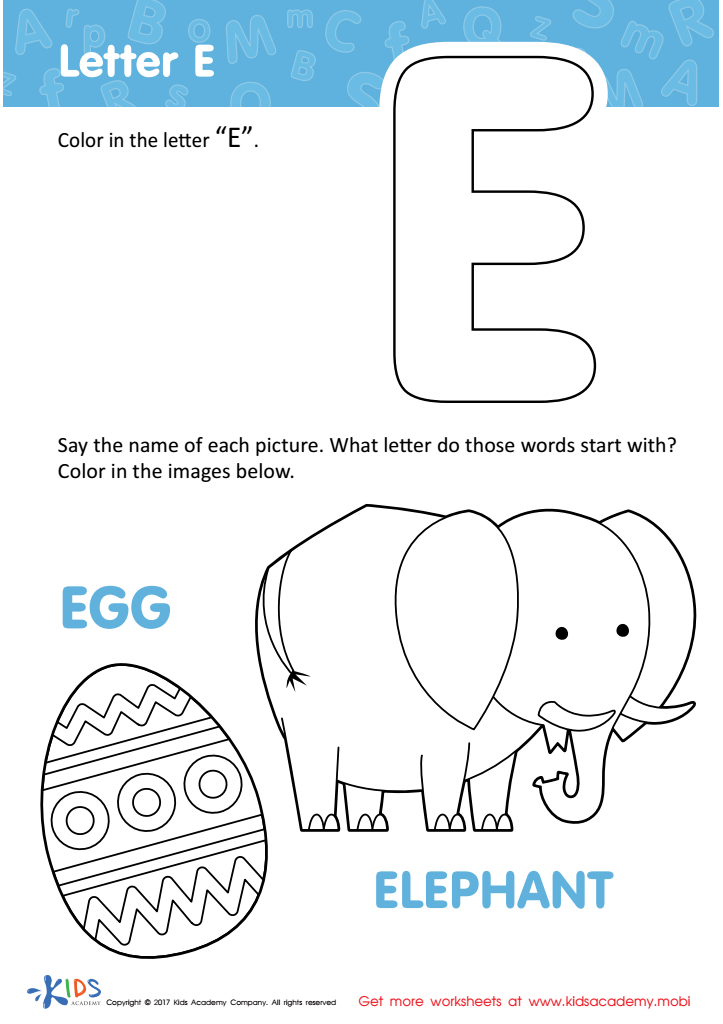
Letter E Coloring Sheet
 Assign to My Students
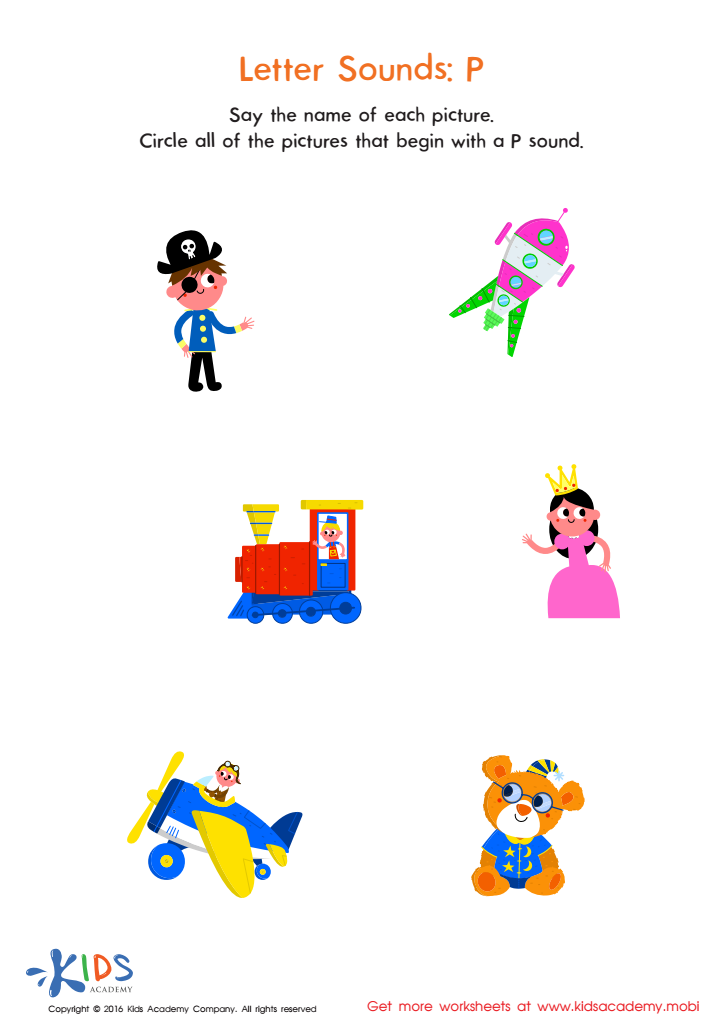
Letter P Sound Worksheet
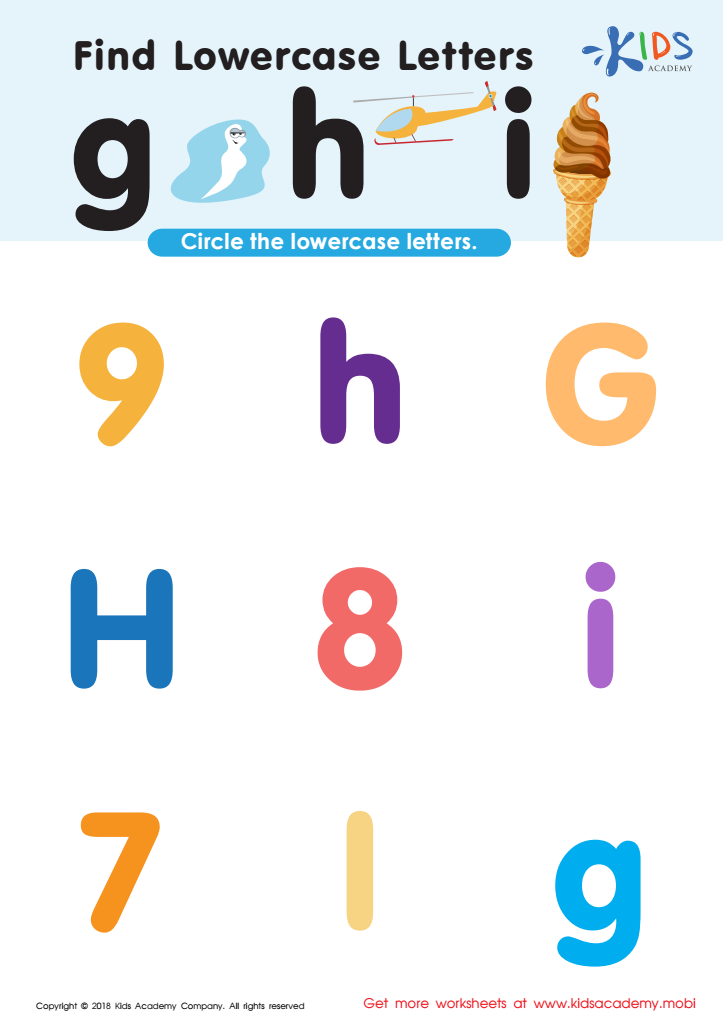
Find Lowercase Letters g h i Worksheet

Letter P Tracing Page
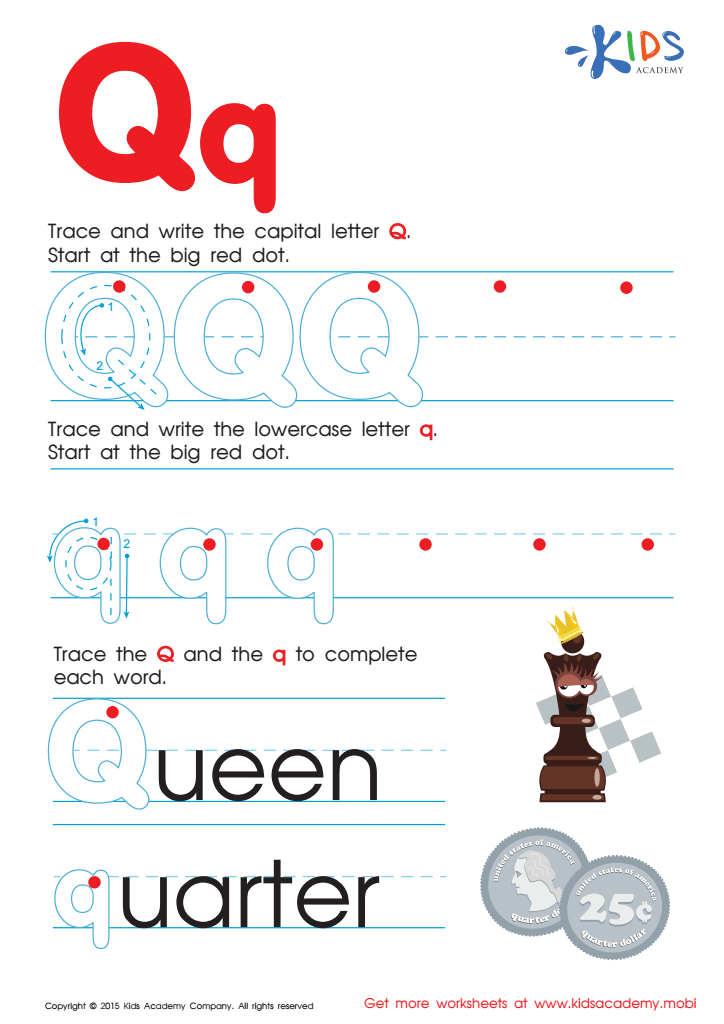
Letter Q Tracing Page
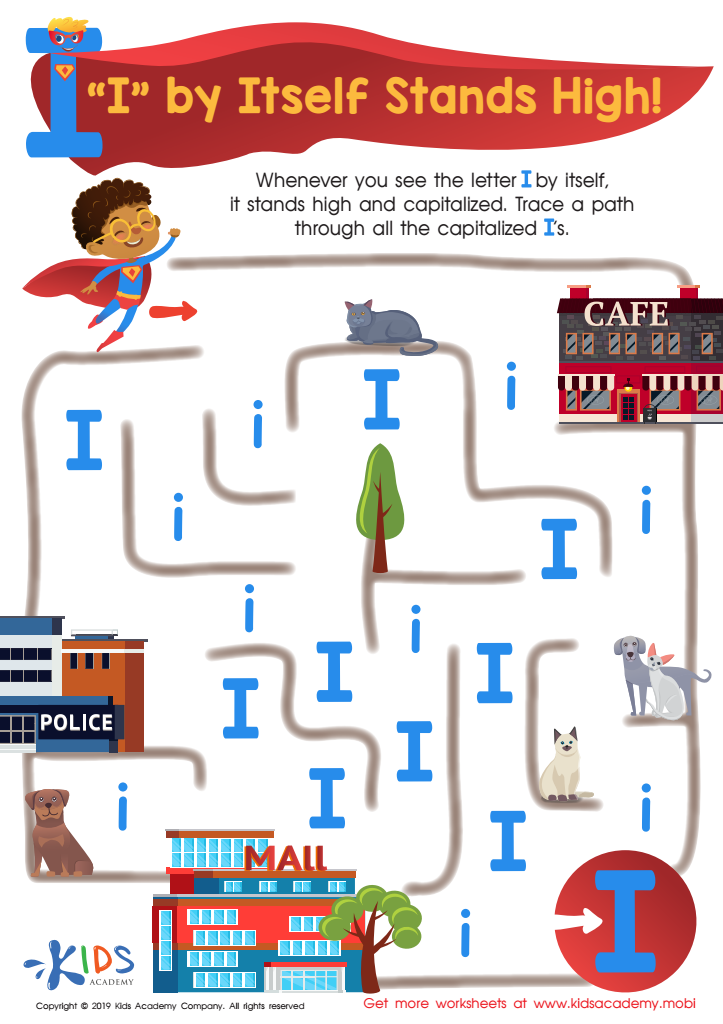
I Stands High Worksheet
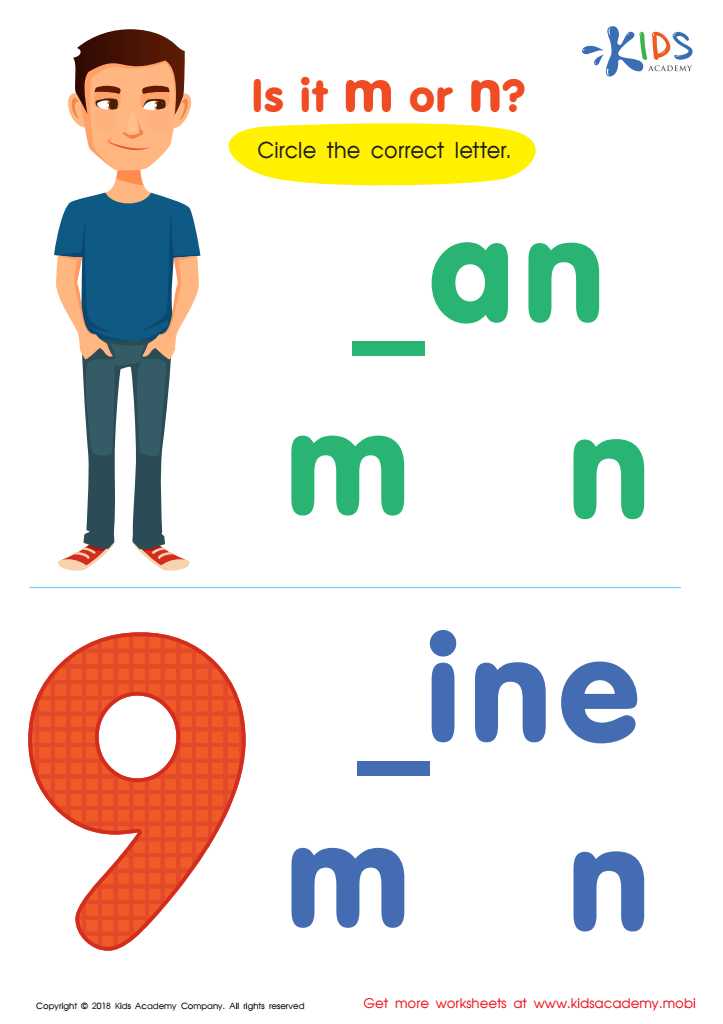
Is It m or n? Worksheet
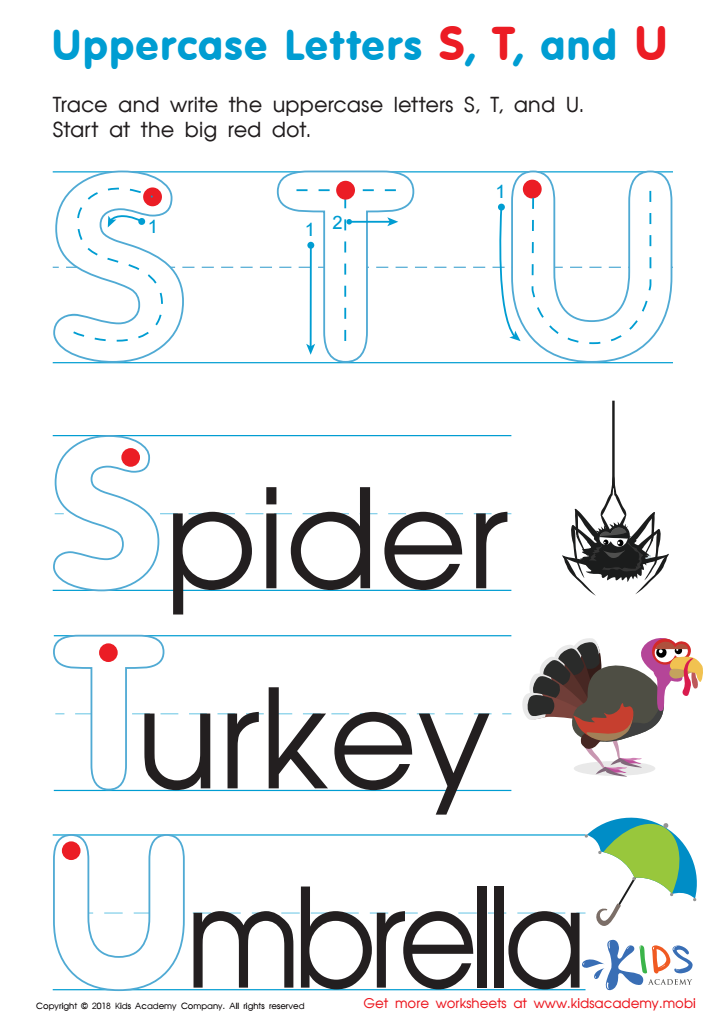
Uppercase Letters S, T, and U Worksheet
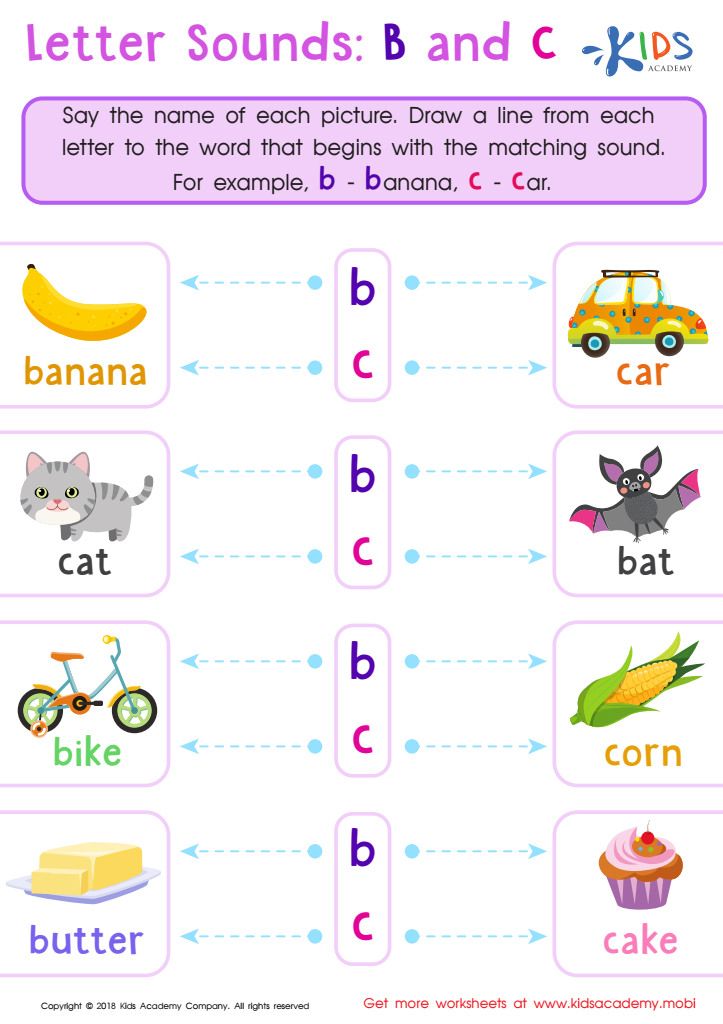
Letter B and C Sounds Worksheet
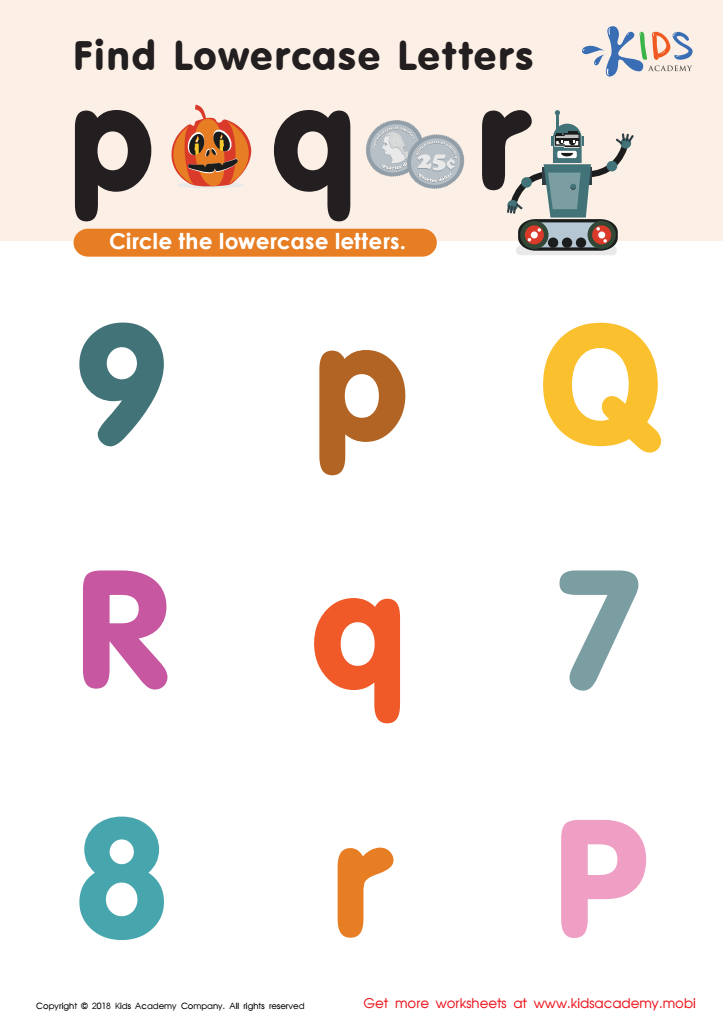
Find lowercase Letters p q r Worksheet
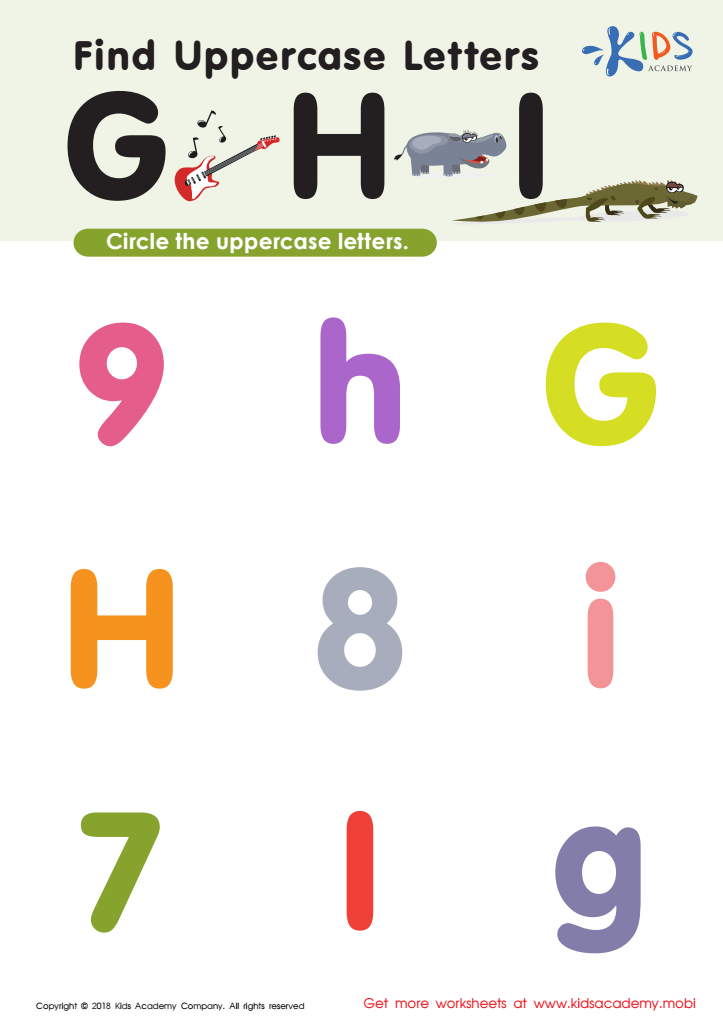
Find Uppercase Letters G, H, and I Worksheet
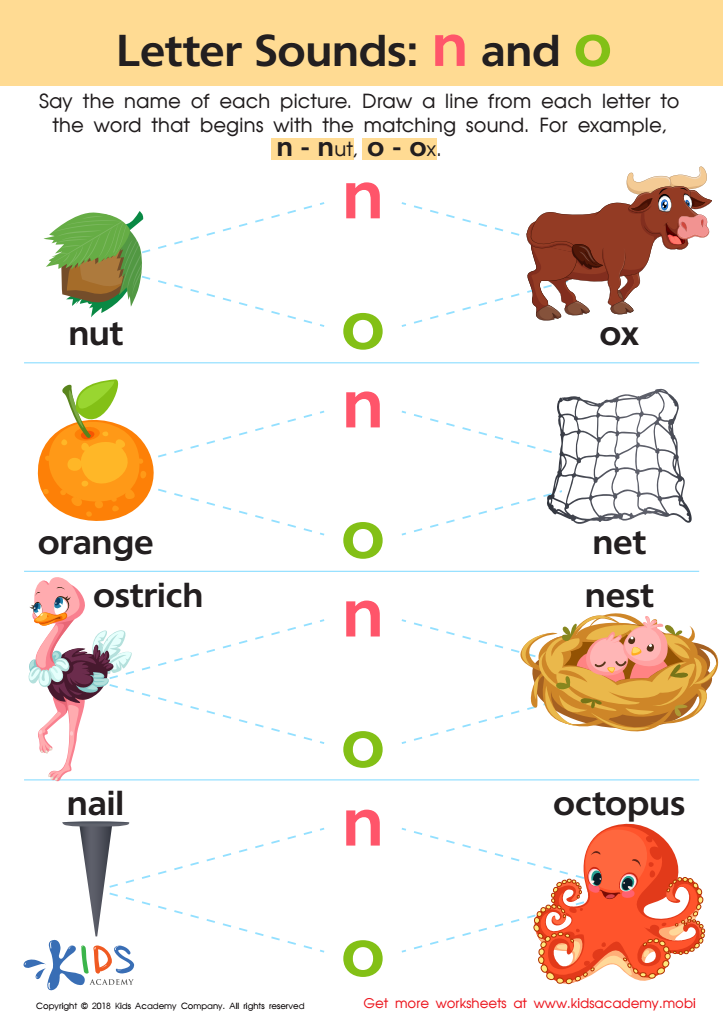
Letter N and O Sounds Worksheet
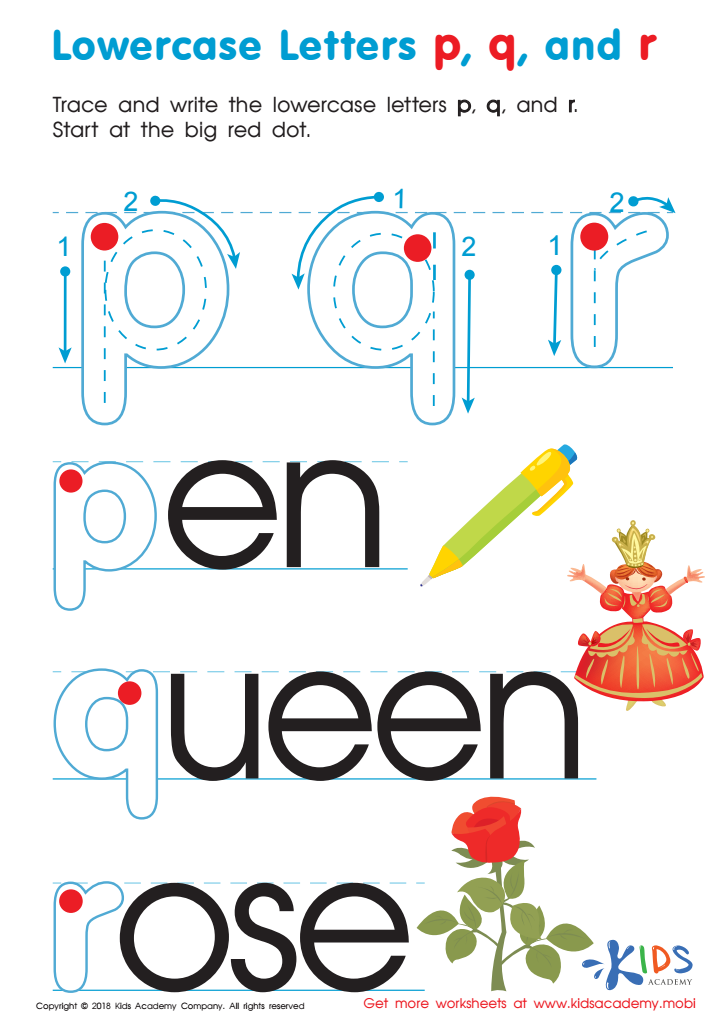
Lowercase Letters p q r Worksheet
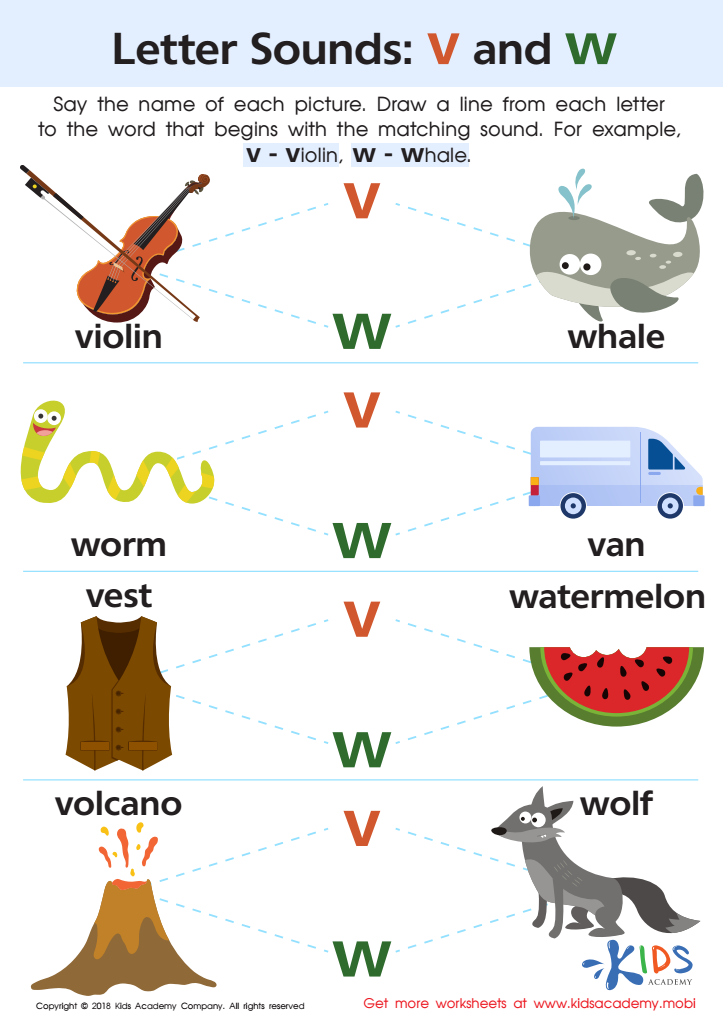
Letter V and W Sounds Worksheet
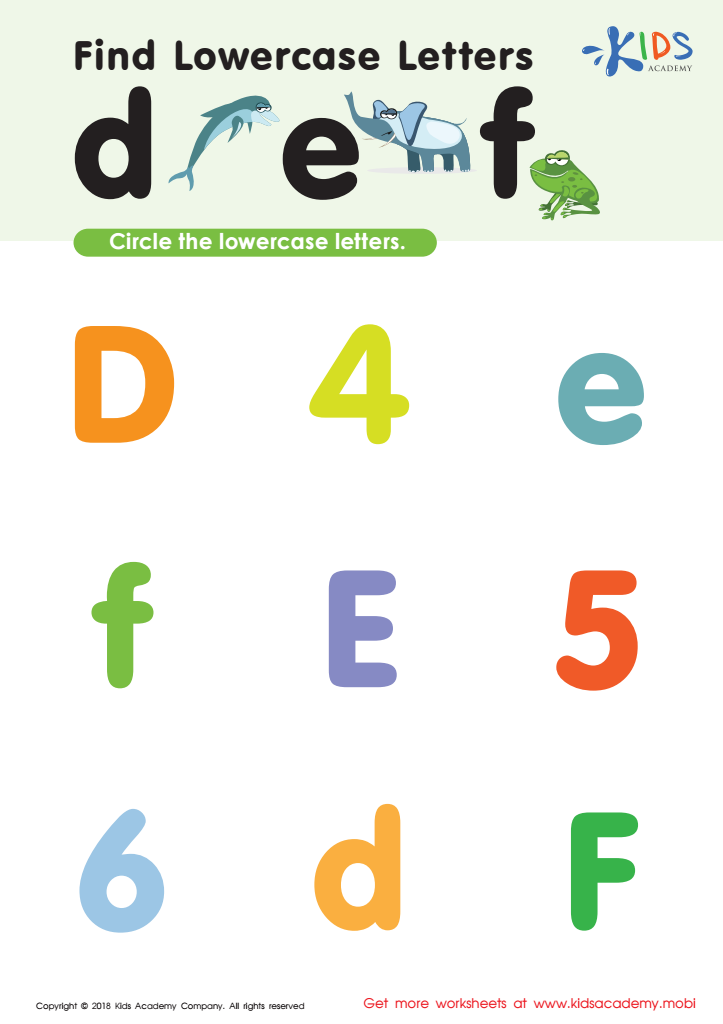
Find Lowercase Letters d e f Worksheet

Letter H Tracing Page
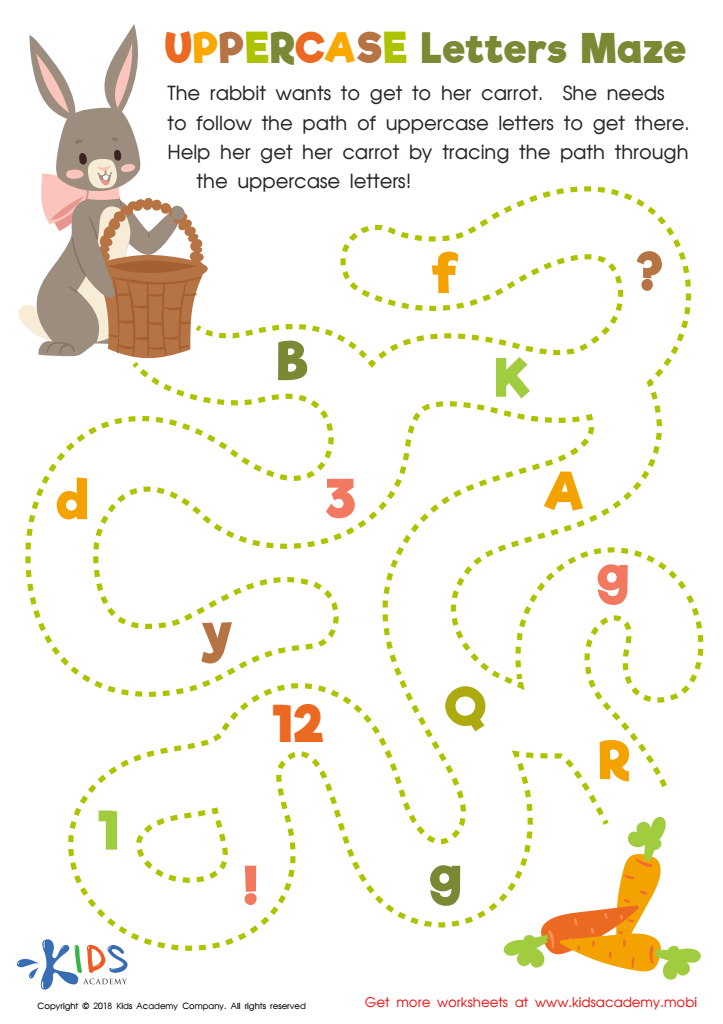
Uppercase Letters Maze Worksheet
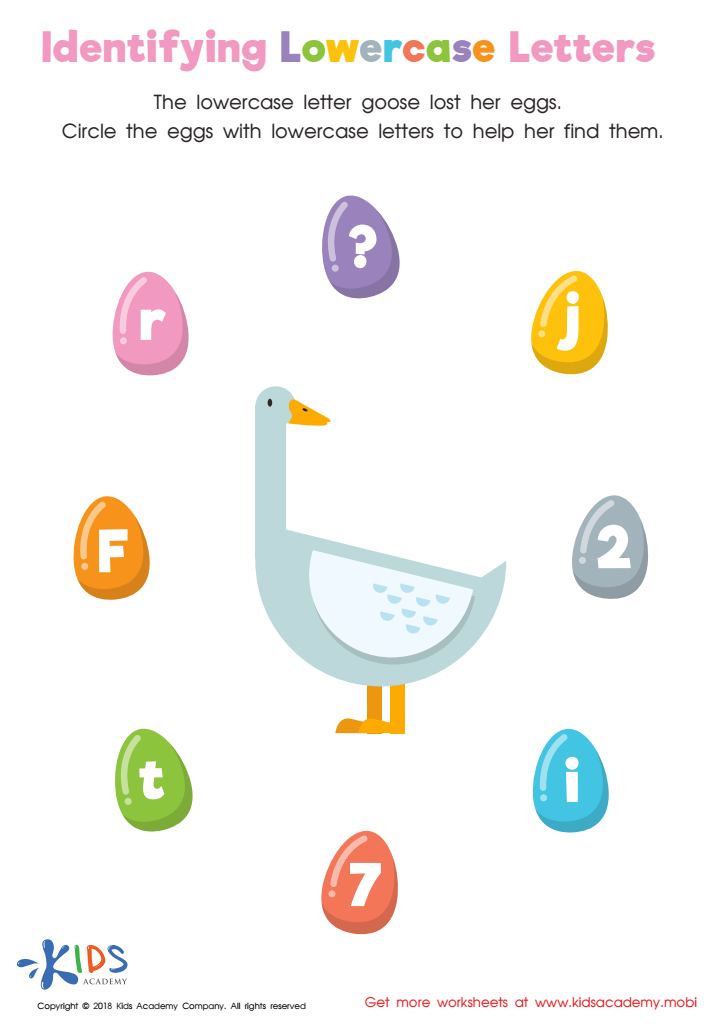
Identifying Lowercase Letters Worksheet
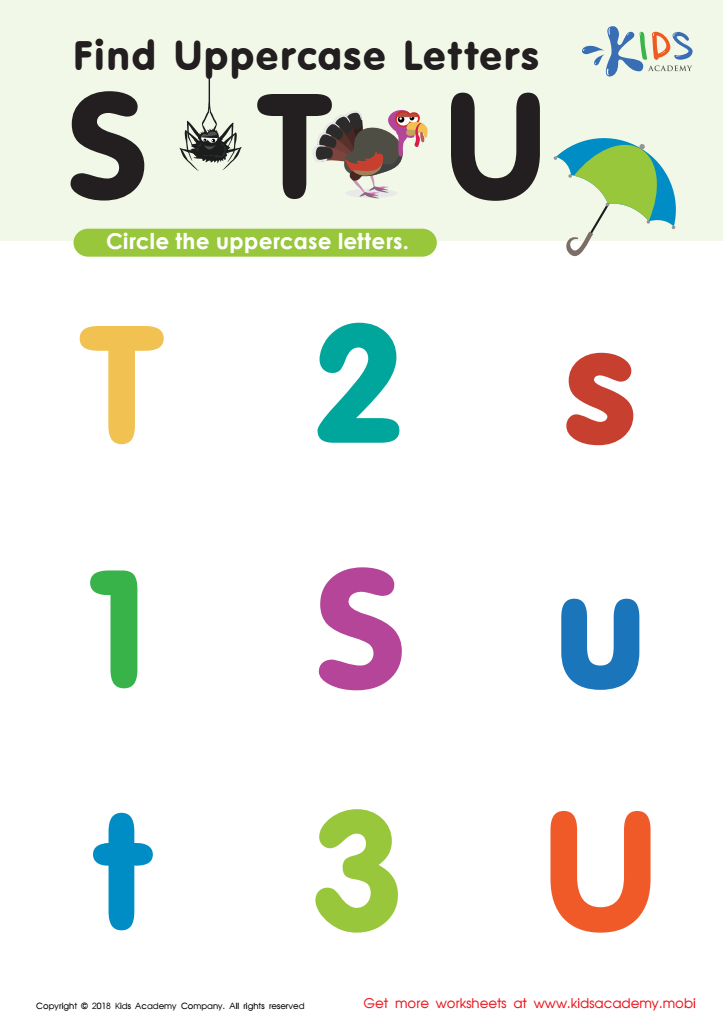
Find Uppercase Letters Worksheet
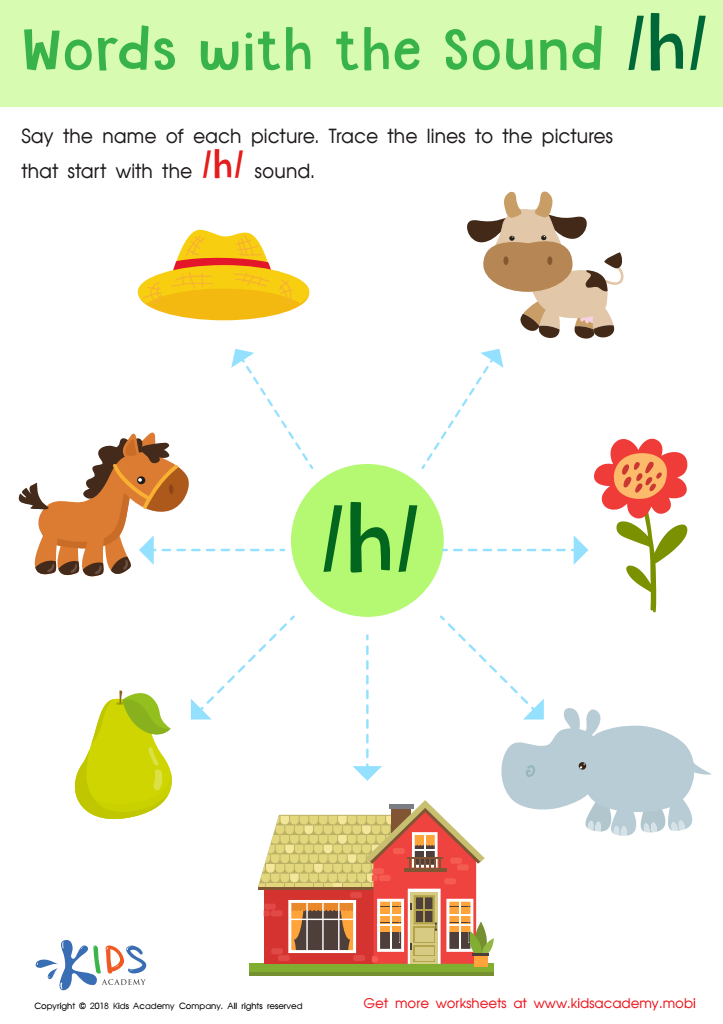
Words with sound h Reading Worksheet
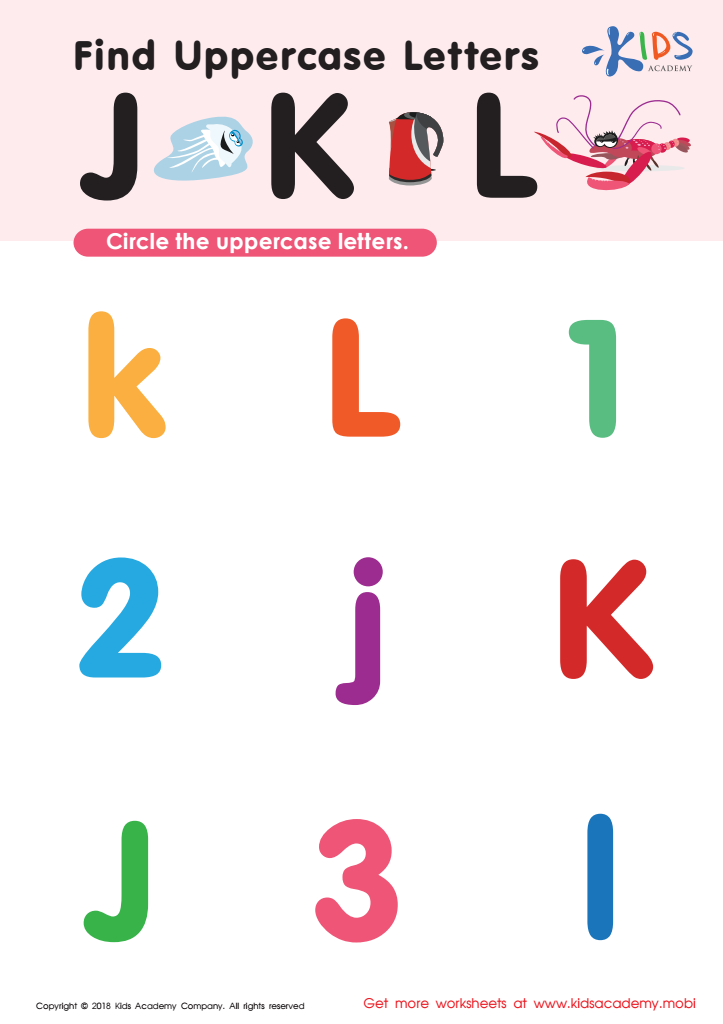
Find Uppercase Letters J, K, and L Worksheet
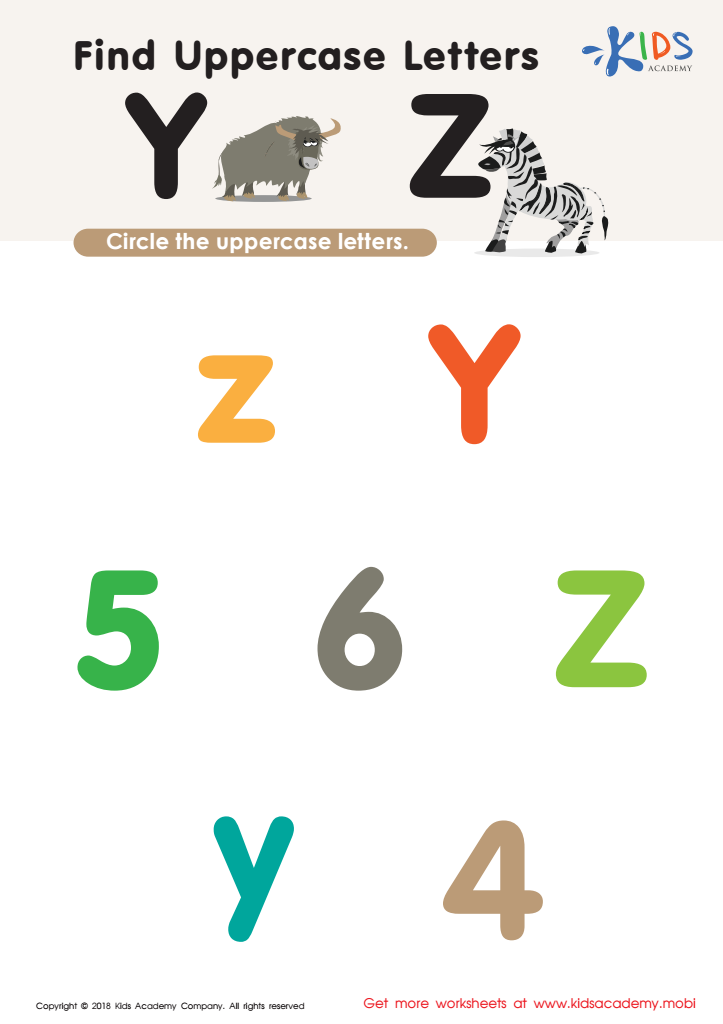
Find Uppercase Letters Y Z Worksheet
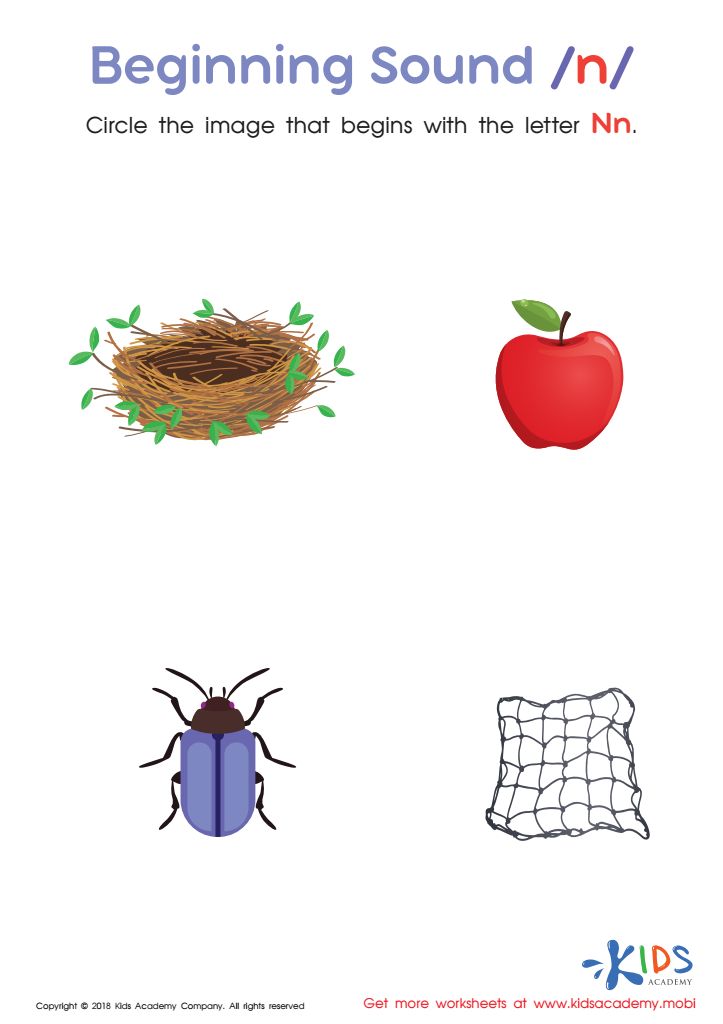
Beginning Sound «n» Worksheet







Letter recognition is foundational for literacy development, crucial for children aged 4 to 8. At this stage, children are actively learning the mechanics of reading and writing, and recognizing the proper shapes, sounds, and forms of letters is essential. When children can identify letters, they can build words, which helps them understand phonics and develop reading fluency. This skill forms the bedrock for future academic success across all subjects.
For educators and parents, fostering letter recognition not only supports reading but also enhances vocabulary development and comprehension skills, enabling children to express themselves effectively. Recognizing letters can also promote confidence in children as they embark on their learning journeys.
Moreover, as children interact with their environment—through signs, books, and digital media—an understanding of letters encourages curiosity and critical thinking. It lays the groundwork for lifelong skills, as they learn to decode information both in school and real-world contexts.
By engaging children in fun and interactive activities that promote letter recognition, parents and teachers play a vital role in nurturing young learners, helping them connect with the world and developing a strong foundation for their educational future. Investing in this critical stage ultimately impacts their overall growth and lifelong learning.







