Normal Letter Recognition Worksheets for Ages 4-8
83 filtered results
-
From - To
Discover our engaging Normal Letter Recognition Worksheets designed for children aged 4-8, perfect for building foundational reading skills! These worksheets help young learners identify and differentiate letters through fun activities that incorporate coloring, tracing, and matching. Tailored to capture the interests of early learners, each exercise reinforces letter recognition and phonemic awareness, paving the way for future reading success. Our meticulously crafted resources enable teachers and parents to support their children's early literacy development in an enjoyable way. Explore our vast selection of printable worksheets and watch your child gain confidence and competency in recognizing letters effortlessly! Start their learning journey today!
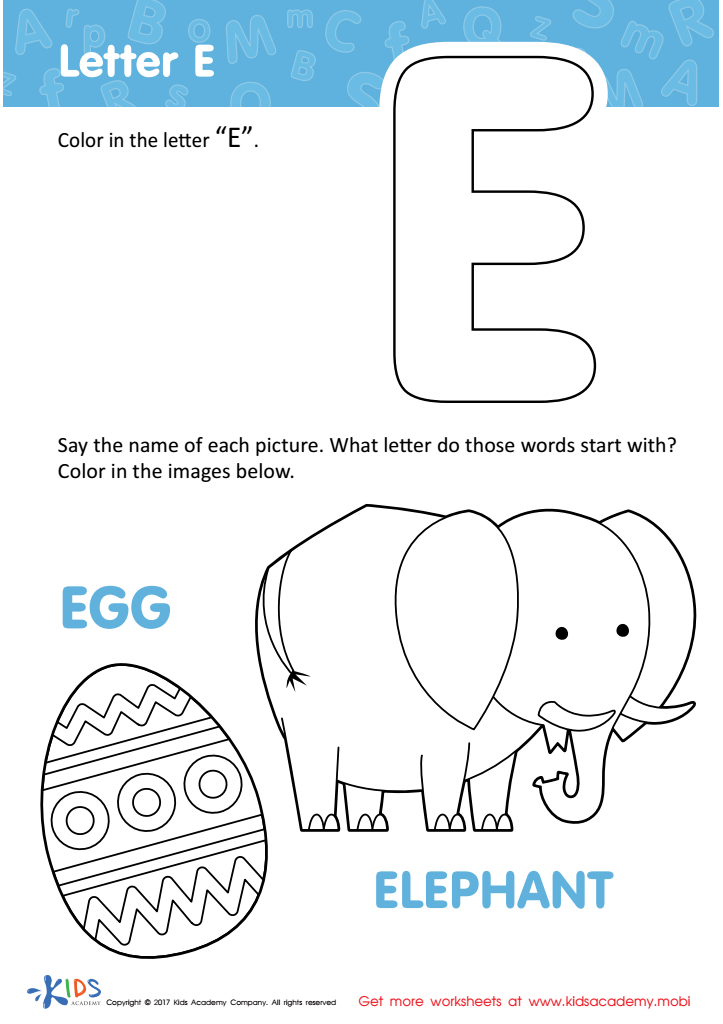
Letter E Coloring Sheet
 Assign to My Students
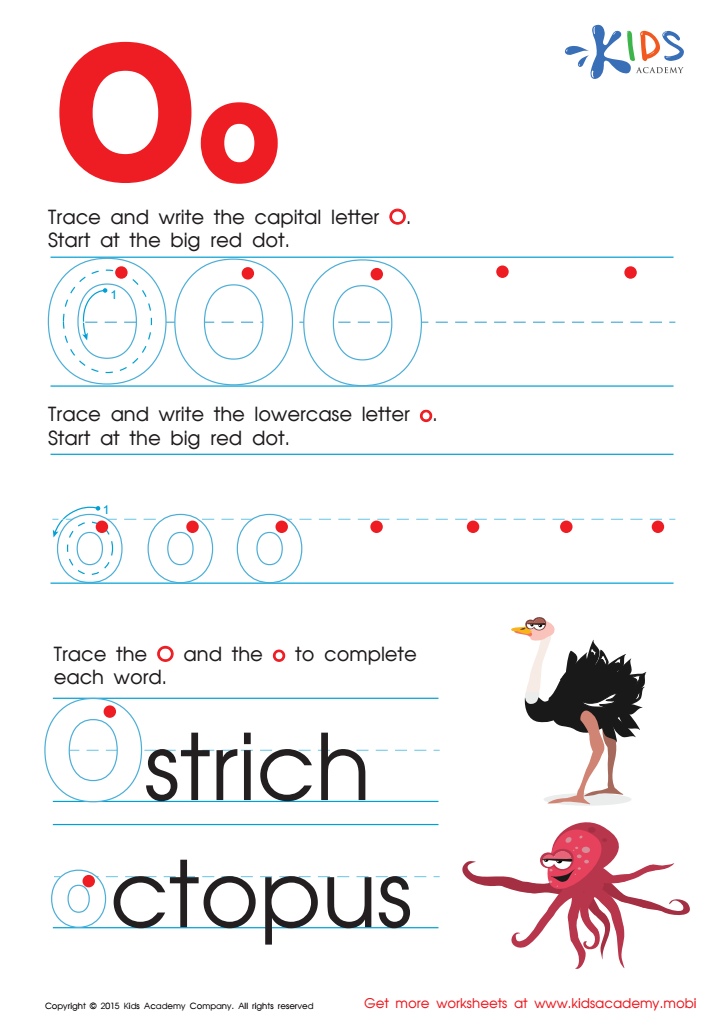
Letter O Tracing Page
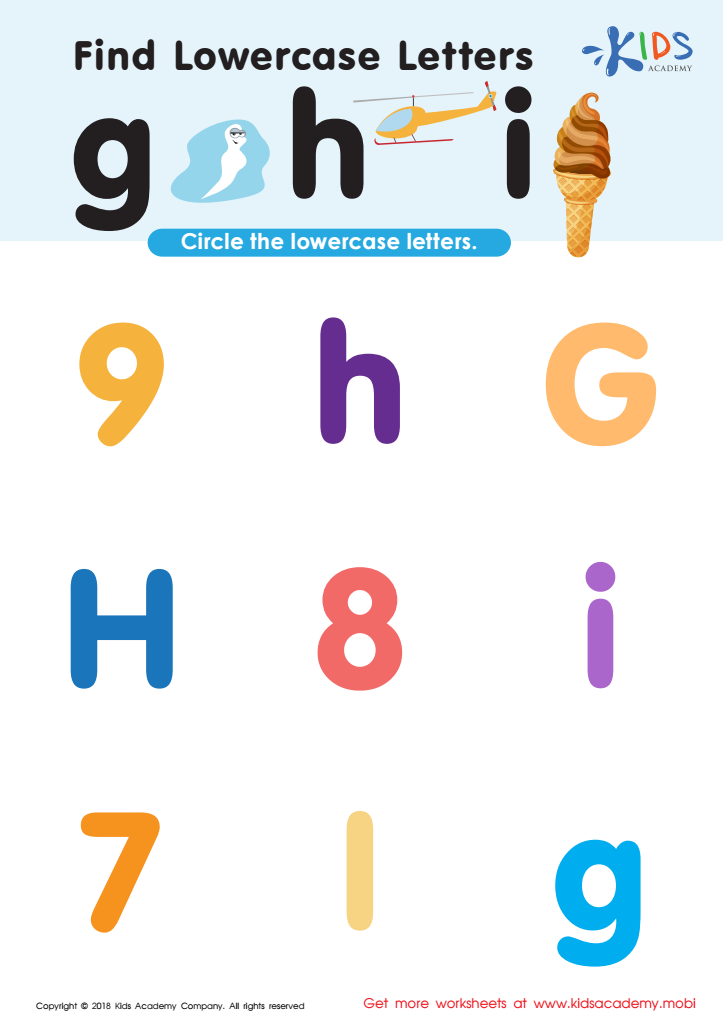
Find Lowercase Letters g h i Worksheet
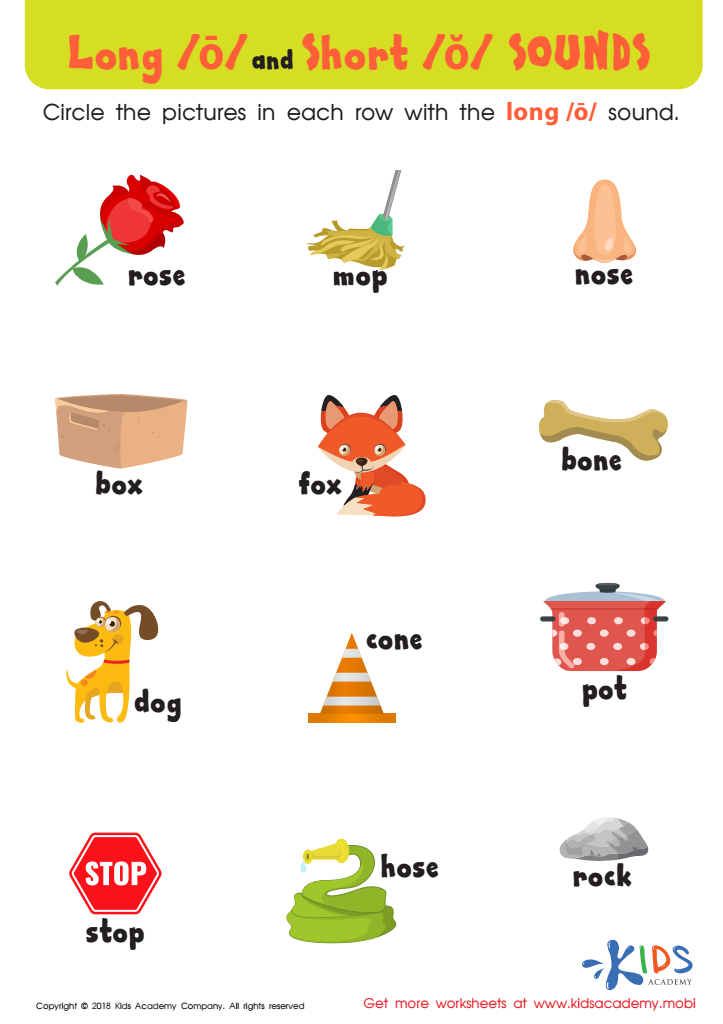
Reading: Long O and Short O Sounds Worksheet
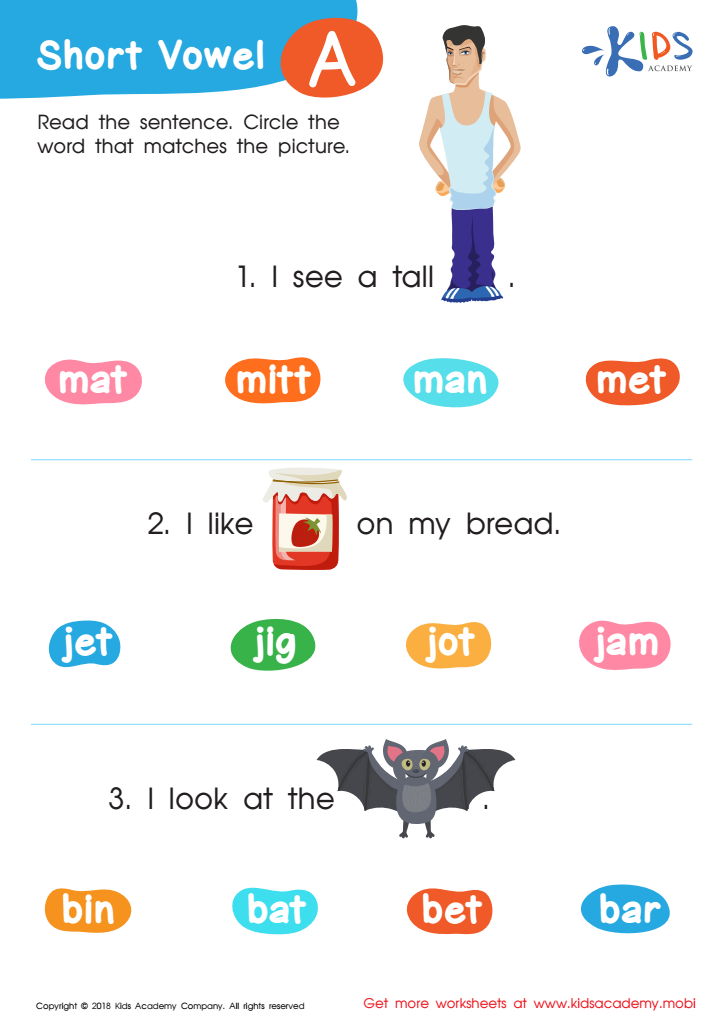
Short Vowel /a/ Worksheet

Letter P Tracing Page
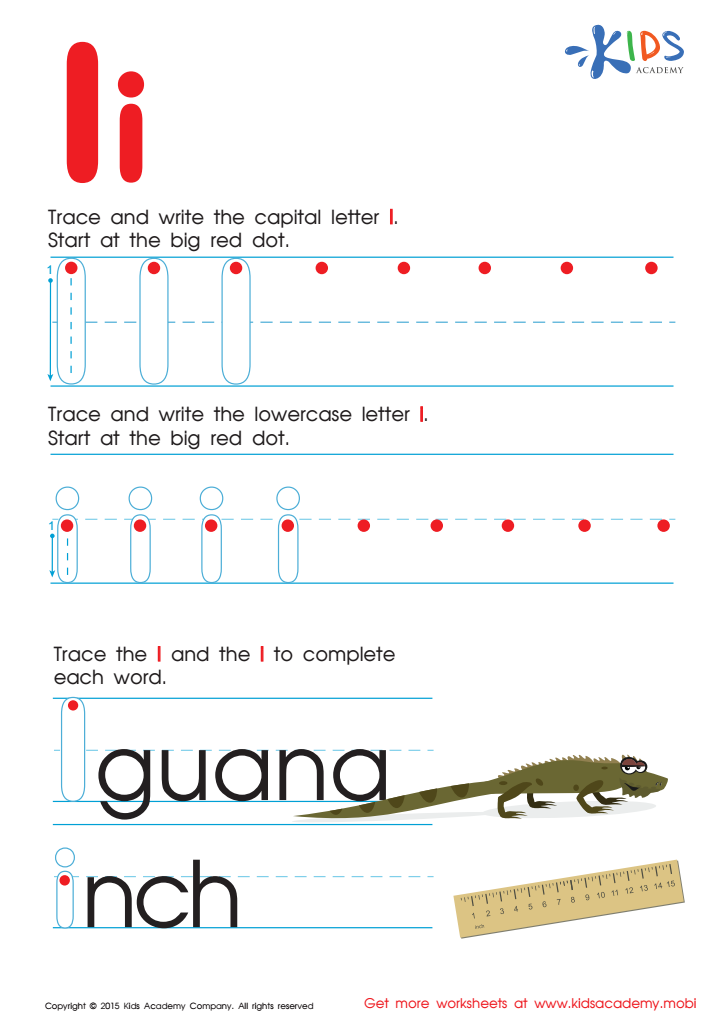
Letter I Tracing Page
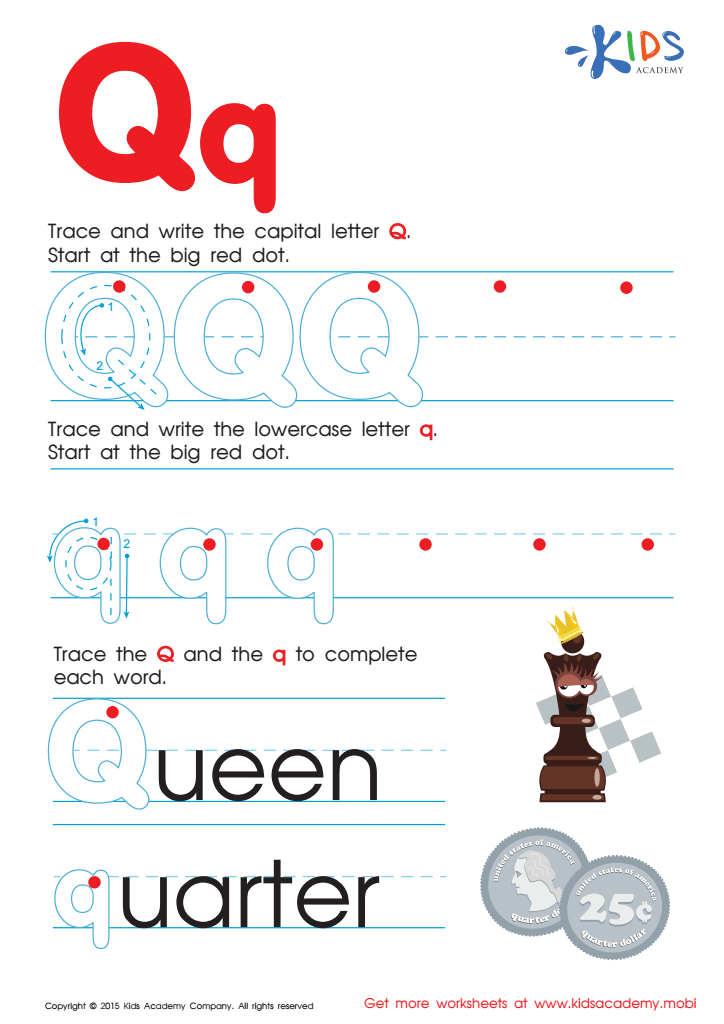
Letter Q Tracing Page
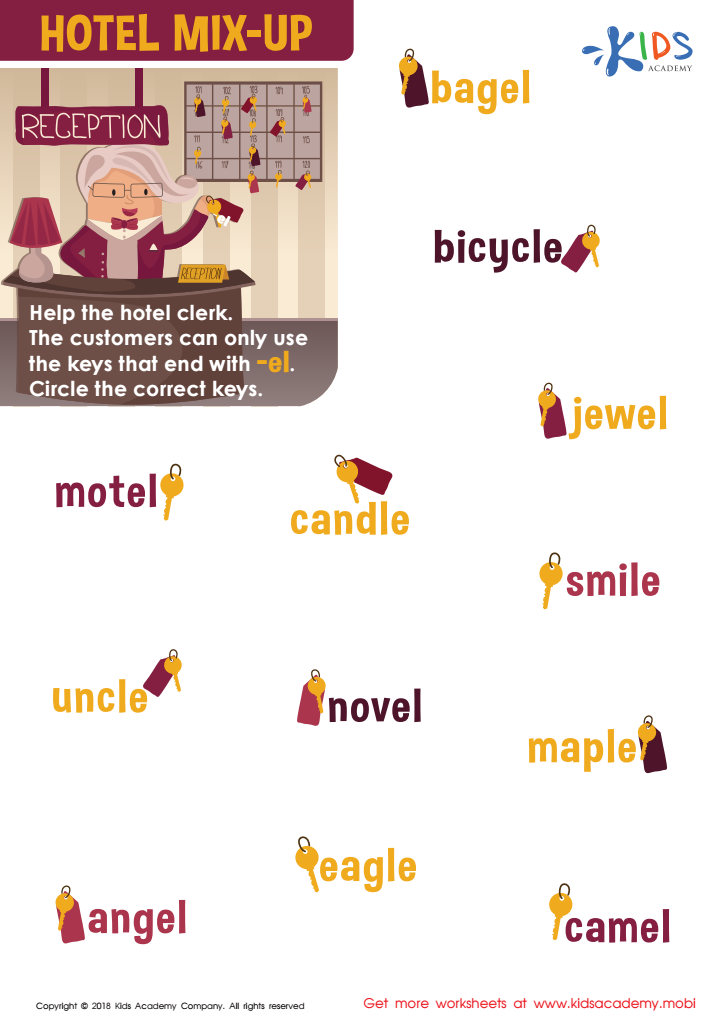
Hotel Mix-up Worksheet
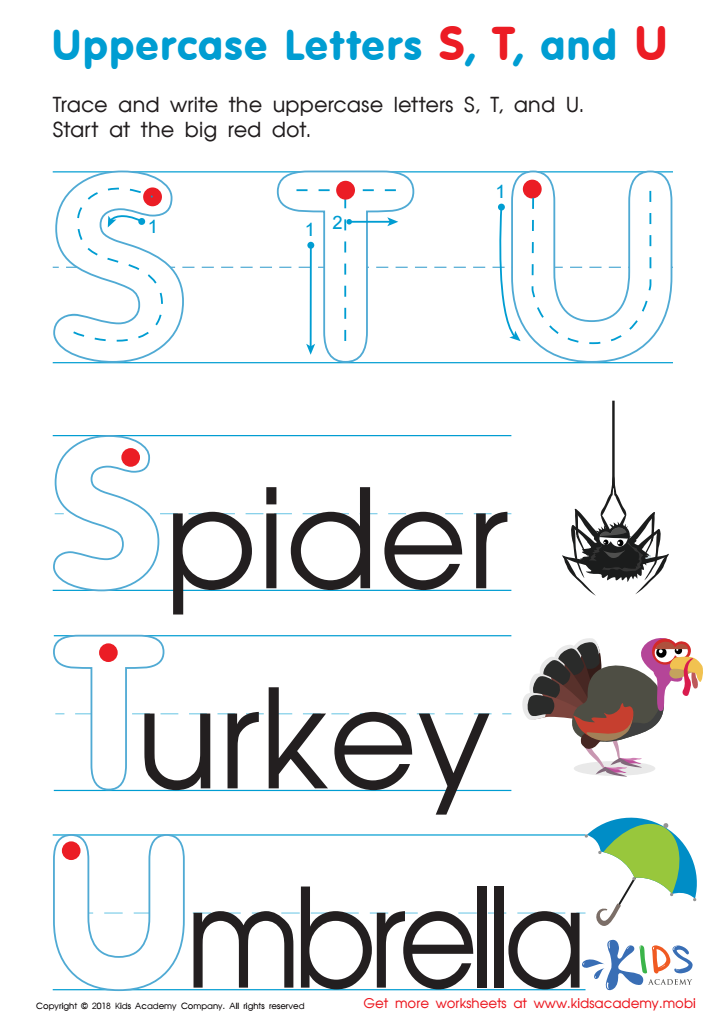
Uppercase Letters S, T, and U Worksheet
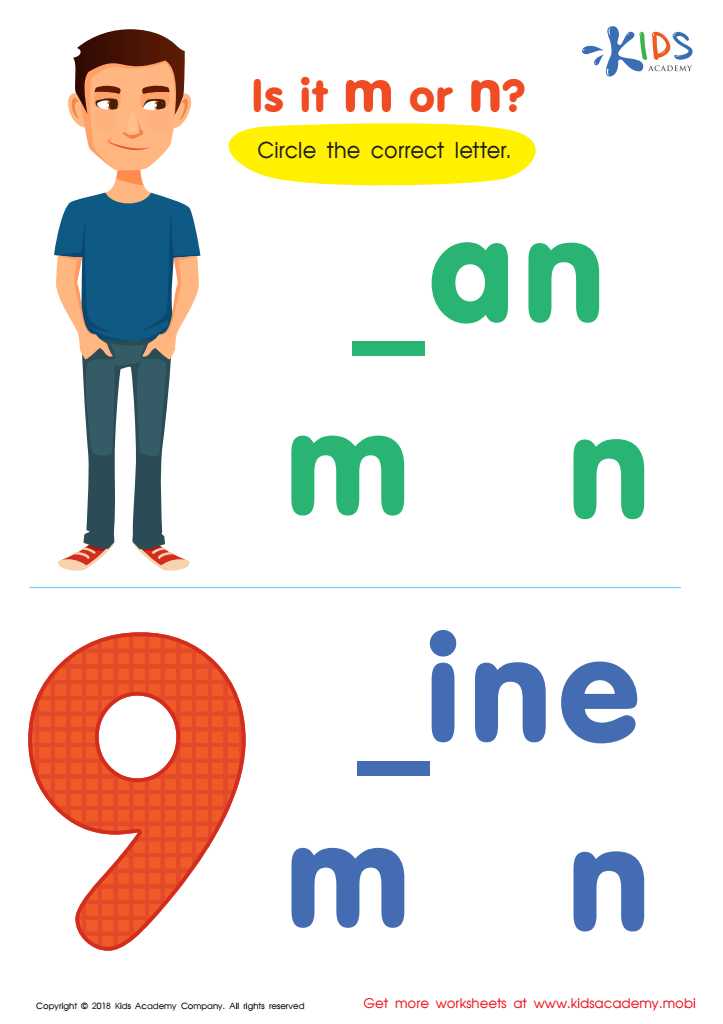
Is It m or n? Worksheet
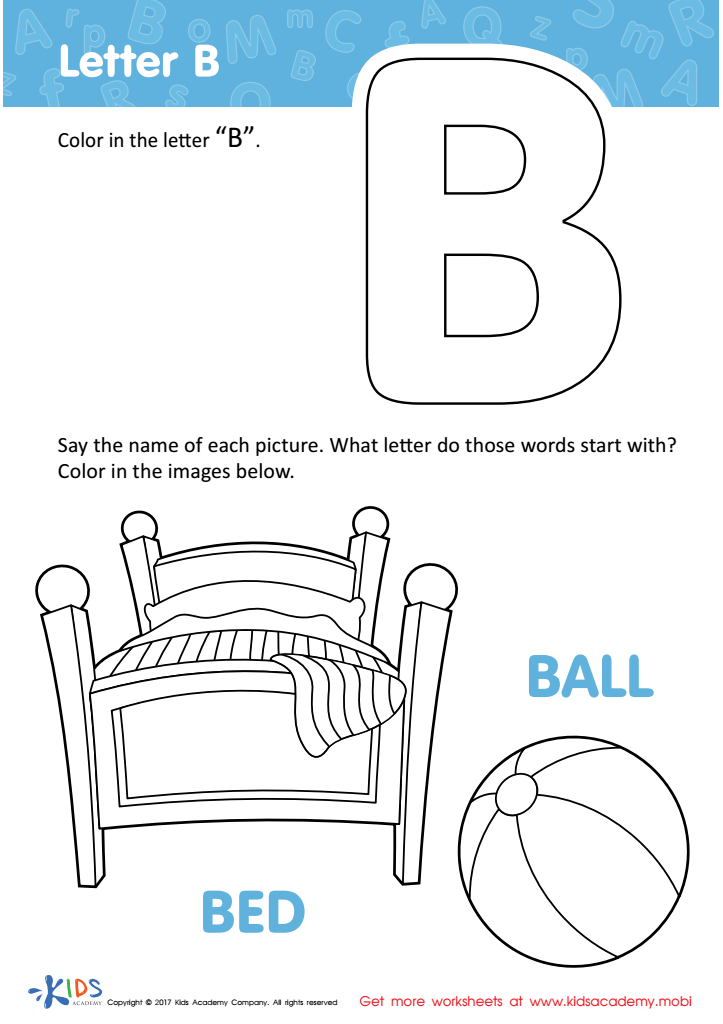
Letter B Coloring Sheet
Assign to My Students
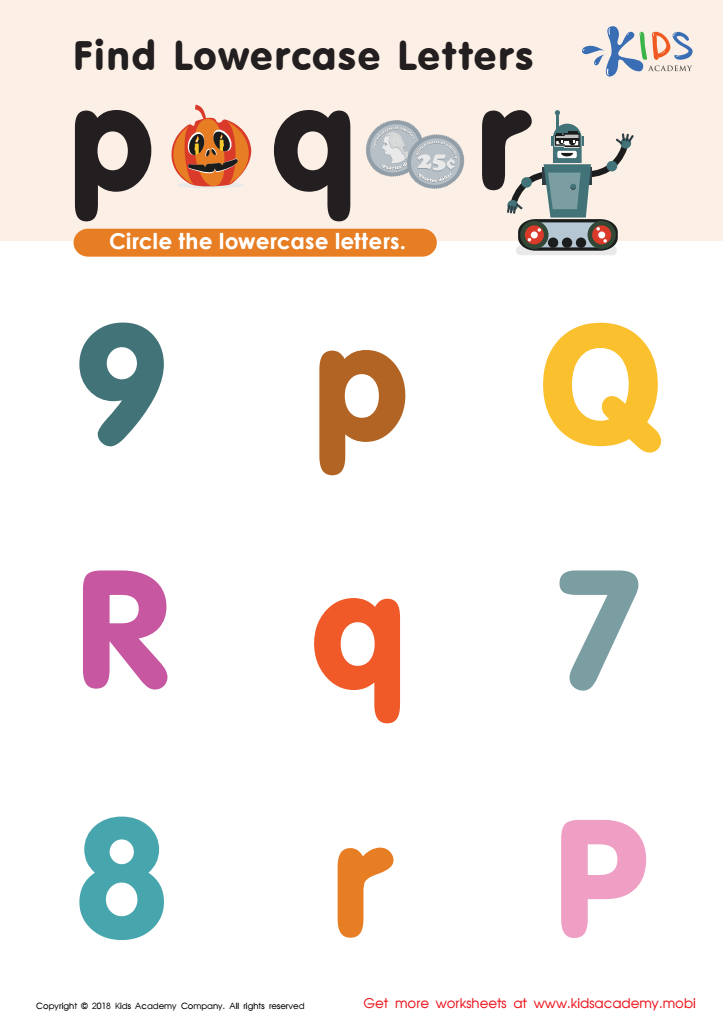
Find lowercase Letters p q r Worksheet
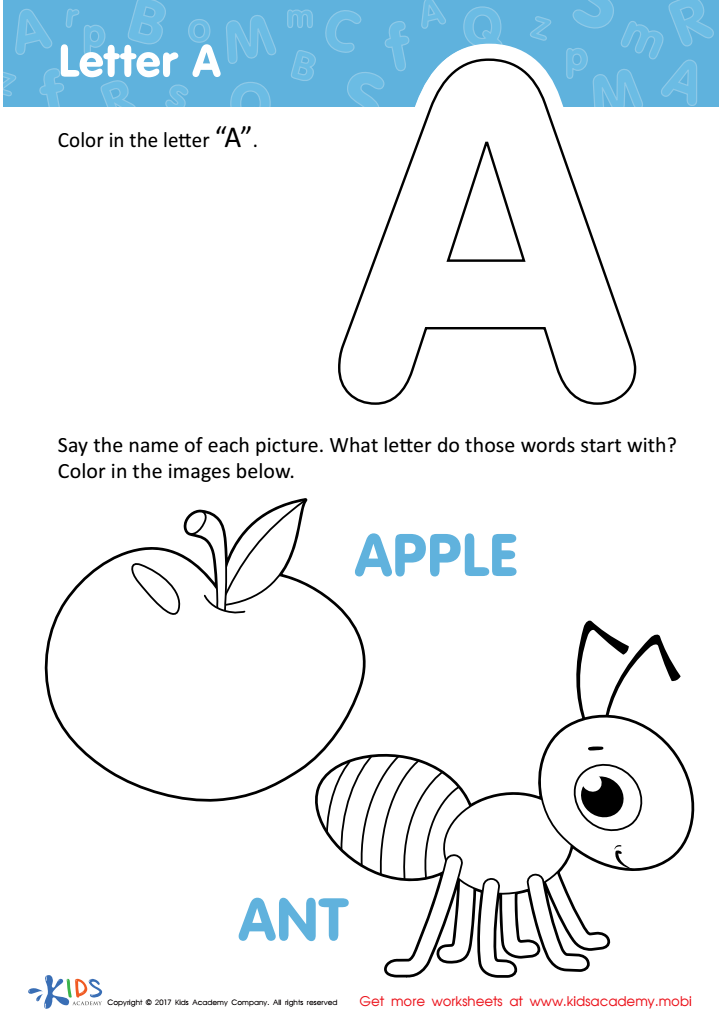
Letter A Coloring Sheet
Assign to My Students
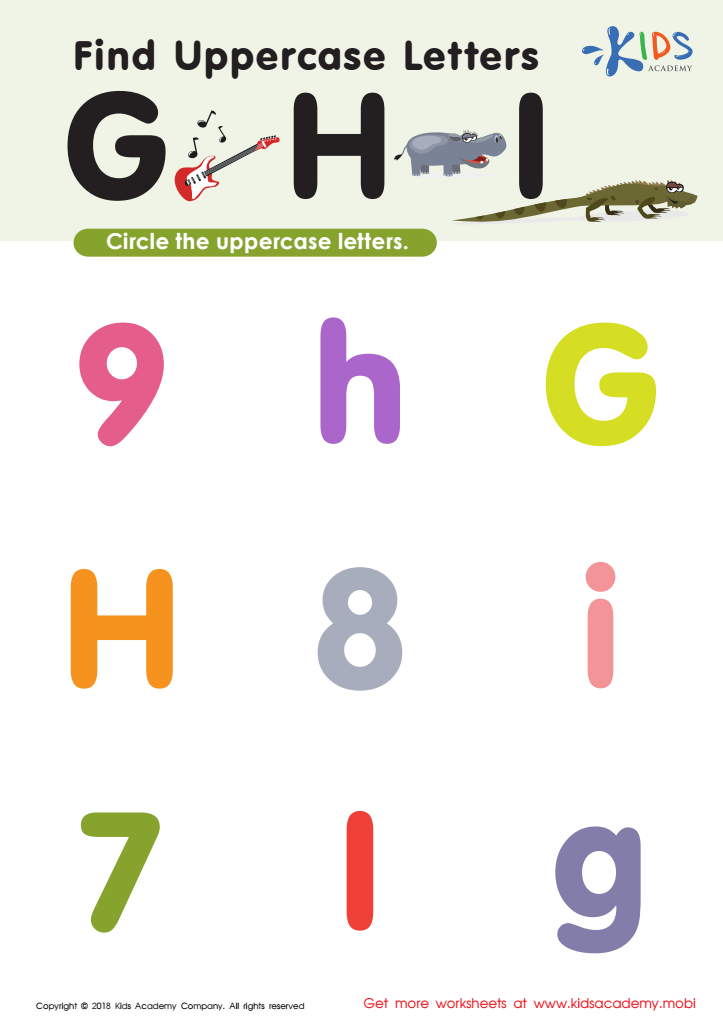
Find Uppercase Letters G, H, and I Worksheet
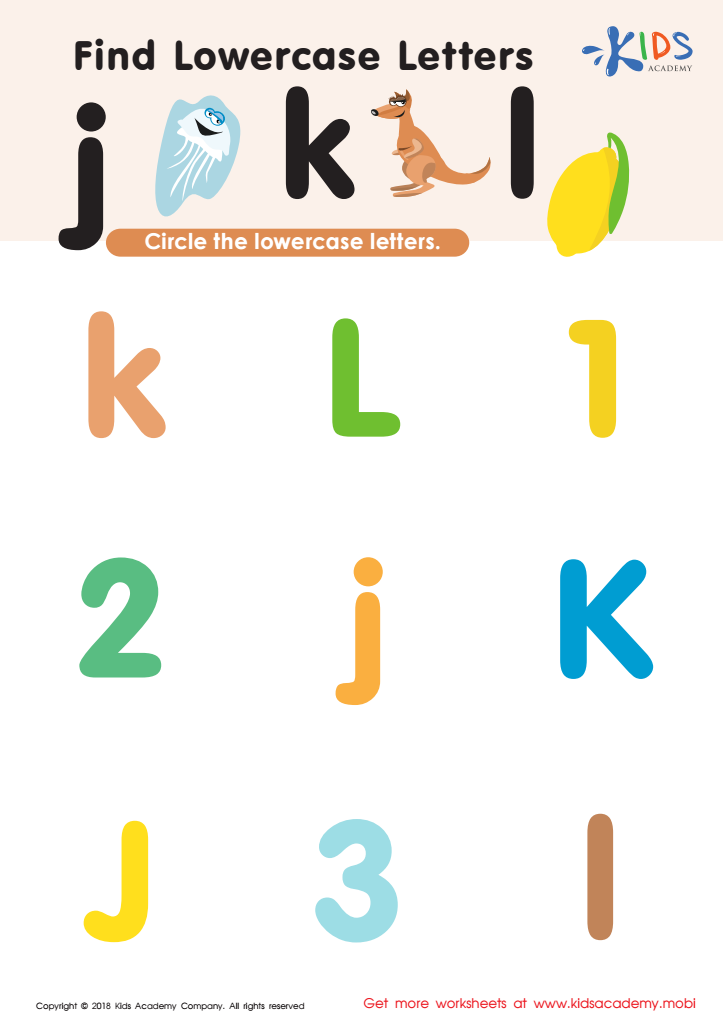
Find Lowercase Letters j k l Worksheet
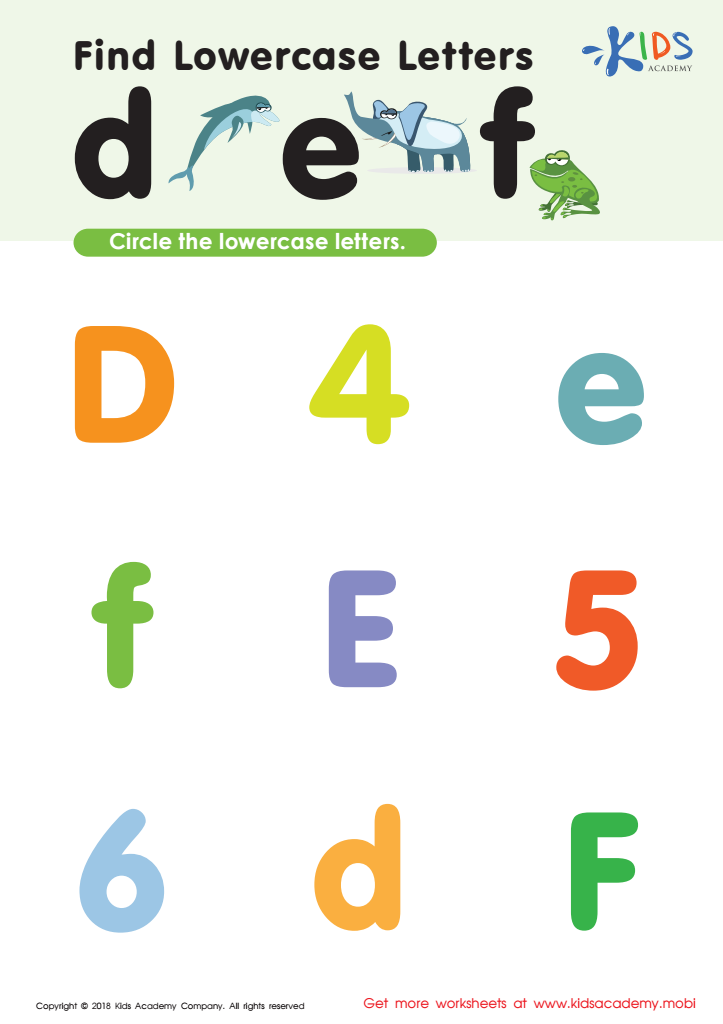
Find Lowercase Letters d e f Worksheet
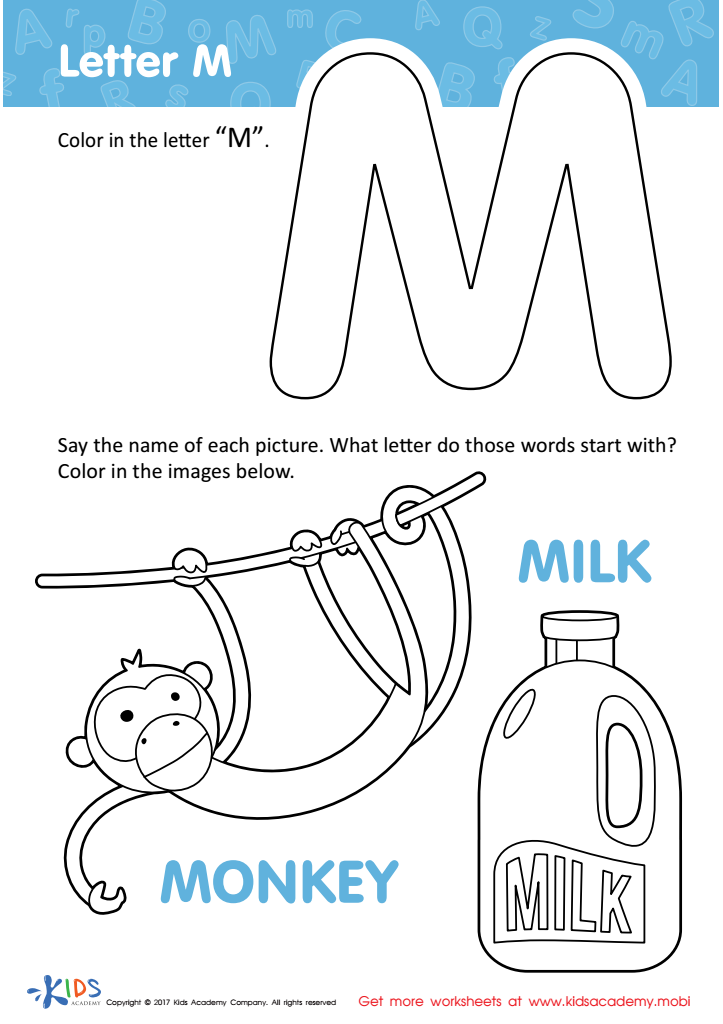
Letter M Coloring Sheet
Assign to My Students

Letter H Tracing Page
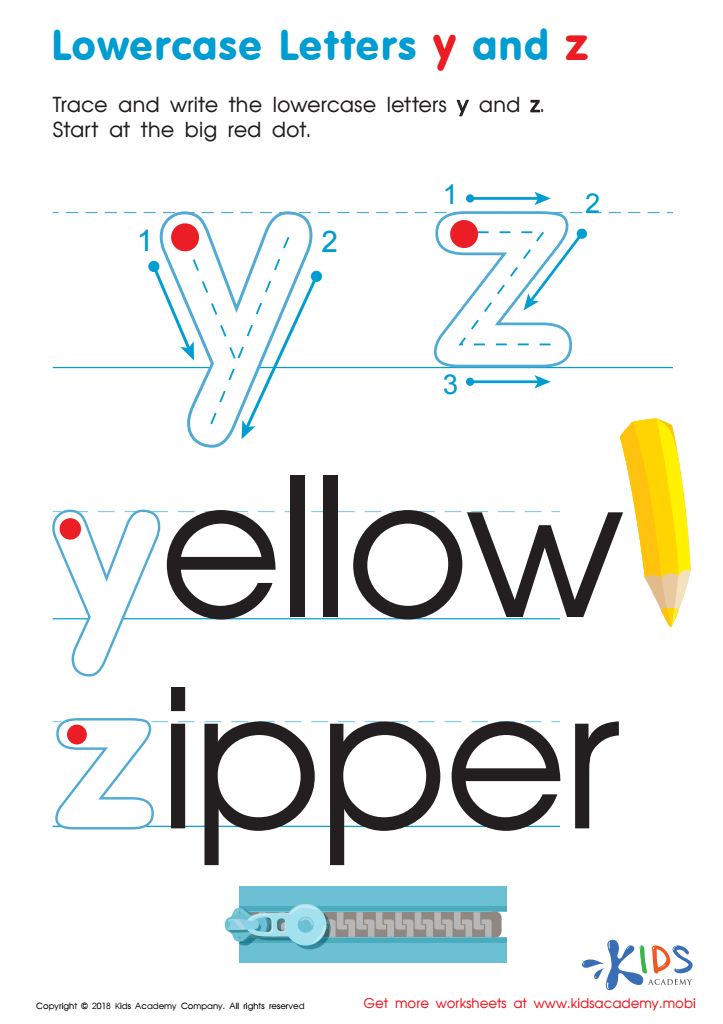
Lowercase Letters y z Worksheet
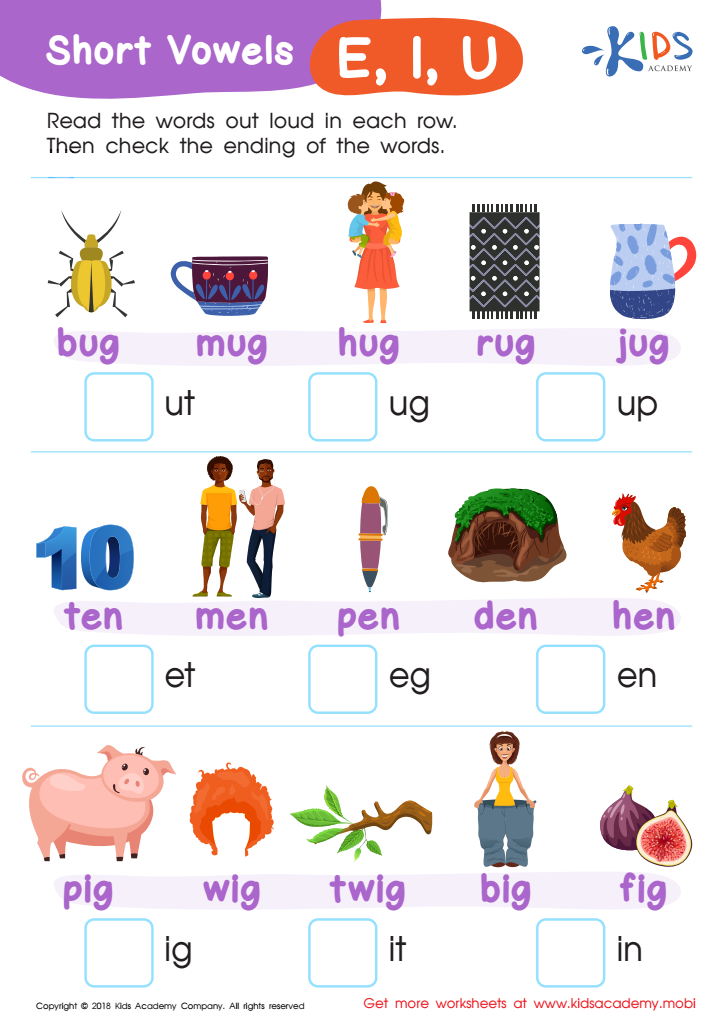
Short Vowels /e/, /i/, and /u/ Worksheet
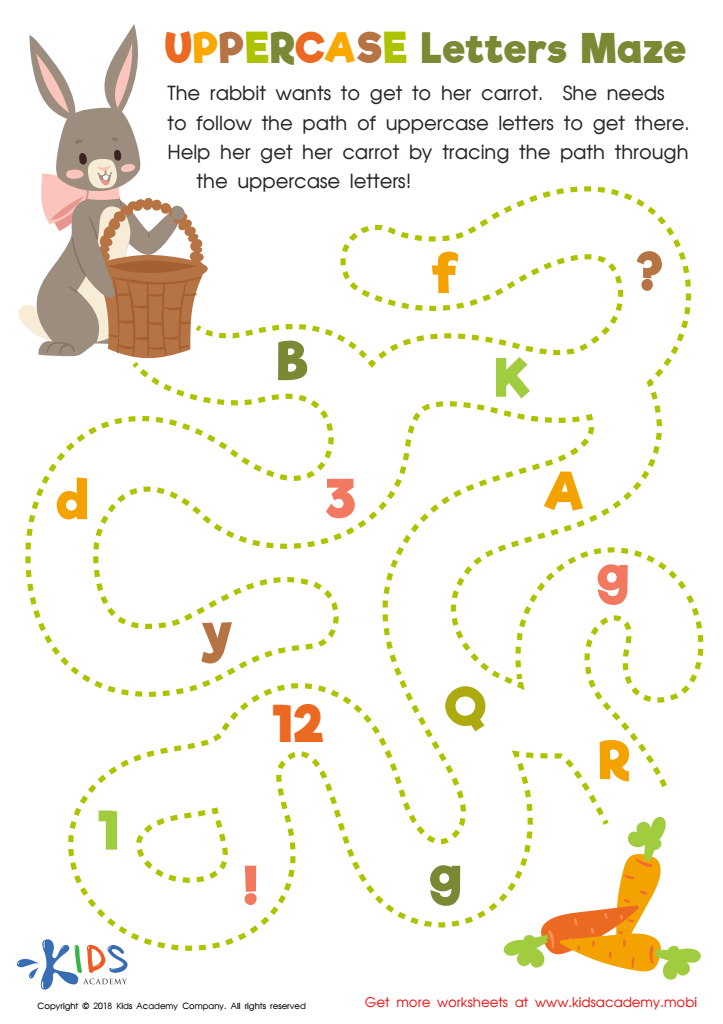
Uppercase Letters Maze Worksheet
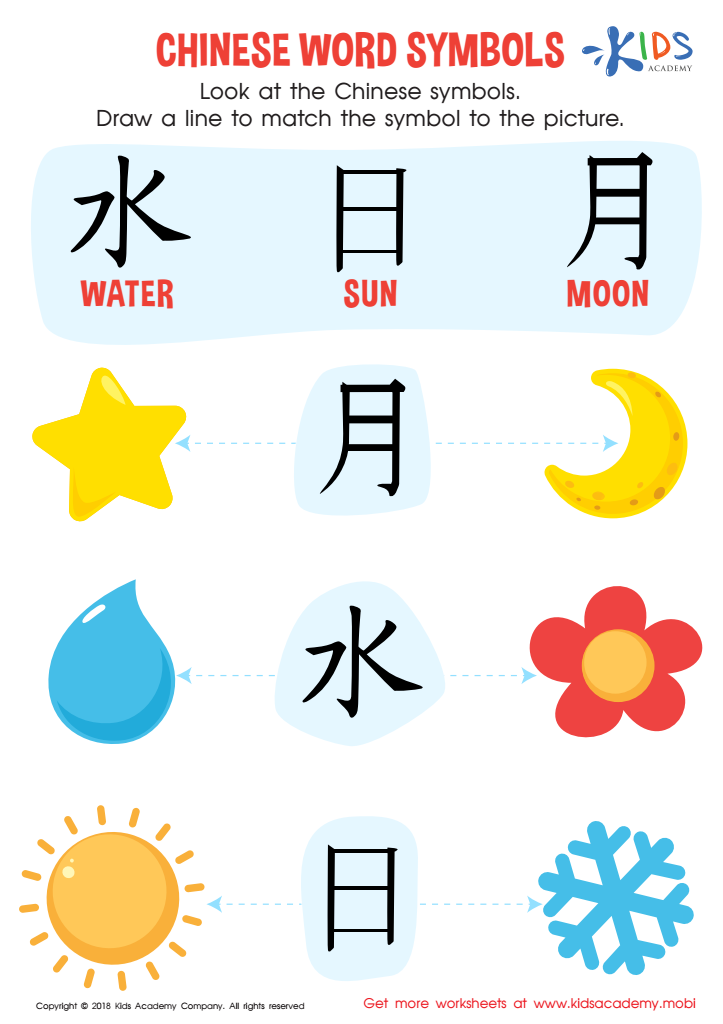
Chinese Word Symbols Worksheet
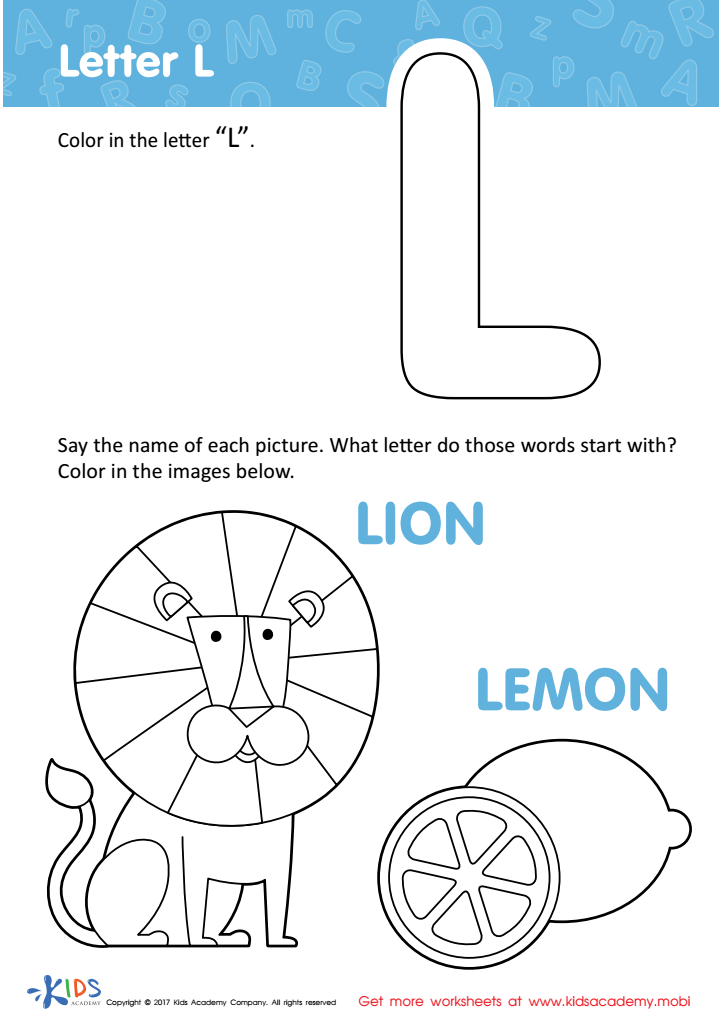
Letter L Coloring Sheet
Assign to My Students








Normal letter recognition is a critical foundational skill for children ages 4-8 as it greatly influences their overall literacy development. At this age, children begin to learn the alphabet and the sounds associated with each letter, serving as a stepping stone to reading and writing. When parents and teachers emphasize letter recognition, they are helping children develop phonemic awareness, which aids in decoding unfamiliar words as they progress in reading.
Additionally, a strong grasp of letter recognition promotes confidence and motivation in young learners. Mastery of letters allows children to engage more fully with text, facilitating learning across subjects—from understanding instructions to exploring stories and information. This foundational skill also enhances a child's ability to communicate effectively through writing.
Moreover, letter recognition ties into essential academic and social skills; it fosters curiosity about written language and encourages participation in reading activities. Engaging children in interactive and playful learning experiences, such as letter games or stories, reinforces their recognition skills, making the process enjoyable.
Ultimately, by prioritizing normal letter recognition, parents and teachers empower children to become enthusiastic readers and writers, laying the groundwork for lifelong learning and academic success.








