Normal Upper & Lowercase Letters Worksheets for Ages 4-8 - Page 2
44 filtered results
-
From - To

Find Uppercase Letters A, B, and C Worksheet
 Assign to My Students

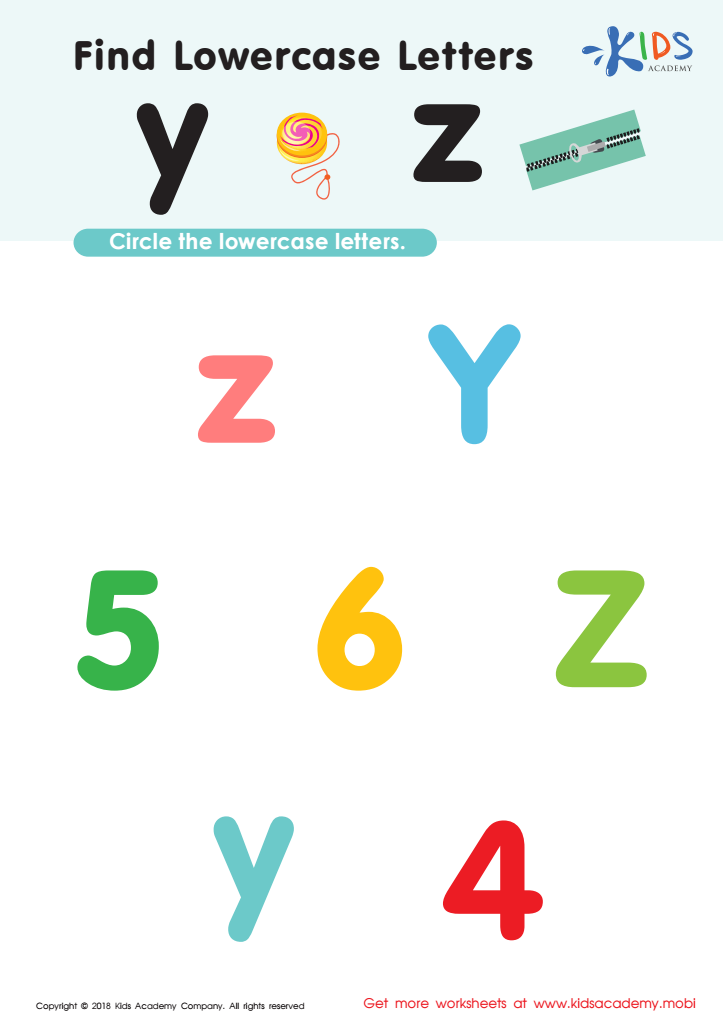
Find Lowercase Letters y z Worksheet
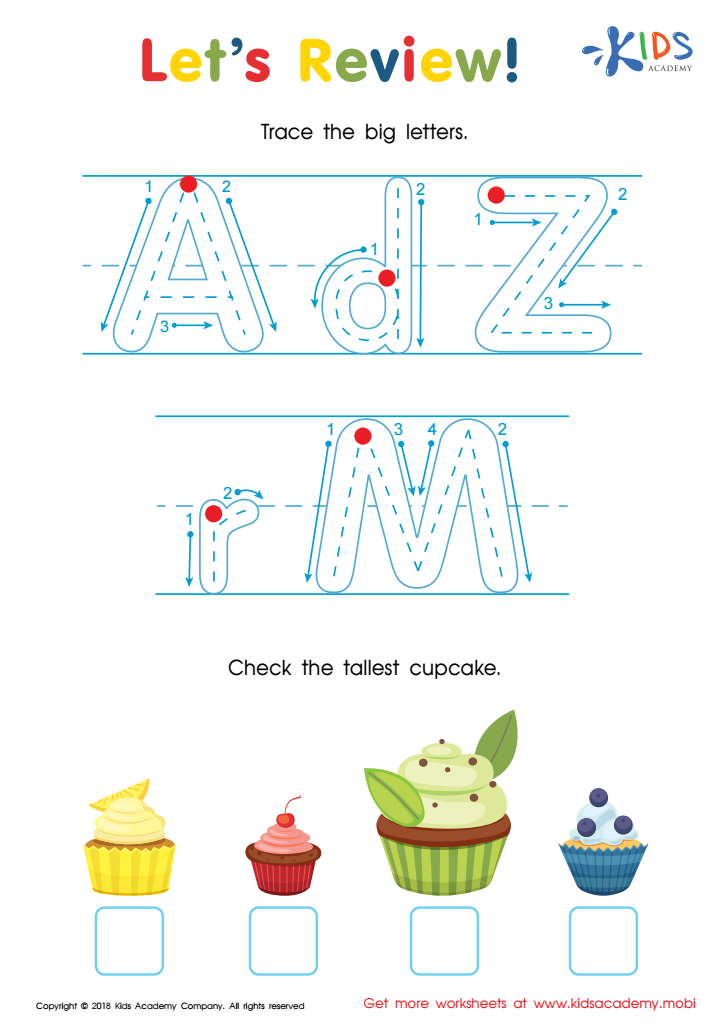
Let's Review! Big Letters Worksheet
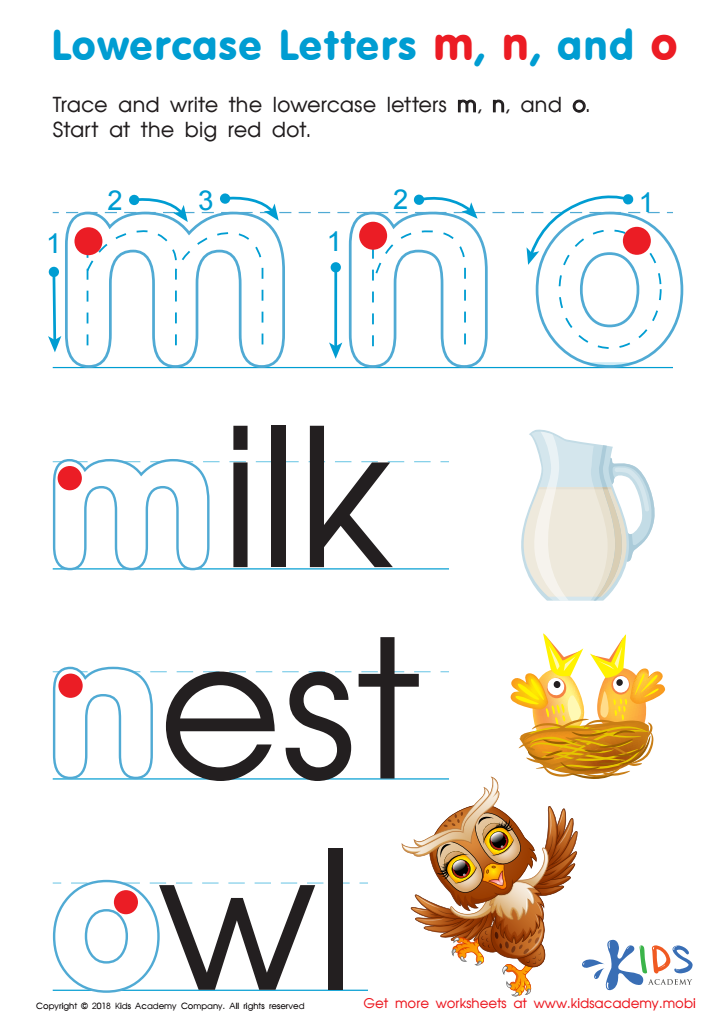
Lowercase Letters m n o Worksheet
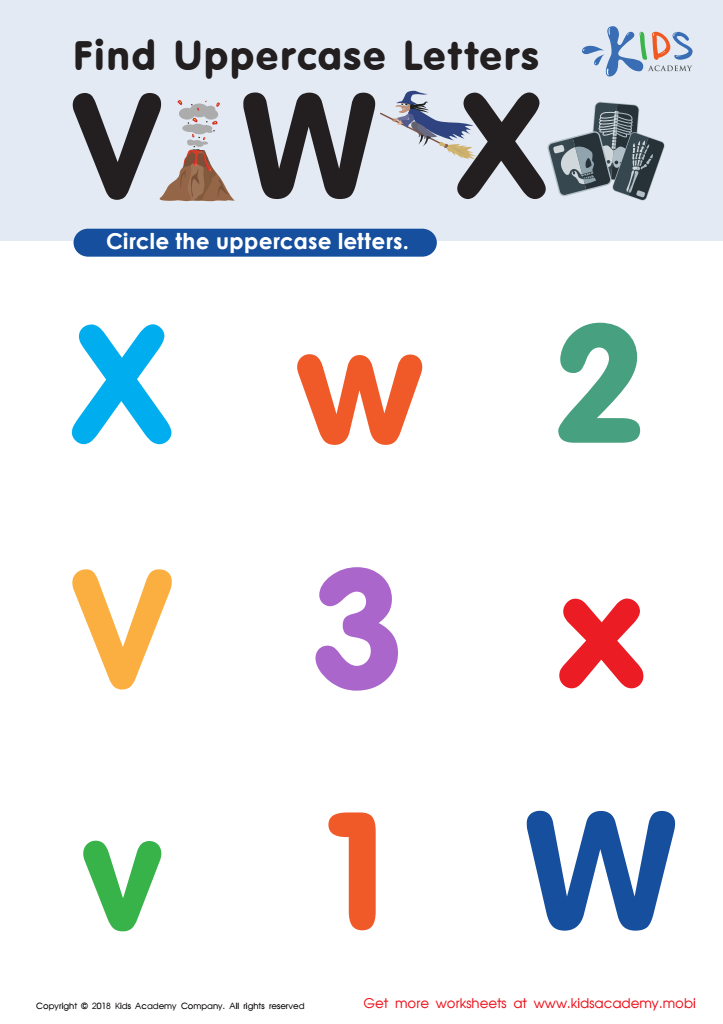
Find Uppercase Letters V, W, X Worksheet
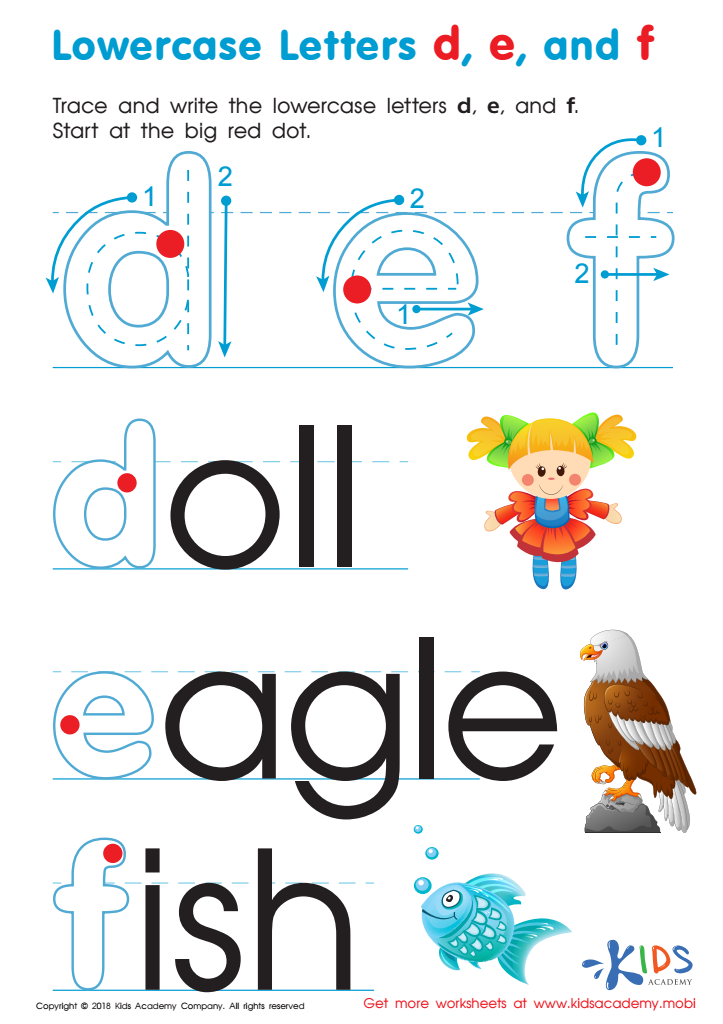
Lowercase Letters d e f Worksheet
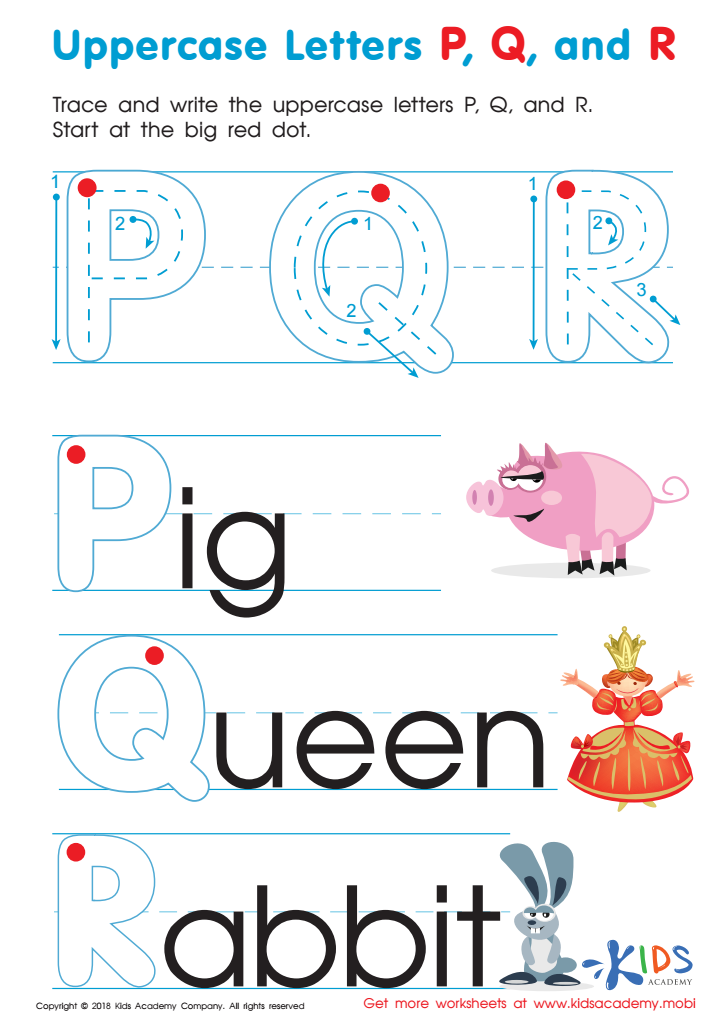
Uppercase Letters P, Q, and R Worksheet
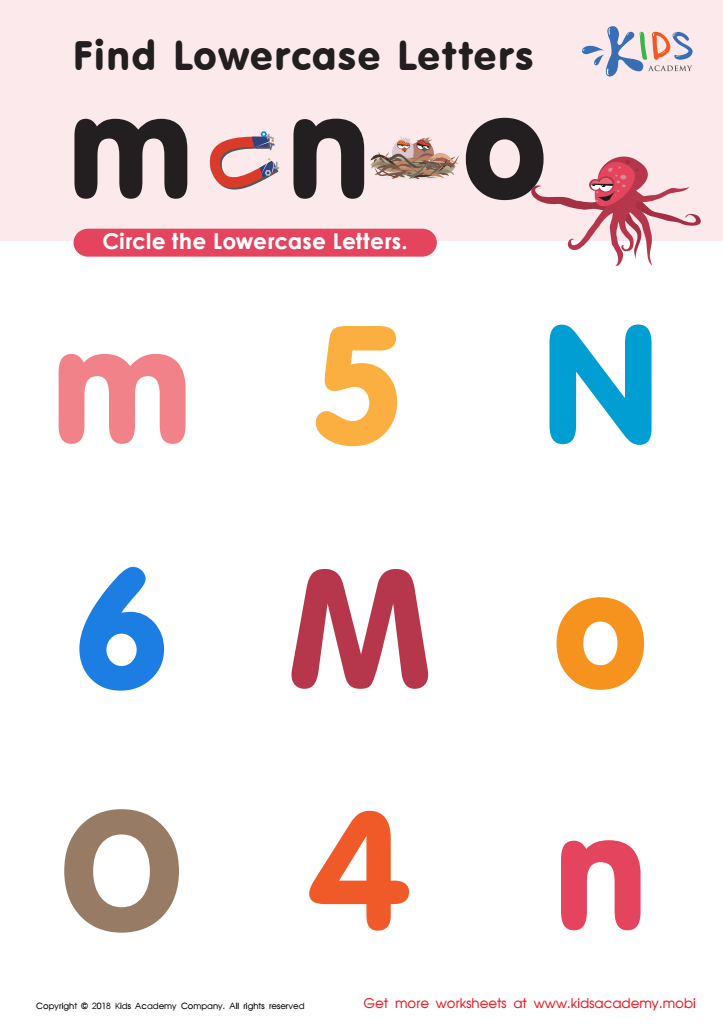
Find Lowercase Letters m n o Worksheet
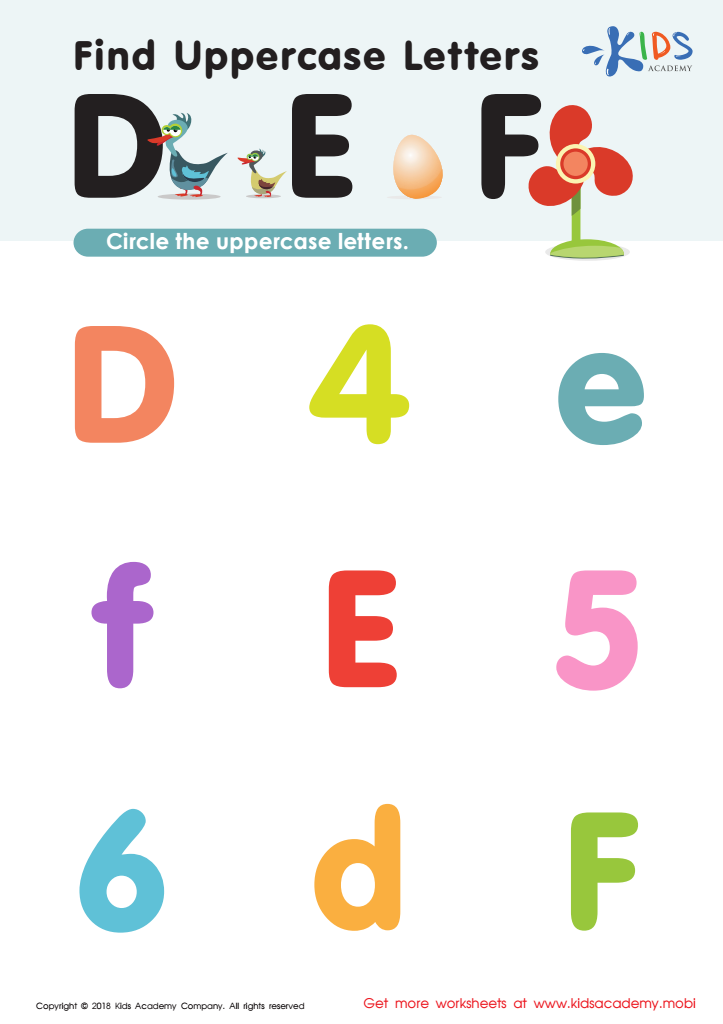
Find Uppercase Letters D, E, and F Worksheet
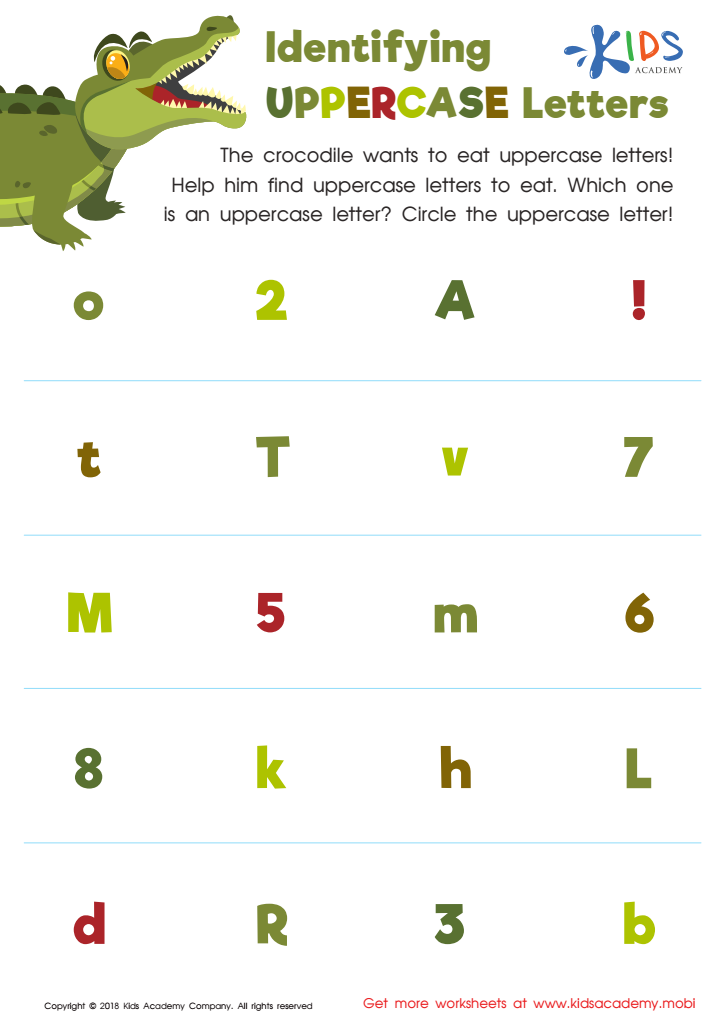
Identifying Uppercase Letters Worksheet

Find lowercase letters a b c Worksheet
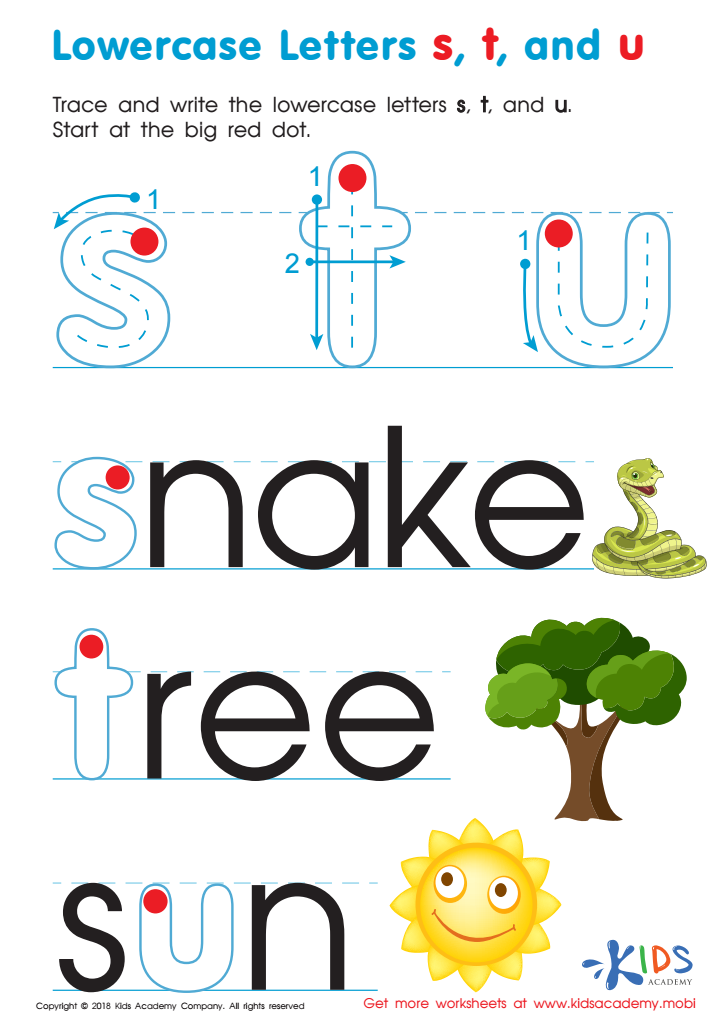
Lowercase Letters s t u Worksheet
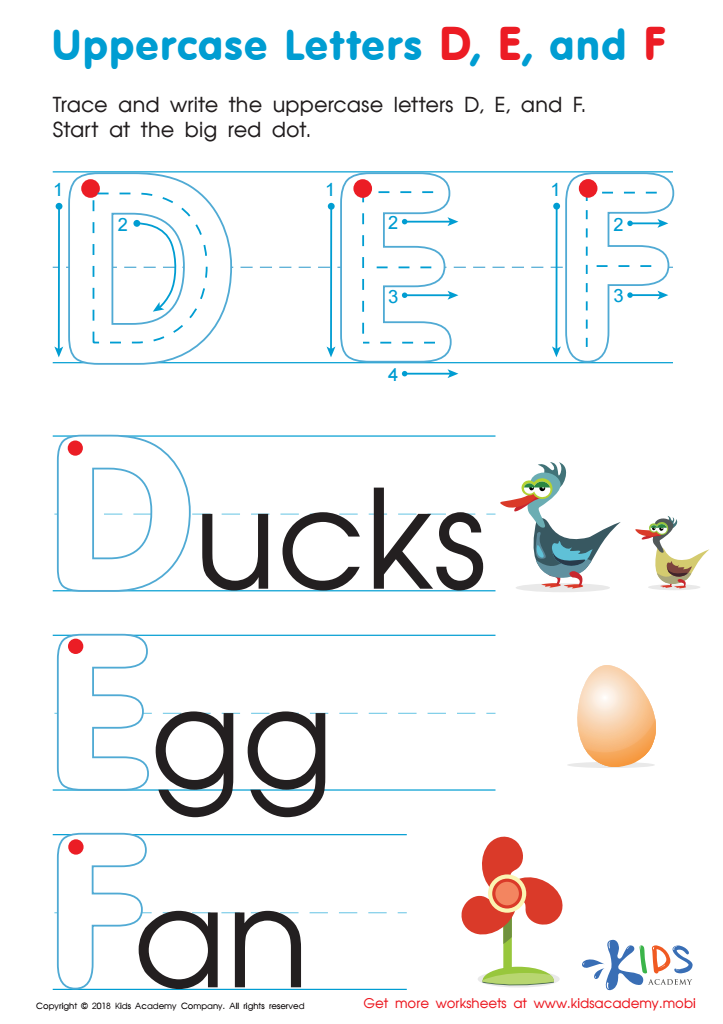
Uppercase Letters D, E, and F Worksheet

Find Lowercase Letters v w x Worksheet
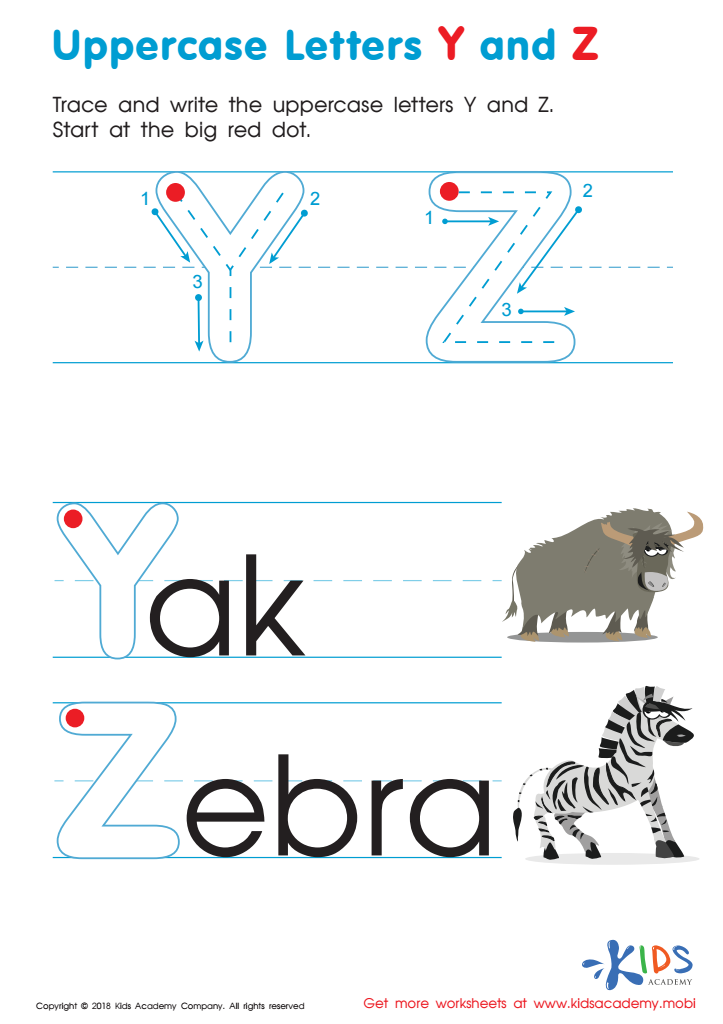
Uppercase Letters Y Z Worksheet
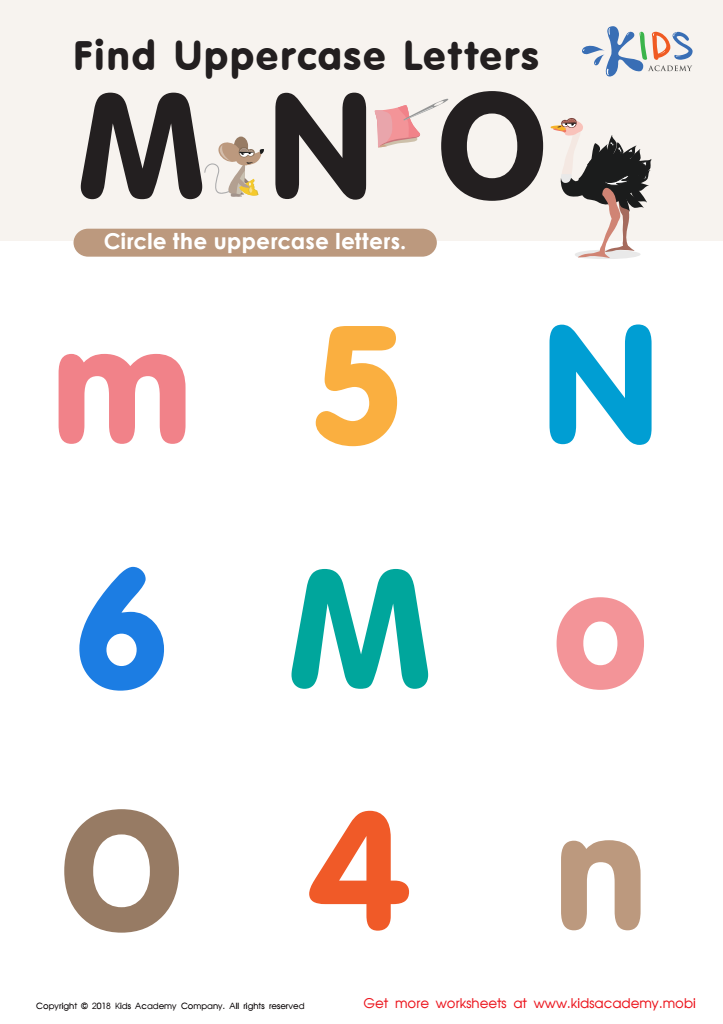
Find Uppercase Letters M, N, and O Worksheet
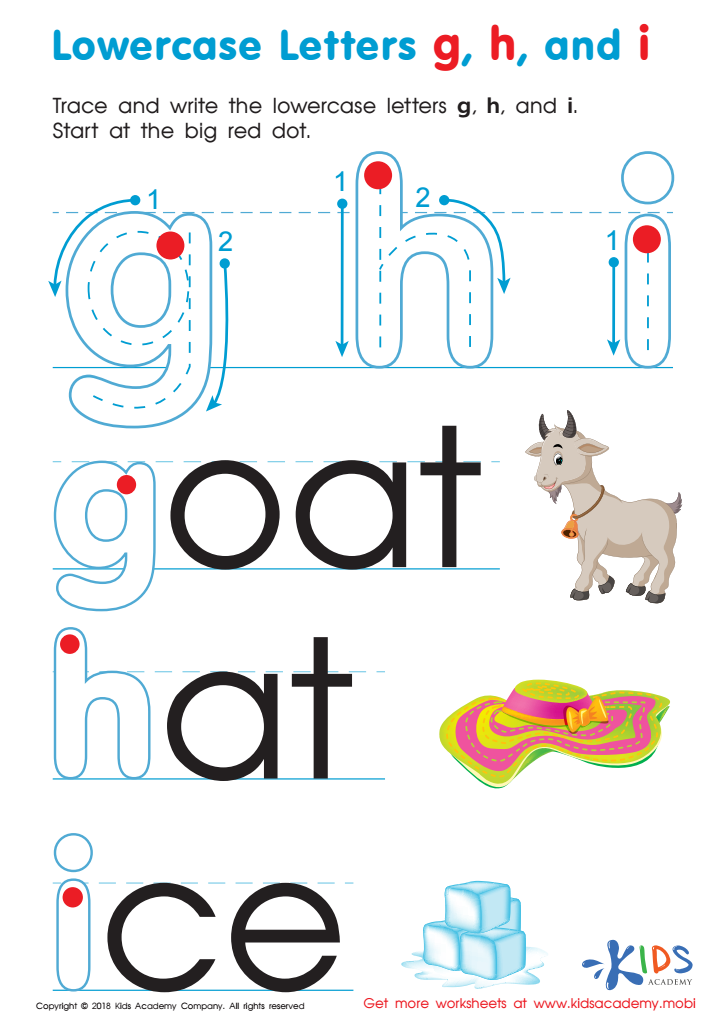
Lowercase Letters g h i Worksheet
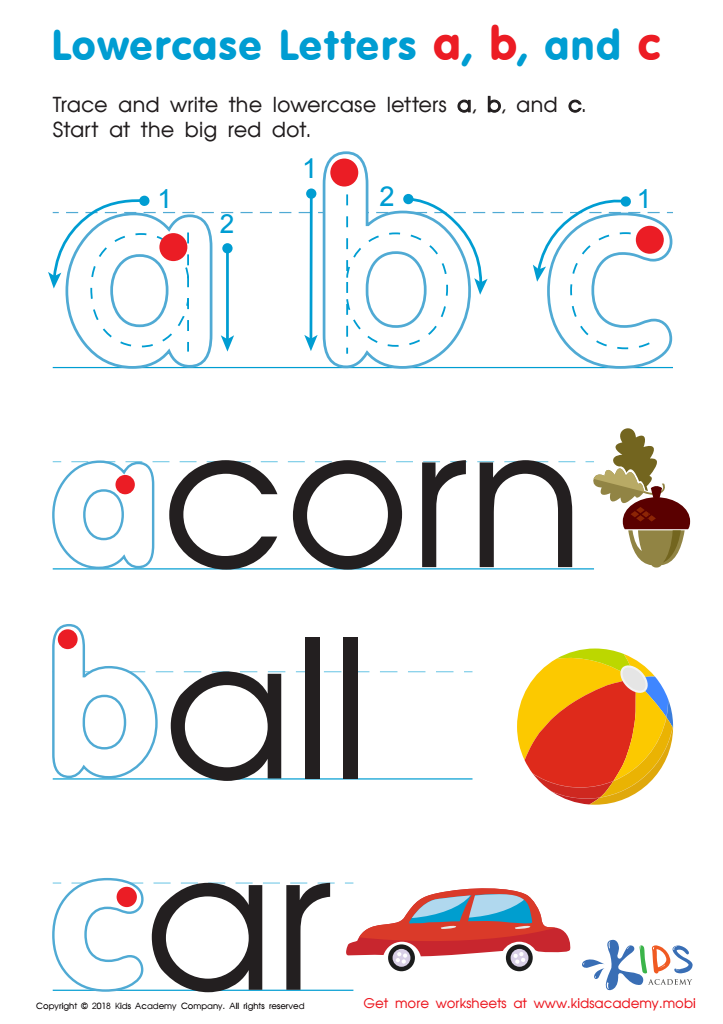
Lowercase Letters a b c Worksheet
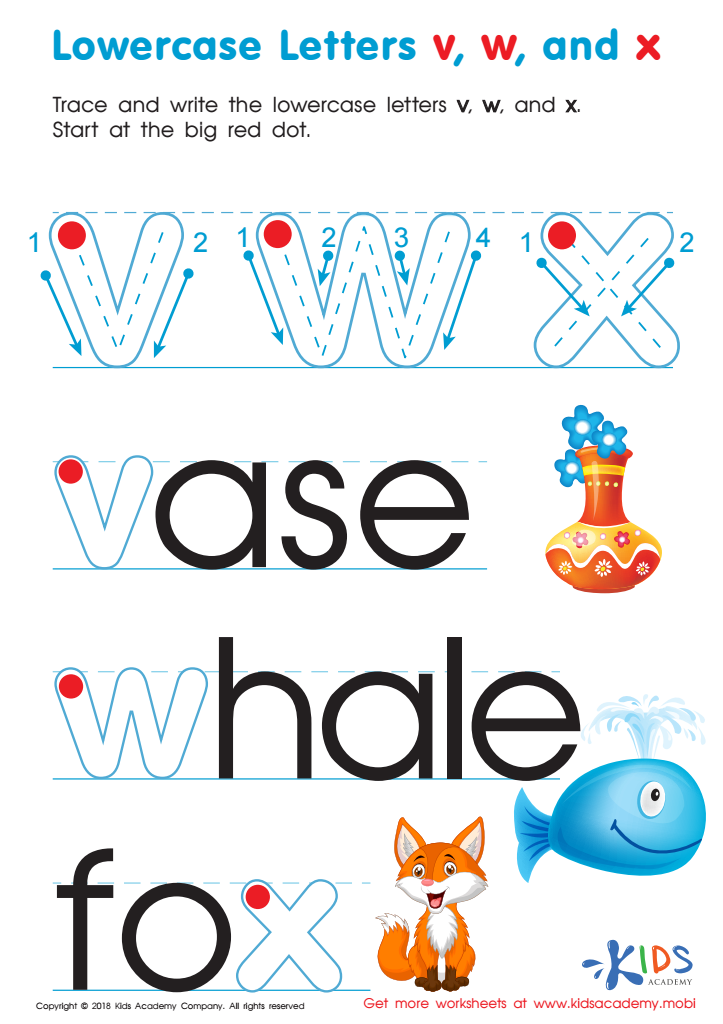
Lowercase Letters v w x Worksheet
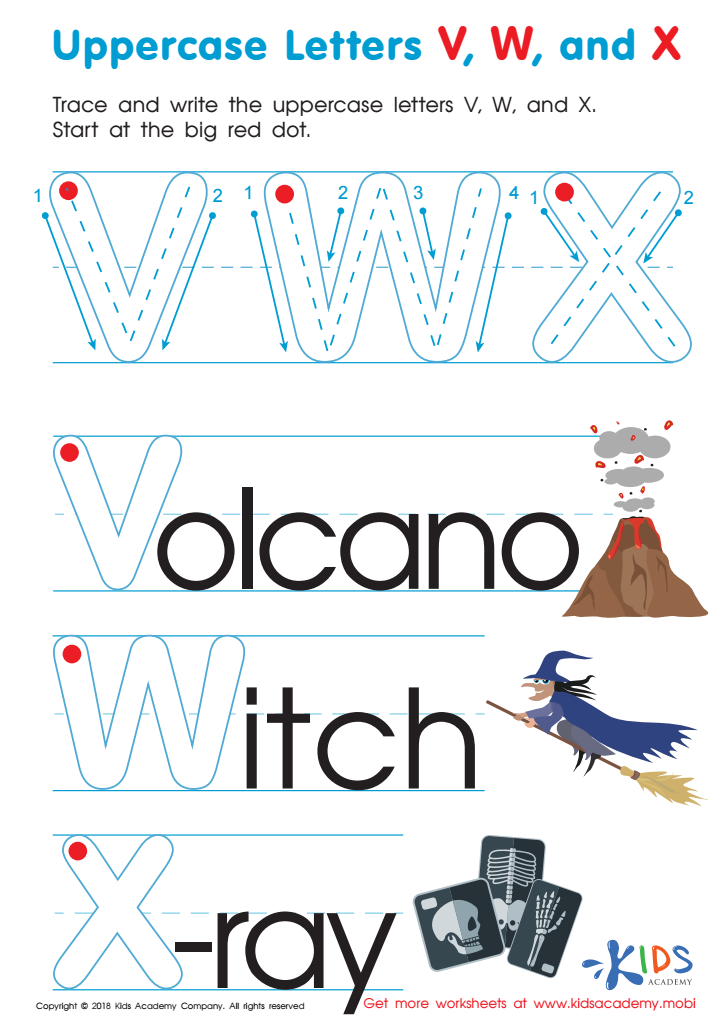
Uppercase Letters V, W, and X Worksheet






Normal uppercase and lowercase letters are essential for children aged 4-8 as they form the building blocks of literacy. At this developmental stage, children begin to recognize letters, understand their shapes, and learn their sounds, which are foundational for reading and writing. Familiarity with both uppercase and lowercase letters helps children with differentiated recognition—uppercase letters often start sentences or names, while lowercase letters are more common in everyday text.
Understanding the differences between these letter cases enhances language skills, aiding vocabulary growth and fluency. It enables children to decode words effectively, fostering their confidence as readers. Additionally, this knowledge assists in the writing process. Children learn proper handwriting techniques, promoting legible print and ultimately cursive writing as they progress.
Moreover, exposure to proper letter usage cultivates an appreciation for written communication. Parents and teachers play a crucial role by engaging children with activities that involve identifying, tracing, and writing both uppercase and lowercase letters. Interactive games, books, and art projects can make learning enjoyable and reinforce the significance of letters in conveying meaning. This literacy foundation equips children for academic success and a lifelong love for reading and writing. Therefore, fostering early letter recognition should be a priority for caregivers and educators alike.







