Color Identification Normal Worksheets for Ages 4-8
26 filtered results
-
From - To
Unlock your child's creativity with our Color Identification Normal Worksheets designed for ages 4 to 8! These engaging printables offer a fun and interactive approach to learning about colors. Helping young learners boost their color recognition skills, the worksheets feature vibrant illustrations and imaginative activities. Your kids will enjoy coloring, sorting, and identifying various colors while enhancing their fine motor skills. Ideal for both homeschooling and classroom settings, these worksheets cater to diverse learning styles and keep kids excited about educational activities. Download our Color Identification Worksheets today to foster a love for learning and nurture your child's artistic talents!
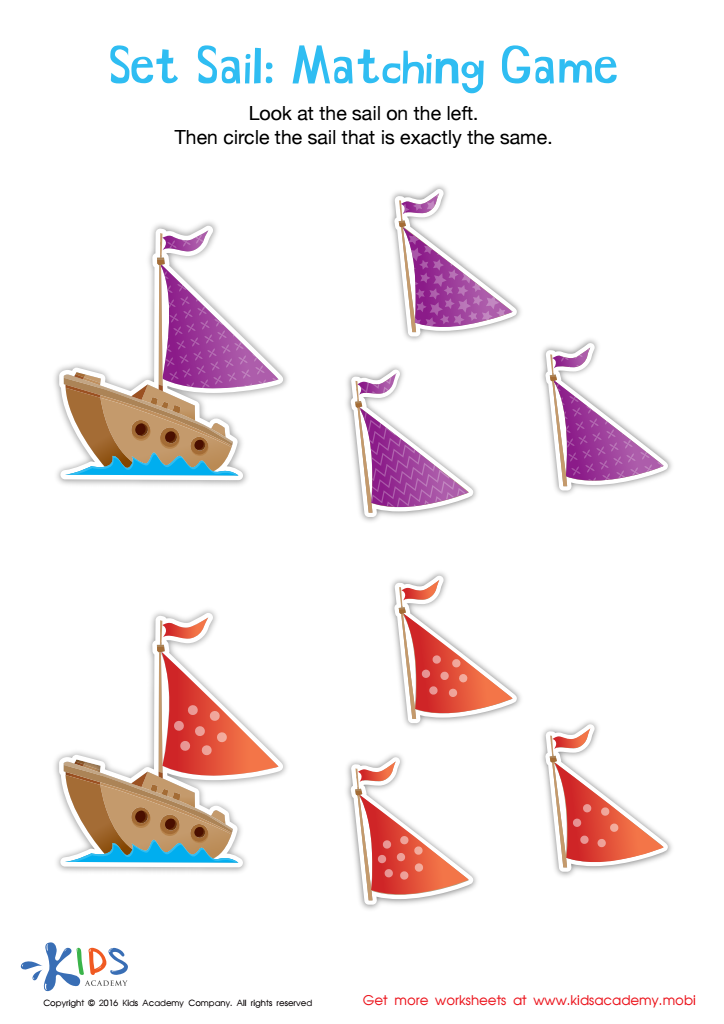
Set Sail Worksheet
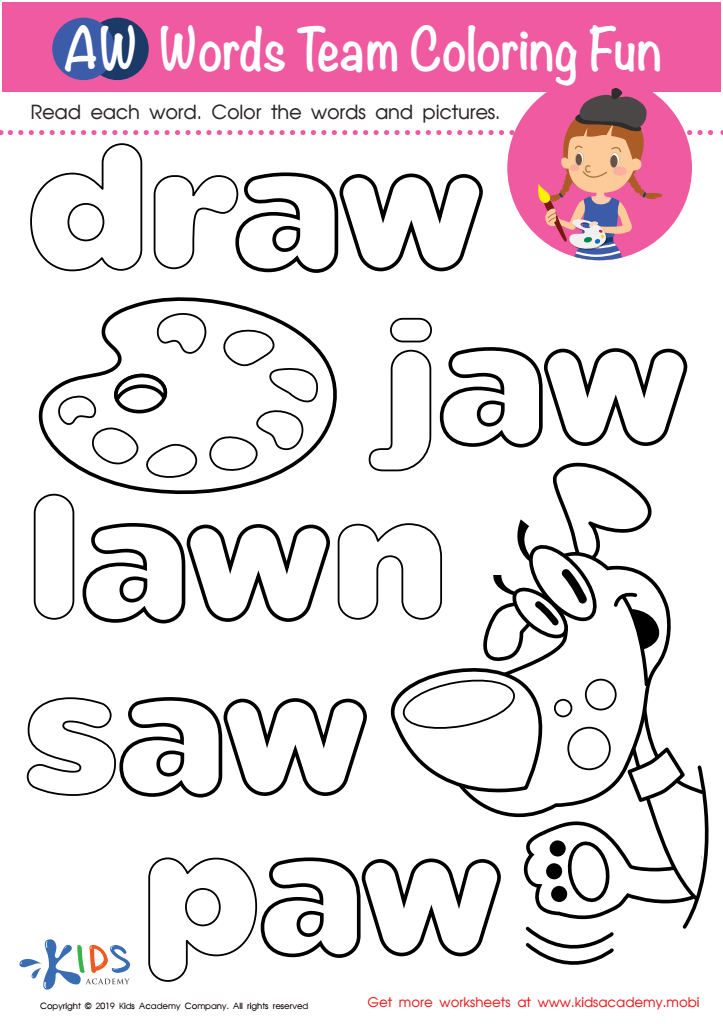
AW Words Team Coloring Fun Worksheet
 Assign to My Students
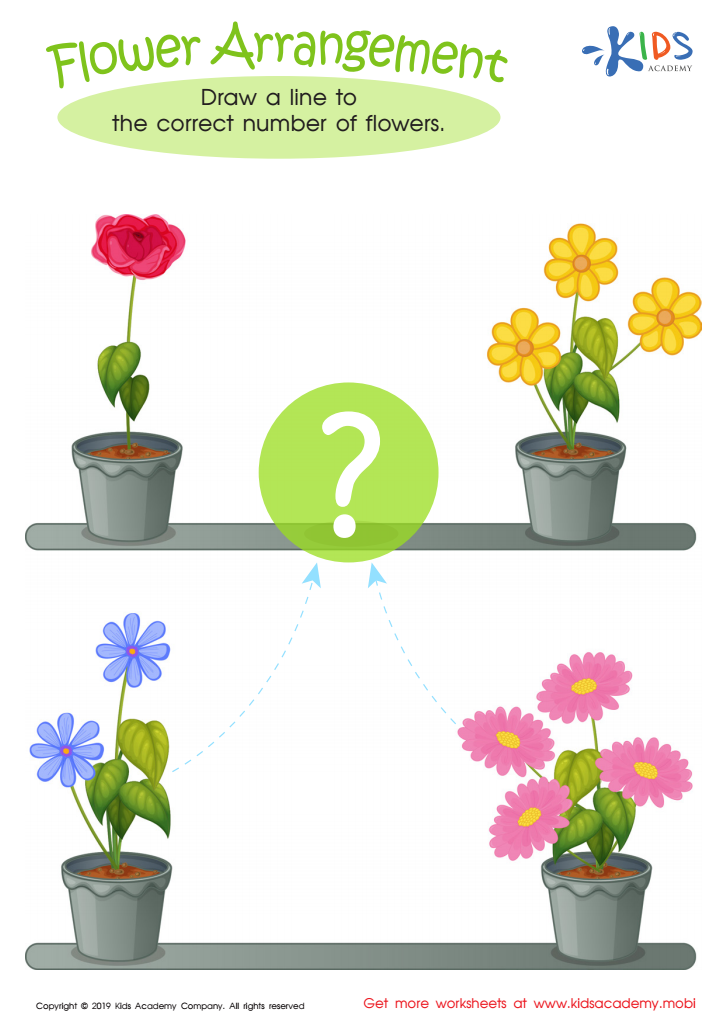
Flower Arrangement Worksheet
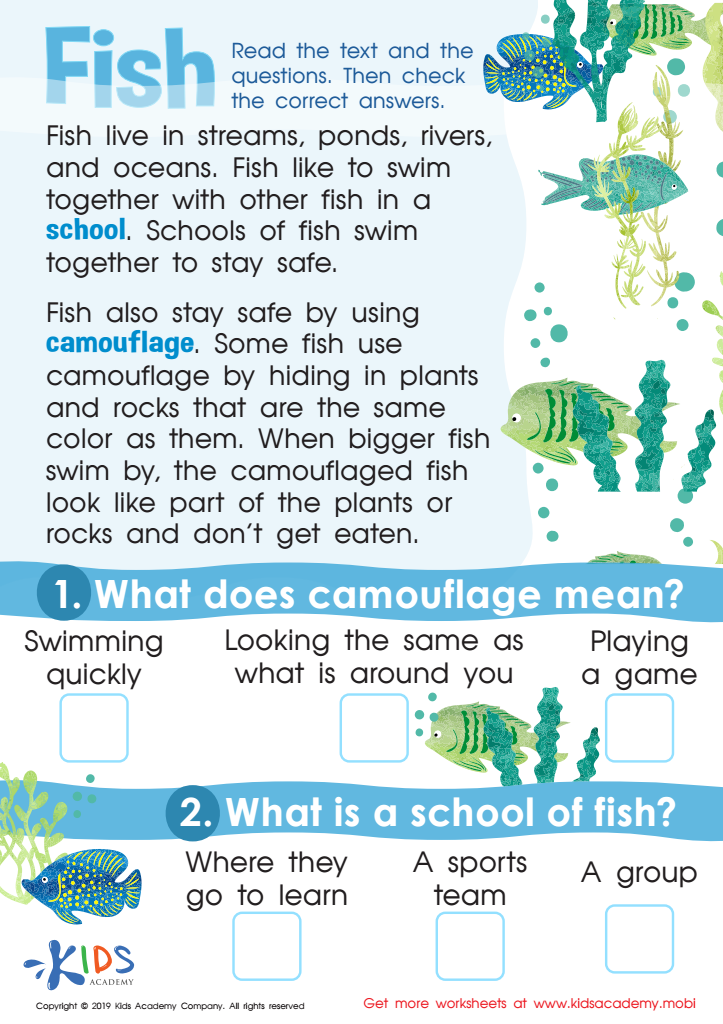
Fish Worksheet
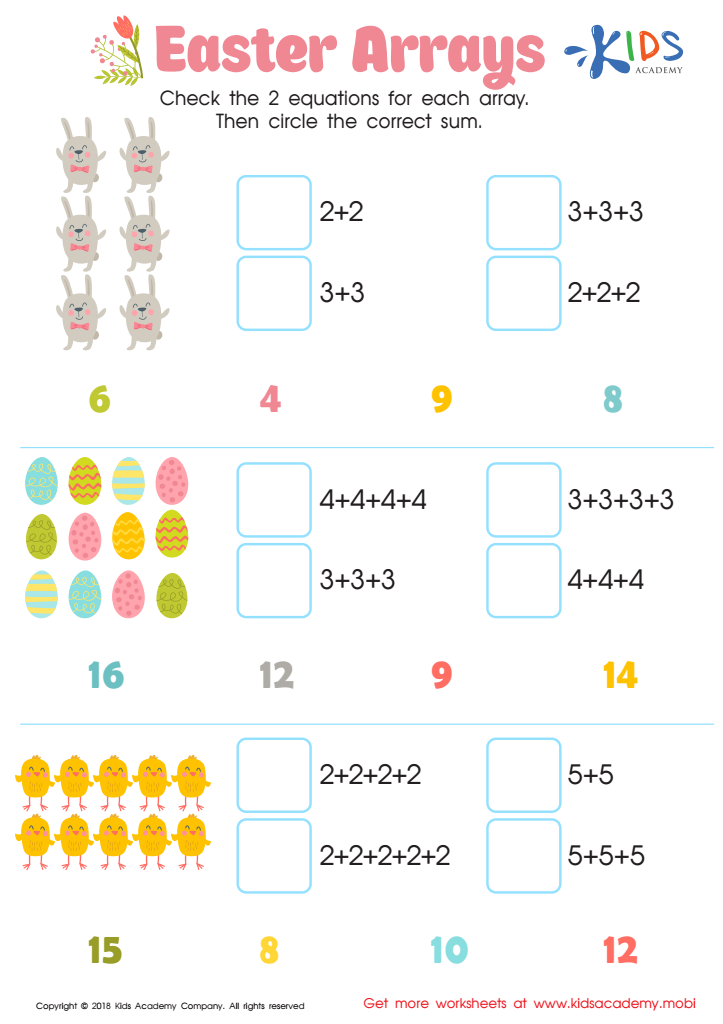
Easter Arrays Worksheet
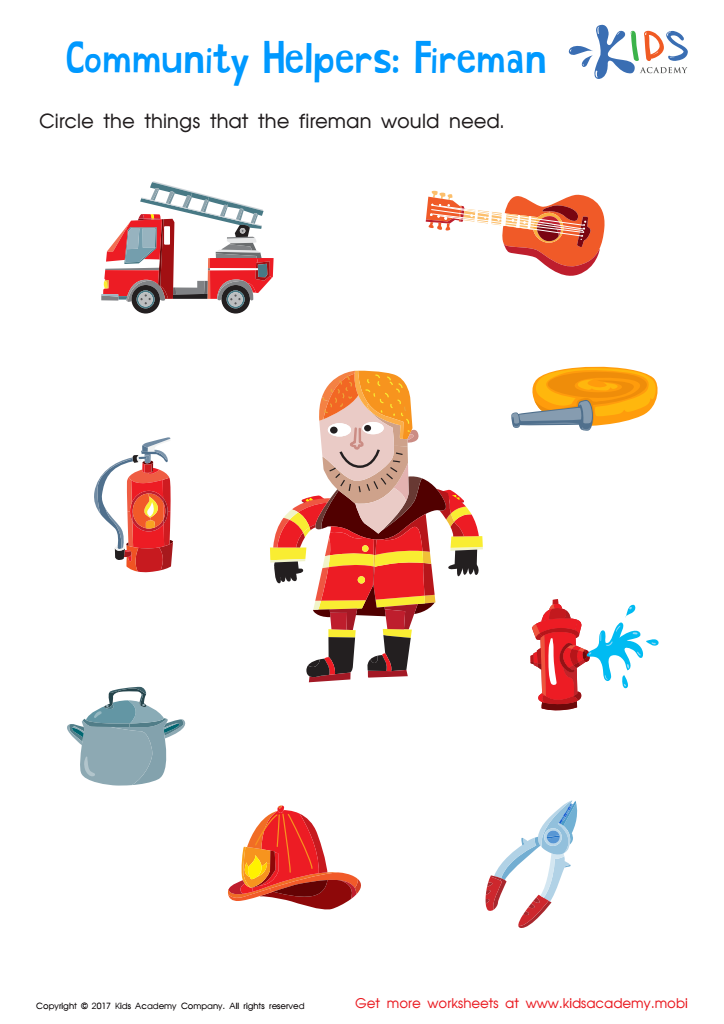
Fireman Worksheet
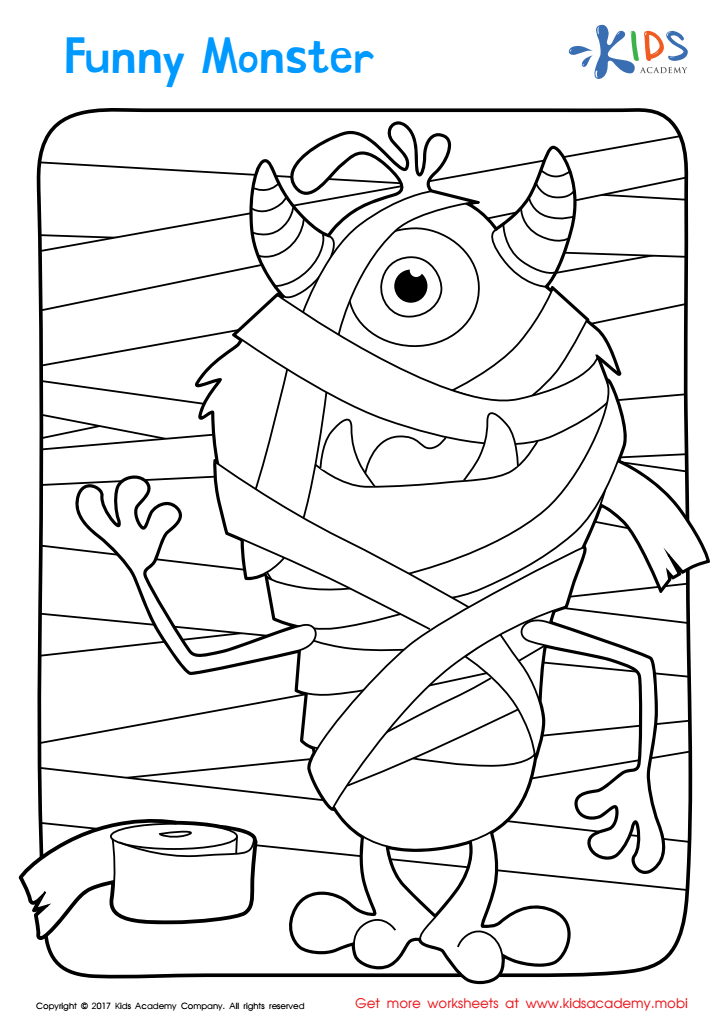
Halloween: A Funny Monster Worksheet
Assign to My Students
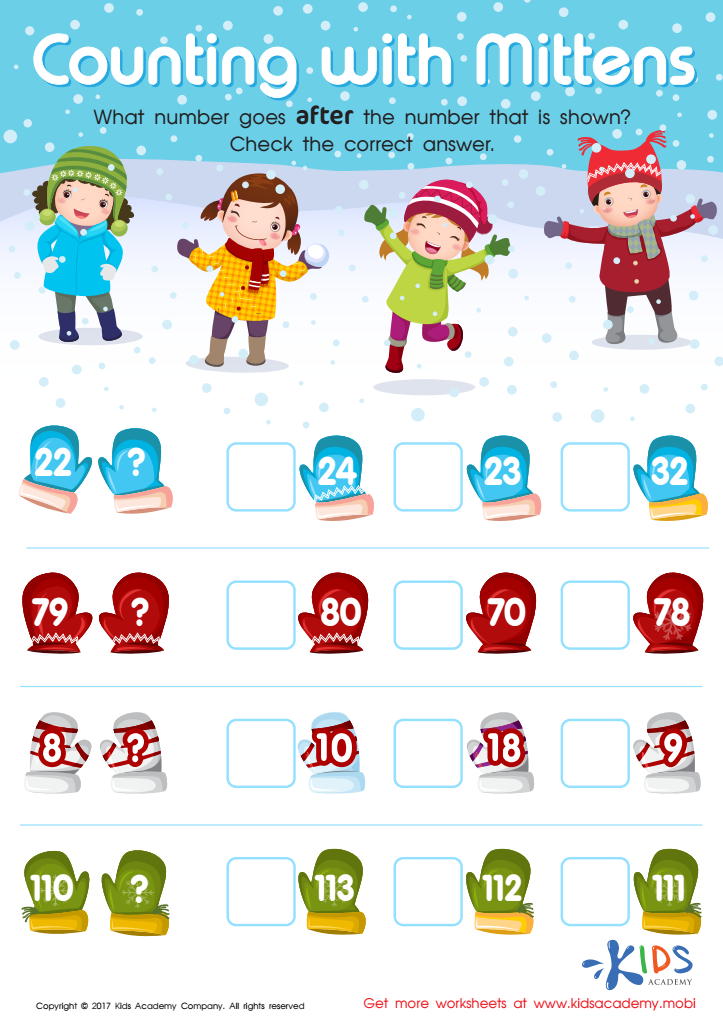
Counting with Mittens Worksheet
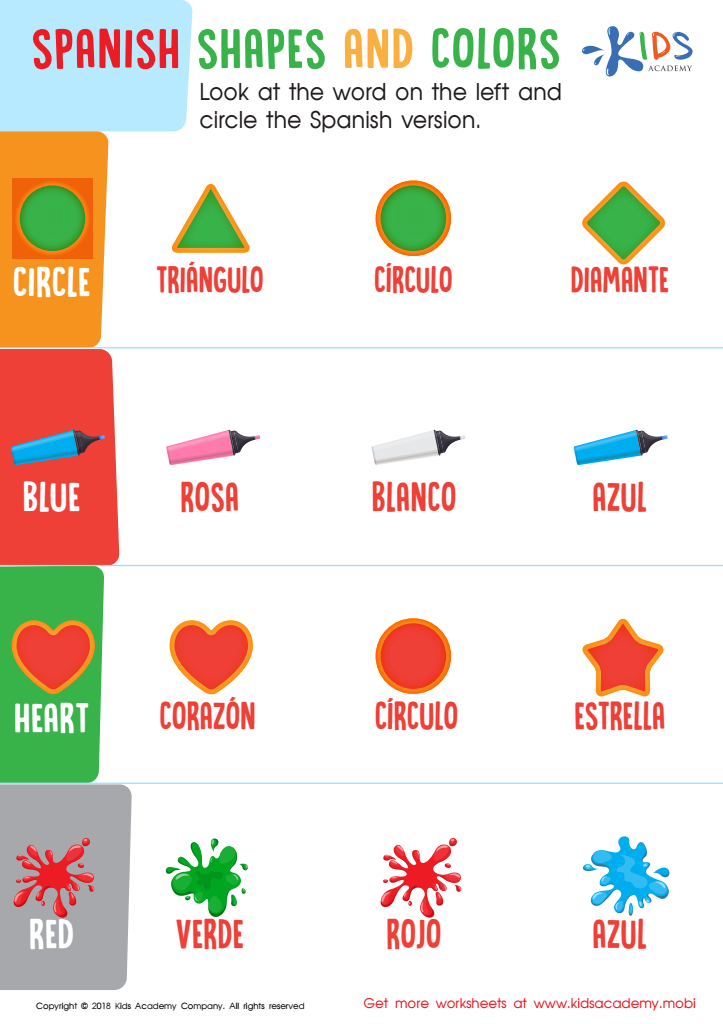
Spanish Shapes and Colors Worksheet
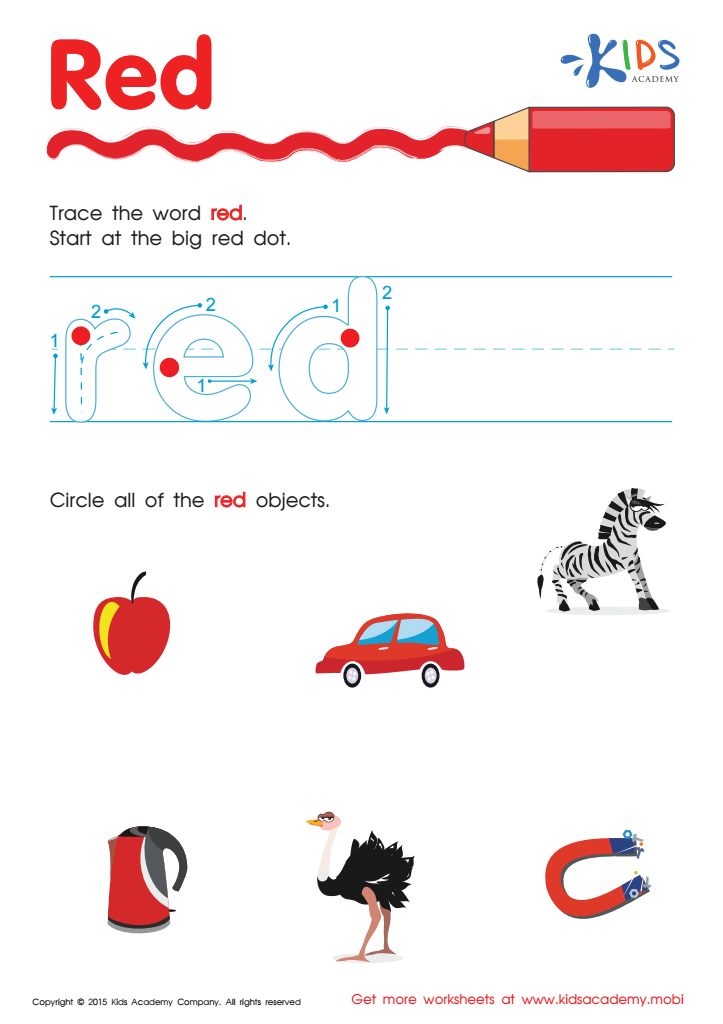
Red Tracing Color Words Printable
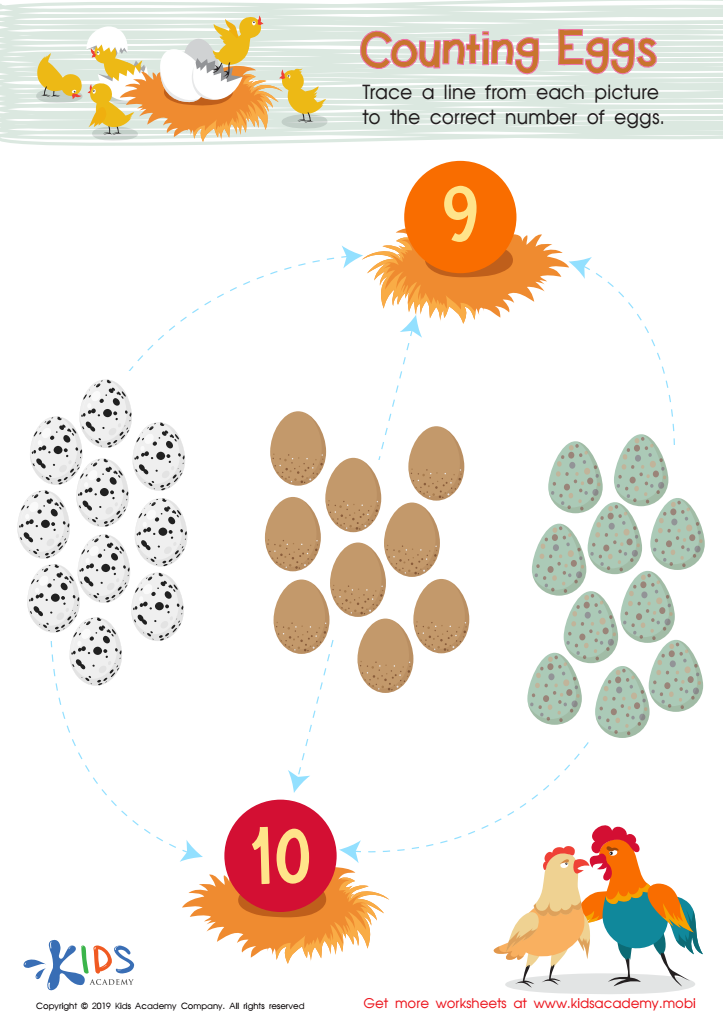
Counting Eggs Worksheet
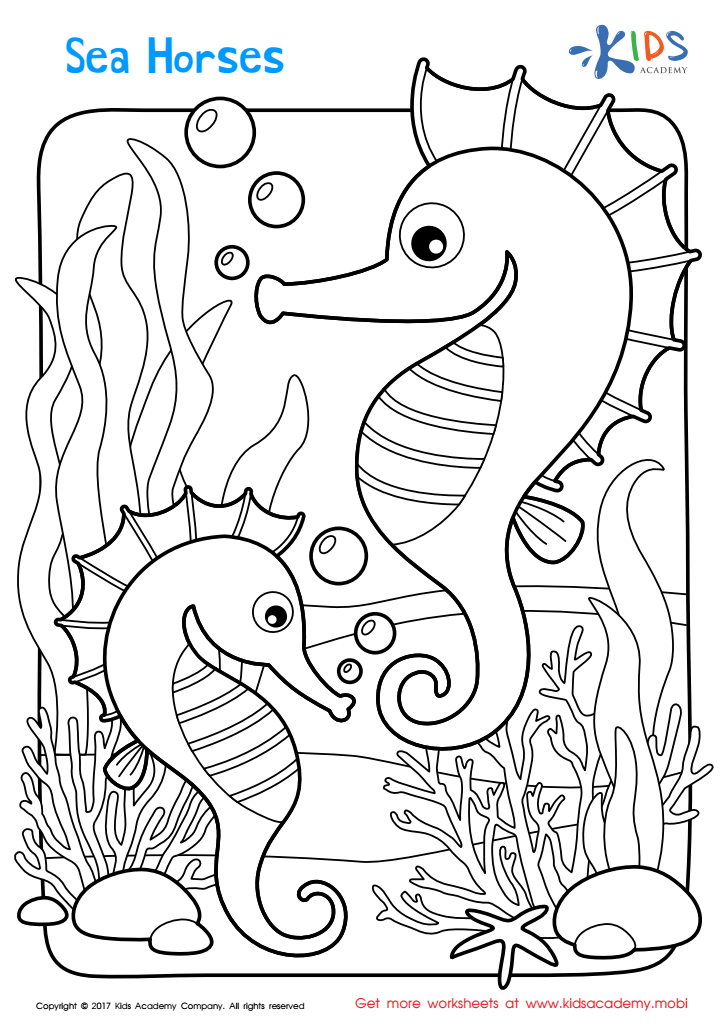
Sea Horses Printable
Assign to My Students
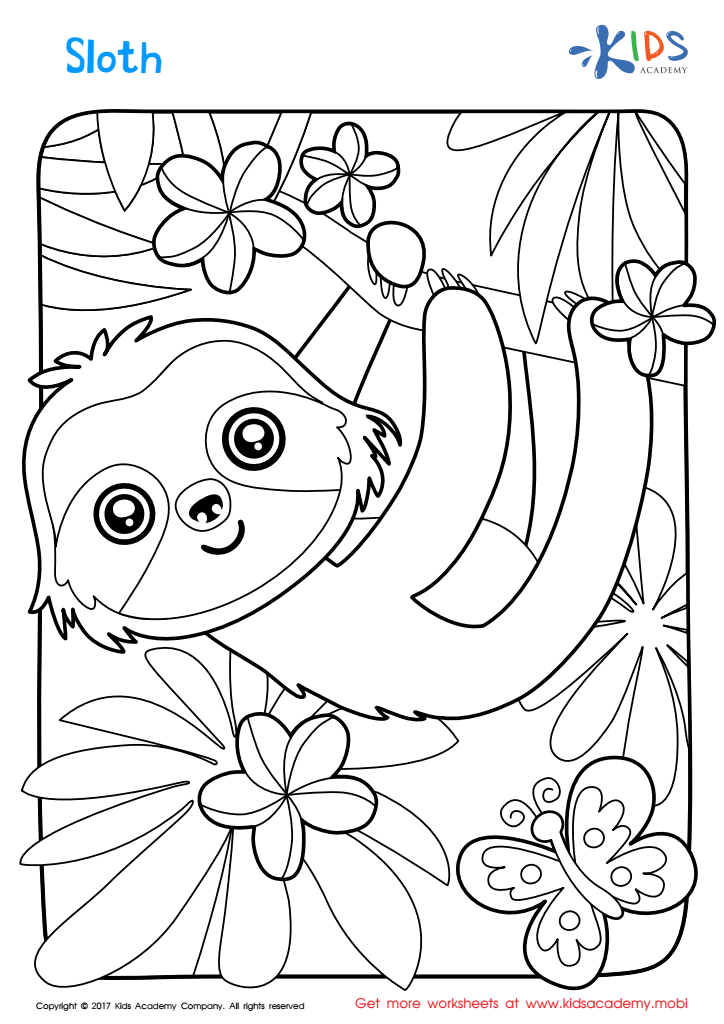
Sloth Worksheet
Assign to My Students
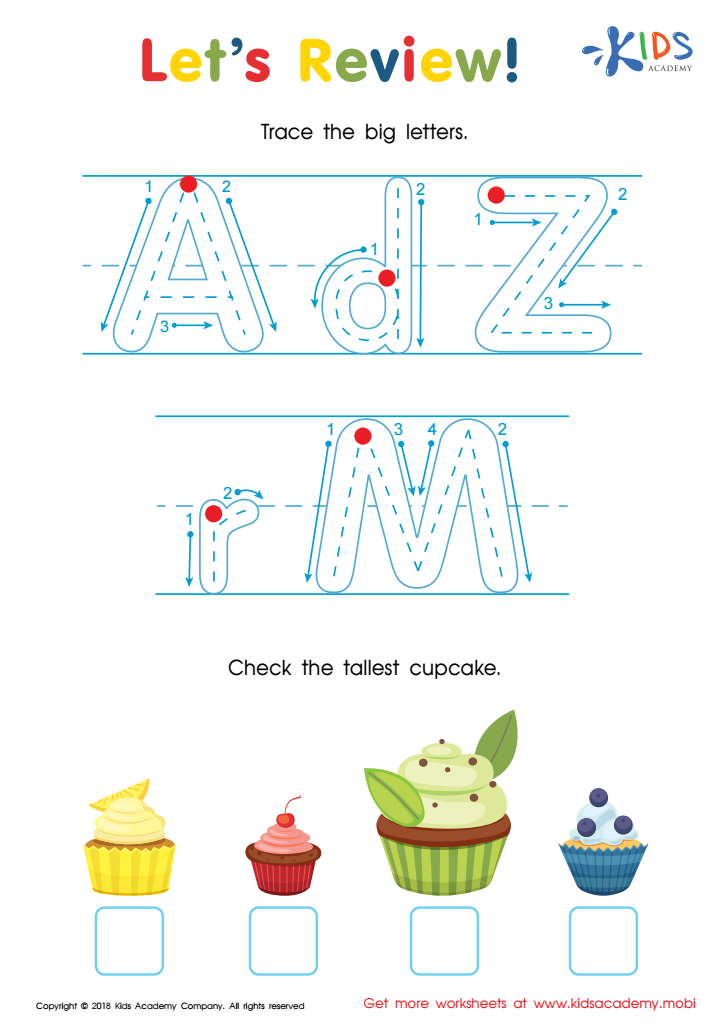
Let's Review! Big Letters Worksheet
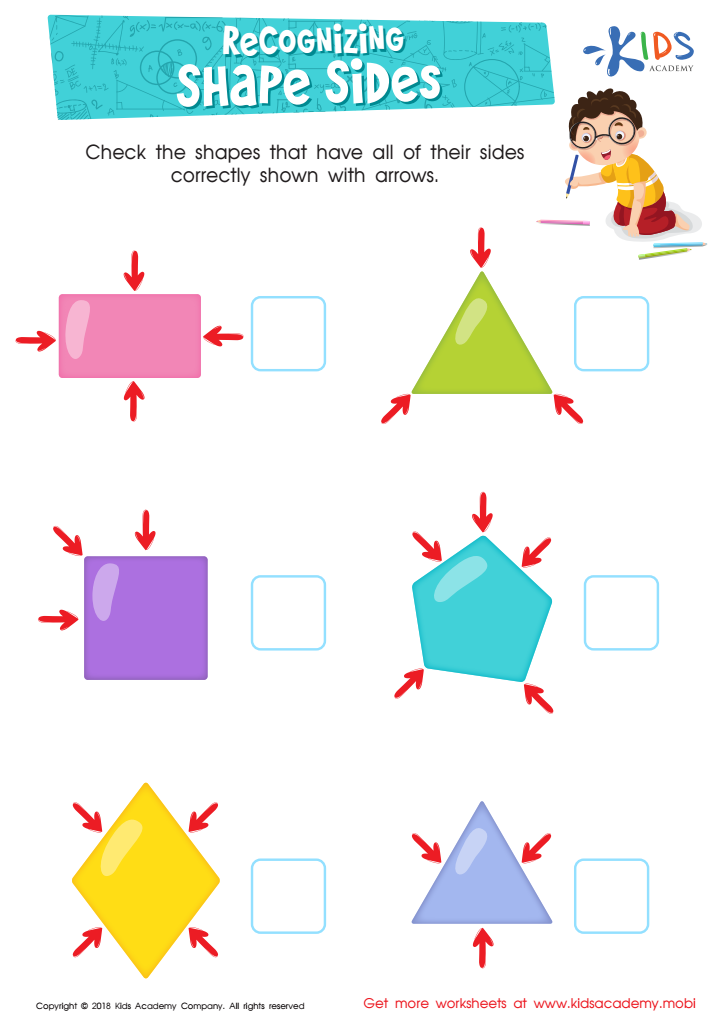
Recognizing Shape Sides Worksheet
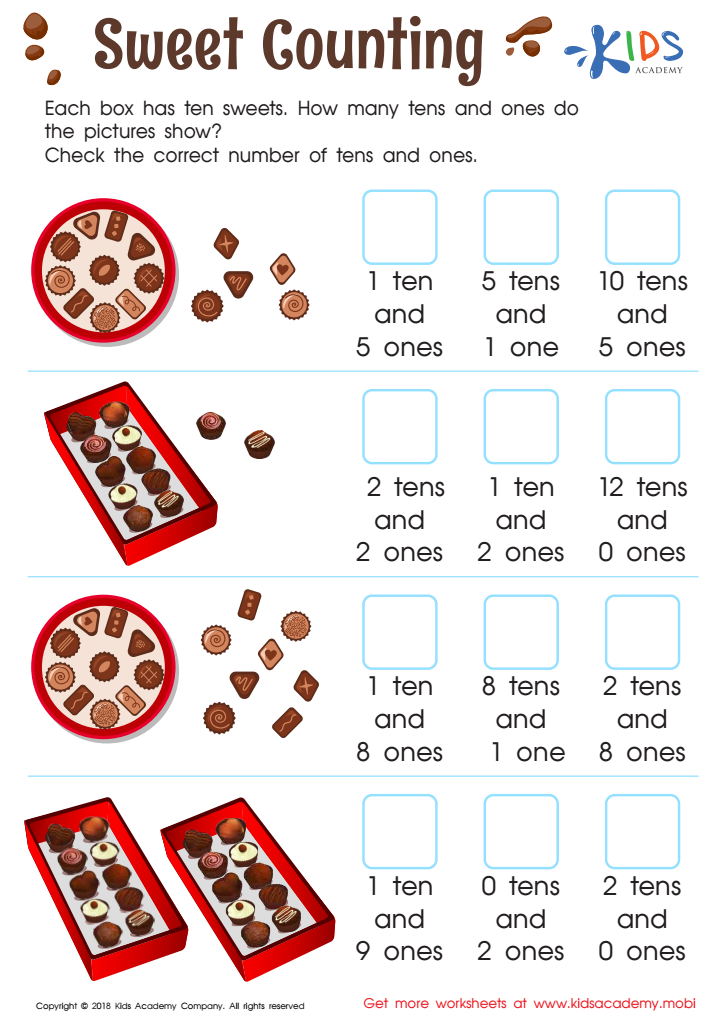
Sweet Counting - Part 2 Worksheet
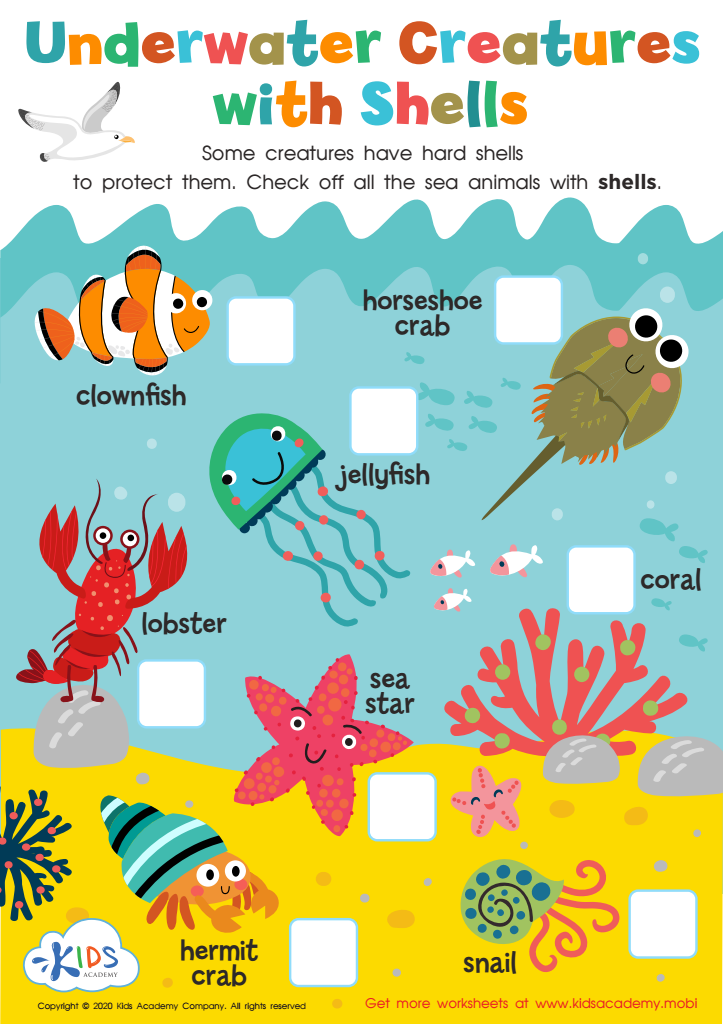
Underwater Creatures with Shells Worksheet
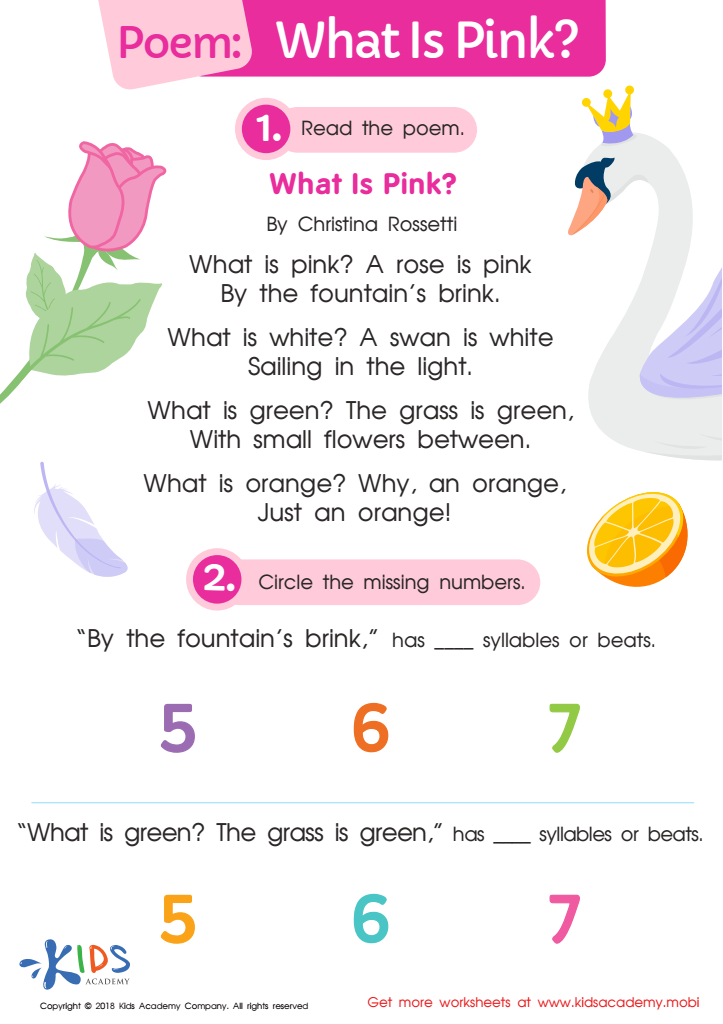
Poem: What Is Pink? Worksheet
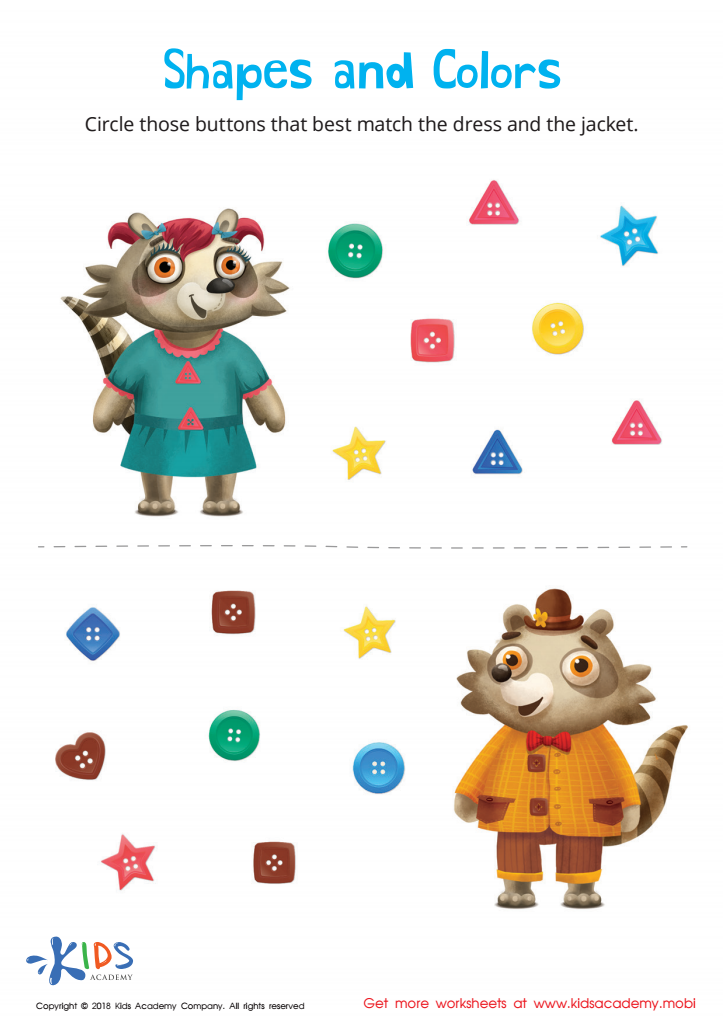
Shapes and Colors Worksheet
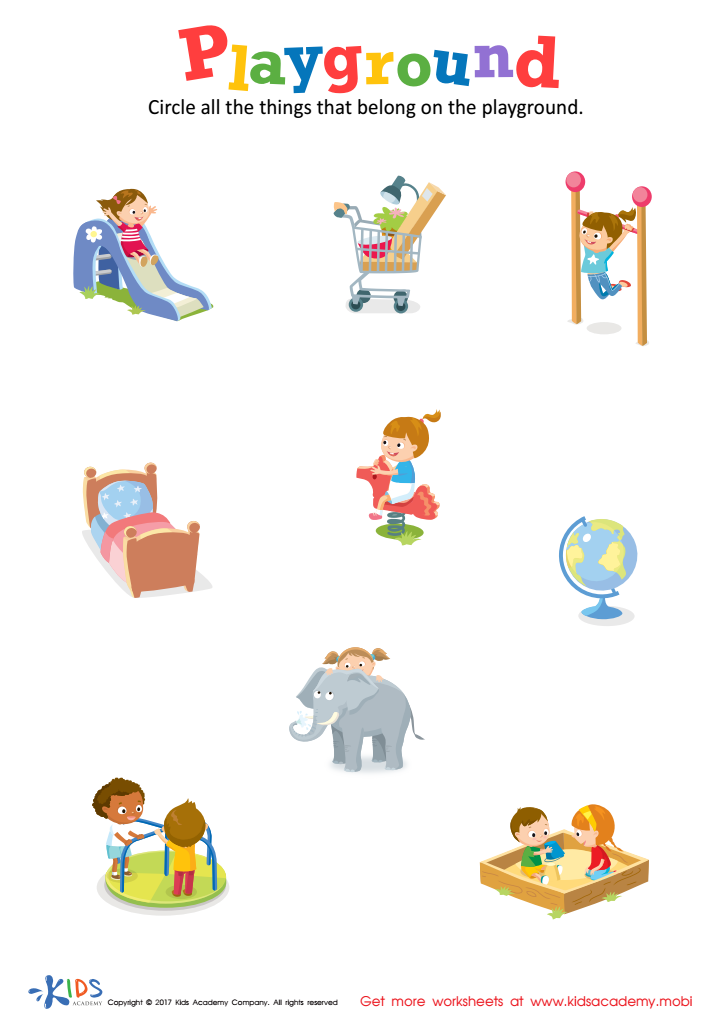
Playground Worksheet
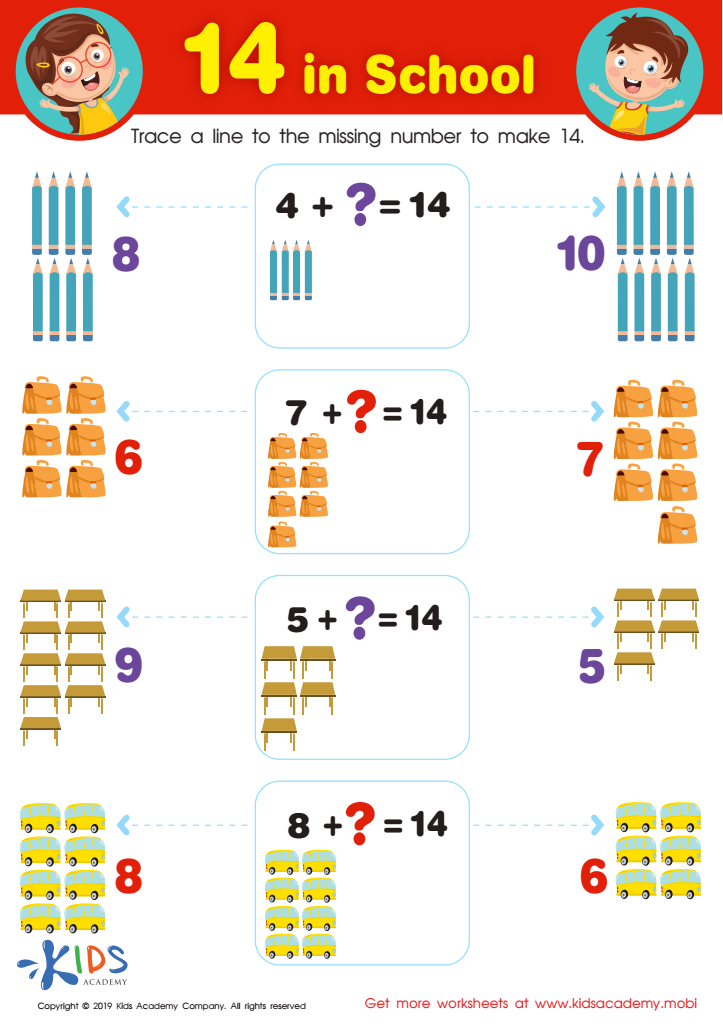
14 in School Worksheet
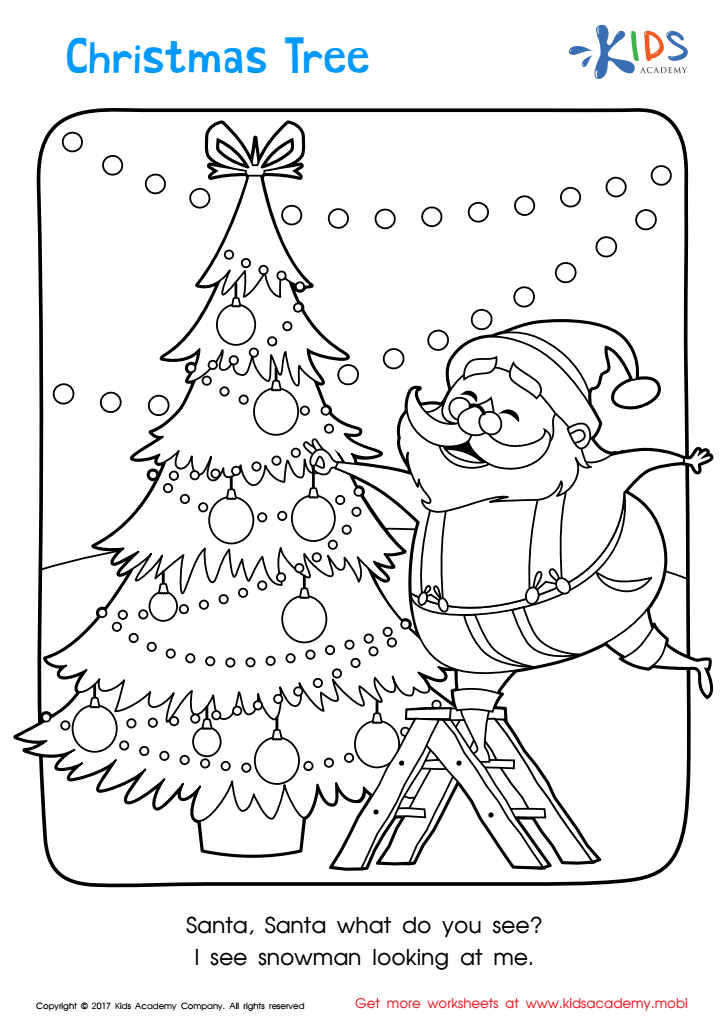
Christmas: Christmas Tree Printable
Assign to My Students








Color identification is a fundamental skill for young children, particularly those aged 4-8, as it forms the foundation for their cognitive development. Parents and teachers should prioritize this skill for several reasons.
Firstly, color recognition enhances language development, allowing children to express themselves more clearly and engage effectively in conversations. It introduces basic vocabulary and concepts, fostering communication skills.
Secondly, knowing colors aids in critical thinking and categorization. By identifying and grouping colors, children learn to differentiate between objects, enhancing their observational skills. This ability is crucial for more complex learning tasks later on, including math and science.
Moreover, color identification plays a significant role in improving fine motor skills. Activities involving coloring, sorting, or crafting promote hand-eye coordination and dexterity, essential for more advanced skills such as writing.
Finally, participating in fun, engaging color-related activities can strengthen the bond between parents and children or teachers and students. This interaction supports emotional development and increases a child’s engagement with learning.
In conclusion, fostering color identification skills nurtures language, cognitive abilities, and emotional connections, making it a vital focus in early childhood education. Parents and teachers should actively participate in this process to set the stage for future learning success.








