Handwriting practice Normal Worksheets for Ages 4-8 - Page 3
63 filtered results
-
From - To
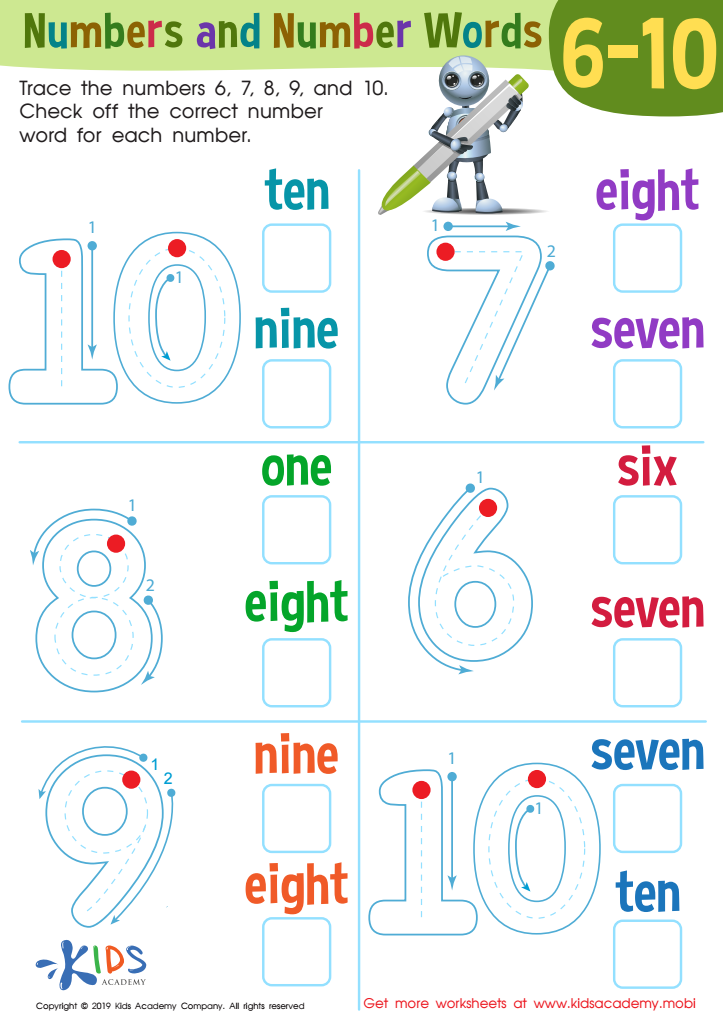
Numbers and Number Words 6–1 Worksheet
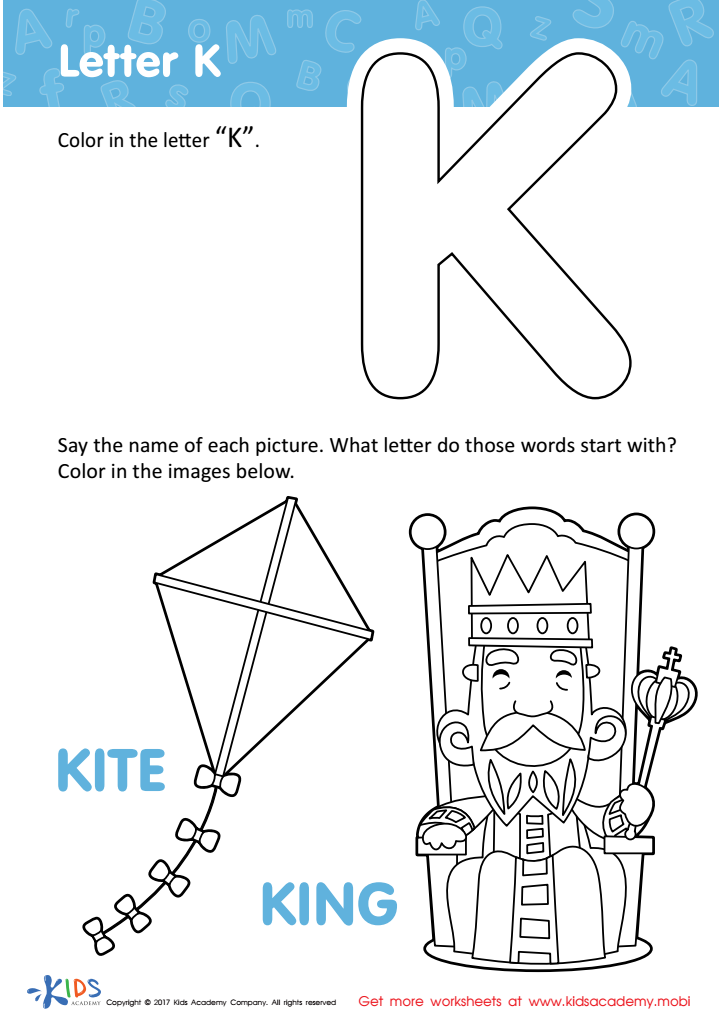
Letter K Coloring Sheet
 Assign to My Students
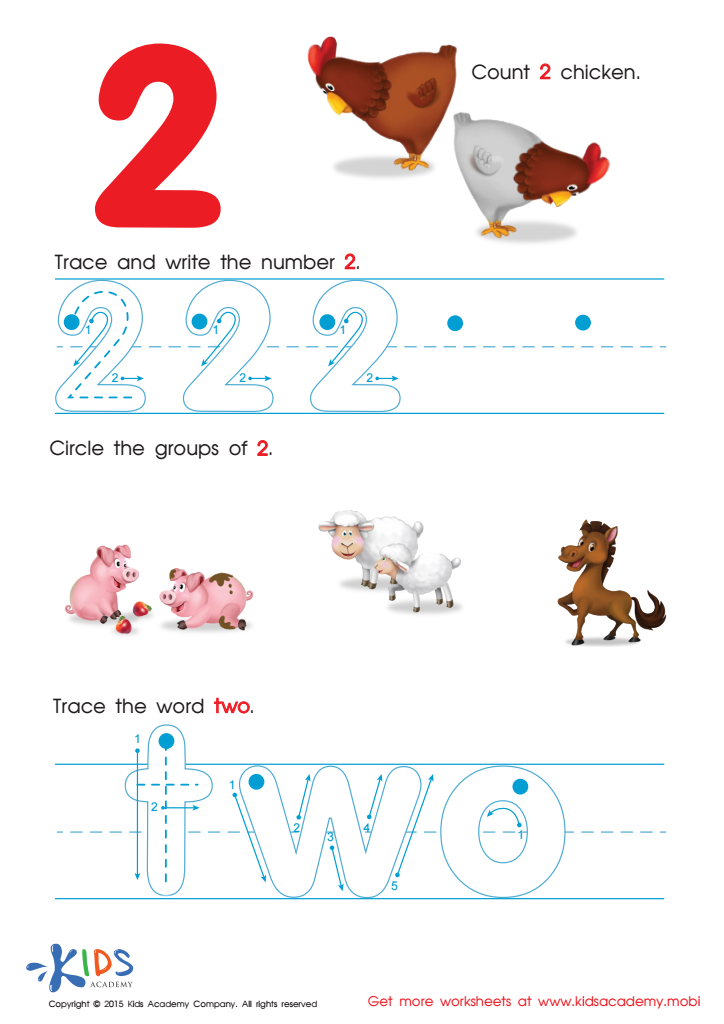
Learn to Write the Number 2 Worksheet
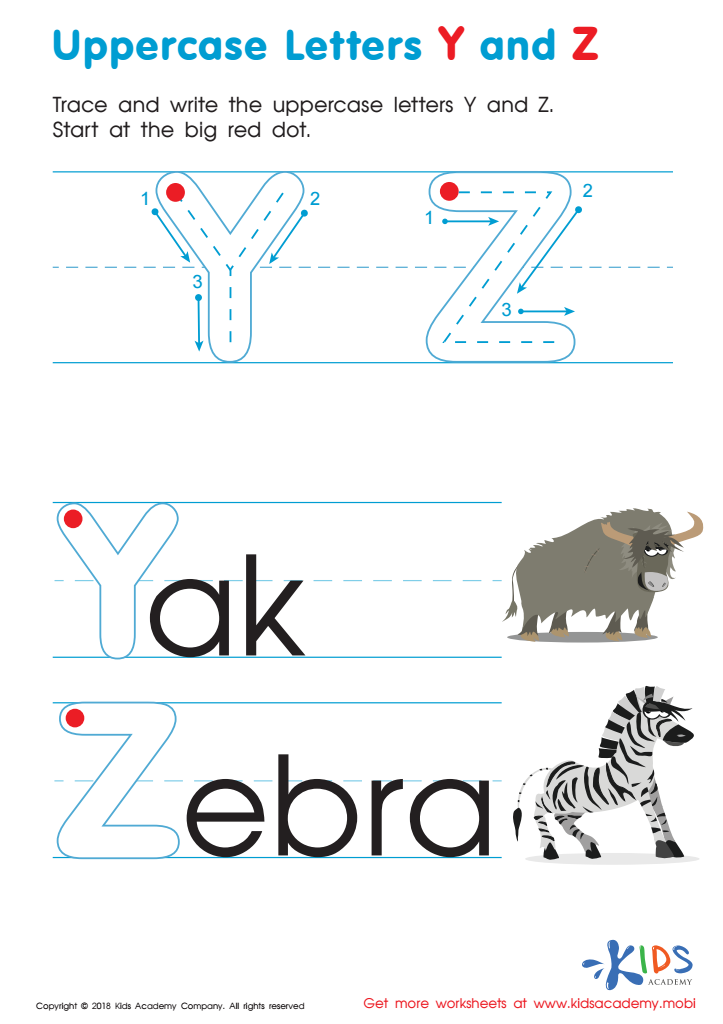
Uppercase Letters Y Z Worksheet
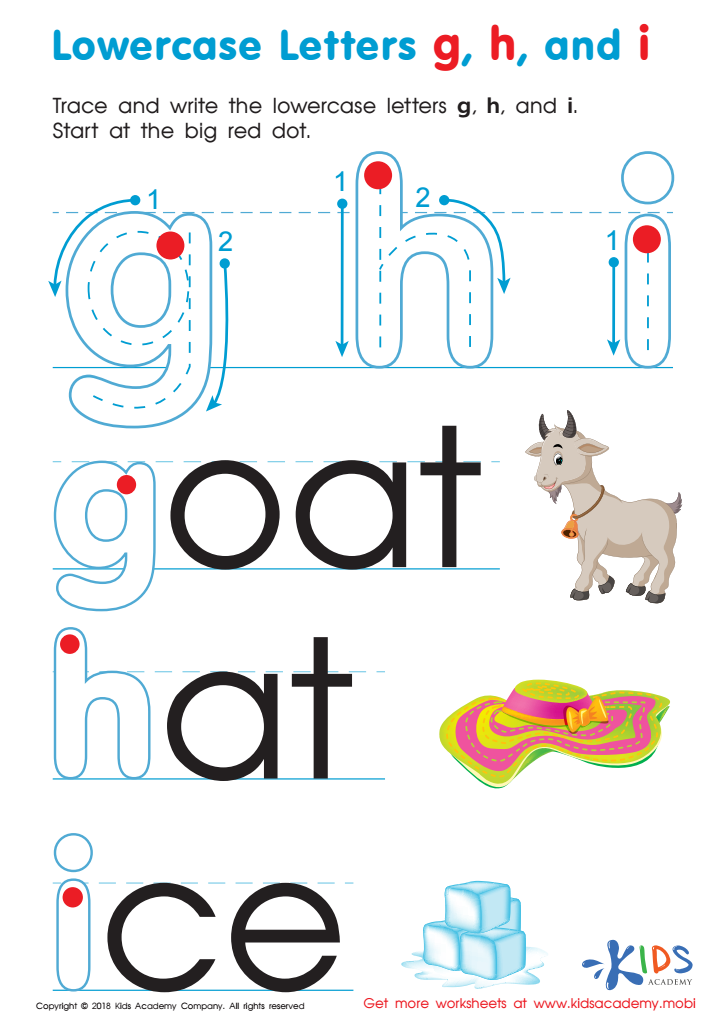
Lowercase Letters g h i Worksheet
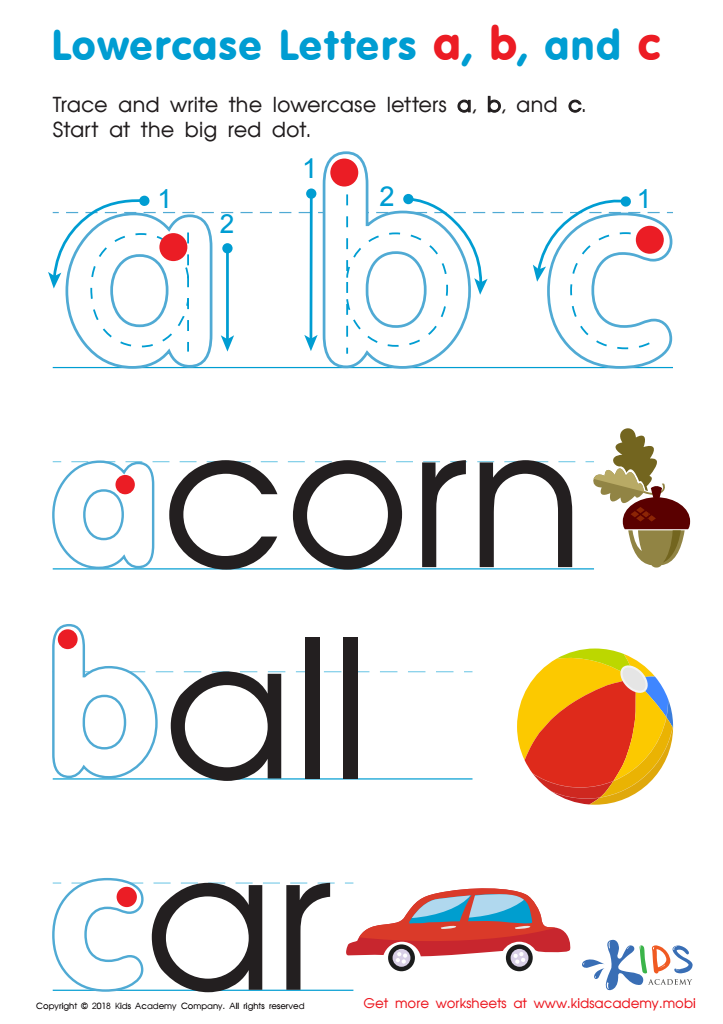
Lowercase Letters a b c Worksheet
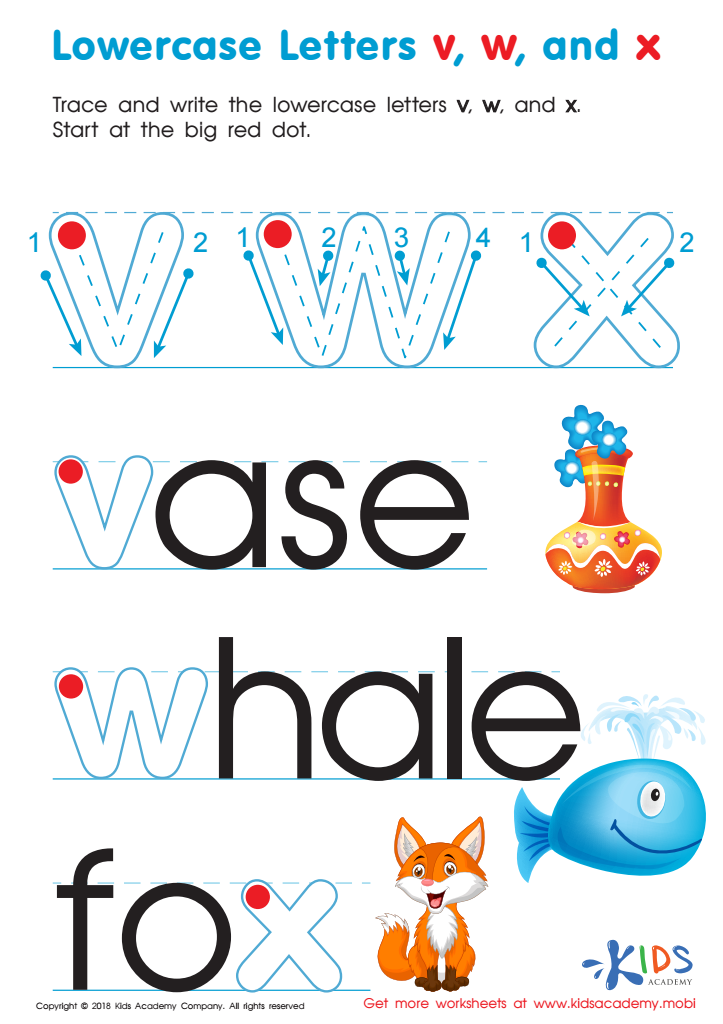
Lowercase Letters v w x Worksheet
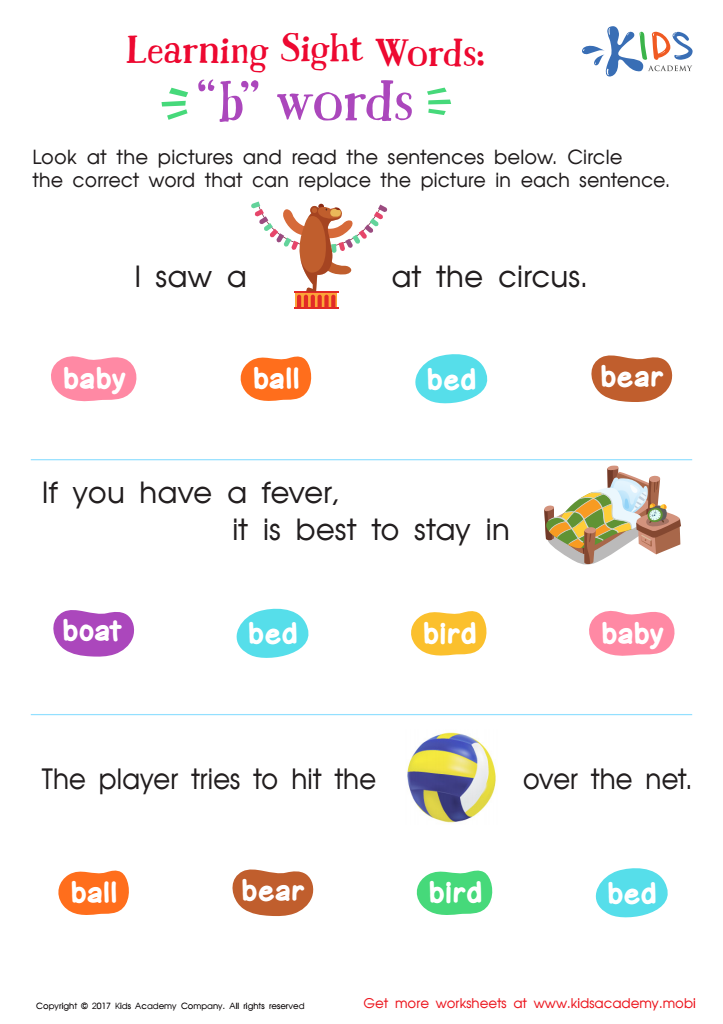
"B" Words Printable Sight Words Worksheet
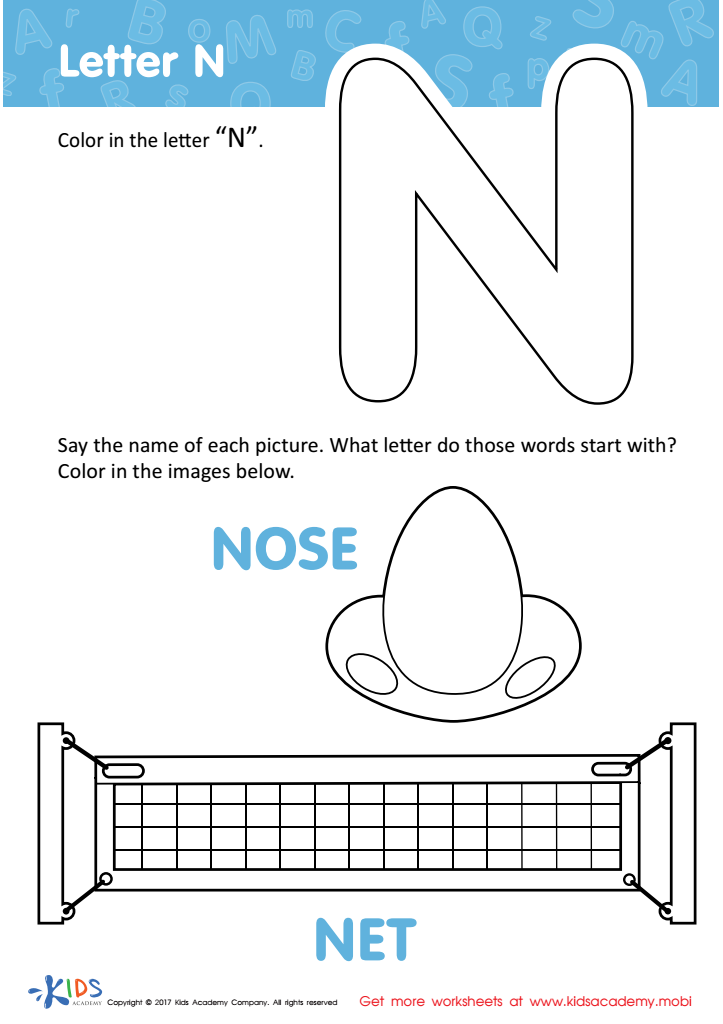
Letter N Coloring Sheet
Assign to My Students
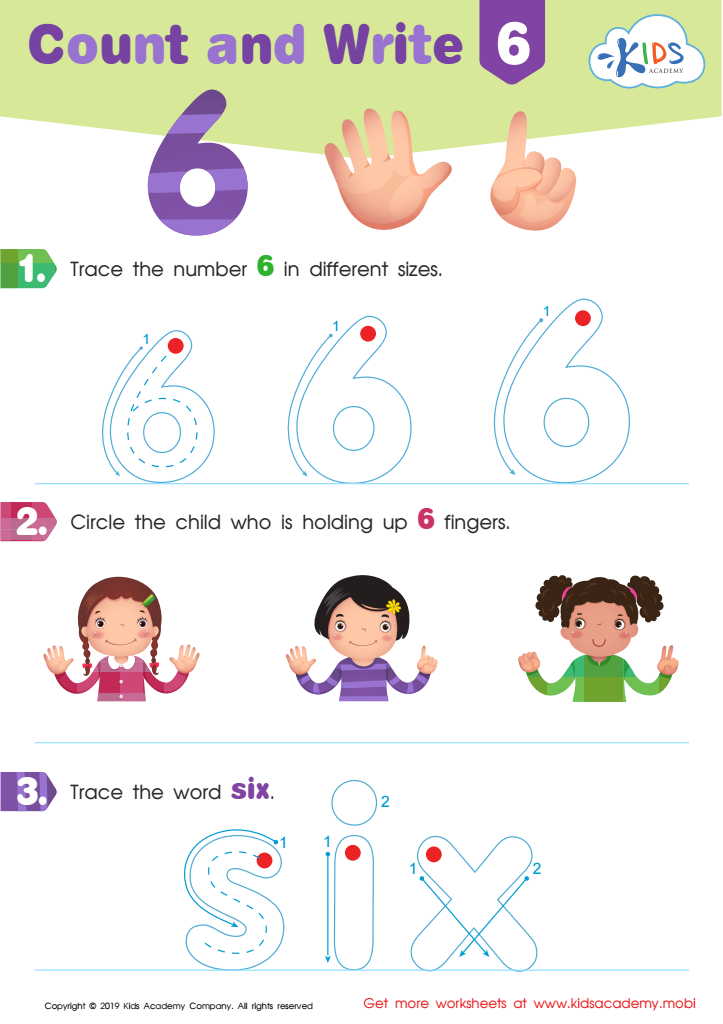
Count and Write 6 Worksheet
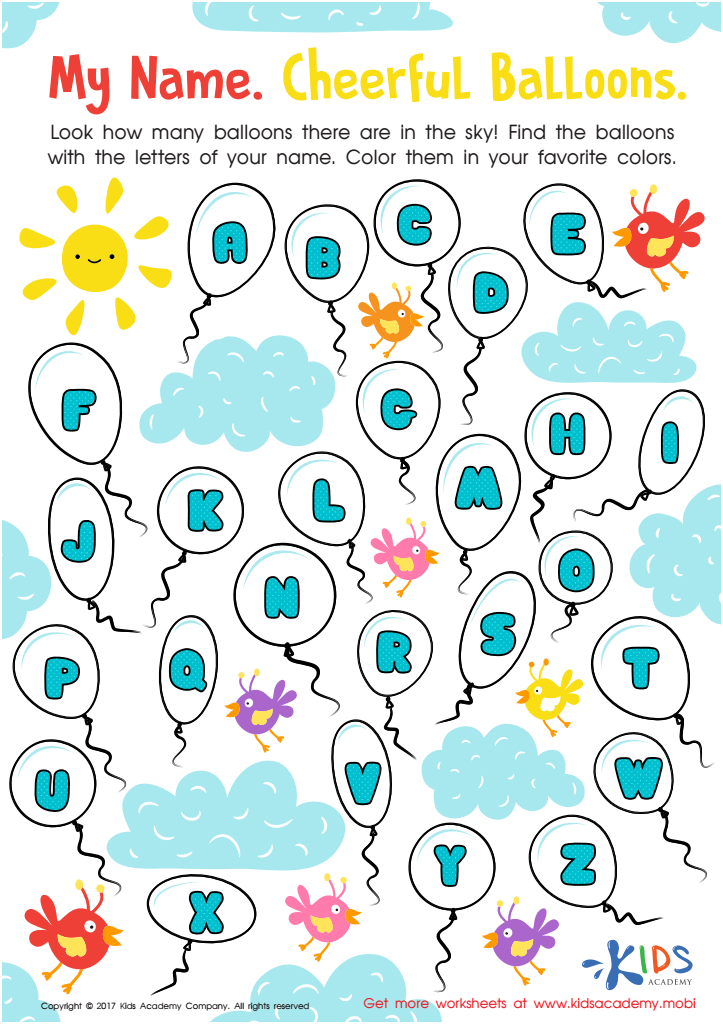
My Name: Cheerful Balloons Worksheet
Assign to My Students
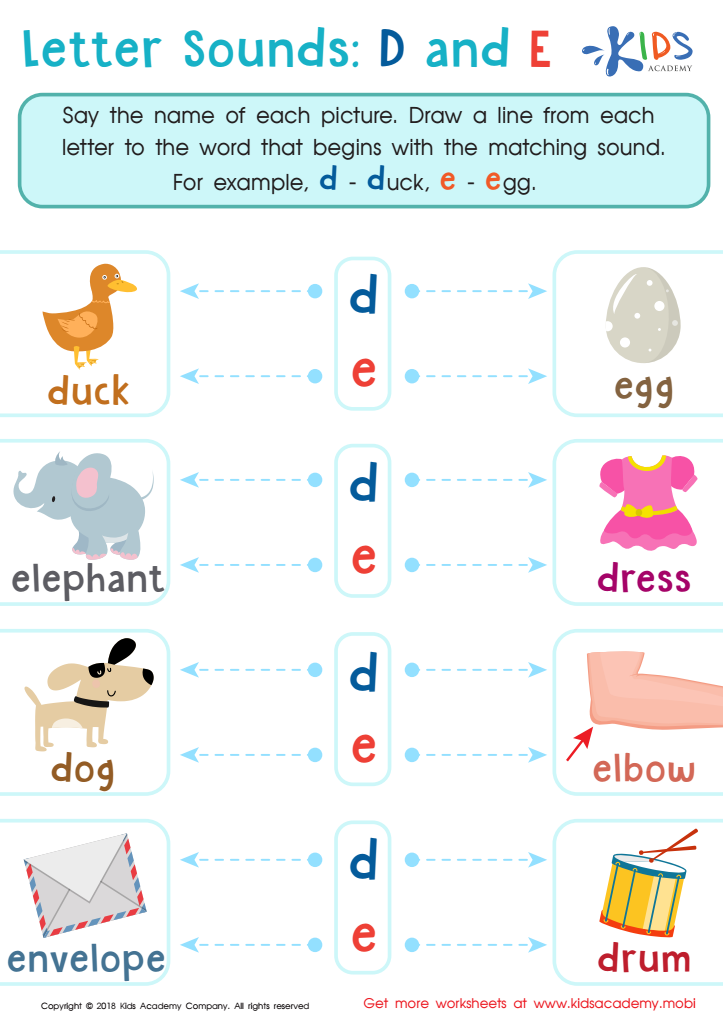
Letter D and E Sounds Worksheet
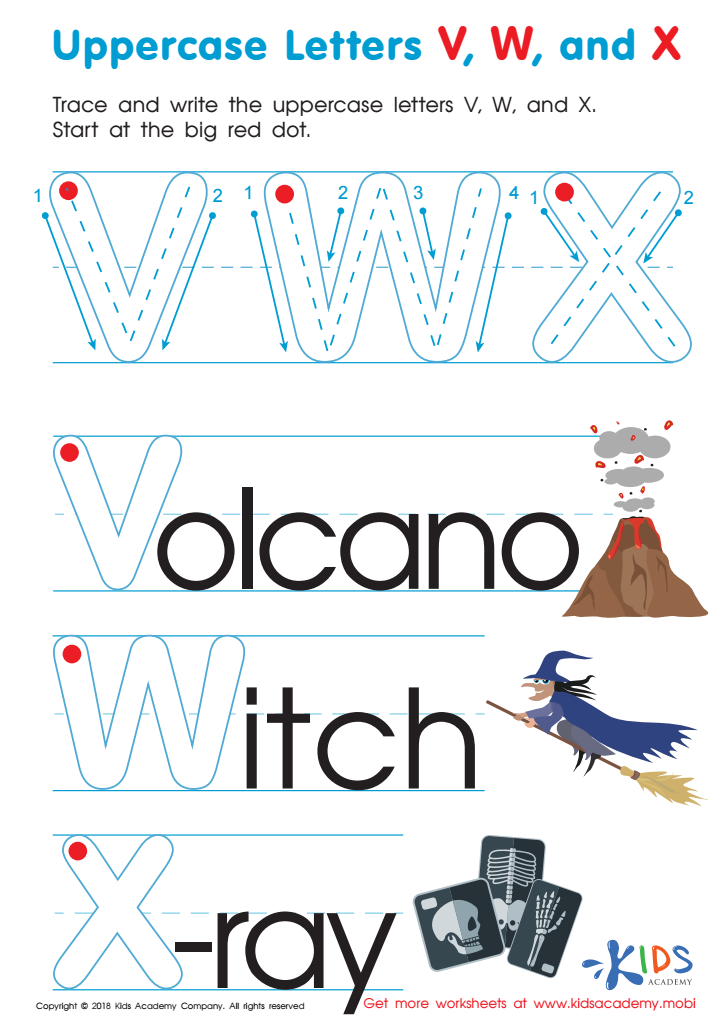
Uppercase Letters V, W, and X Worksheet
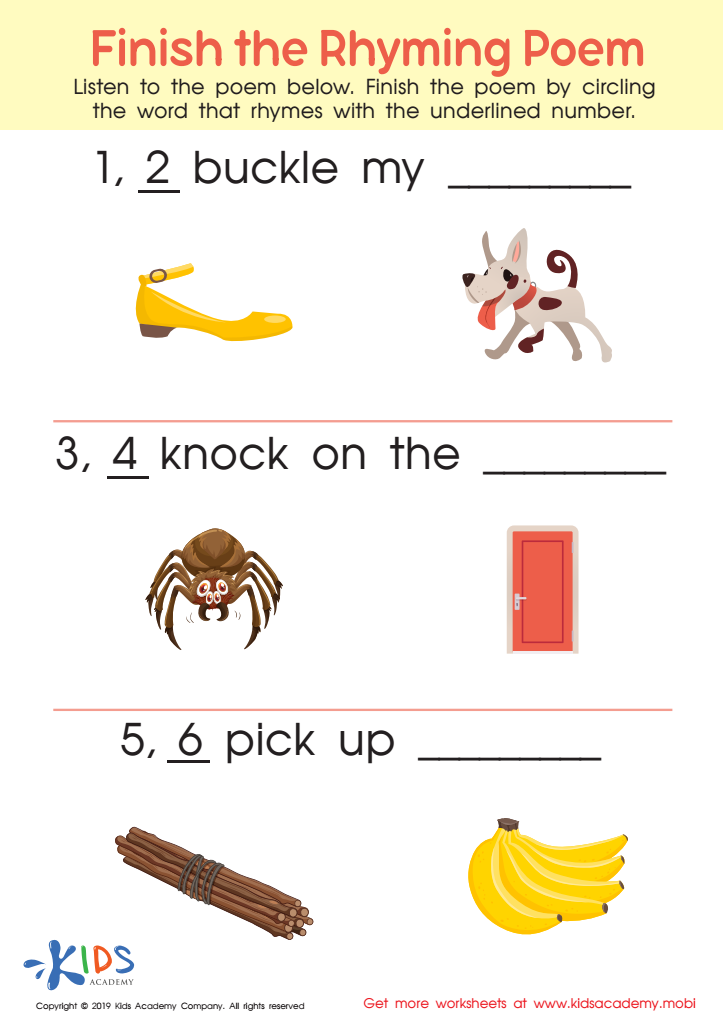
Finish Rhyming Poem Worksheet
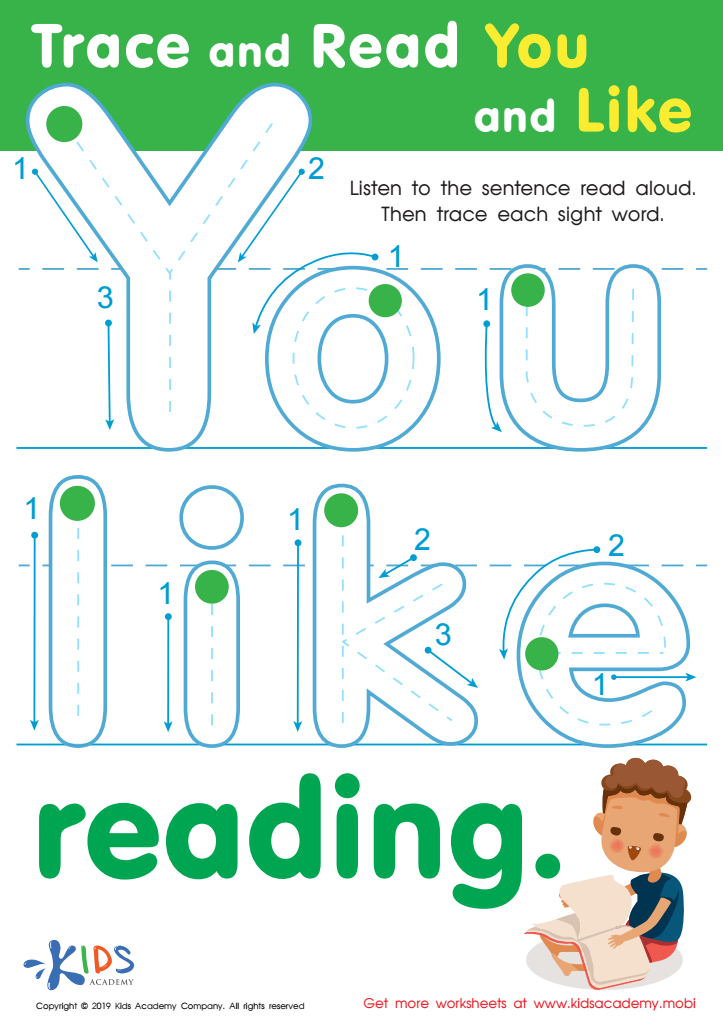
Trace Read You Like Worksheet







Handwriting practice is crucial for children aged 4-8 for several reasons. Firstly, developing fine motor skills during this formative period helps enhance hand-eye coordination and strengthens hand muscles, which are essential not just for writing but for everyday tasks. As young learners are introduced to letters and numbers, effective handwriting practice reinforces their understanding of these symbols, aiding literacy development and fostering a positive attitude towards writing.
Secondly, consistent handwriting practice encourages cognitive development. As children form letters, they strengthen their ability to recognize shapes and patterns, which is vital in language acquisition. Engaging in handwriting helps in memory retention, as the act of writing allows for better processing of information than typing or tracing.
Lastly, handwriting can boost self-esteem and confidence. As children master their handwriting skills, they gain a sense of achievement, promoting a love for learning. It's also a critical tool for expression; being able to write legibly allows children to share their thoughts and ideas more effectively.
In summary, emphasizing handwriting practice from ages 4-8 benefits physical, cognitive, and emotional development, making it a vital component of early education. Parents and teachers should prioritize this skill to set a strong foundation for future academic success.








