Interpreting data Normal Worksheets for Ages 4-8
4 filtered results
-
From - To
Unlock the power of data interpretation for young minds with our engaging and age-appropriate worksheets designed for children ages 4-8. These fun and interactive activities make understanding charts, graphs, and simple statistics both exciting and educational. Carefully crafted to enhance critical thinking and analytical skills, our worksheets provide hands-on practice that turns abstract data into meaningful learning experiences. Kids will love exploring different types of data while building foundational skills that support early math literacy. Embark on a journey that transforms data into stories with our Interpreting Data Normal Worksheets, perfect for curious young learners!
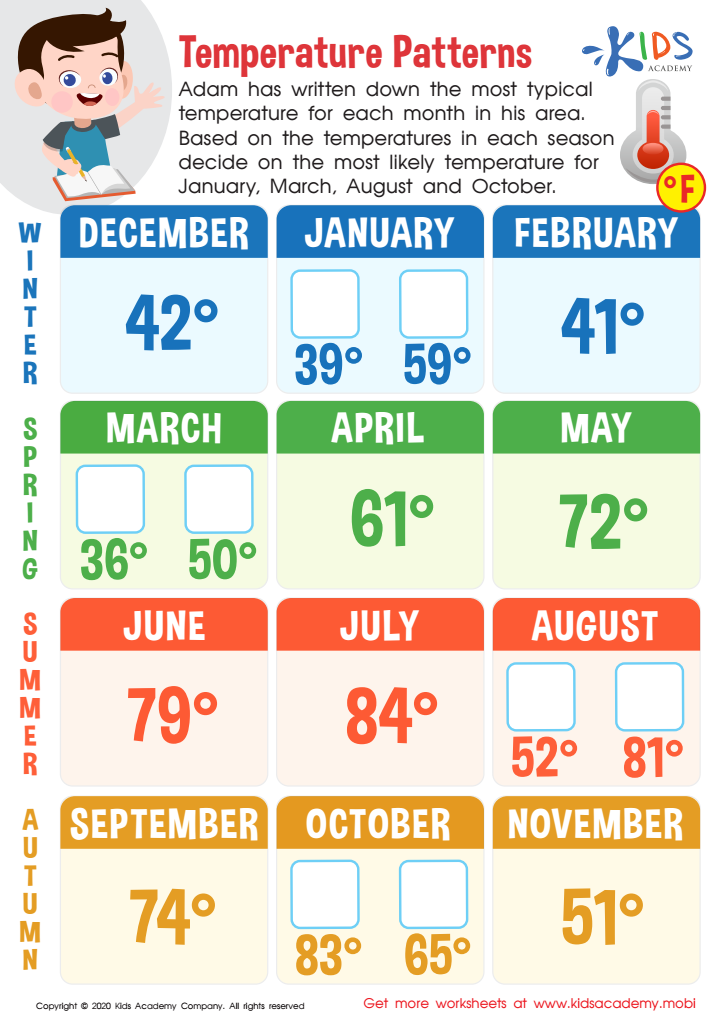
Temperature Patterns Worksheet
 Assign to My Students
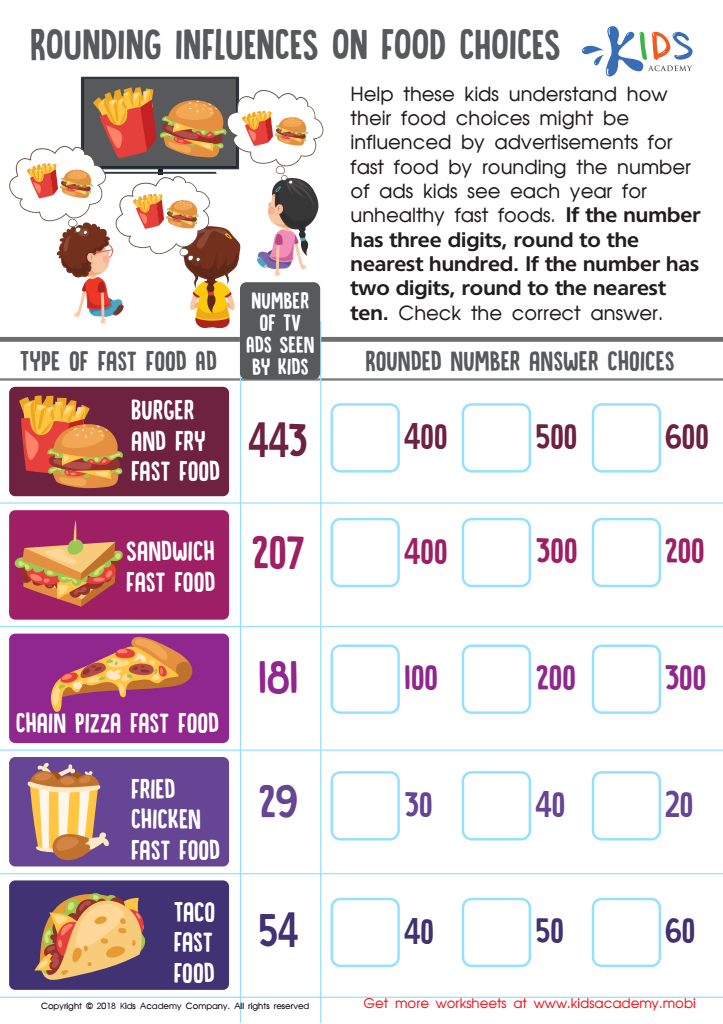
Rounding Influences Food Choices Worksheet
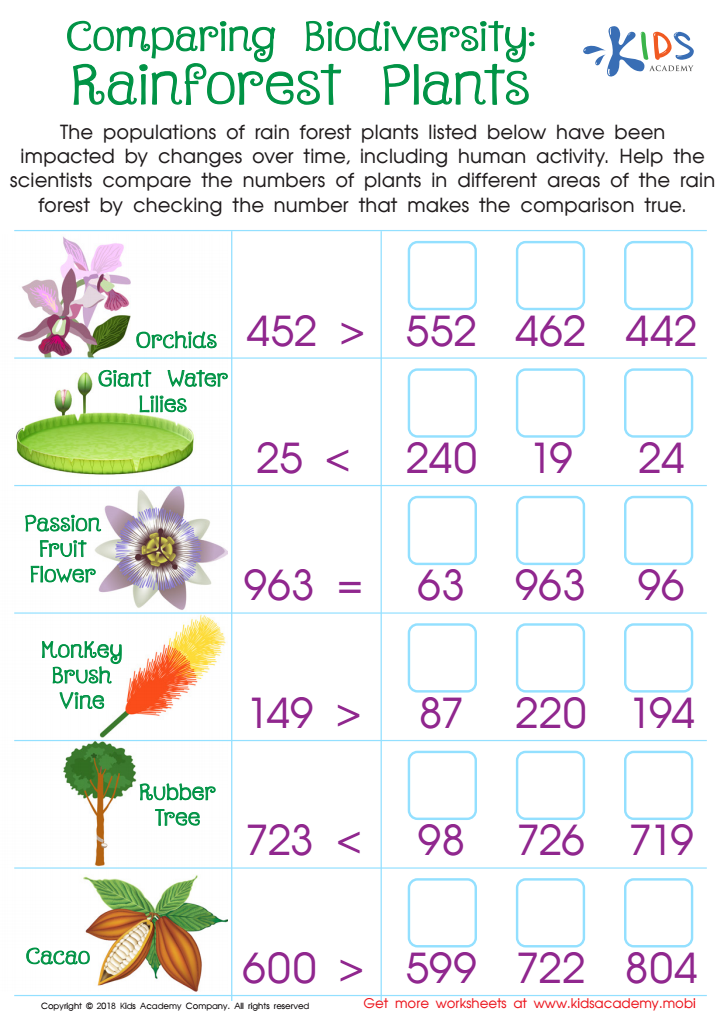
Comparing Biodiversity: Rainforest Plants Worksheet
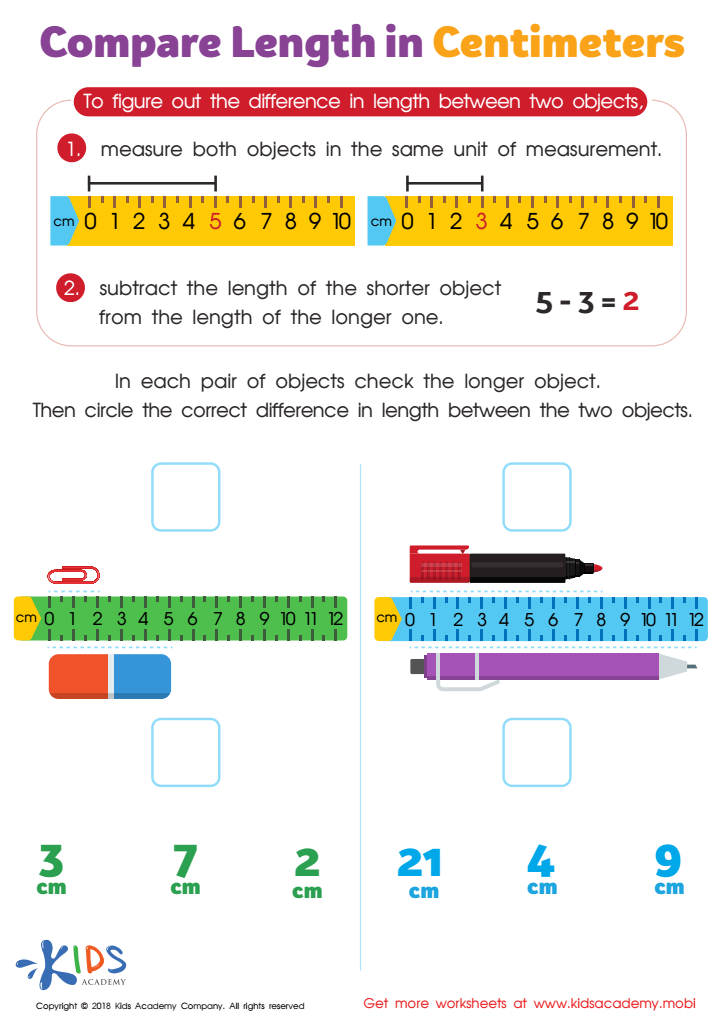
Compare Length in Centimeters Worksheet








Interpreting data is a foundational skill that fosters critical thinking and problem-solving abilities in young children. For parents and teachers of children ages 4-8, understanding and emphasizing data interpretation can offer numerous long-term benefits. During these formative years, children are naturally curious and inclined to learn through observation and making connections. Engaging them with basic data interpretation exercises harnesses this curiosity while developing cognitive abilities such as pattern recognition, logical reasoning, and comparison.
Moreover, the ability to interpret data sets the stage for successful participation in various academic disciplines, including math, science, and social studies. For instance, interpreting simple graphs or sorting objects by categories helps children grasp essential concepts that will be built upon in more advanced studies. Additionally, early exposure to data interpretation familiarizes children with critical 21st-century skills like data literacy, which is becoming increasingly important in a data-driven world.
Parents and teachers also play a crucial role in nurturing a child’s confidence and interest in learning. By incorporating data-related activities into daily routines and classroom lessons, they provide a supportive environment that encourages exploration and inquisitiveness. This initial exposure to data offers children a framework for understanding the world around them, setting them up for cognitive and academic success in future endeavors.








