Letter recognition Normal Worksheets for Ages 4-8 - Page 3
67 filtered results
-
From - To
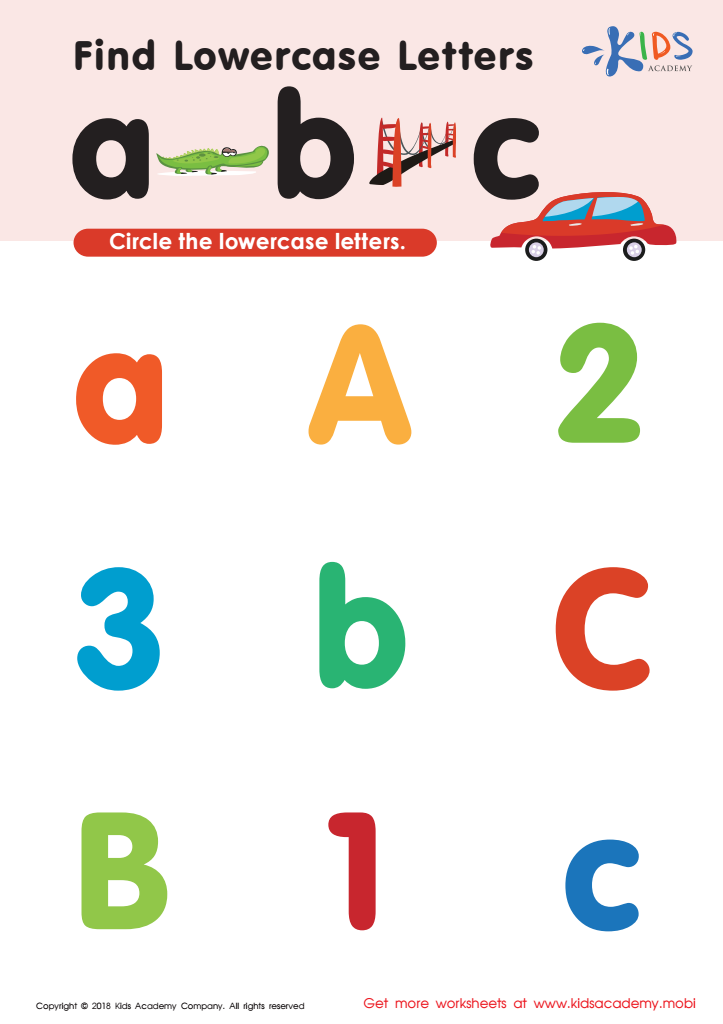
Find lowercase letters a b c Worksheet
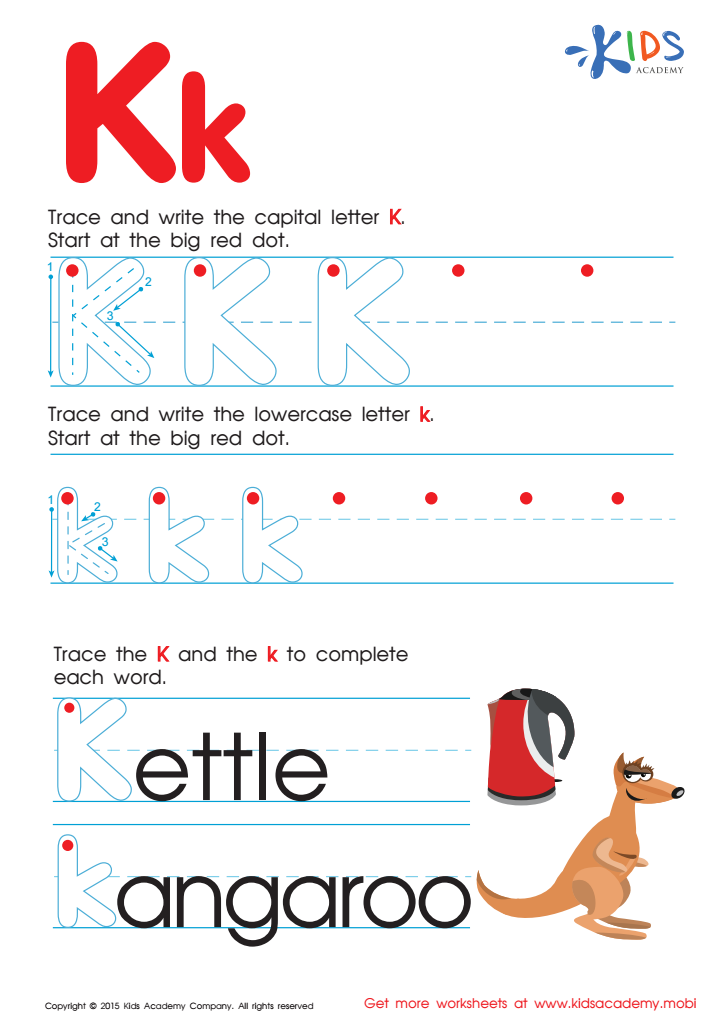
Letter K Tracing Page
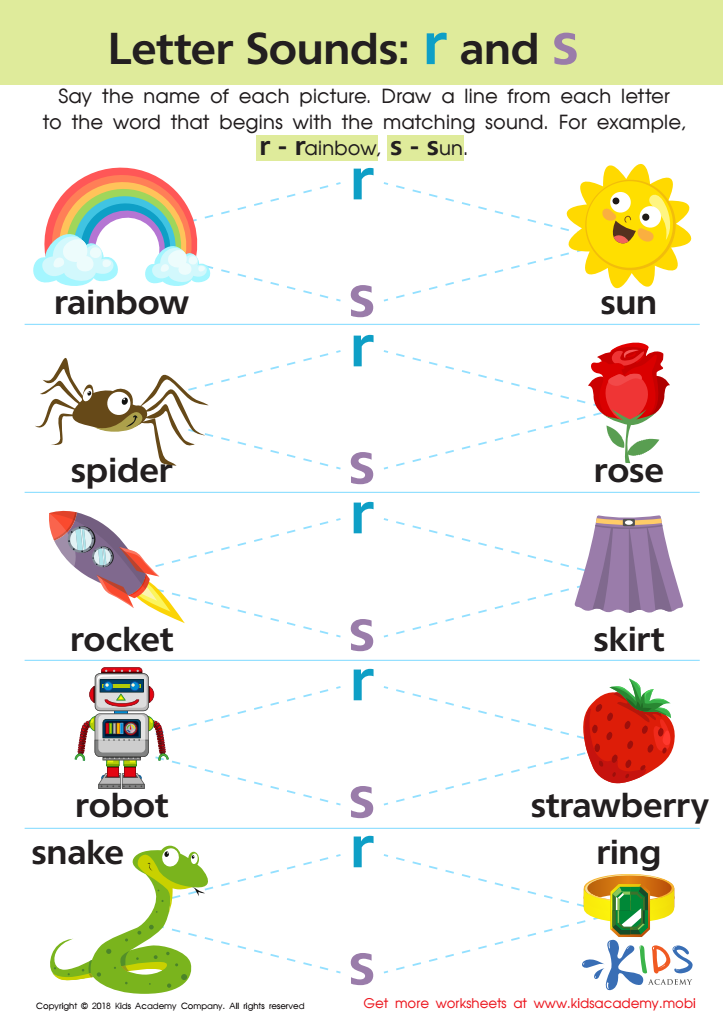
Letter R and S Sounds Worksheet
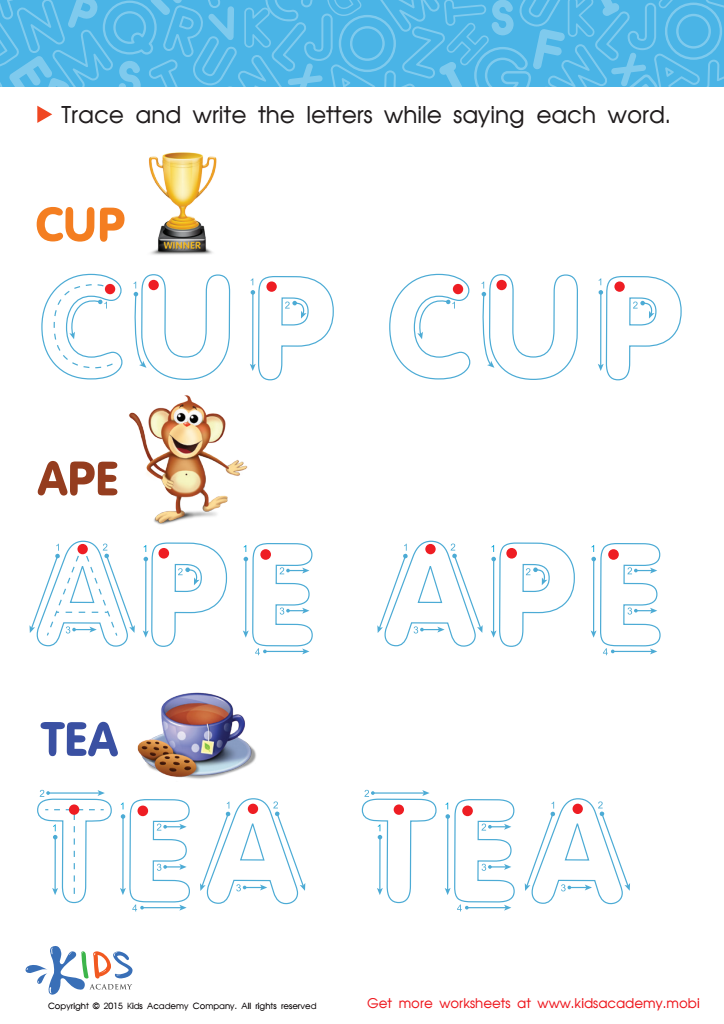
A Cup, an Ape and Tea Spelling Worksheet
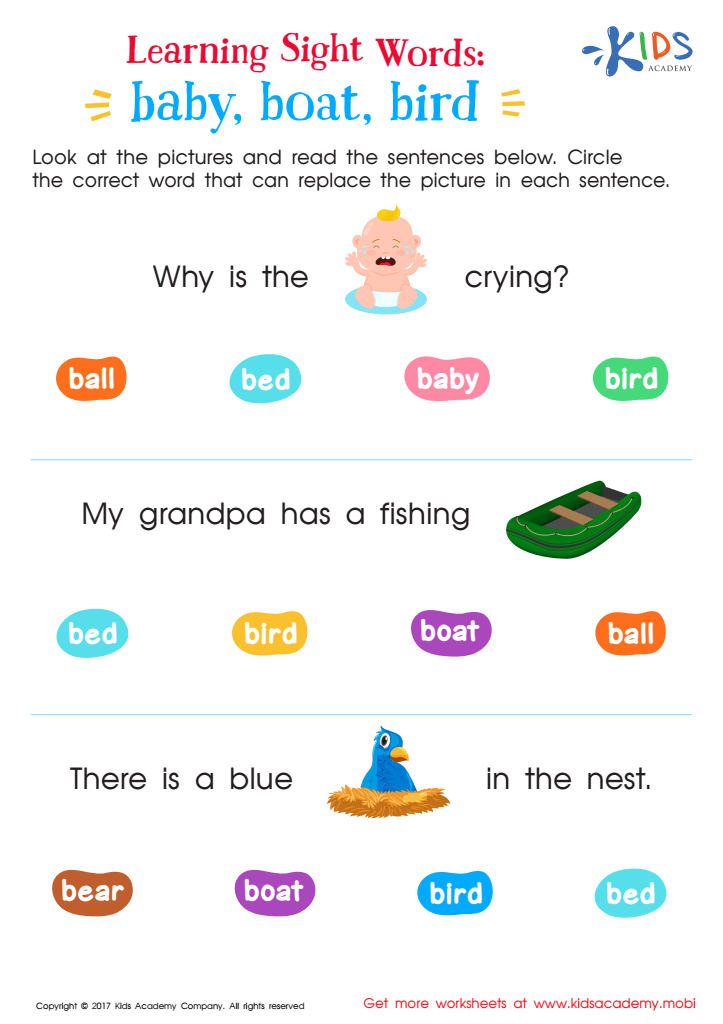
Baby, Boat, Bird Worksheet Sight Words Worksheet
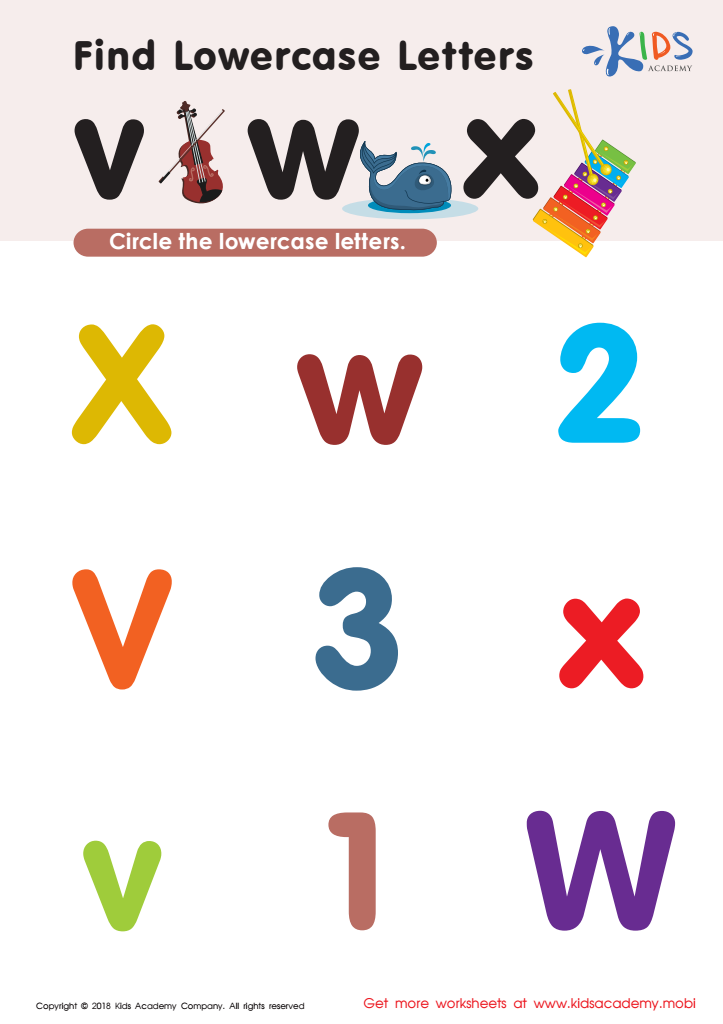
Find Lowercase Letters v w x Worksheet
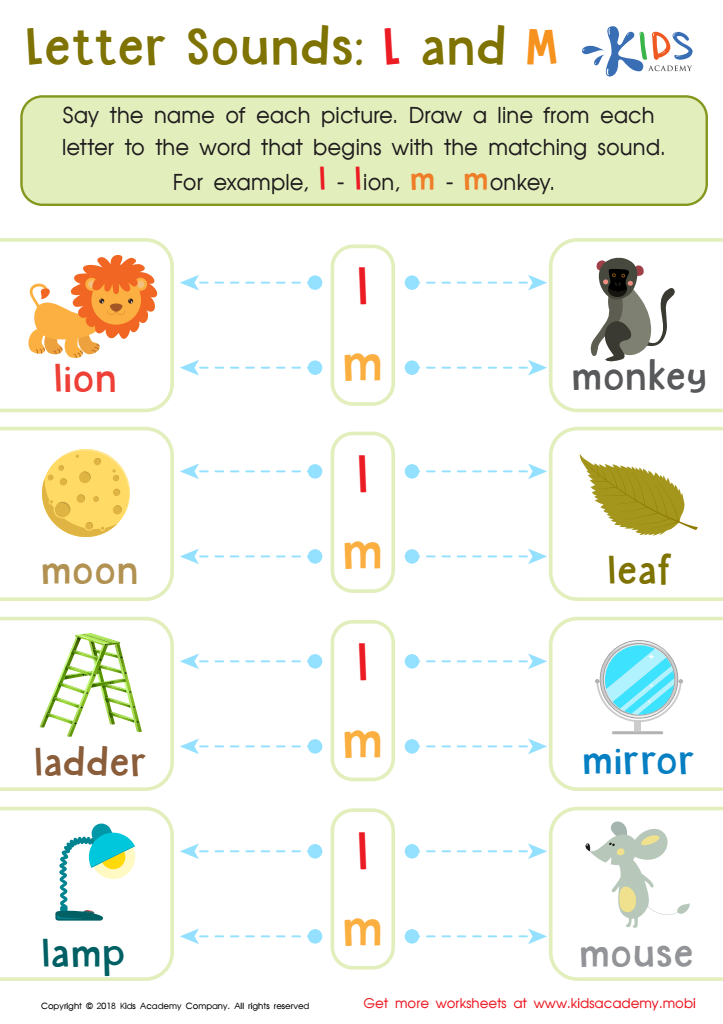
Letter l and M Sounds Worksheet
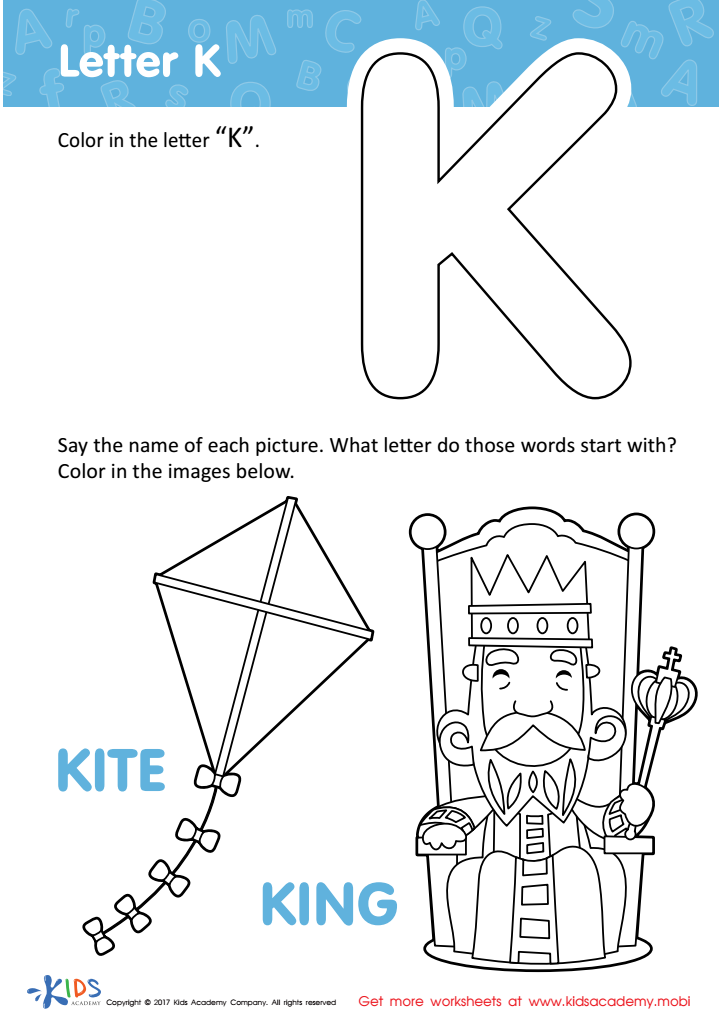
Letter K Coloring Sheet
 Assign to My Students

Letter F Tracing Page
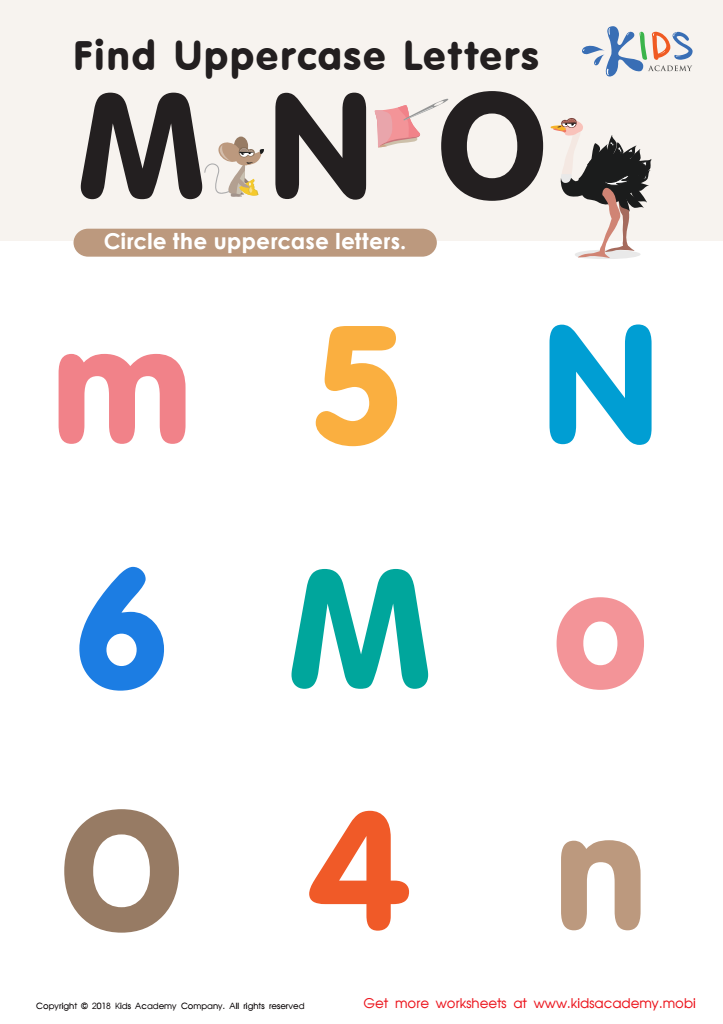
Find Uppercase Letters M, N, and O Worksheet
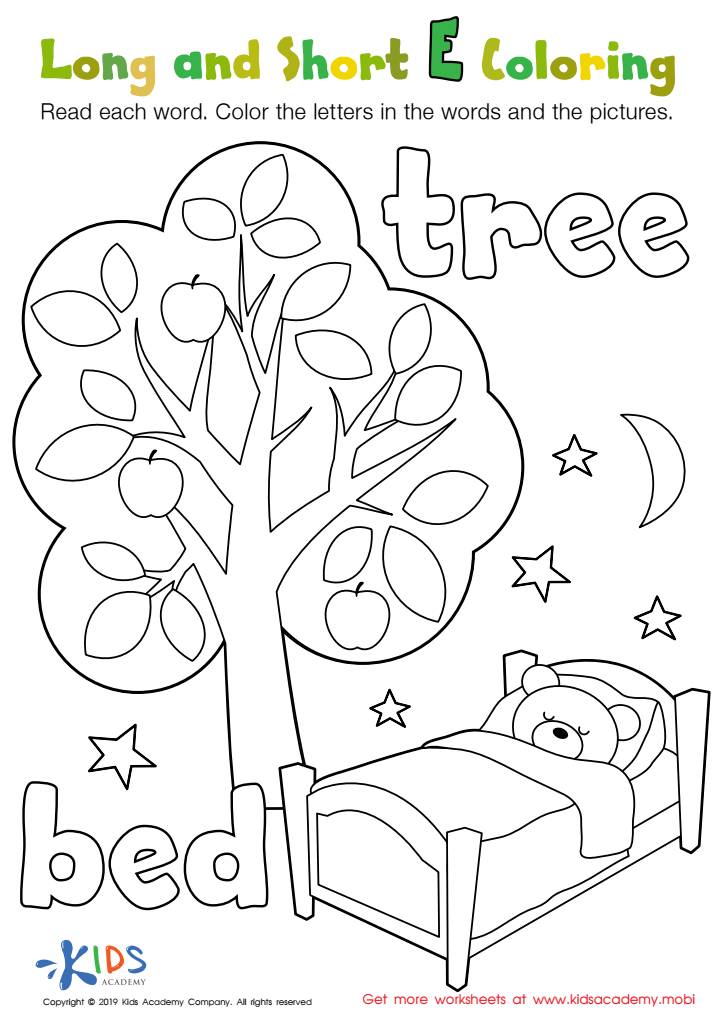
Long and Short E Worksheet
Assign to My Students
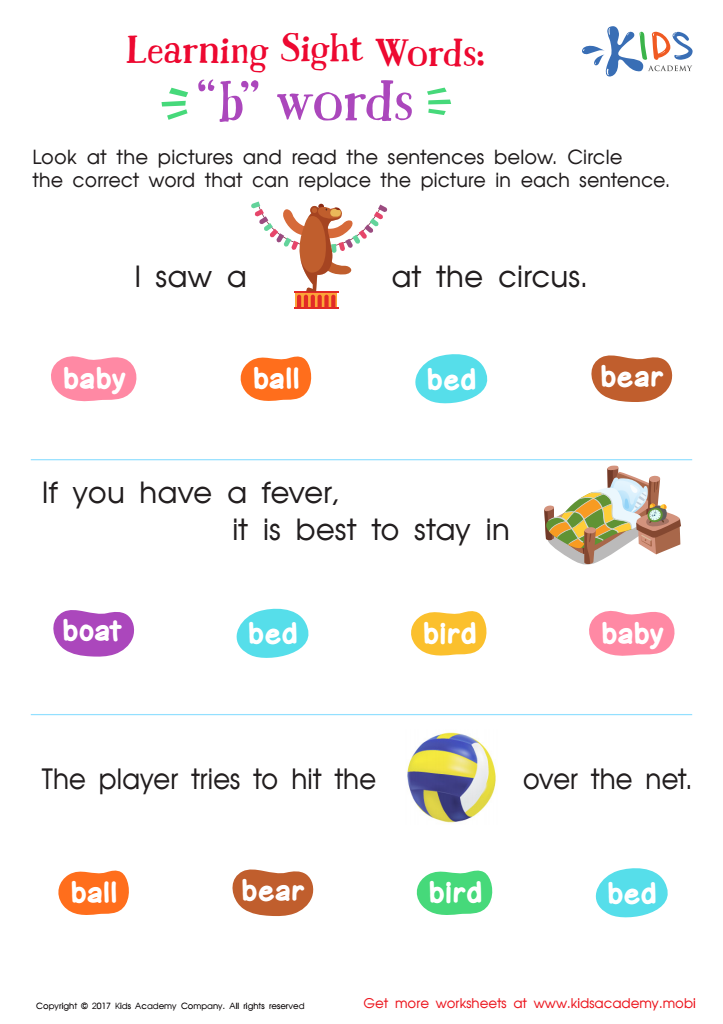
"B" Words Printable Sight Words Worksheet
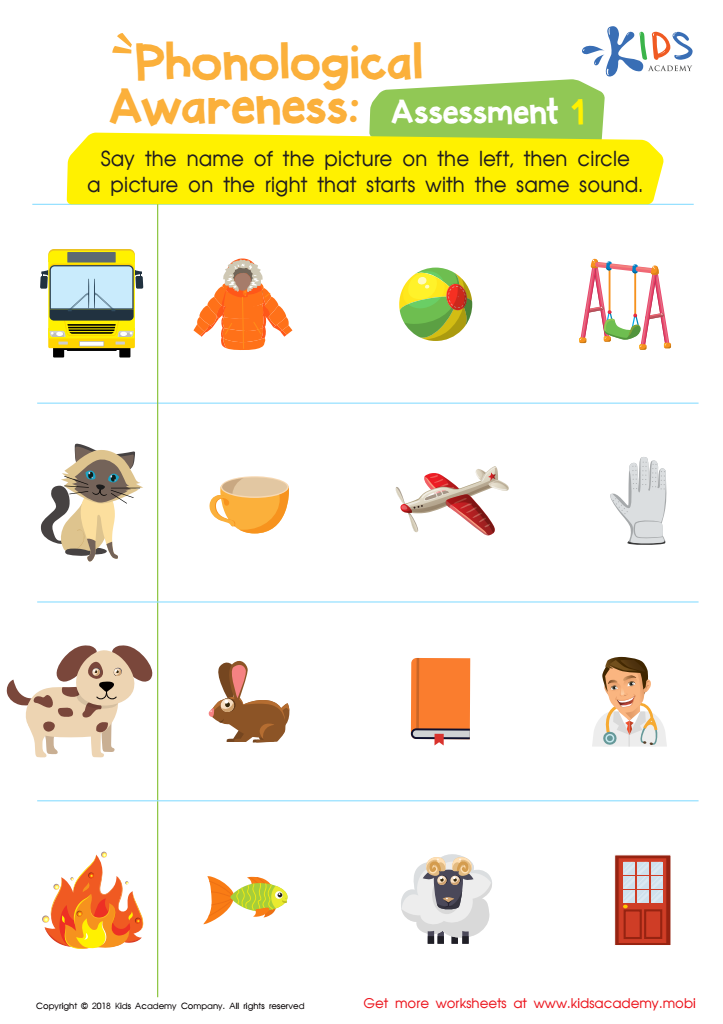
Phonological Awareness: Assessment 1 Worksheet

Letter N Coloring Sheet
Assign to My Students

Letter D Tracing Page
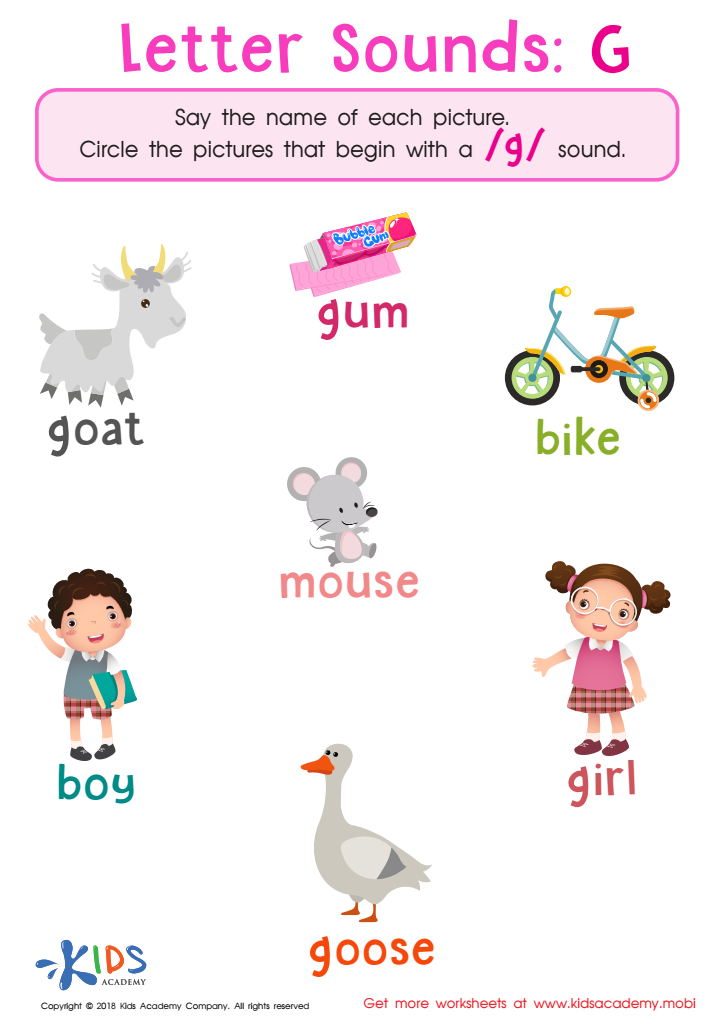
Letter G Sounds Worksheet
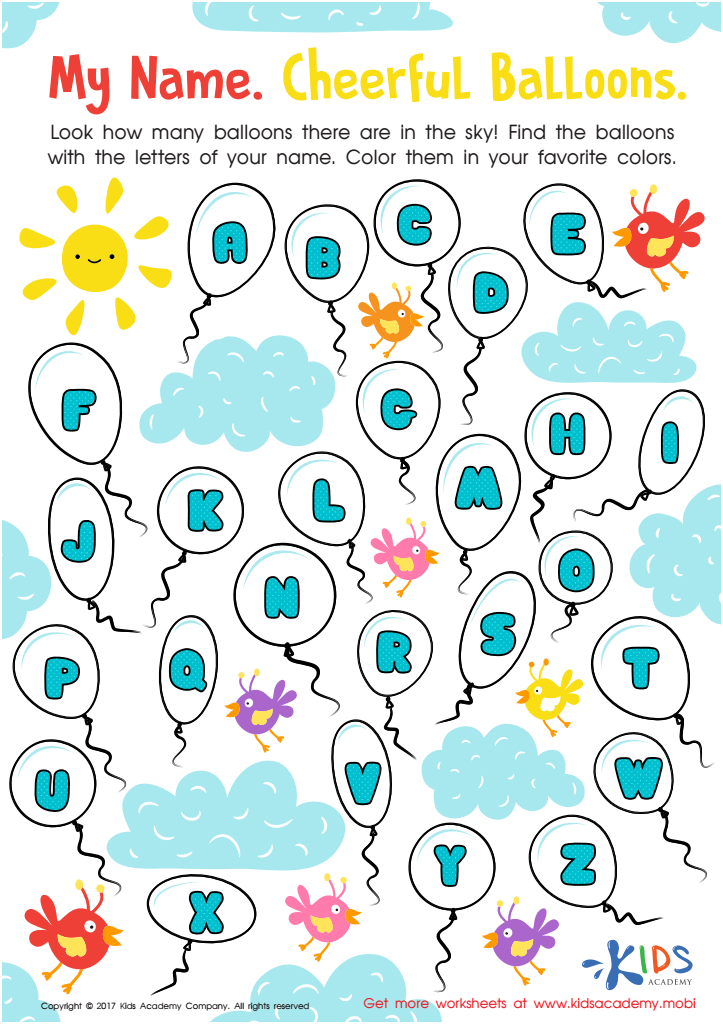
My Name: Cheerful Balloons Worksheet
Assign to My Students
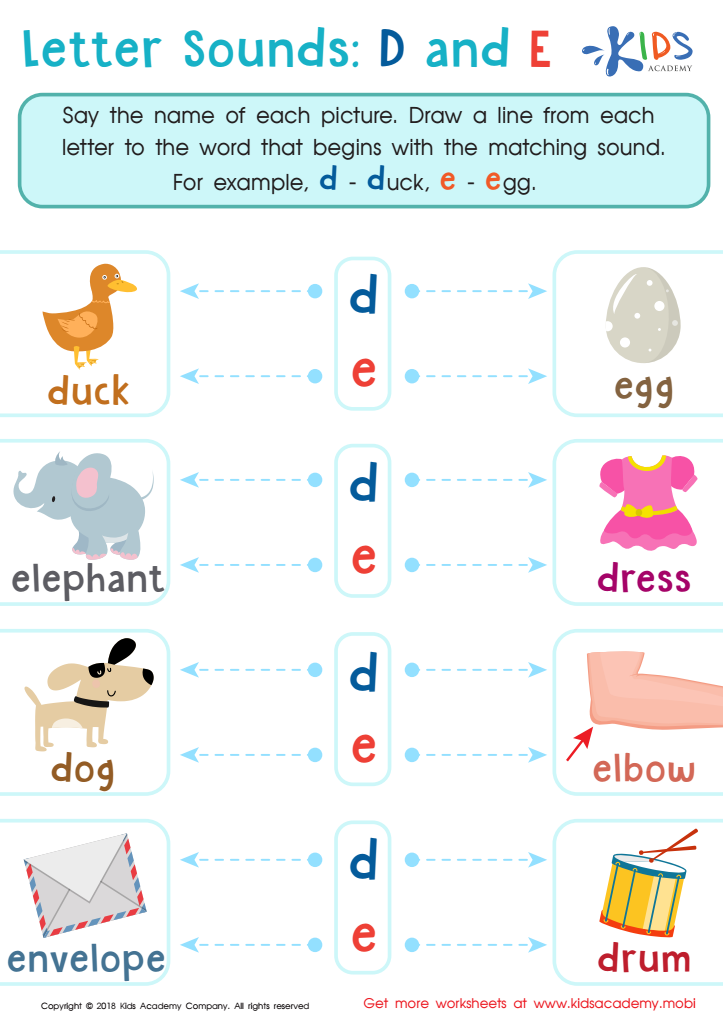
Letter D and E Sounds Worksheet
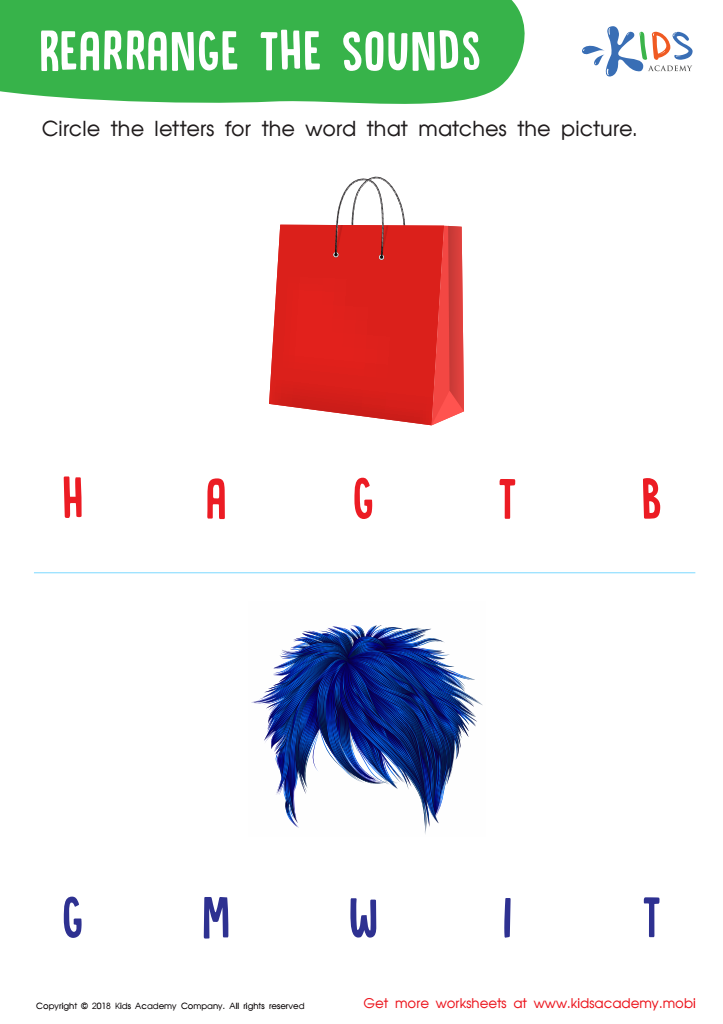
Rearrange the Sounds Worksheet








Letter recognition plays a crucial role in early childhood education, serving as the foundation for successful reading and writing skills. For children aged 4-8, recognizing letters isn't just about memorizing shapes and sounds; it's a key to understanding language and communication. At this formative age, letter recognition links directly to phonemic awareness, enabling kids to connect letters with their corresponding sounds. This skill is essential for decoding words, reading fluently, and comprehending text.
Teachers and parents need to emphasize letter recognition because it's a predictor of future literacy success. Kids who master this early on are typically better equipped to tackle more complex literacy tasks like spelling, writing sentences, and reading stories. In contrast, children who struggle with letter recognition may find themselves falling behind, impacting their confidence and overall academic performance.
Furthermore, early mastery of letter recognition can make learning more enjoyable, fostering a love for reading. By integrating playful, engaging methods such as games, songs, and hands-on activities, adults can help young learners develop these essential skills without feeling pressured or overwhelmed. In sum, prioritizing letter recognition for children ages 4-8 sets the stage for continuous educational growth, nurturing their ability not just to read but to excel in a wide array of subjects.








