Understanding symmetry Normal Worksheets for Ages 4-8
5 filtered results
-
From - To
Explore our engaging "Understanding Symmetry Normal Worksheets" designed specifically for children ages 4-8. These printable resources offer a fun and interactive way for young learners to grasp the concept of symmetry through various activities. From identifying symmetrical shapes to completing patterns, our worksheets cater to differing skill levels, ensuring that every child can participate and grow. Enhancing critical thinking and spatial awareness, these activities foster creativity while making learning enjoyable. Perfect for classroom use or at-home practice, our symmetry worksheets are a great tool for any early education curriculum. Start your child's journey into geometry with our educational materials today!
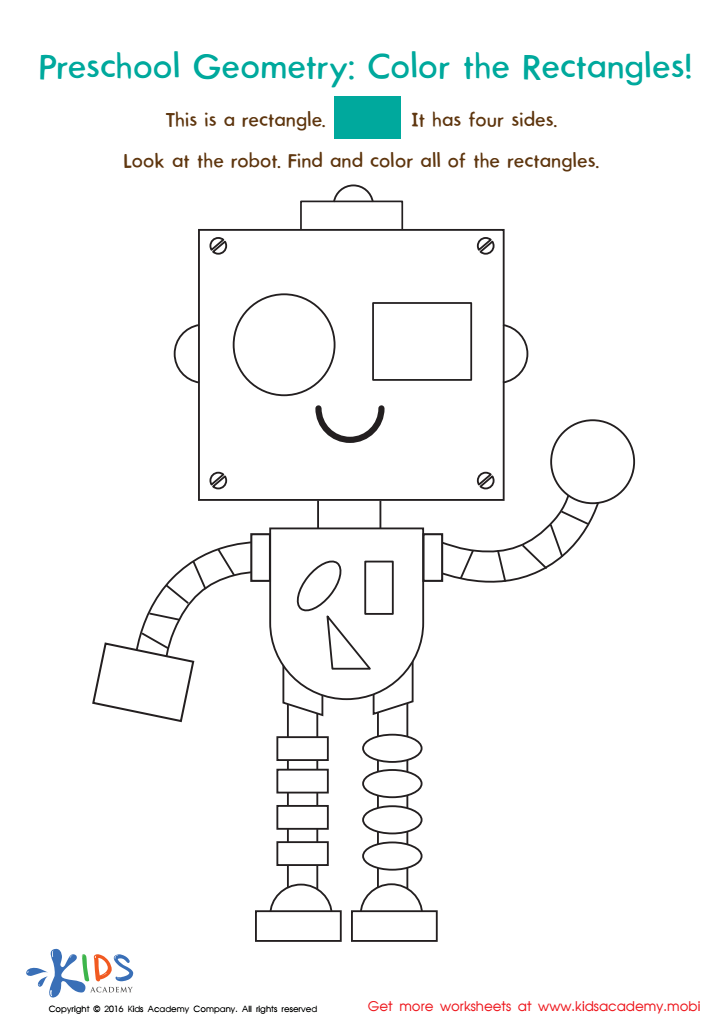
Geometry Worksheet
 Assign to My Students
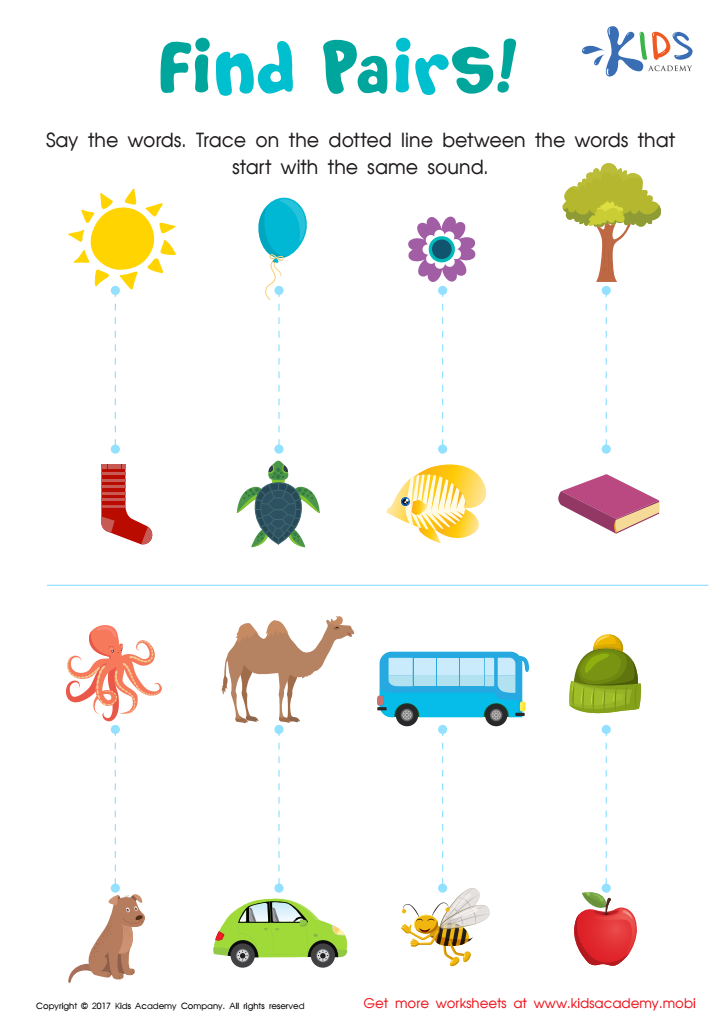
Beginning Sound: Find Pairs Worksheet
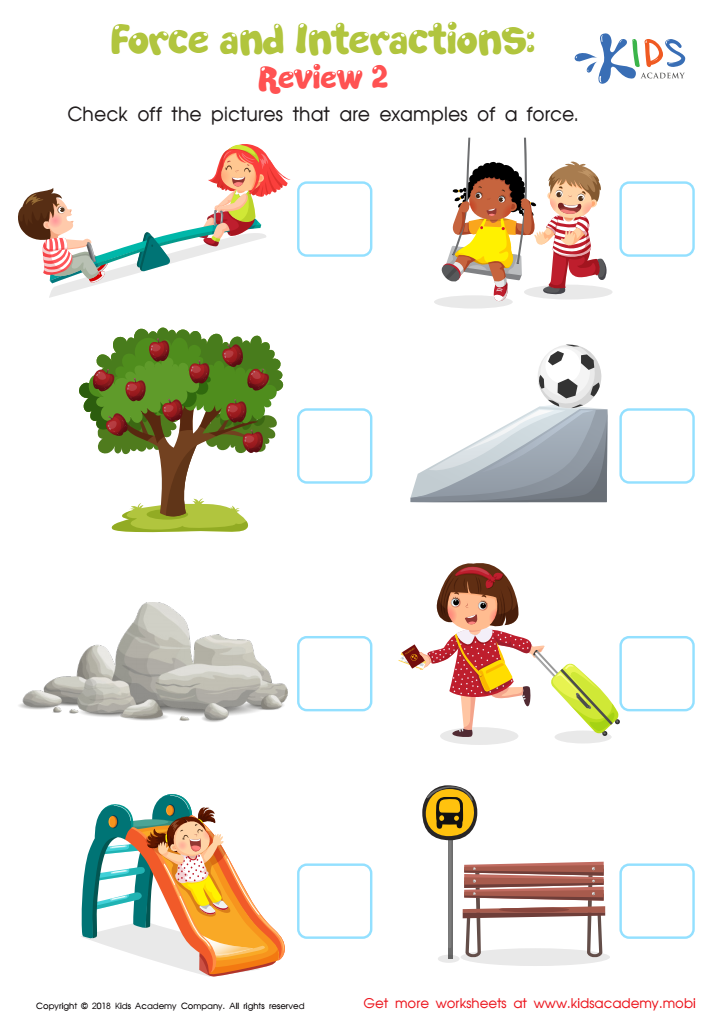
Force and Interactions: Review 2 Worksheet
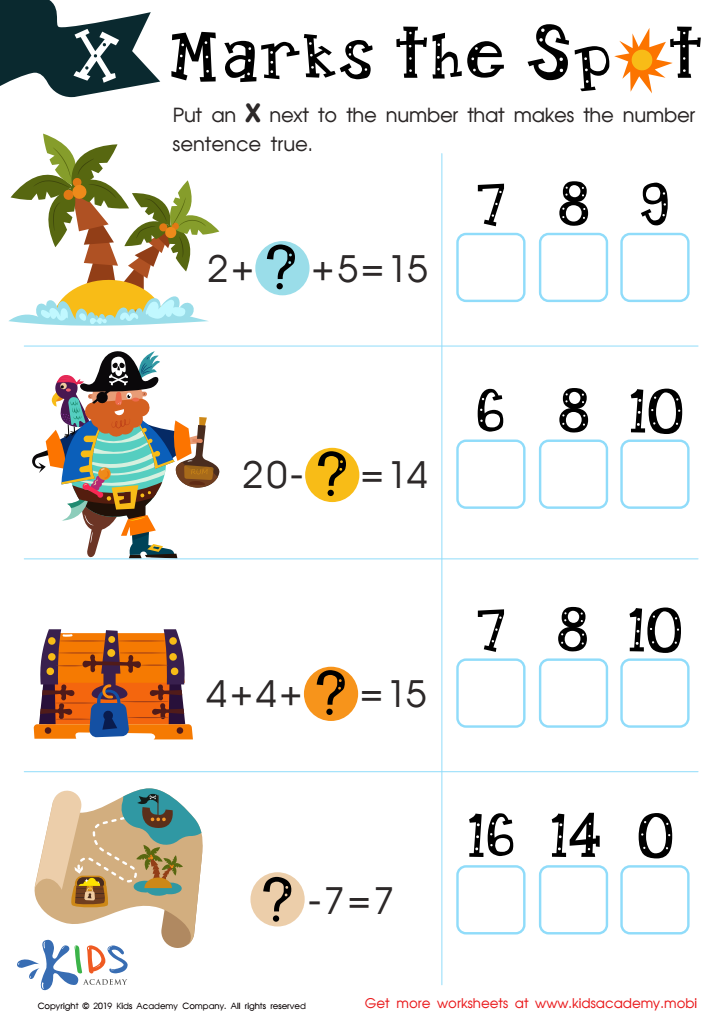
X Marks the Spot Worksheet
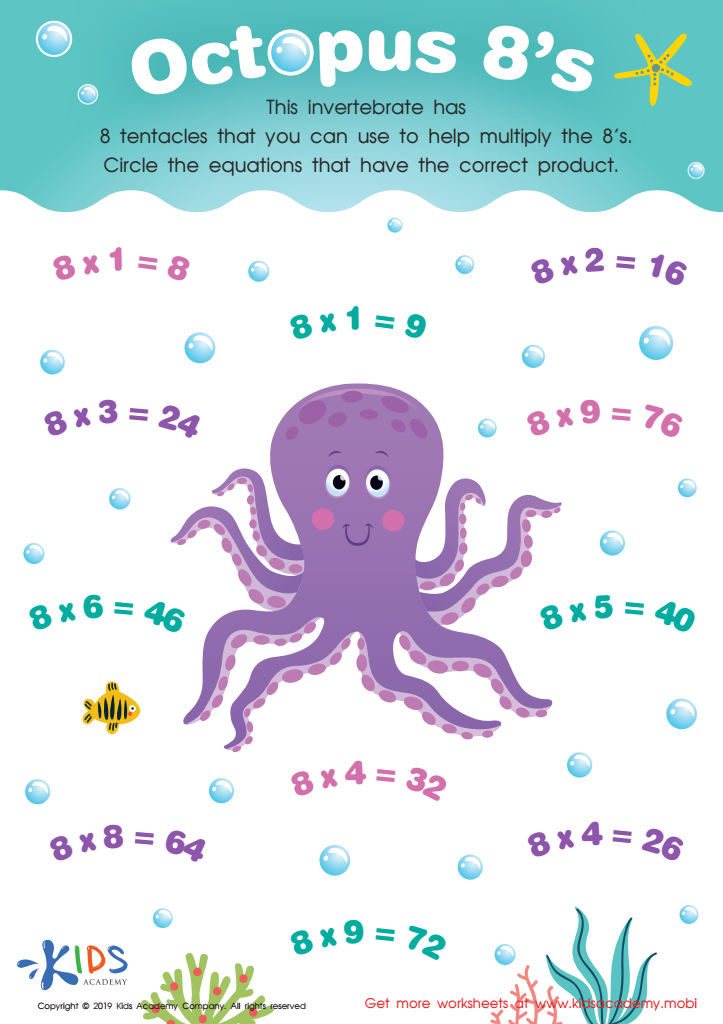
Octopus 8’s Worksheet



.jpg)



Understanding symmetry is crucial for young children's cognitive development, and it offers numerous benefits for both parents and teachers. At ages 4 to 8, children are naturally curious and engaged in exploring their environment. Teaching them about symmetry enhances their observational skills as they recognize patterns and shapes in everyday life, from nature to art and architecture.
Symmetry helps children develop critical thinking and problem-solving abilities. By identifying symmetrical elements in objects, they learn to categorize and compare physically—skills that lay the foundation for geometry and spatial reasoning as they grow. It also nurtures creativity; opportunities for creating art can directly incorporate symmetry, encouraging self-expression through balanced designs and patterns.
Additionally, understanding symmetry fosters mathematical reasoning and introduces concepts like congruence and transformation in a playful, engaging manner. By integrating symmetry into lessons and discussions, parents and teachers create a richer learning environment that prepares children for more complex mathematical concepts in the future.
Finally, symmetry can improve fine motor skills through related activities such as drawing or folding. Thus, recognizing symmetry not only benefits academic learning but also supports holistic development in young children, making it a vital area of focus in early education.








