Normal Addition & Subtraction Worksheets for Ages 4-8 - Page 8
171 filtered results
-
From - To
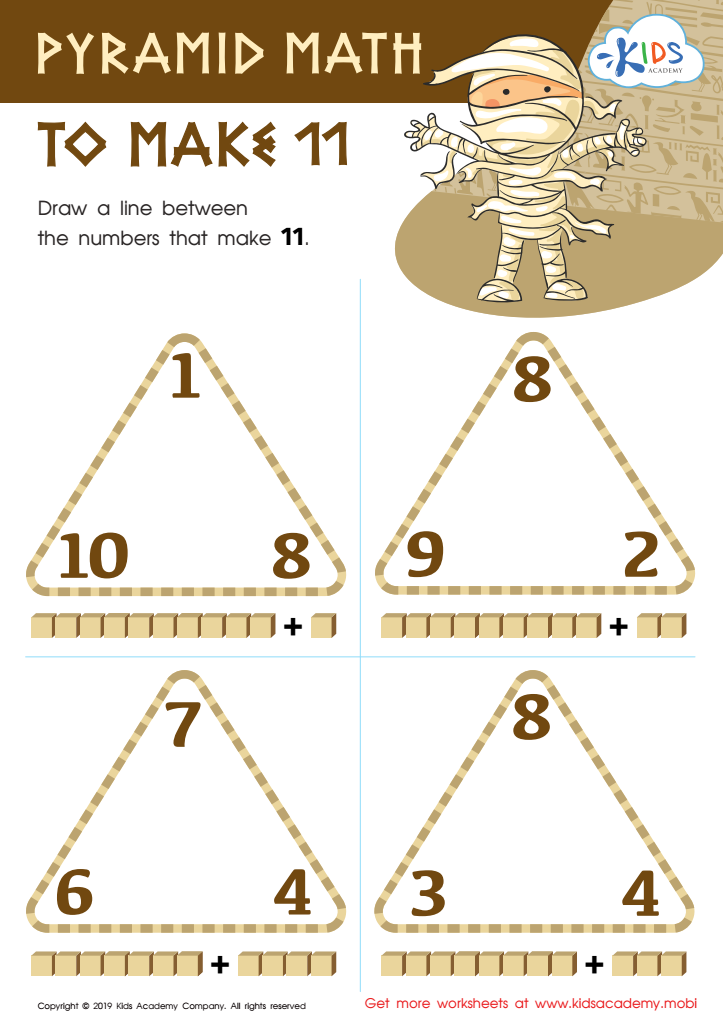
Pyramid Math to Make 11 Worksheet
 Assign to My Students
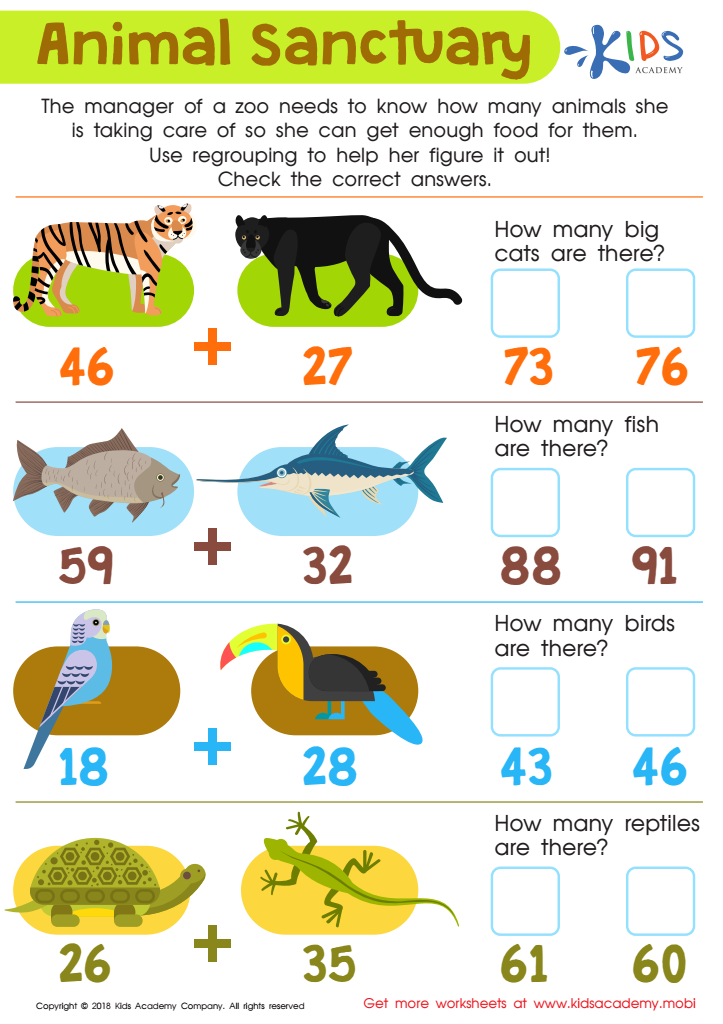
Animal Sanctuary Worksheet
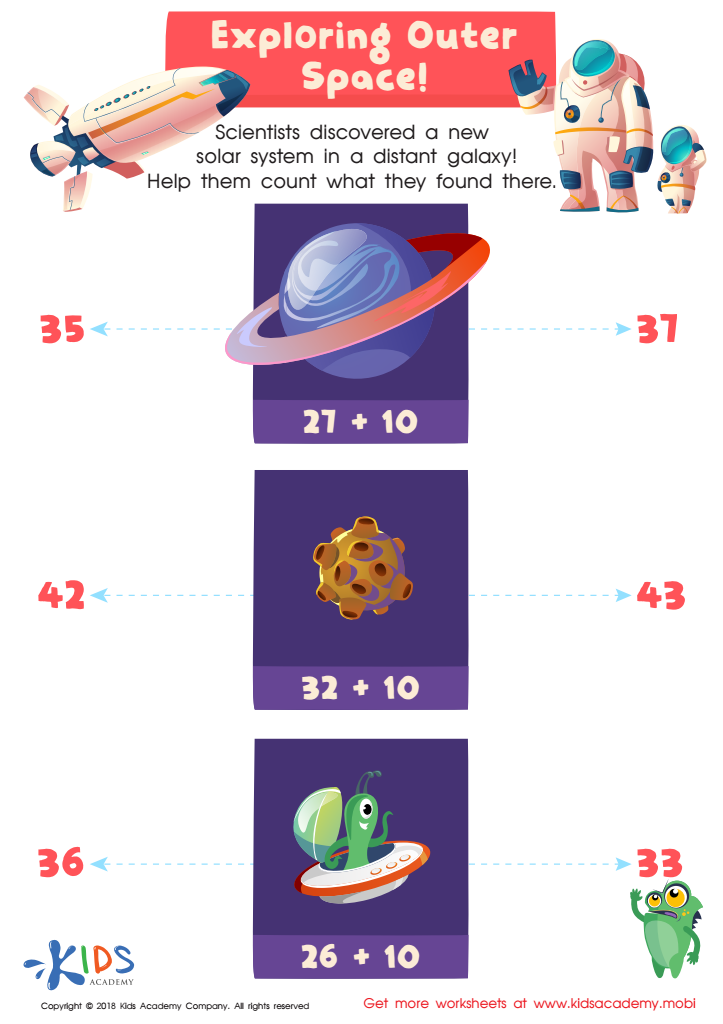
Exploring Outer Space Worksheet







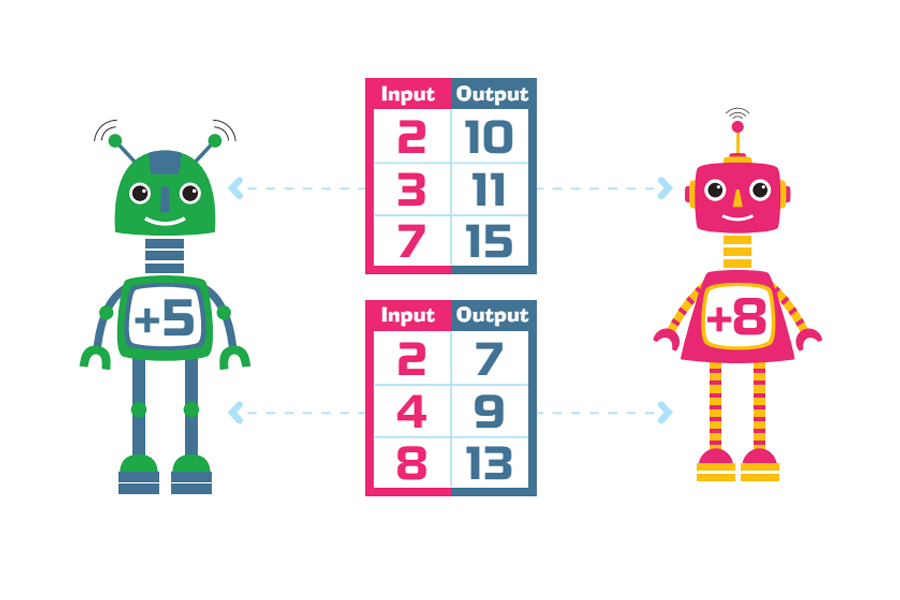
Normal addition and subtraction are foundational skills in early childhood education that play a crucial role in cognitive development and everyday problem-solving. For children ages 4-8, mastering these concepts lays the groundwork for understanding more complex mathematical ideas.
Firstly, these skills foster critical thinking. When children learn to add and subtract, they develop the ability to analyze and solve problems independently. This contributes to their overall cognitive growth, enhancing skills such as memory, attention span, and logical reasoning.
Furthermore, early proficiency in addition and subtraction affects long-term academic success. Kids who grasp these concepts tend to perform better in higher-level math and other subjects, impacting their confidence in learning.
Additionally, normal addition and subtraction connect to daily life experiences, such as counting money, measuring ingredients, or keeping track of time. Encouraging these skills in students not only assists them academically but also prepares them for real-world situations.
Lastly, parents and teachers play a key role by creating engaging, playful environments for children to explore mathematics. Supporting their journey with practical activities can make learning enjoyable and meaningful leads to a positive attitude toward math in the future. Investing in these foundational skills is vital for children's growth and success.








