Normal Comparing Numbers Worksheets for Ages 4-8 - Page 2
32 filtered results
-
From - To
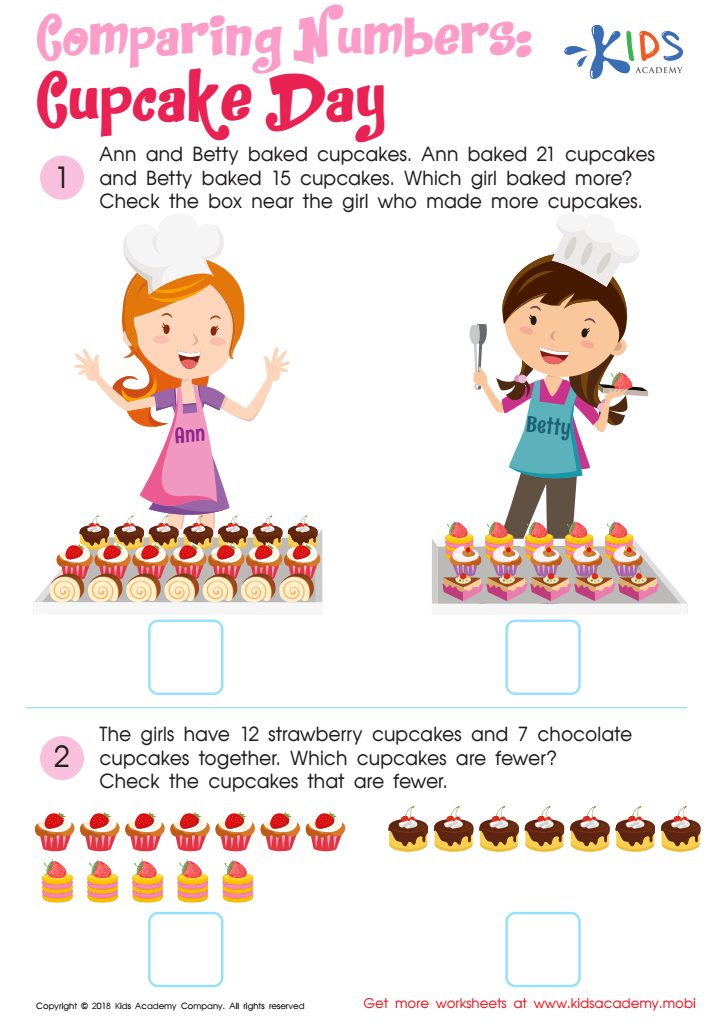
Cupcake Day Worksheet
 Assign to My Students
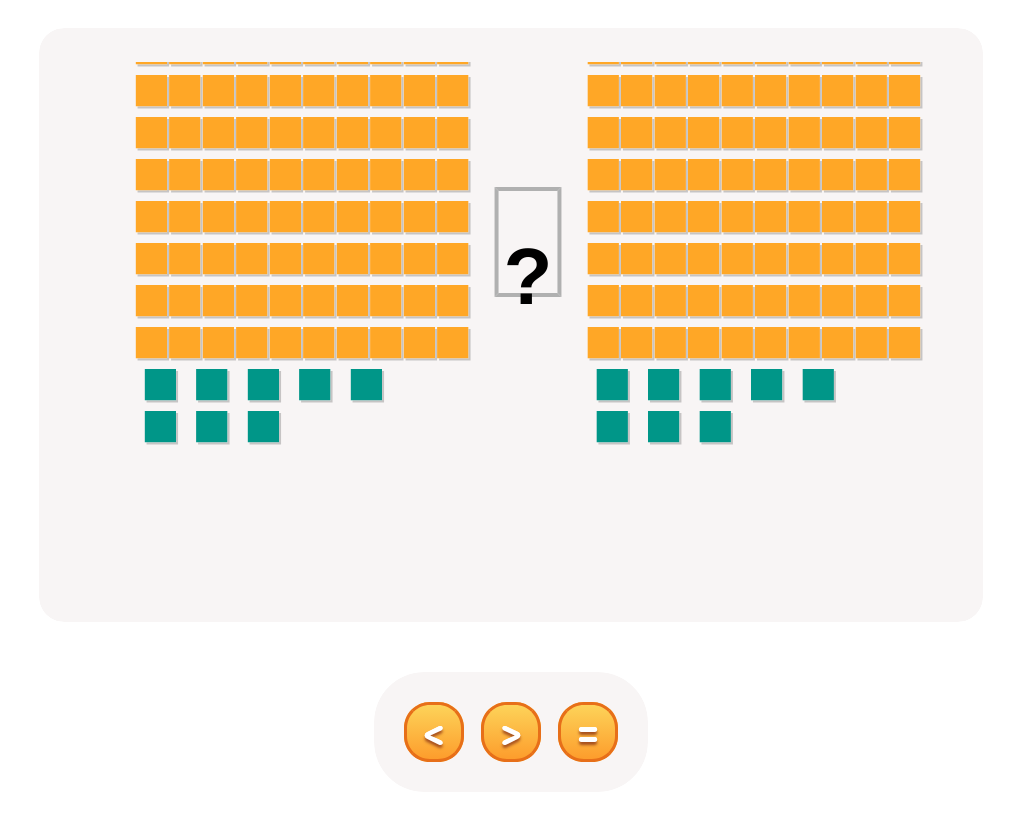

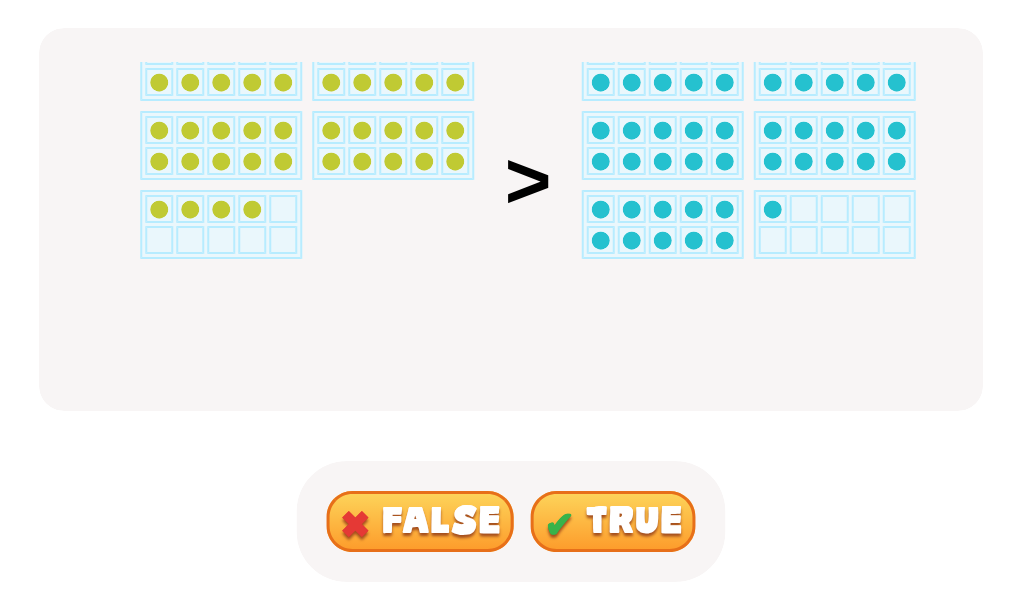
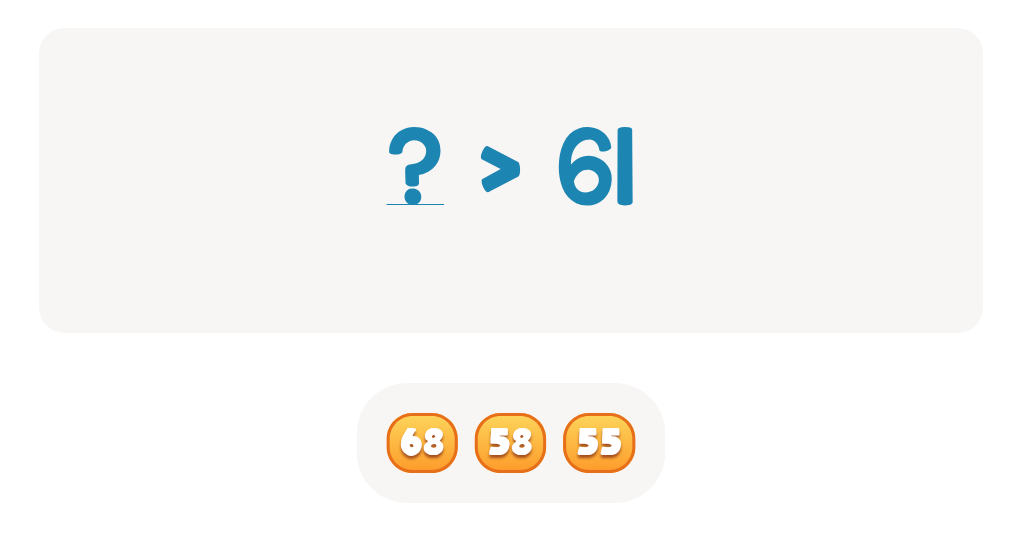
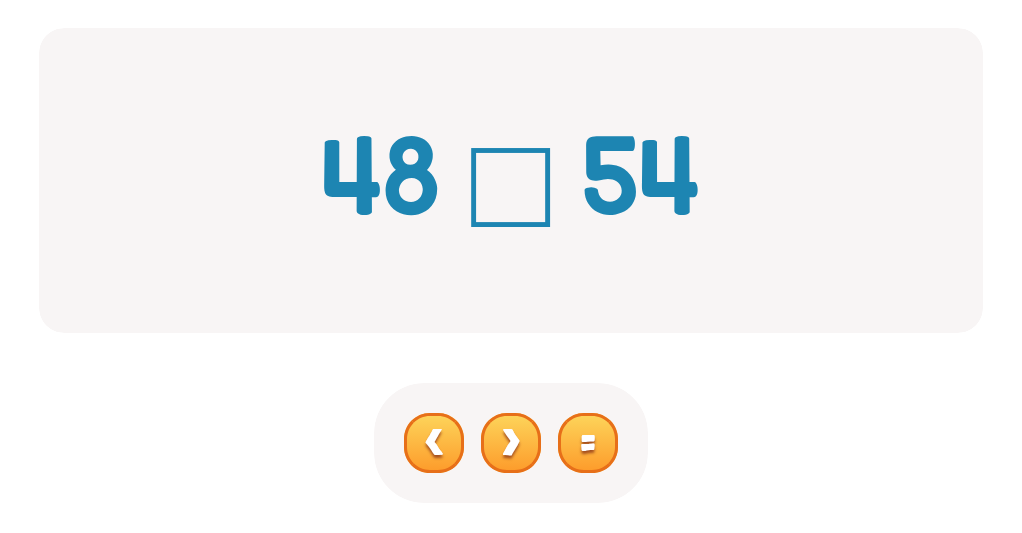
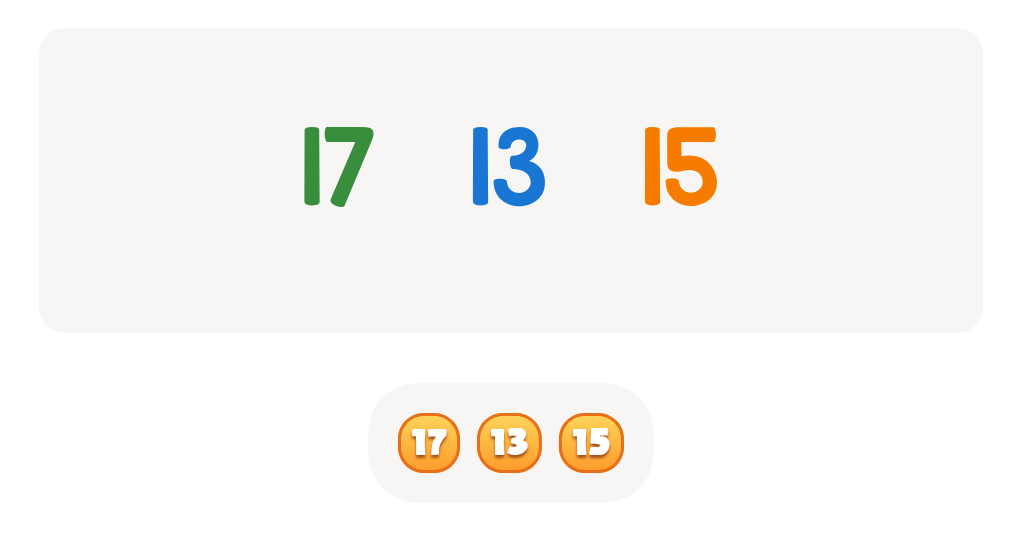
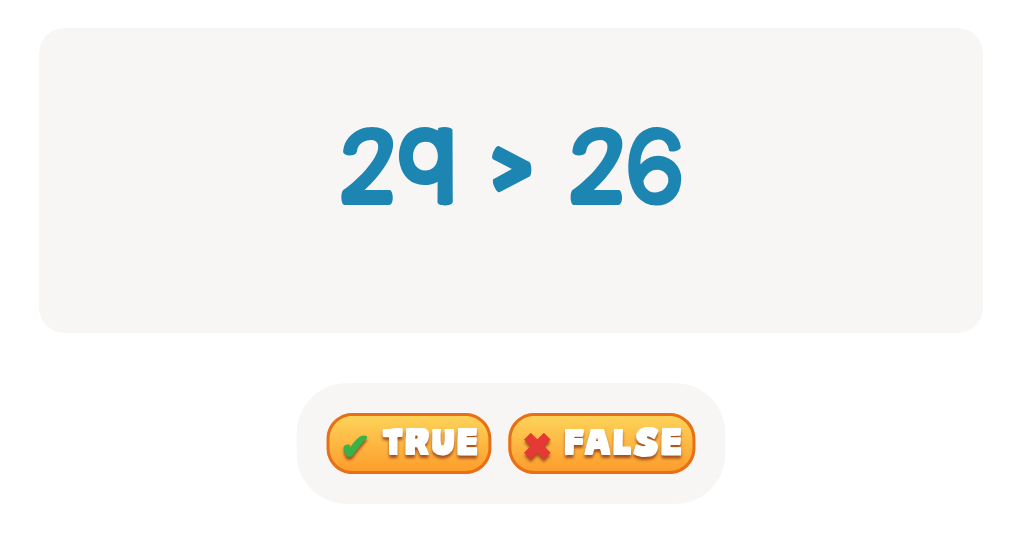
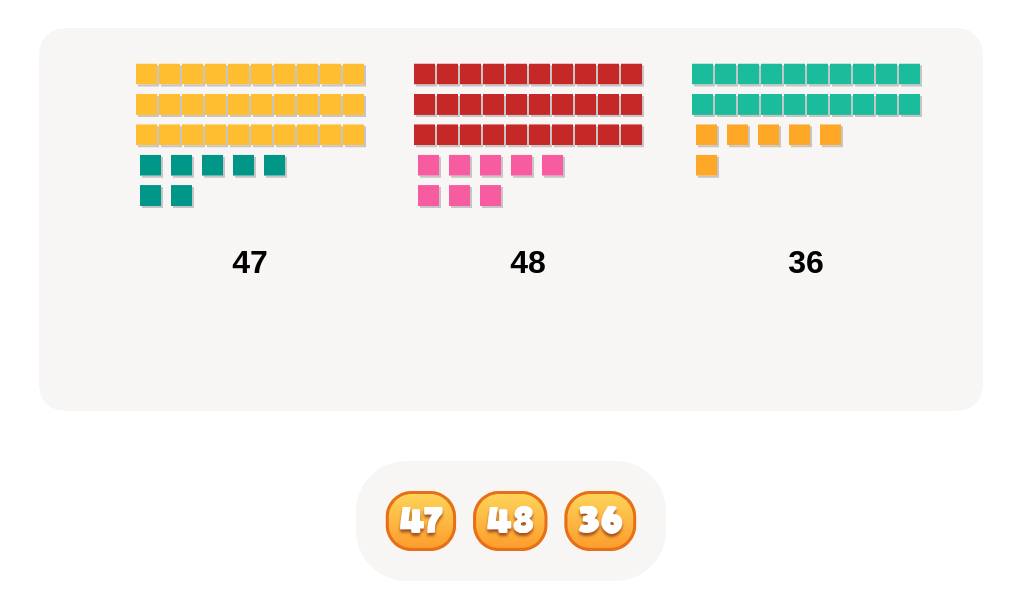
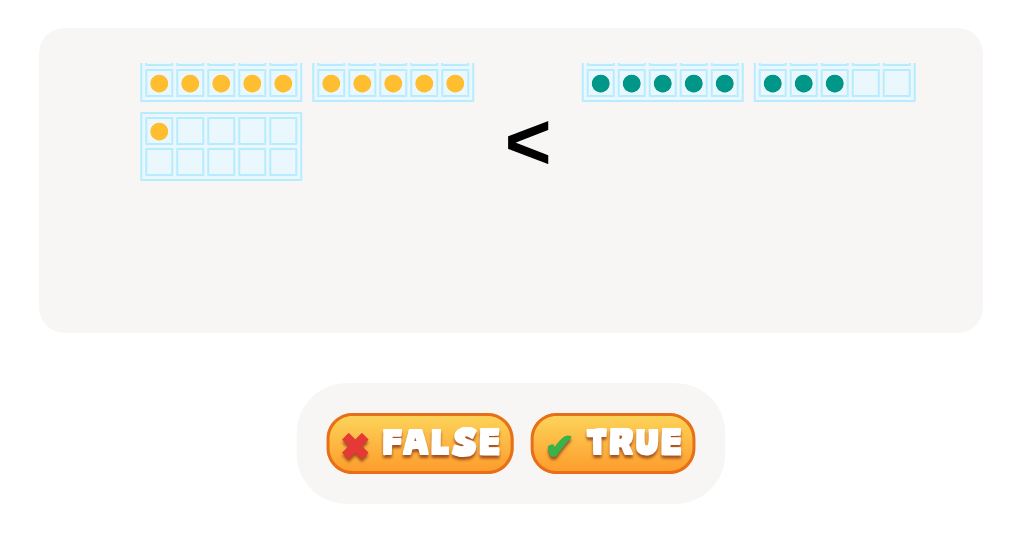
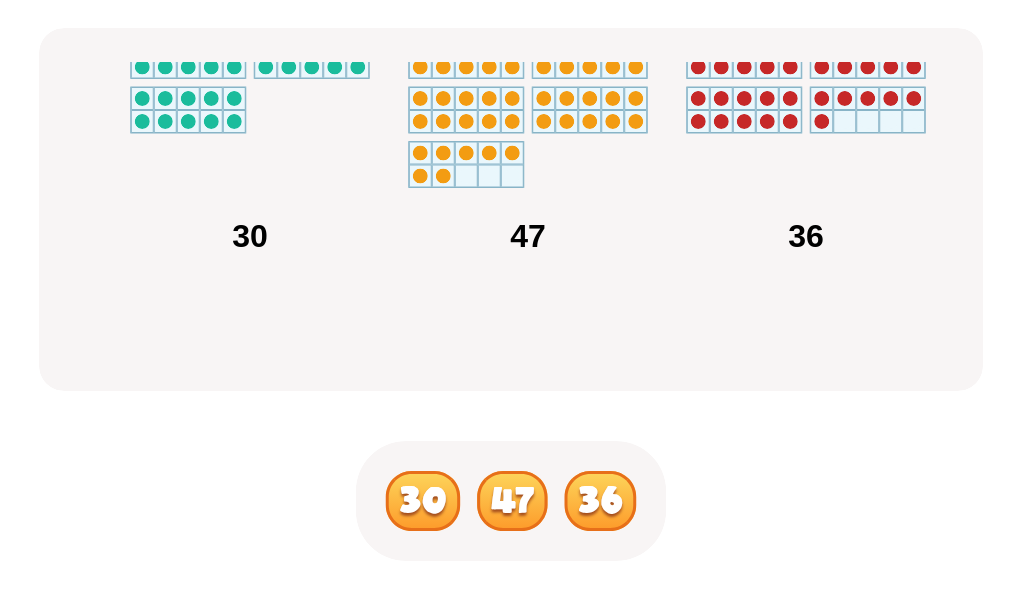
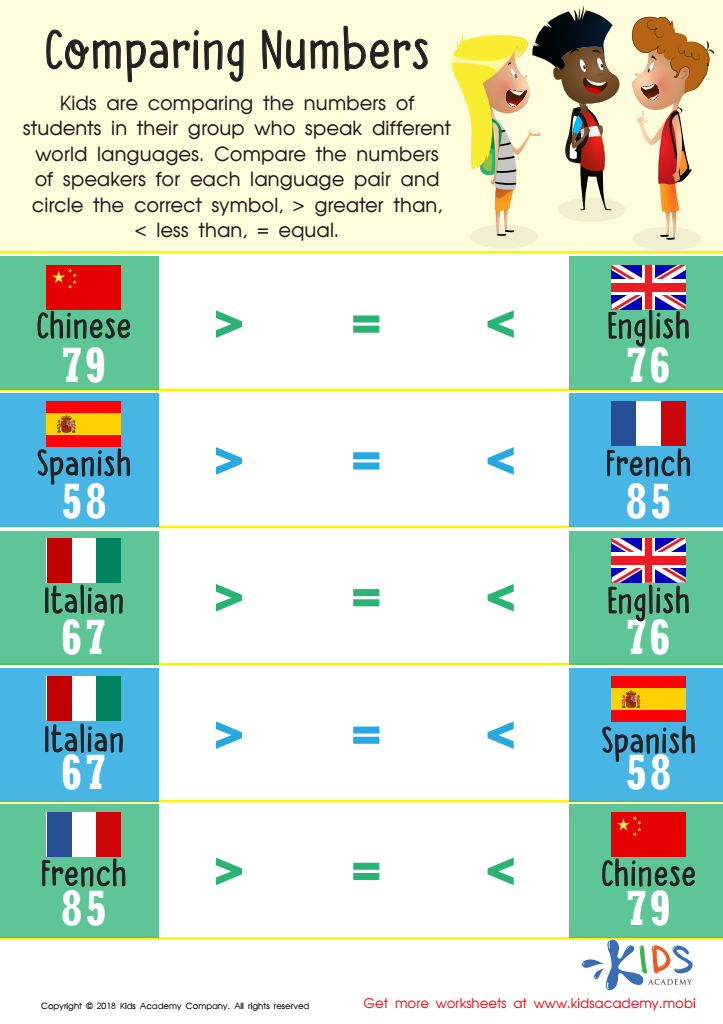
Comparing Numbers Worksheet for 1st Grade
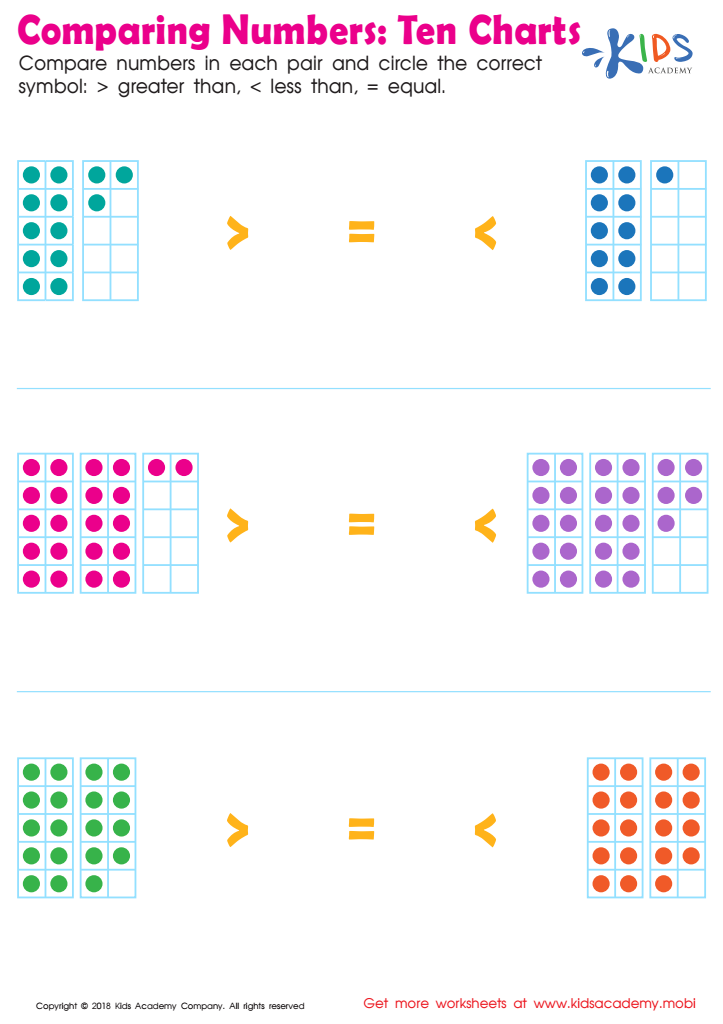
Ten Charts Worksheet
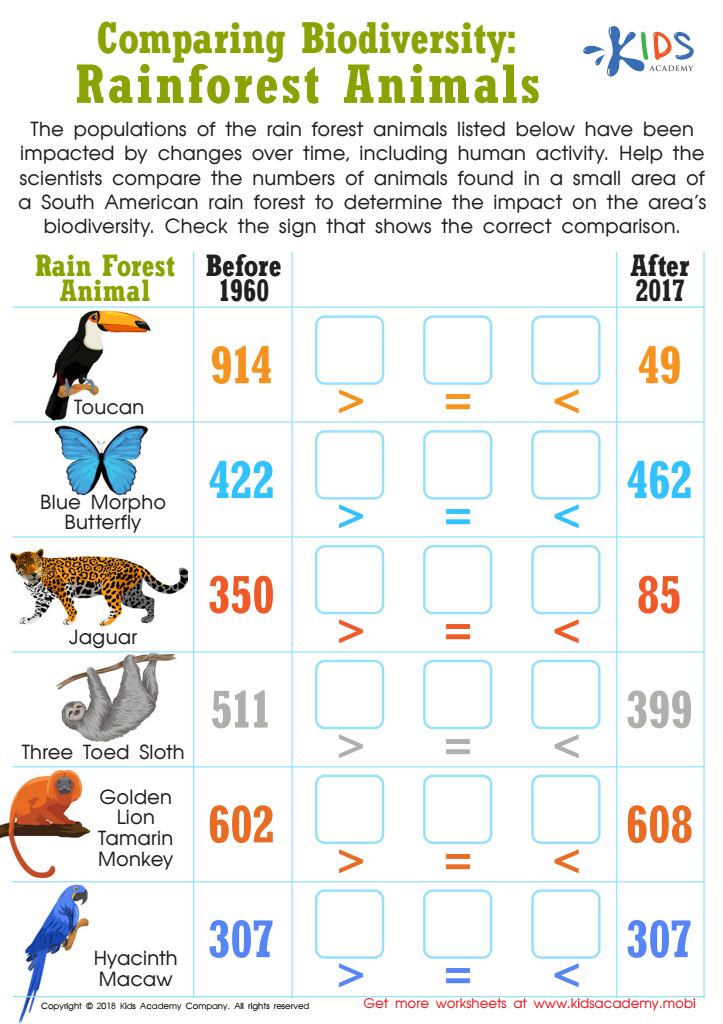
Comparing Biodiversity: Rainforest Animals Worksheet
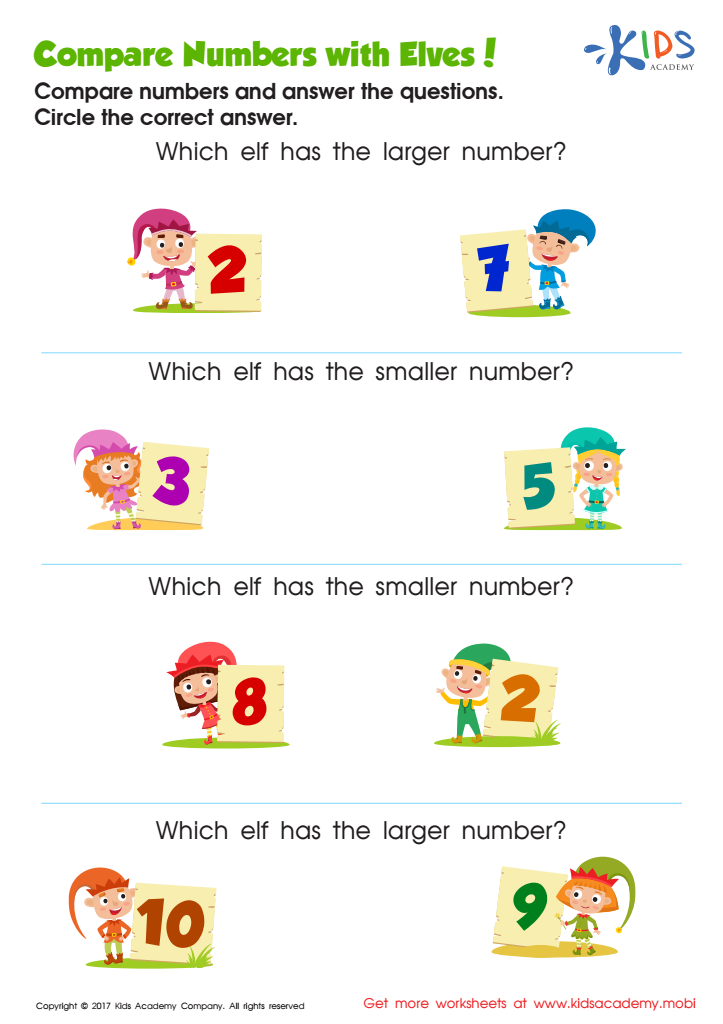
Comparing Numbers Worksheet for Kindergarten
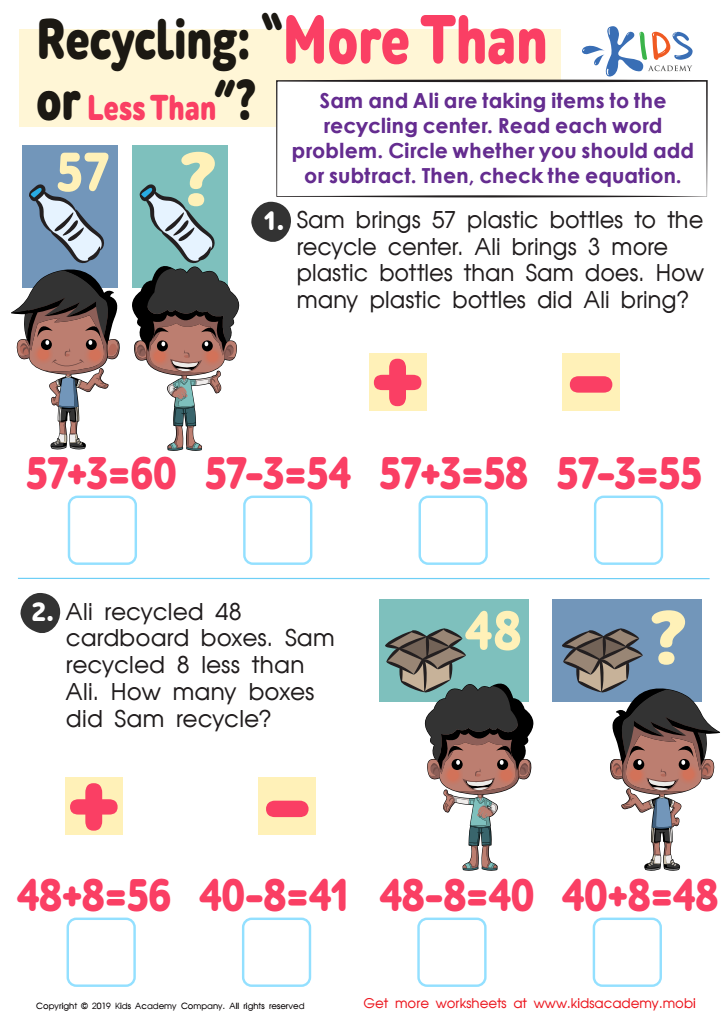
Recycling - More or Less Worksheet
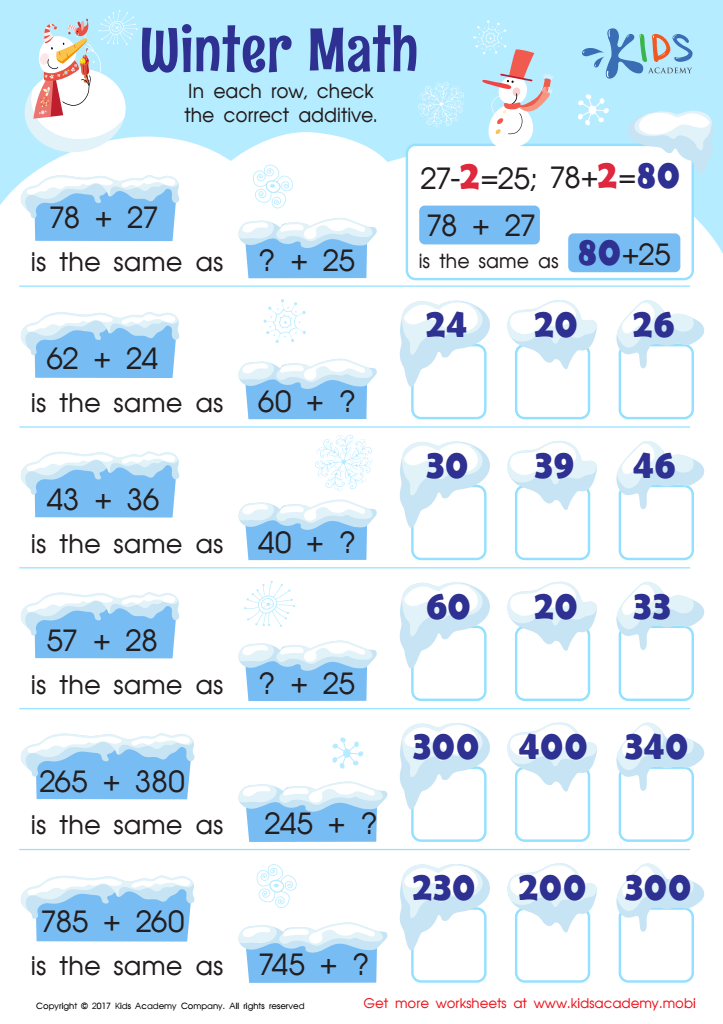
Free Addition Worksheet
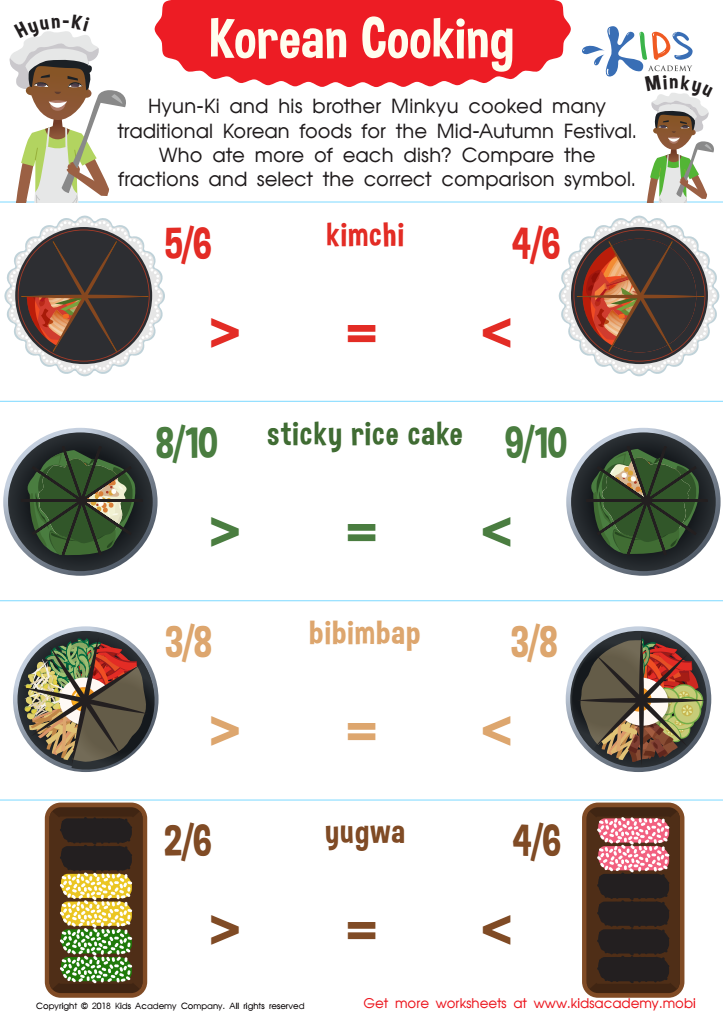
Korean Cooking Worksheet








Parents and teachers should care about teaching normal comparing numbers to children aged 4-8 because this fundamental skill is crucial for their cognitive and mathematical development. Comparing numbers allows young learners to understand the concepts of quantity, which are foundational for tackling more complex math topics later on. By learning to compare numbers, children develop their number sense, which is critical in their early math education.
Moreover, comparing numbers enhances logical thinking and problem-solving abilities. When children determine which of two numbers is greater or lesser, they practice critical analytical thinking, improving their reasoning skills. This cognitive exercise helps nurture their overall intellectual growth.
In addition, mastering this skill helps children navigate daily life situations, like knowing whether they have more or fewer toys compared to their siblings. These practical applications of comparing numbers make the learning experience relevant and meaningful for children, encouraging engagement and interest in math.
Finally, by investing in teaching normal comparing numbers, parents and teachers set up children for future academic success. Early positive experiences with math can foster a lifelong appreciation and confidence in the subject, paving the way for higher achievements. Therefore, it is essential to provide children with opportunities to practice and master comparing numbers at this formative stage.