Associative learning Normal Numbers Worksheets for Ages 4-8
3 filtered results
-
From - To
Explore our engaging Associative Learning Normal Numbers Worksheets designed specifically for ages 4-8! These interactive resources focus on helping young learners grasp the concept of numbers through hands-on activities and relatable examples, fostering a deeper understanding of numerical relationships. Each worksheet encourages kids to connect and associate different numbers through fun exercises and visuals, making learning both effective and enjoyable. Perfect for parents and educators, these worksheets support cognitive development and reinforce foundational math skills in a playful way. Boost your child's confidence and love for math with our delightful associative learning tools tailored for early learners!
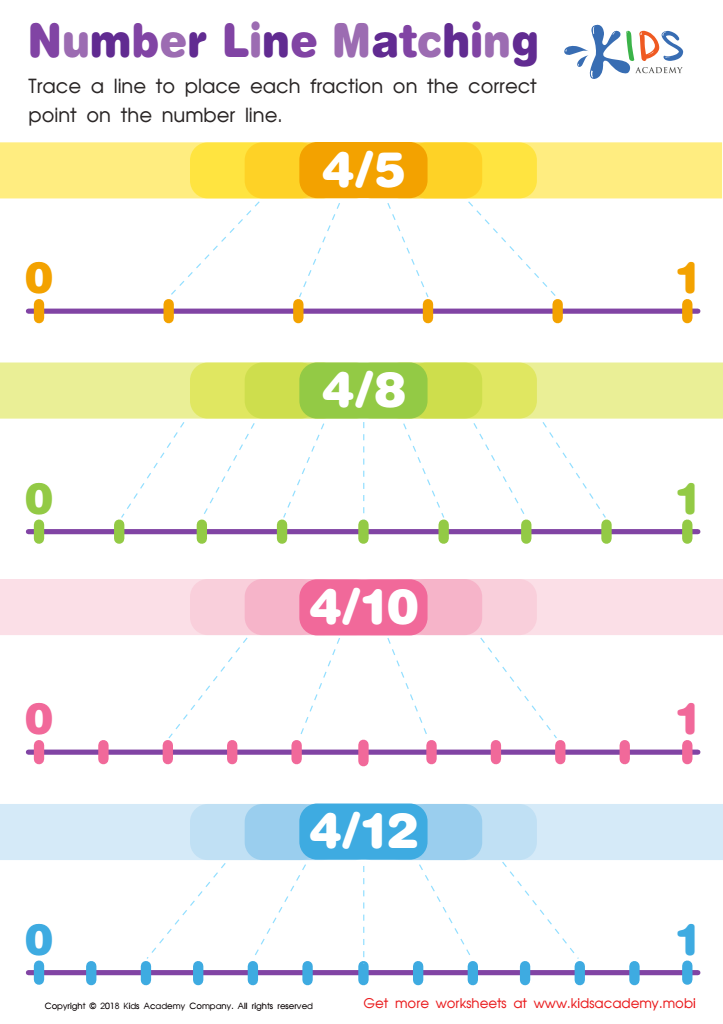
Number Line Matching Worksheet
 Assign to My Students
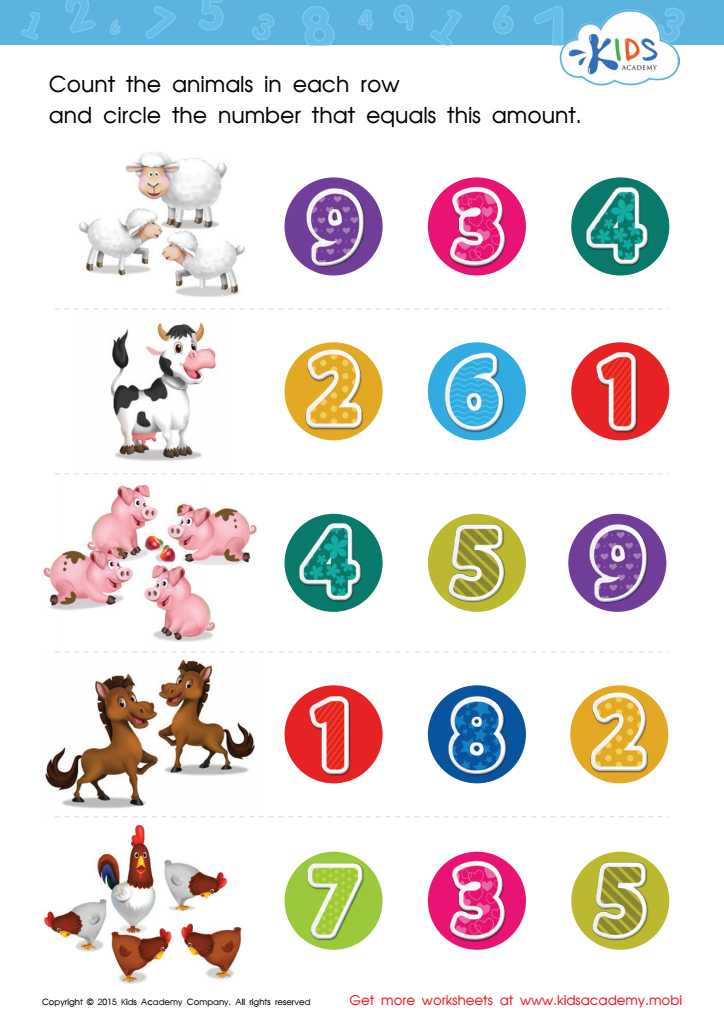
Count and Match 1 – 5 Math Worksheet
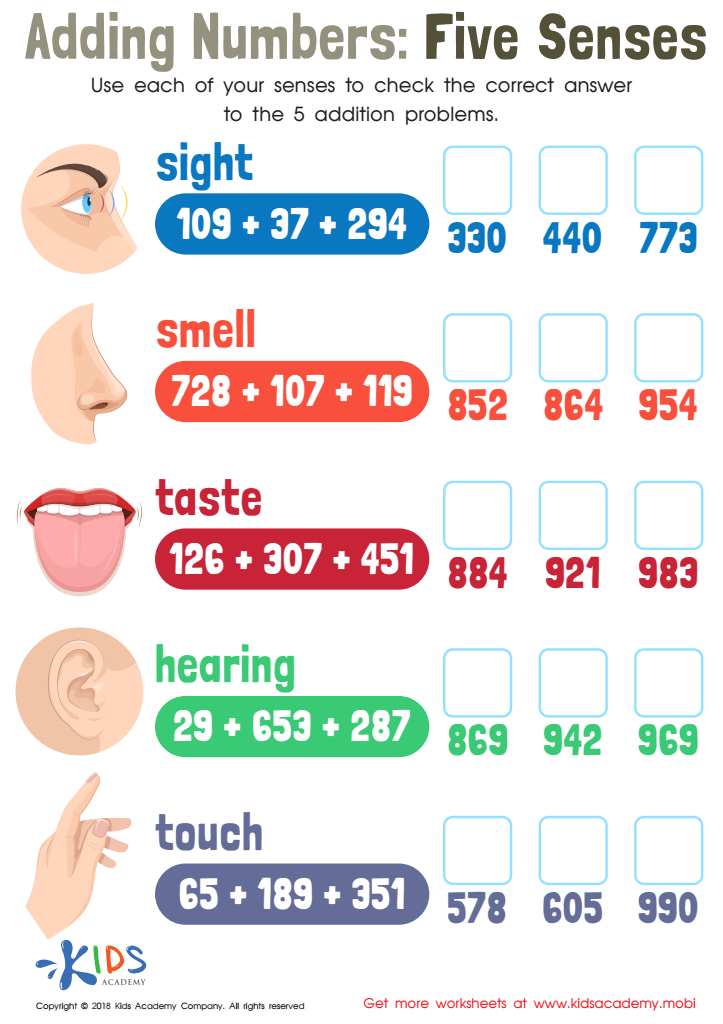
Adding Numbers: Five Senses Worksheet








Associative learning of normal numbers is crucial for children aged 4-8 as it forms the foundation for their cognitive and mathematical development. During these formative years, children learn to connect quantities with numerical symbols, which lays the groundwork for more complex mathematical concepts. When parents and teachers emphasize this type of learning, they help children to recognize patterns and relationships between numbers, fostering their ability to perform simple math operations and problem-solving tasks.
Understanding normal numbers and their associations enhances a child’s number sense, crucial for everyday life situations such as counting items, recognizing prices, and telling time. This type of learning not only builds mathematical skills but also boosts critical thinking and memory, as engaging with numbers encourages cognitive connections.
Furthermore, associative learning nurtures confidence in young learners, creating a positive attitude toward mathematics. This can lead to better academic performance and a lifelong appreciation for learning. By focusing on normal numbers during this critical age, parents and teachers empower children with foundational skills and build a strong mathematical fluency that will benefit them in future educational settings and beyond. Investing in this aspect of early learning is essential for fostering competence and enthusiasm for mathematics as they grow.