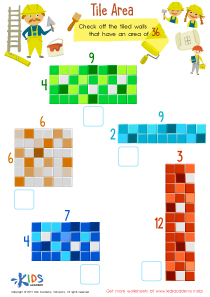
Number Recognition Normal Numbers Worksheets for Ages 4-8 - Page 4
85 filtered results
-
From - To
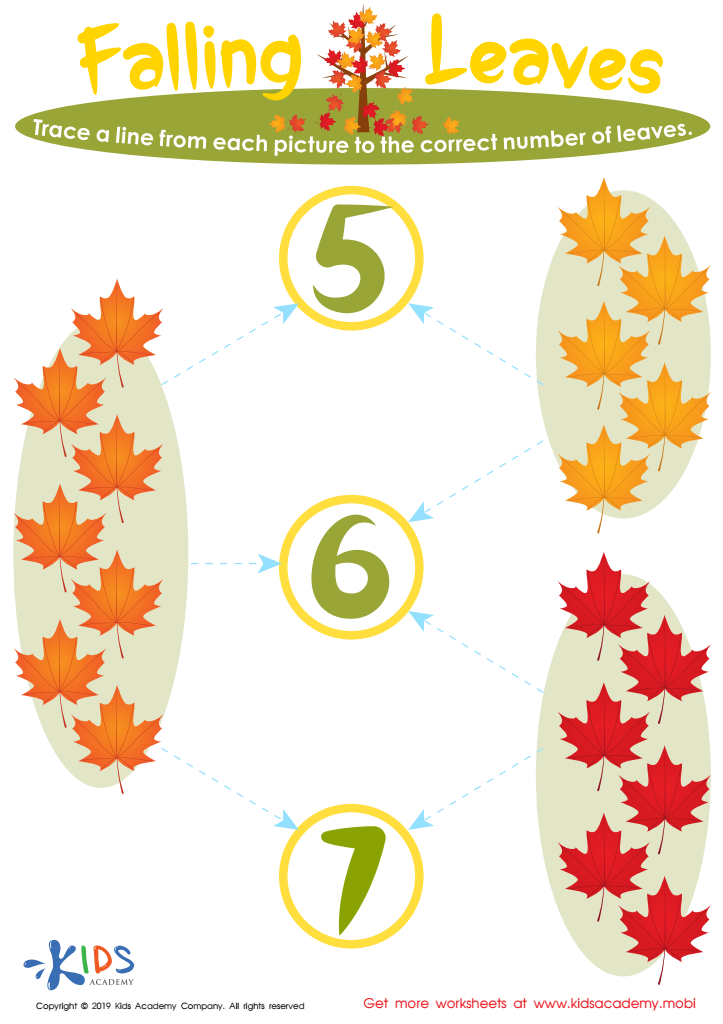
Falling Leaves Worksheet
 Assign to My Students
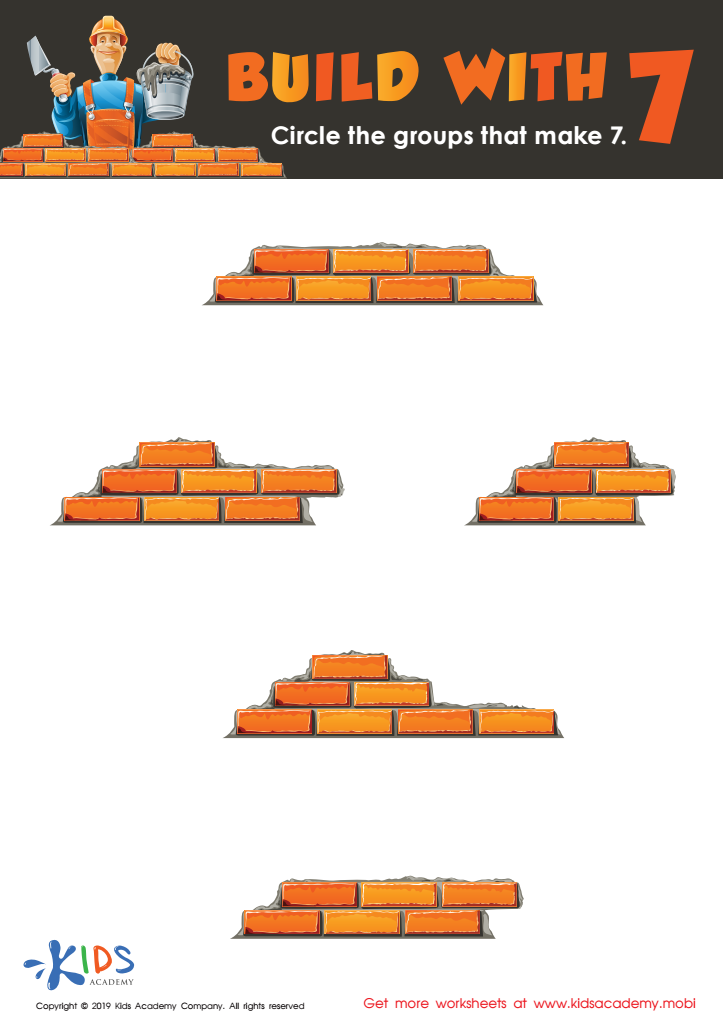
Build with 7 Worksheet

Count and Match Vegetables 1 – 5 Math Worksheet
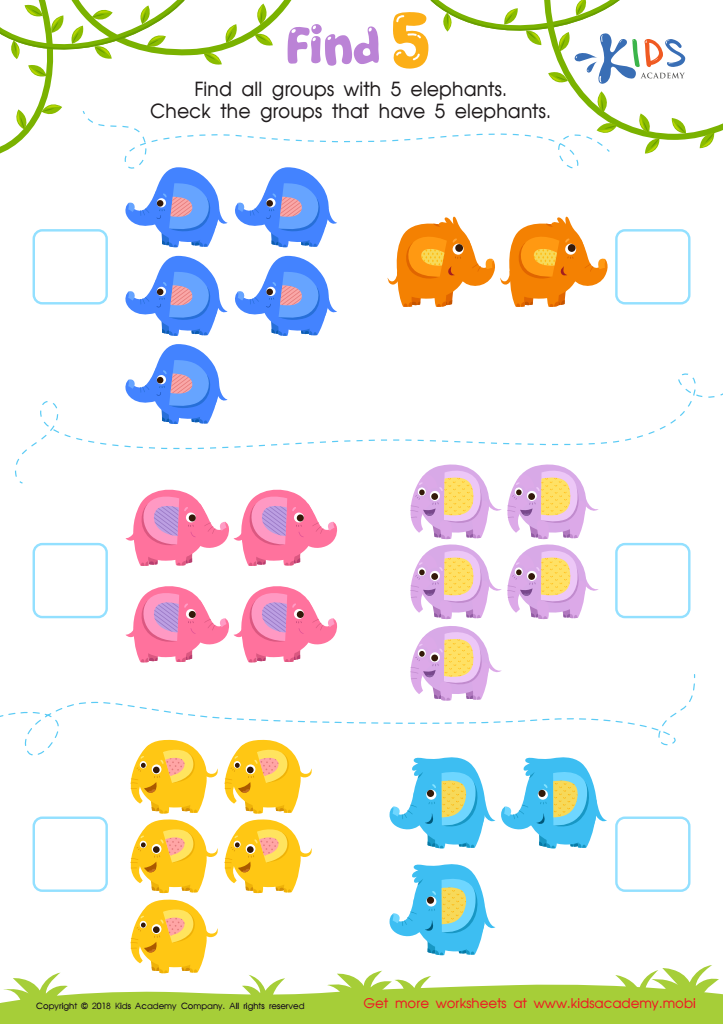
Find 5 Worksheet
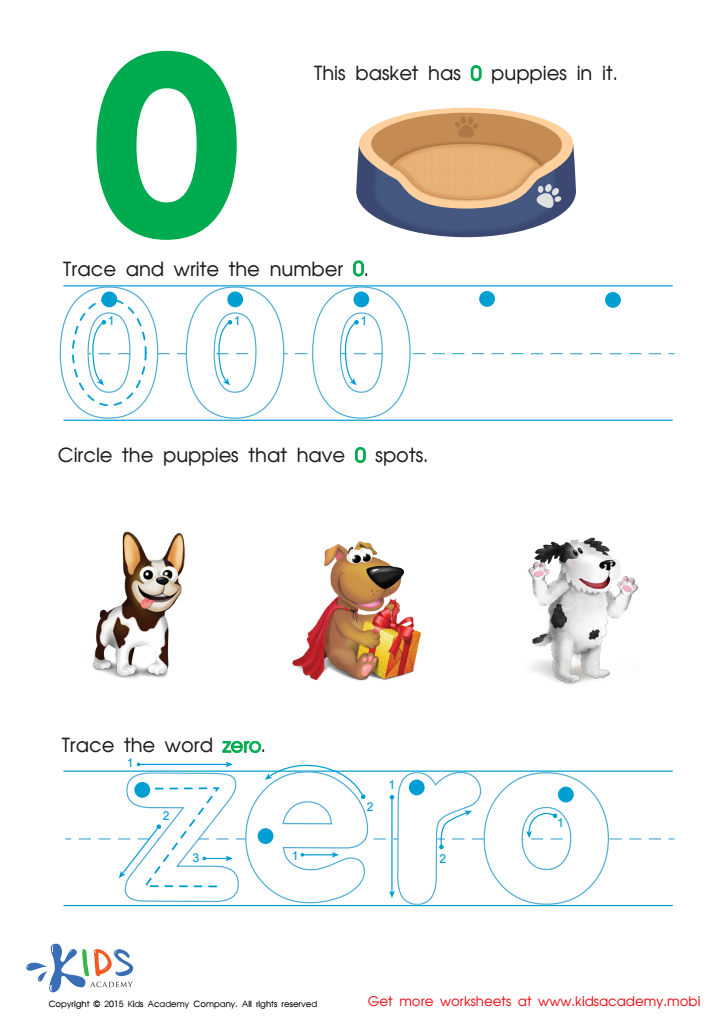
Trace And Write Number 0 Worksheet
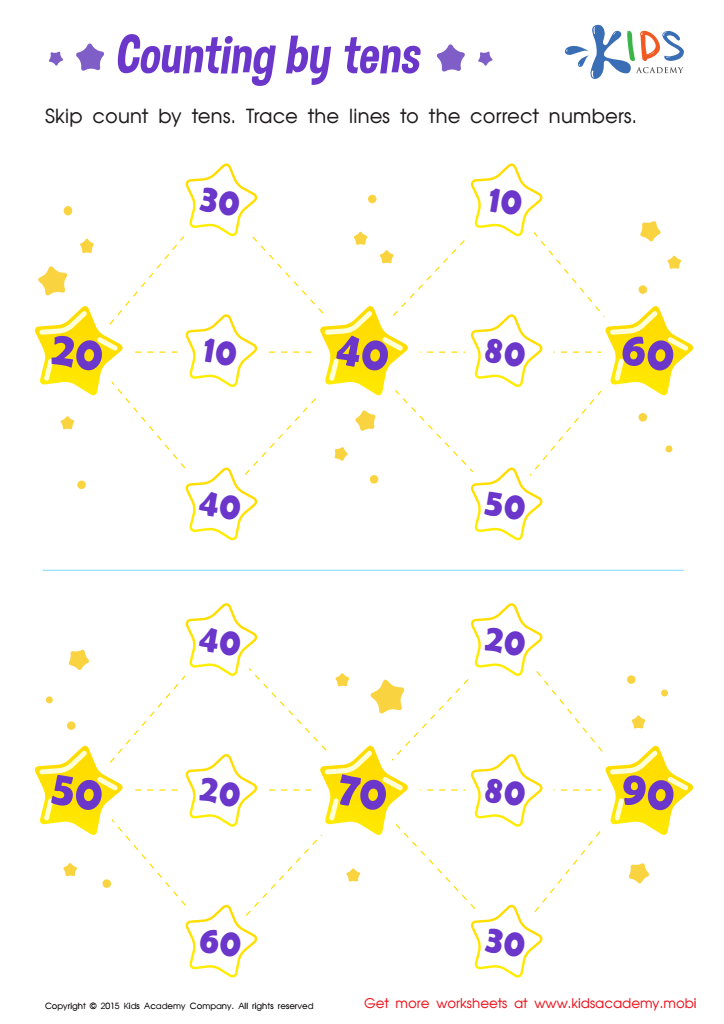
Learn Dozens: Counting by Tens Printable
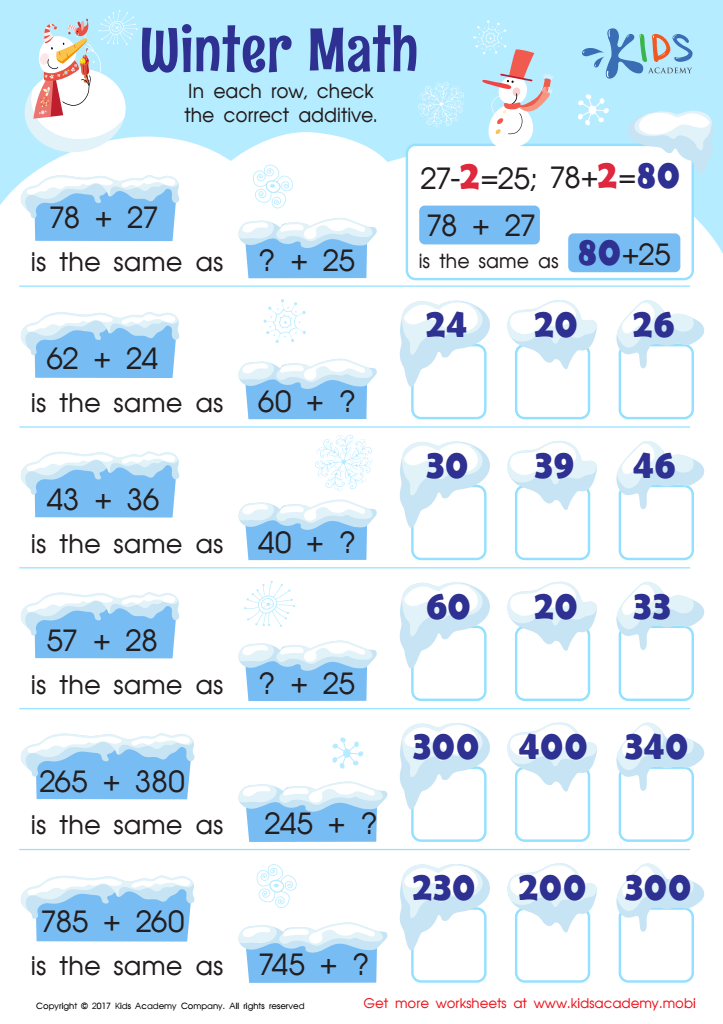
Free Addition Worksheet
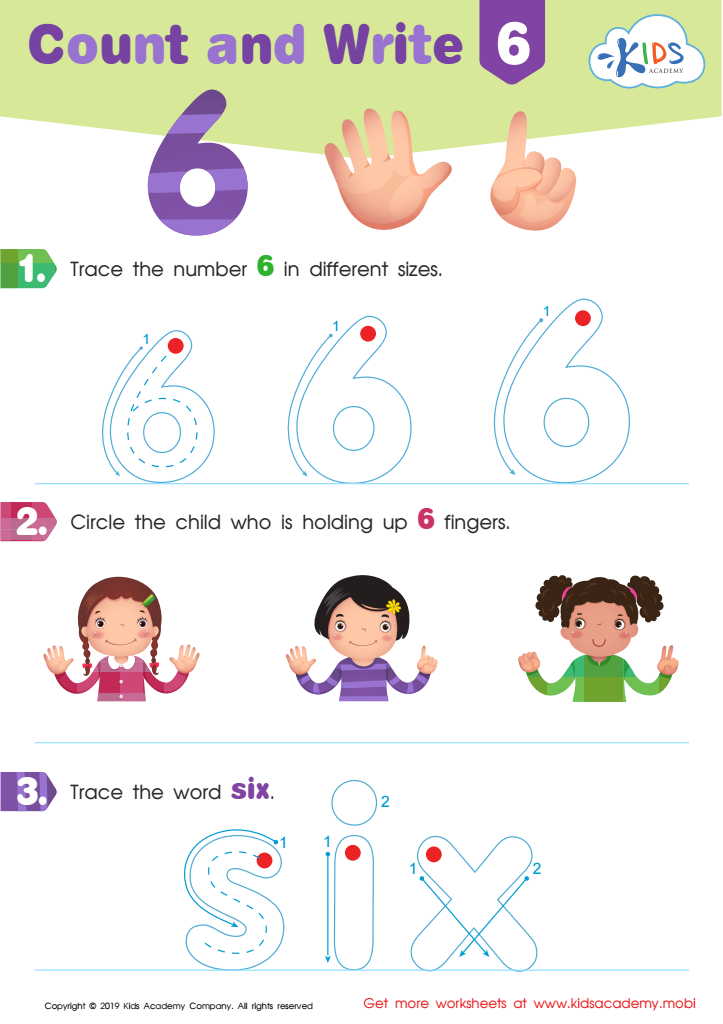
Count and Write 6 Worksheet
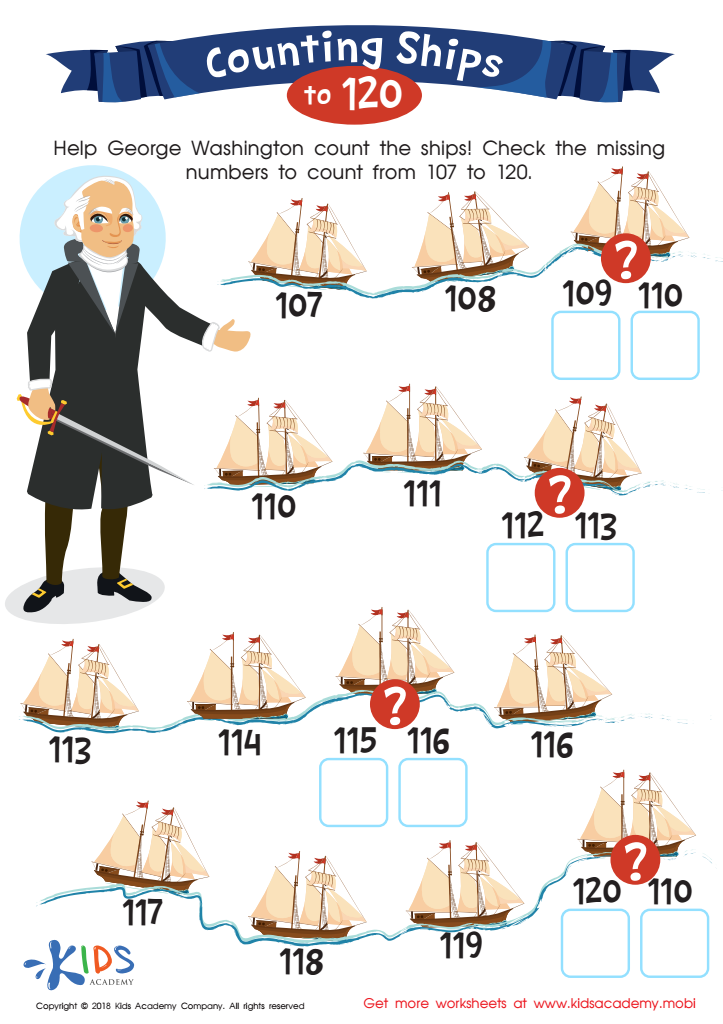
Counting Ships to 120 Worksheet
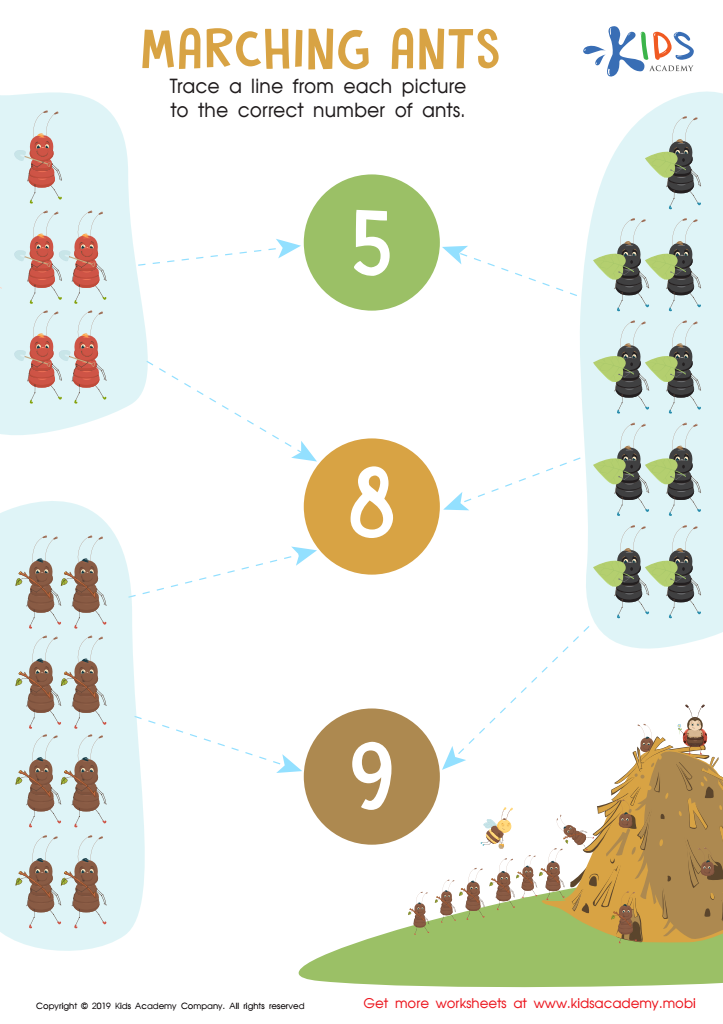
Marching Ants Worksheet
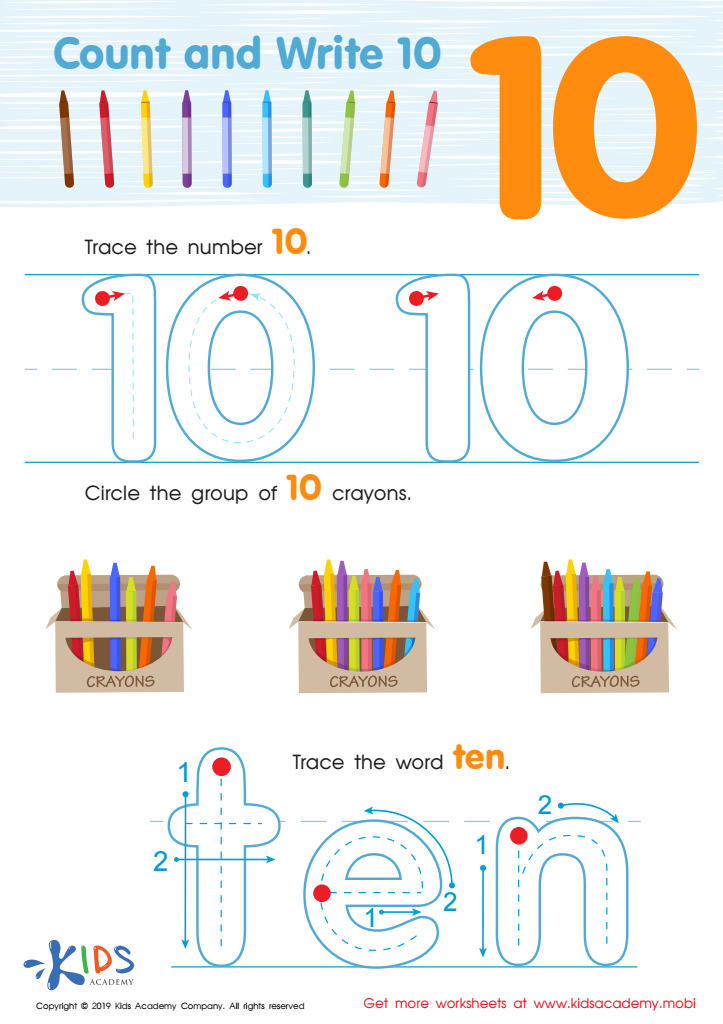
Count and Write 10 Worksheet
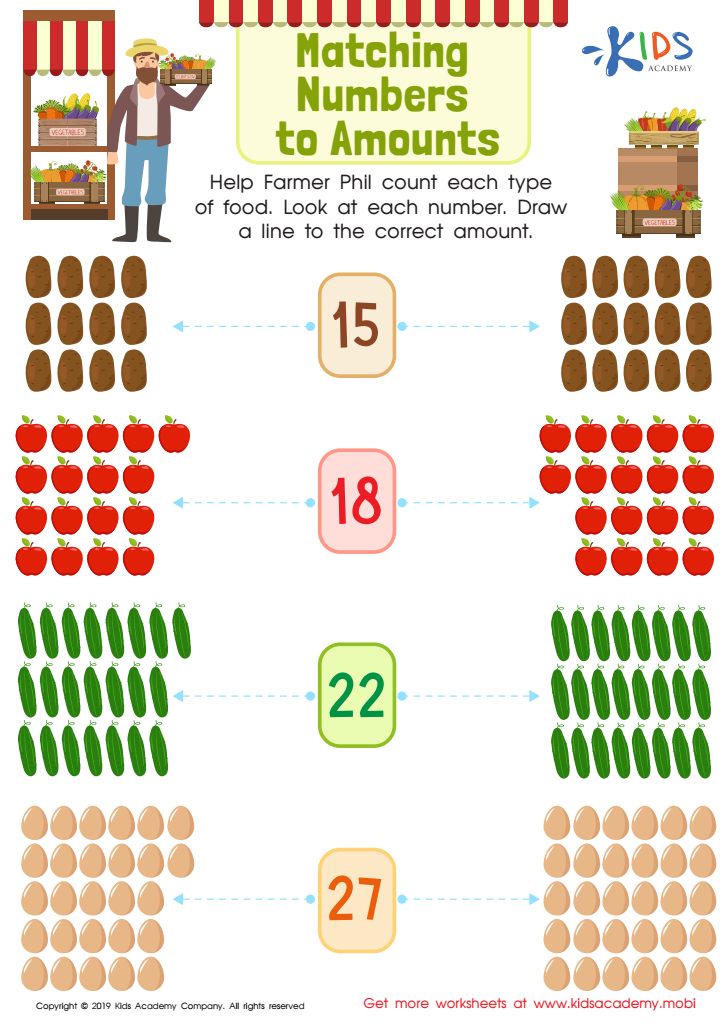
Matching Numbers to Amounts Worksheet
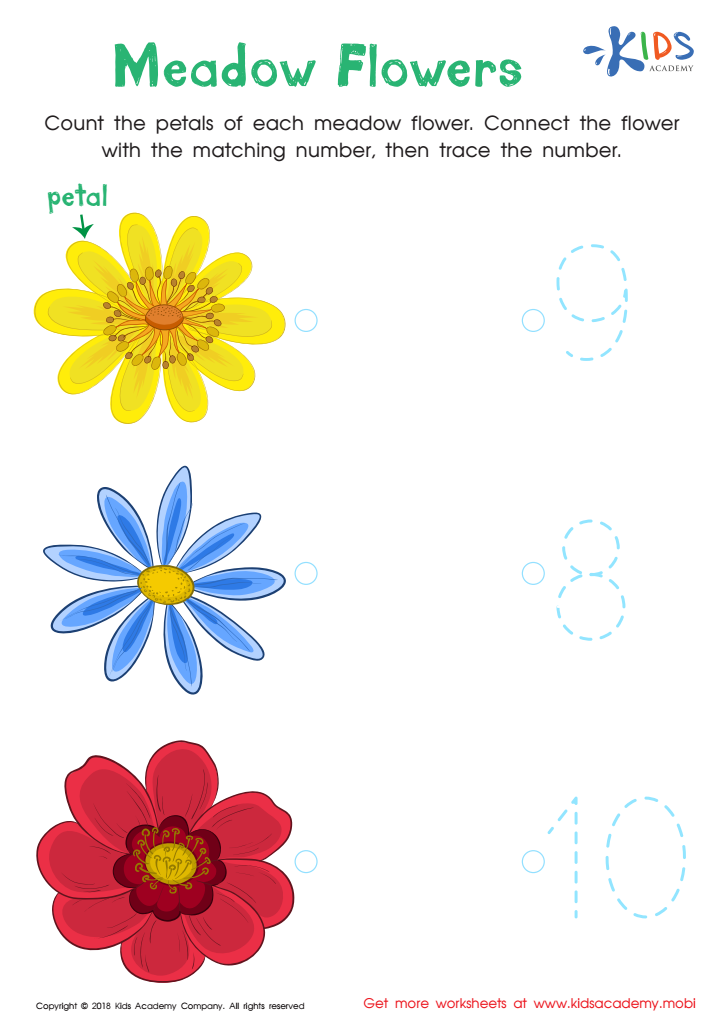
Kindergarten Number Tracing: Medow Flowers Worksheet








Number recognition in early childhood (ages 4-8) serves as a fundamental building block for future academic success, and both parents and teachers should understand its importance. Proficiency in number recognition enables children to identify and name numbers, comprehend their value, and recognize their sequences, which are crucial skills for higher-level mathematics.
For young learners, grasping number concepts paves the way for confidence and a positive attitude towards mathematics. This early mastery supports achievement in counting, addition, subtraction, and even in more complex problem-solving tasks. Furthermore, data analysis and pattern recognition skills, essential in today's information-driven world, are built on a solid foundation of number recognition.
Socially, children who excel in number recognition often experience less frustration in the classroom, leading to a more positive experience of learning environments. It helps them keep up with their peers, aiding classroom harmony and individual self-esteem. It's especially crucial for identifying children who may need additional support, allowing them to promptly address potential learning difficulties.
By prioritizing number recognition, parents and teachers can ensure that children develop essential numerical literacy, setting them on a path toward continued educational success and a lifetime of numeracy skills. Thus, investing time in practices and activities that enhance number recognition can deliver significant long-lasting benefits for young learners.