Color Identification Normal Math Worksheets for Ages 4-8
12 filtered results
-
From - To
Introduce your child to the exciting world of math and colors with our "Color Identification Normal Math Worksheets for Ages 4-8". These expertly designed worksheets blend early math skills with color identification to enhance your child's learning experience. Our creative exercises help children develop their ability to recognize and name colors while solving math problems, fostering a fun and engaging way to build essential skills. Suitable for ages 4-8, these worksheets gradually increase in complexity to match your child’s growing abilities. Start their educational journey today with vibrant, interactive activities that make learning math enjoyable and rewarding.
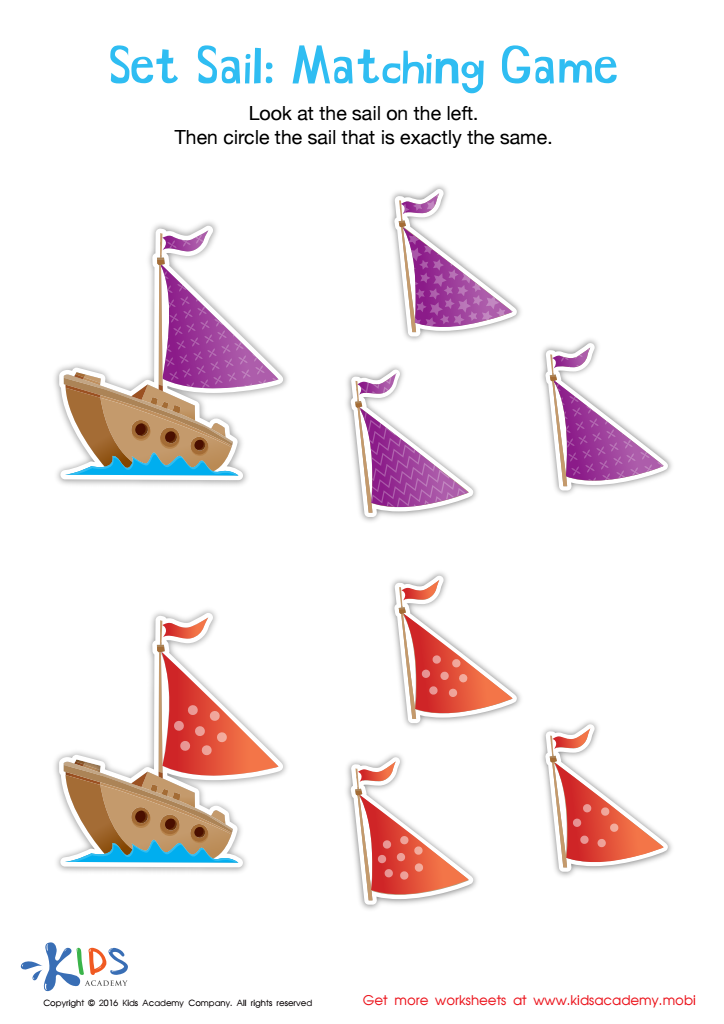
Set Sail Worksheet
 Assign to My Students
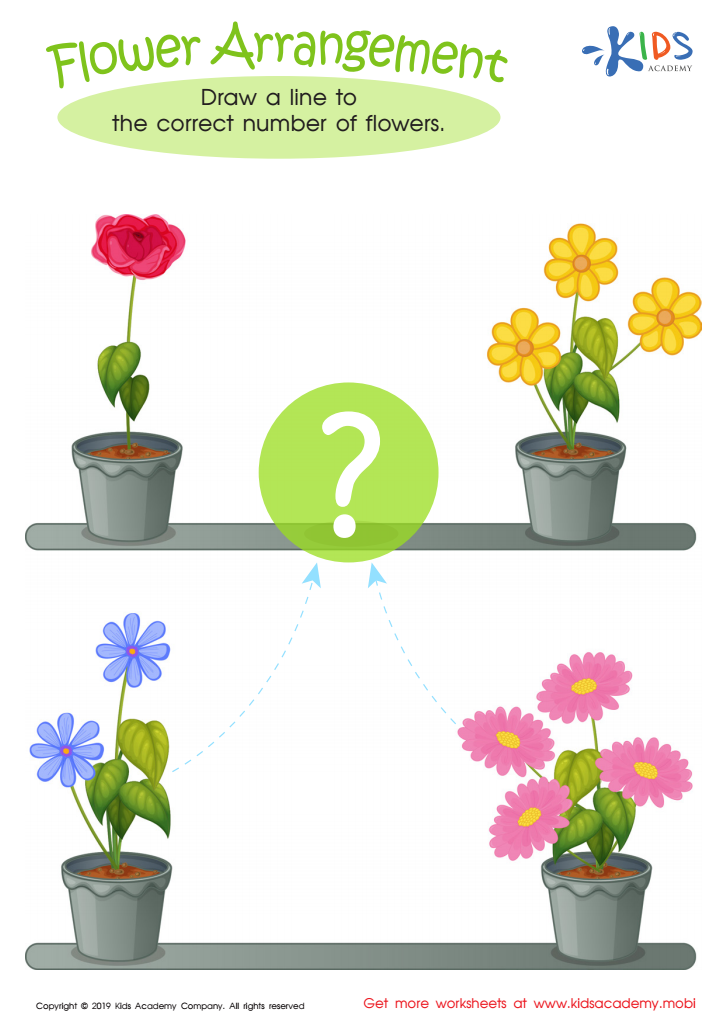
Flower Arrangement Worksheet
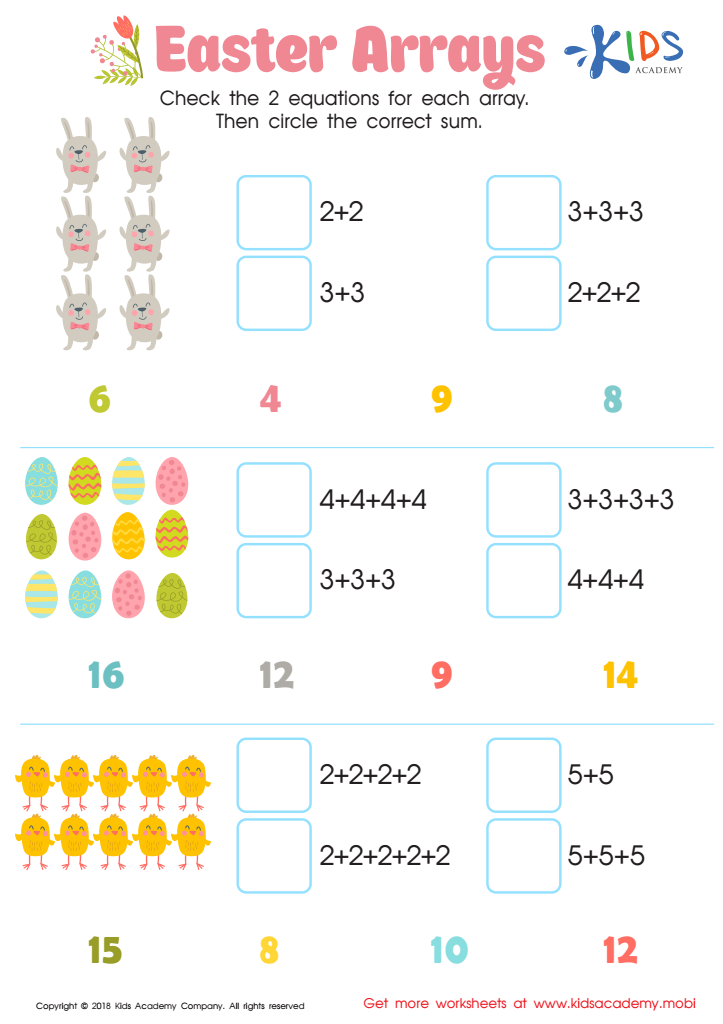
Easter Arrays Worksheet
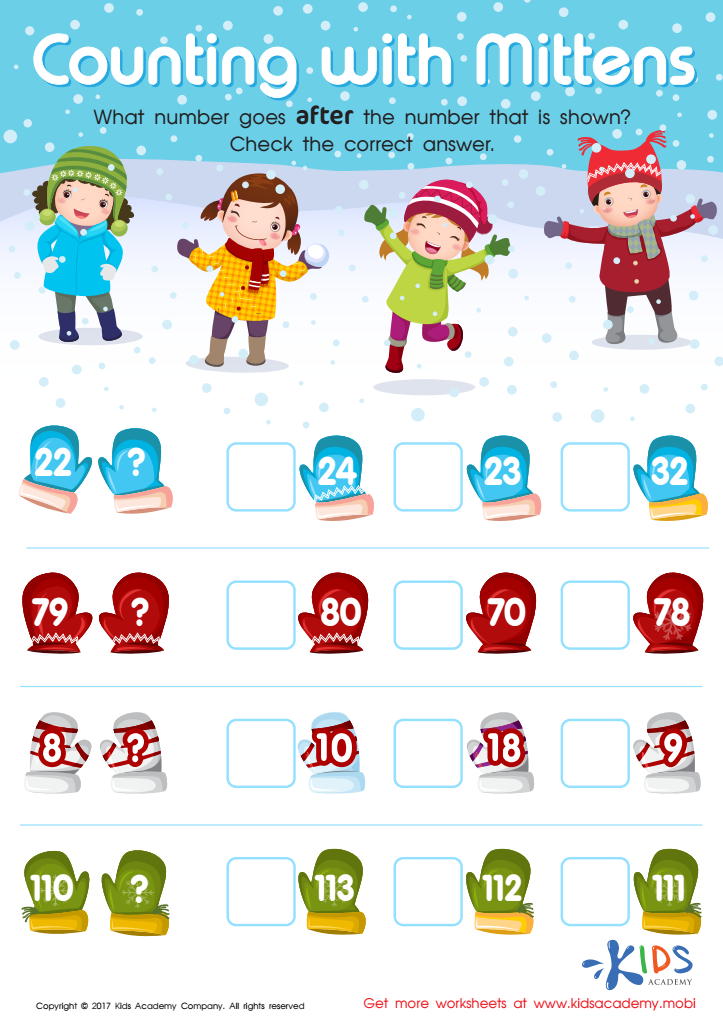
Counting with Mittens Worksheet
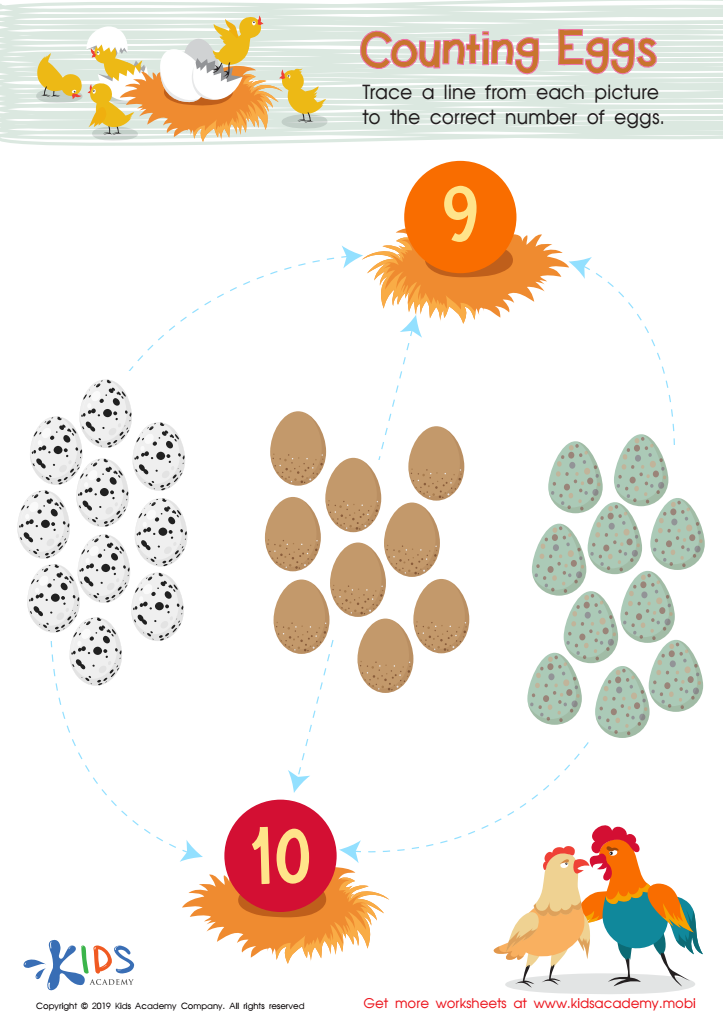
Counting Eggs Worksheet
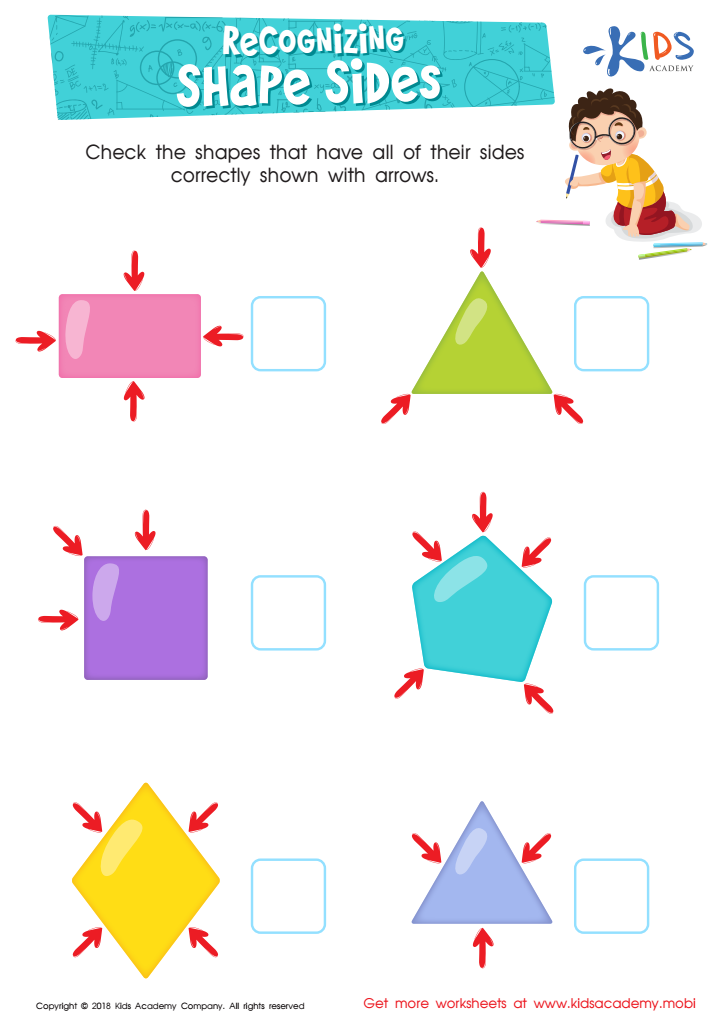
Recognizing Shape Sides Worksheet
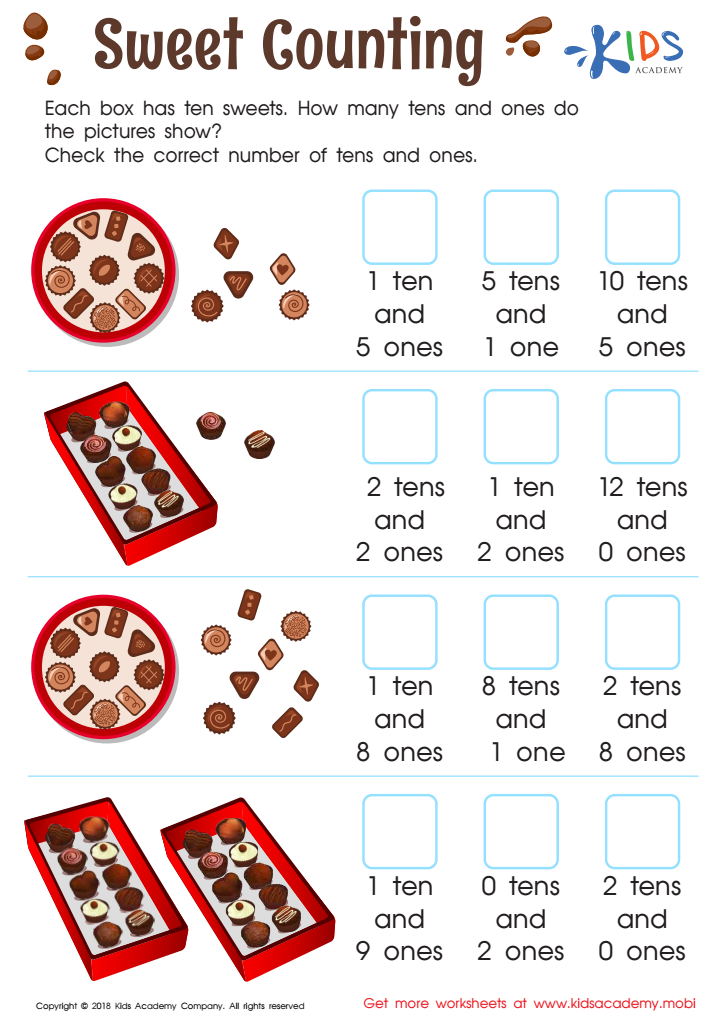
Sweet Counting - Part 2 Worksheet
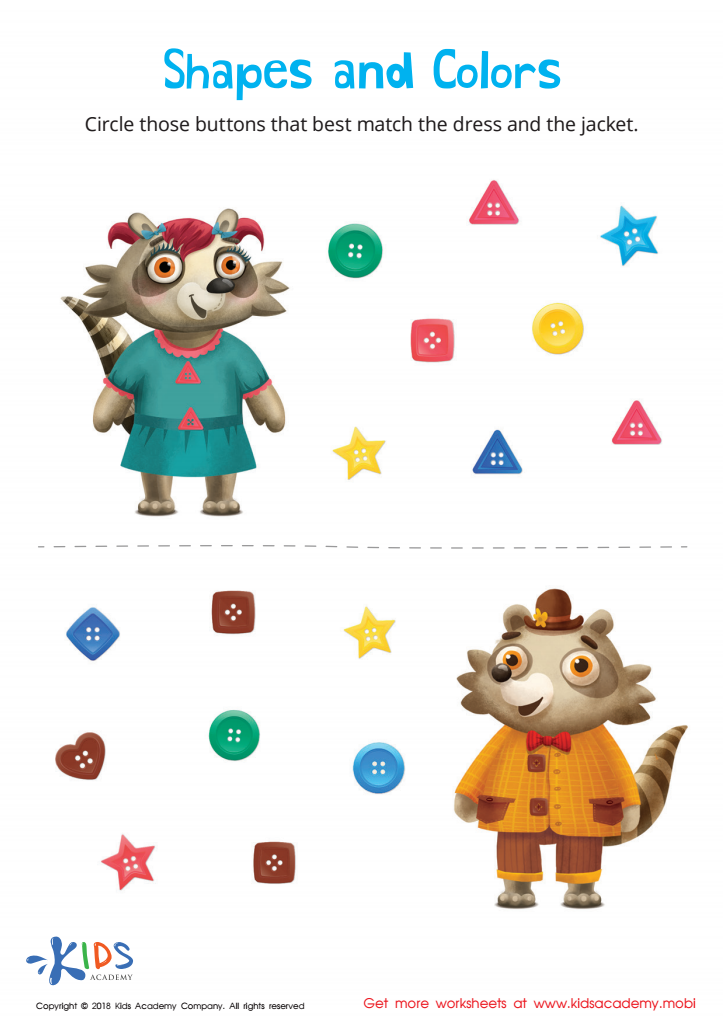
Shapes and Colors Worksheet
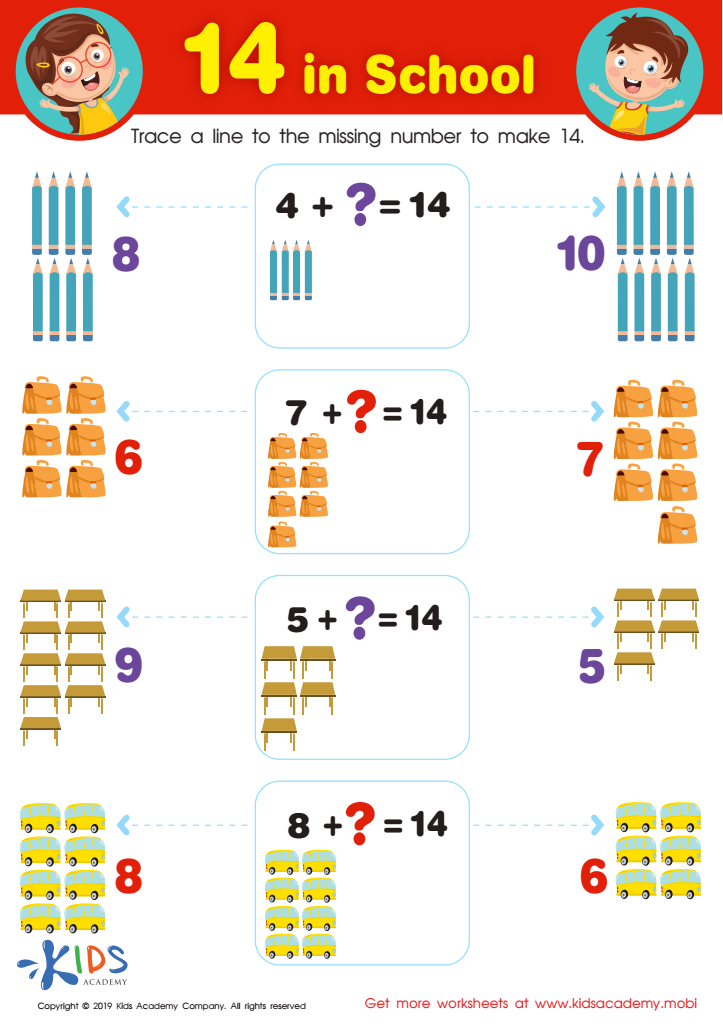
14 in School Worksheet
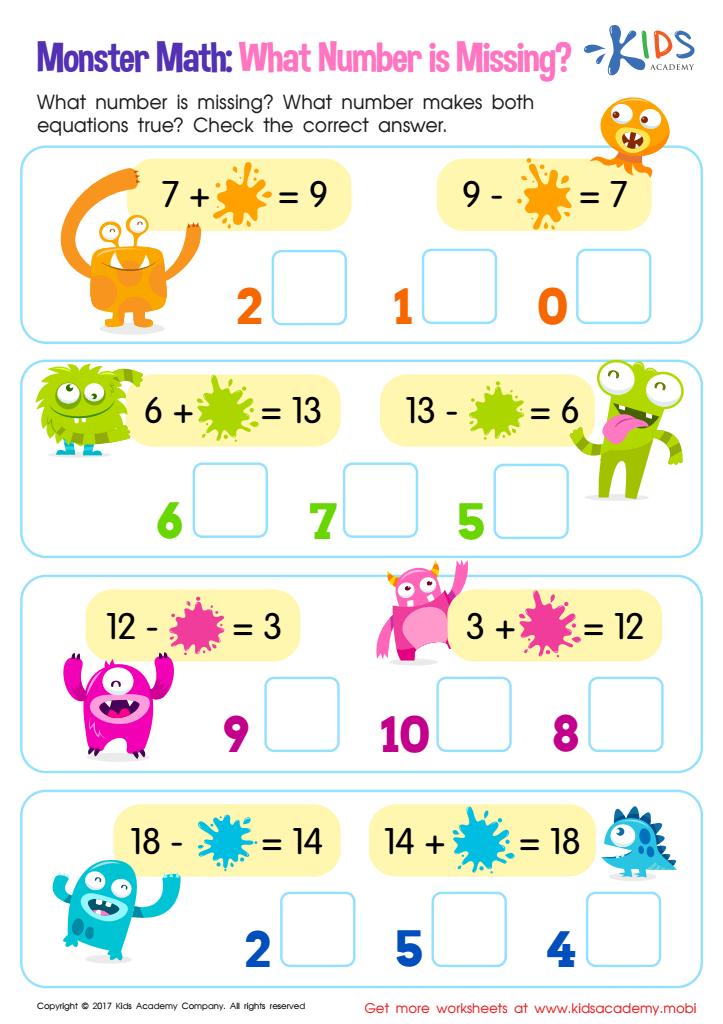
Missing Number: Monster Math Worksheet
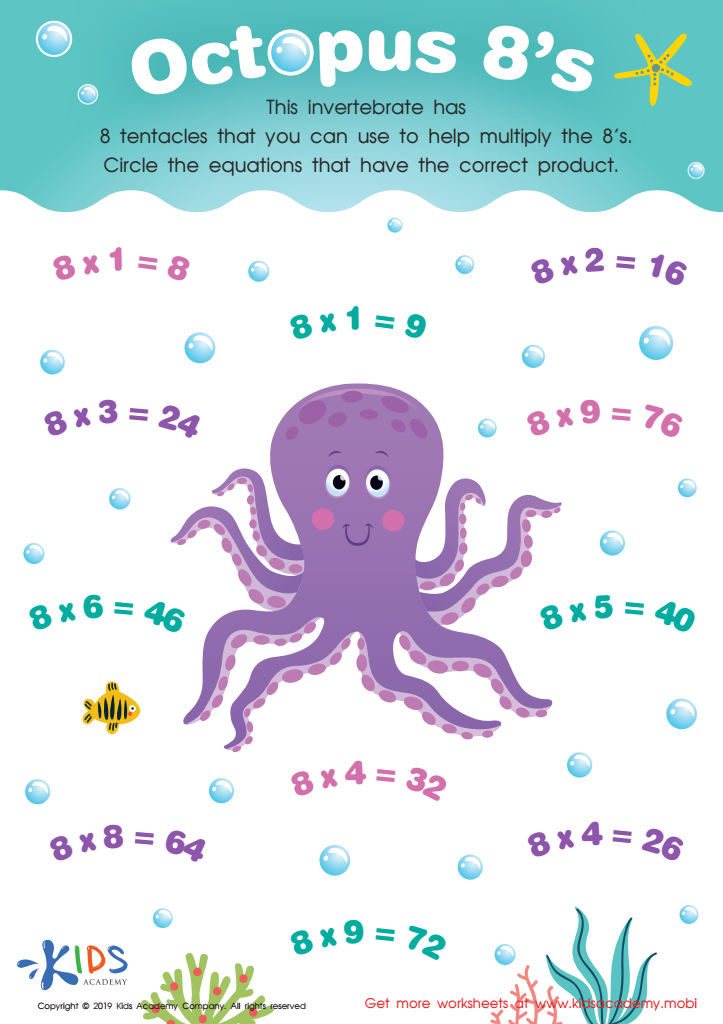
Octopus 8’s Worksheet






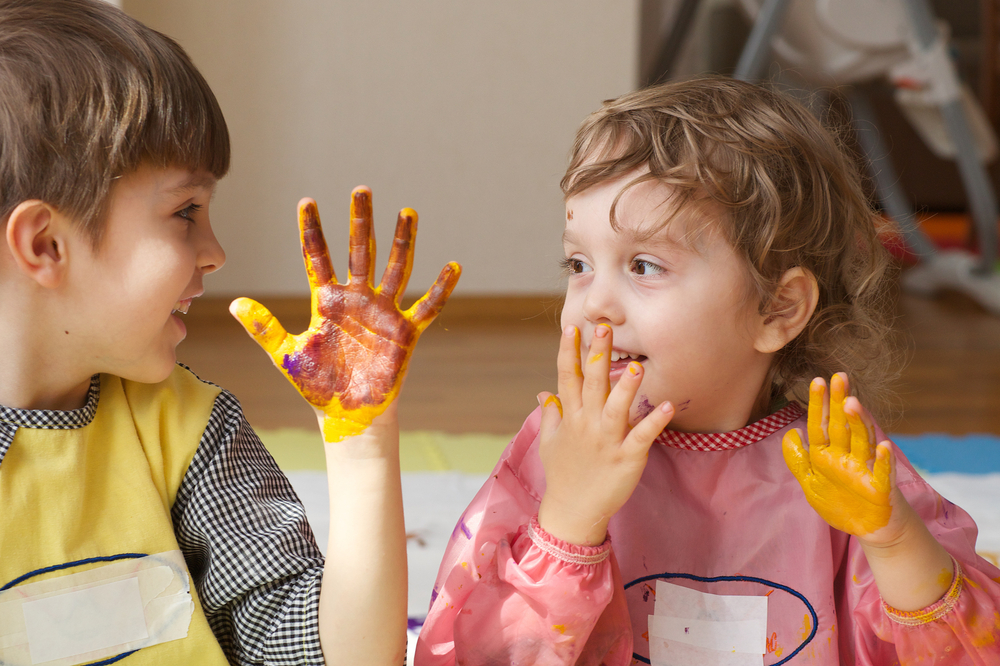

Color identification and basic math skills form a critical foundation for young children aged 4-8. Parents and teachers should care about integrating color identification with normal math because it fosters a more engaging and holistic learning experience.
Color identification aids cognitive development and enhances memory. When children recognize and describe colors, they improve their language and classification skills. This ability to categorize and differentiate is fundamental in understanding more complex math concepts later, such as sorting and pattern recognition.
In terms of math, early knowledge of numbers and counting is pivotal. However, simply understanding numbers in a vacuum isn’t as effective. Integrating colors with math tasks – like counting red blocks vs. blue blocks – makes learning visually stimulating and enjoyable. This blend helps children grasp abstract math concepts more concretely.
Furthermore, incorporating colors makes math less intimidating and normalizes it as part of daily life. Instead of seeing math as an isolated subject, children view it as intertwined with their environment, paving the way for a positive attitude towards learning. Therefore, color identification infused with normal math for ages 4-8 sets a strong, comprehensive educational foundation and cultivates enthusiasm for lifelong learning.








