Normal Building Vocabulary Worksheets for Ages 4-8 - Page 2
173 filtered results
-
From - To
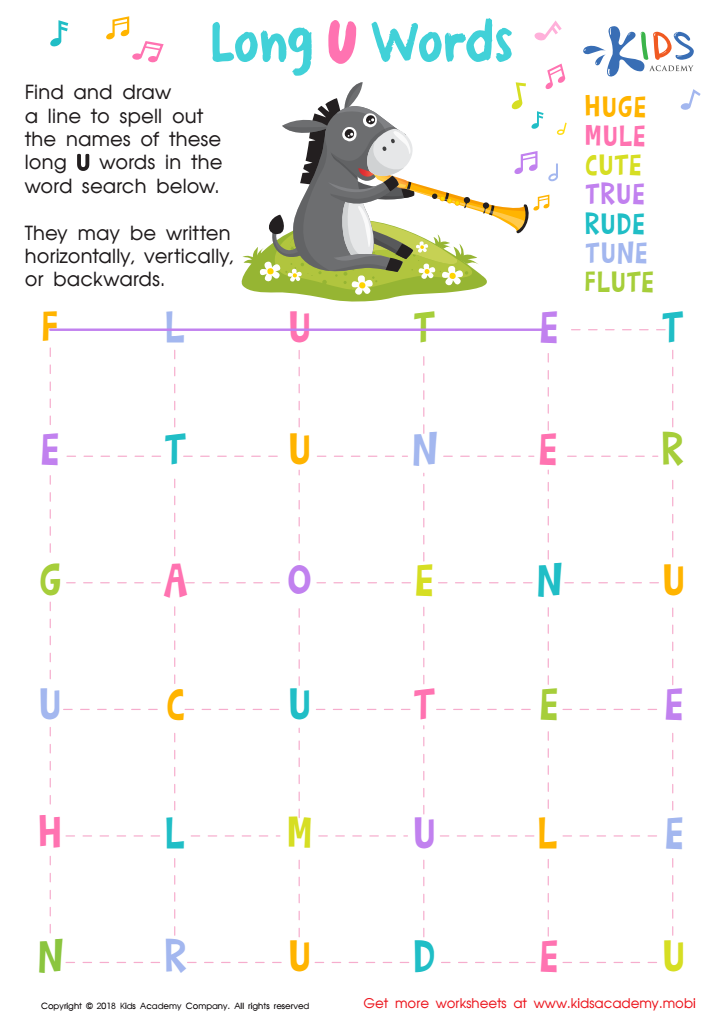
Long /u/ Words Worksheet
 Assign to My Students











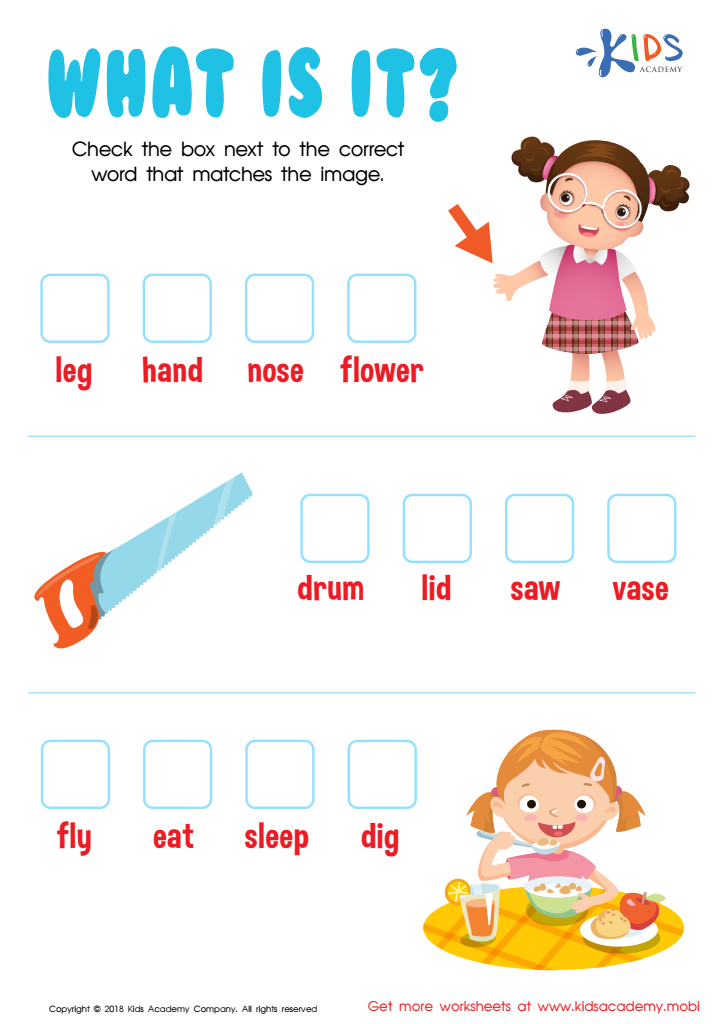
What Is It? Worksheet
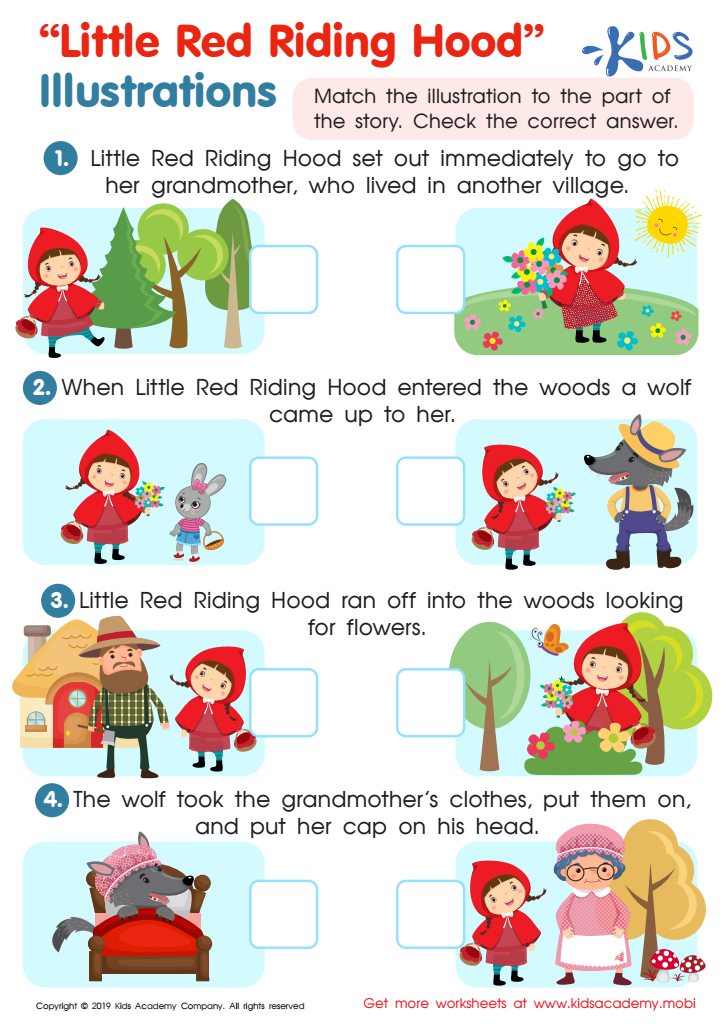
Little Red Riding Hood: Illustrations Worksheet
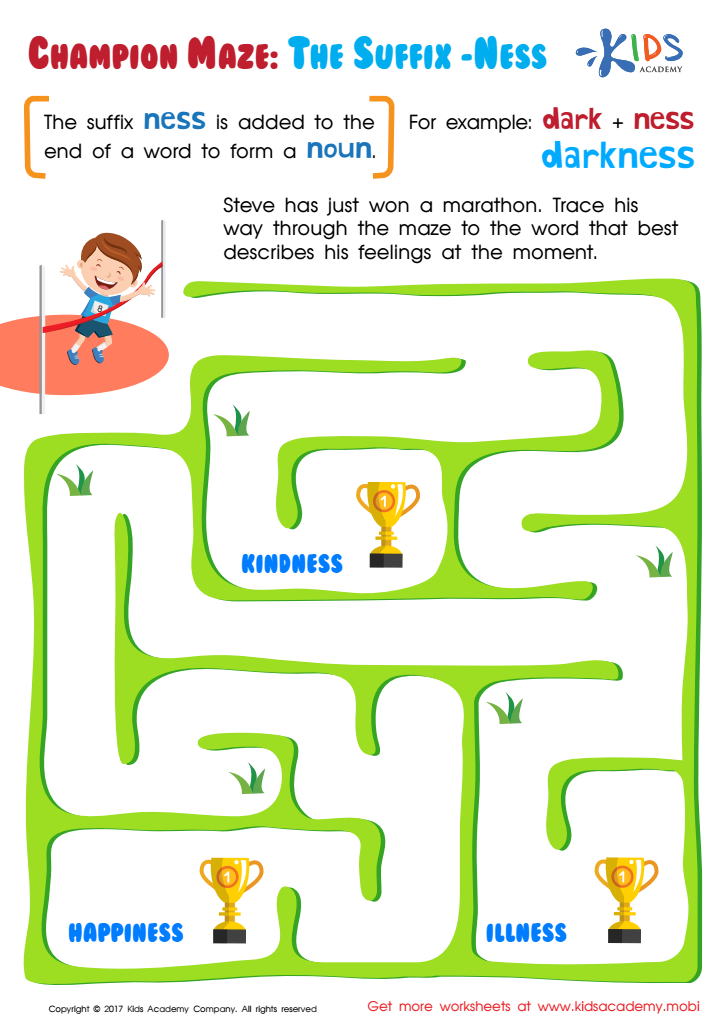
Suffix Ness Worksheet
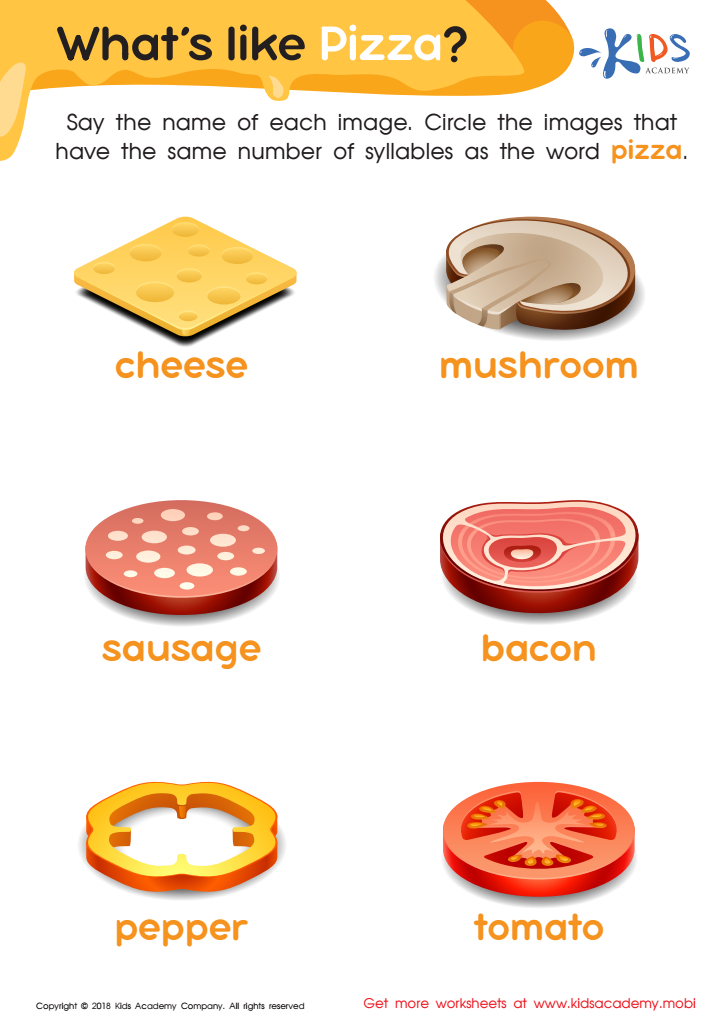
What's Like Pizza? Worksheet
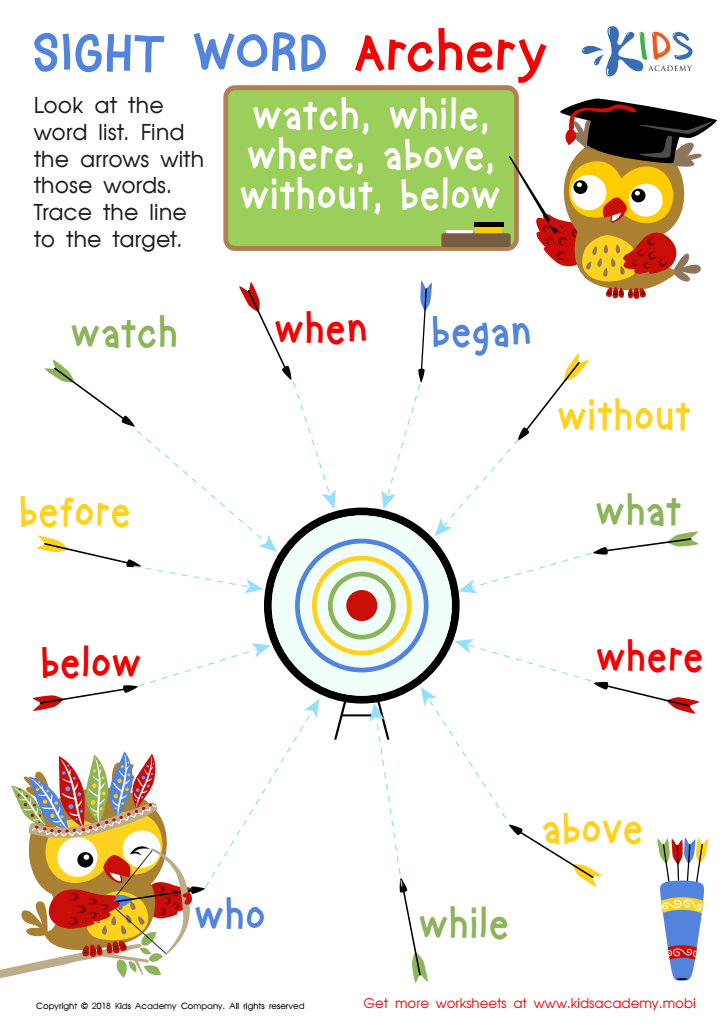
Sight Word Archery Worksheet

Native American Word Search Printable

The Dog and His Bone Worksheet
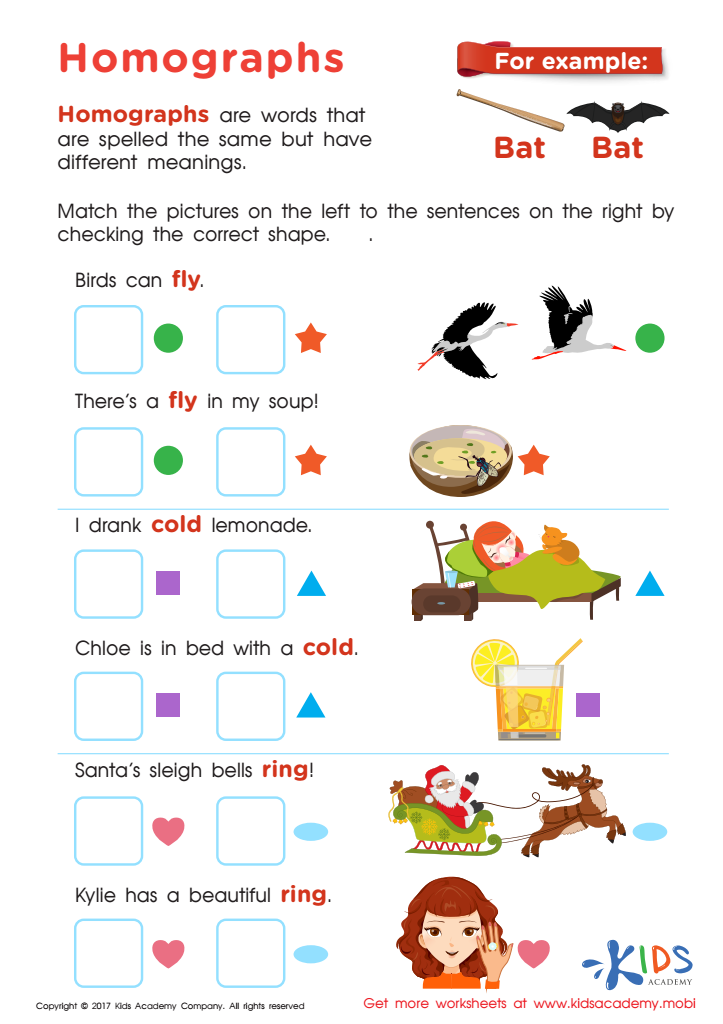
Homographs Free Printable Worksheet
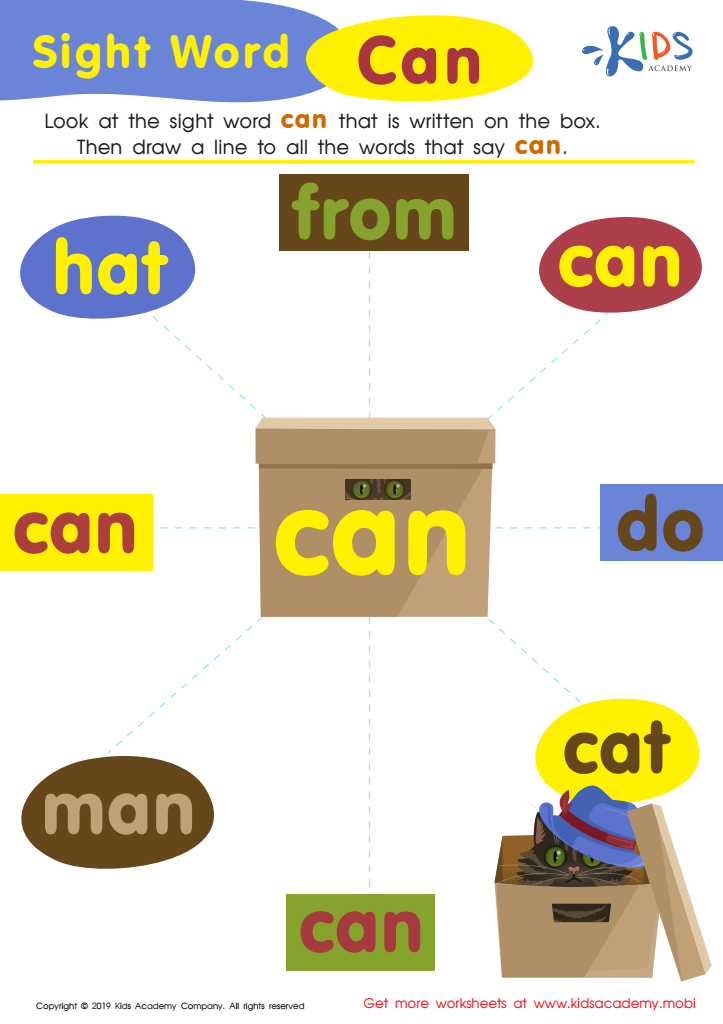
Sight Word Can Worksheet
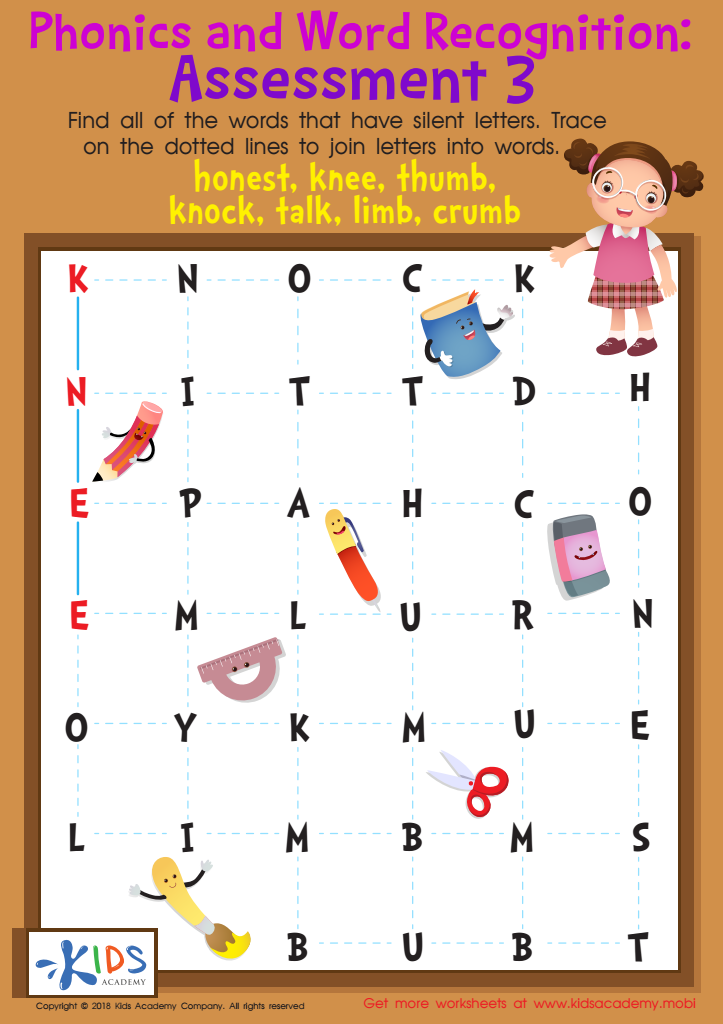
Phonics and Word Recognition: Assessment 3 Worksheet
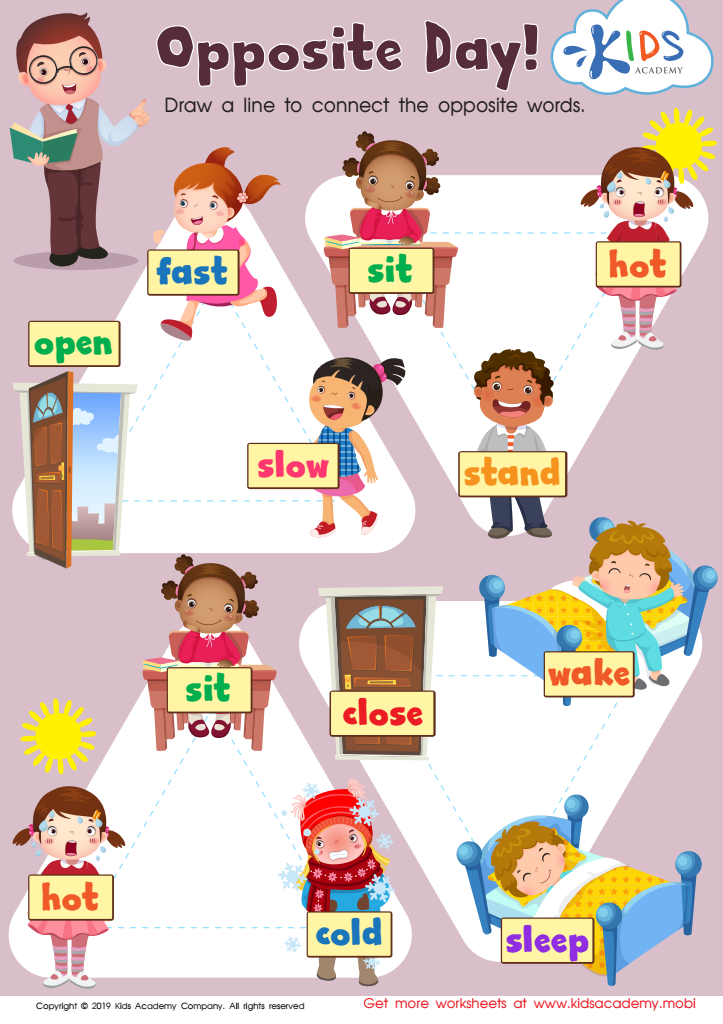
Opposite Day Worksheet
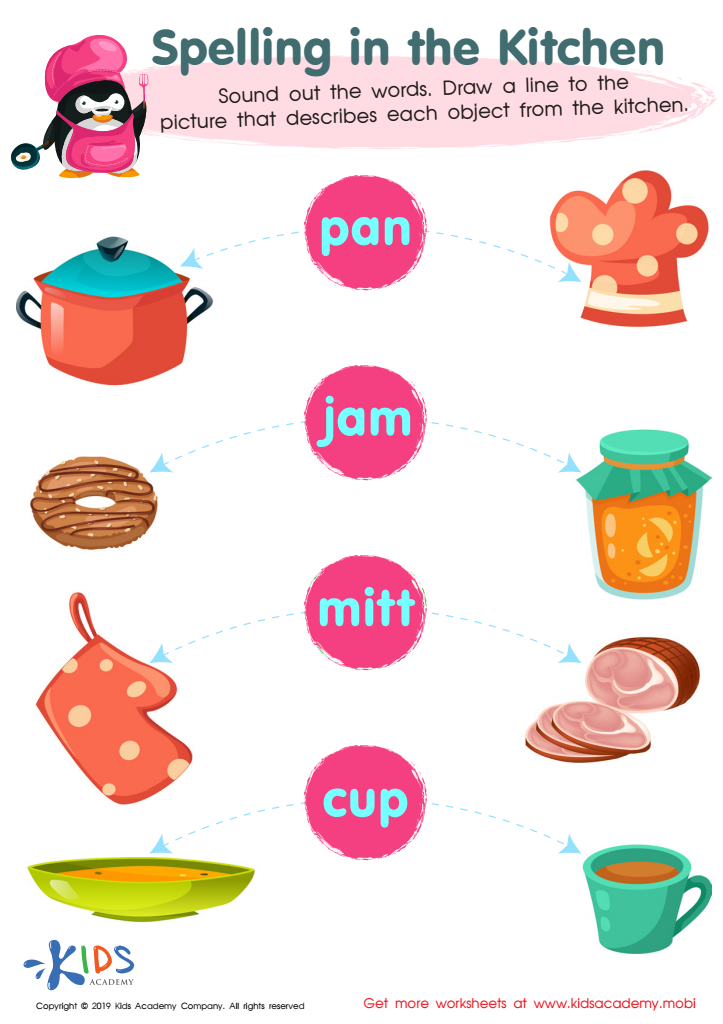
Spelling in the Kitchen Worksheet
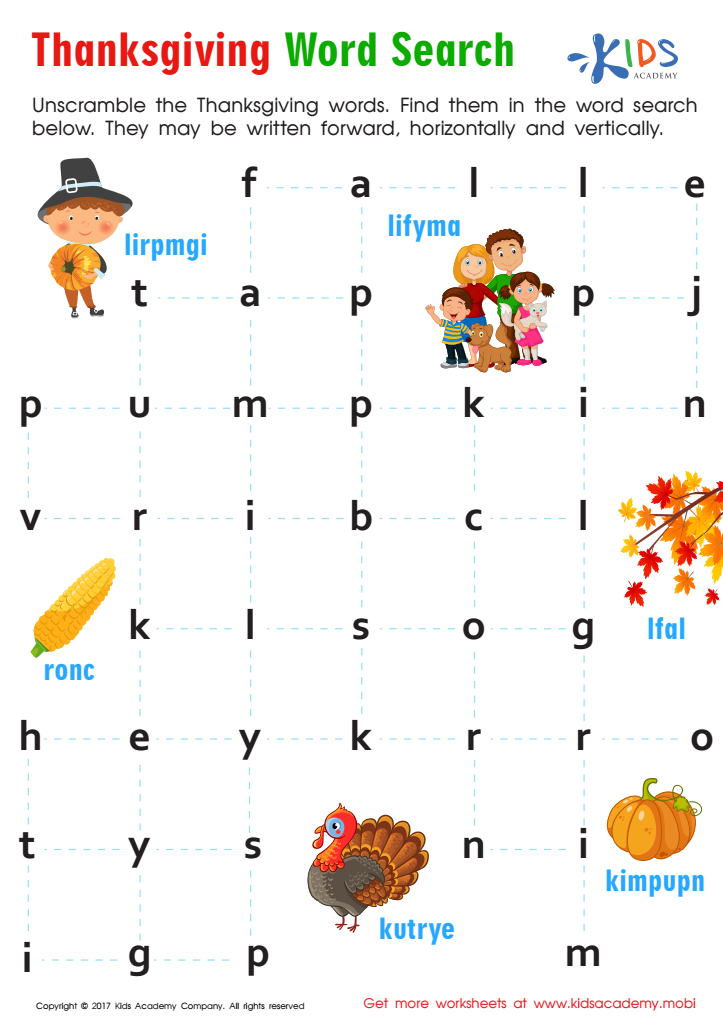
Thanksgiving Word Search Sight Words Worksheet
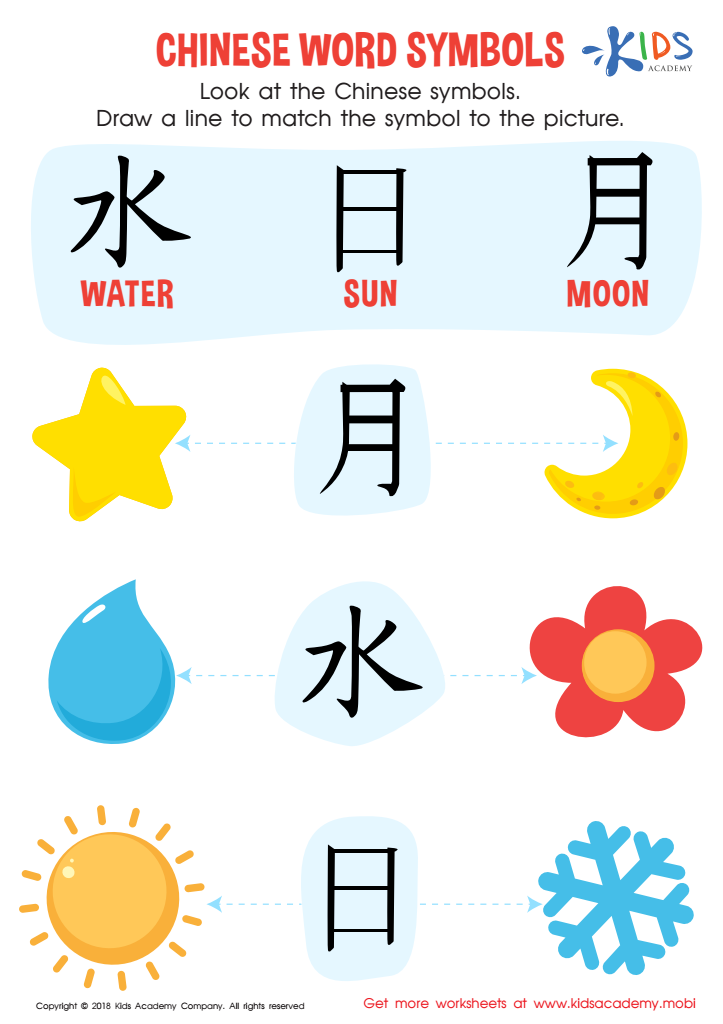
Chinese Word Symbols Worksheet
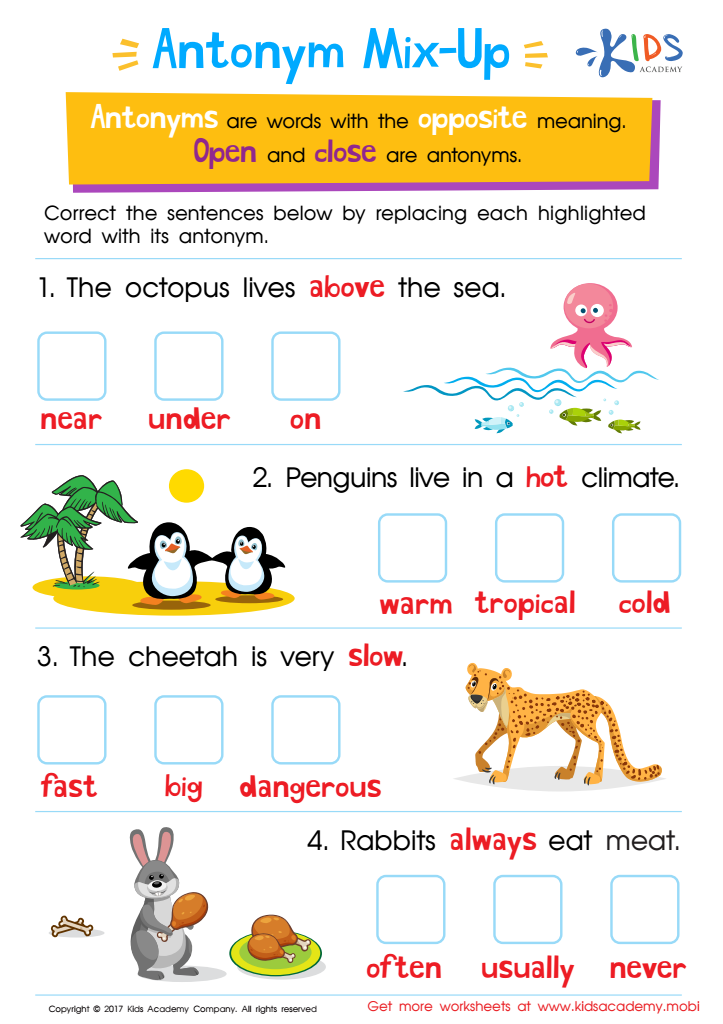
Vocabulary Antonyms Worksheet
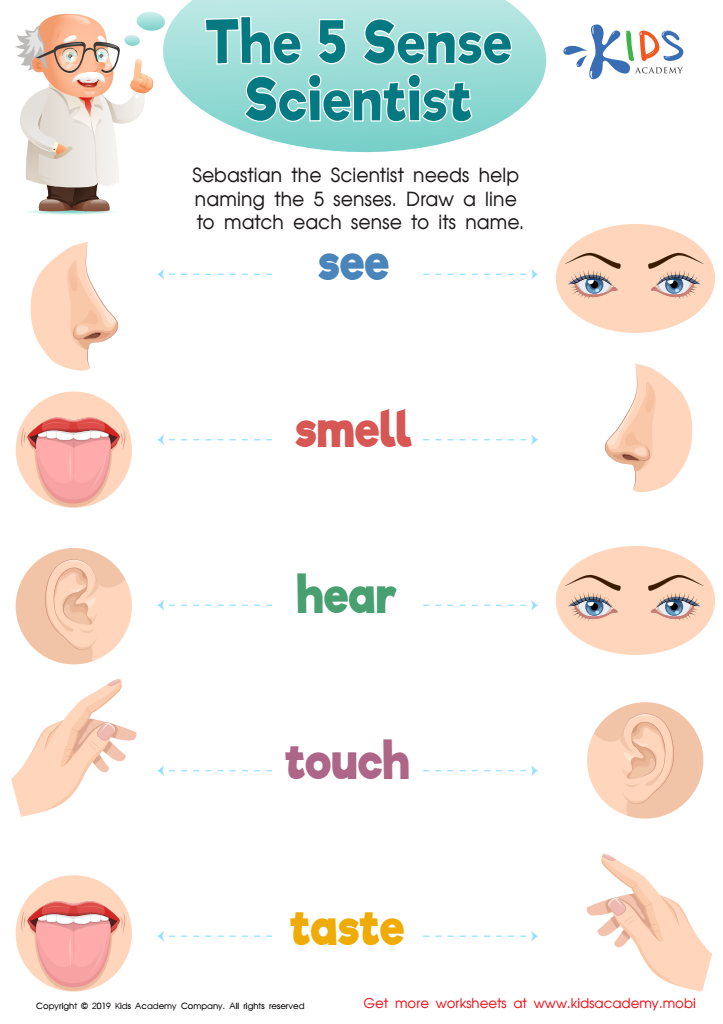
The 5 Sense Scientist Worksheet
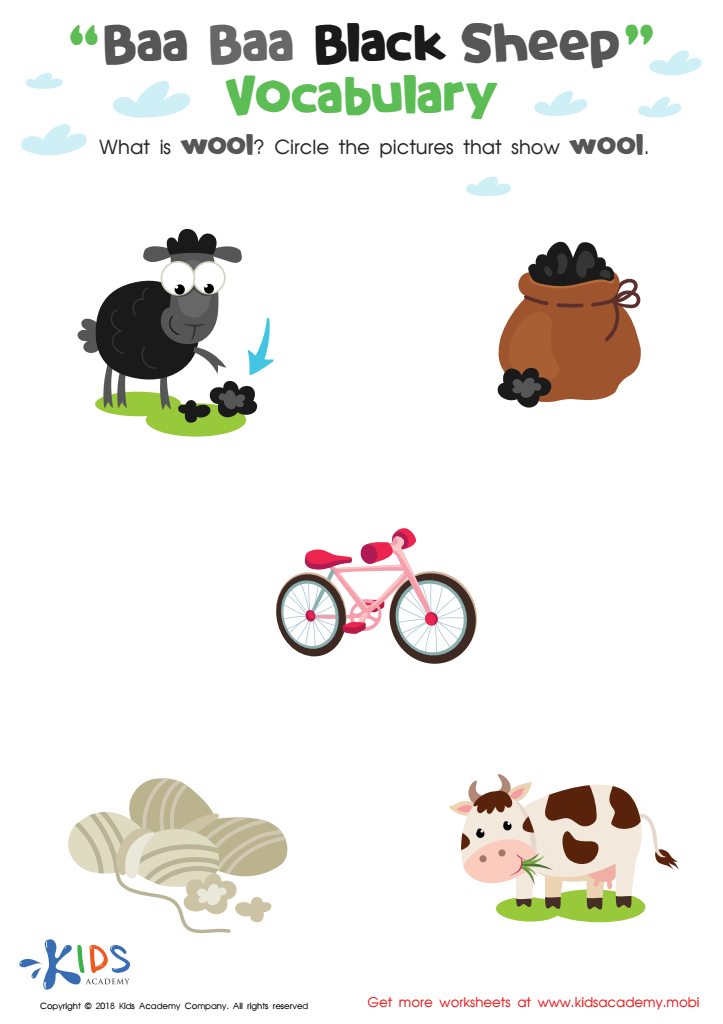
Baa Baa Black Sheep: Vocabulary Worksheet
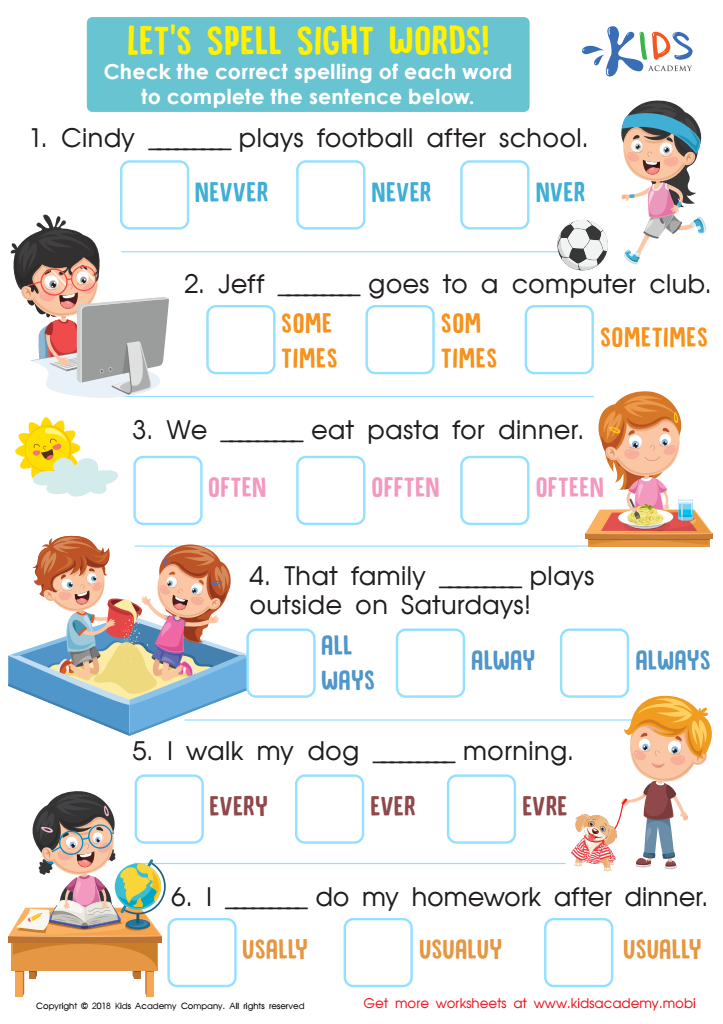
Let's Spell Sight Words Worksheet
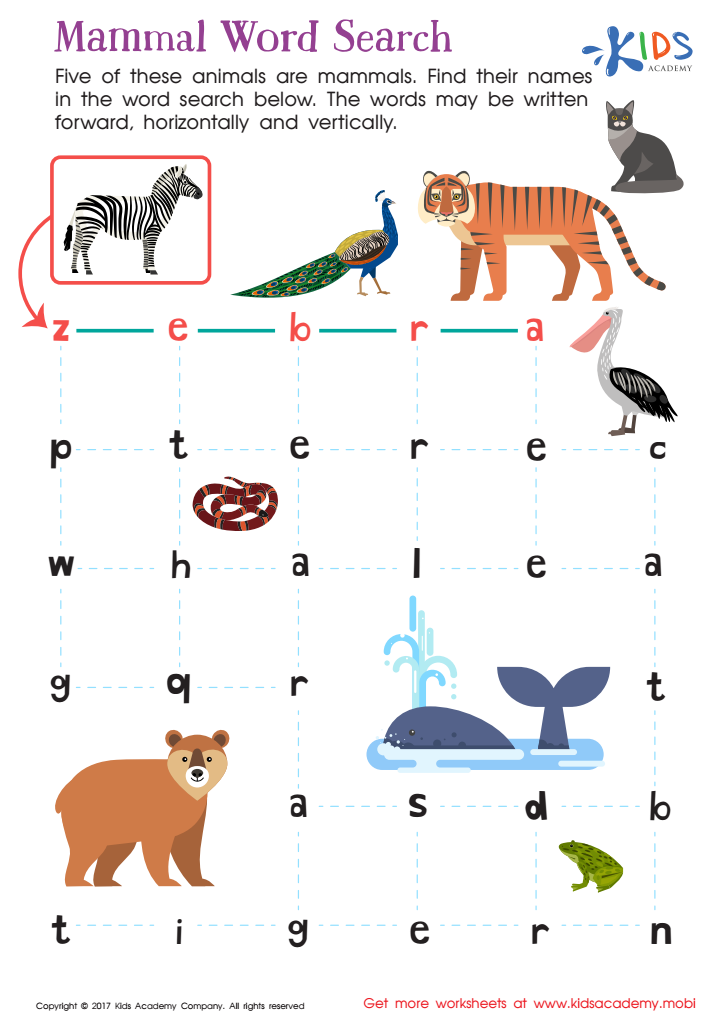
Printable Mammal Word Search
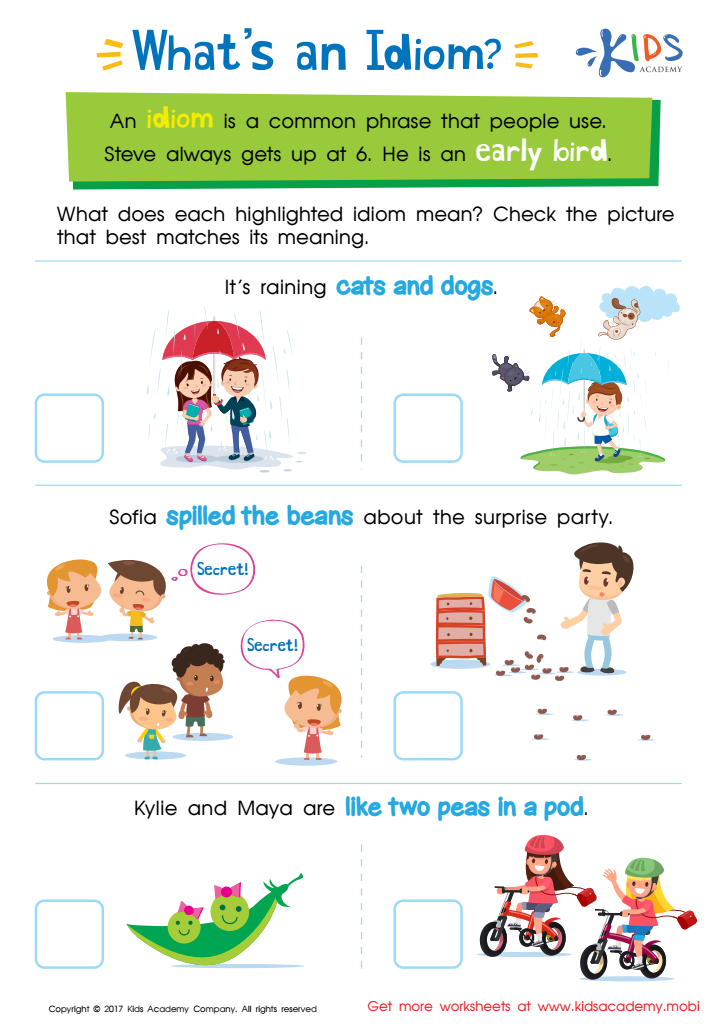
Idiom Worksheet
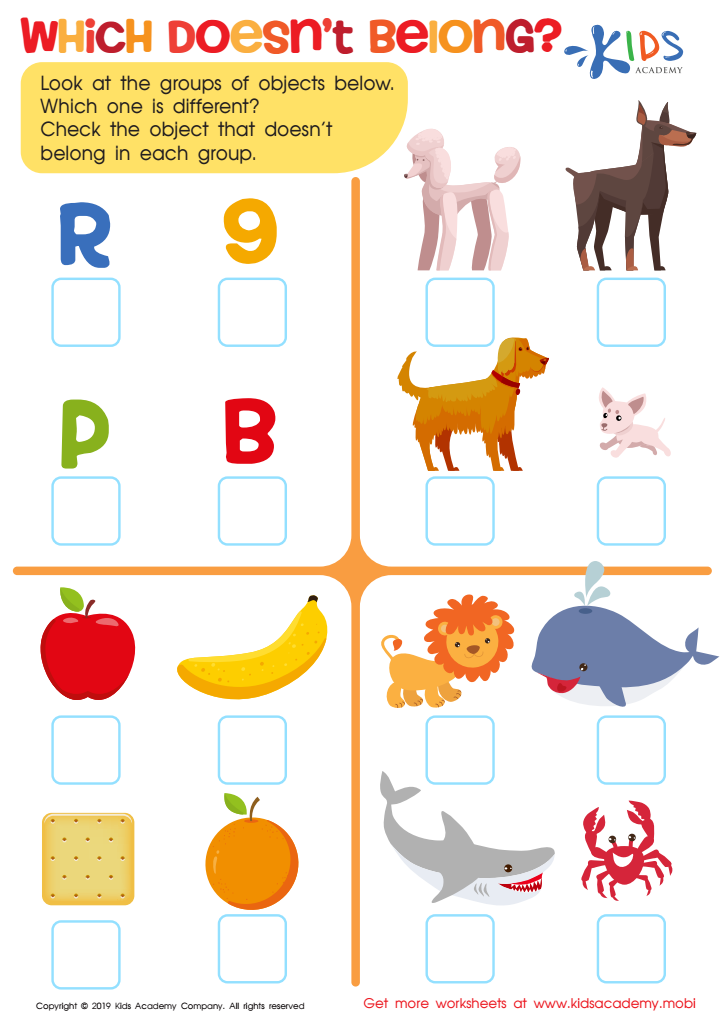
Which Doesn't Belong? Worksheet
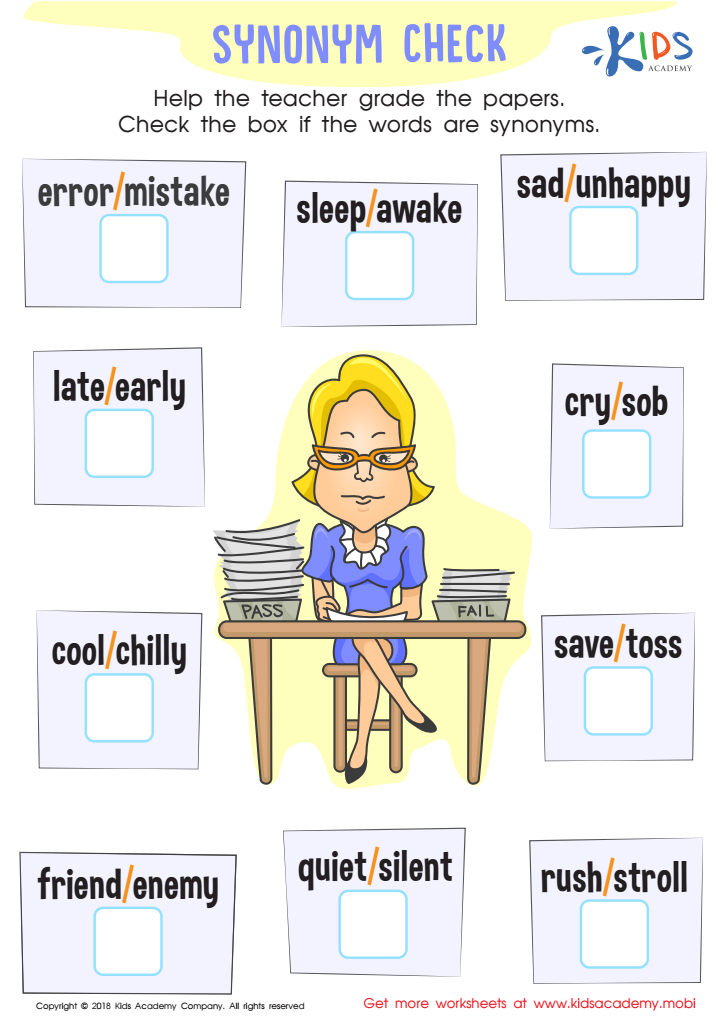
Synonym Check Worksheet
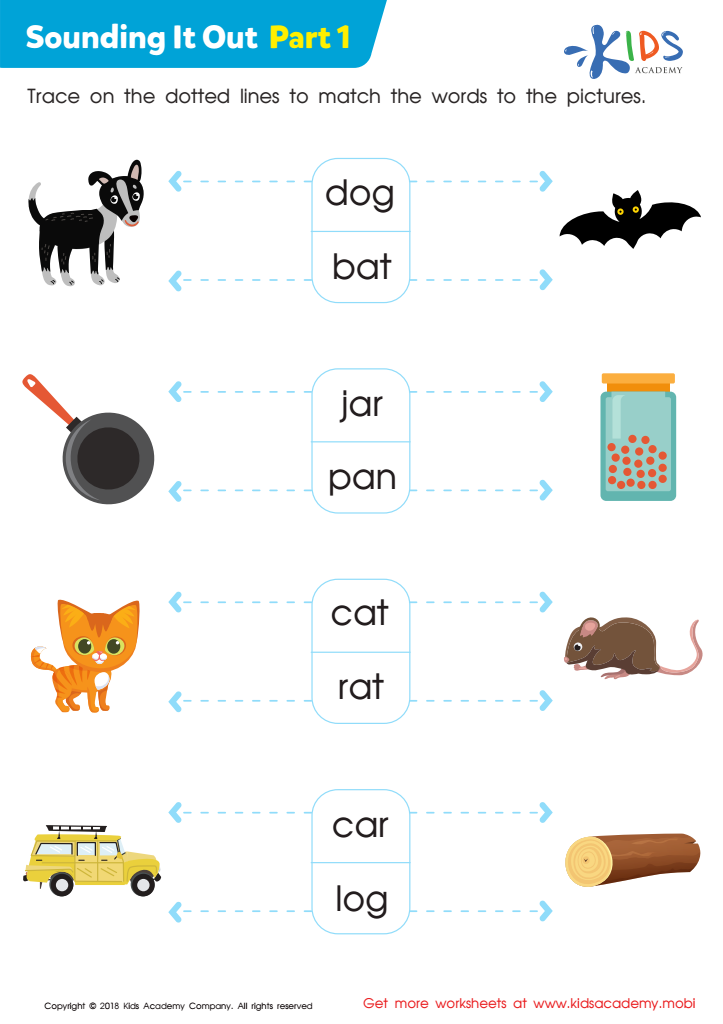
Sounding it Out: Part 1 Worksheet







Building vocabulary during the early years, ages 4-8, is crucial as it lays the foundation for future academic and personal success. During this formative period, children's brains are exceptionally receptive to learning new words, which is essential for effective communication. A robust vocabulary enhances a child's ability to express thoughts, understand others, and engage in more complex conversations. This not only boosts their self-confidence but also fosters better relationships with peers and adults.
For parents and teachers, focusing on vocabulary development enriches children's reading and writing skills. A well-developed vocabulary is linked to better comprehension abilities, which are critical for academic success across all subjects. When children understand the words they read, they are more likely to enjoy and be motivated by reading, creating a positive feedback loop of literacy and learning.
Moreover, vocabulary growth supports cognitive development. It aids in reasoning, problem-solving, and critical thinking, enabling children to grasp new concepts more readily and with greater depth. In addition, it prepares them for standardized tests and future educational challenges.
By prioritizing vocabulary building, parents and teachers can provide children with the tools they need to excel academically and socially, fostering well-rounded and capable individuals prepared for future success.








