Logical thinking Normal Reading Worksheets for Ages 4-8
6 filtered results
-
From - To
Unlock the power of logical thinking with our engaging reading worksheets, specifically designed for children aged 4-8. These worksheets combine fun activities with essential skills, helping young learners develop critical thinking, problem-solving, and reasoning abilities. Each worksheet features age-appropriate texts and interactive tasks that encourage kids to analyze, compare, and conclude—essential components of logical reasoning. Ideal for home or classroom use, these resources support reading comprehension while fostering a love for literature. Download our Normal Reading Worksheets today, and watch your child's confidence and thinking skills soar as they embark on an exciting educational journey!
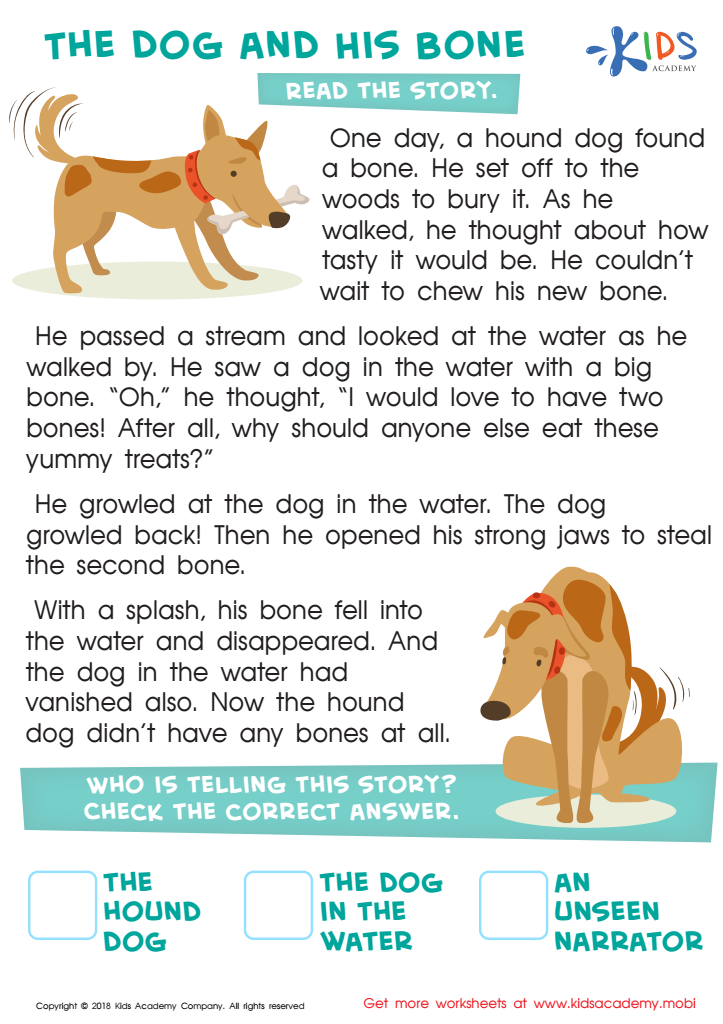
The Dog and His Bone Worksheet
 Assign to My Students
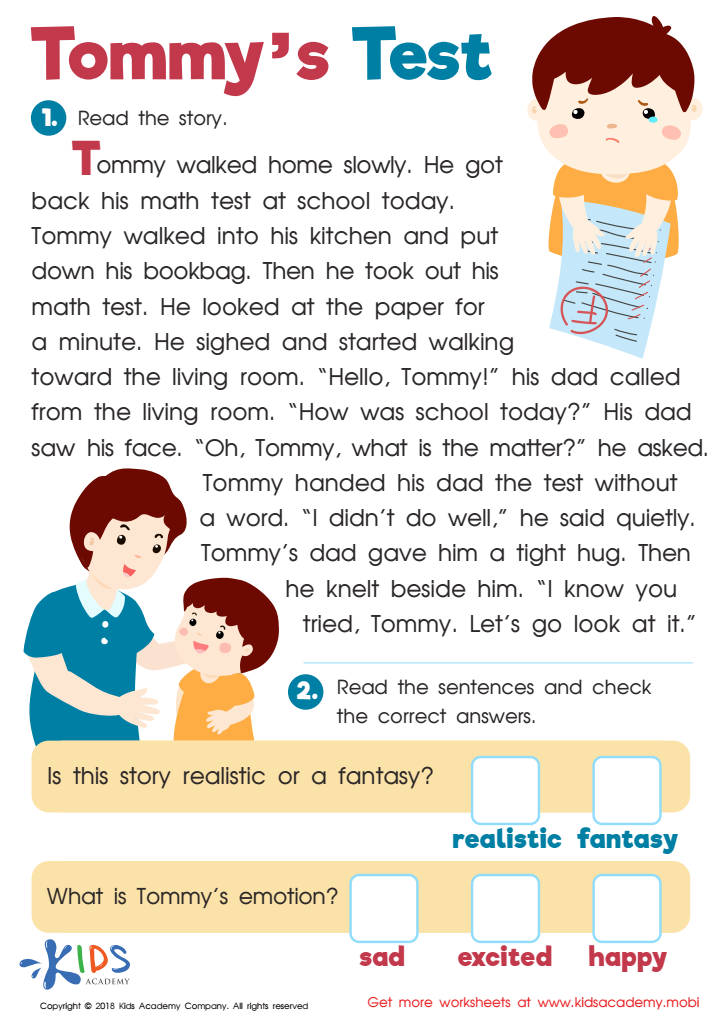
Tommys Test Worksheet
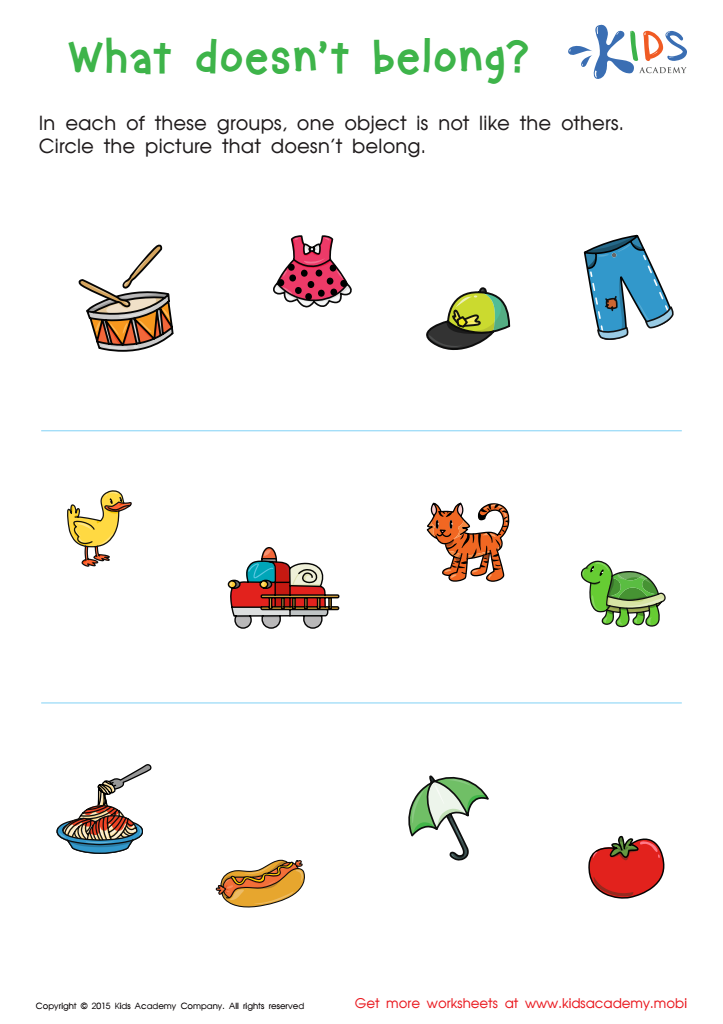
First Words: What Doesn't Belong Worksheet
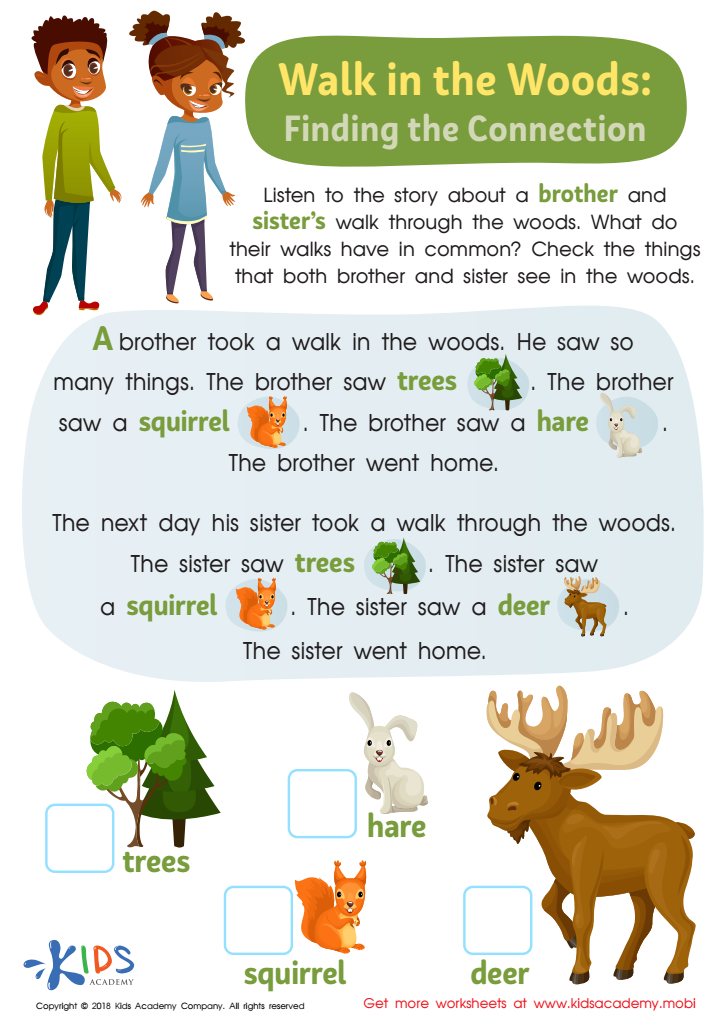
Walk In the Woods: Finding Connections Worksheet
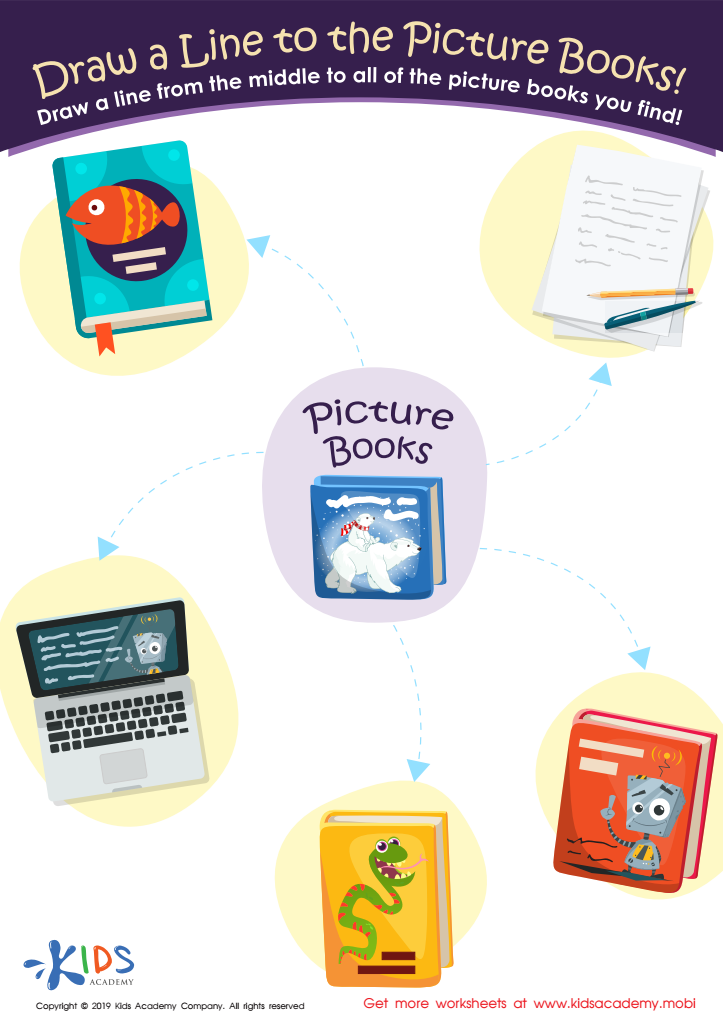
Draw a Line to the Picture Books Worksheet
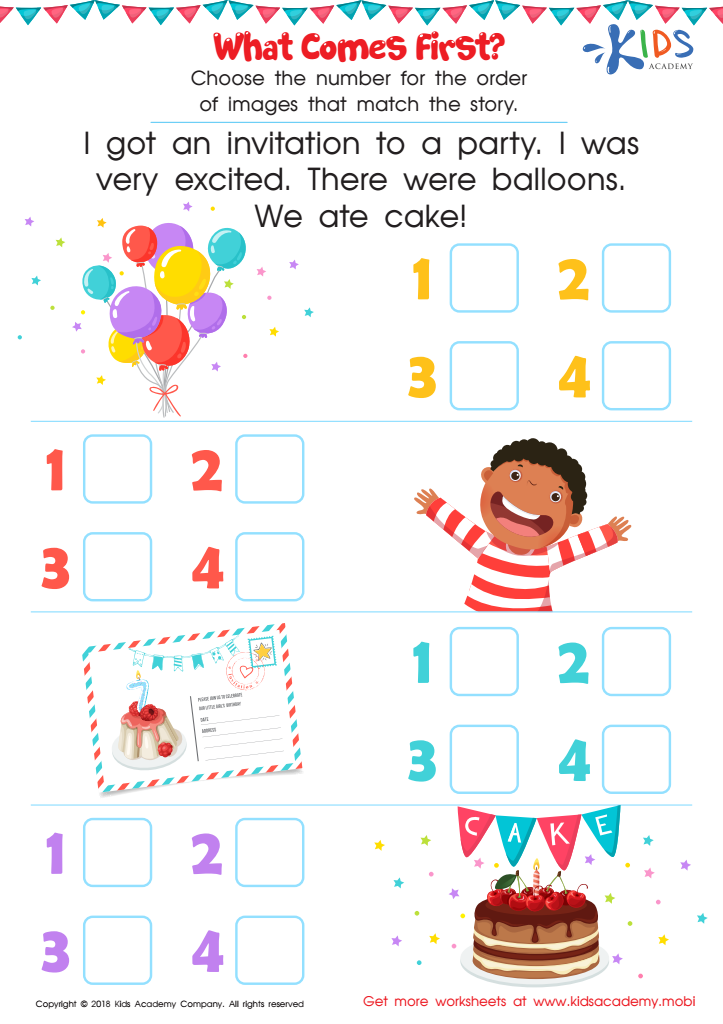
What Comes First Worksheet







Logical thinking and reading skills are fundamental for children ages 4-8 as they form the foundation for future learning and problem-solving abilities. During this developmental stage, children's brains are highly receptive, making it crucial to nurture their logical thinking alongside their reading skills.
Parents and teachers should emphasize logical thinking because it enhances children's ability to analyze situations, make reasoned decisions, and develop critical thinking skills. These skills are essential not only in academic settings but also in everyday life, where children learn to navigate various challenges effectively.
Normal reading for this age group is equally vital, as it supports language development, enhances vocabulary, and improves comprehension skills. Reading provides children with exposure to diverse perspectives and information, promoting cognitive growth. When logical thinking is combined with reading, it enables children to interpret texts, infer meaning, and draw conclusions, fostering deeper engagement with literature.
Moreover, focusing on these areas can spark children's curiosity and creativity. Encouraging logical reasoning through reading-based activities, such as discussing story outcomes or problem-solving scenarios in books, cultivates a love for learning. In short, integrating logical thinking and reading is key to developing well-rounded individuals equipped for academic success and beyond.








