Normal Sight Words Worksheets for Ages 4-8
15 filtered results
-
From - To
Discover engaging "Normal Sight Words Worksheets for Ages 4-8" designed to enhance your child's reading skills effortlessly. Our collection fosters early literacy by introducing common sight words through fun and interactive activities. Each worksheet is crafted to build a strong foundation in reading, using colorful visuals and age-appropriate tasks that keep young learners motivated. Ideal for preschool and elementary-aged children, our resources support reading fluency and comprehension. Empower your child to recognize, read, and write essential sight words with our expertly designed and easy-to-use worksheets, tailored for kids ages 4-8. Bring learning to life today!
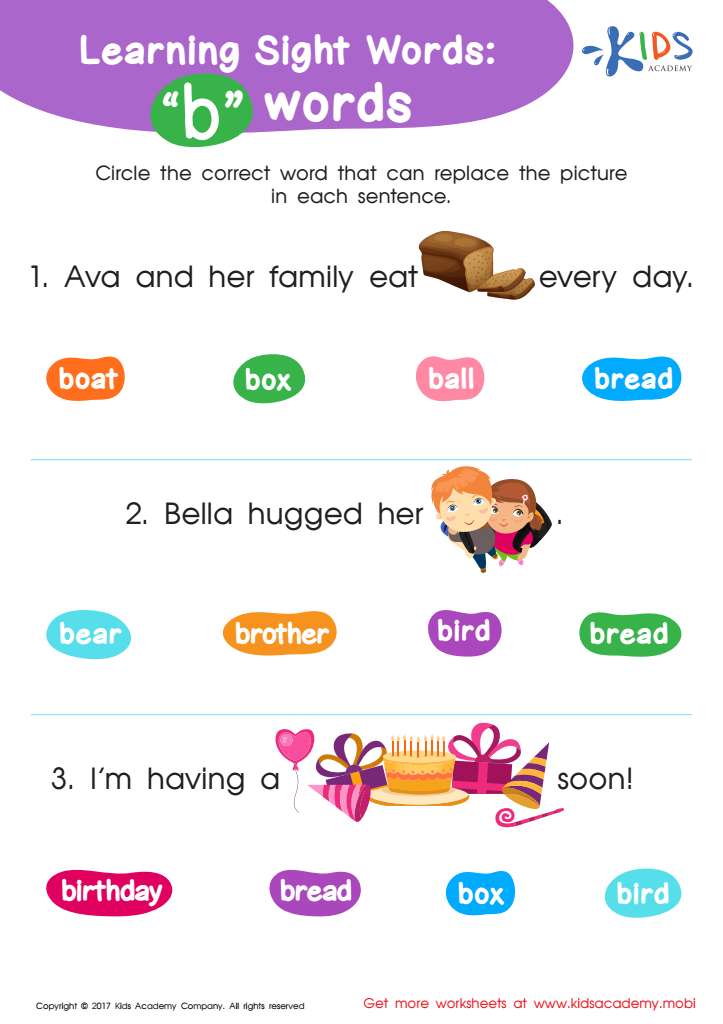
Sight Words Free Worksheet – B Words
 Assign to My Students
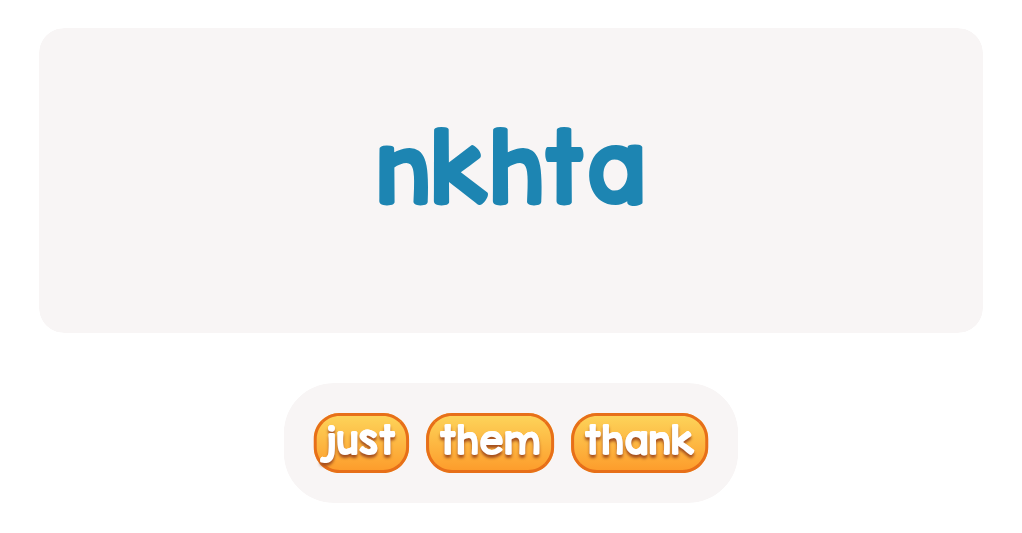

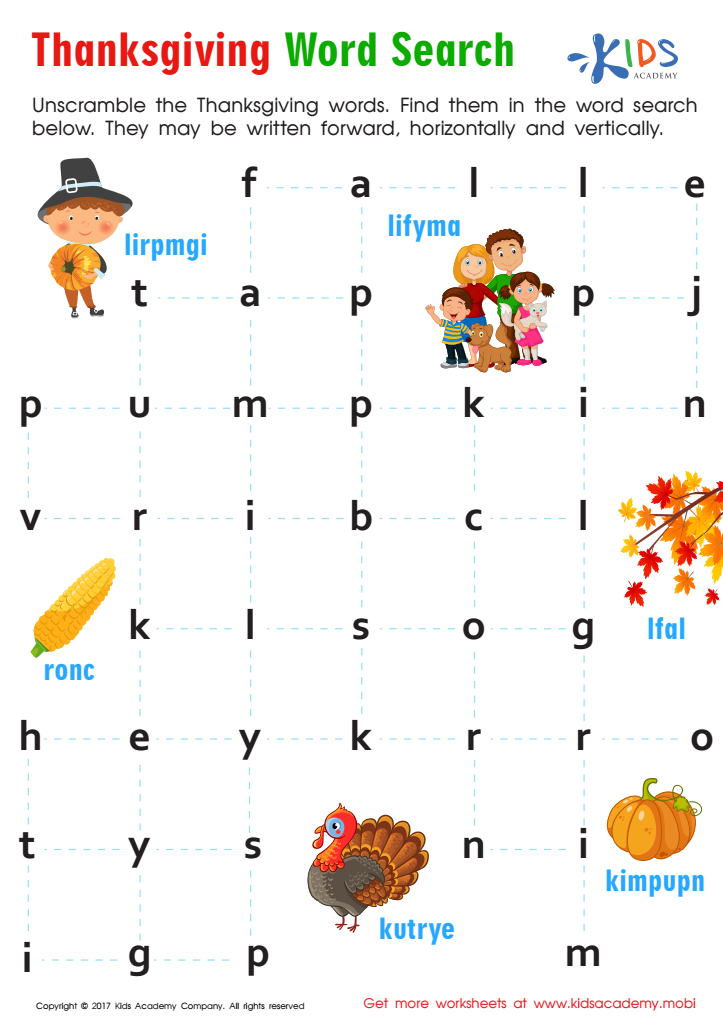
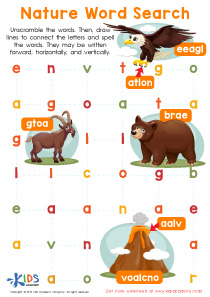
Thanksgiving Word Search Sight Words Worksheet
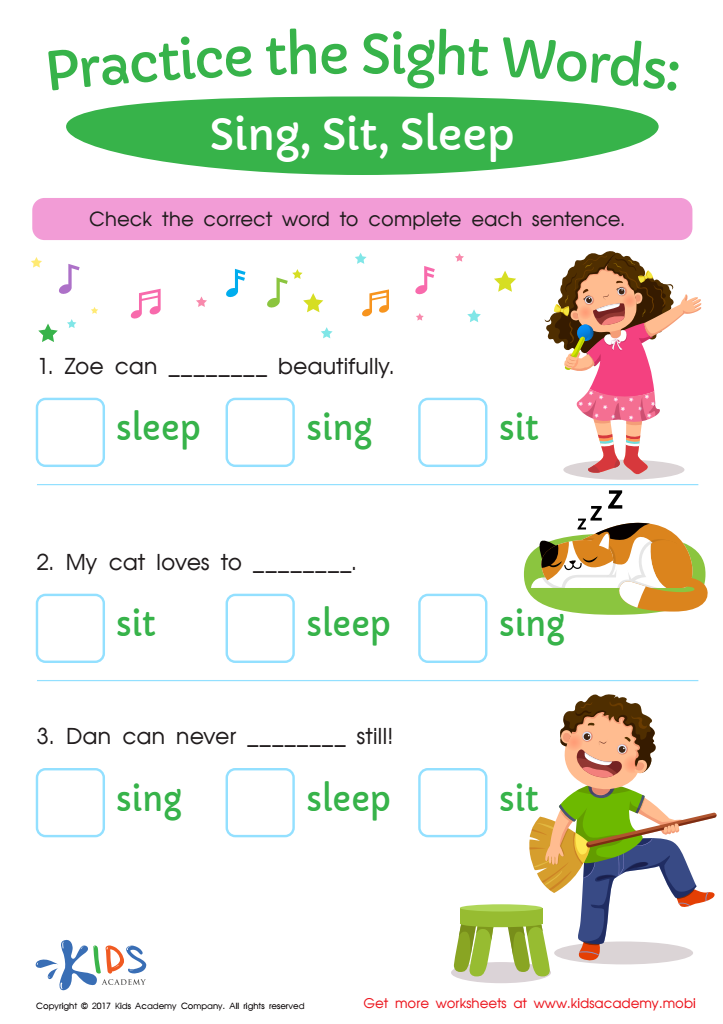
Sing, Sit, Sleep Sight Words Worksheet
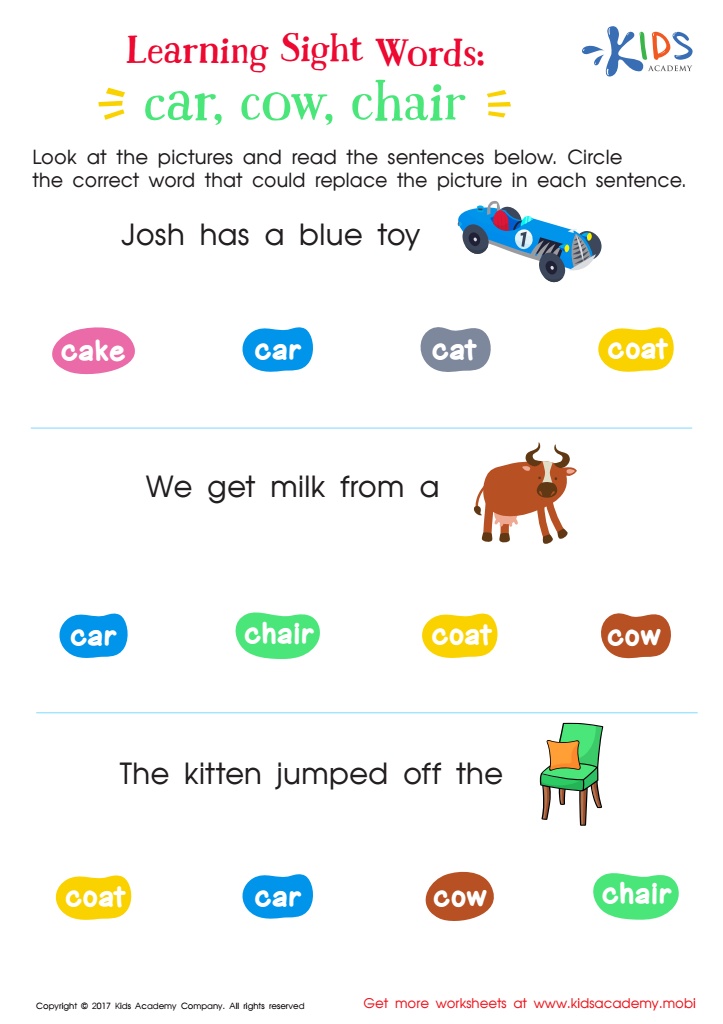
Car, Cow, Chair Worksheet Sight Words Worksheet
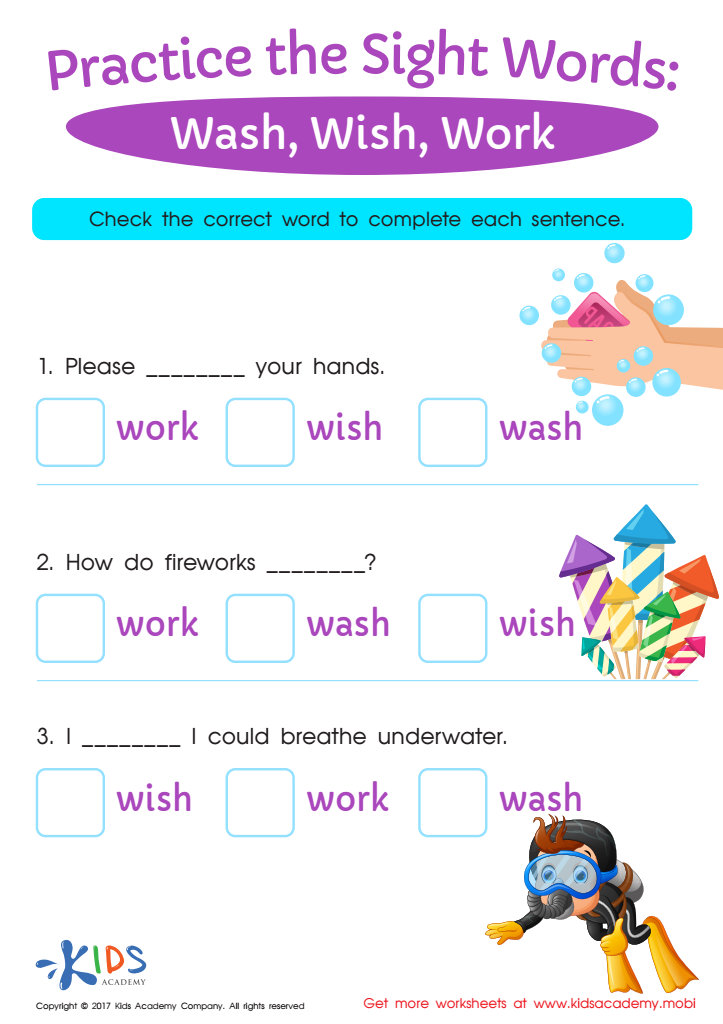
Wash, Wish, Work Sight Words Worksheet
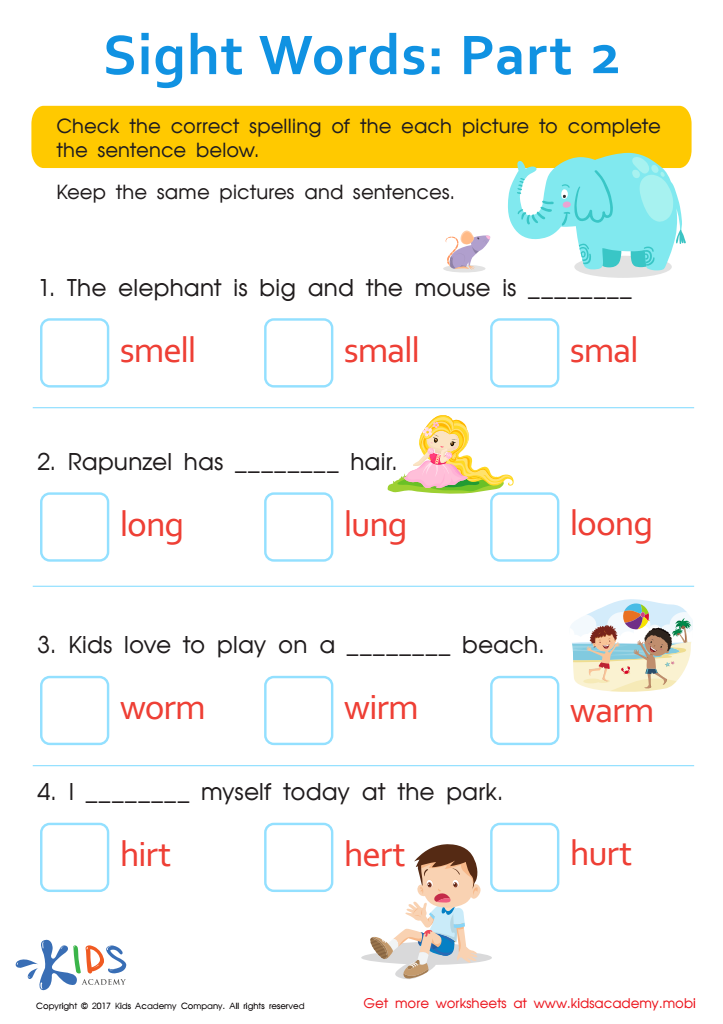
Sight Words Worksheet
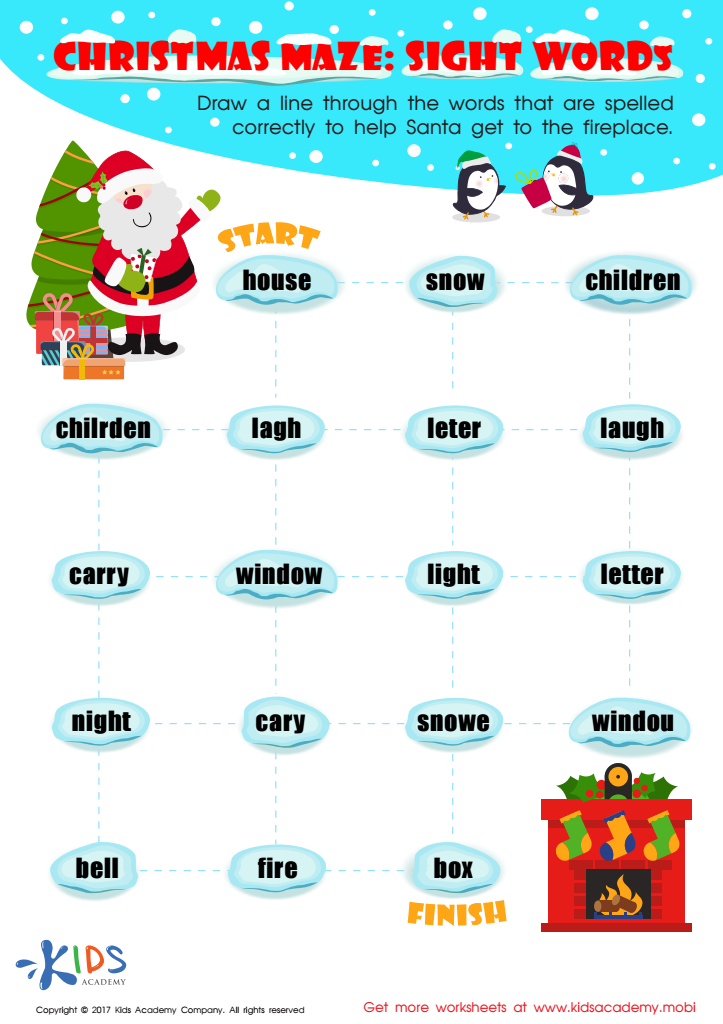
Sight Words Christmas Maze Printable
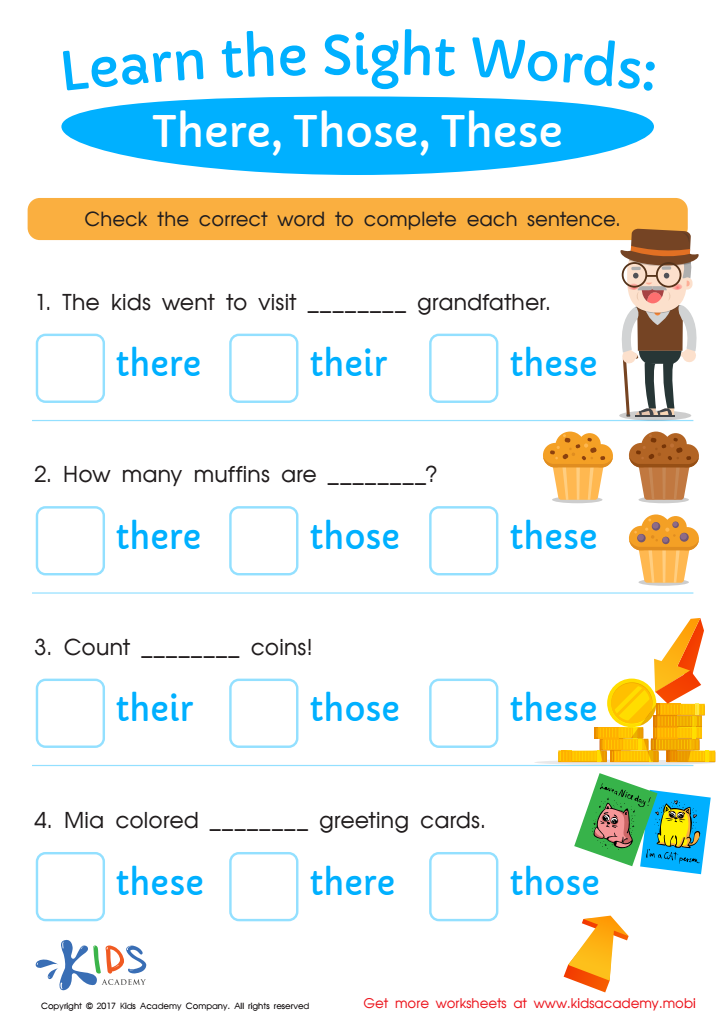
There, Those and These Sight Words Worksheet
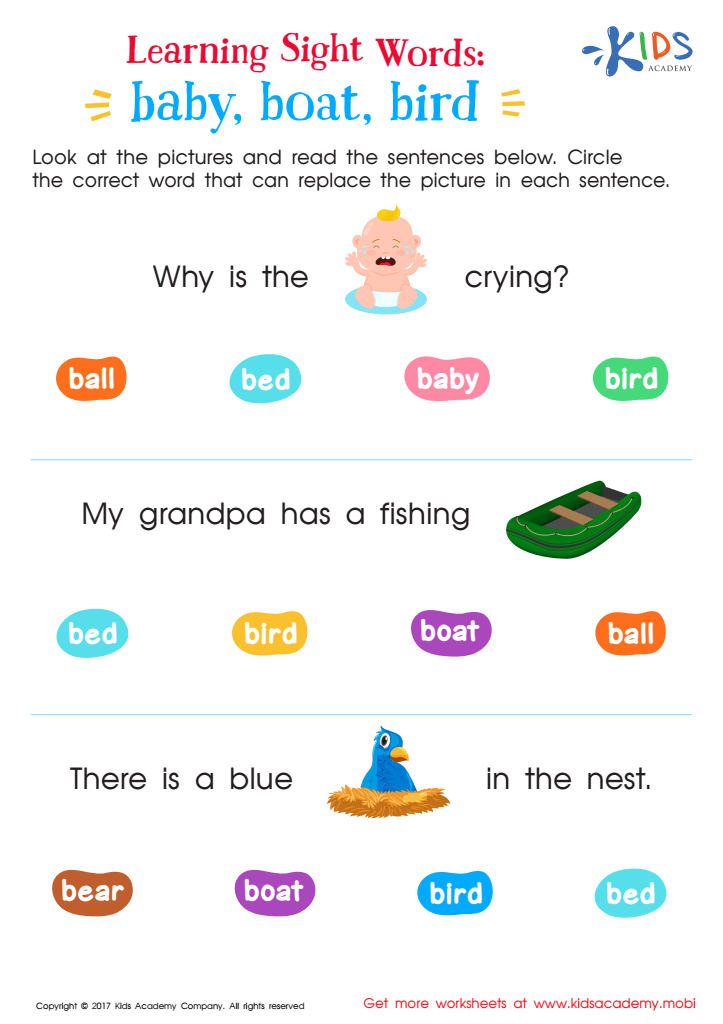
Baby, Boat, Bird Worksheet Sight Words Worksheet
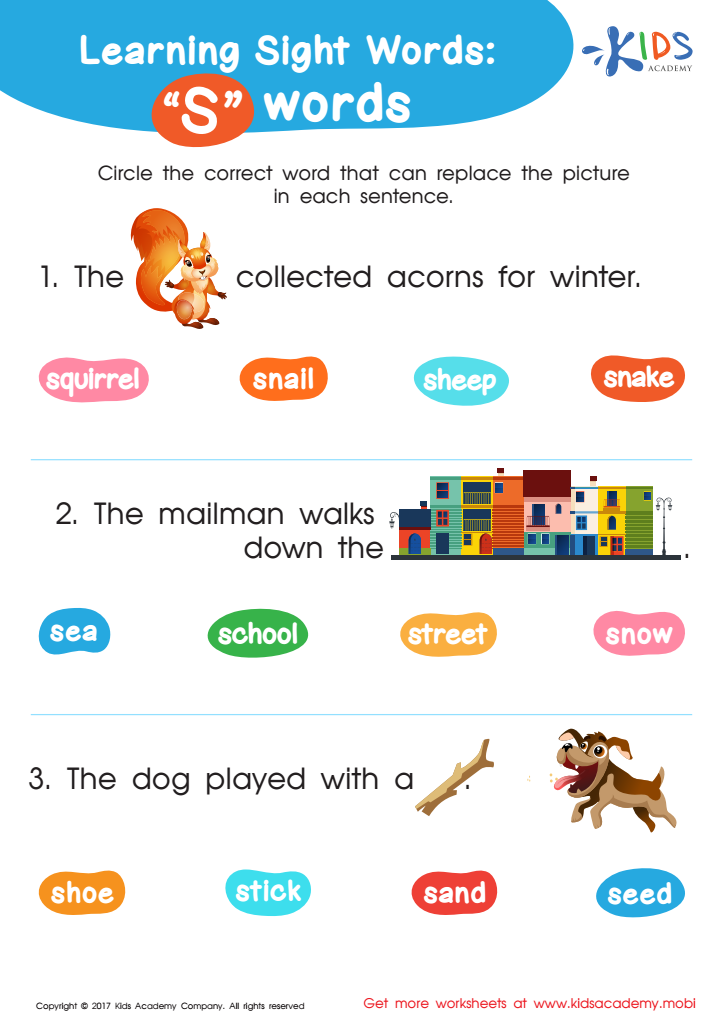
S Words Sight Words Worksheet
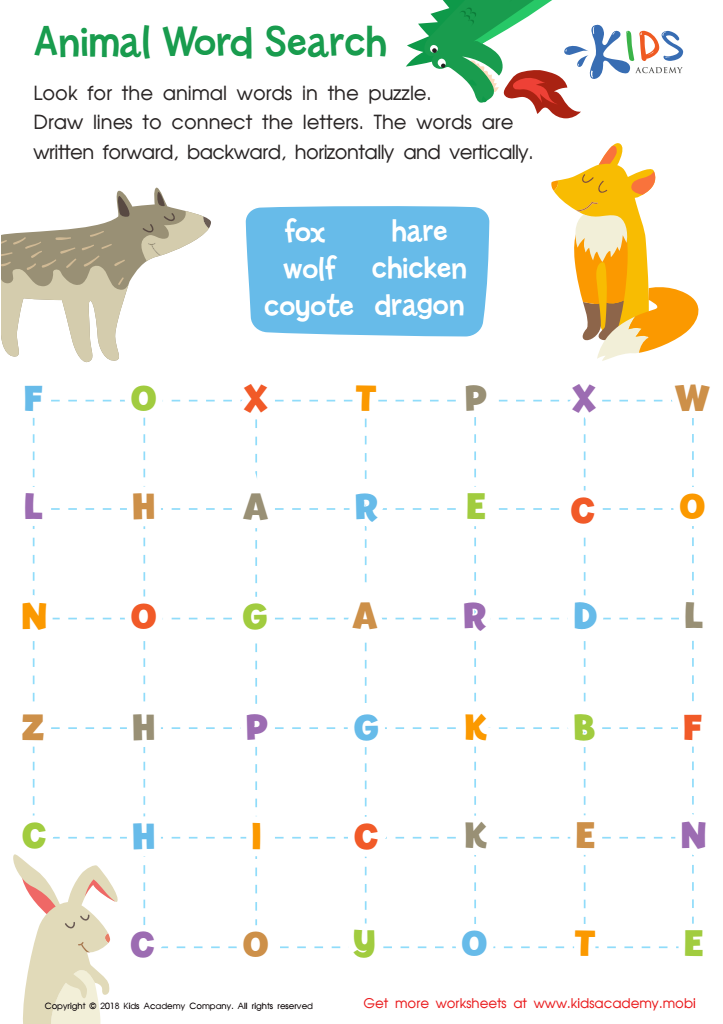
Animal Word Search Worksheet
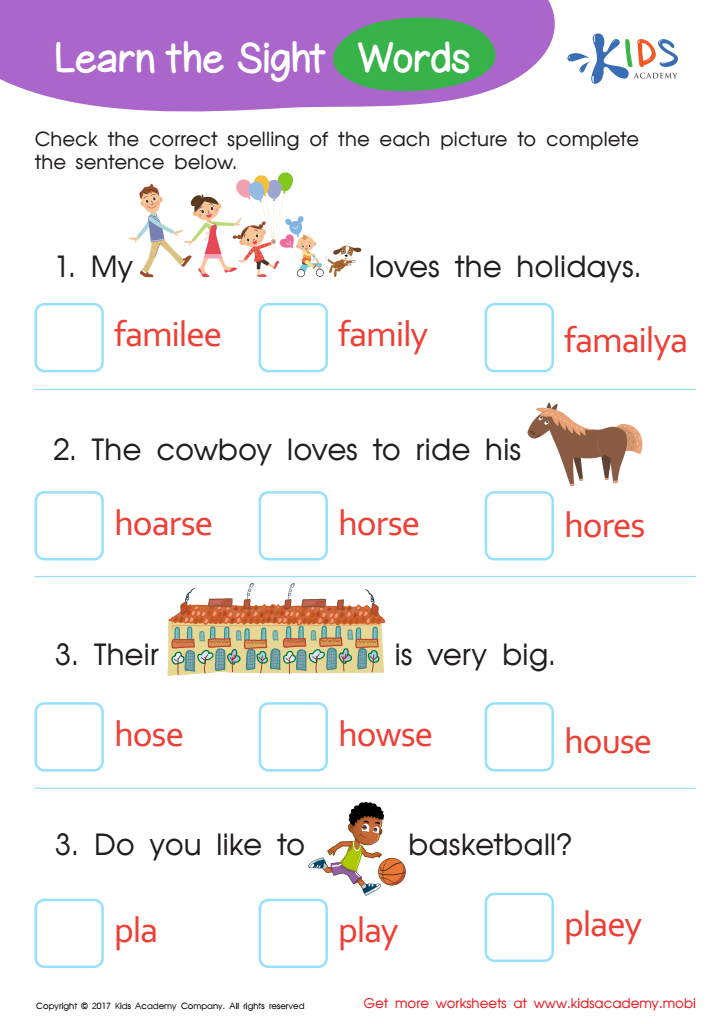
Family, Horse, House, Play Sight Words Worksheet
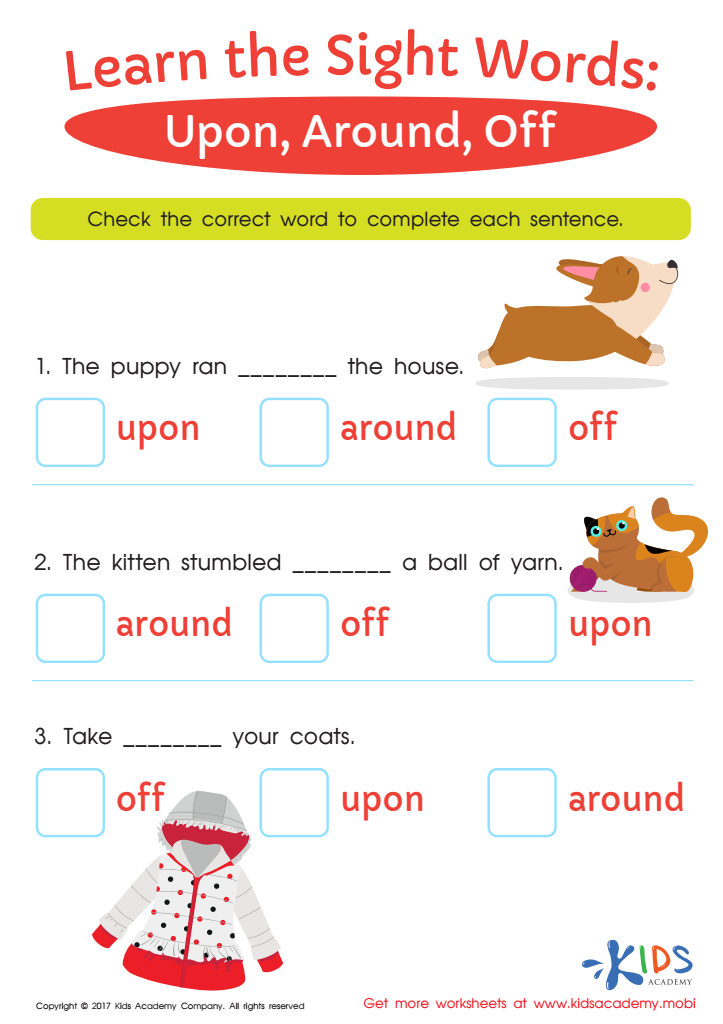
Upon, Around, Off Sight Words Worksheet
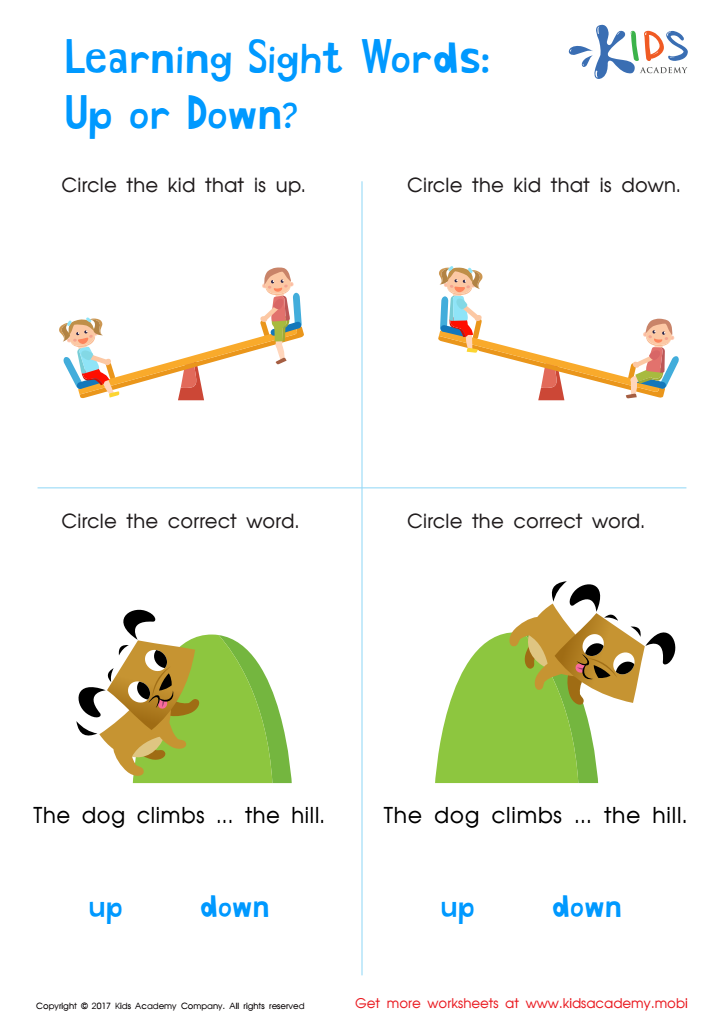
Up or Down Printable Sight Words Worksheet
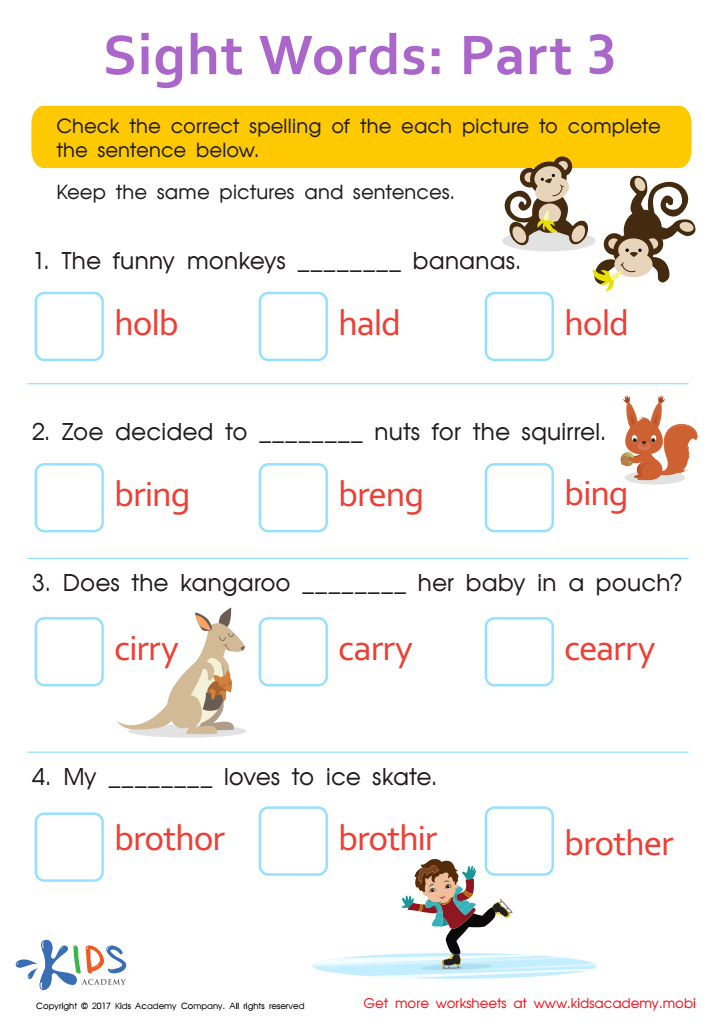
Hold, Bring, Carry, Brother Sight Words Worksheet








Normal sight words—or high-frequency words—play a pivotal role in early childhood literacy for children aged 4-8. These are words that appear frequently in everyday reading and writing but often do not follow regular phonetic rules. A firm grasp of sight words benefits young learners in several crucial ways.
Firstly, recognizing sight words instantly without decoding allows children to read more fluently. This fluency is essential for comprehension as it frees up cognitive resources, enabling them to focus on understanding the text rather than struggling with individual words. For example, the words "the," "and," "is," and "you" are common in most sentences. Knowing them by sight helps children read more smoothly.
Secondly, learning sight words supports writing skills. Being able to spell these words correctly enables children to express themselves more freely and confidently. Writing activities become less about worrying over words and more about conveying ideas.
Lastly, mastery of sight words can build confidence. When children recognize most of the words in a story or text, they feel capable and motivated to read more. This ongoing practice reinforces their literacy skills, leading to continuous improvement.
In essence, sight words are foundational blocks in early literacy that support reading, writing, and overall language development. Parents and teachers should prioritize them to set the stage for academic success.