Reading comprehension Normal Science Worksheets for Ages 4-8 - Page 4
79 filtered results
-
From - To
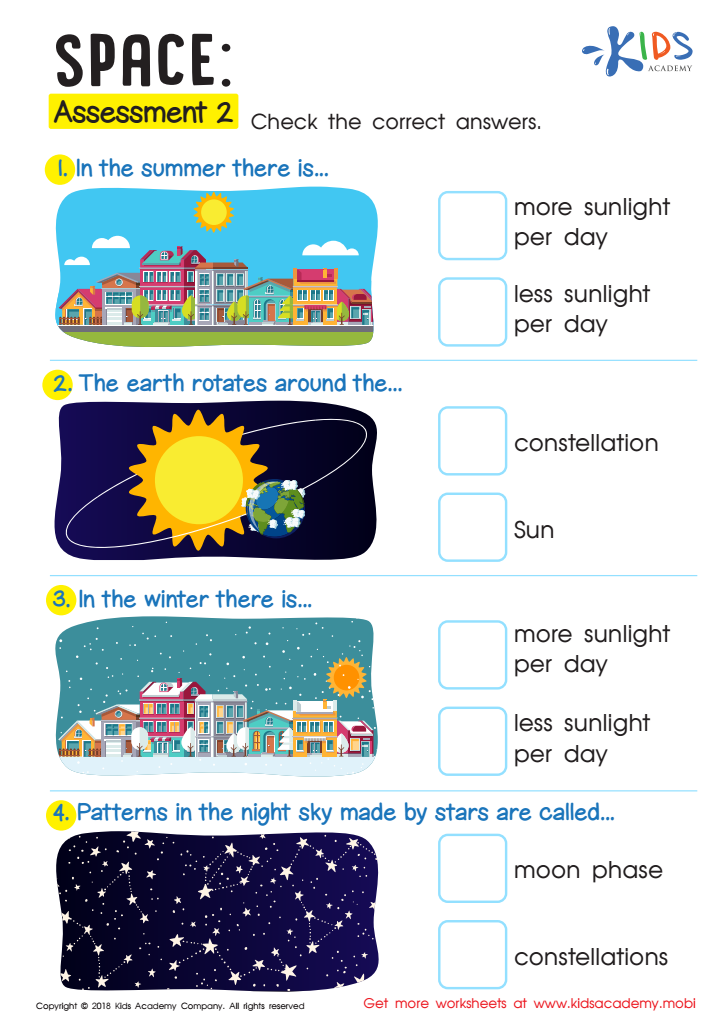
Space: Assessment 2 Worksheet
 Assign to My Students
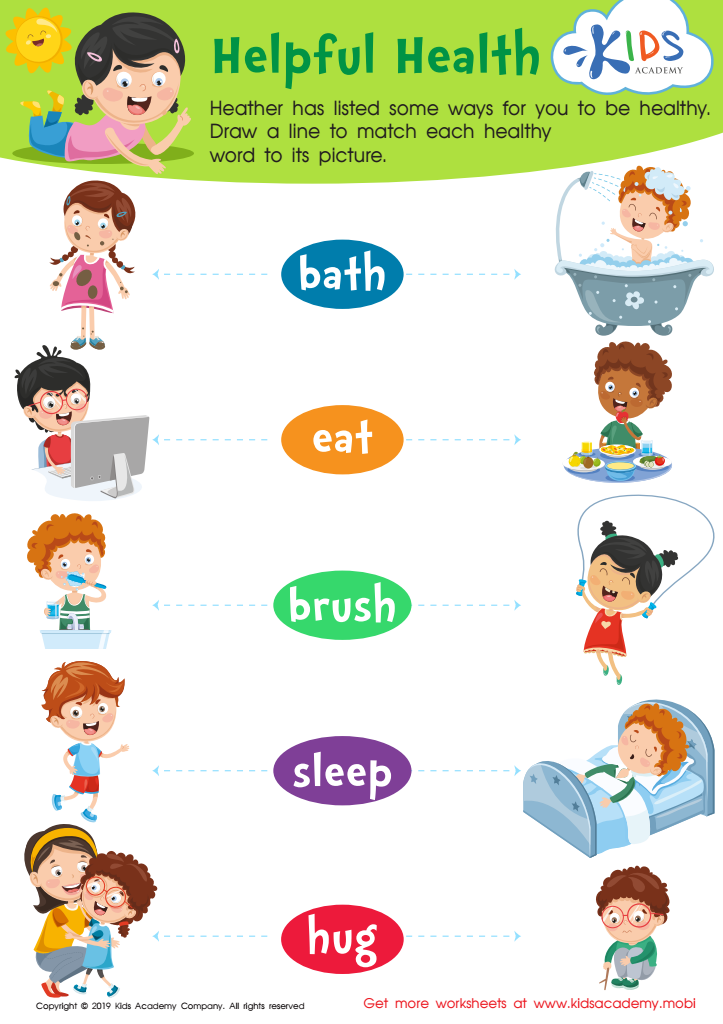
Helpful Health Worksheet
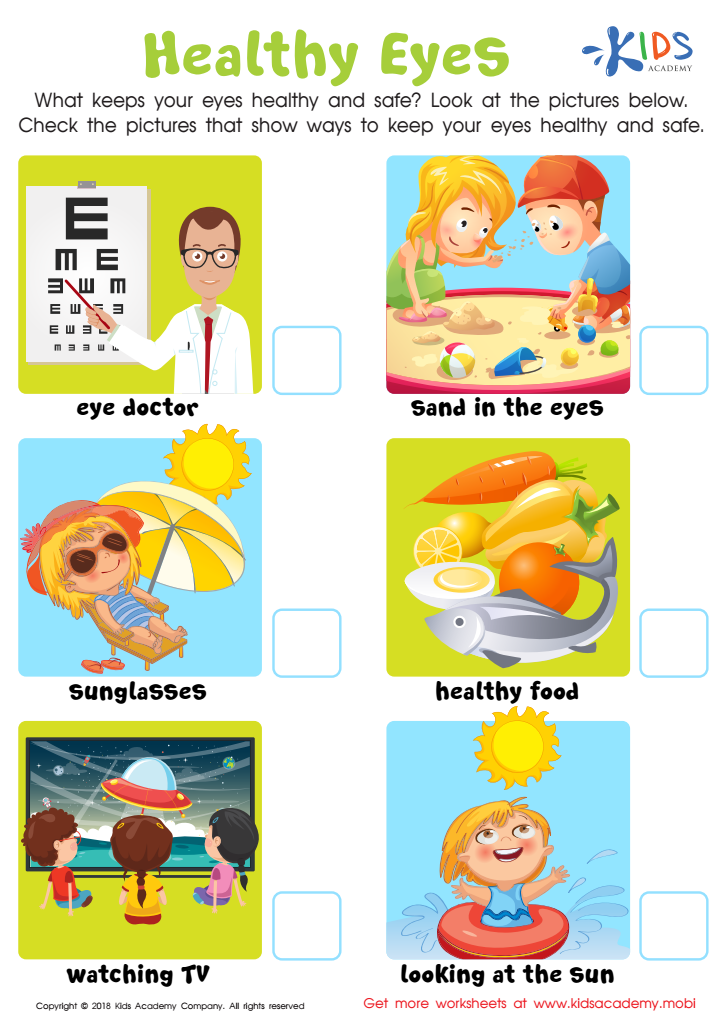
Healthy Eyes Worksheet
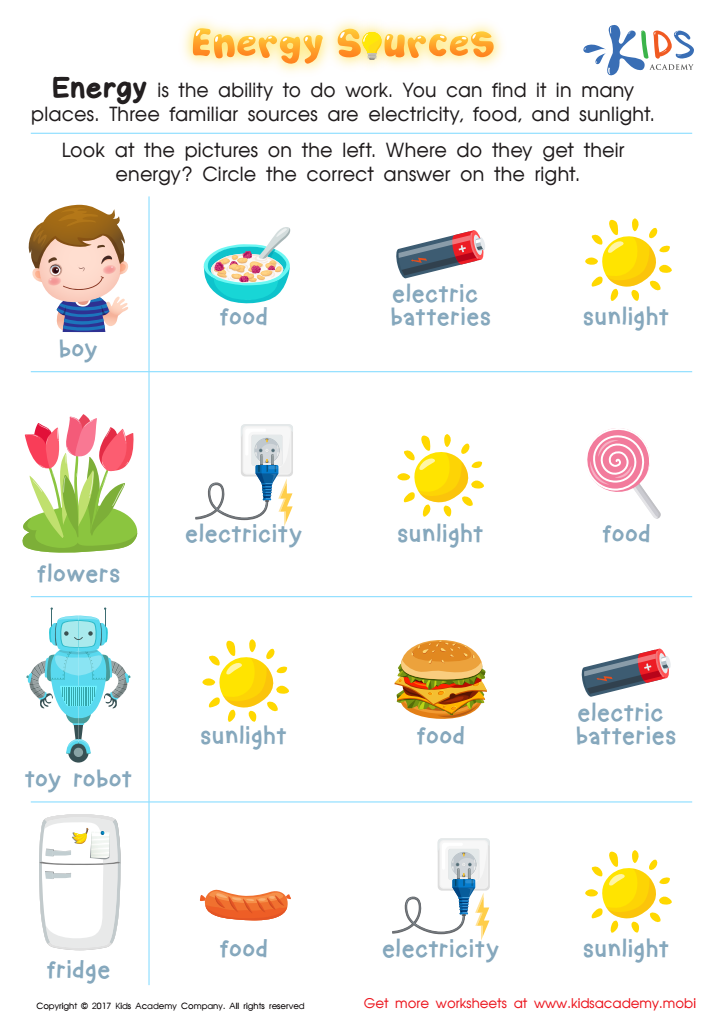
Energy Sources Printable
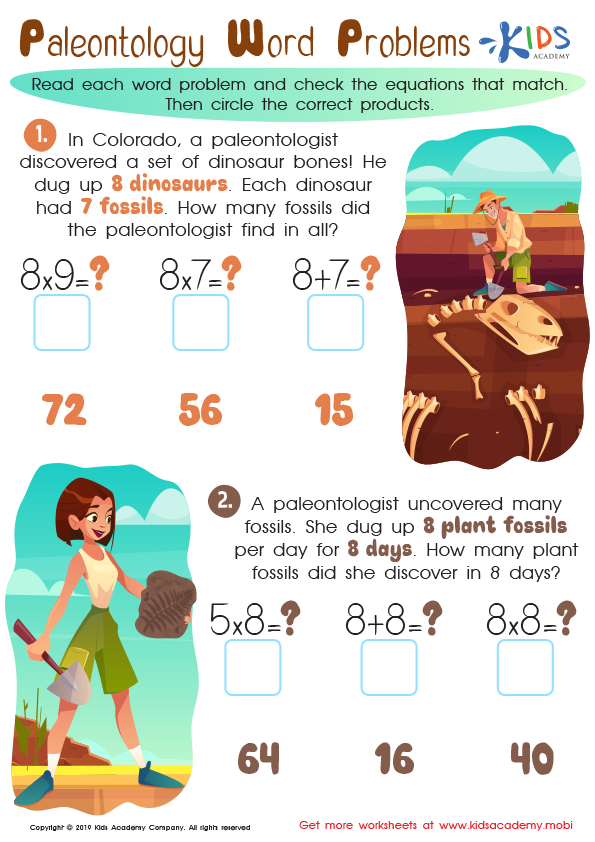
Archeology Word Problems Worksheet








Reading comprehension in early childhood is fundamental for cognitive development and future academic success, especially in subjects such as science. For children aged 4-8, mastering reading comprehension lays the foundation for their understanding of scientific concepts and terminology. When children grasp stories or texts, they develop critical thinking skills, learn to make connections, and explore cause and effect, all of which are essential elements in scientific inquiry.
By incorporating reading comprehension into early science education, parents and teachers encourage curiosity and exploration. Engaging stories about scientific topics can help demystify complex ideas and make them accessible, prompting young learners to ask questions and seek answers. This interest in science can inspire a lifelong passion for learning.
Furthermore, reading comprehension skills bolster communication abilities, allowing children to articulate their thoughts, hypotheses, and conclusions effectively. When children learn to understand and interpret reading material, it prepares them for collaborative work and enhances their engagement in hands-on activities.
Ultimately, fostering reading comprehension from an early age ensures that students are not only literate but also equipped with the tools to navigate and understand the scientific world around them. Educators and parents play a crucial role in this development, setting the stage for future success in both academic and real-world scenarios.







