Normal Beginning Consonants Worksheets for Ages 4-9
9 filtered results
-
From - To
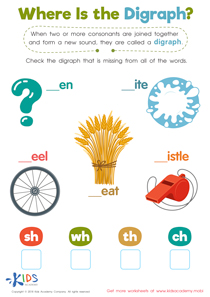
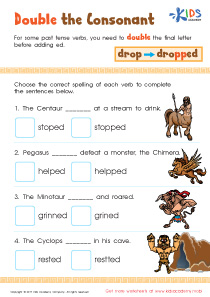
Discover our engaging Normal Beginning Consonants Worksheets, perfect for children aged 4-9! These thoughtfully designed worksheets help young learners master the initial sounds of letters through fun and interactive activities. Each worksheet features colorful illustrations and exercises that encourage kids to identify, trace, and write beginning consonants, boosting their literacy and phonemic awareness skills. Whether in the classroom or at home, our resources provide a playful way to reinforce learning. Explore our extensive collection to stimulate your child's love for reading and language. Start their journey toward fluency today with our comprehensive array of beginning consonant exercises!
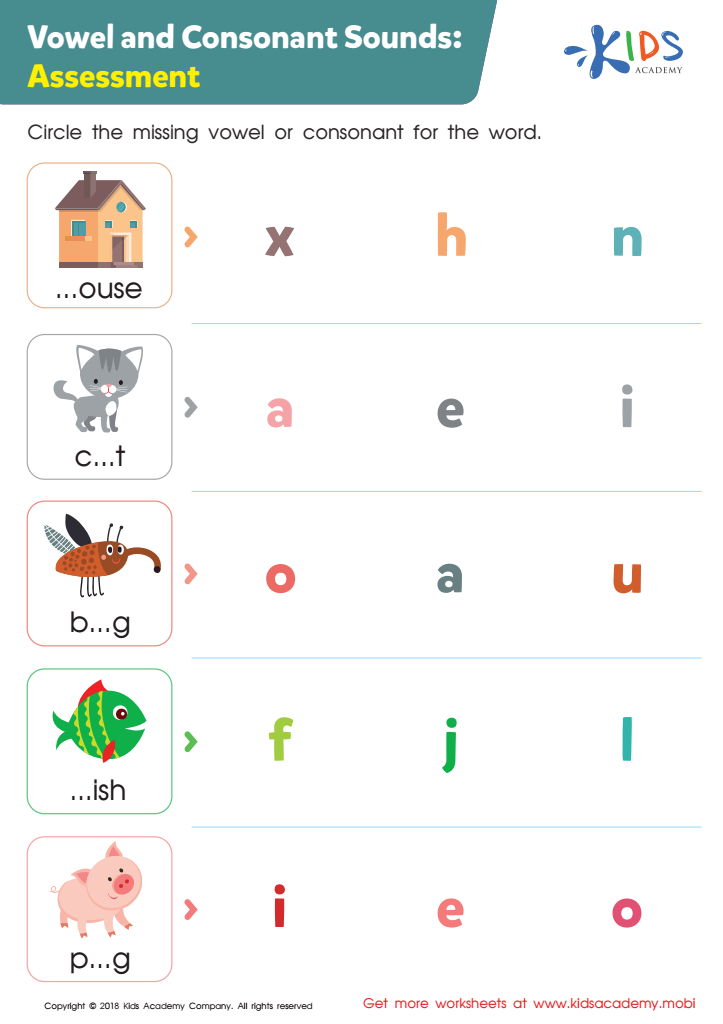
Vowel and Consonant Sounds: Assessment Worksheet
 Assign to My Students
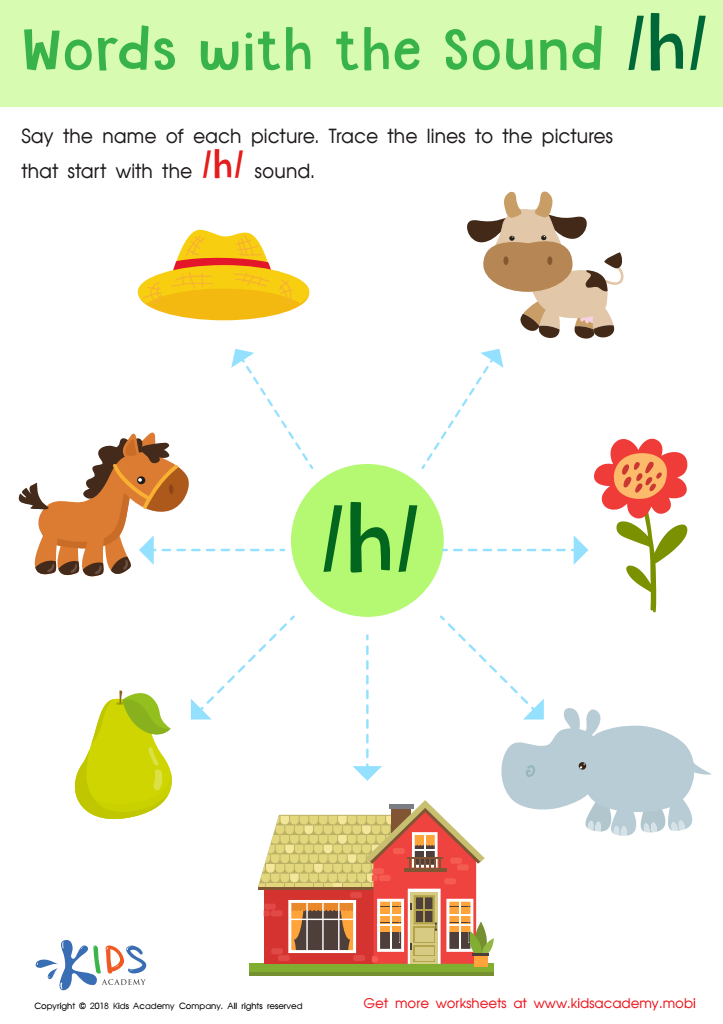
Words with sound h Reading Worksheet
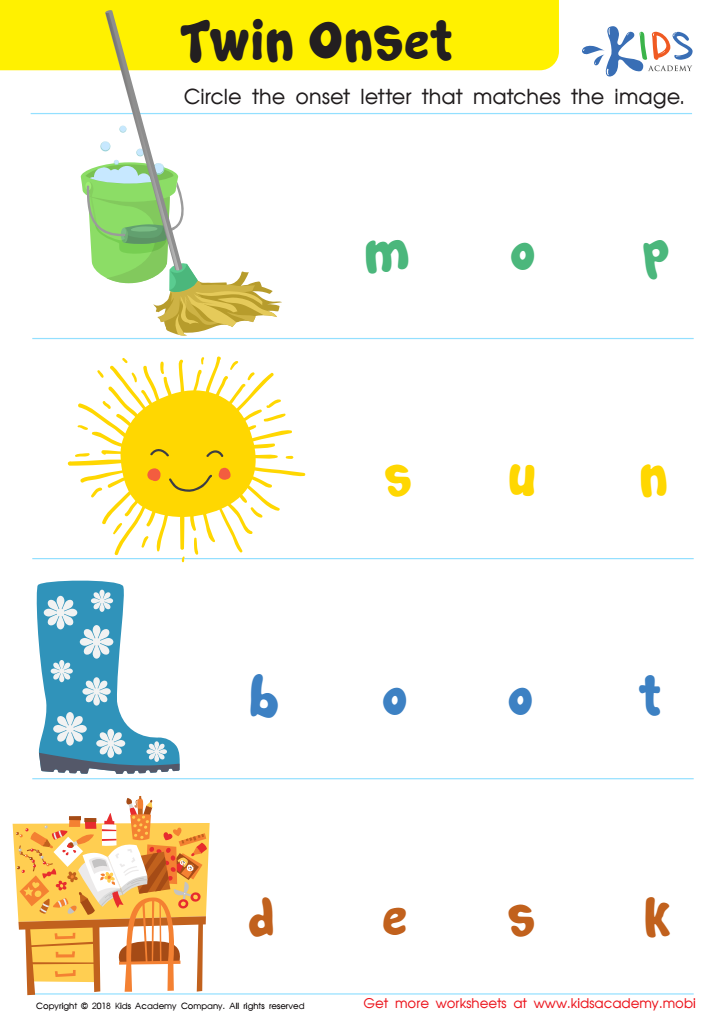
Twin Onset Worksheet
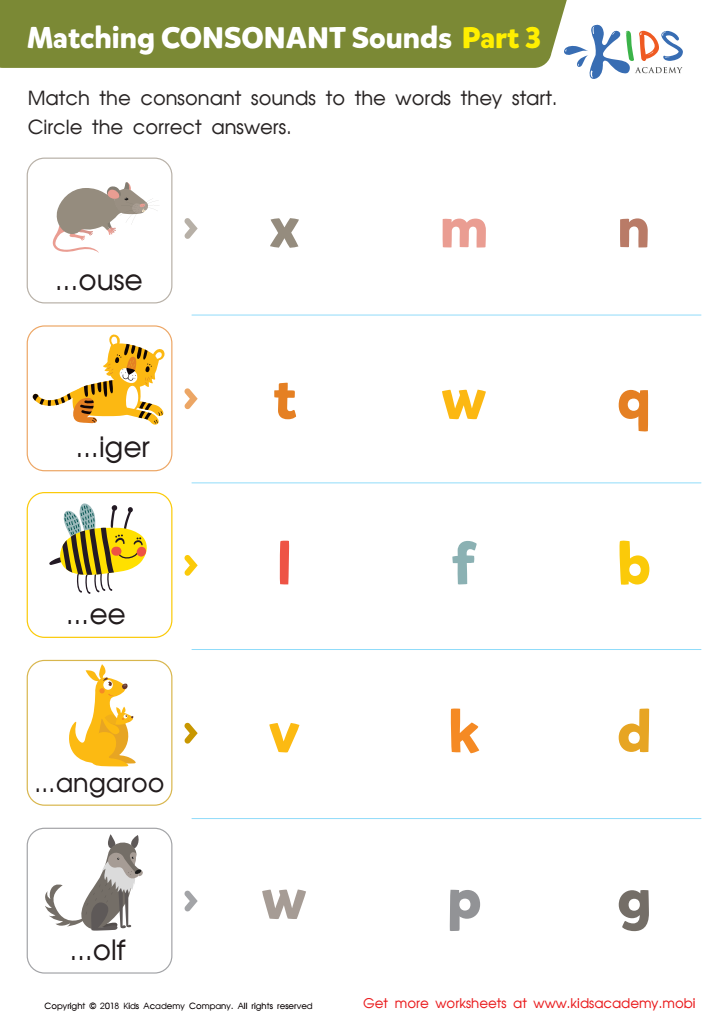
Matching Consonant Sounds: Part 3 Worksheet
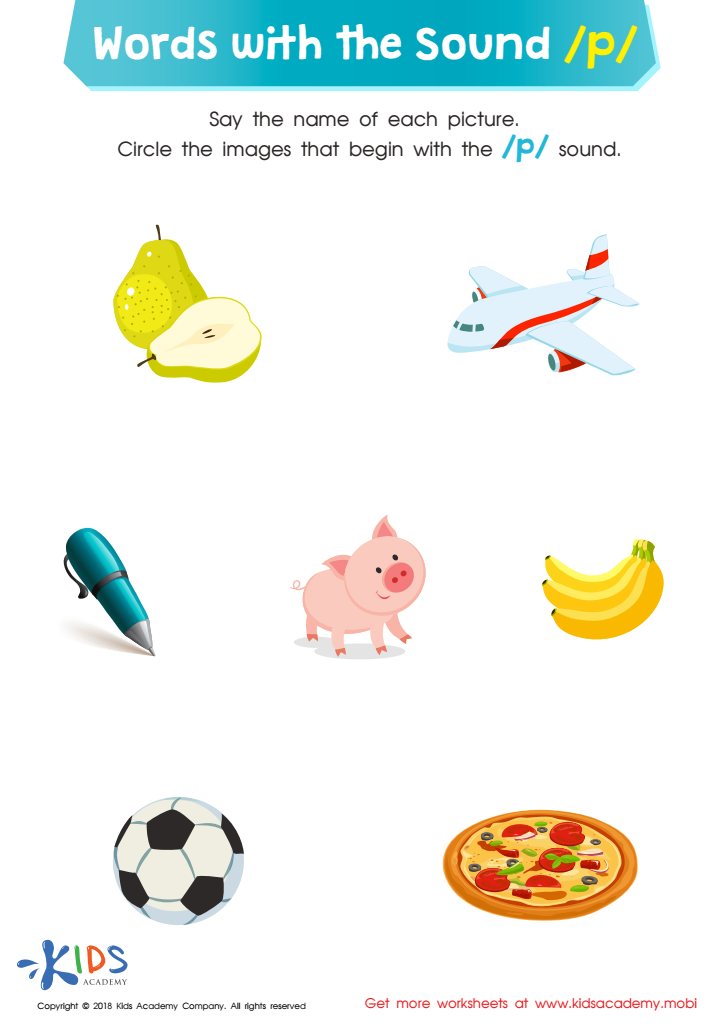
Words with sound p Reading Worksheet
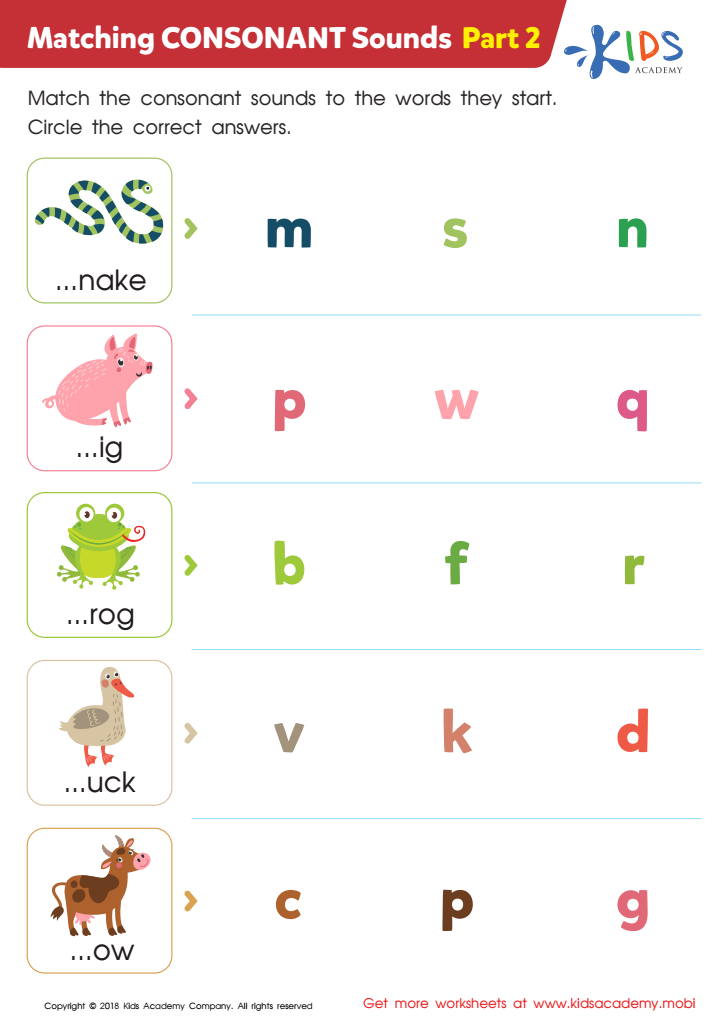
Matching Consonant Sounds: Part 2 Worksheet
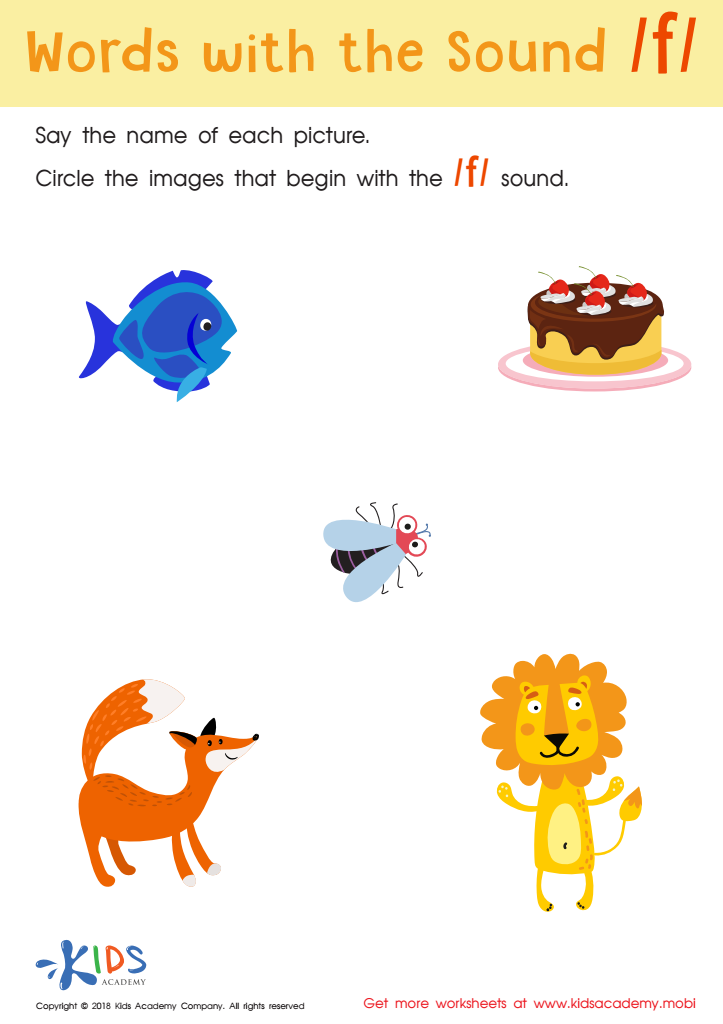
Words with sound f Reading Worksheet
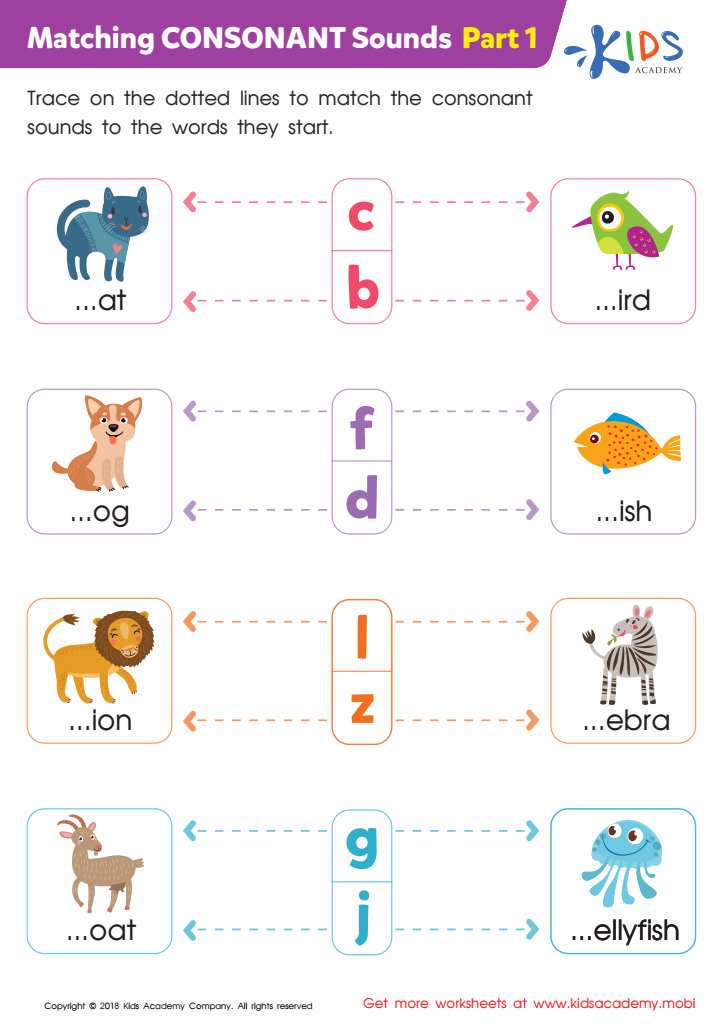
Matching Consonant Sounds: Part 1 Worksheet
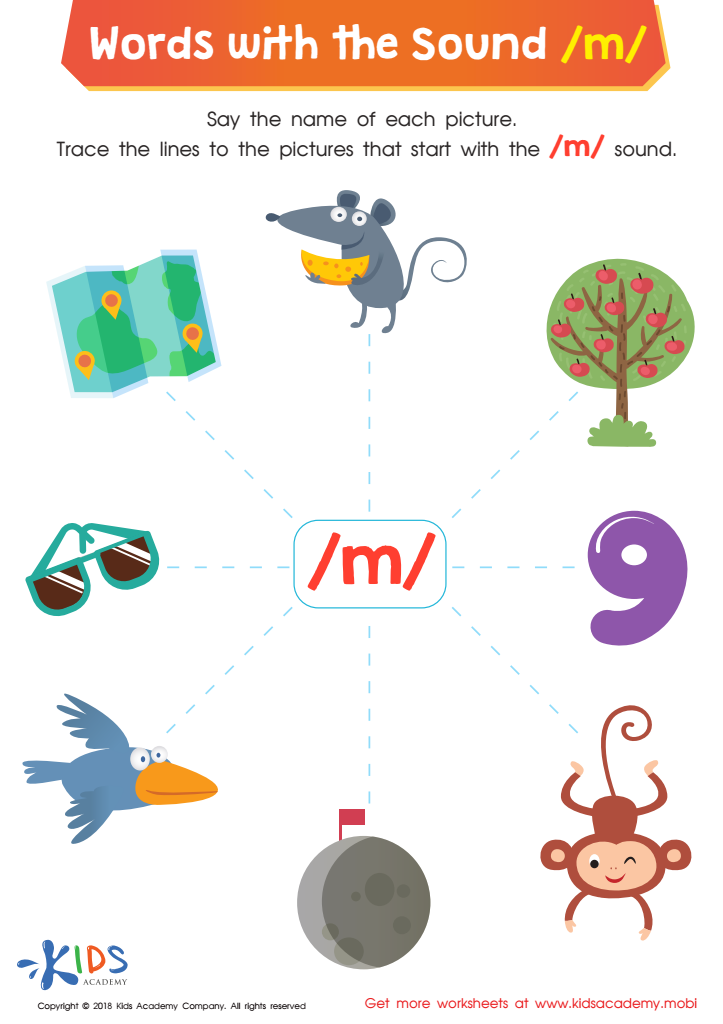
Words with Sound M Reading Worksheet


Normal beginning consonants are crucial for children aged 4-9 as they lay the foundation for effective reading and writing skills. Recognizing and pronouncing consonants correctly enables children to decode words, enhancing their ability to read fluently and confidently. Mastery of normal beginning consonants helps children grasp phonemic awareness, a critical skill linked to successful literacy development.
Moreover, early exposure to consonants aids vocabulary expansion. As children learn to identify consonants, they can engage in sound-letter correspondence, paving the way for effective spelling. This is especially important as written communication starts to play a more significant role in their educational journey.
Additionally, focusing on beginning consonants promotes language development and articulation. Mastery of these sounds helps prevent speech delays and issues, fostering clear communication skills that are beneficial both socially and academically.
Parents and teachers play a vital role in integrating engaging activities that emphasize consonant sounds, such as storytelling and phonics games. By prioritizing normal beginning consonants, caregivers can cultivate self-expression, boost confidence, and create a robust foundation for future literacy success, thereby ensuring children fully participate in their educational experiences. Ultimately, nurturing these skills equips children for lifelong learning.