Normal Consonants Worksheets for Ages 4-9 - Page 2
26 filtered results
-
From - To
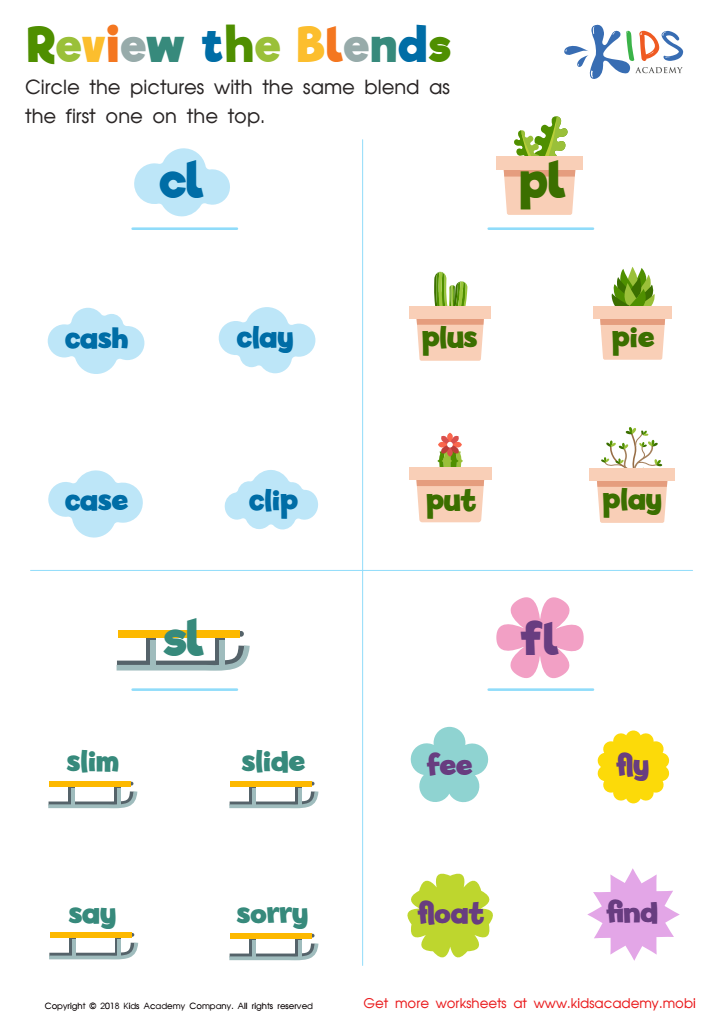
Review the Blends Worksheet
 Assign to My Students
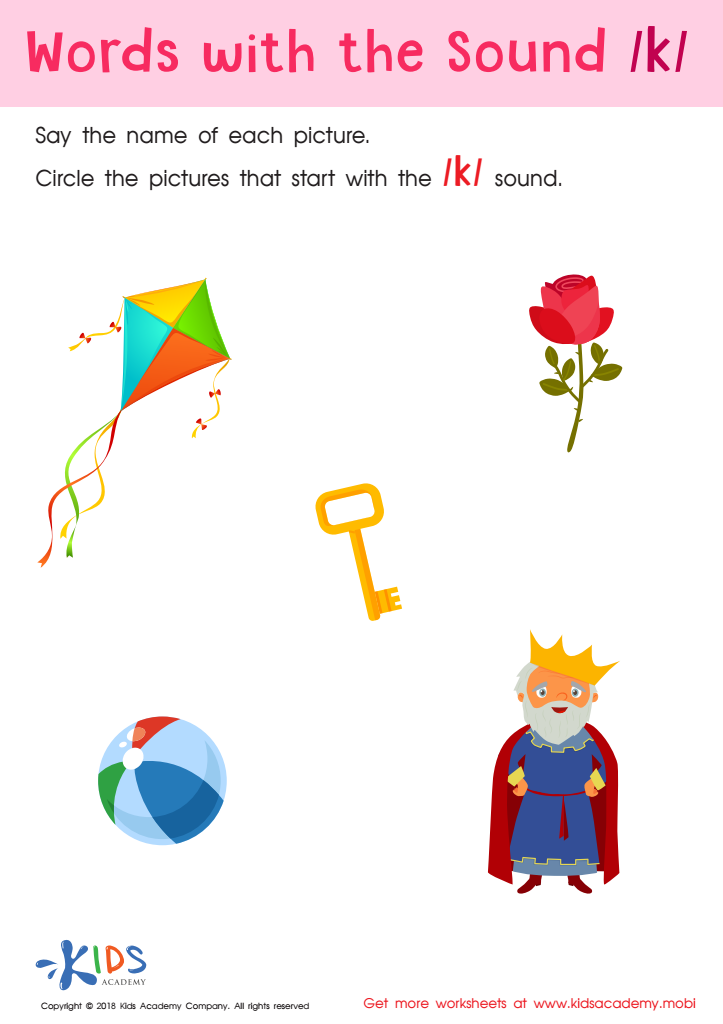
Words with sound k Reading Worksheet



Normal Consonants are integral to early language development in children aged 4-9. Mastering these sounds helps young learners progress in reading and writing skills. When parents and teachers emphasize consonants during these formative years, they provide a solid foundation for language acquisition that impacts overall literacy.
Consonants play a crucial role in word formation and phonemic awareness, allowing children to understand the relationships between sounds and letters. This awareness is pivotal for decoding words, an essential skill for reading proficiency. By focusing on Normal Consonants, educators can facilitate improved pronunciation and articulation, ensuring that children can express themselves clearly and confidently.
Furthermore, children in this age group are naturally curious and eager to learn. Teaching consonants in engaging ways—like through songs, games, and storytelling—can foster a love for language and literacy. Involvement in musical play and interactive activities helps retain interest, making learning enjoyable.
Lastly, early mastery of consonants lays the groundwork for advanced language skills, enabling children to tackle increasingly complex reading materials in later grades. Parents and teachers play a vital role in this developmental journey, and nurturing a strong understanding of consonants will benefit children's educational outcomes in the long run.






