Spelling practice Normal Phonics Worksheets for Ages 4-9 - Page 2
47 filtered results
-
From - To
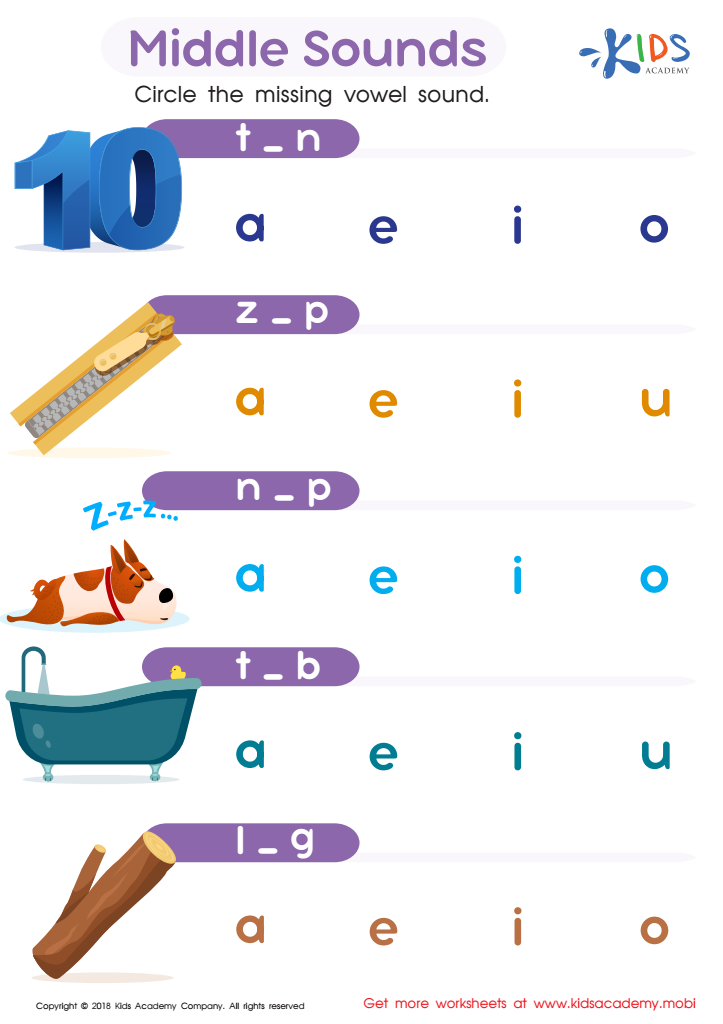
Middle Sounds Worksheet
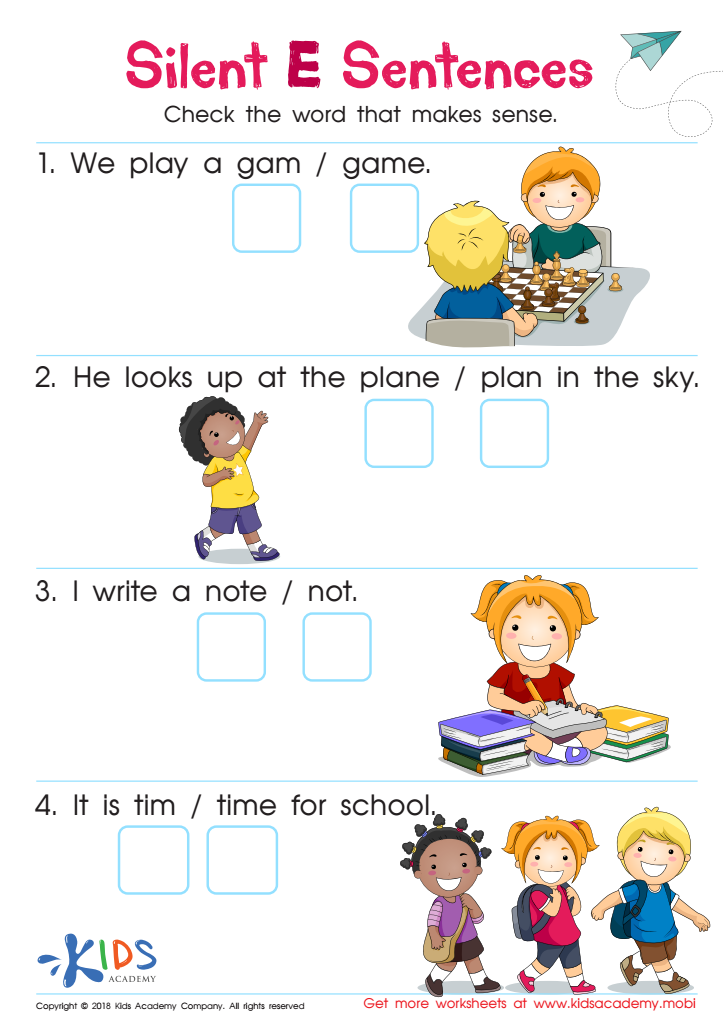
Silent E Sentences Worksheet
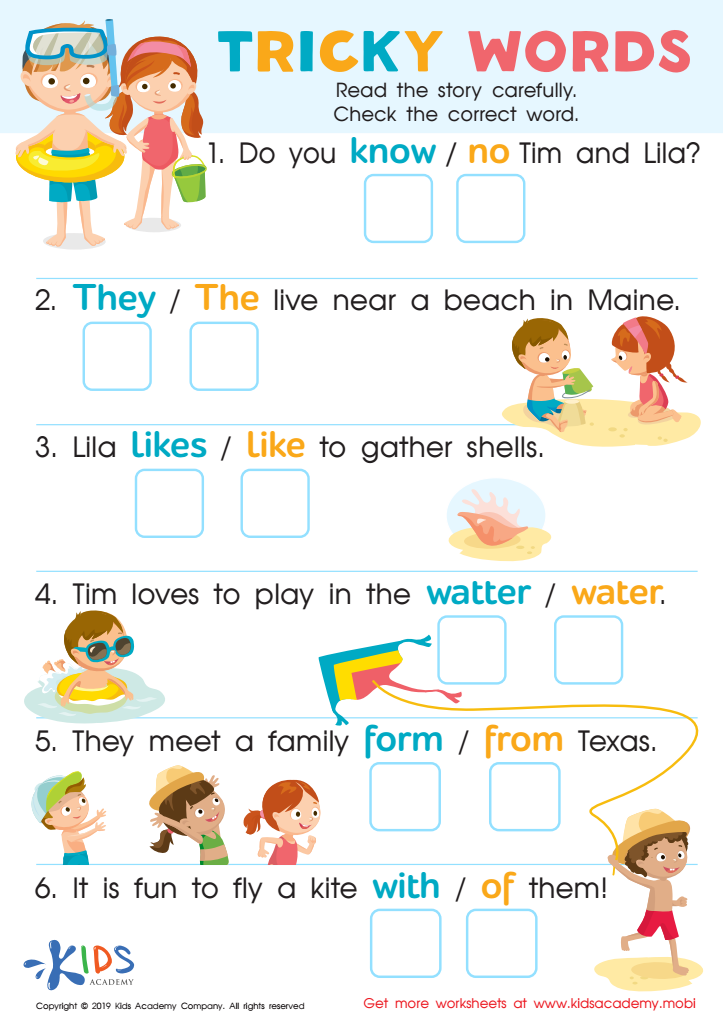
Tricky Words Worksheet
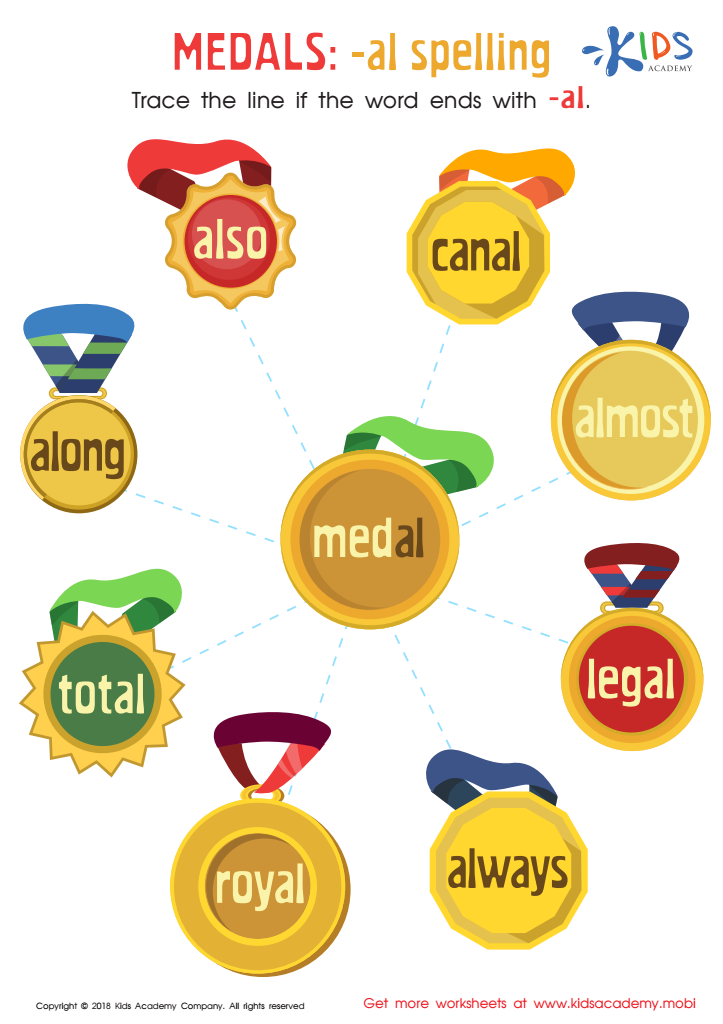
Medals: Al Spelling Worksheet
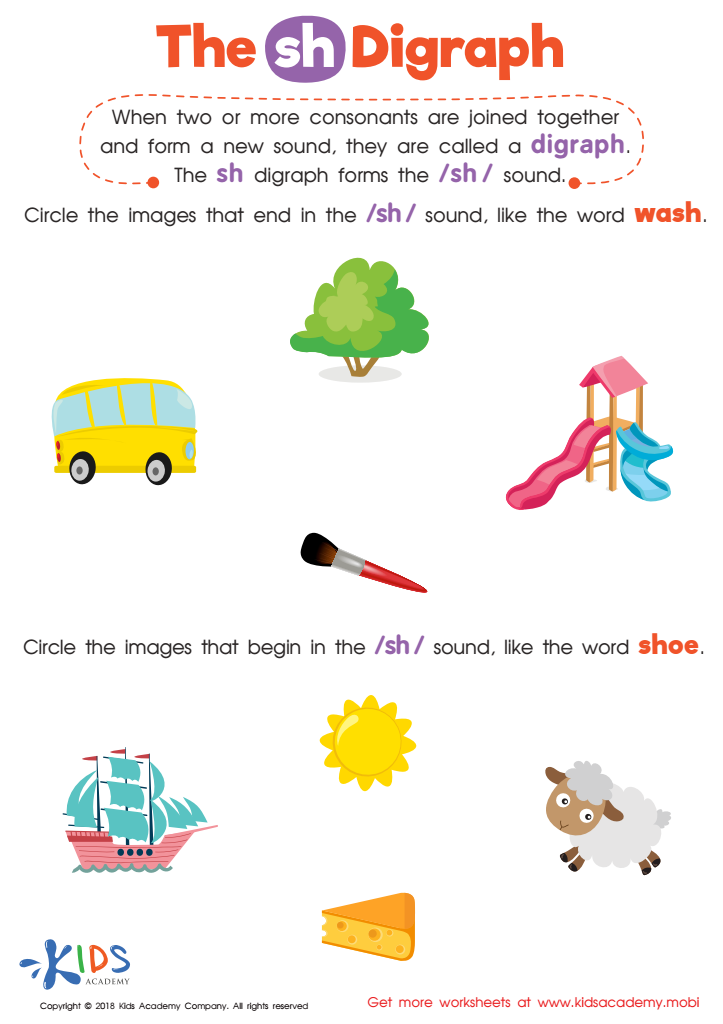
The SH Digraph Worksheet
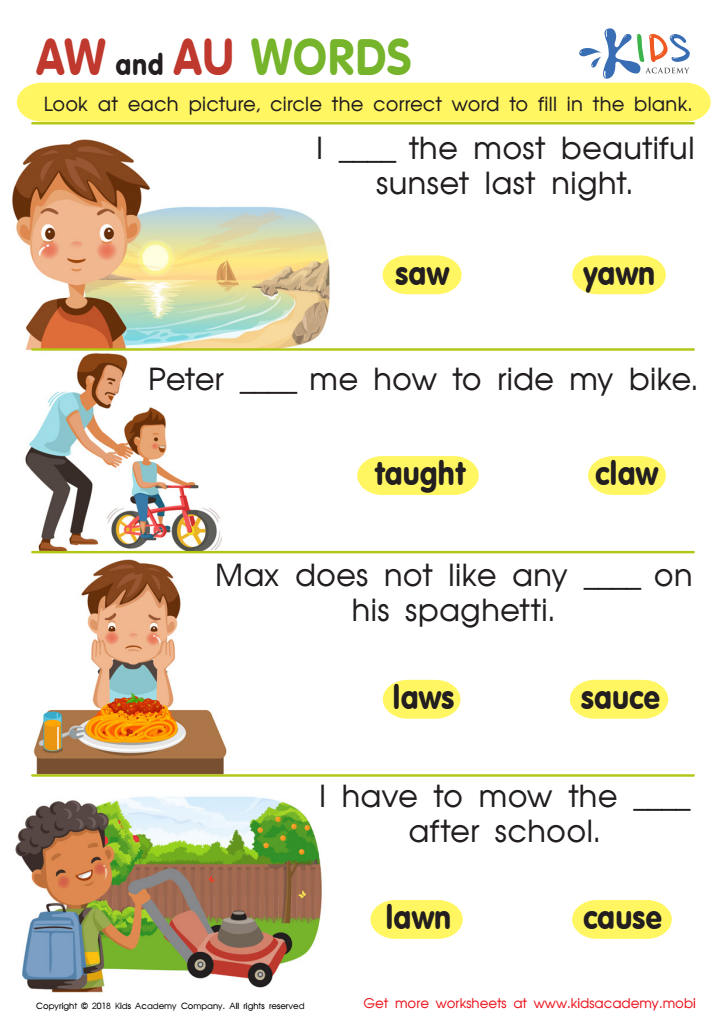
Reading: AW and AU Words Worksheet
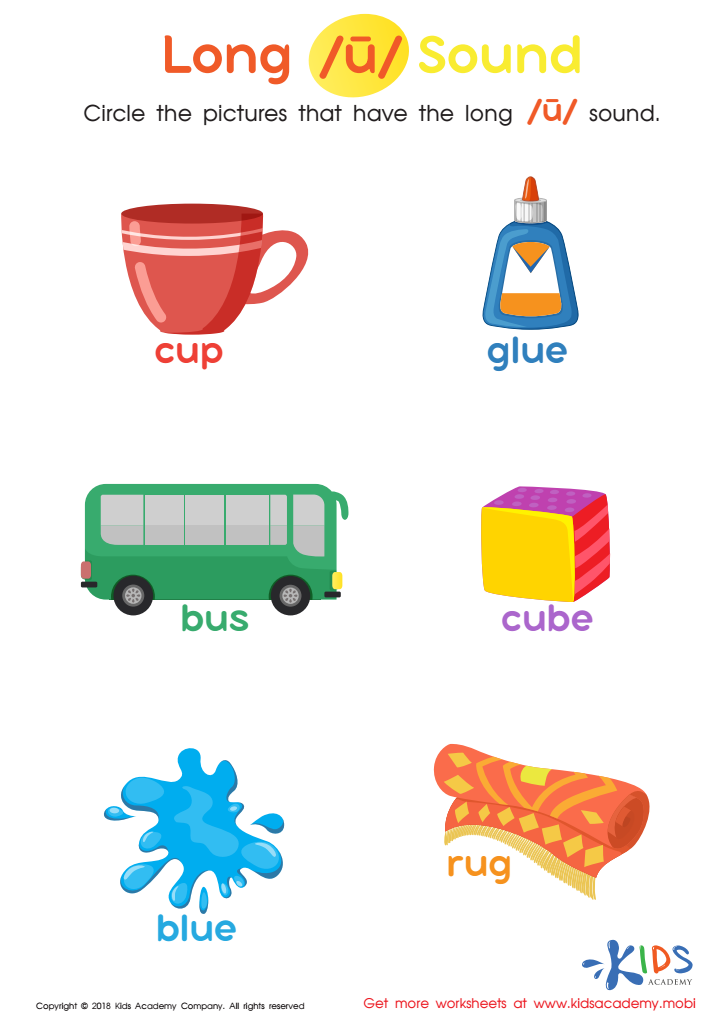
Long «u» Sound Worksheet
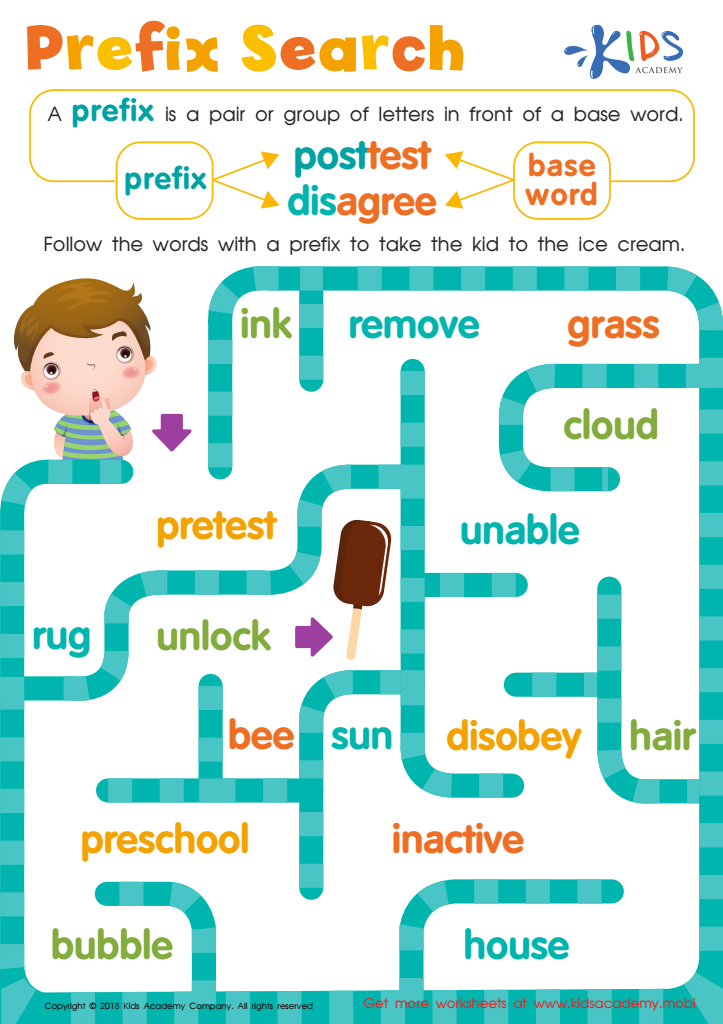
Reading: Prefix Search Worksheet
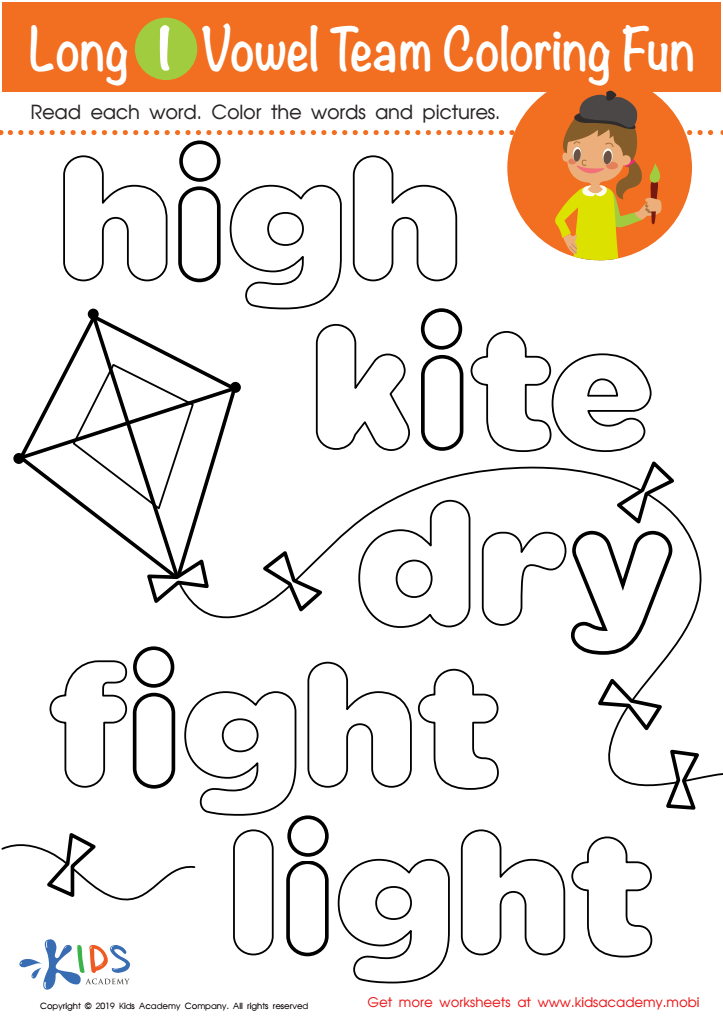
Long I Vowel Team Coloring Worksheet
 Assign to My Students
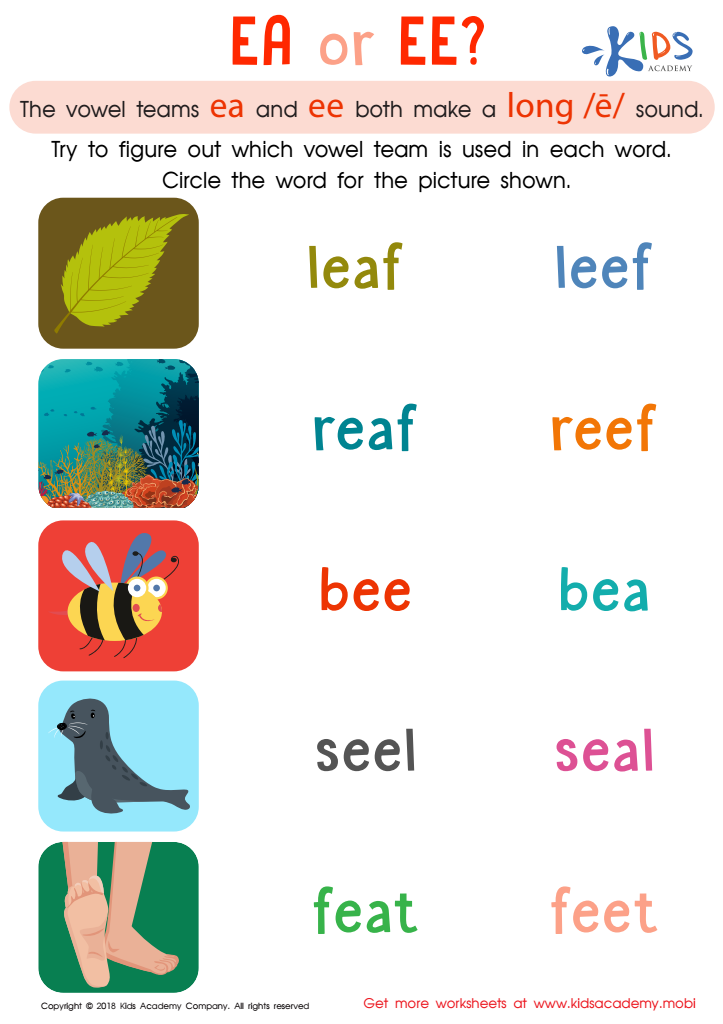
Reading: EA and EE Worksheet
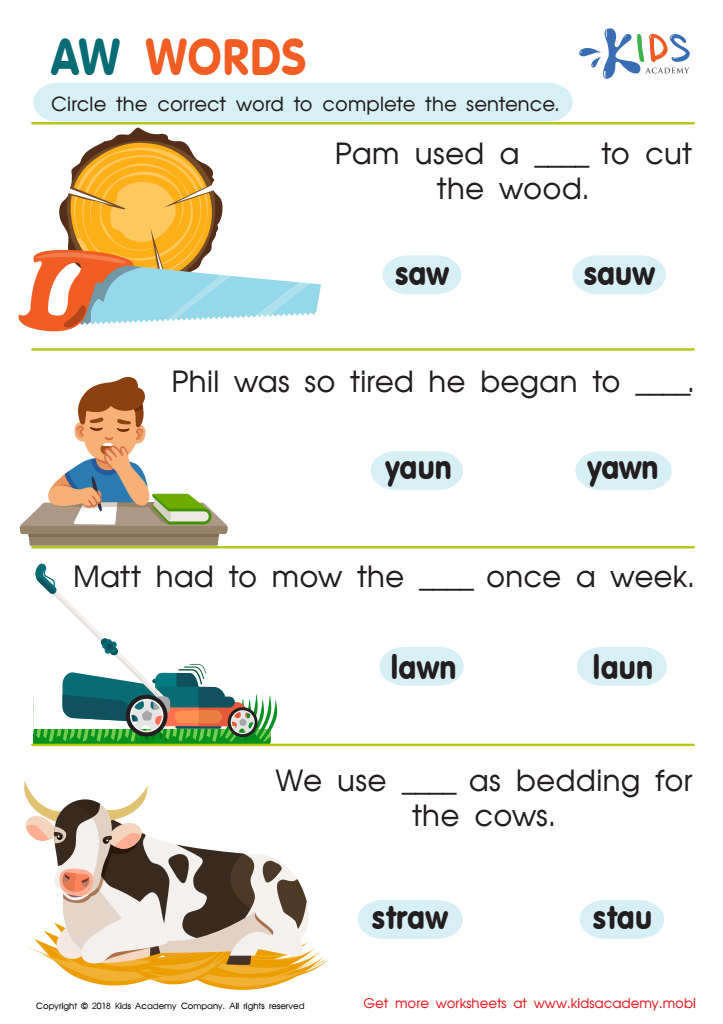
Reading: AW Words Worksheet
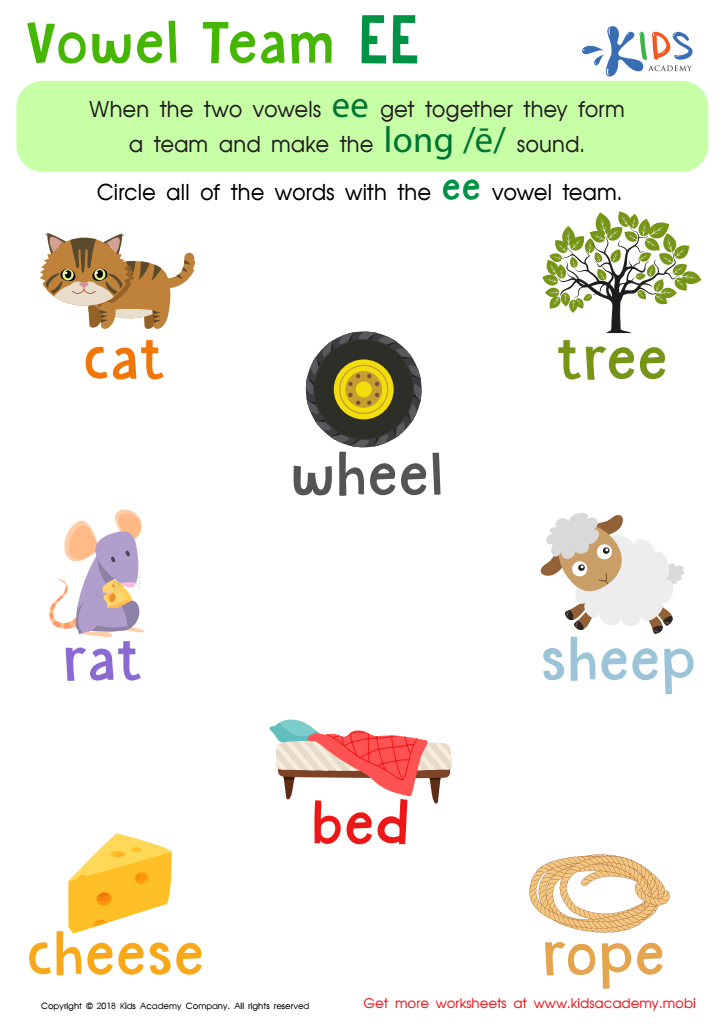
Reading: Vowel Team EE Worksheet
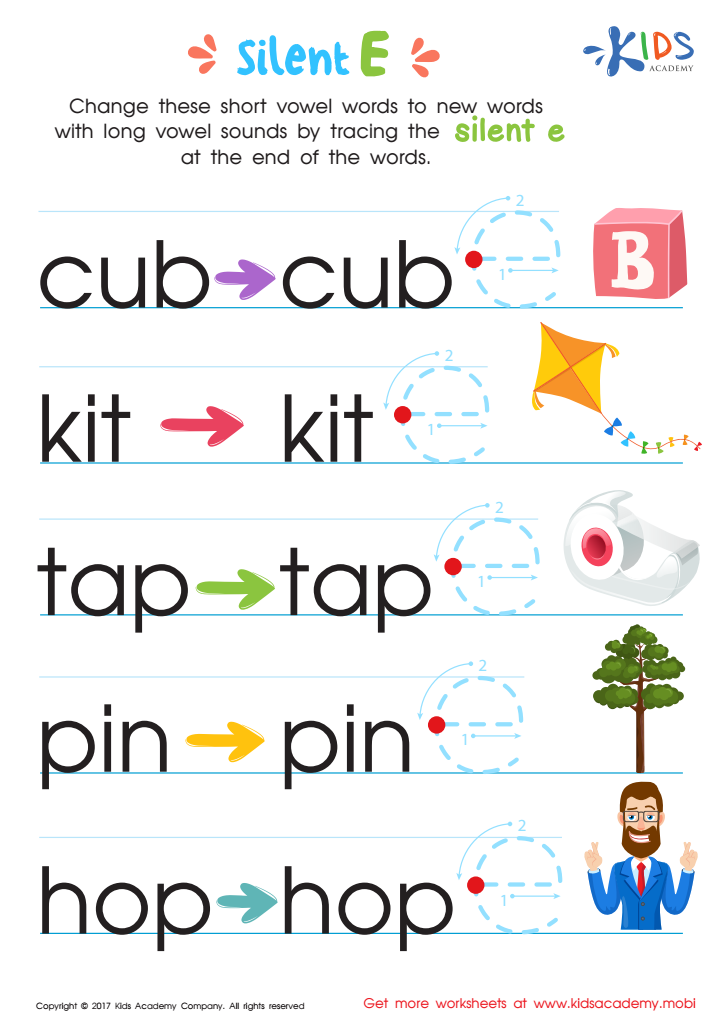
Silent E Words Worksheet
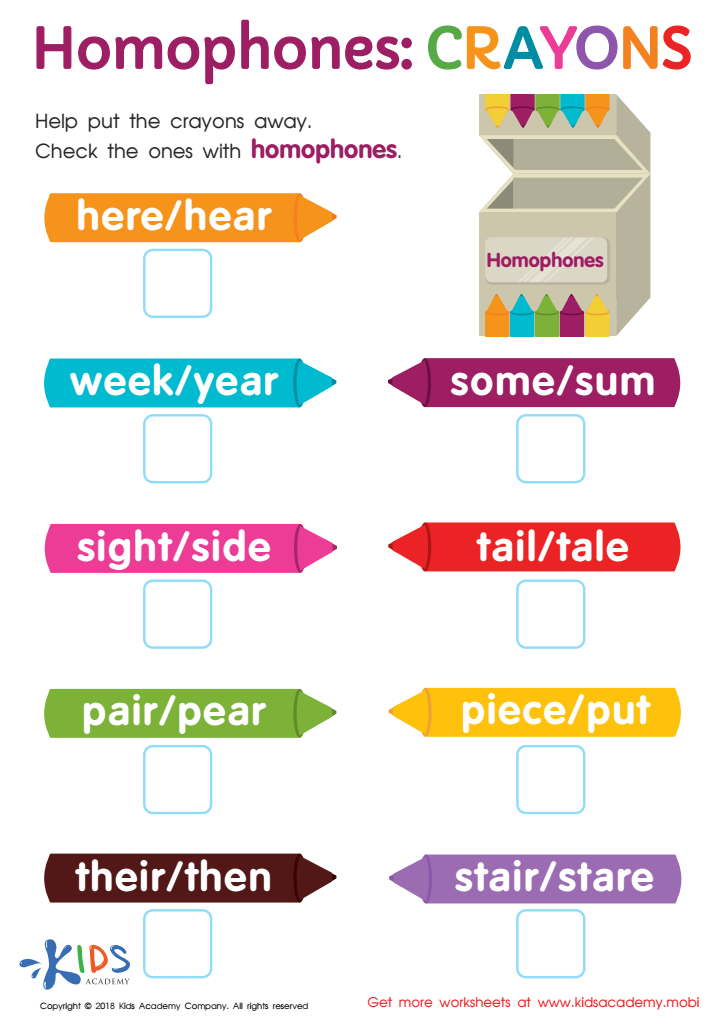
Homophones: Crayons Worksheet
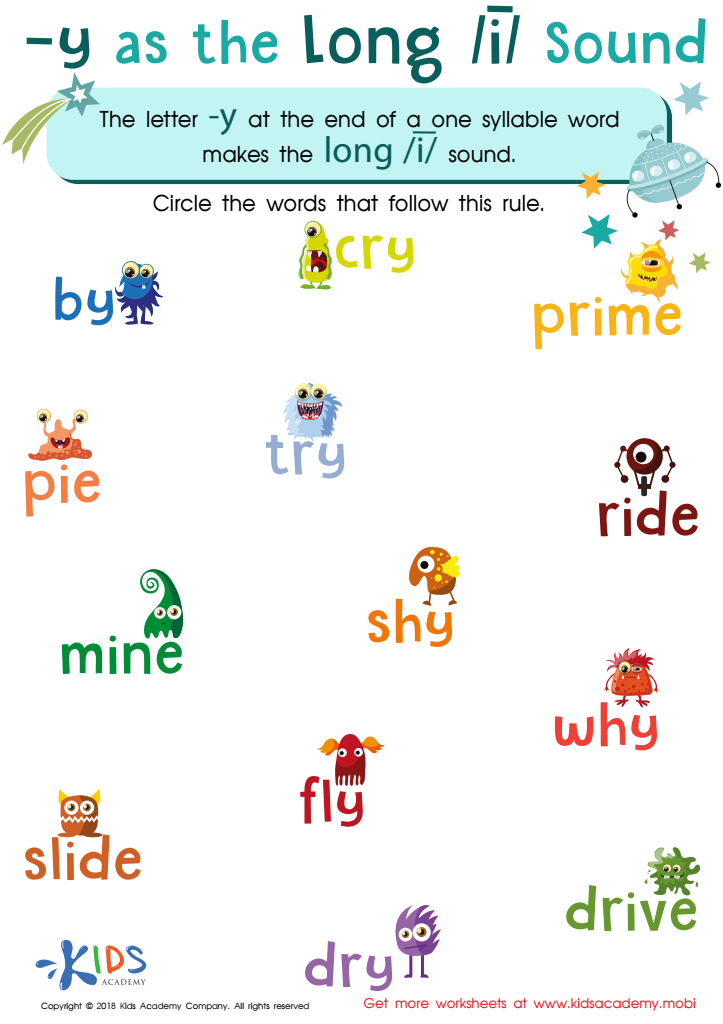
Reading: Y as Long I Worksheet
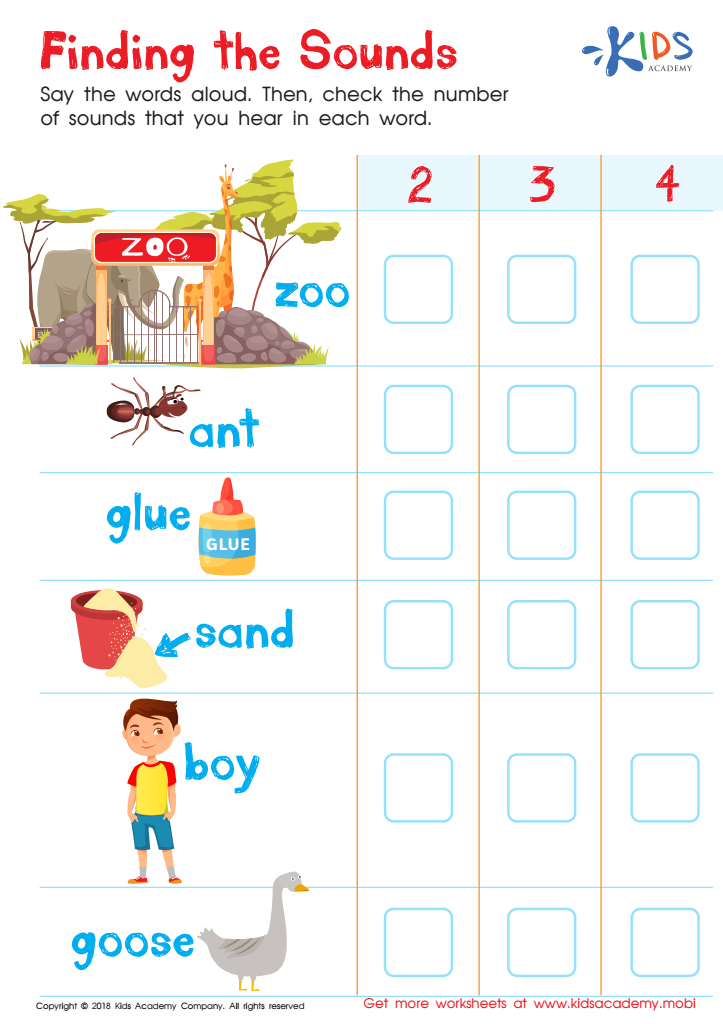
Finding the Sounds Worksheet
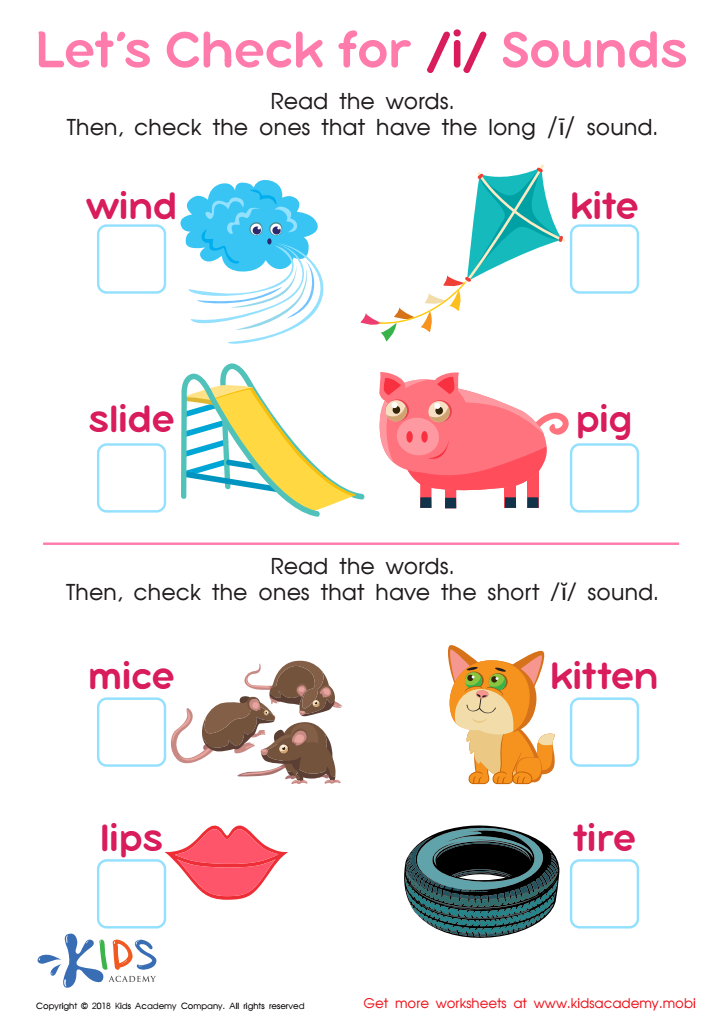
Let's Check for «i» Sounds Worksheet
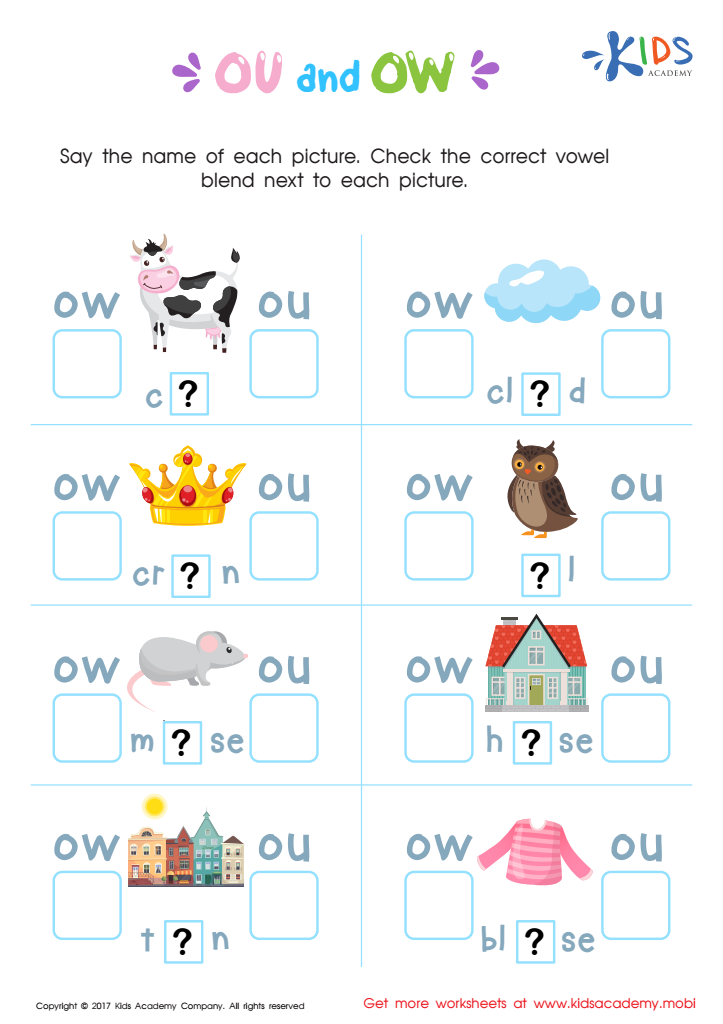
OU and OW Words Worksheet
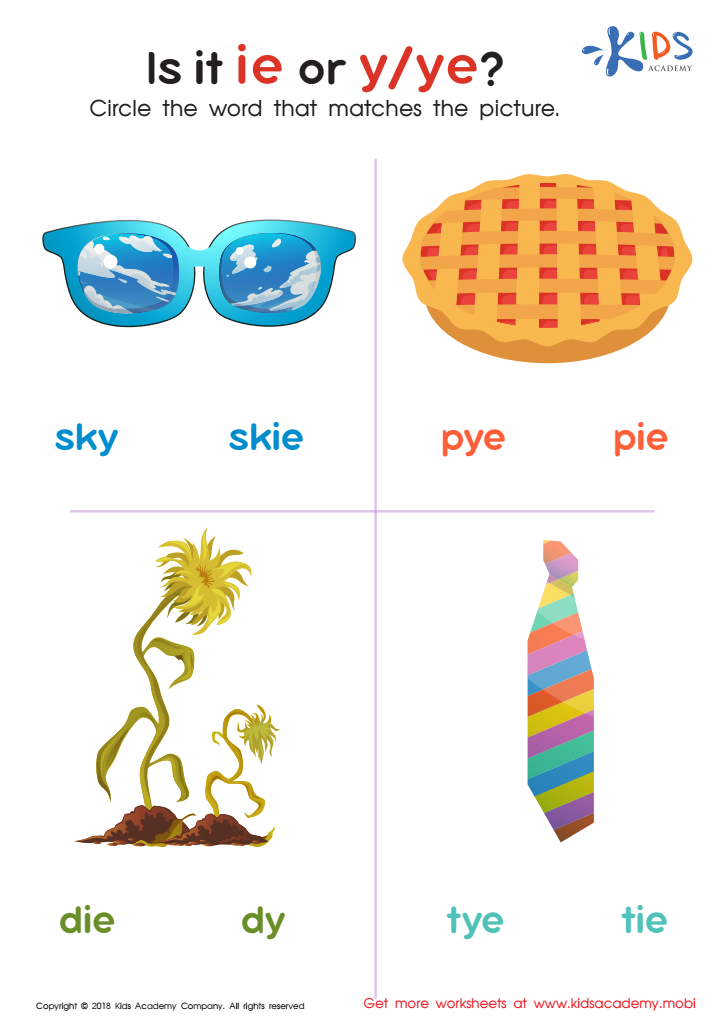
Is It IE or Y/Ye? Worksheet
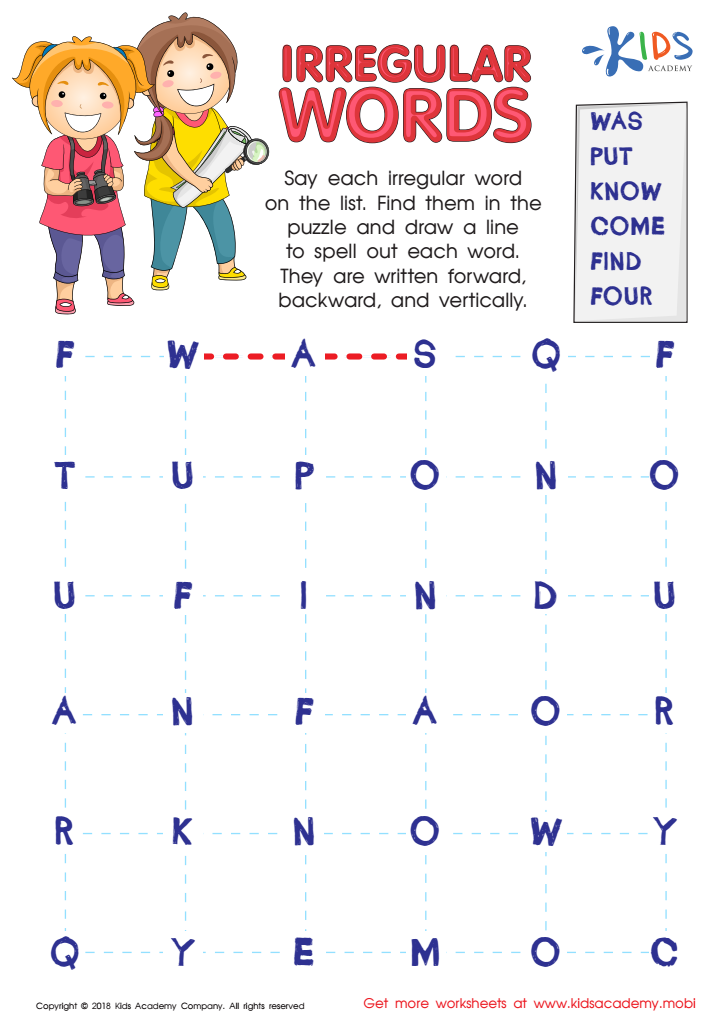
Irregular Words Worksheet
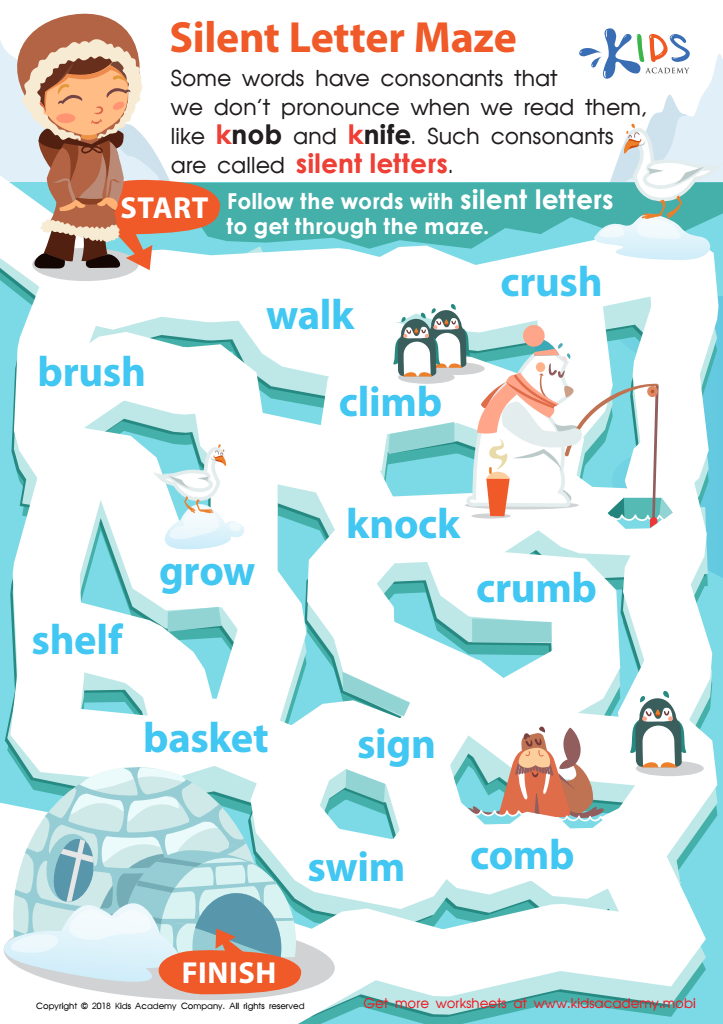
Silent Letter Maze Worksheet
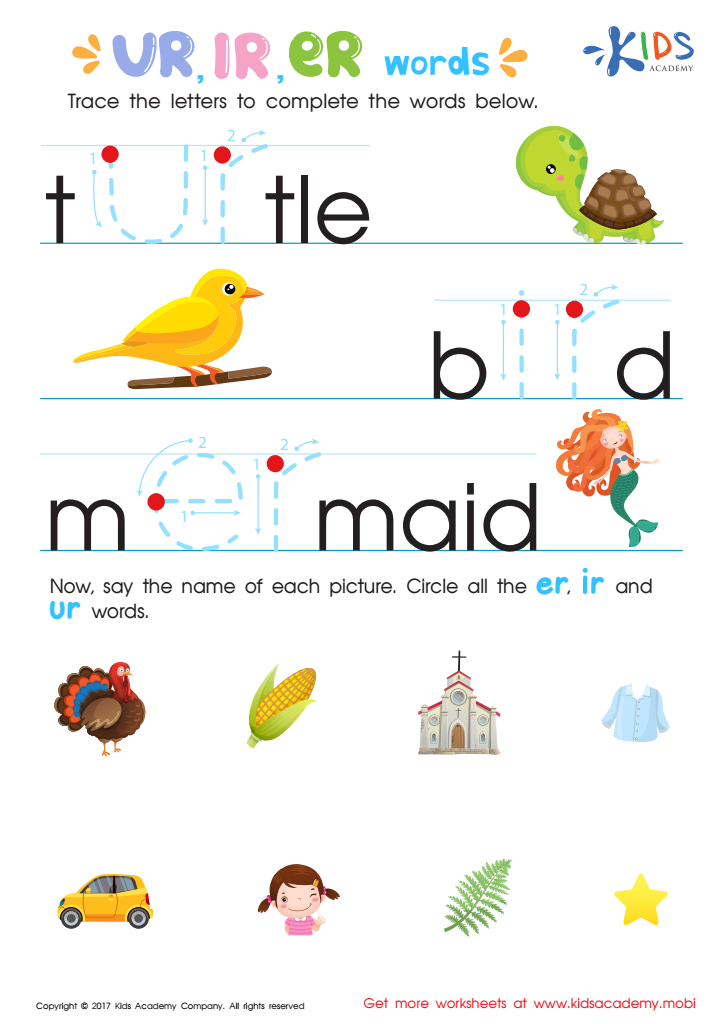
IR UR ER Words Worksheet
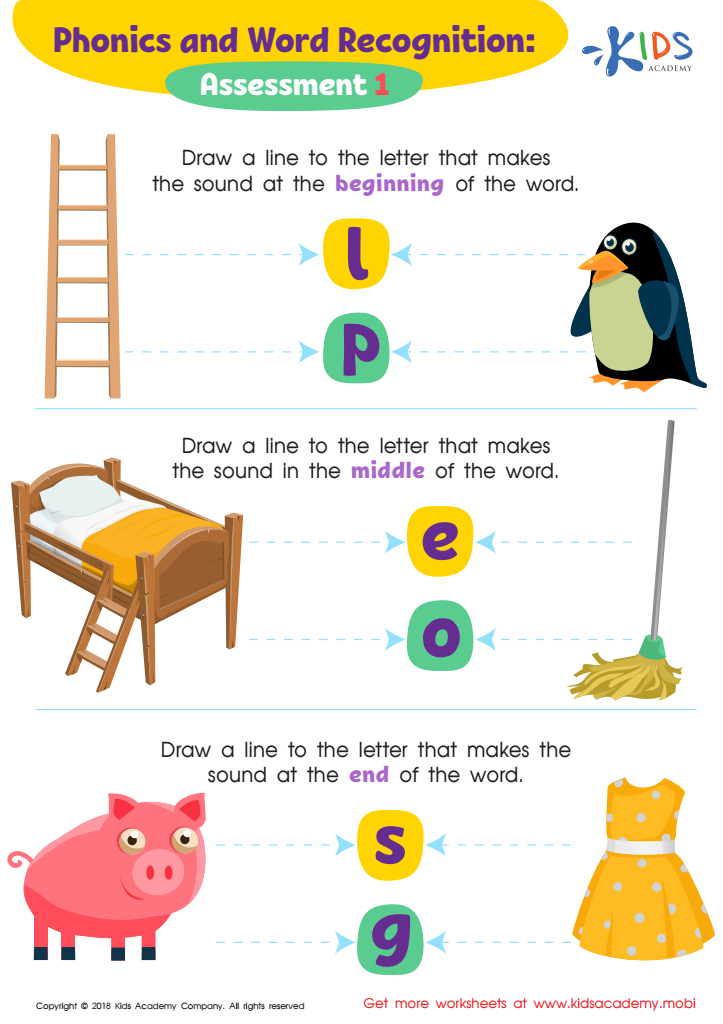
Phonics and Word Recognition: Assessment 1 ELA Worksheet








Spelling practice and normal phonics instruction for children aged 4-9 are foundational elements in early literacy development. Parents and teachers should care about these components because they play a critical role in helping young learners become proficient in reading and writing. Phonics instruction teaches children the relationships between letters and sounds, which is essential for decoding words. As children understand these relationships, they can begin to read unfamiliar words independently, building their confidence and enthusiasm for reading.
Spelling practice reinforces phonics instruction by helping children solidify their understanding of sound-letter correspondences and common spelling patterns. This not only enhances their ability to spell words correctly but also aids in improving reading fluency and comprehension. When children spell words, they also expand their vocabulary and grasp the rules of the English language, which are necessary skills for effective communication.
Moreover, consistent spelling and phonics practice during these formative years sets the groundwork for academic success. Children who develop strong literacy skills early on are more likely to excel in other academic areas, as reading and writing are integral to all subjects. For these reasons, both parents and teachers should prioritize spelling and phonics practice to support children’s overall cognitive and academic development.







