Basic Math Skills Normal Worksheets for Ages 4-9 - Page 2
43 filtered results
-
From - To
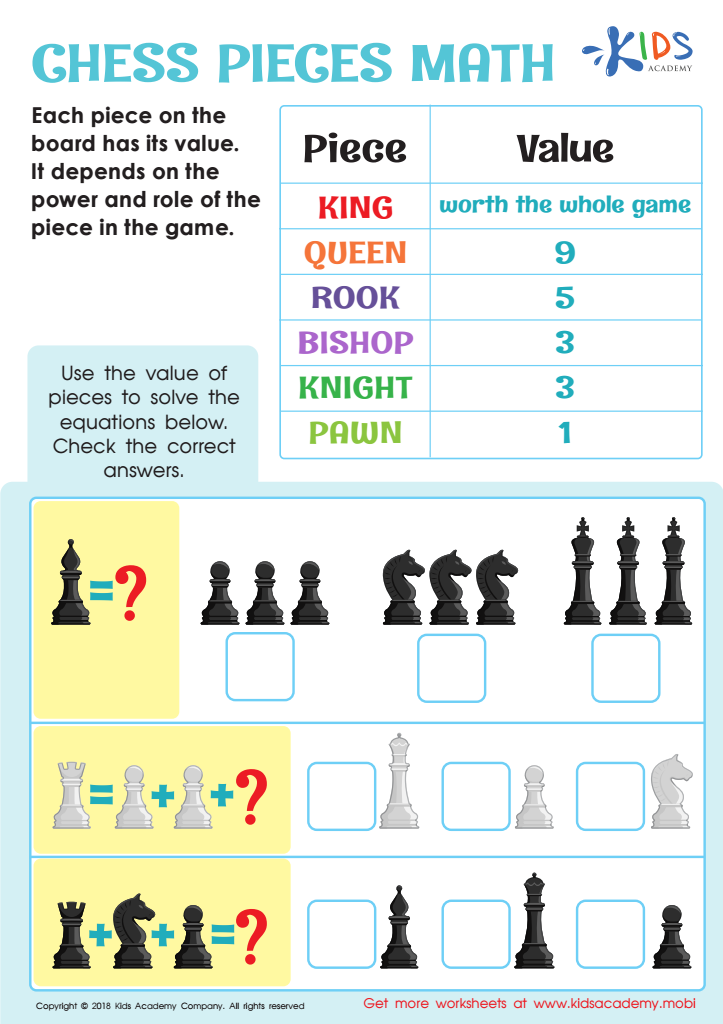
Chess Pieces Math Worksheet
 Assign to My Students
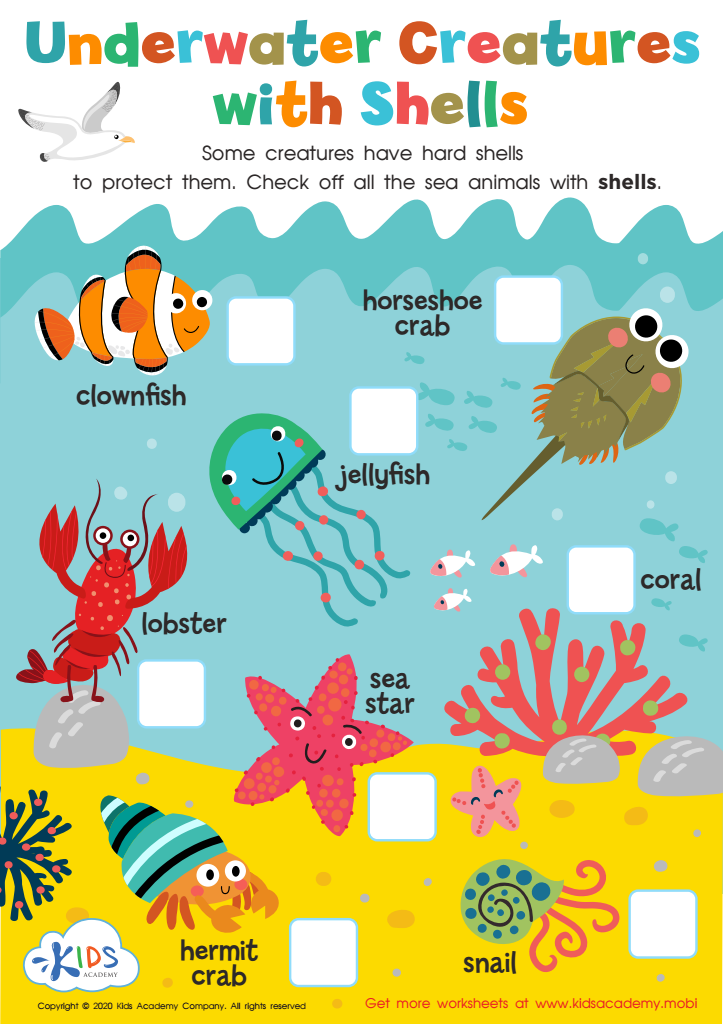
Underwater Creatures with Shells Worksheet
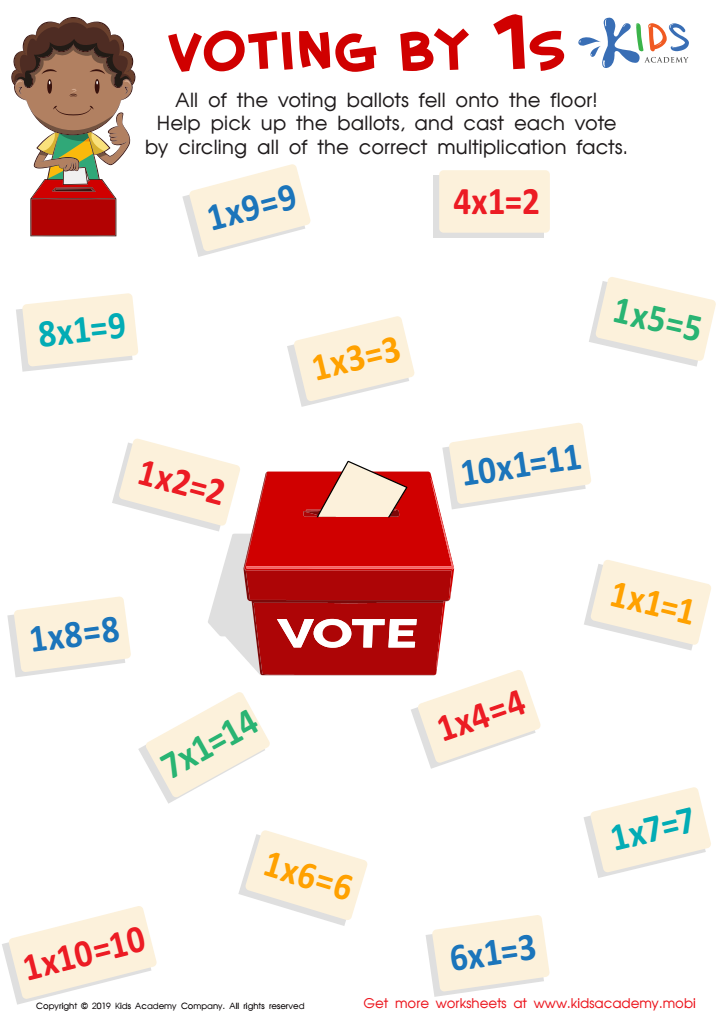
Voting by 1s Worksheet

Count and Match Vegetables and Points Math Worksheet
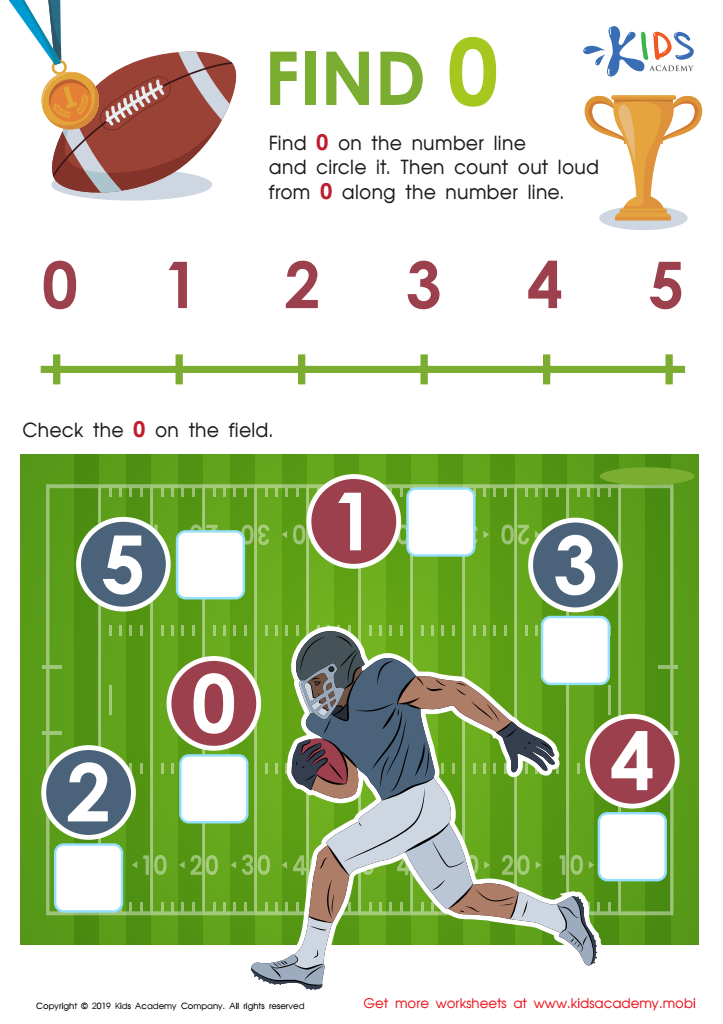
Find 0 Worksheet
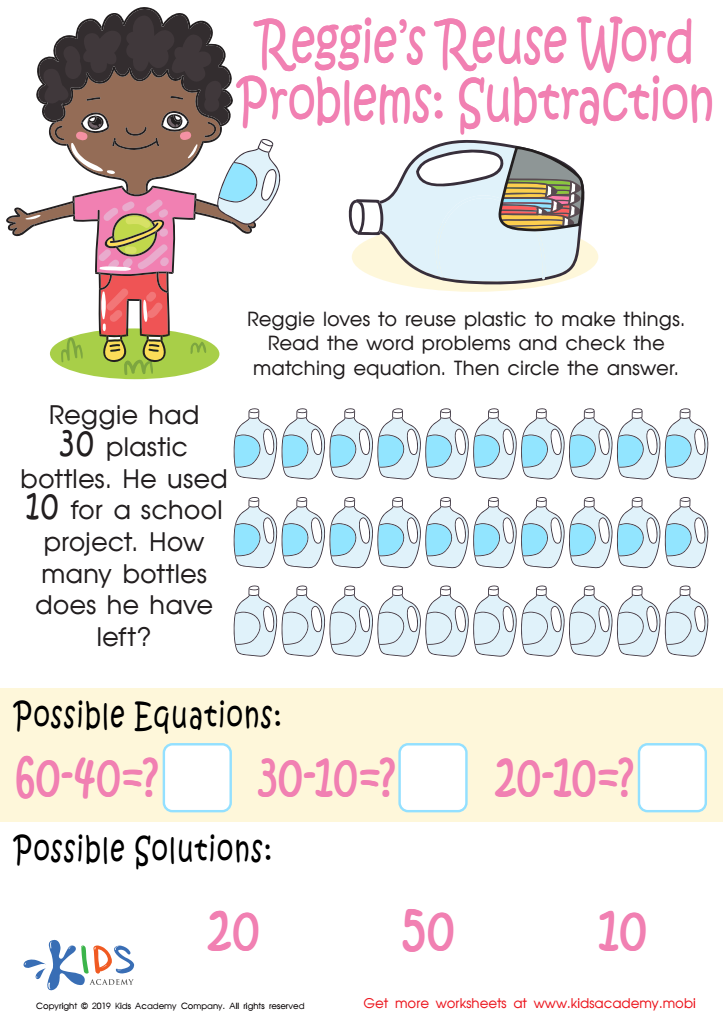
Reggie's Reuse Word Problems: Subtraction Worksheet
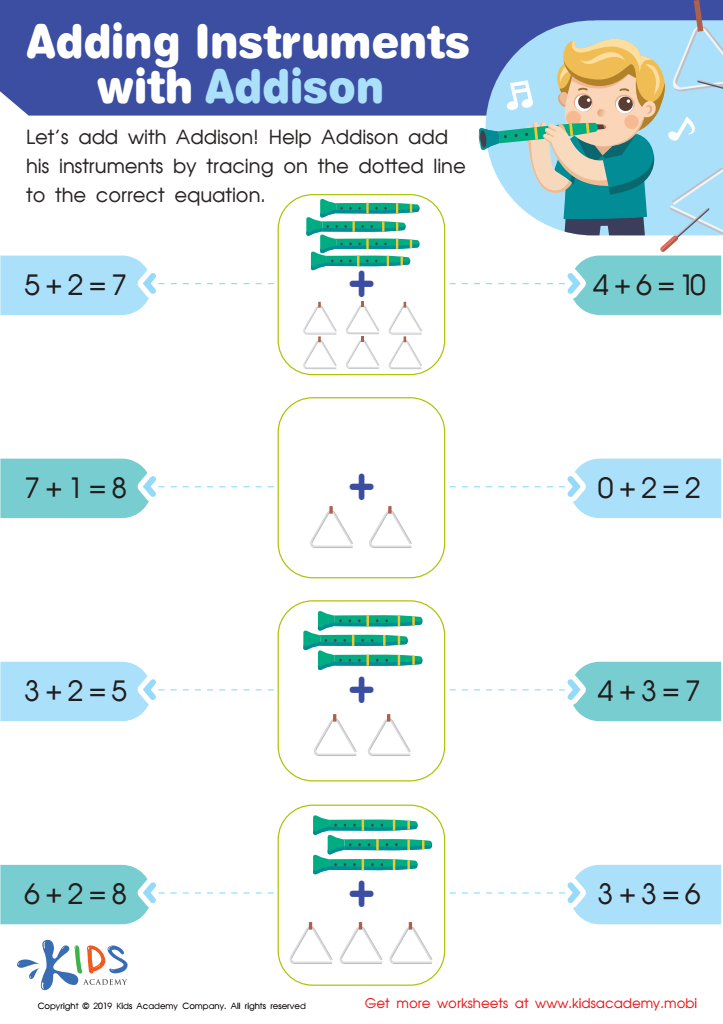
Adding Instruments with Addison Worksheet
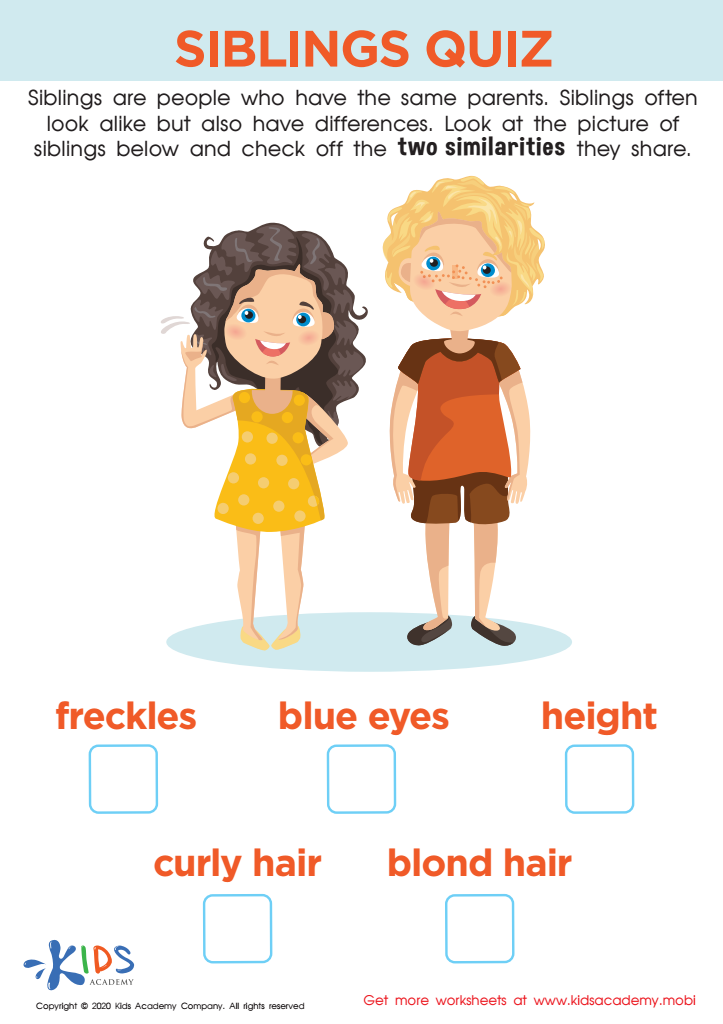
Siblings Quiz Worksheet
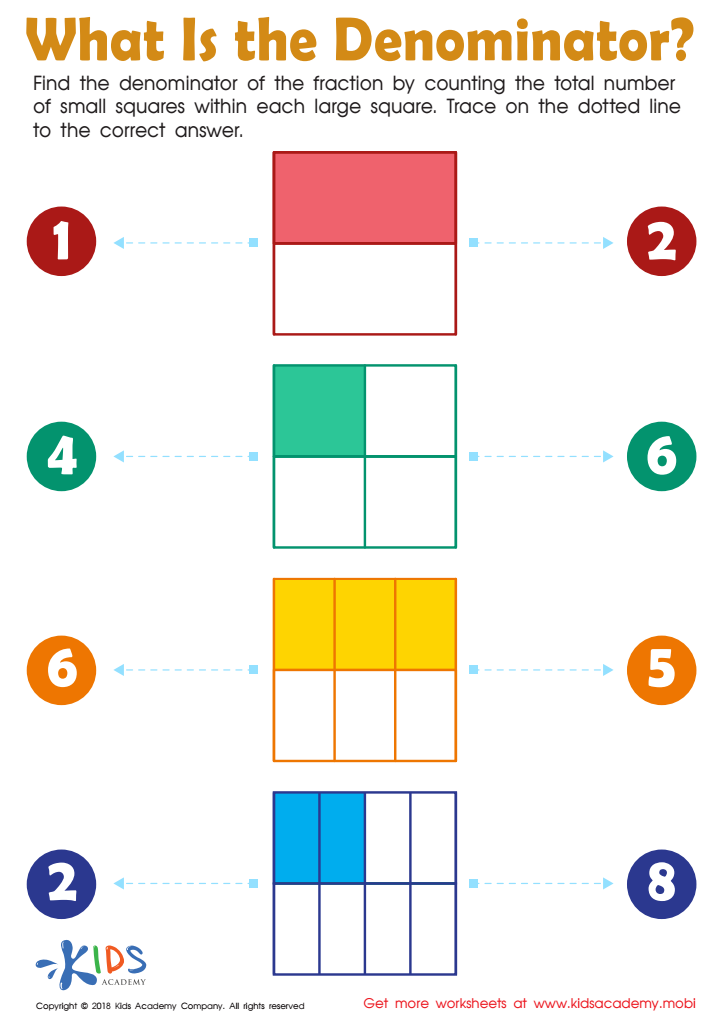
What Is the Denominator? Worksheet
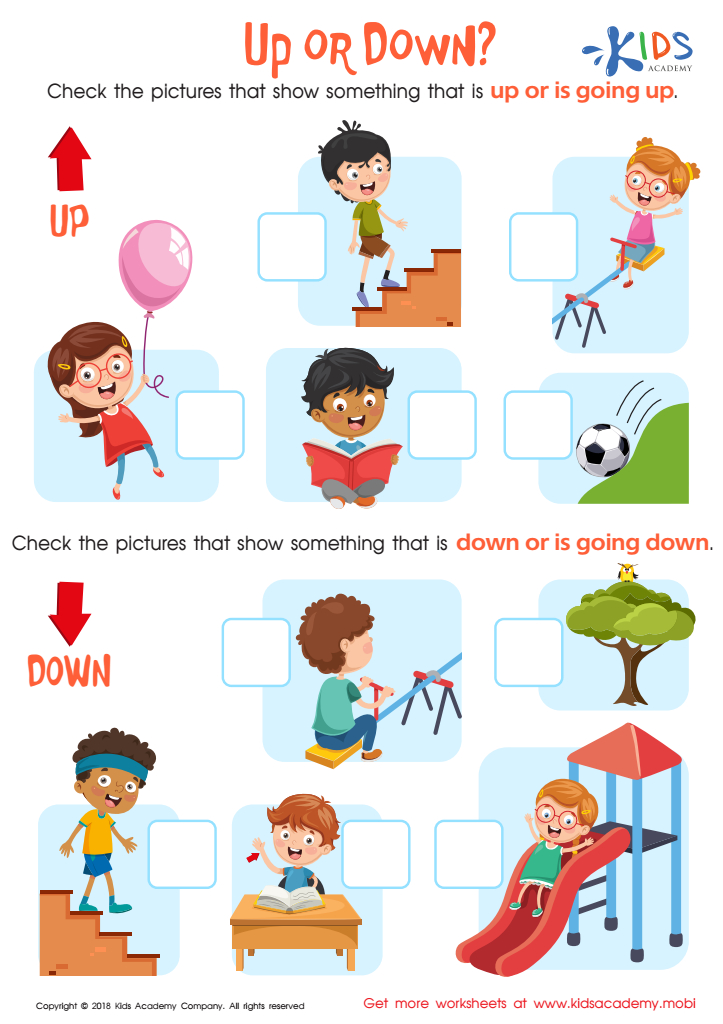
Up or Down Worksheet
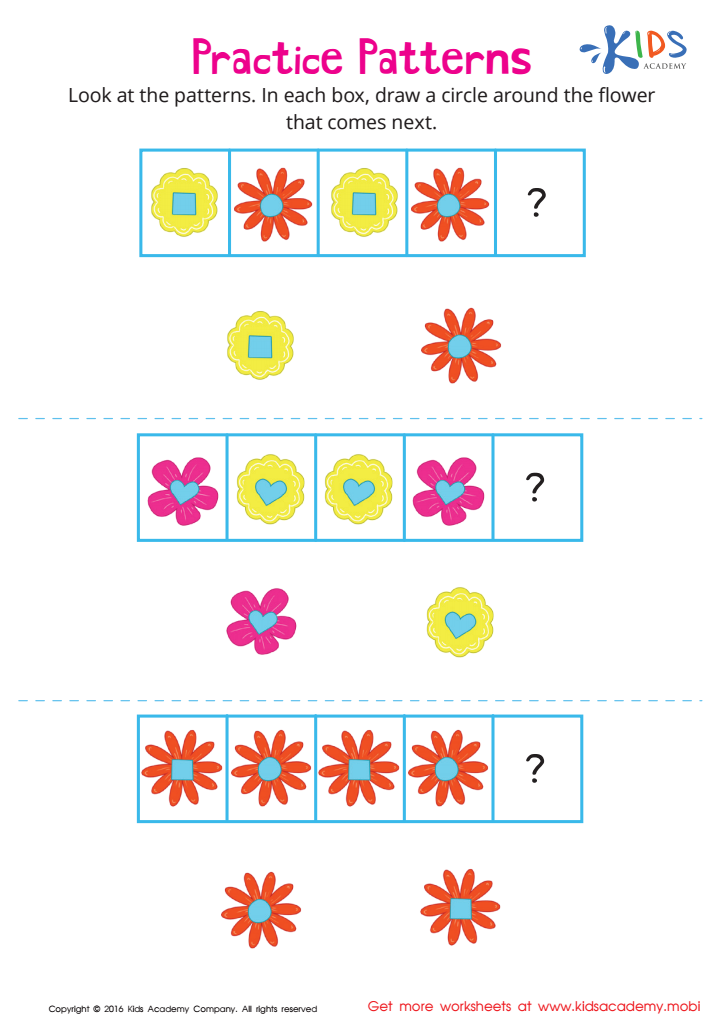

Count and Match Vegetables 1 – 5 Math Worksheet
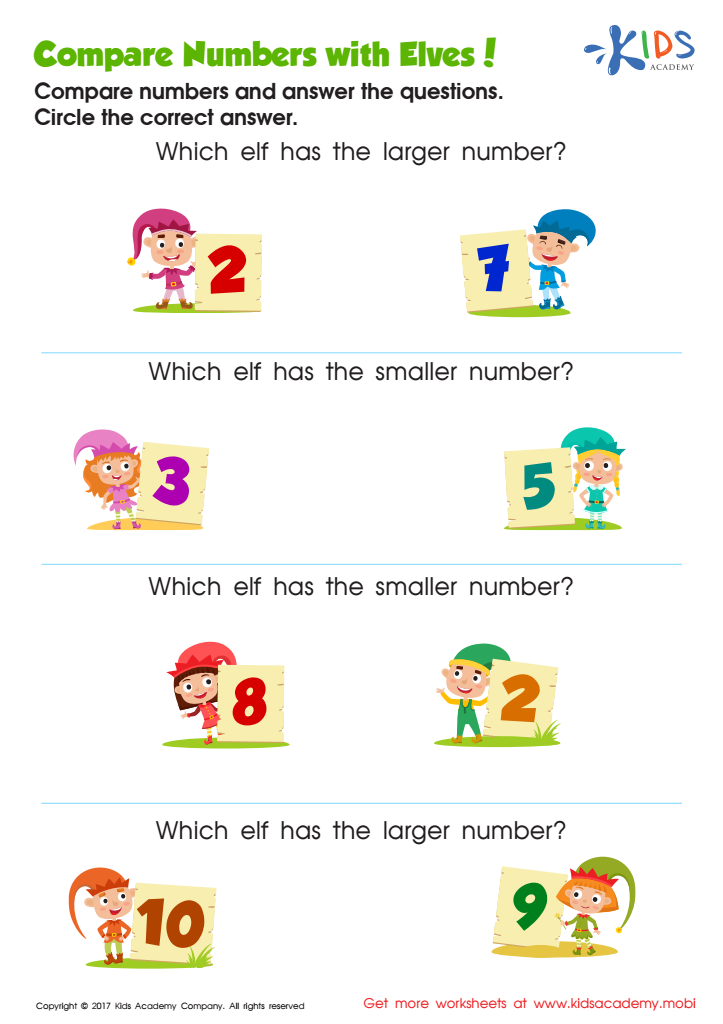
Comparing Numbers Worksheet for Kindergarten
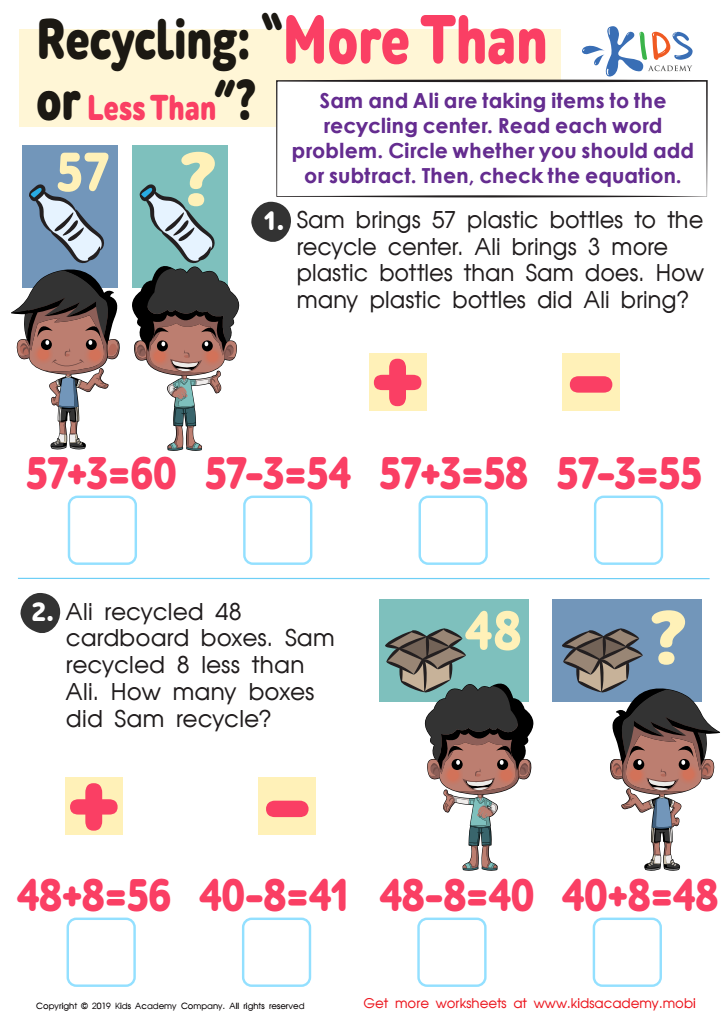
Recycling - More or Less Worksheet
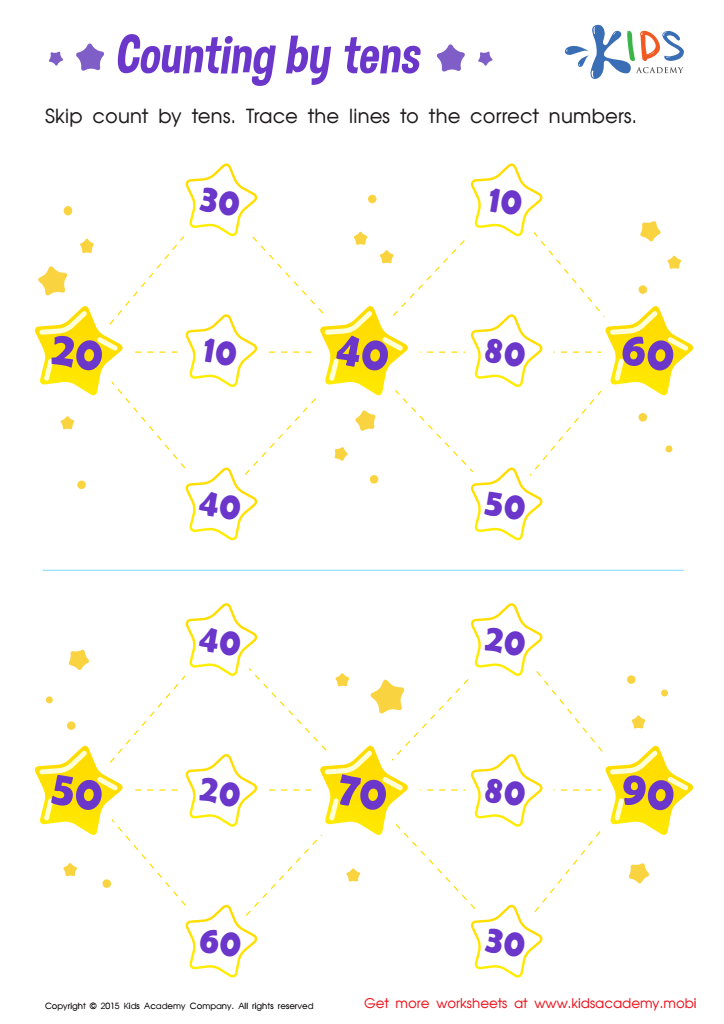
Learn Dozens: Counting by Tens Printable
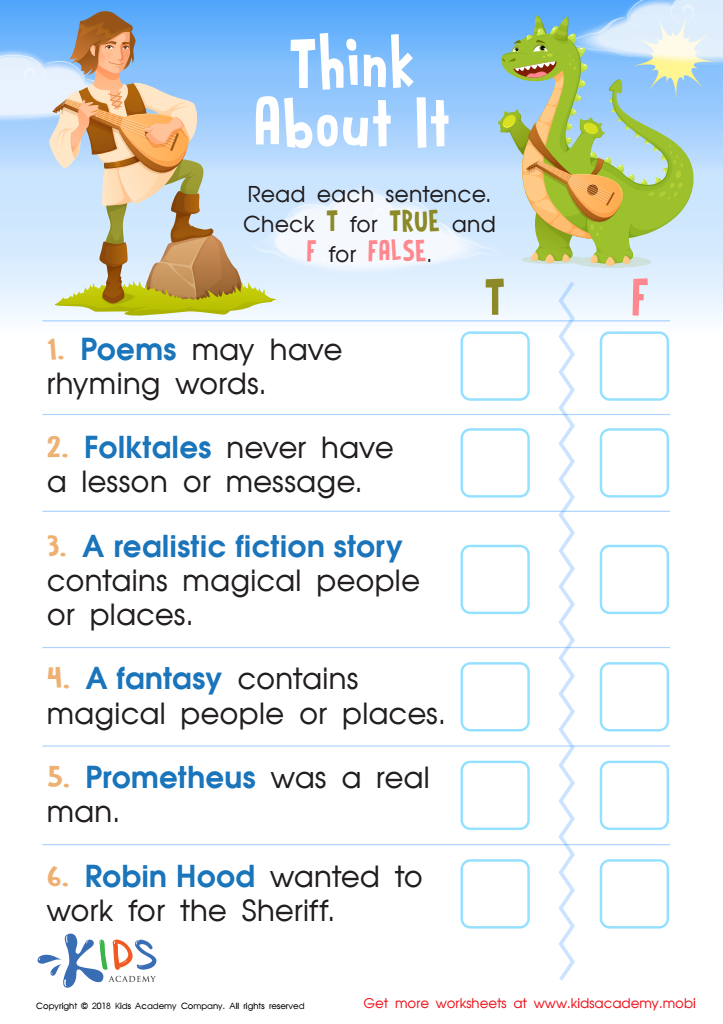
Think About It: Assessment Worksheet
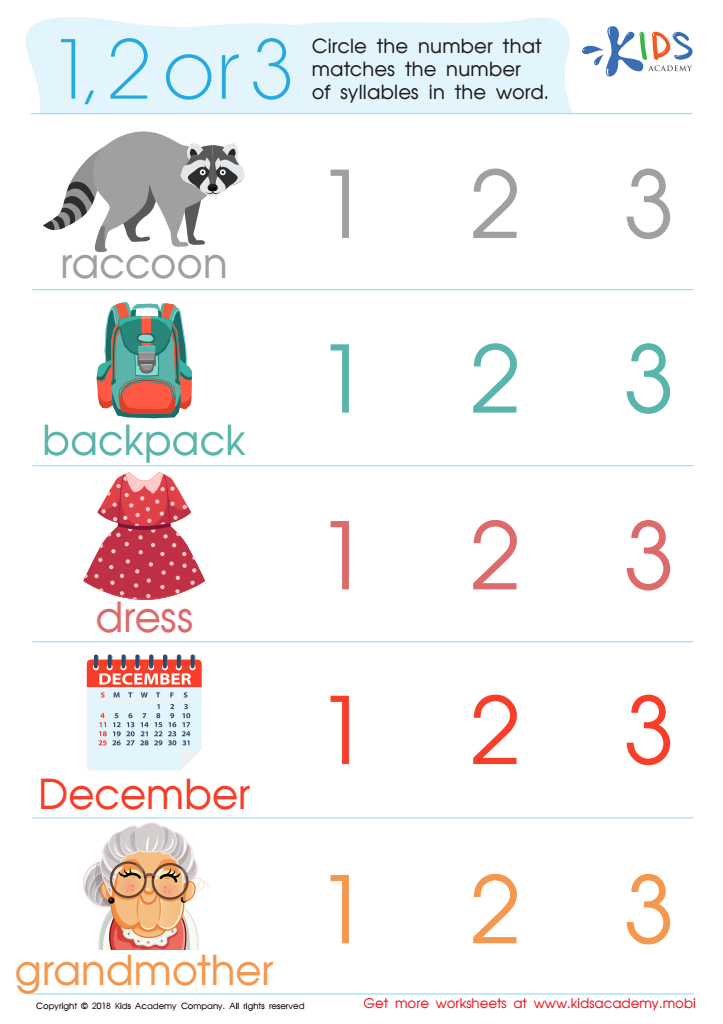
1, 2 or 3? Worksheet
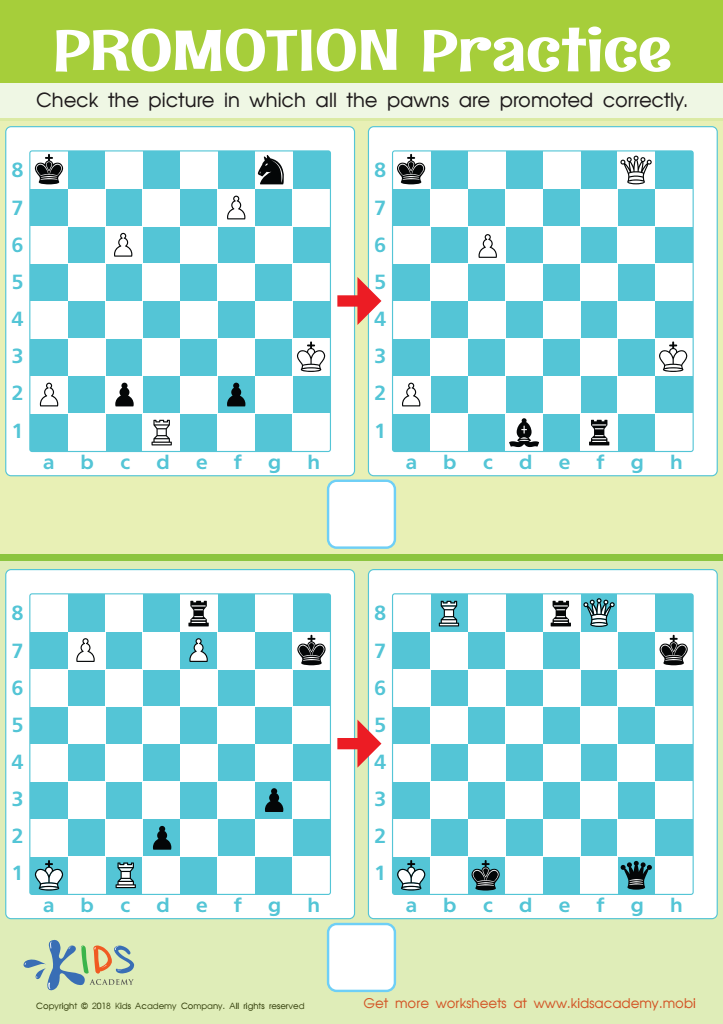
Promotion Practice Worksheet
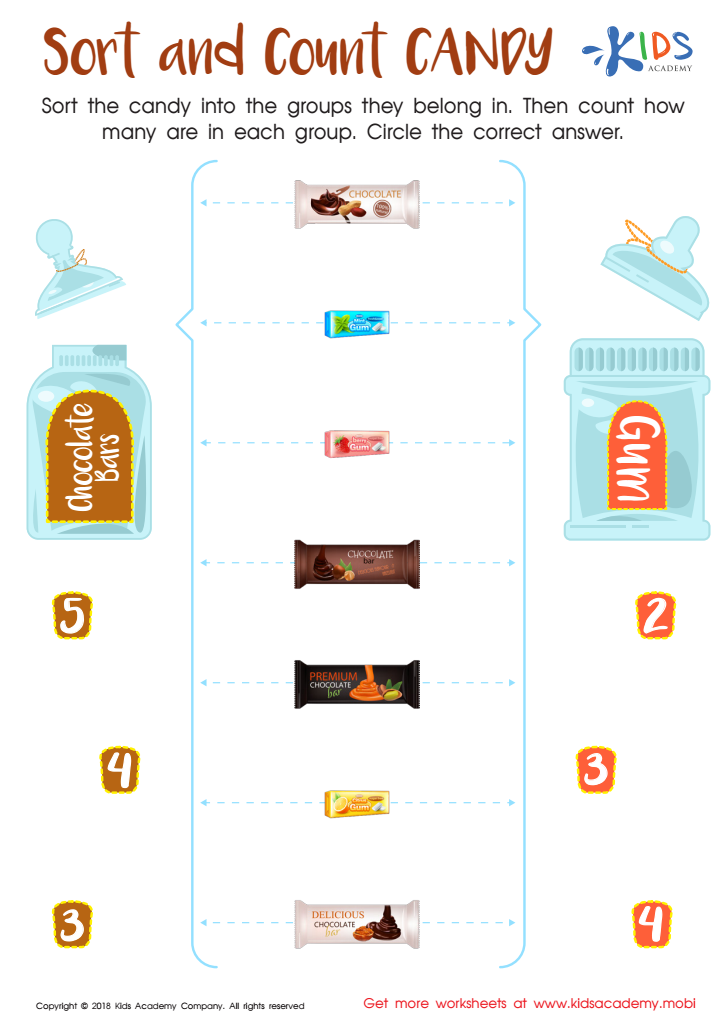
Sort and Count Candy Worksheet


.jpg)

.jpg)


.jpg)
Parents and teachers play a crucial role in the early development of children, and one area of significant importance is basic math skills. For ages 4-9, mastering foundational math concepts is essential as it sets the stage for future academic success and everyday problem-solving abilities. At these ages, children develop number sense, an understanding of quantity, and the ability to perform simple calculations, which are critical skills in later academic life.
By fostering basic math skills, parents and teachers help children build confidence and enthusiasm toward learning. Early proficiency in math can enhance a child's ability to comprehend more complex mathematical concepts encountered in higher grades. Moreover, math is interwoven with many subjects and real-life situations, such as reading a clock, counting money, or even following a recipe. Therefore, foundational math skills are indispensable for functional literacy and practical tasks.
Additionally, early math skills are often predictors of later academic achievements and professional success. Research suggests that early math abilities are strongly correlated with higher school performance not only in mathematics but also in other subjects like science and literacy. Hence, by emphasizing basic math skills during these formative years, parents and teachers lay the groundwork for children’s long-term cognitive and personal development, sparking a lifetime of curiosity and achievement.








