Categorizing objects Normal Worksheets for Ages 4-9
4 filtered results
-
From - To
Kids Academy offers engaging "Categorizing Objects" worksheets designed for children ages 4-9. These printable worksheets aim to enhance learning skills by helping kids identify and group similar items. As young learners sort objects by attributes such as color, shape, size, or type, they develop critical thinking and organizational abilities. The exercises are crafted to be fun and educational, making them perfect for both classroom and home settings. With vibrant illustrations and intuitive tasks, these categorizing worksheets provide a solid foundation for cognitive development while keeping children captivated and eager to learn.
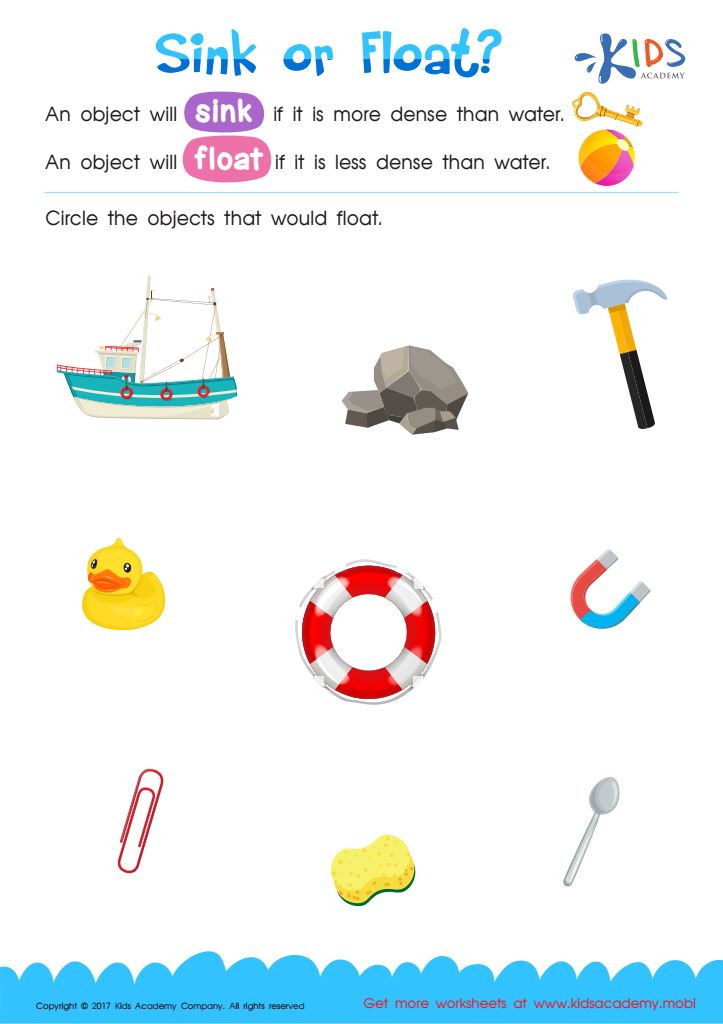
Sink or Float Printable
 Assign to My Students
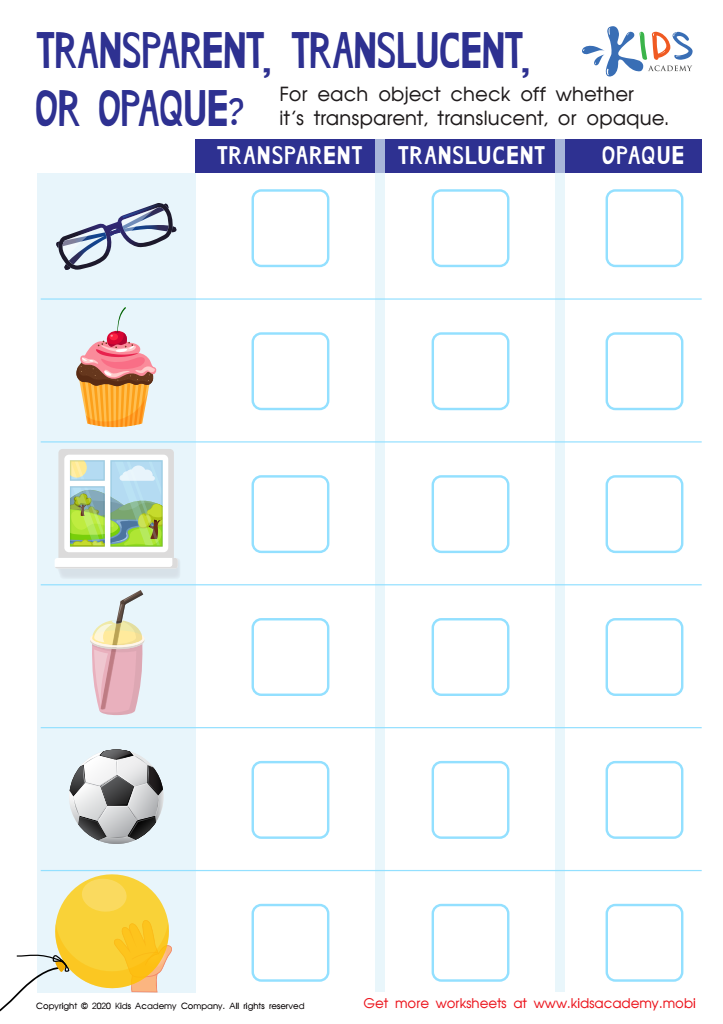
Transparent, Translucent, or Opaque Worksheet
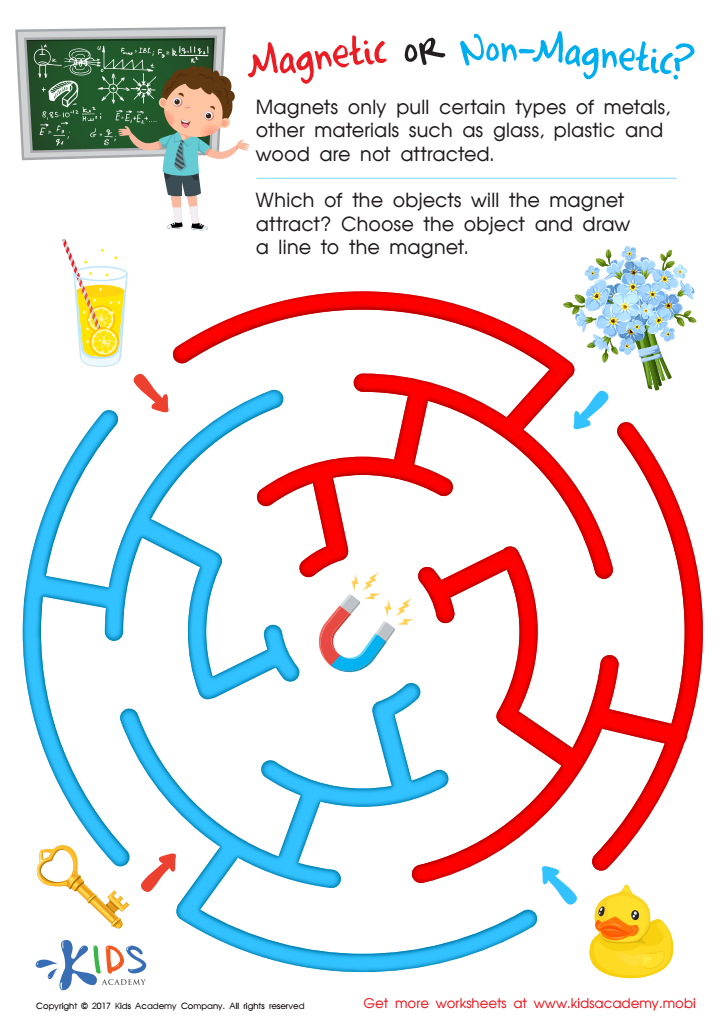
Magnetic or Non–Magnetic Worksheet
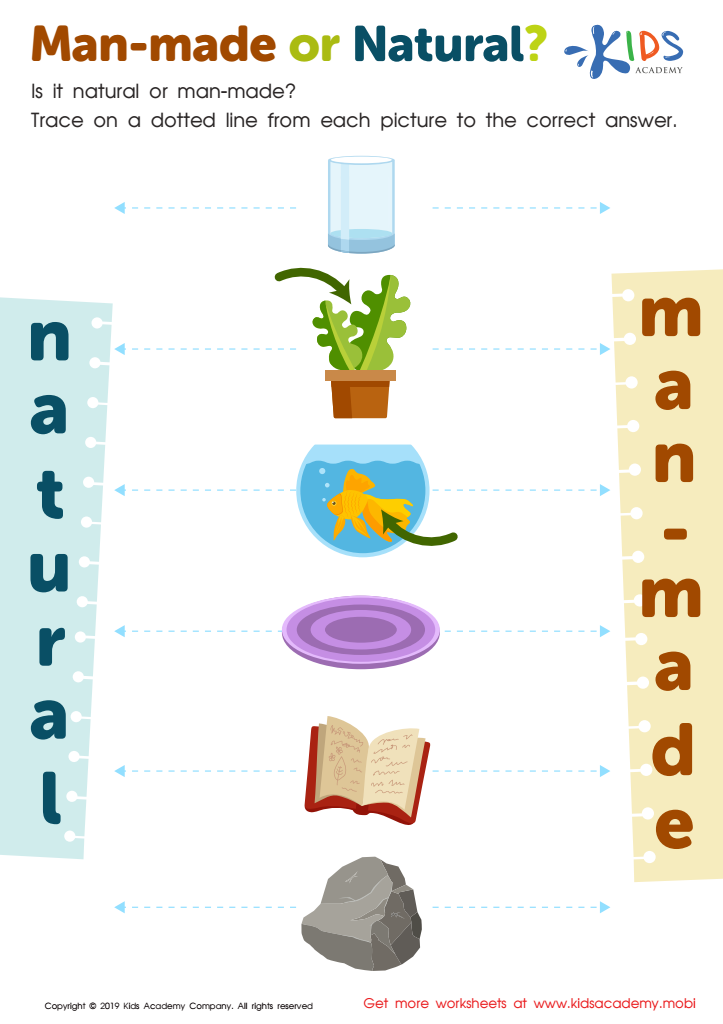
Man-Made or Natural? Worksheet







Parents and teachers should understand the importance of categorizing objects for children ages 4-9 because it plays a crucial role in cognitive and language development. At this age, children are rapidly expanding their understanding of the world and building foundations for future learning. When they categorize objects, they learn to recognize similarities and differences, which enhances their ability to process and organize information.
Categorizing supports vocabulary growth as children learn terms related to different groups and classifications, such as colors, shapes, sizes, and functions. This process also develops critical thinking and problem-solving skills, as kids figure out how objects can be grouped and why specific items belong together. Additionally, a well-structured categorization practice contributes to early math skills by reinforcing patterns, sequences, and sorting abilities.
Moreover, categorizing helps children make sense of their environment, providing a clearer structure for learning and everyday functioning. A child who correctly understands categories can easily follow instructions, make predictions, and deduce meanings, leading to more effective and creative learning experiences. Overall, motivating children to engage in categorization activities supports their overall intellectual and academic growth, preparing them for more complex concepts encountered in school and beyond.








