Fine Motor Skills Normal Worksheets for Ages 4-9 - Page 2
134 filtered results
-
From - To
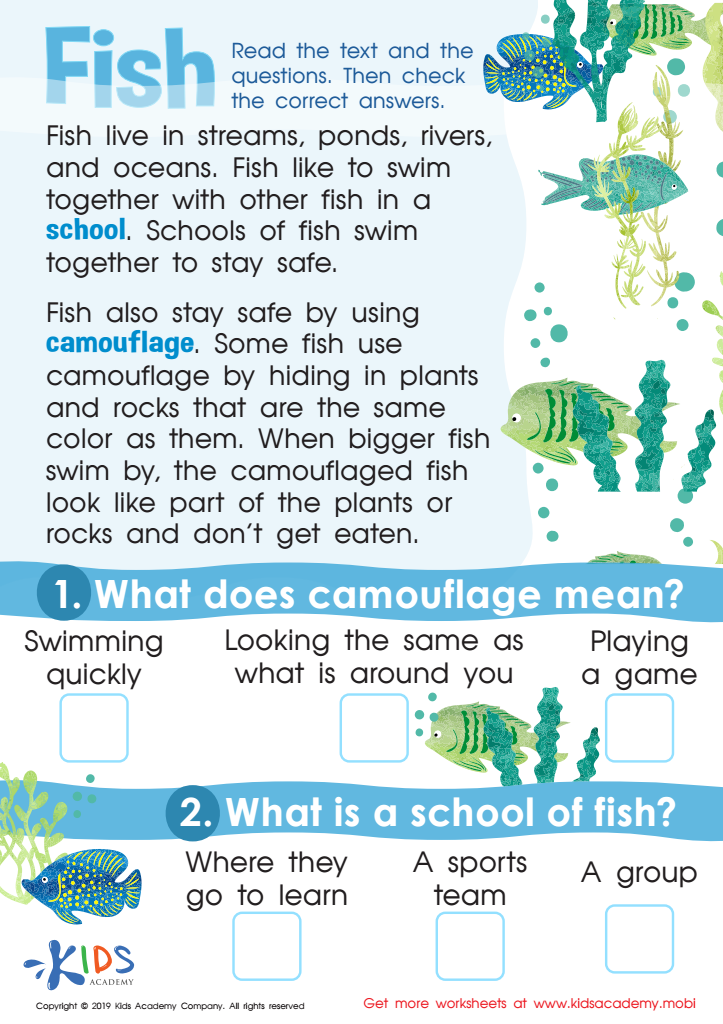
Fish Worksheet
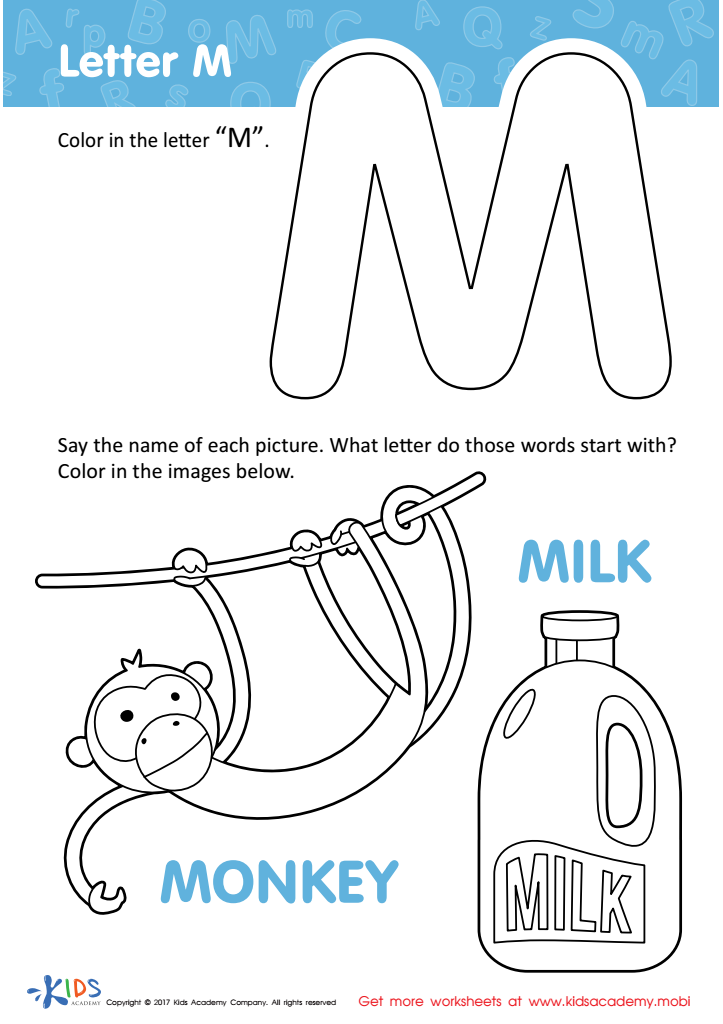
Letter M Coloring Sheet
 Assign to My Students
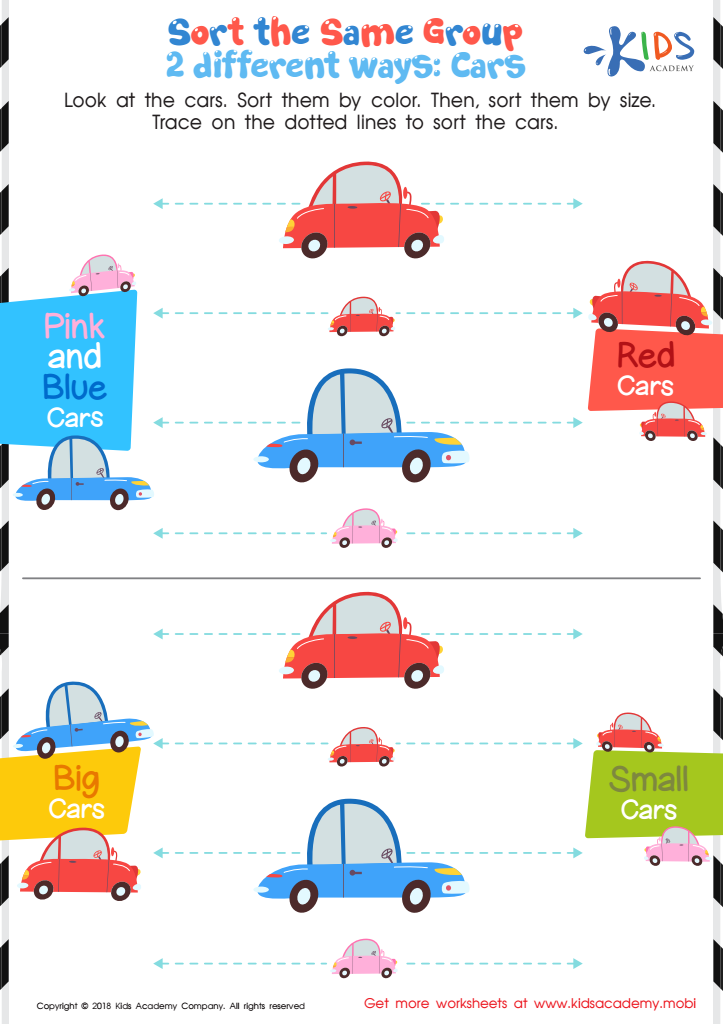
Sort the Same Group 2 Different Ways: Cars Worksheet
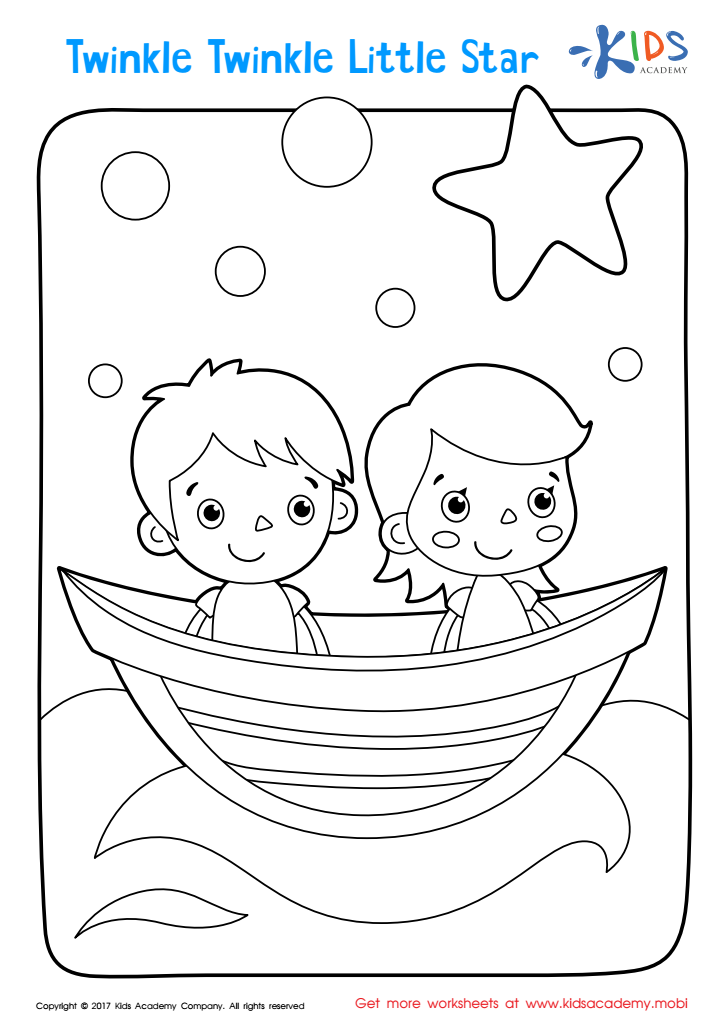
Twinkle Twinkle Little Star Coloring Page
Assign to My Students
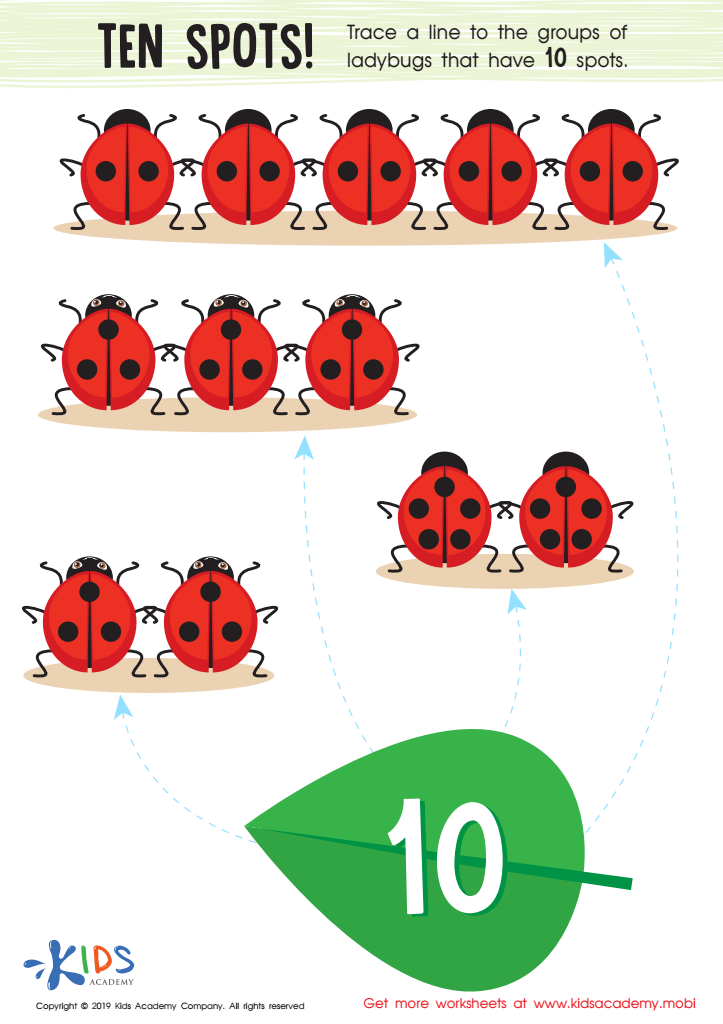
Ten Spots Worksheet
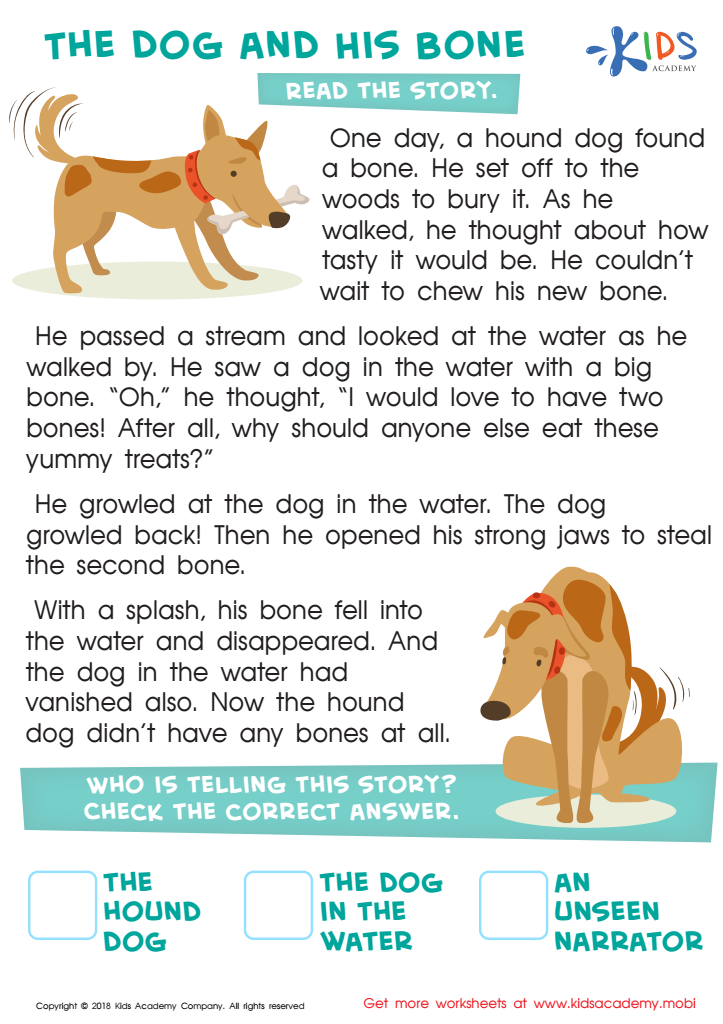
The Dog and His Bone Worksheet
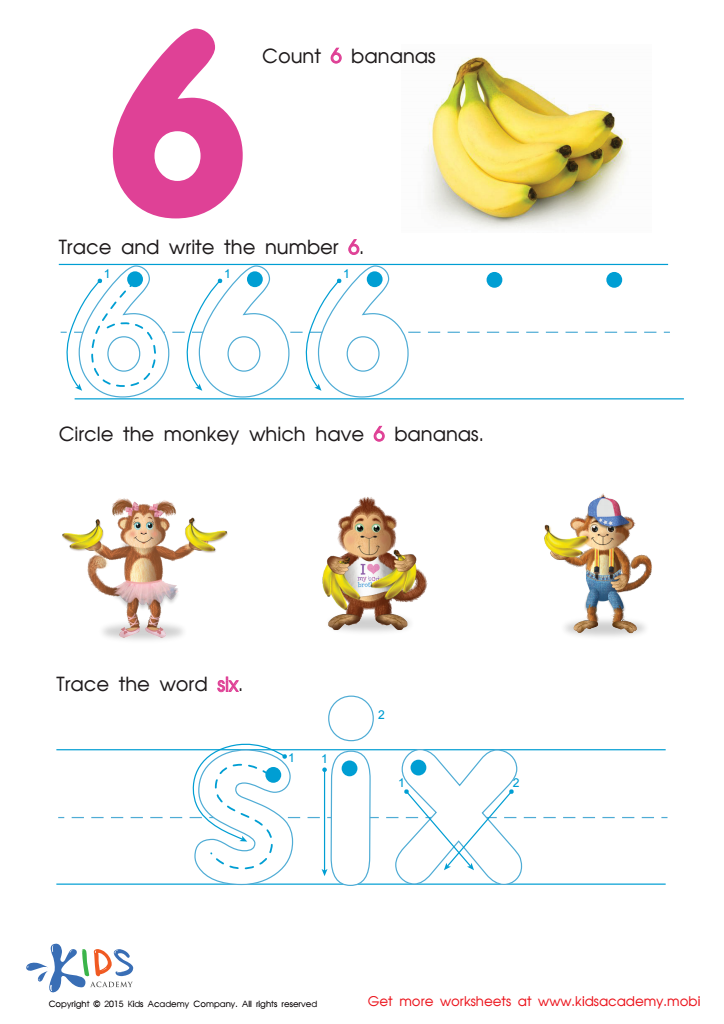
Tracing And Writing Number 6 Worksheet
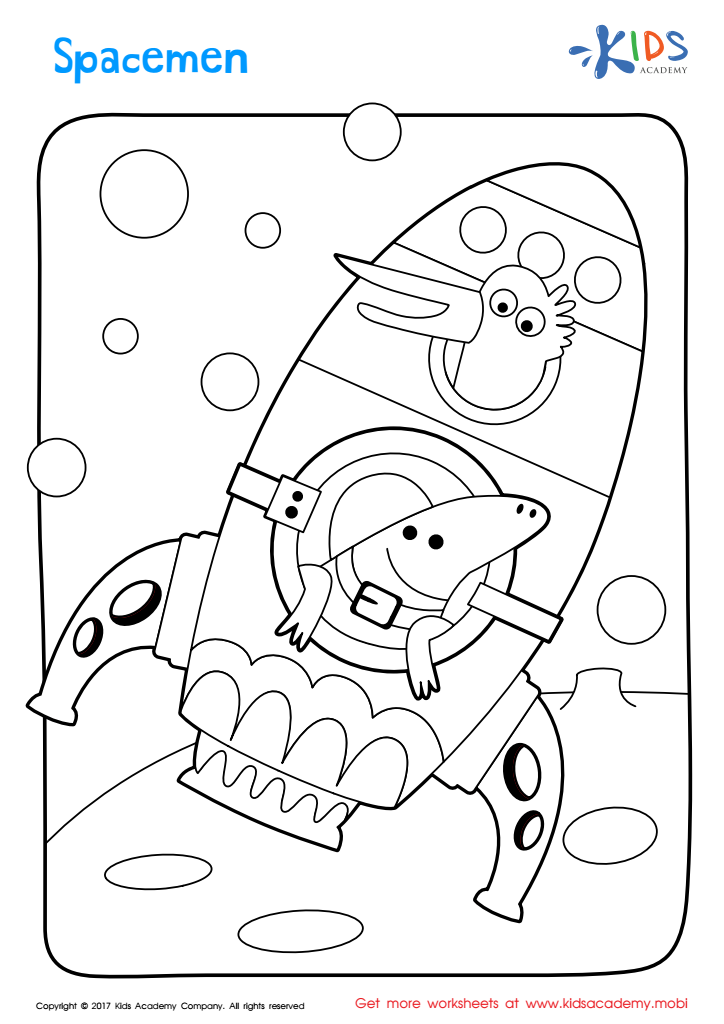
Spacemen Coloring Page
Assign to My Students
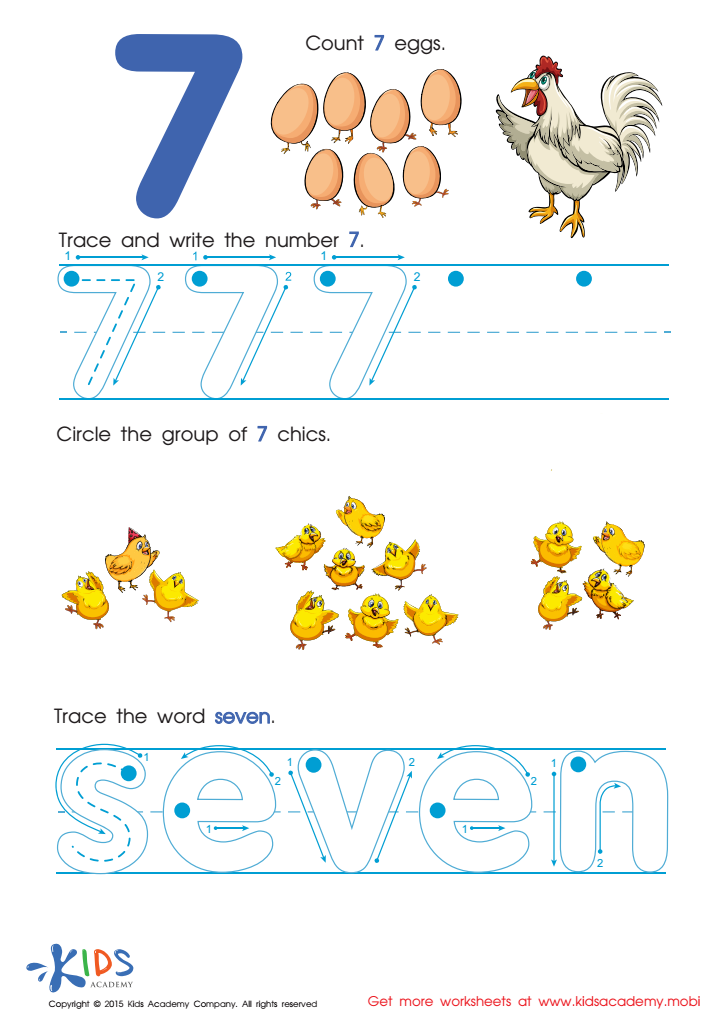
Trace And Write Number 7 with Fun Worksheet
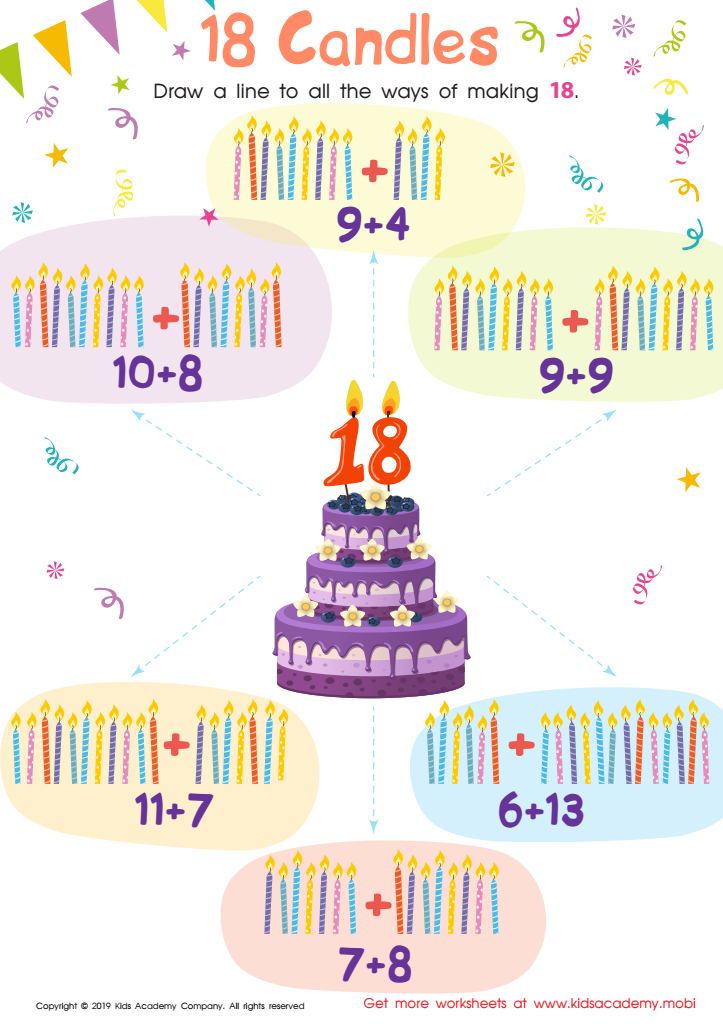
18 Candles Worksheet
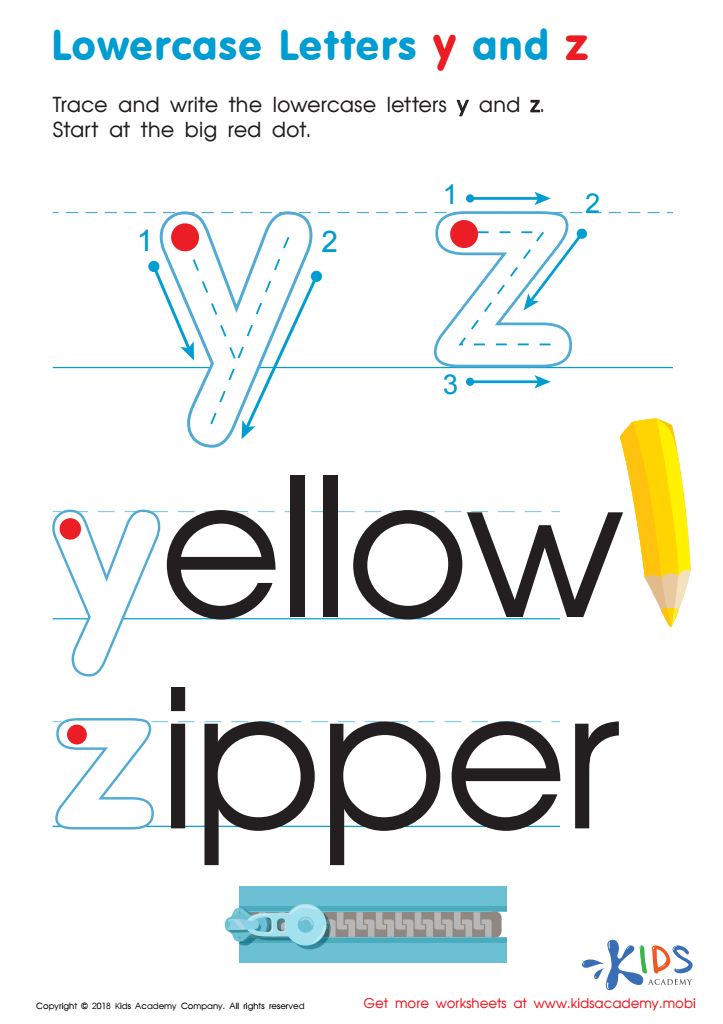
Lowercase Letters y z Worksheet
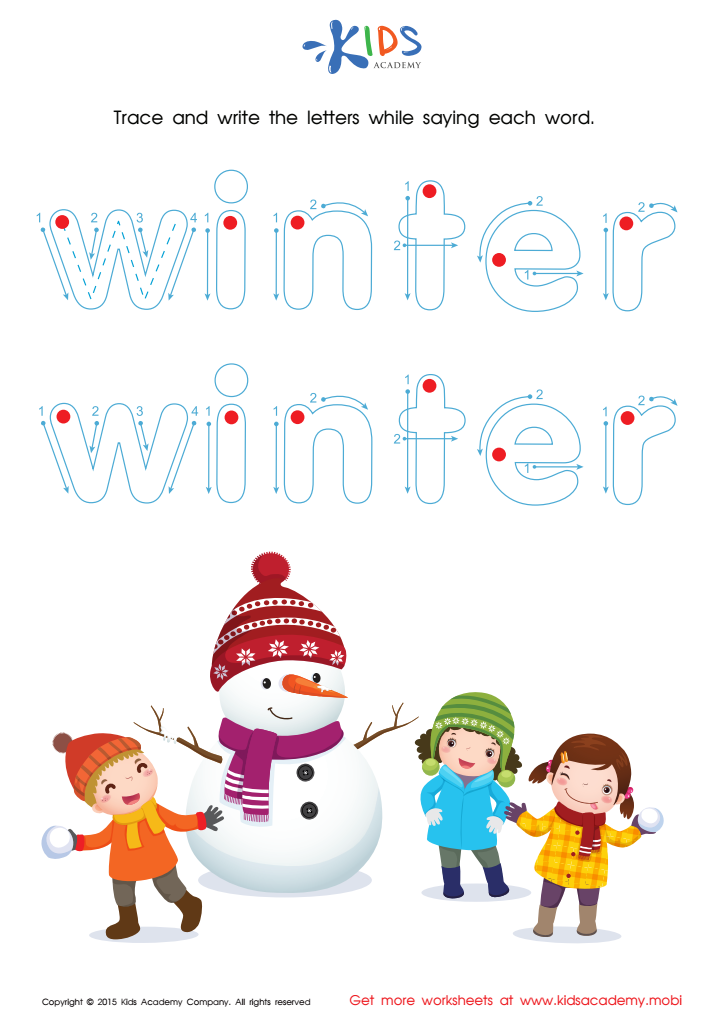
Snowman Tracing Winter Words Worksheet
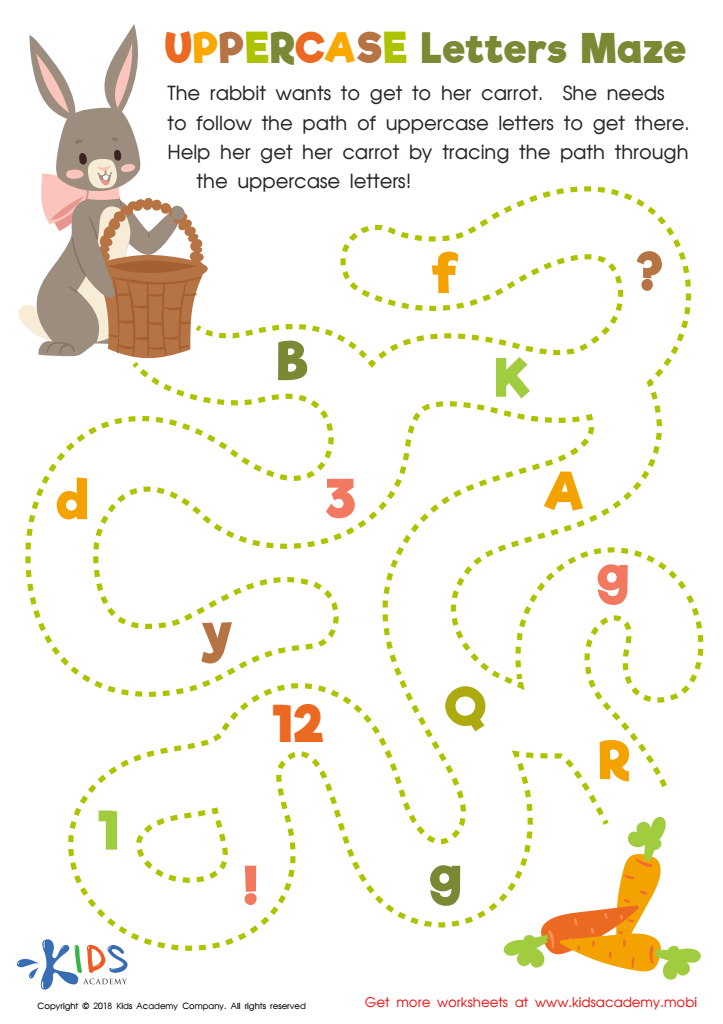
Uppercase Letters Maze Worksheet
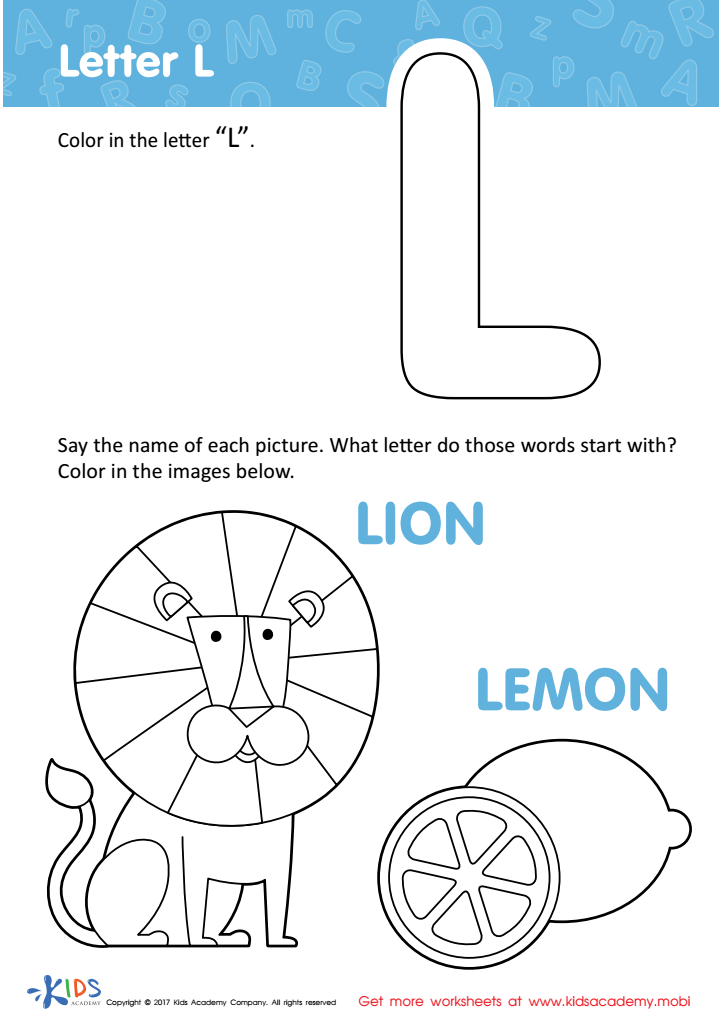
Letter L Coloring Sheet
Assign to My Students
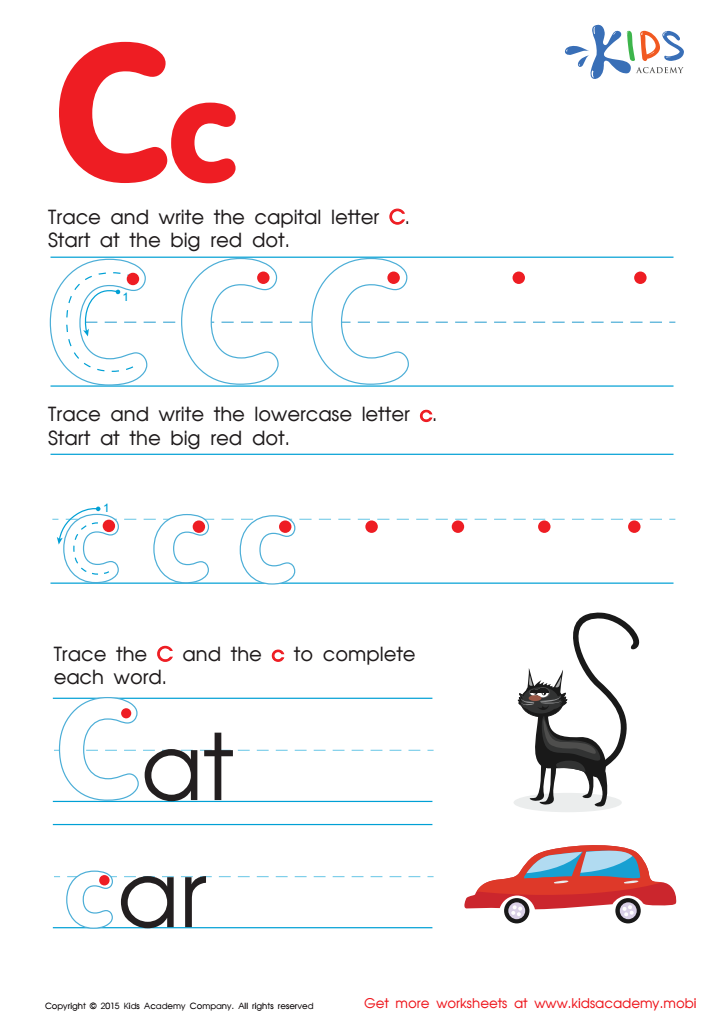
Letter C Tracing Page
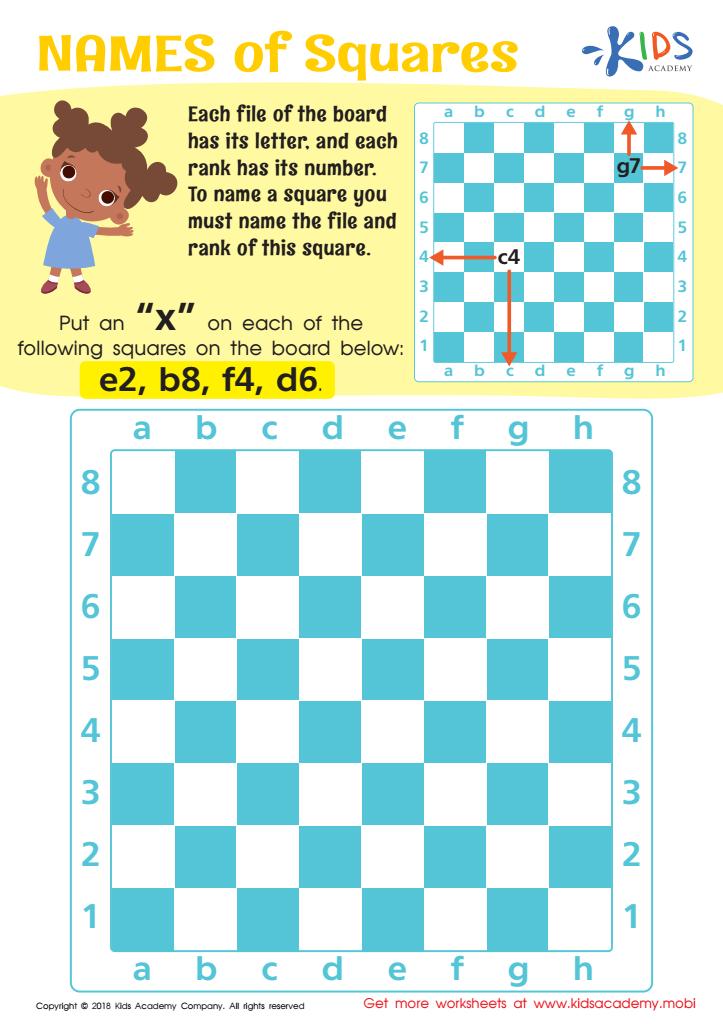
Names of Squares Worksheet
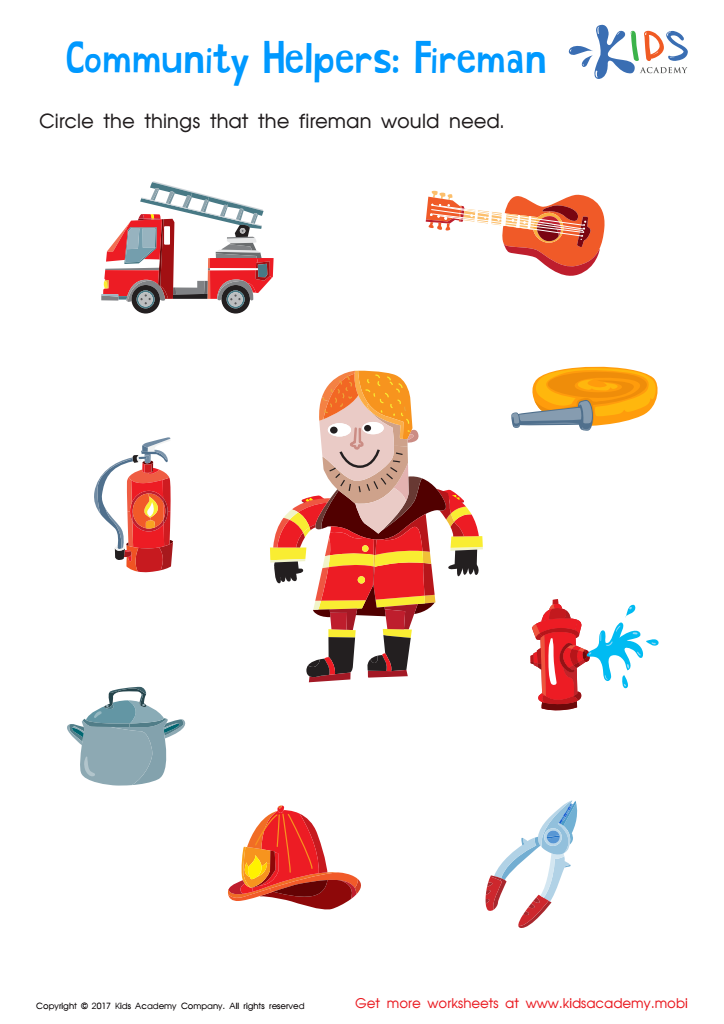
Fireman Worksheet
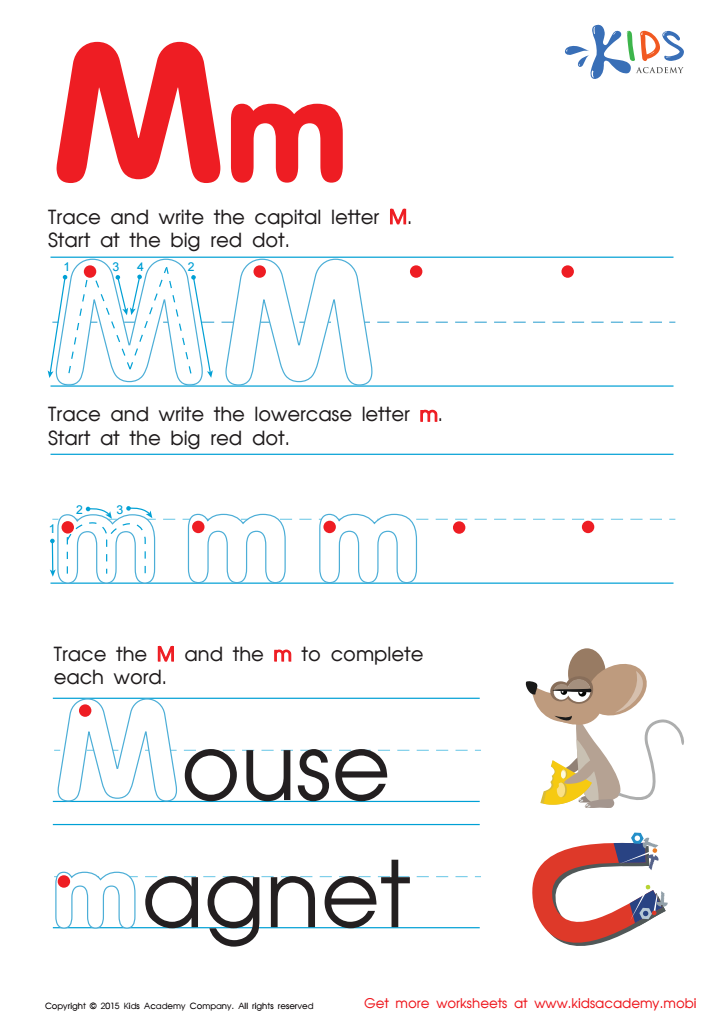
Letter M Tracing Page
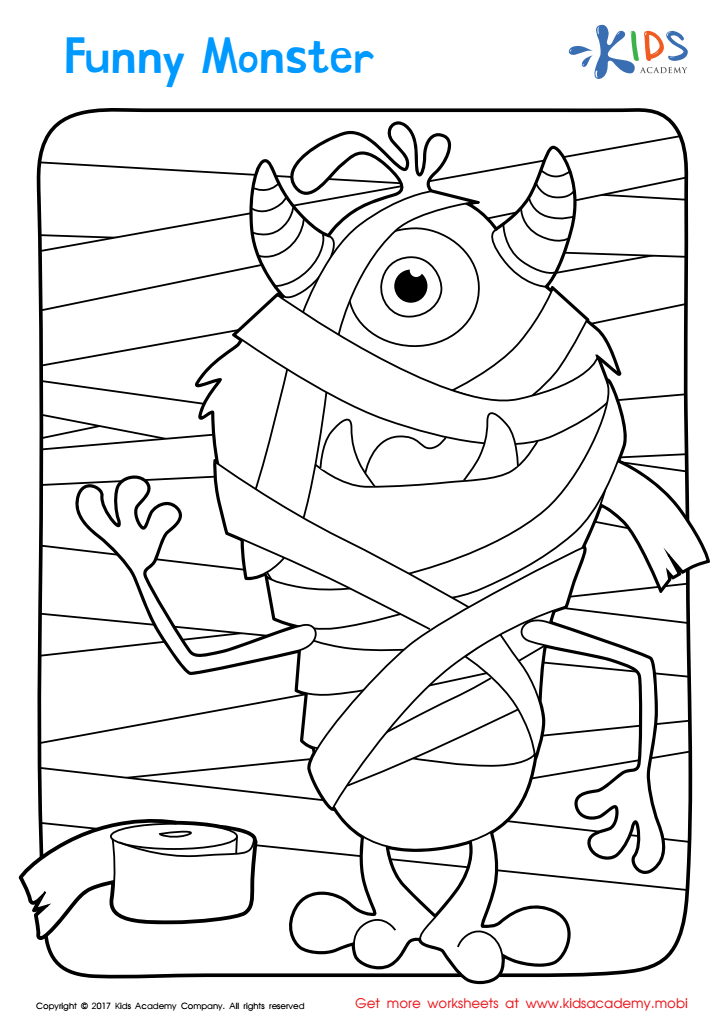
Halloween: A Funny Monster Worksheet
Assign to My Students
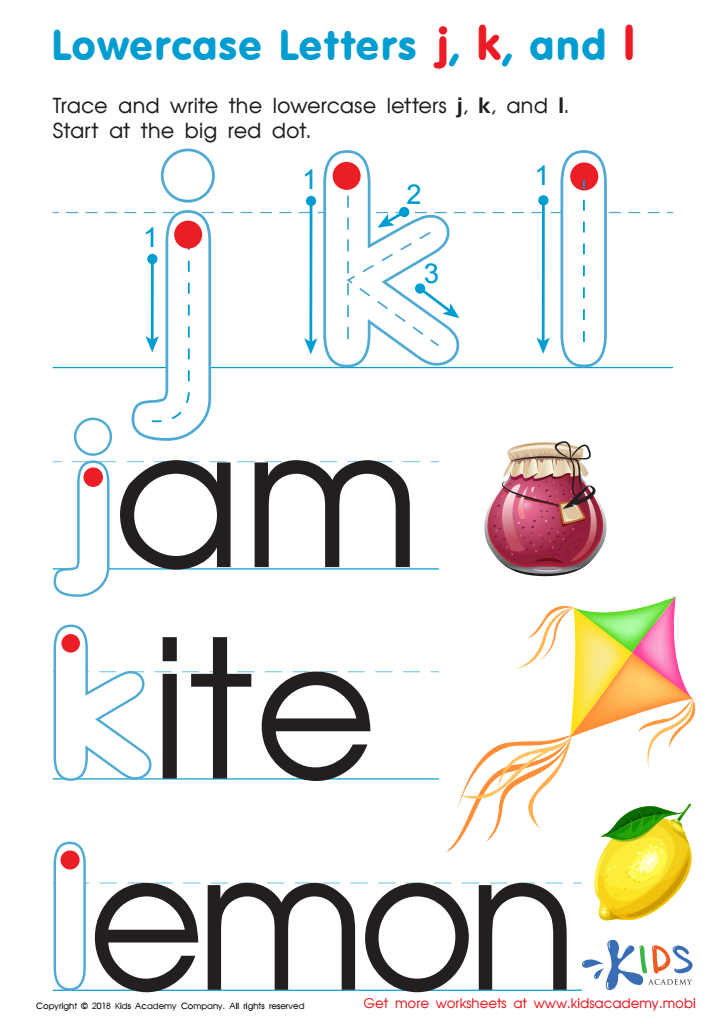
Lowercase Letters j k l Worksheet
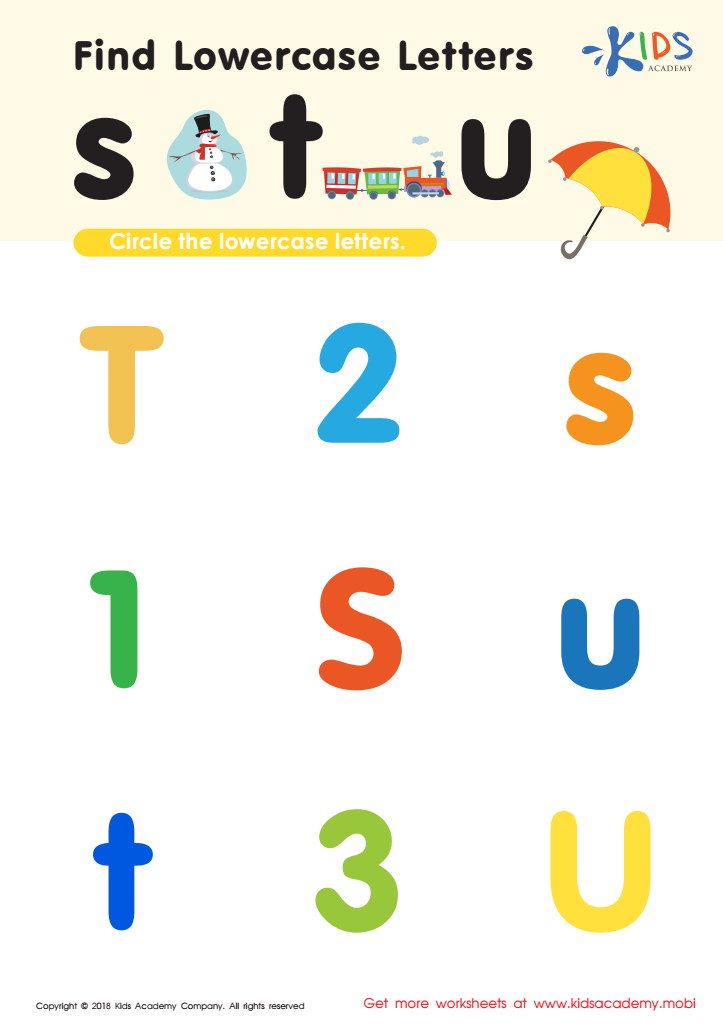
Find lowercase Letters s t u Worksheet
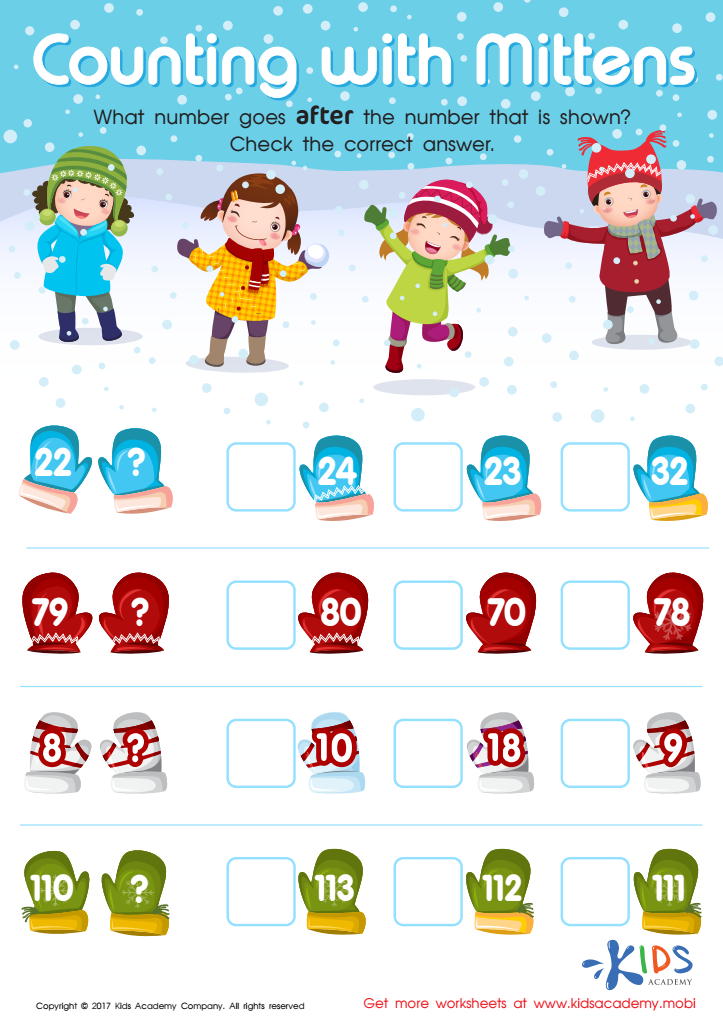
Counting with Mittens Worksheet






Fine motor skills are crucial for children aged 4-9 as they lay the foundation for various everyday tasks and academic success. These skills involve the coordination of small muscles in the hands and fingers, which are essential for activities like writing, drawing, cutting, and manipulating small objects.
As children engage in these activities, they practice hand-eye coordination, dexterity, and spatial awareness. This not only aids in their daily tasks but also fosters cognitive development, as they learn to control their movements and understand cause and effect. Furthermore, strong fine motor skills are closely linked to self-esteem; children who can successfully perform tasks like tying their shoes or using scissors feel more capable and independent.
For teachers, tracking the development of fine motor skills is crucial for creating age-appropriate lesson plans and activities. For parents, fostering these skills at home through games, crafts, and everyday household activities can provide a supportive environment for their child’s growth. Overall, prioritizing the development of fine motor skills enhances children’s readiness for school, boosts their confidence, and equips them with essential skills needed for lifelong learning.








