Handwriting practice Normal Worksheets for Ages 4-9 - Page 2
63 filtered results
-
From - To
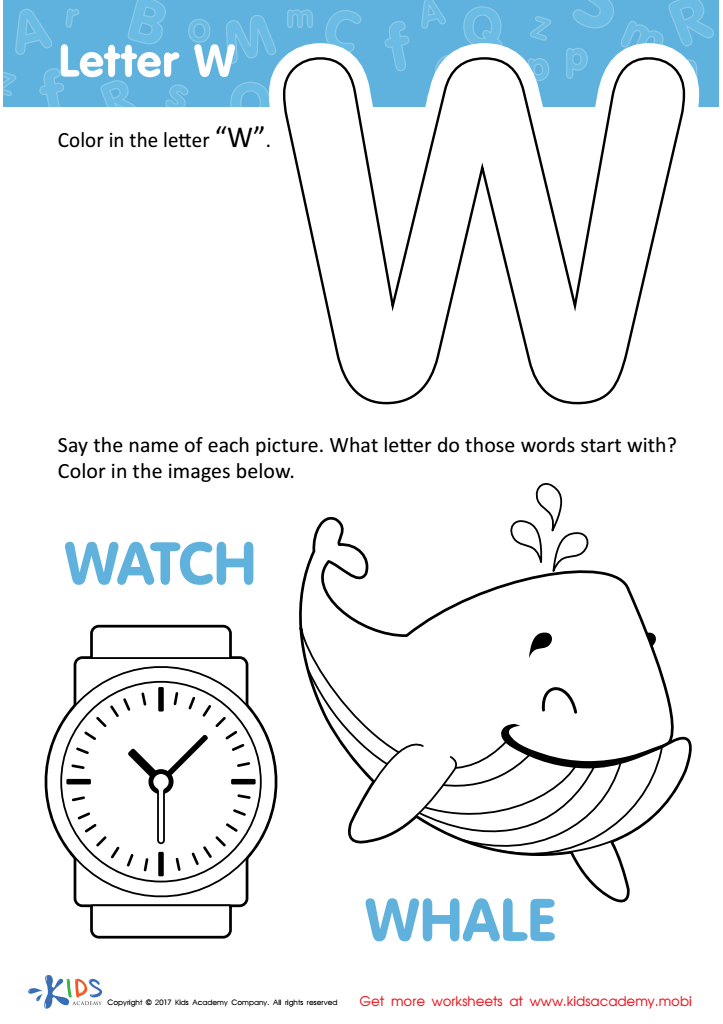
Letter W Coloring Sheet
 Assign to My Students
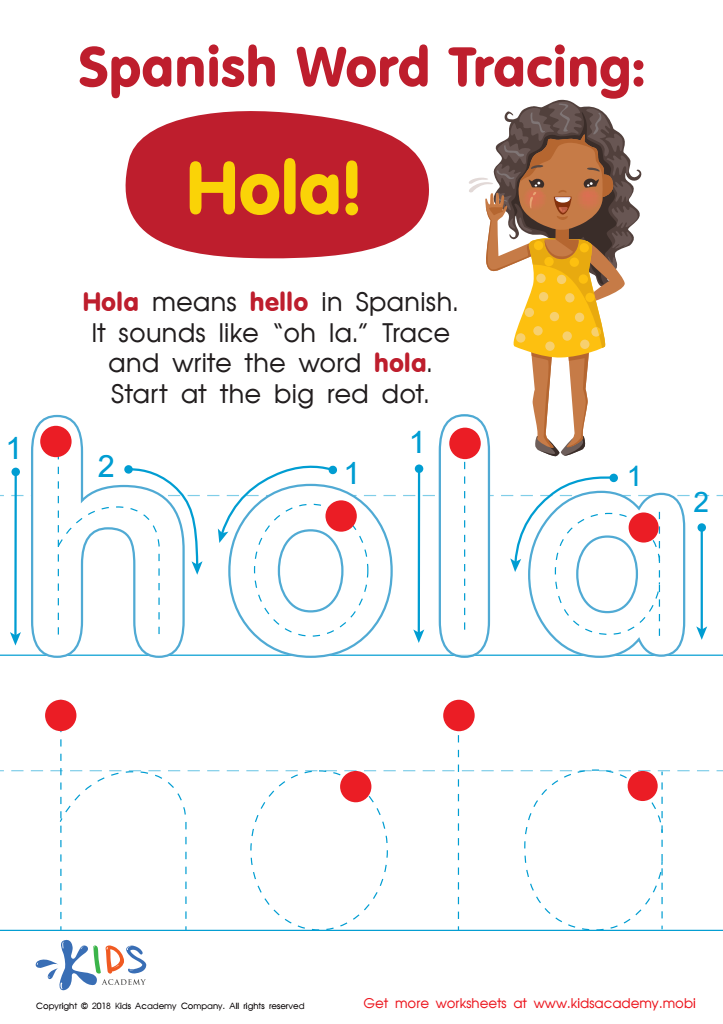
Spanish Word Tracing: Hola Worksheet
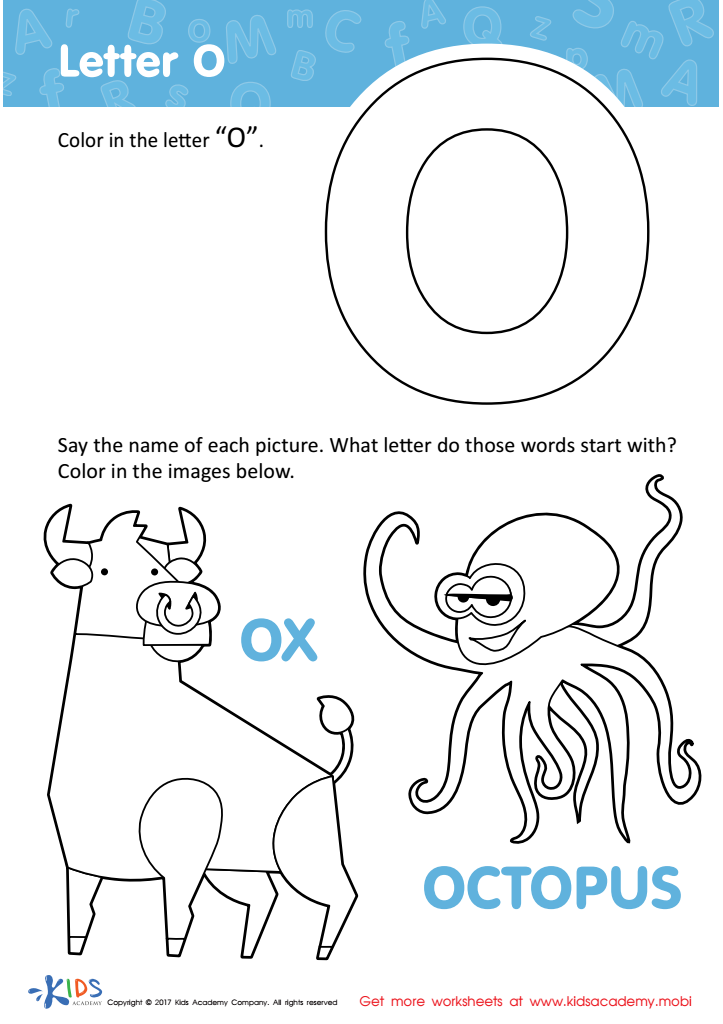
Letter O Coloring Sheet
Assign to My Students
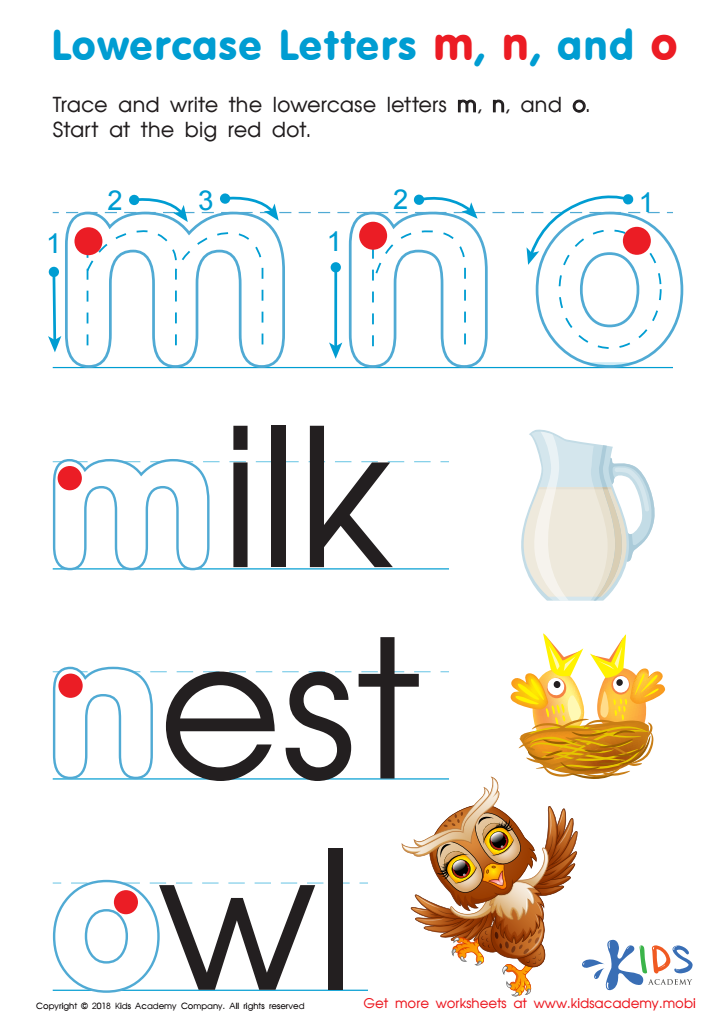
Lowercase Letters m n o Worksheet
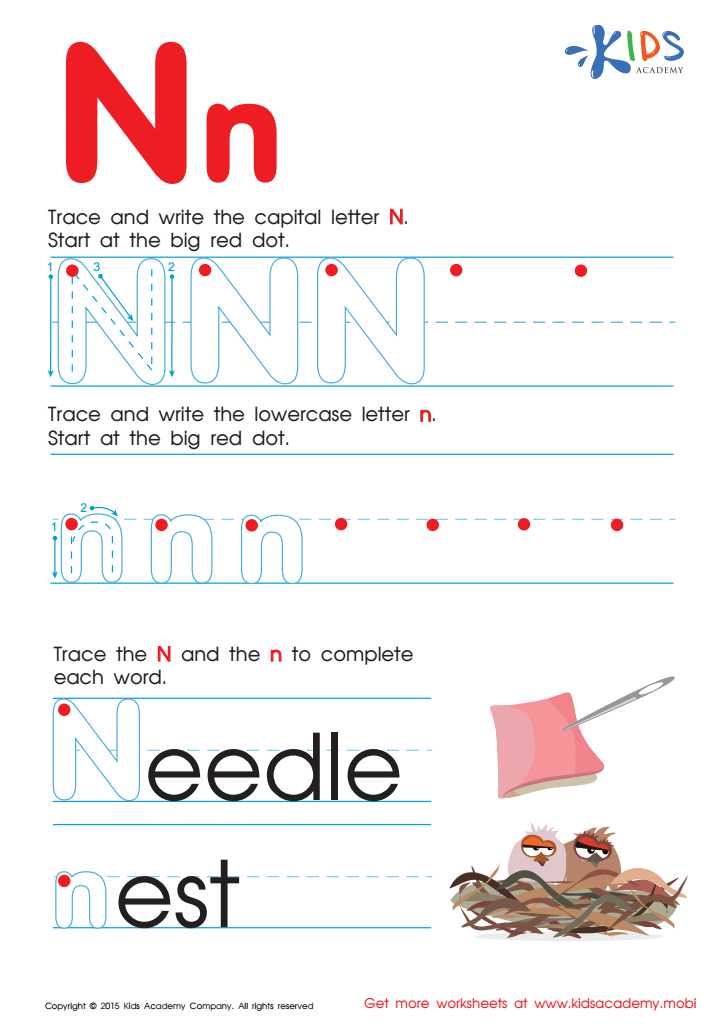
Letter N Tracing Page
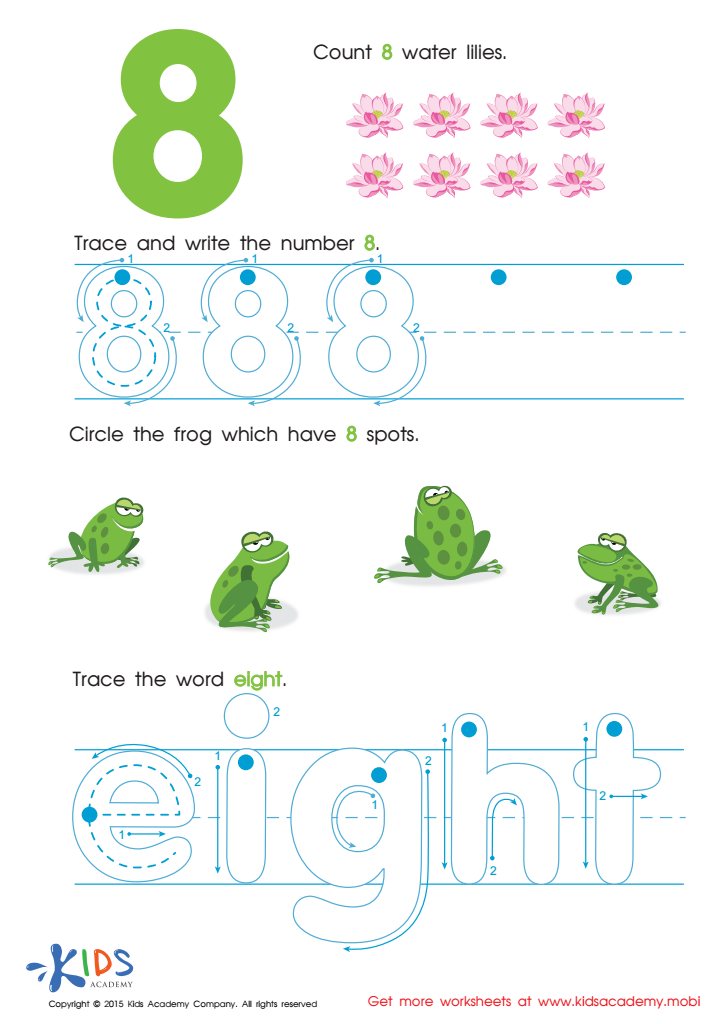
Learn Number 8 Easily Worksheet
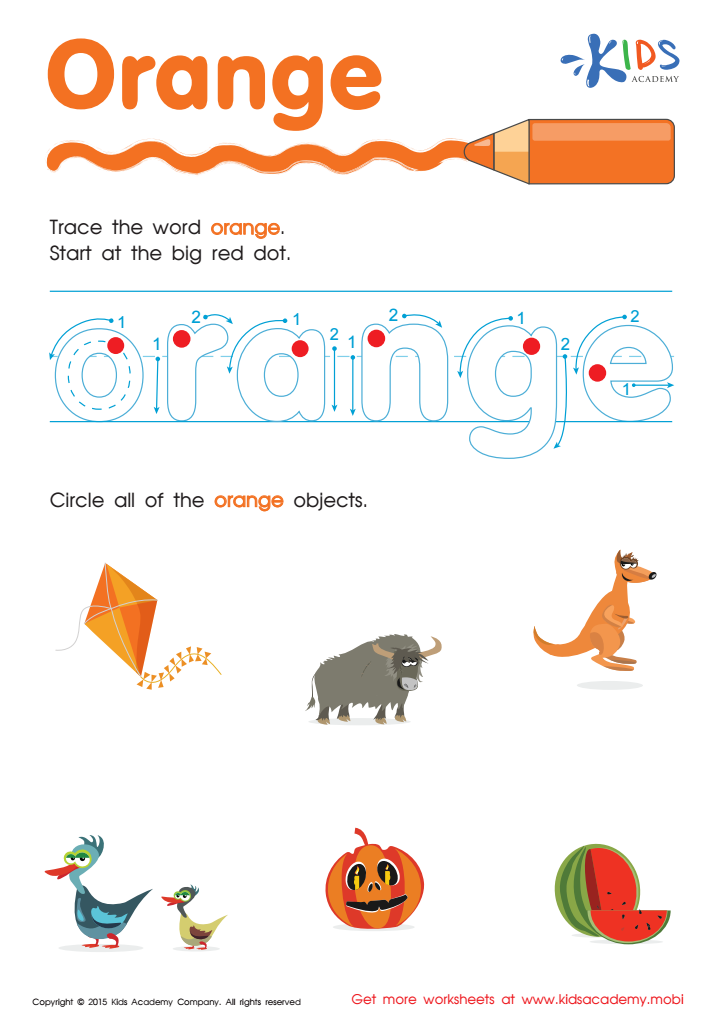
Orange Tracing Color Words Worksheet
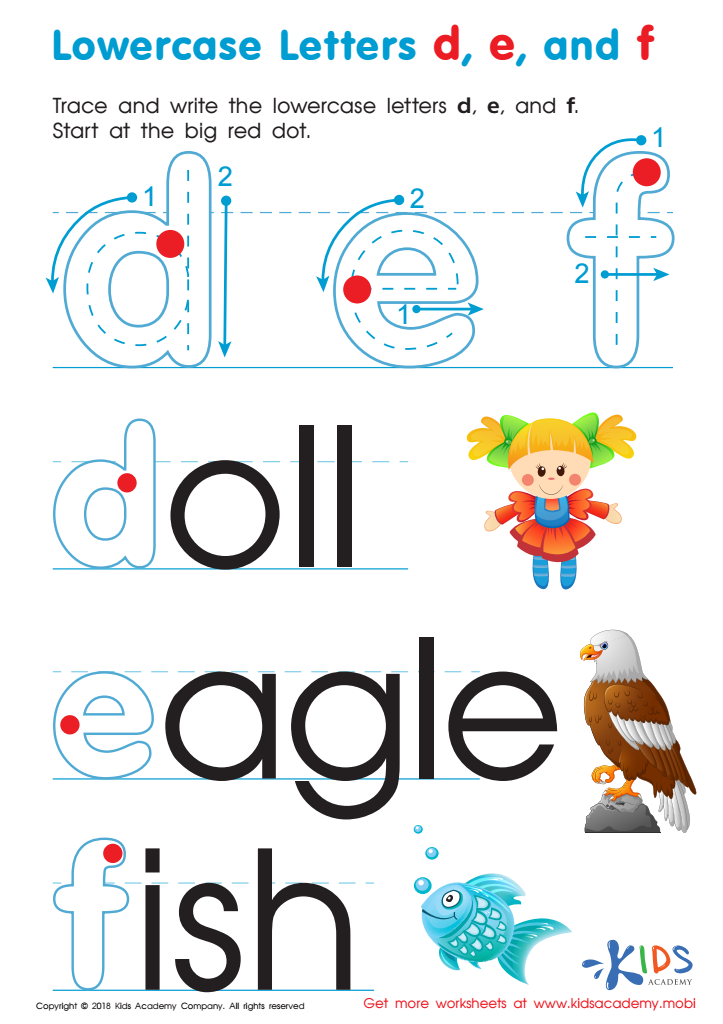
Lowercase Letters d e f Worksheet
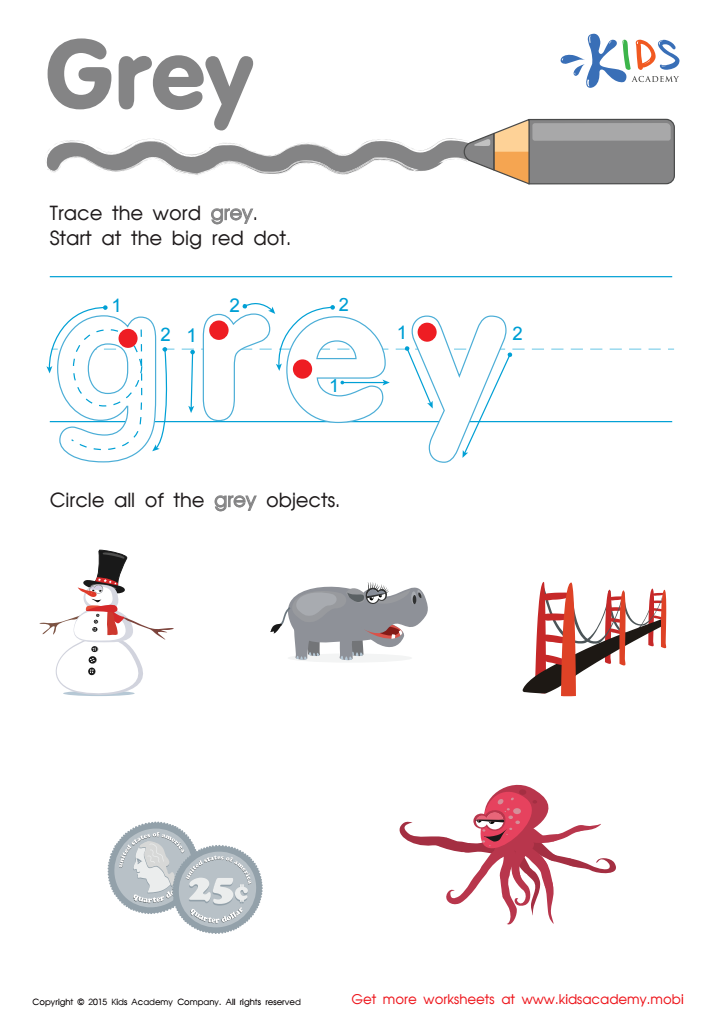
Grey Tracing Color Words Worksheet
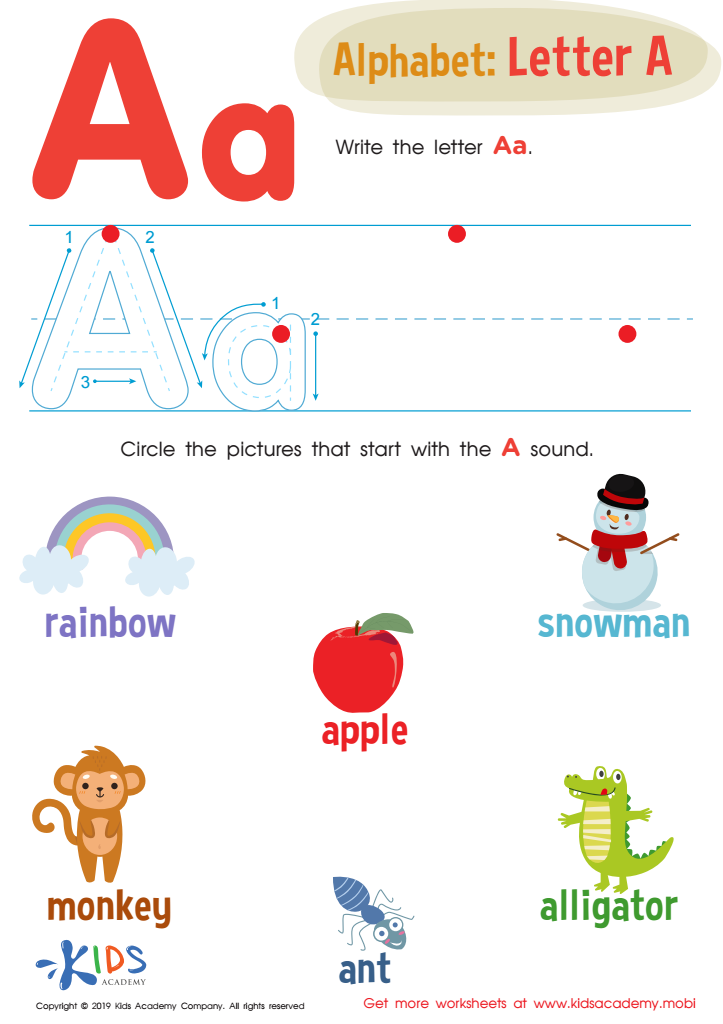
Letter A Tracing Worksheet
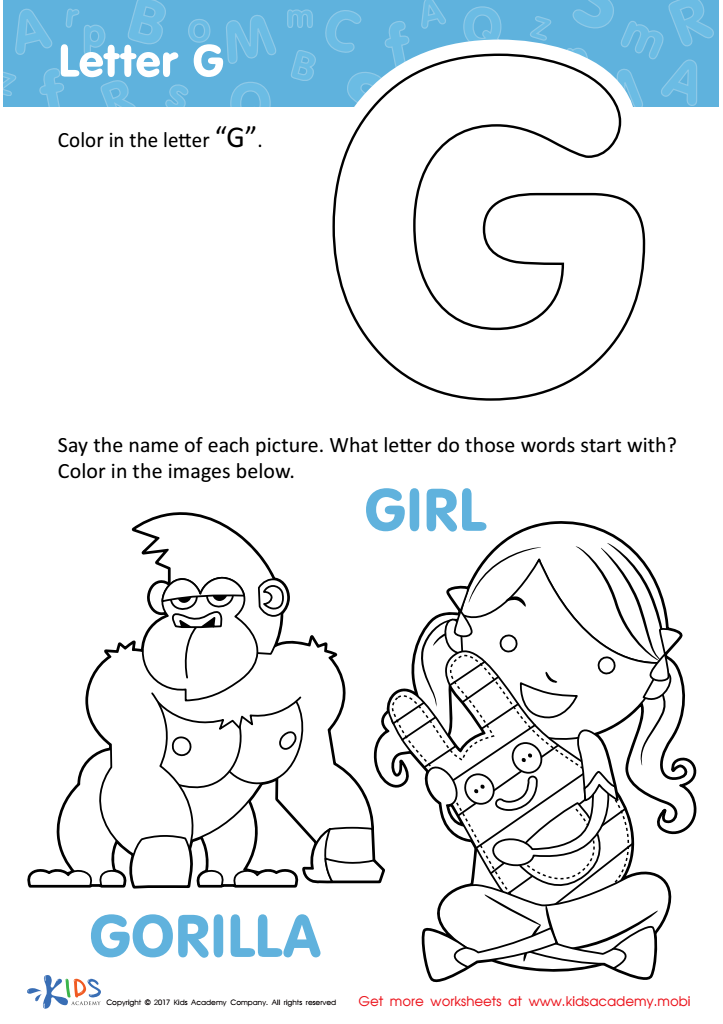
Letter G Coloring Sheet
Assign to My Students
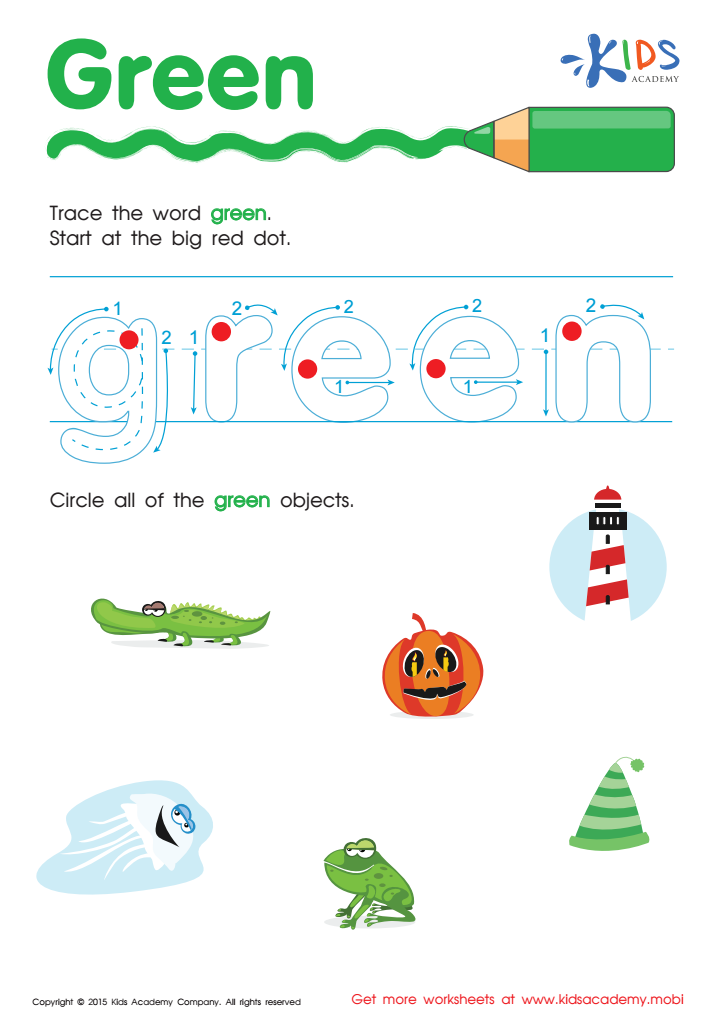
Green Tracing Color Words Worksheet
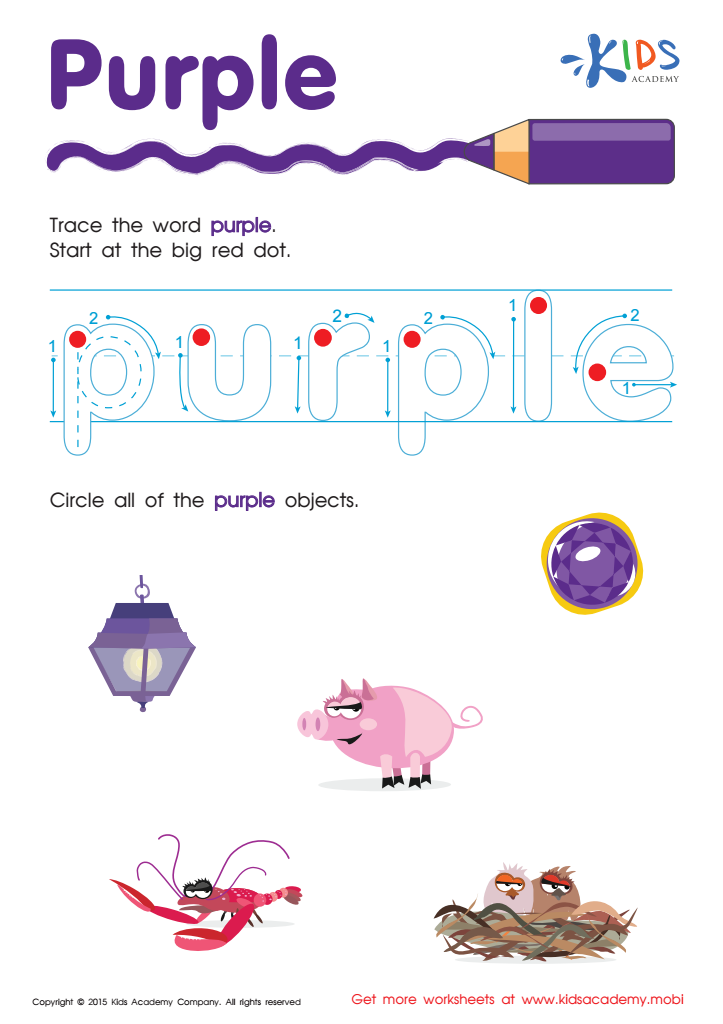
Purple Tracing Color Words Worksheet
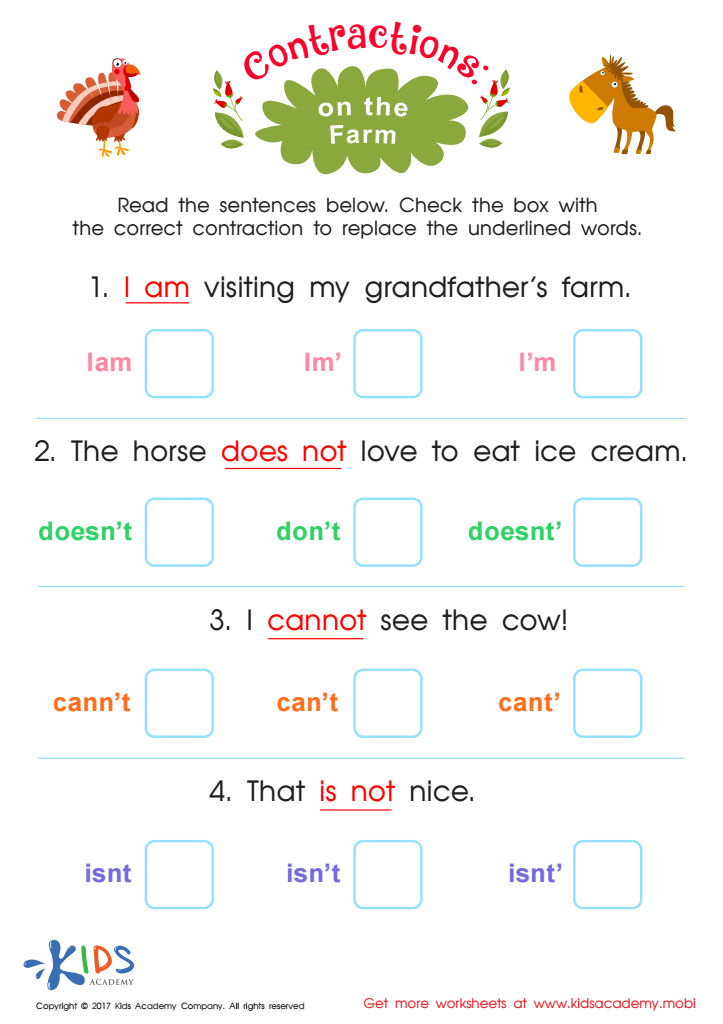
Contractions: On the Farm Printable
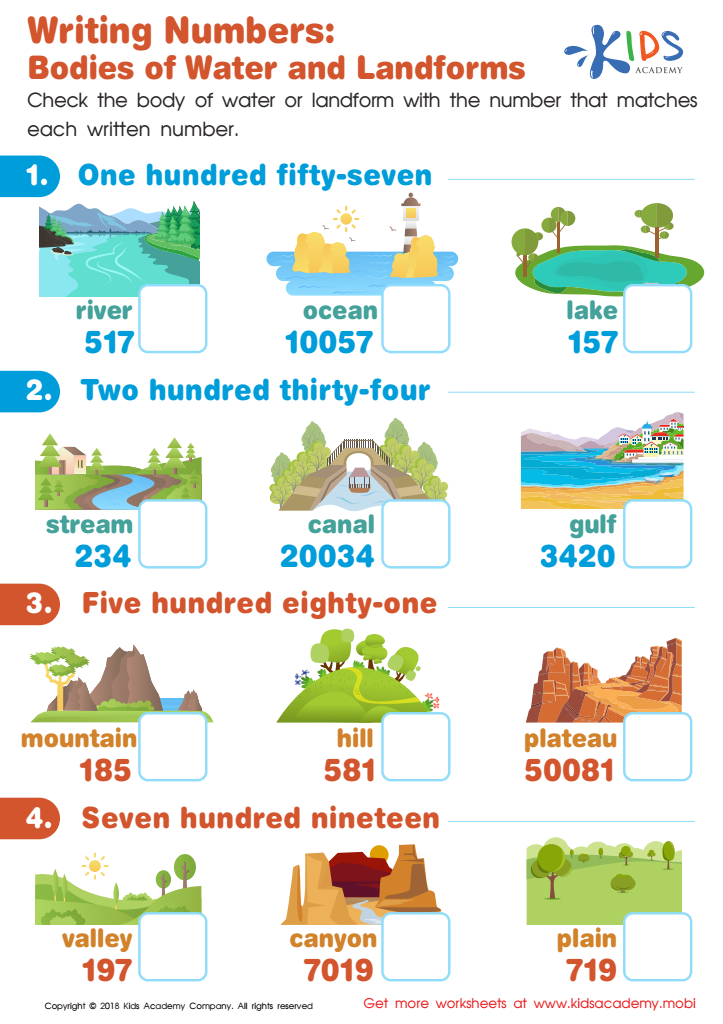
Bodies of Water and Landforms Writing Numbers Worksheet
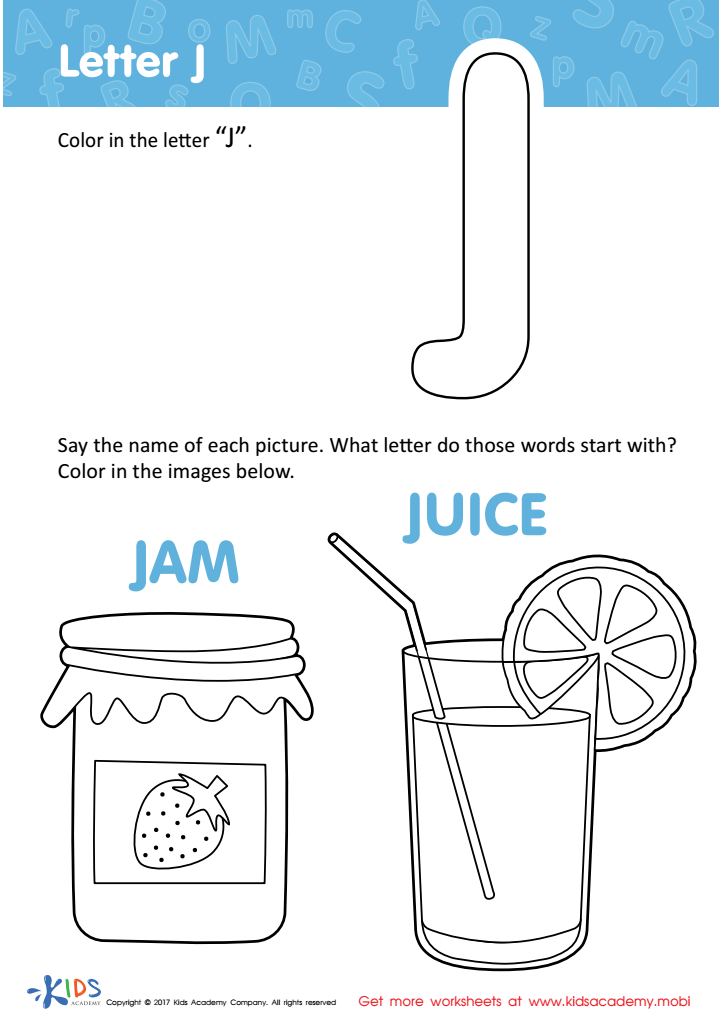
Letter J Coloring Sheet
Assign to My Students
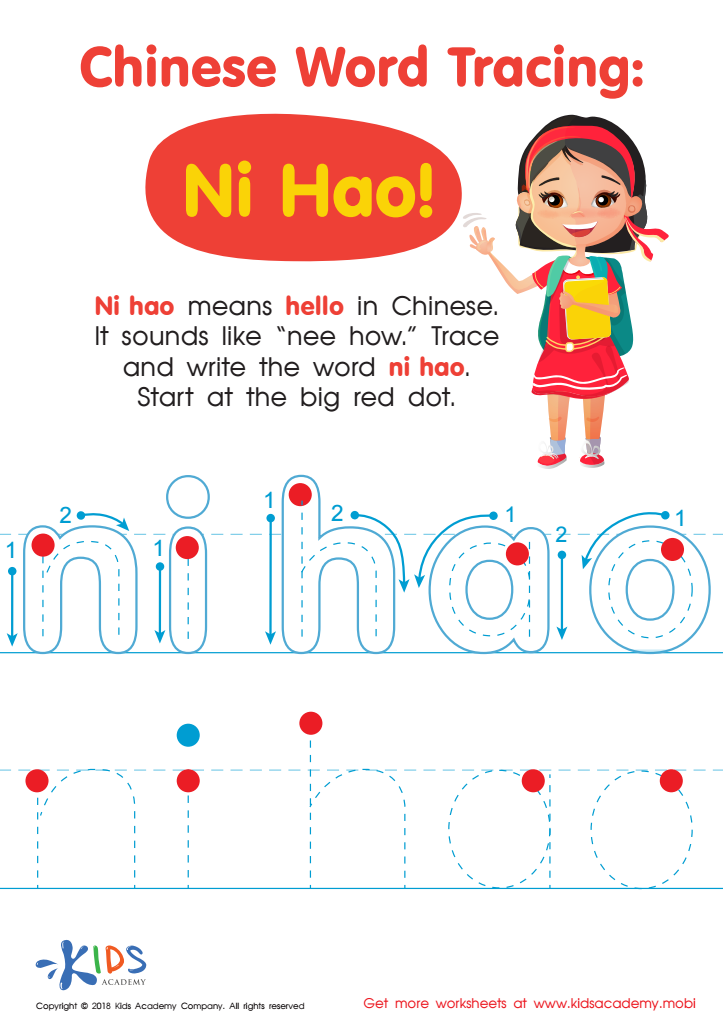
Chinese Word Tracing: Ni Hao Worksheet
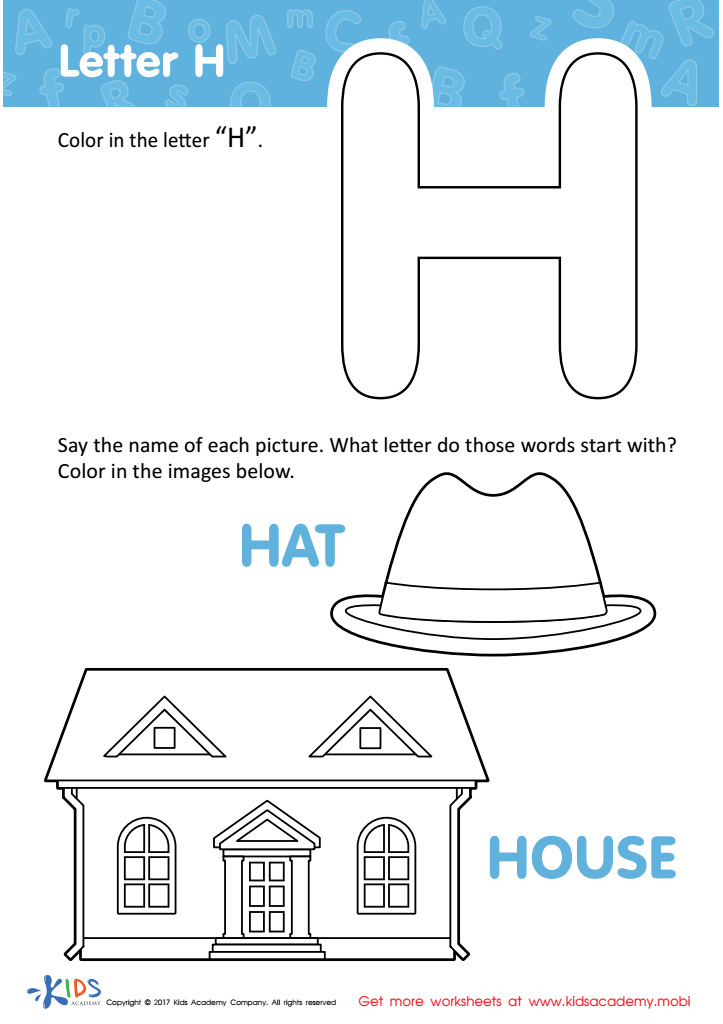
Letter H Coloring Sheet
Assign to My Students
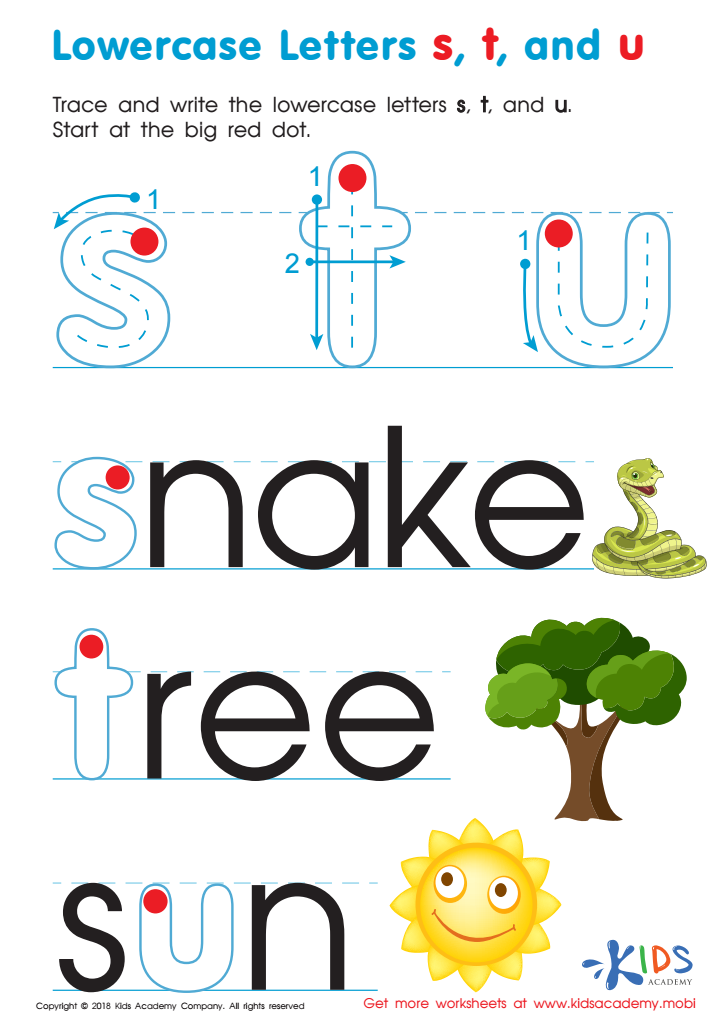
Lowercase Letters s t u Worksheet
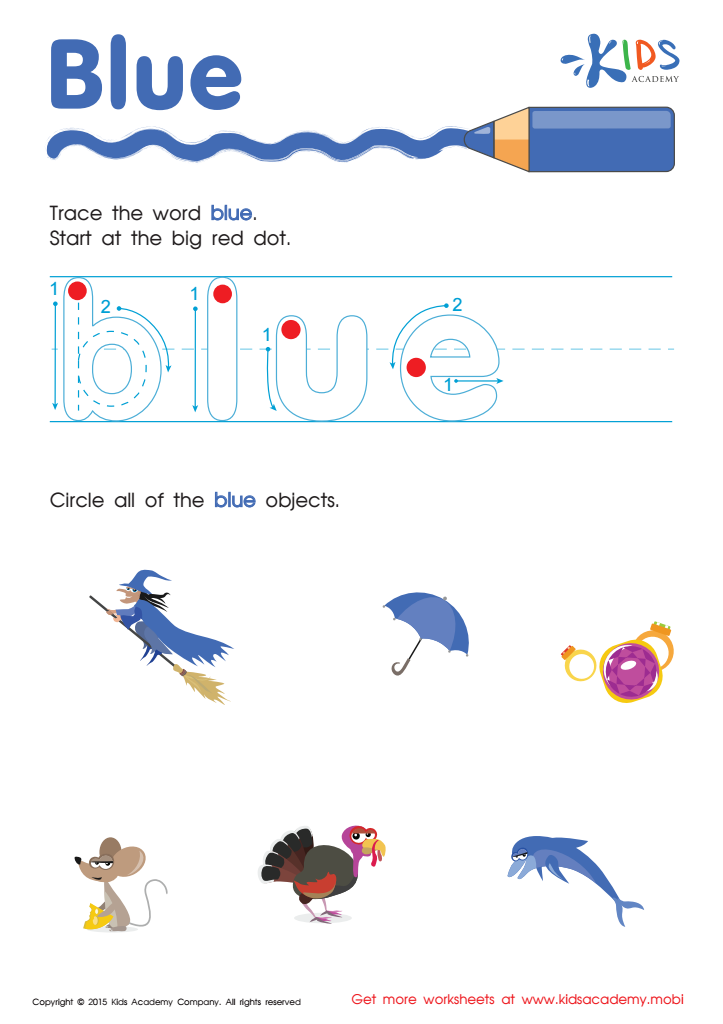
Blue Tracing Color Words Printable
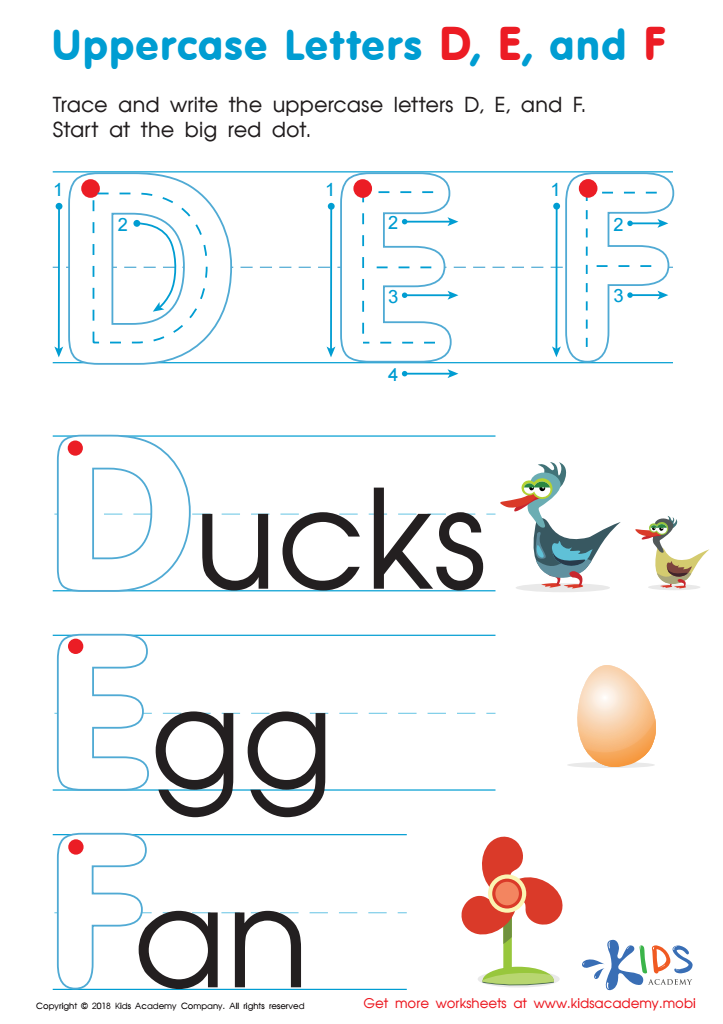
Uppercase Letters D, E, and F Worksheet
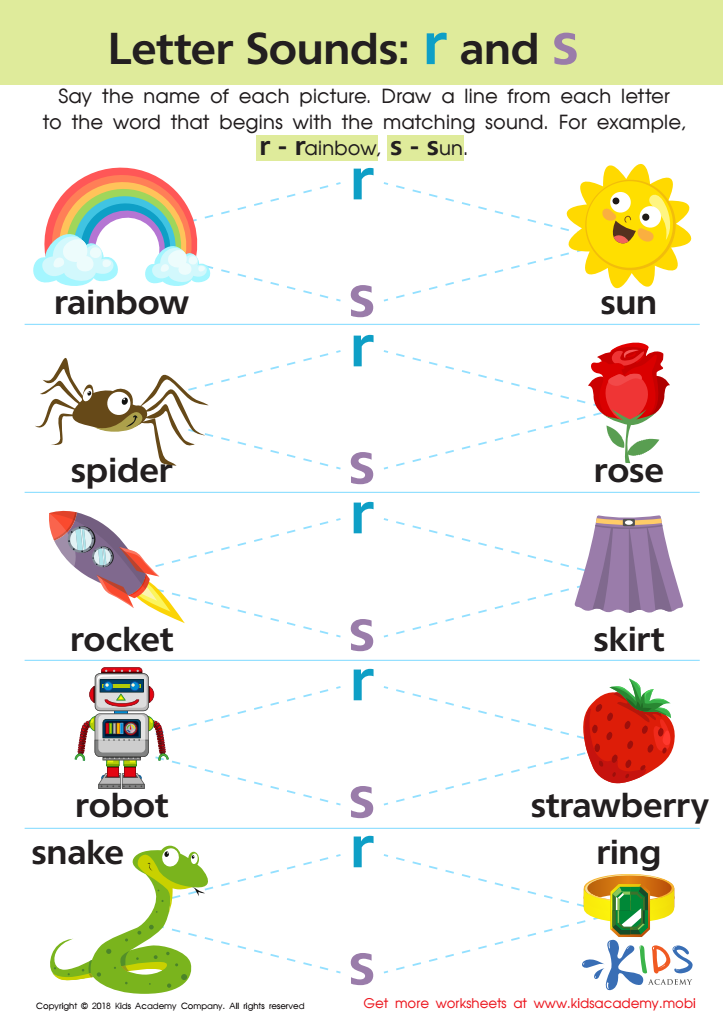
Letter R and S Sounds Worksheet

Brown Tracing Color Words Worksheet
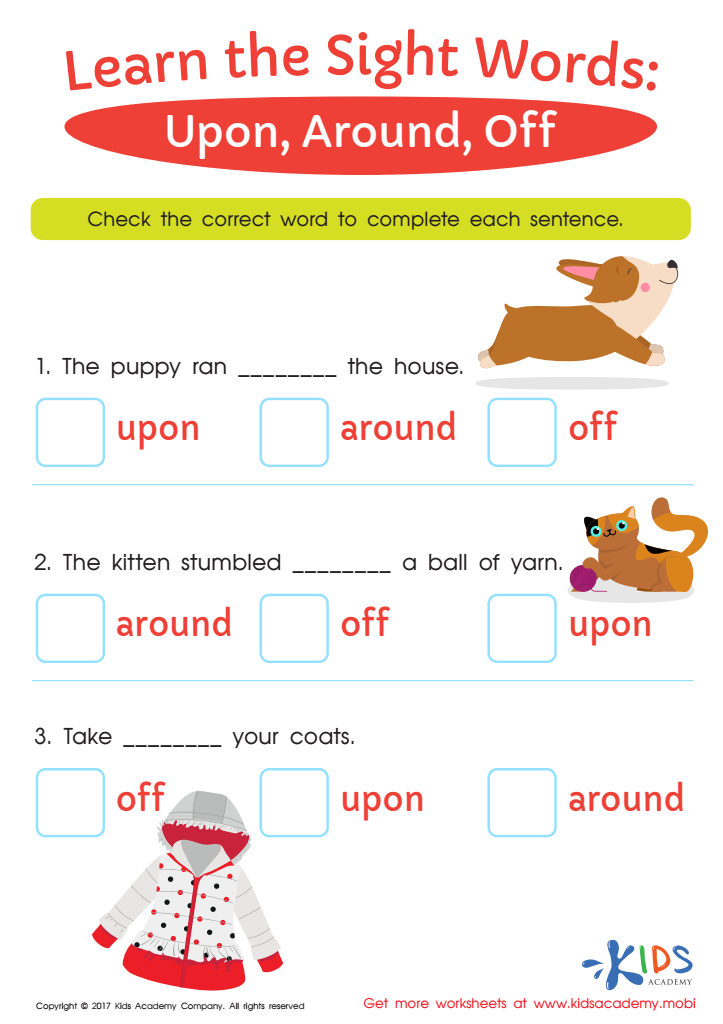
Upon, Around, Off Sight Words Worksheet



.jpg)




Ensuring children aged 4-9 practice handwriting is crucial for their overall academic and personal development. Firstly, handwriting enhances fine motor skills, which are essential for other tasks such as tying shoelaces, using utensils, and manipulating small objects—all vital for a child’s independence.
Cognitive development is another critical factor. When children write by hand, they activate brain areas tied to reading and academic success. This intricate process helps in recognizing letters and shapes, thereby improving literacy and comprehension skills. It bridges the connection between visual and kinesthetic learning, making it easier for kids to recall information.
Furthermore, handwriting is a form of self-expression. For young children, it nurtures creativity and imagination, allowing them to convey their ideas and emotions effectively. Sending handwritten notes or stories boosts their self-esteem significantly, offering a sense of achievement and pride in their abilities.
Handwriting also instills discipline and patience. It’s a practice that requires focus and persistence, teaching children to take their time to achieve the desired outcome. Establishing these habits early sets the foundation for better organizational and time-management skills later in life.
Ultimately, handwriting practice is more than just a way to communicate on paper; it’s a multifaceted tool that contributes immeasurably to a child’s holistic growth.








