Logical Reasoning Normal Worksheets for Ages 4-9 - Page 2
34 filtered results
-
From - To
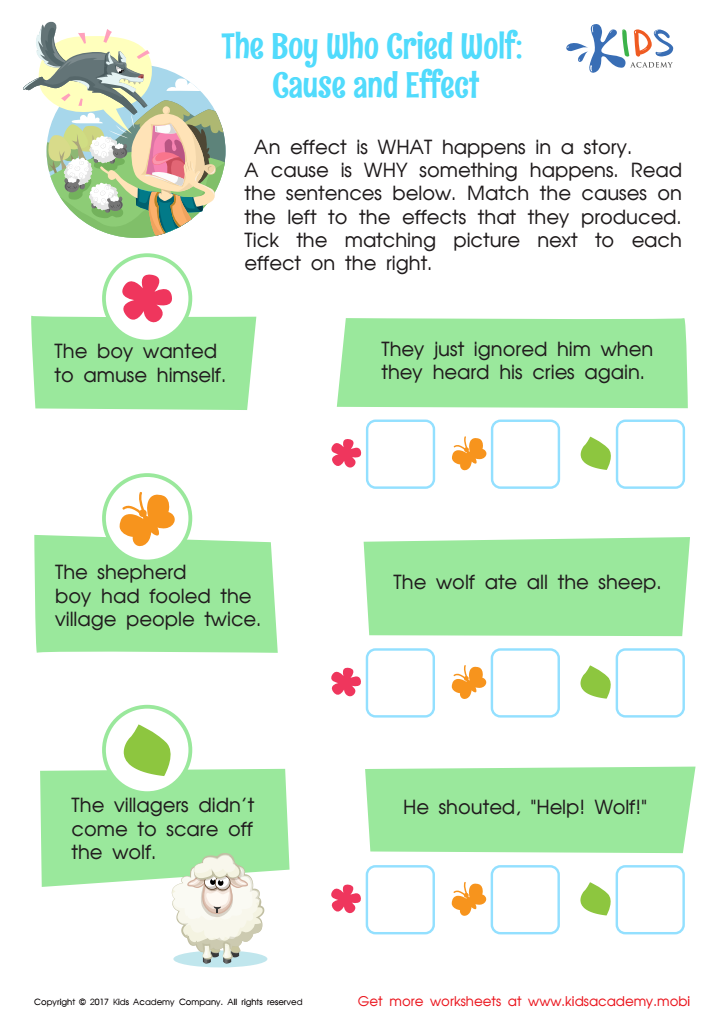
The Boy Who Cried Wolf: Cause and Effect Worksheet
 Assign to My Students
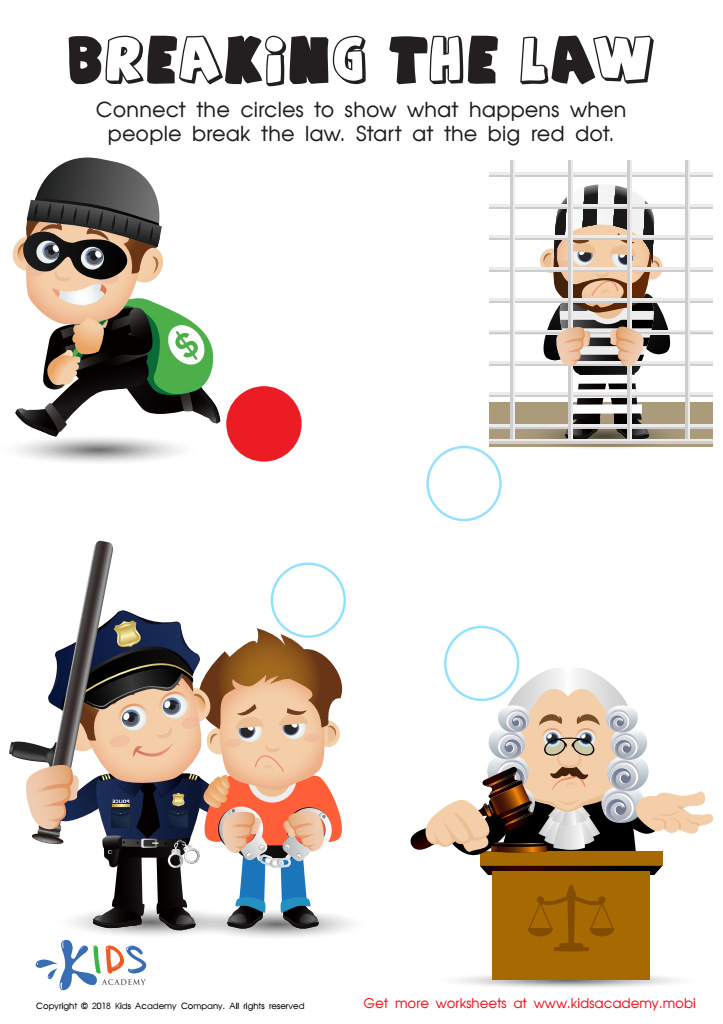
Breaking the Law Worksheet
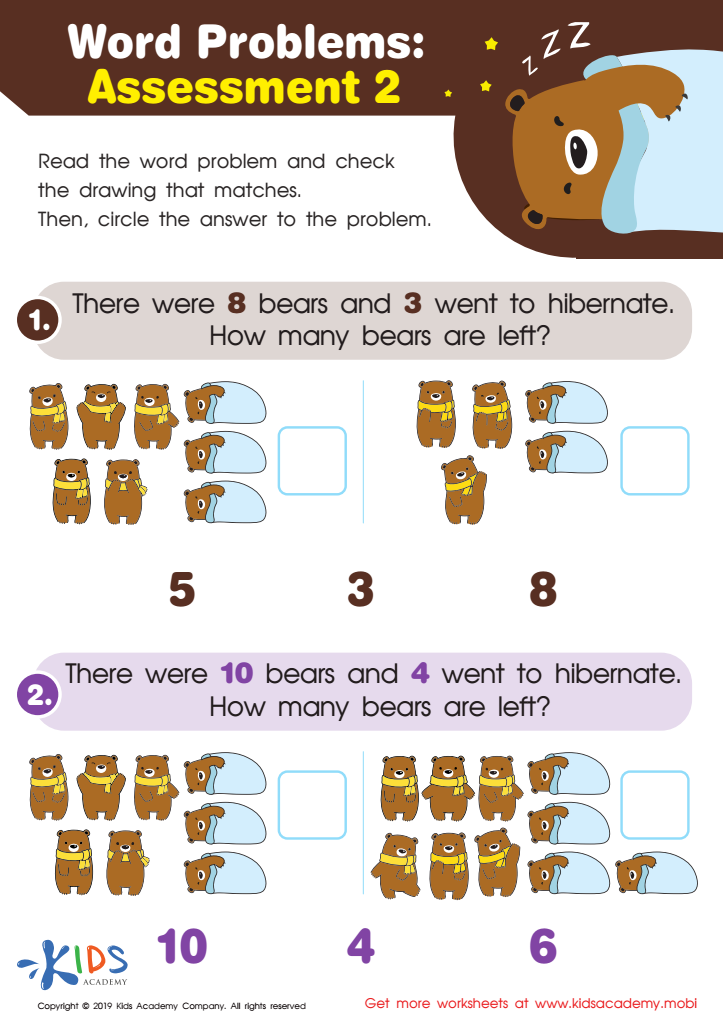
Word Problems: Assessment 2 Worksheet
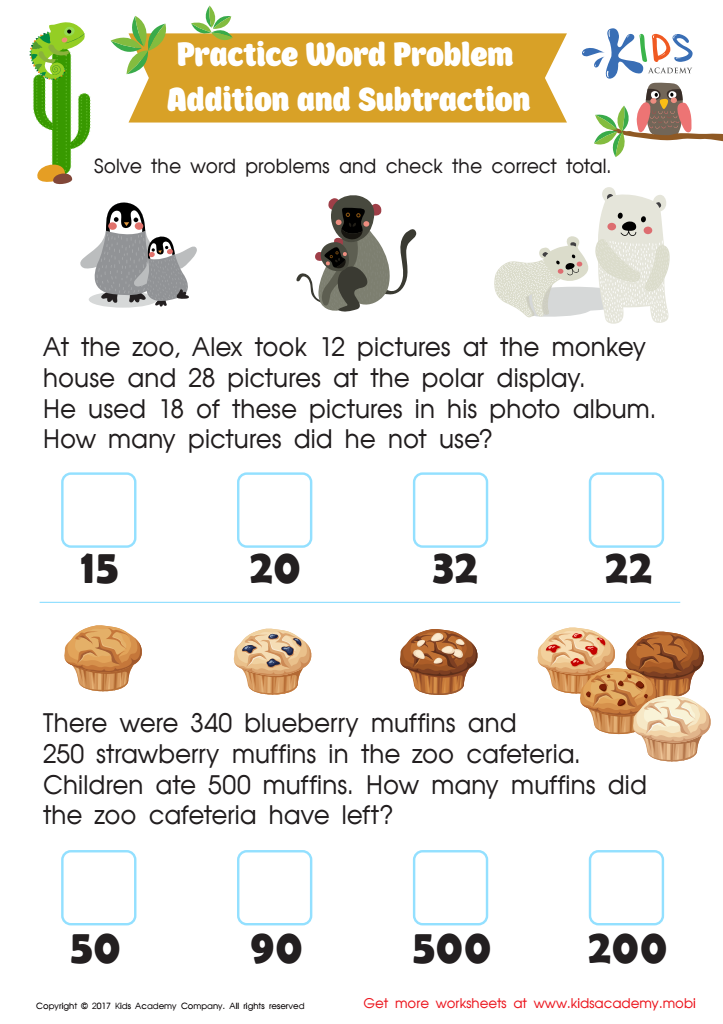
Addition and Subtraction: Word Problems Worksheet
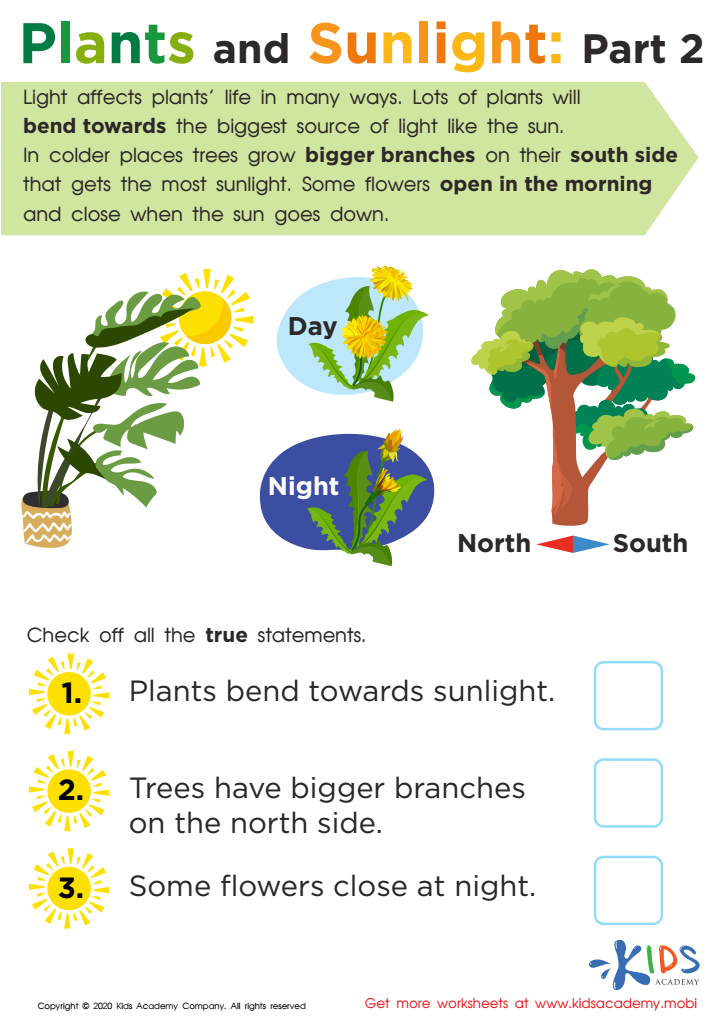
Plants and Sunlight: Part 2 Worksheet
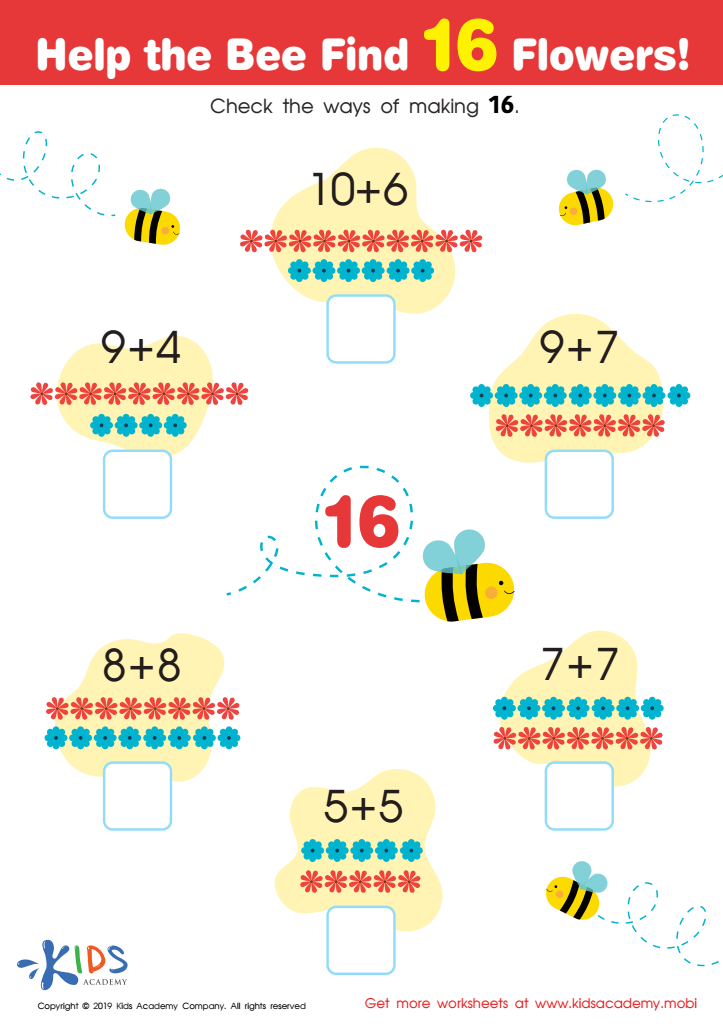
Help the Bee Find 16 Flowers Worksheet
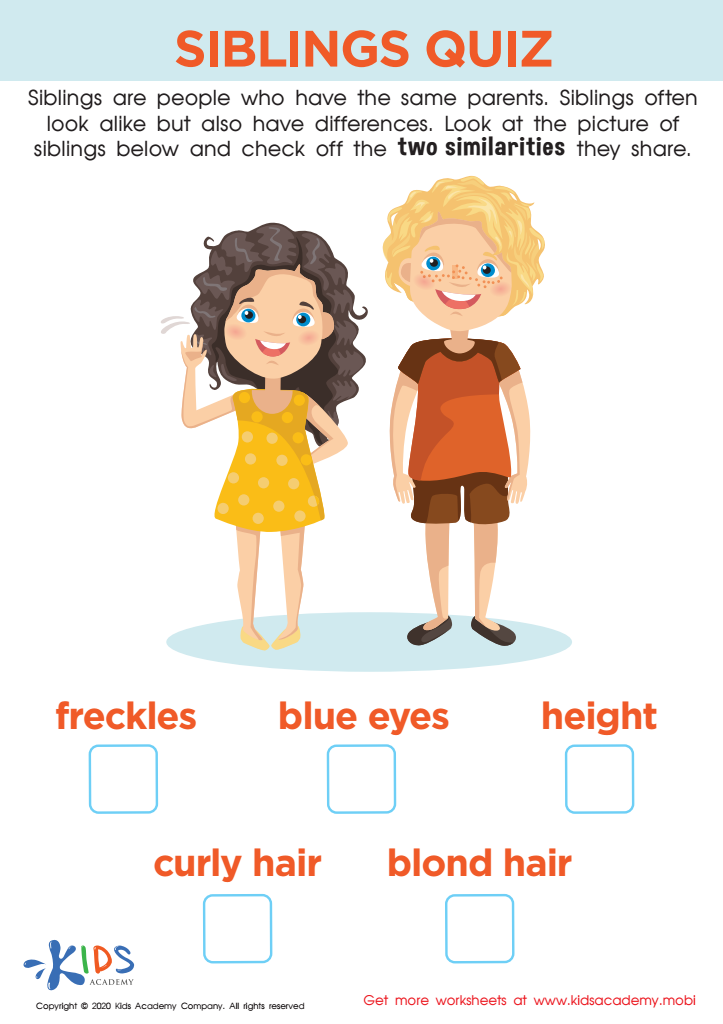
Siblings Quiz Worksheet
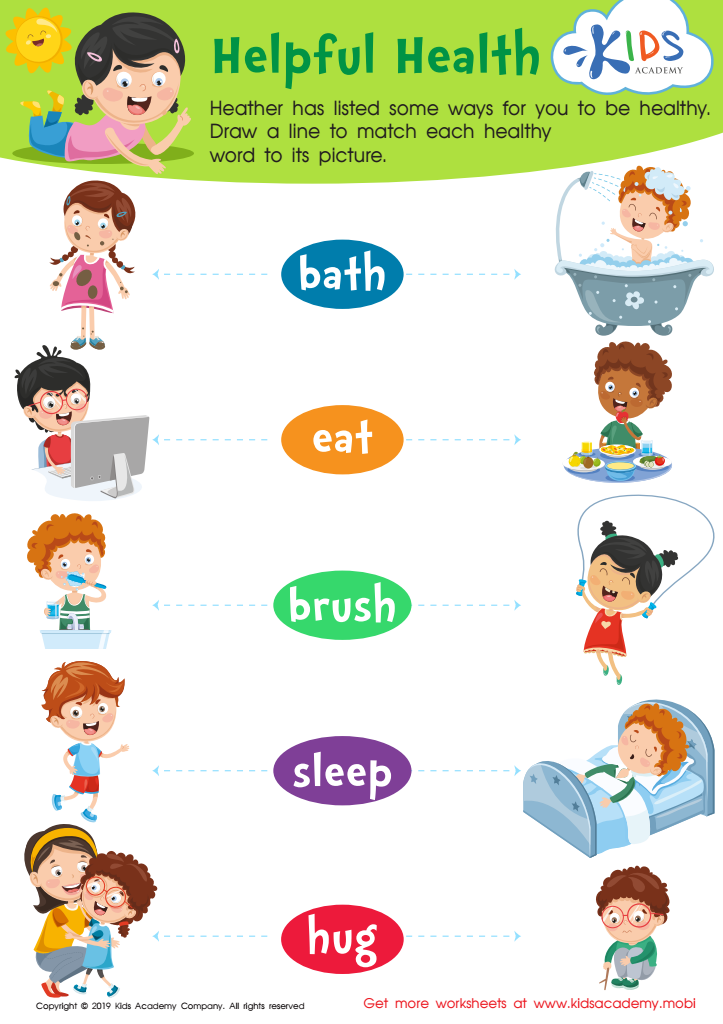
Helpful Health Worksheet
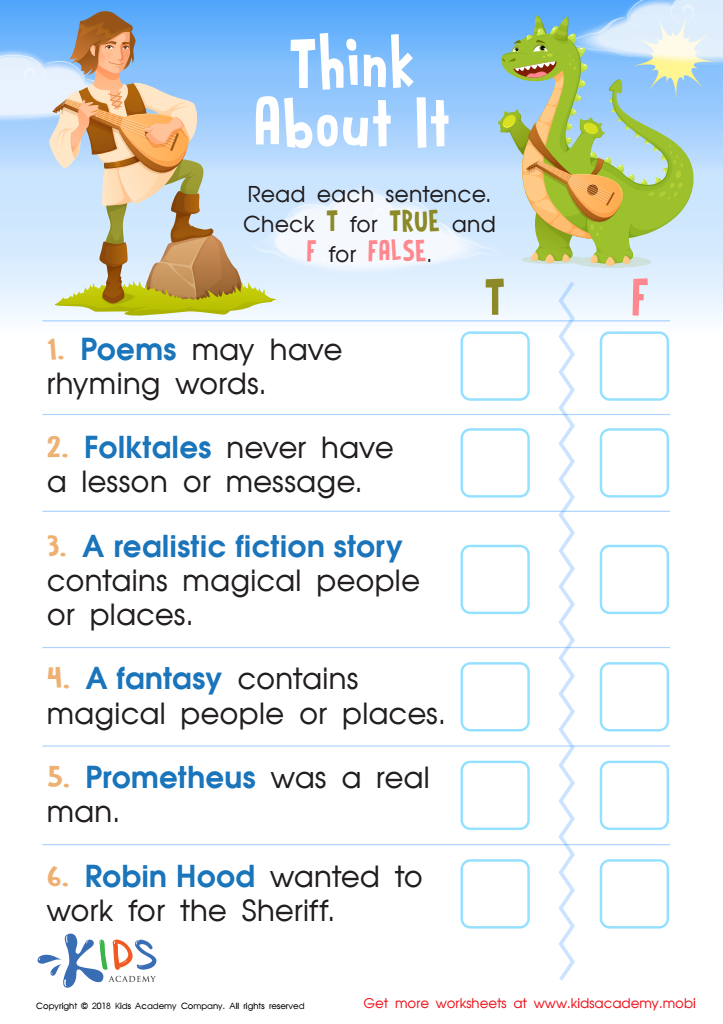
Think About It: Assessment Worksheet
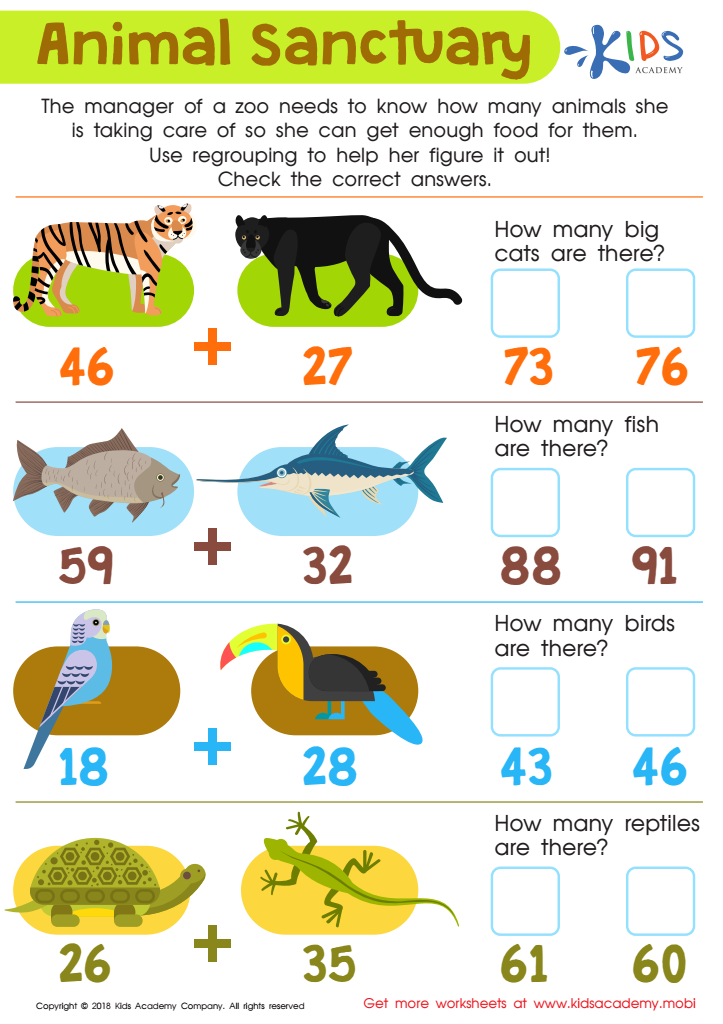
Animal Sanctuary Worksheet





Investing attention and energy in developing logical reasoning in children ages 4-9 is critically important for both parents and teachers. At this formative stage, young brains are incredibly receptive and impressionable, making it the perfect period to lay the foundation for strong cognitive skills that will benefit children for the rest of their lives.
Logical reasoning enhances problem-solving abilities, enabling children to approach challenges systematically and think through solutions, rather than relying on trial and error. This skill transcends academic subjects and is useful in everyday decision-making processes, fostering independence and confidence. Furthermore, logical reasoning aids in understanding mathematical concepts, scientific inquiry, and even literacy skills, as children learn to sequence narratives and predict story outcomes.
When parents and teachers encourage activities that promote logical thinking—such as puzzles, strategy games, and open-ended questions—they help children learn how to think critically. Such activities not only make learning enjoyable but also equip young learners with tools to understand the world around them in a structured and meaningful way. Eventually, these cognitive foundations support more complex learning and intellectual curiosity, which are essential for academic success and lifelong learning. By focusing on logical reasoning early, we support holistic development and prepare children for future challenges, both in school and in life.








