Visual learning enhancement Normal Worksheets for Ages 4-9
5 filtered results
-
From - To
Discover our Visual Learning Enhancement Worksheets, designed specifically for children aged 4-9! These engaging resources aim to support young learners in developing essential visual skills through colorful activities and interactive exercises. Our thoughtfully crafted worksheets encourage children to improve their observation, recognition, and memory, making learning both fun and effective. Ideal for parents and educators, these printable worksheets seamlessly integrate into home study sessions or classroom lessons. Unlock the potential of visual learning and help your child thrive academically with our captivating, age-appropriate materials. Explore the world of visual learning enhancement today and watch your child's confidence and skills grow!
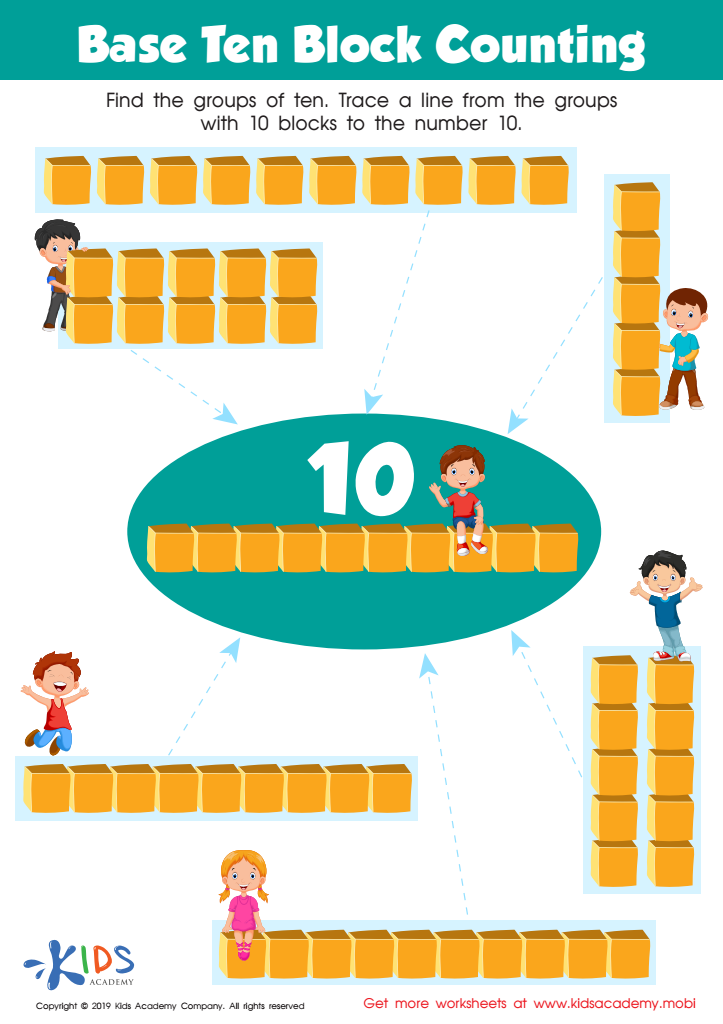
Base Ten Block Counting Worksheet
 Assign to My Students
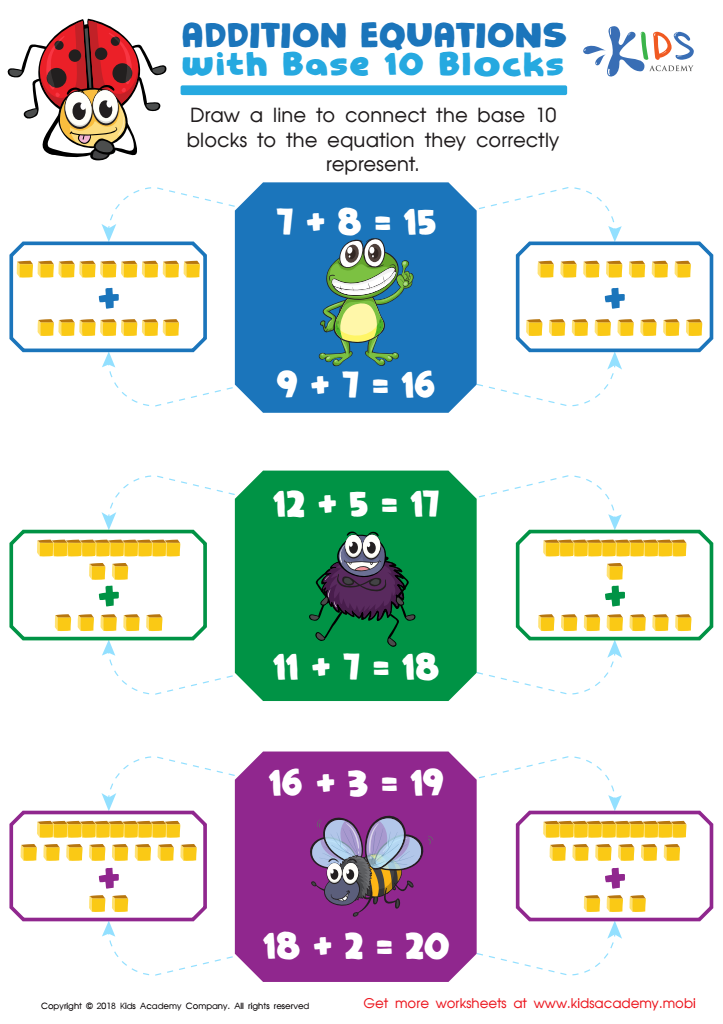
Addition Equations With Base 10 Blocks Worksheet
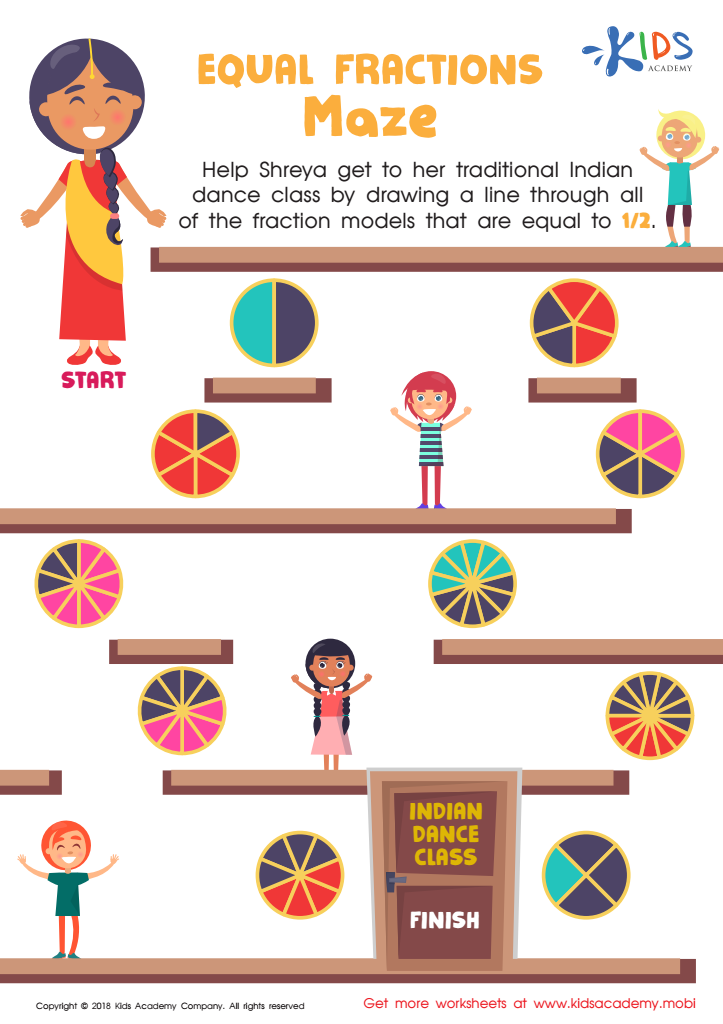
Equal Fractions Maze Worksheet
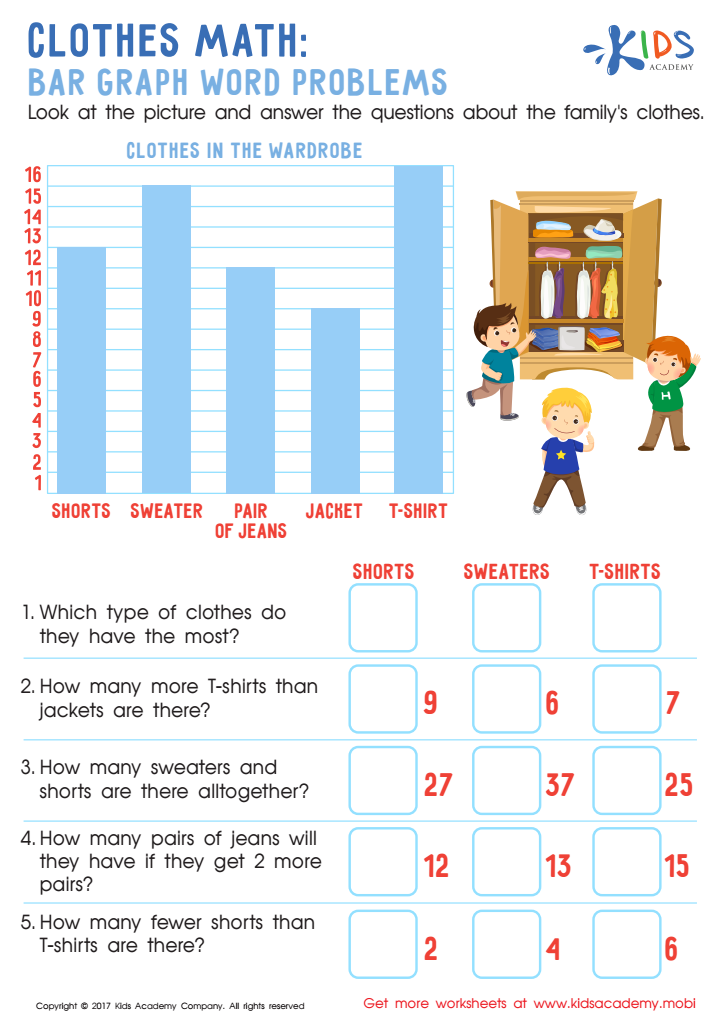
Clothes Math: Bar Graph Word Problems Worksheet
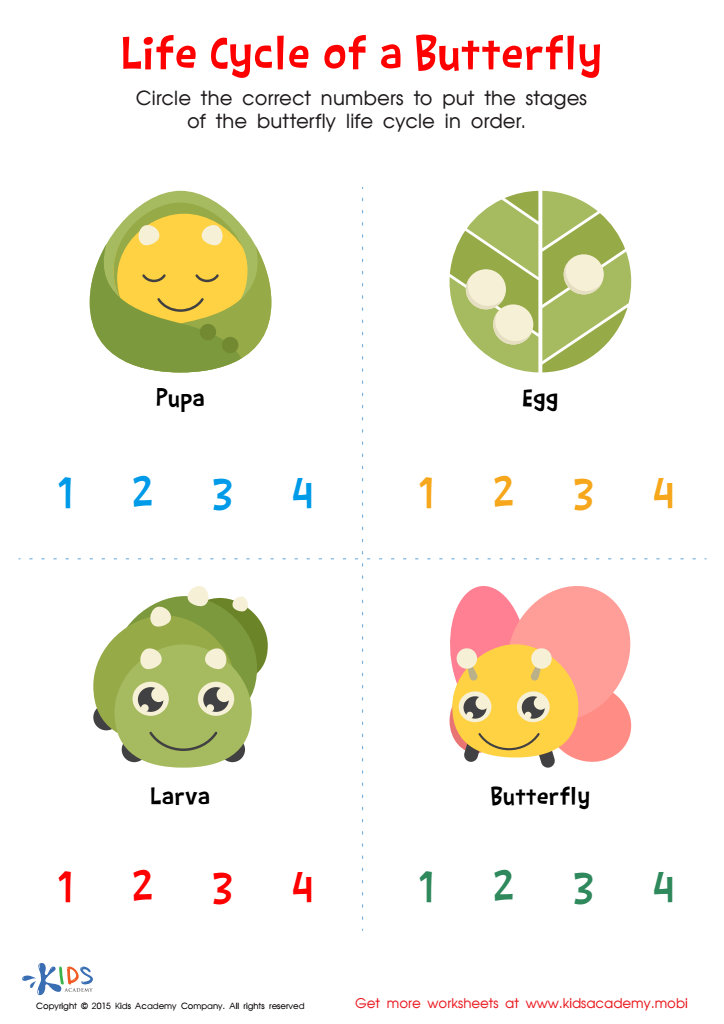
Life Cycle of Butterfly Printable




.jpg)



Parents and teachers should care about visual learning enhancement for children ages 4-9 because young learners are naturally visual in their cognitive development. This age group benefits significantly from visual aids such as charts, images, and videos that make learning engaging and easier to comprehend. Utilizing visual strategies can help capture children's attention, sparking their interest and curiosity.
Moreover, visual learning supports retention and understanding, as children can associate concepts with images, making information more memorable. By implementing these techniques, educators can accommodate diverse learning styles, ensuring that visual learners—who comprise a significant portion of this age demographic—thrive in a supportive environment.
Additionally, cultivating an early appreciation for visual learning can enhance critical thinking and problem-solving skills. Children learn to interpret, analyze, and synthesize information visually, skills vital for academic success and everyday life.
Lastly, using visual learning methods fosters collaboration and communication. Children often engage in group activities that promote social skills while exploring ideas together. By prioritizing visual learning enhancement, parents and teachers contribute to developing confident, well-rounded learners prepared for future educational challenges.








