Normal Comparing Numbers Worksheets for Ages 4-9 - Page 2
32 filtered results
-
From - To
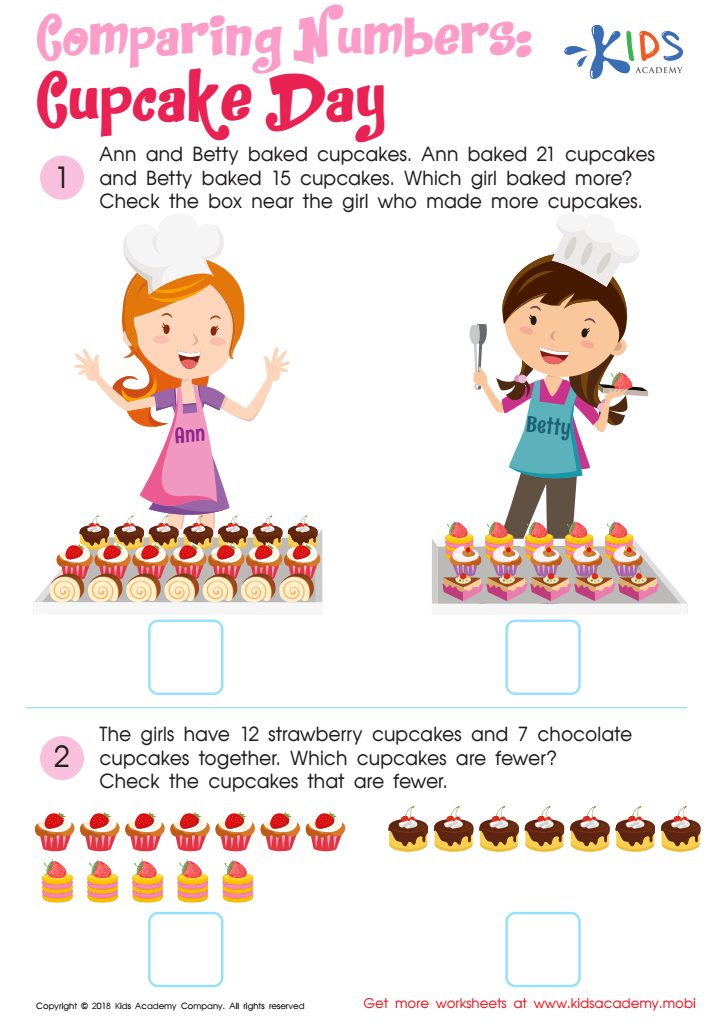
Cupcake Day Worksheet
 Assign to My Students
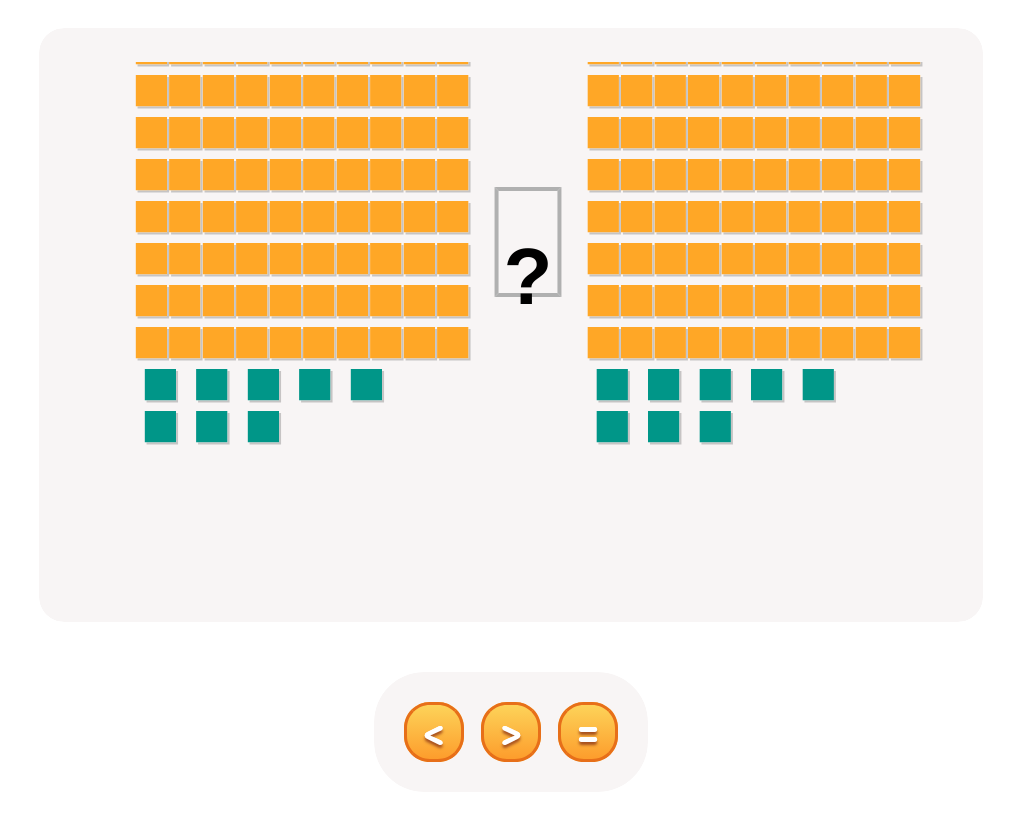

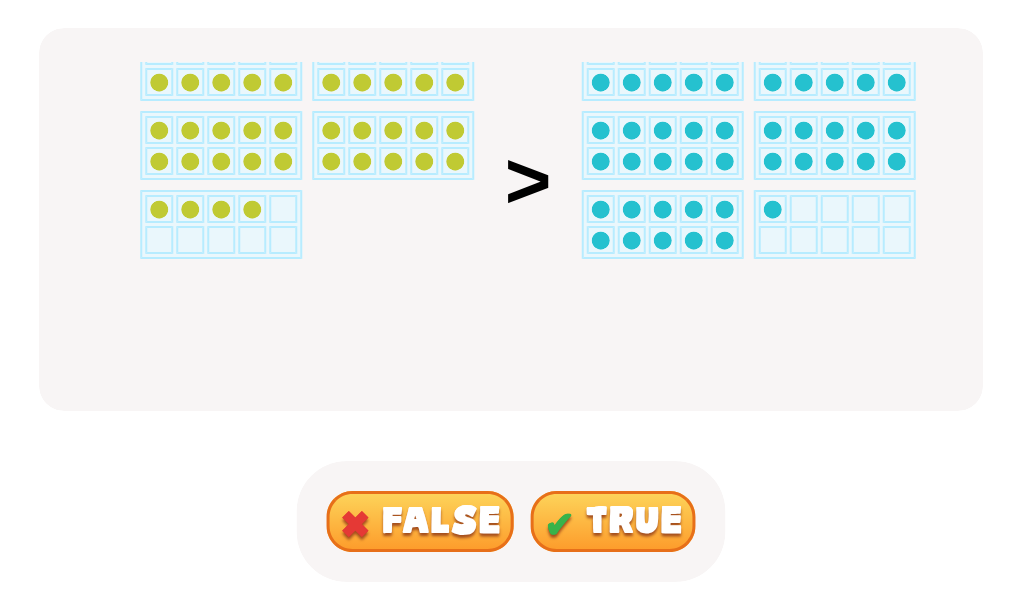
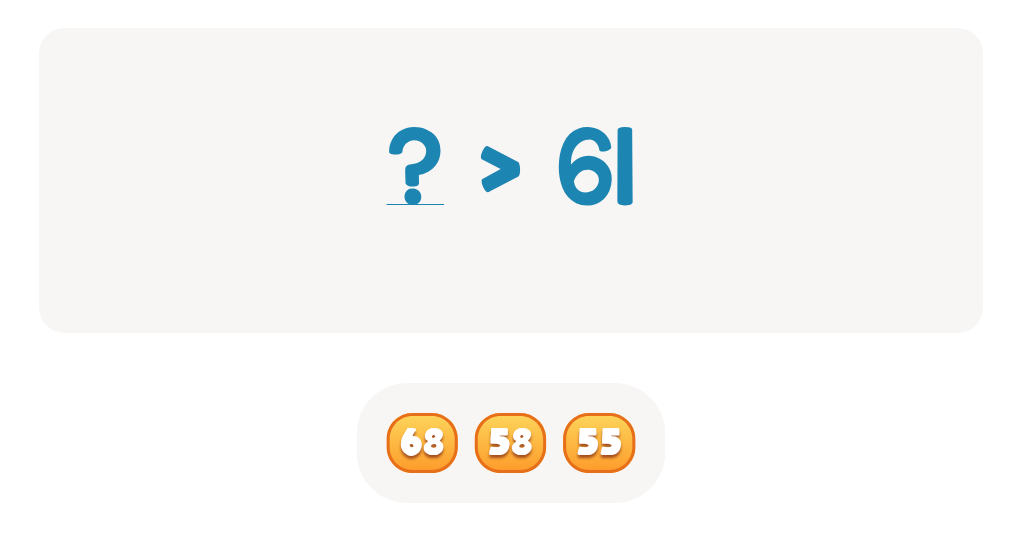
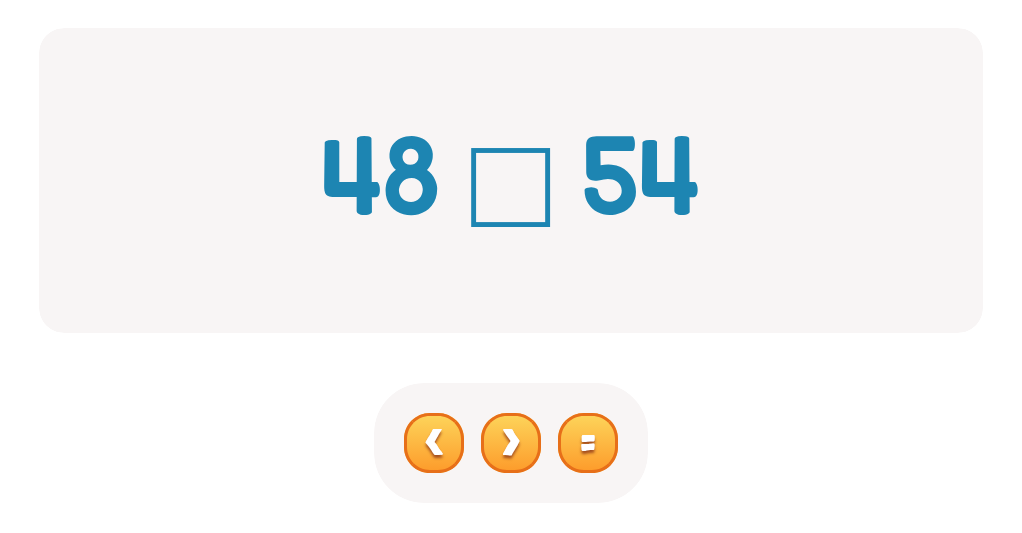
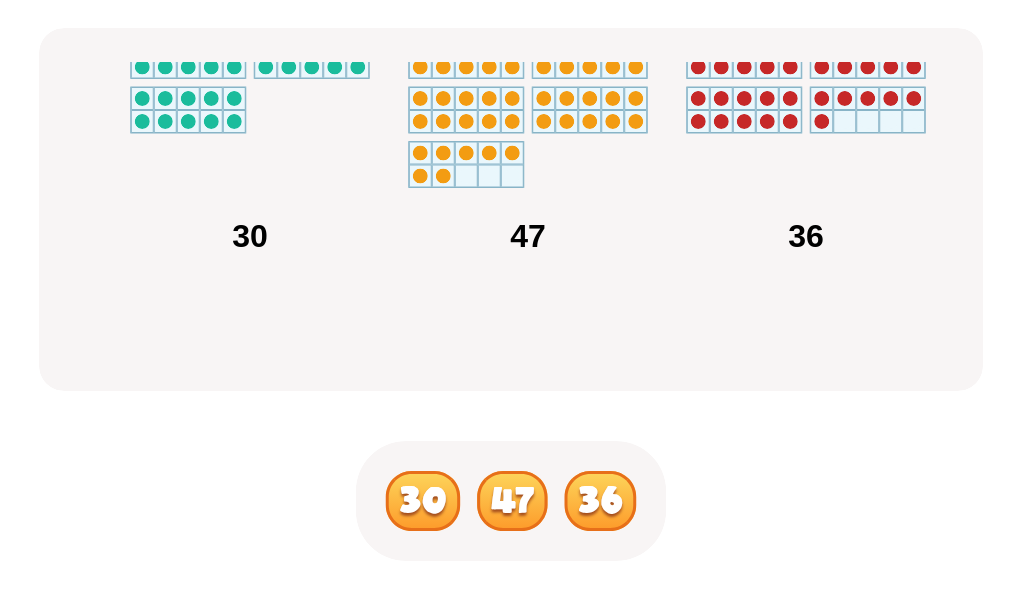
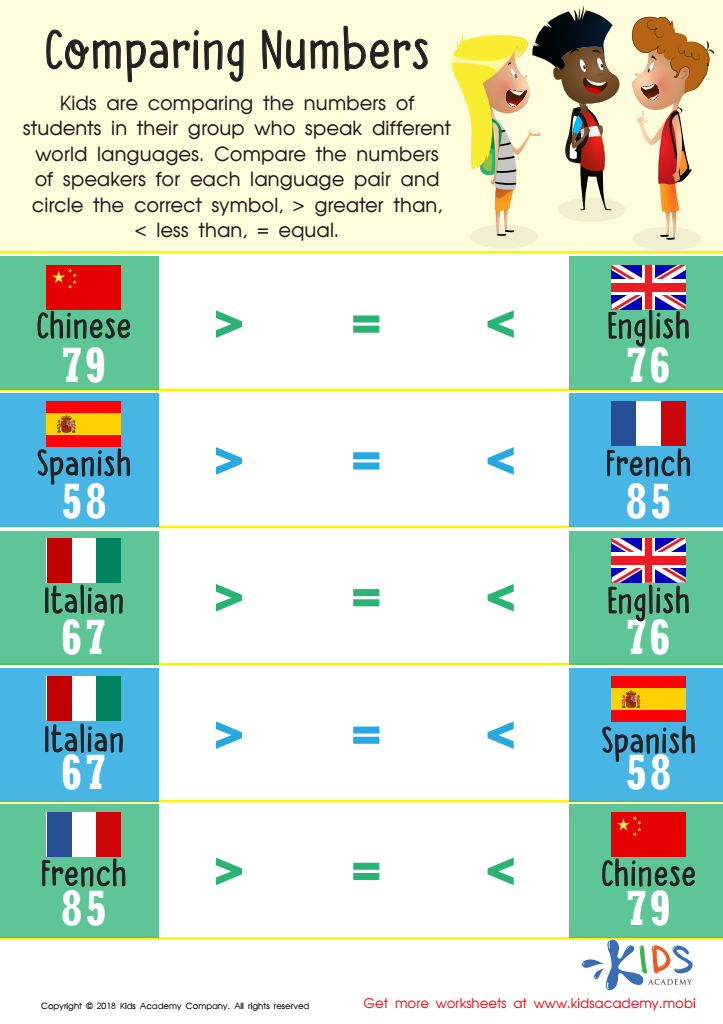
Comparing Numbers Worksheet for 1st Grade
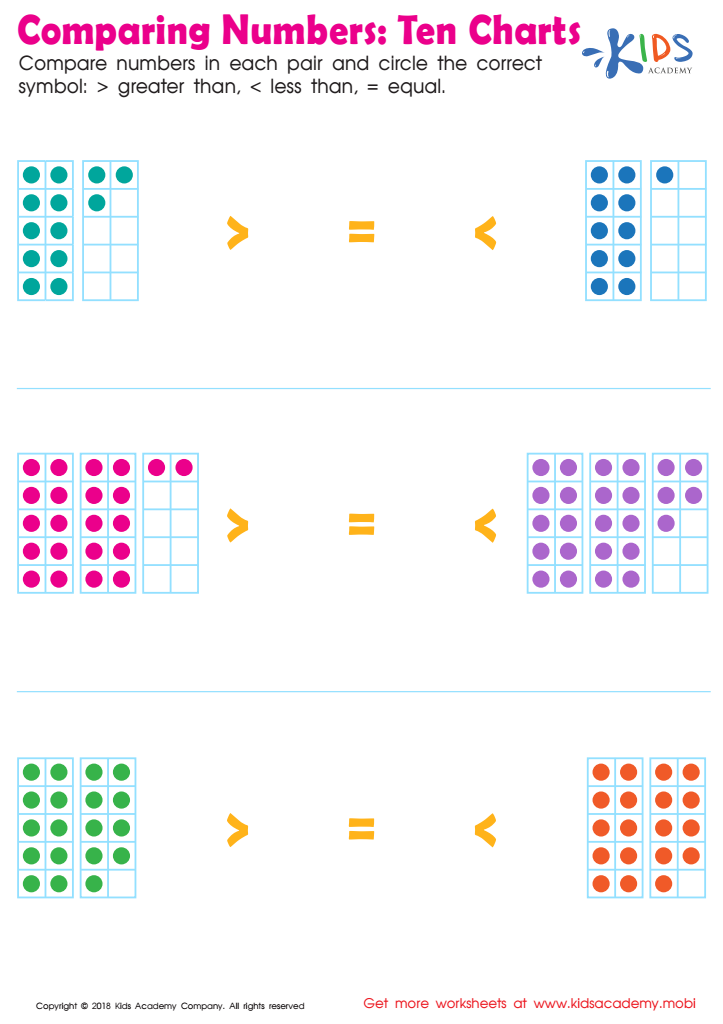
Ten Charts Worksheet
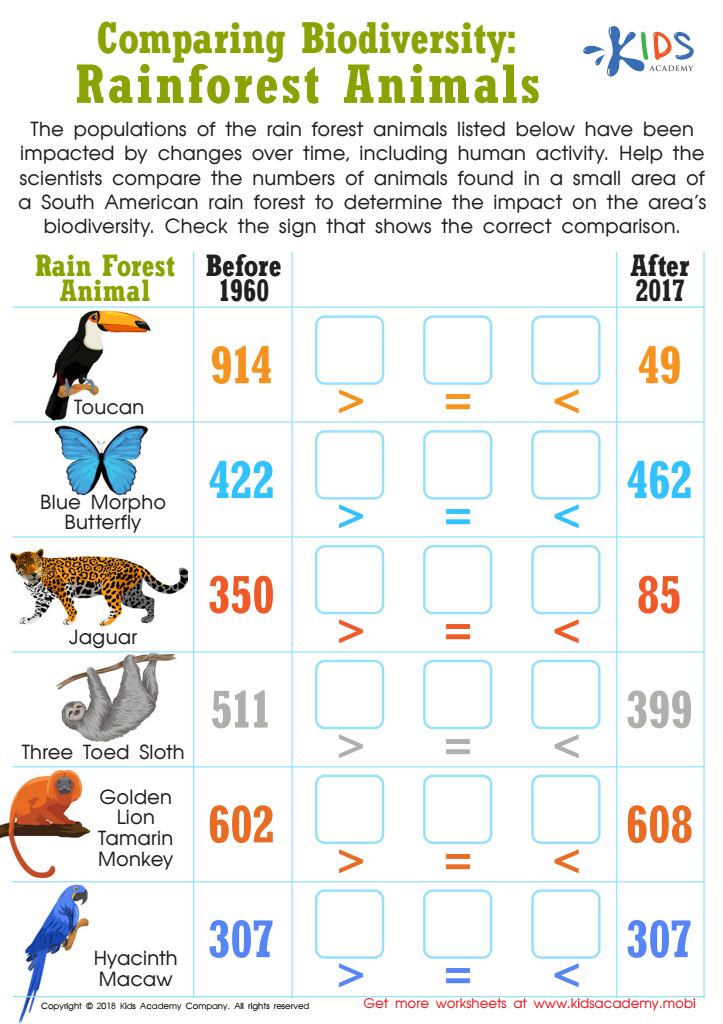
Comparing Biodiversity: Rainforest Animals Worksheet
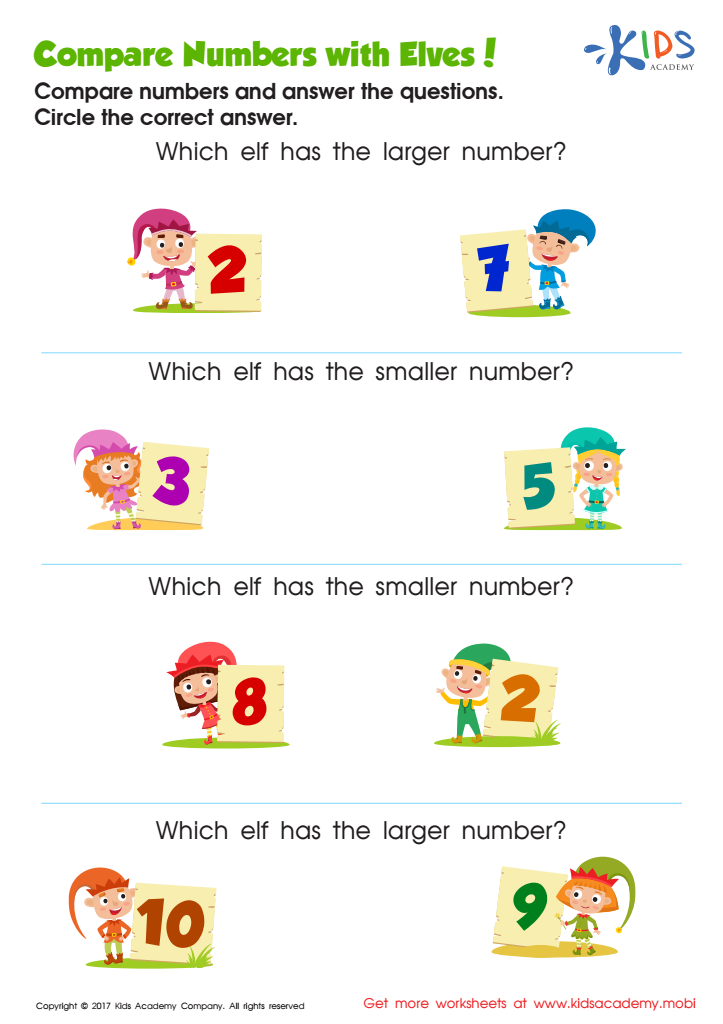
Comparing Numbers Worksheet for Kindergarten
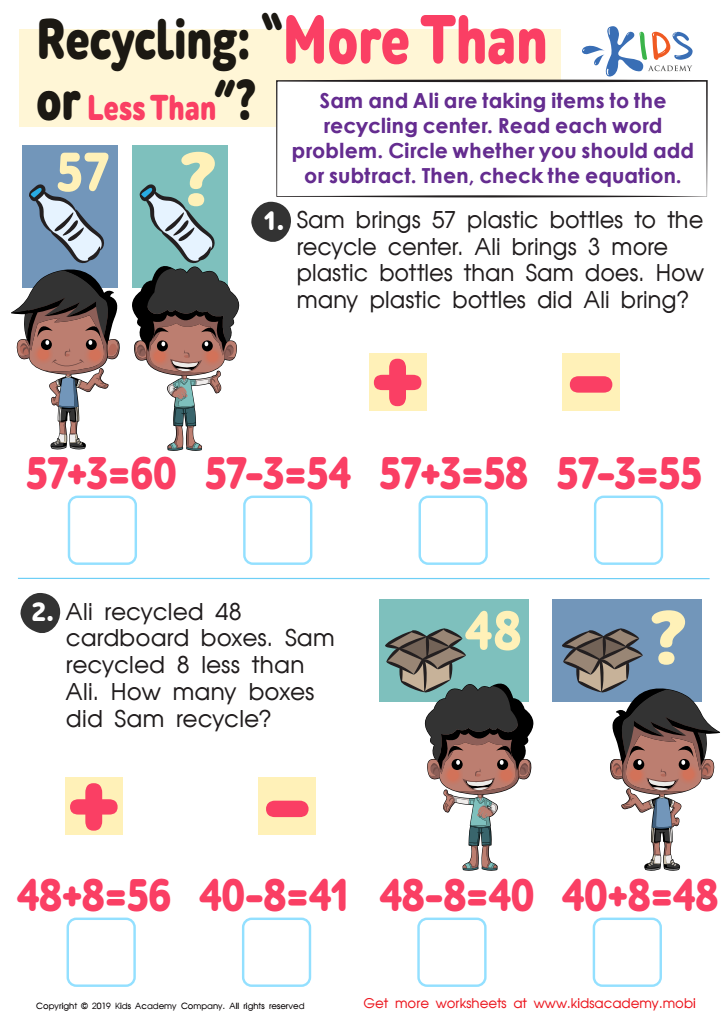
Recycling - More or Less Worksheet
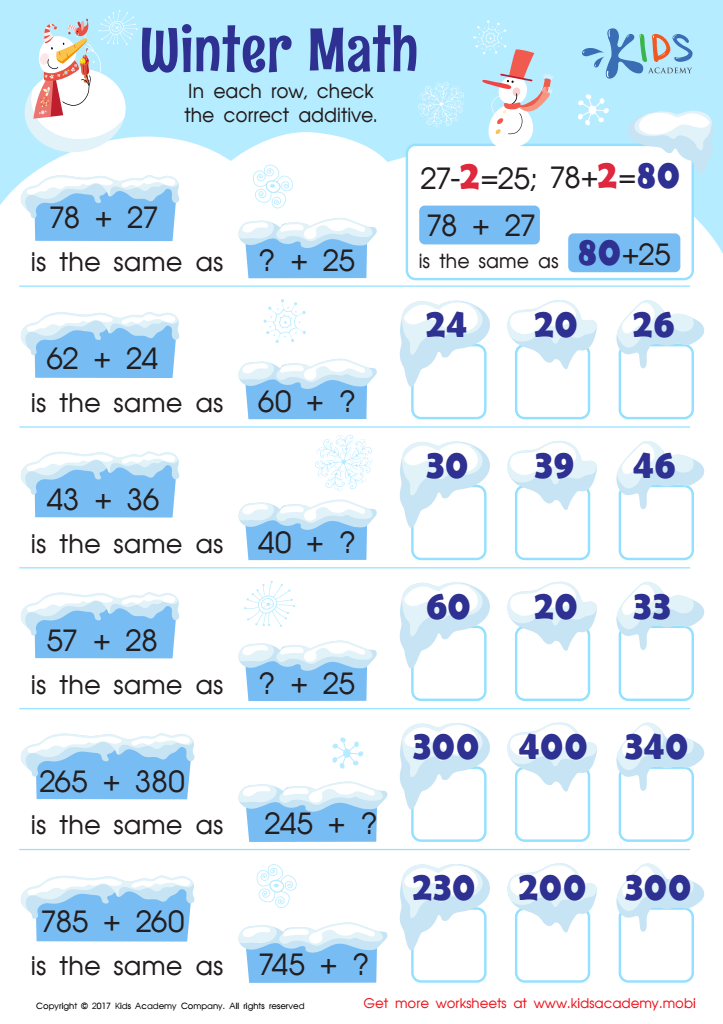
Free Addition Worksheet
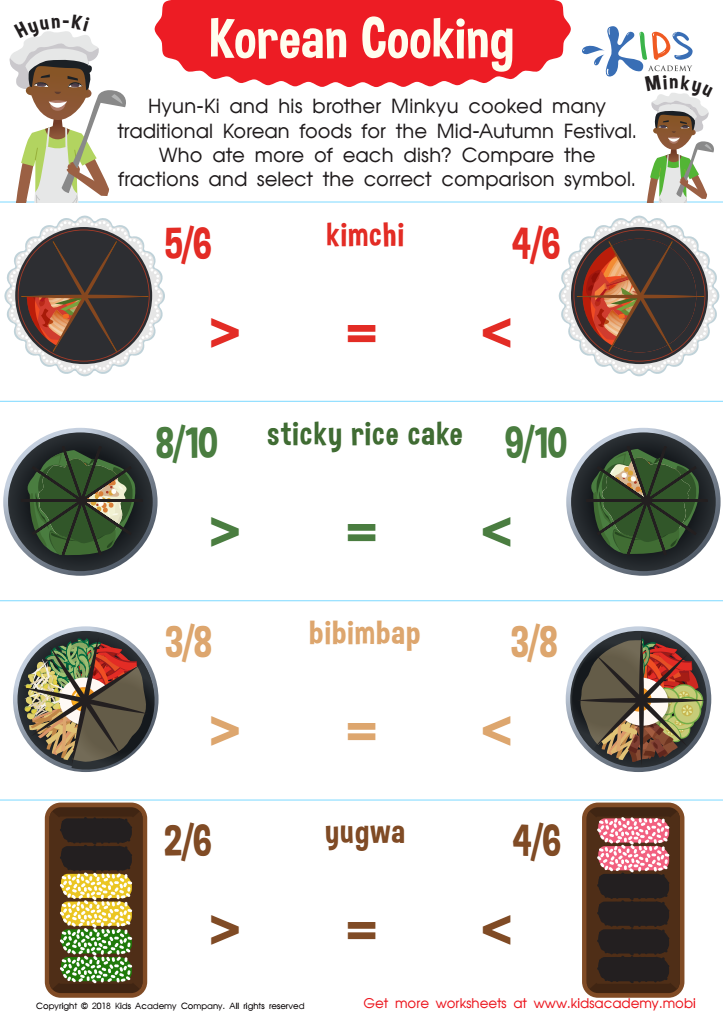
Korean Cooking Worksheet








Normal comparing numbers is a fundamental skill for children aged 4-9 that lays the foundation for more advanced math concepts. At this age, kids are developing critical thinking and problem-solving abilities, and understanding how to compare numbers enhances these skills. By recognizing which numbers are larger or smaller, children can make logical decisions, solve basic addition and subtraction problems, and begin to understand number relationships.
For parents and teachers, fostering this skill encourages a solid mathematical foundation that supports future learning. Engaging children in activities such as counting objects, comparing groups, or using everyday situations—like shopping or cooking—makes math relatable and fun. By building confidence in their abilities to compare numbers, children can develop a positive attitude towards math, reducing anxiety later in their academic careers.
Beyond academics, learning to compare numbers fosters analytical thinking and helps children understand concepts of more and less, which are vital in everyday situations. By prioritizing this skill, parents and teachers contribute directly to a child’s overall cognitive development, preparing them for both academic challenges and real-world applications throughout their lives. Investing time in these early mathematical skills can lead to long-term educational success.