Basic Math Skills Normal Math Worksheets for Ages 4-9
35 filtered results
-
From - To
Discover the perfect resource for building a strong mathematical foundation in children aged 4-9 with our Basic Math Skills Normal Math Worksheets. Designed to make learning fun and effective, our worksheets cover essential topics such as counting, addition, subtraction, and number sequencing. These carefully crafted activities help young learners develop problem-solving skills and boost their confidence in math. Easy to download and print, our worksheets provide an engaging and interactive way for kids to practice and master basic math concepts at their own pace. Transform math learning into an enjoyable experience with our expertly designed worksheets.
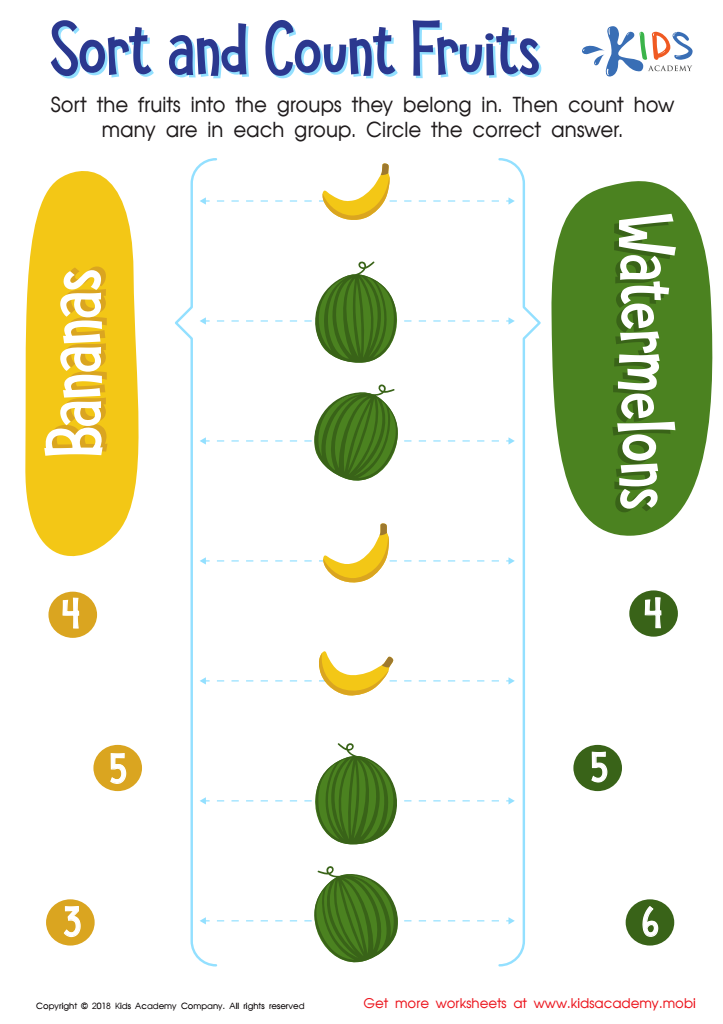
Sort and Count Fruits Worksheet
 Assign to My Students
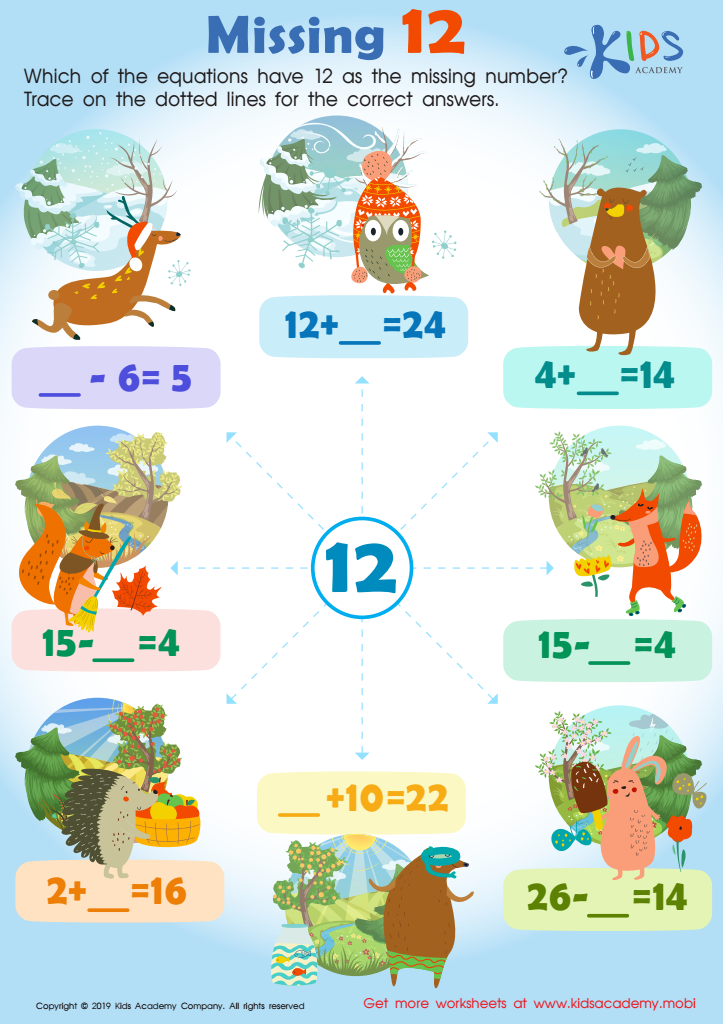
Missing 12 Worksheet
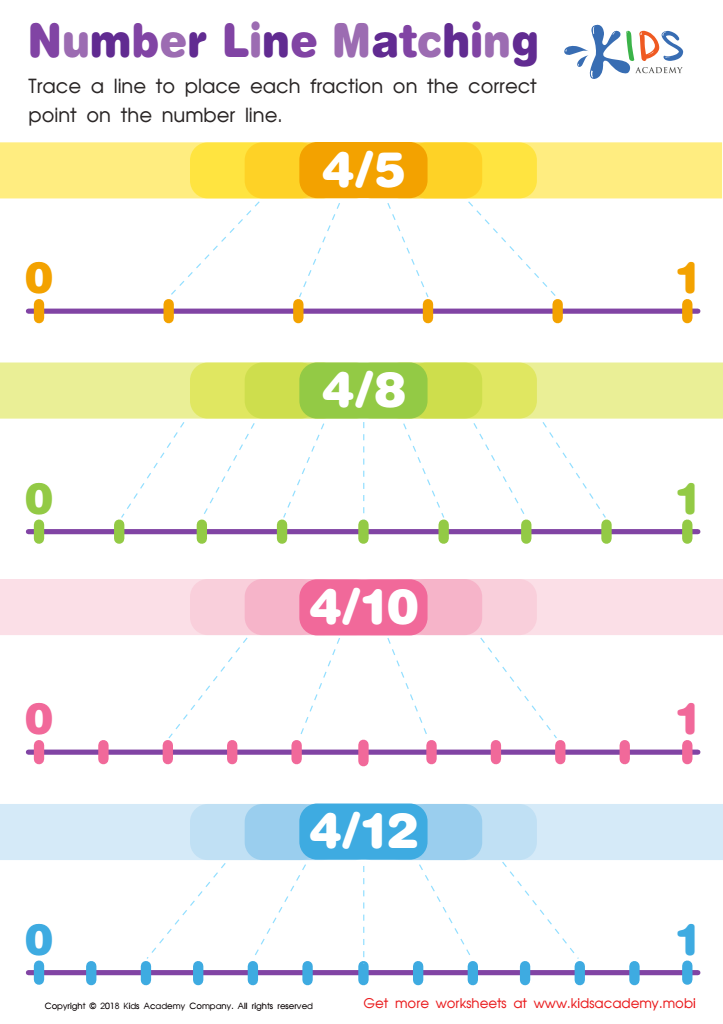
Number Line Matching Worksheet
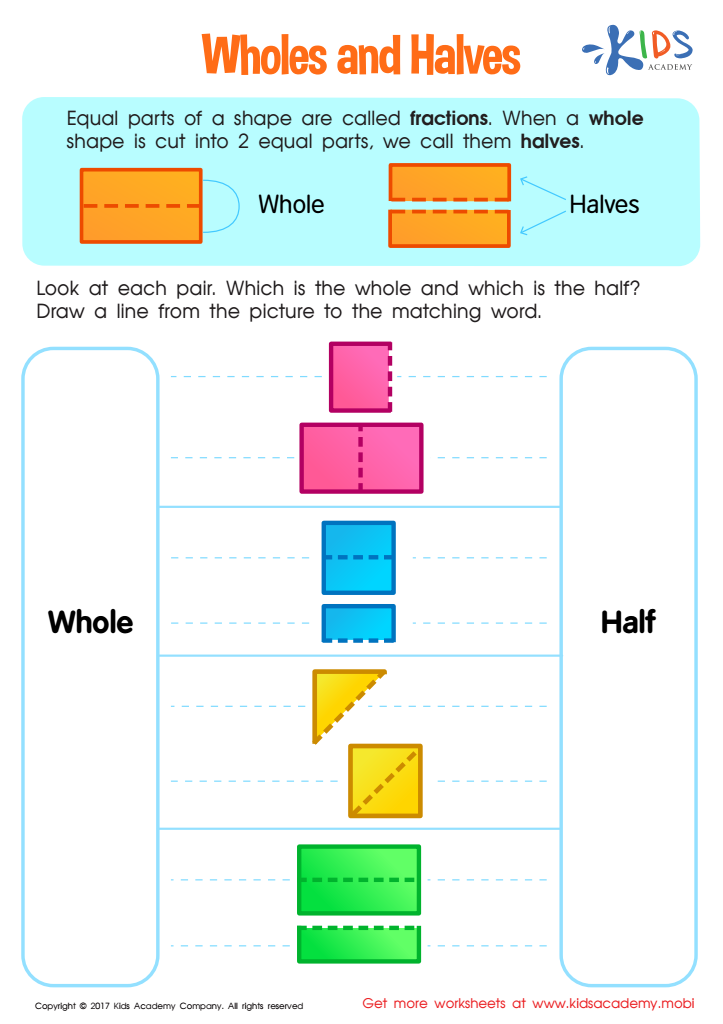
Wholes and Halves Worksheet
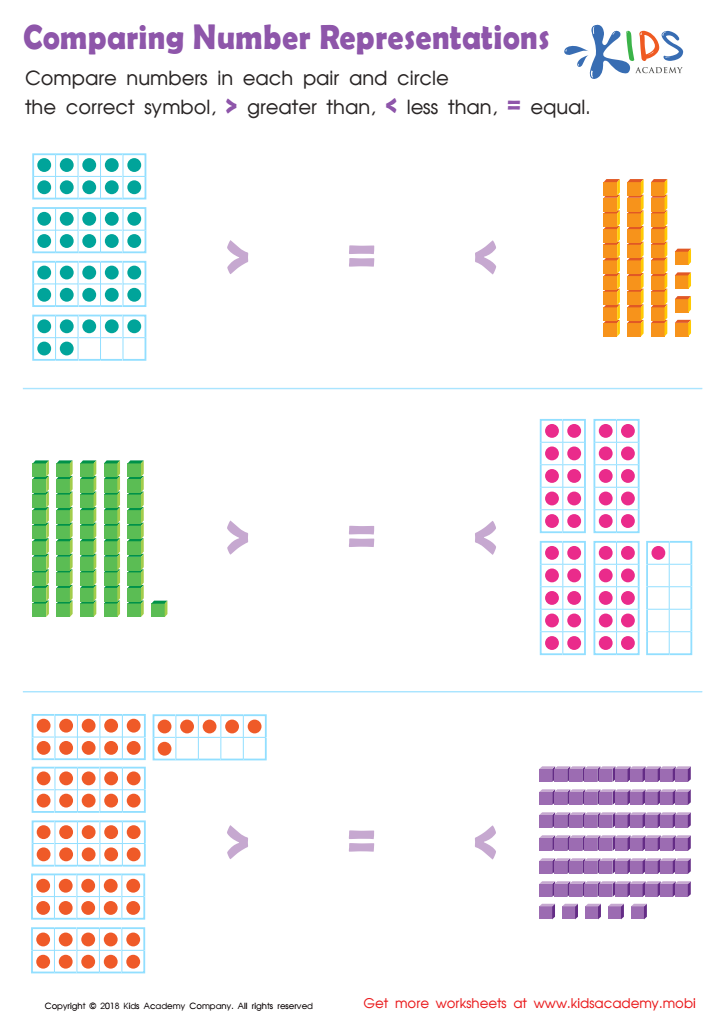
Comparing Number Representations Worksheet
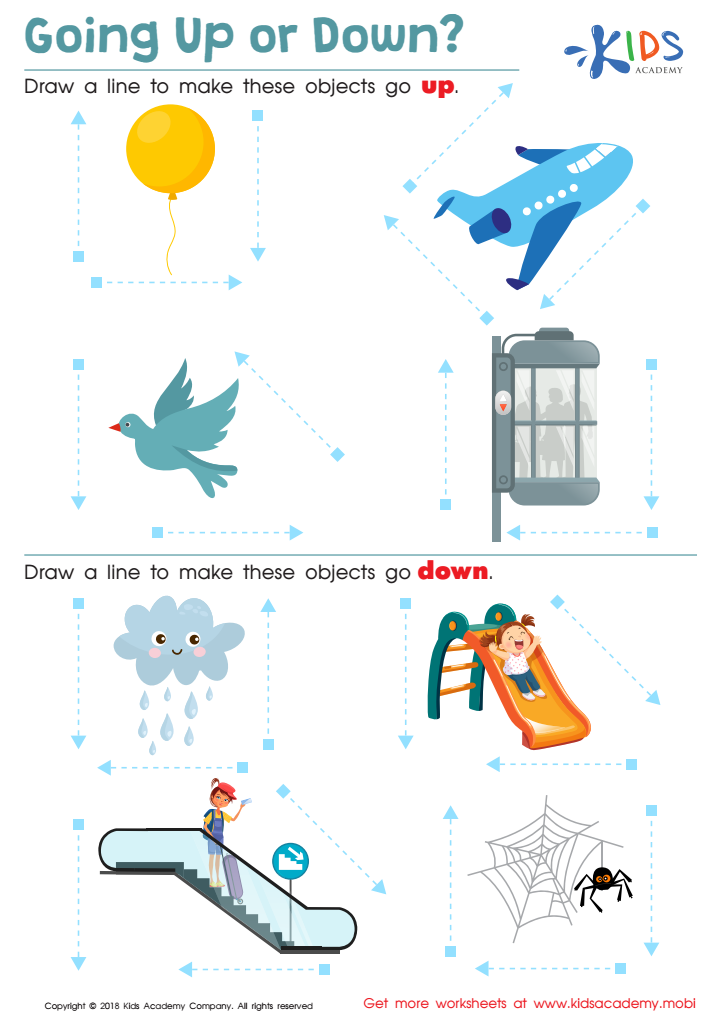
Going up or Down? Worksheet
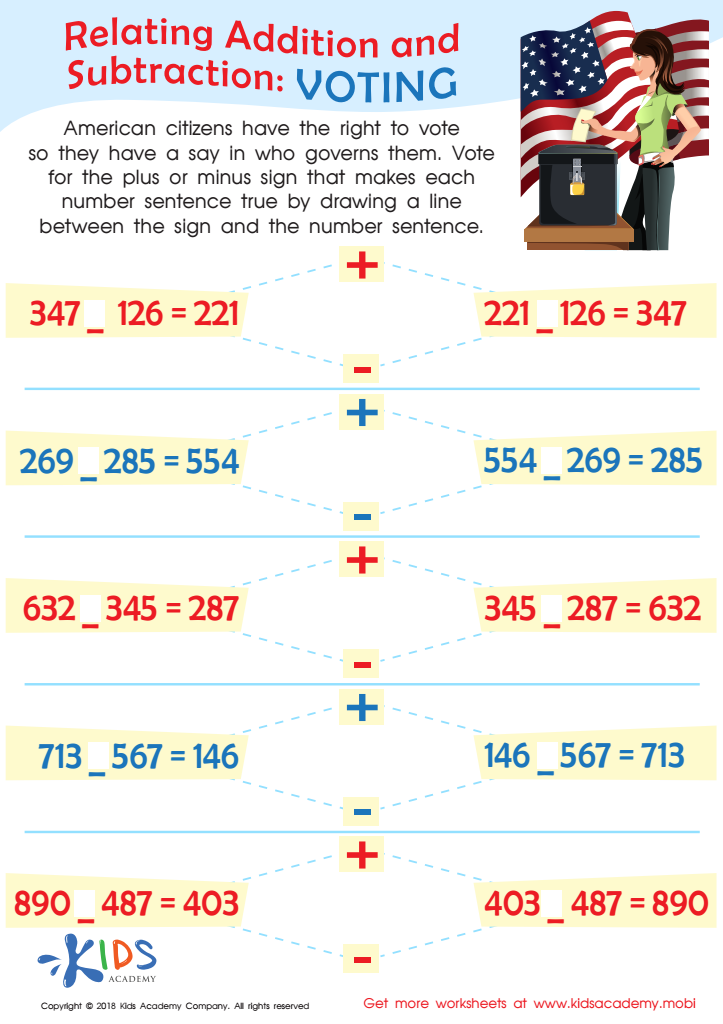
Voting Worksheet
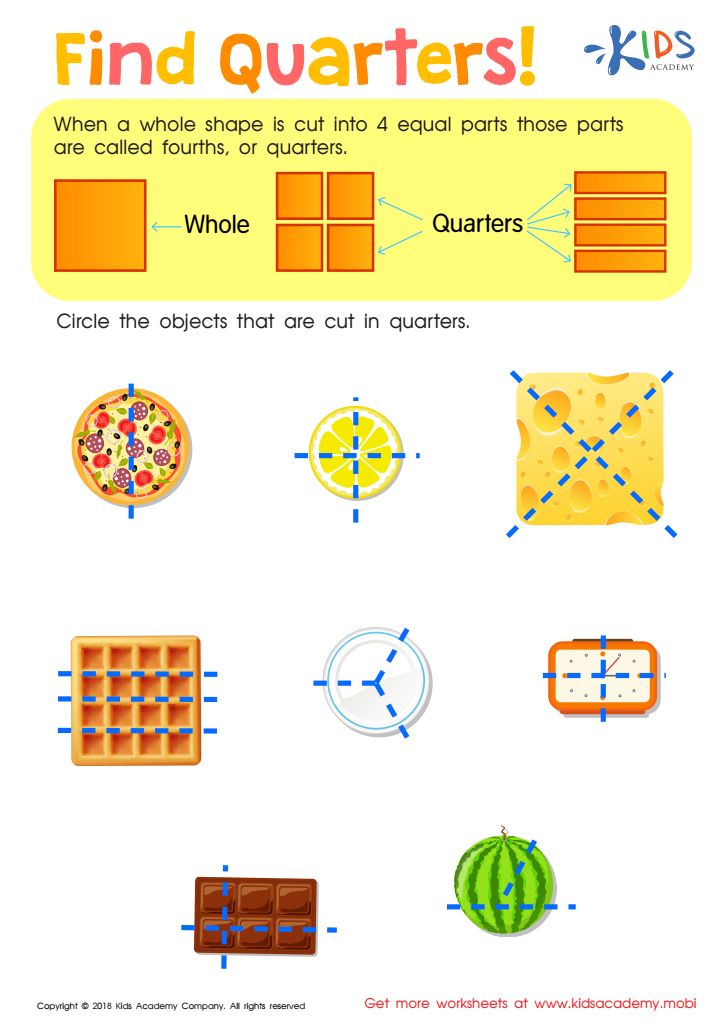
Find Quarters Worksheet
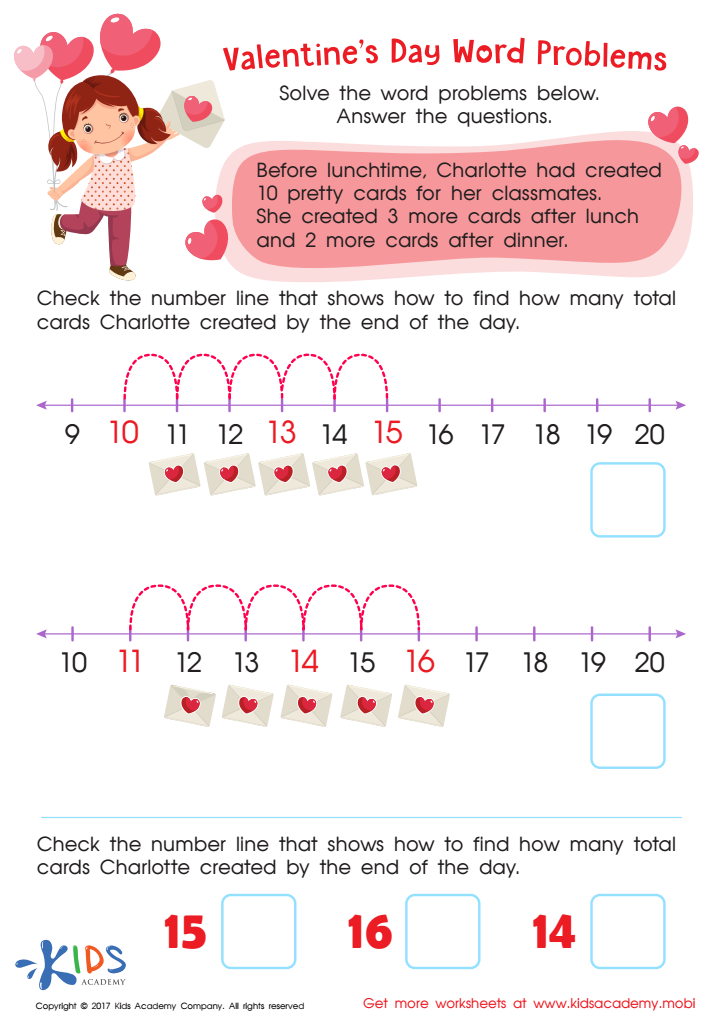
Valentines Day Word Problem Worksheet
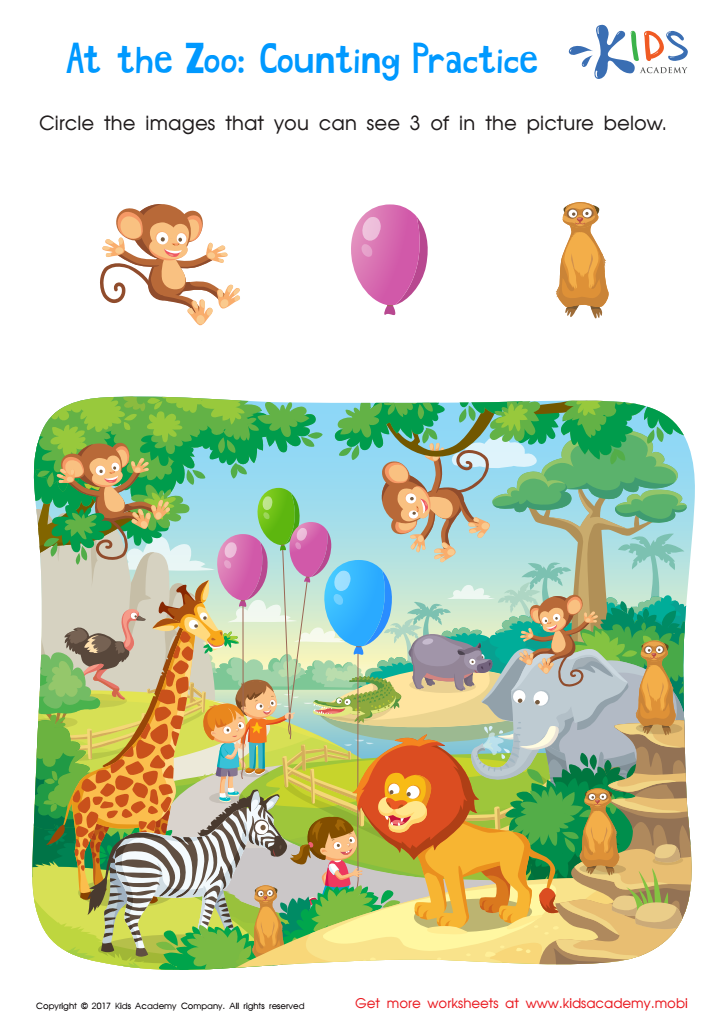
At the Zoo: Counting Practice Worksheet
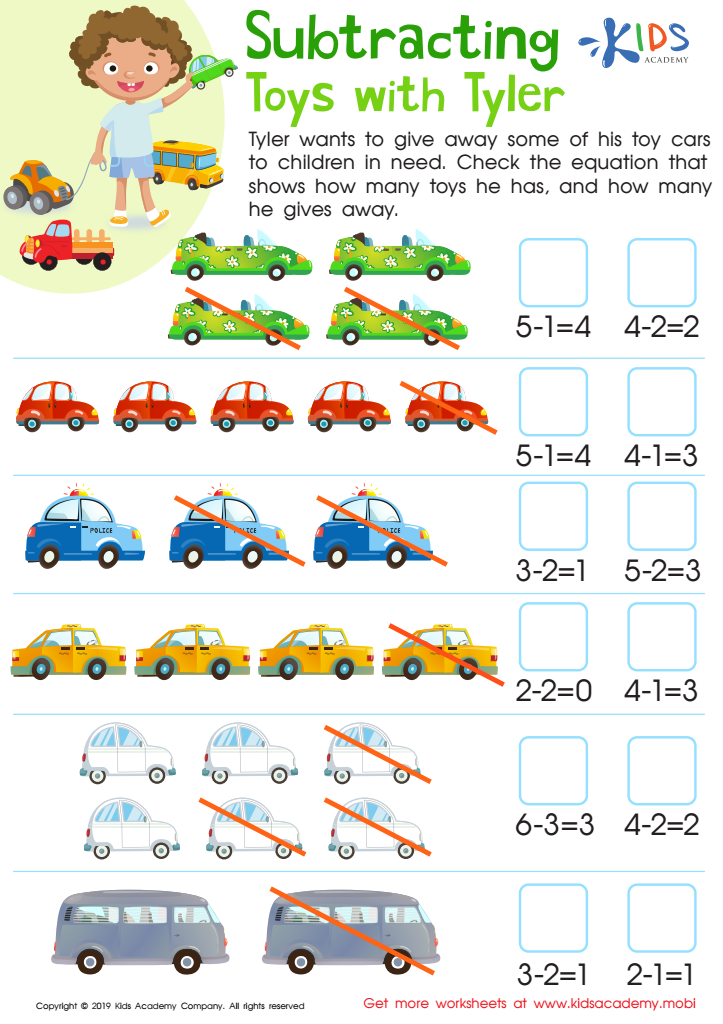
Subtracting Toys with Tyler Worksheet
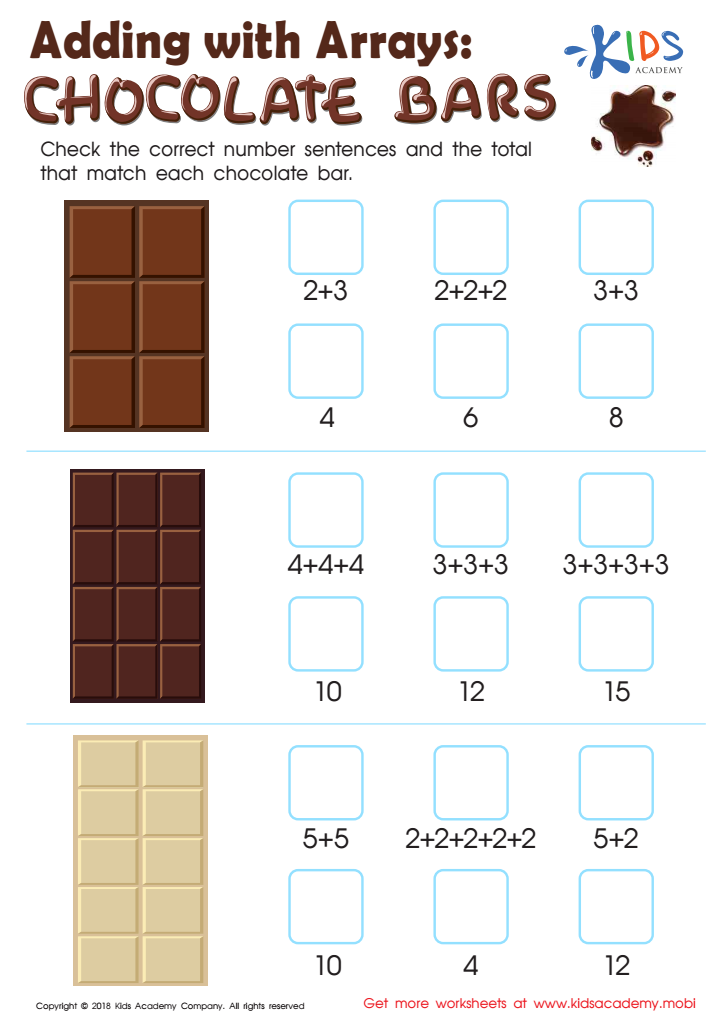
Adding with Arrays: Chocolate Bars Worksheet
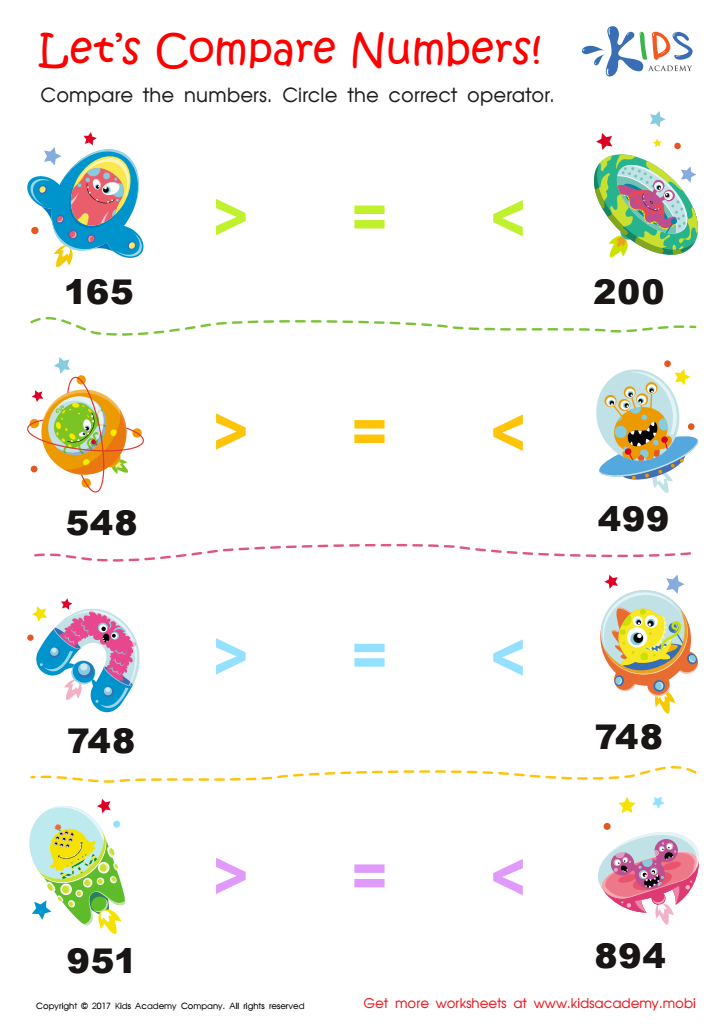
Comparing Numbers Worksheet for 2nd Grade
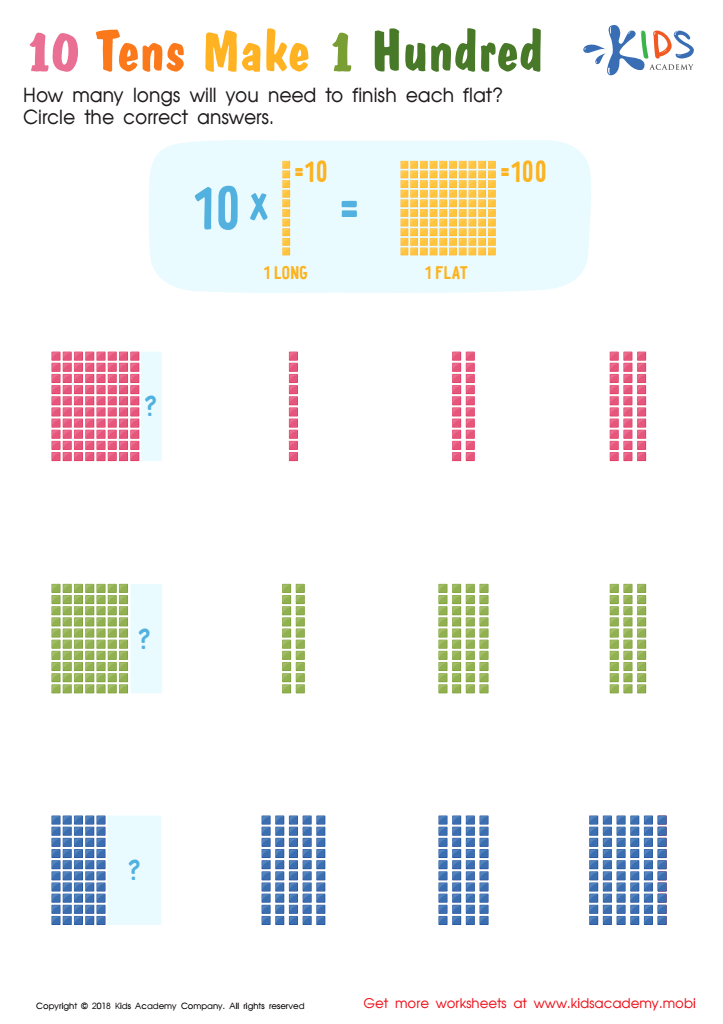
10 Tens Make 1 Hundred Worksheet
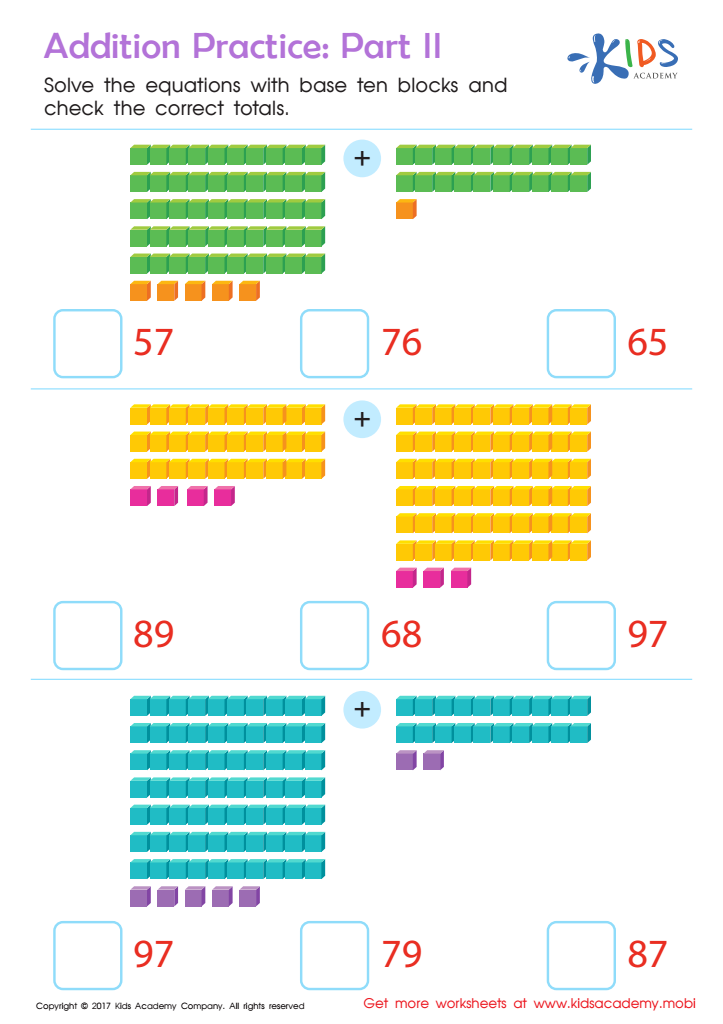
Addition Practice Sheet: Part 2
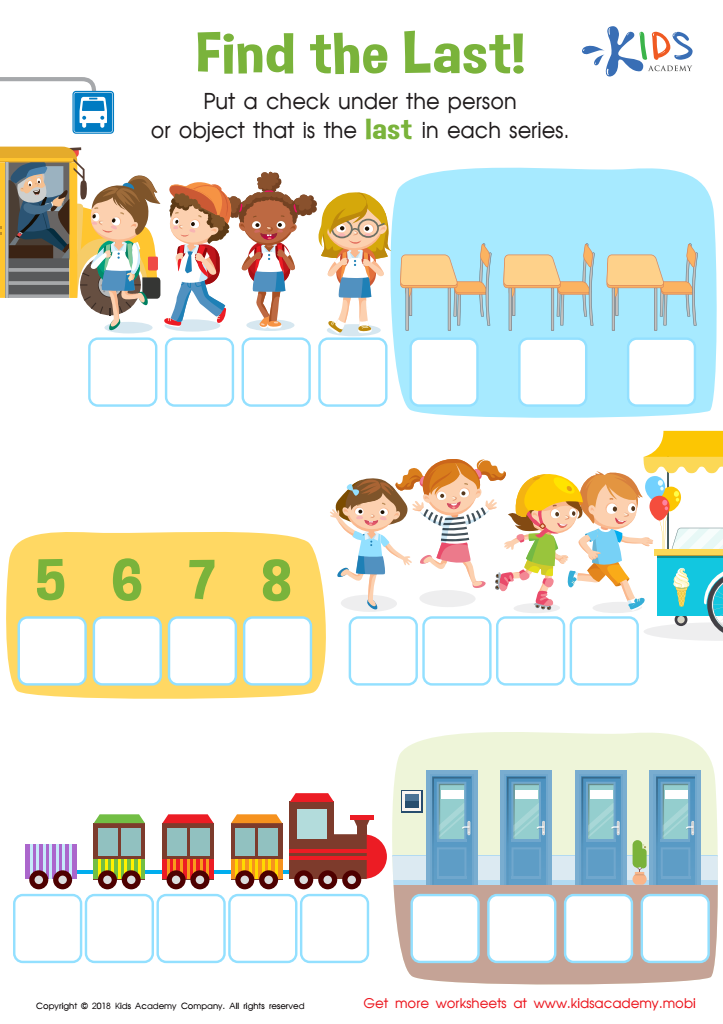
Find the Last! Worksheet
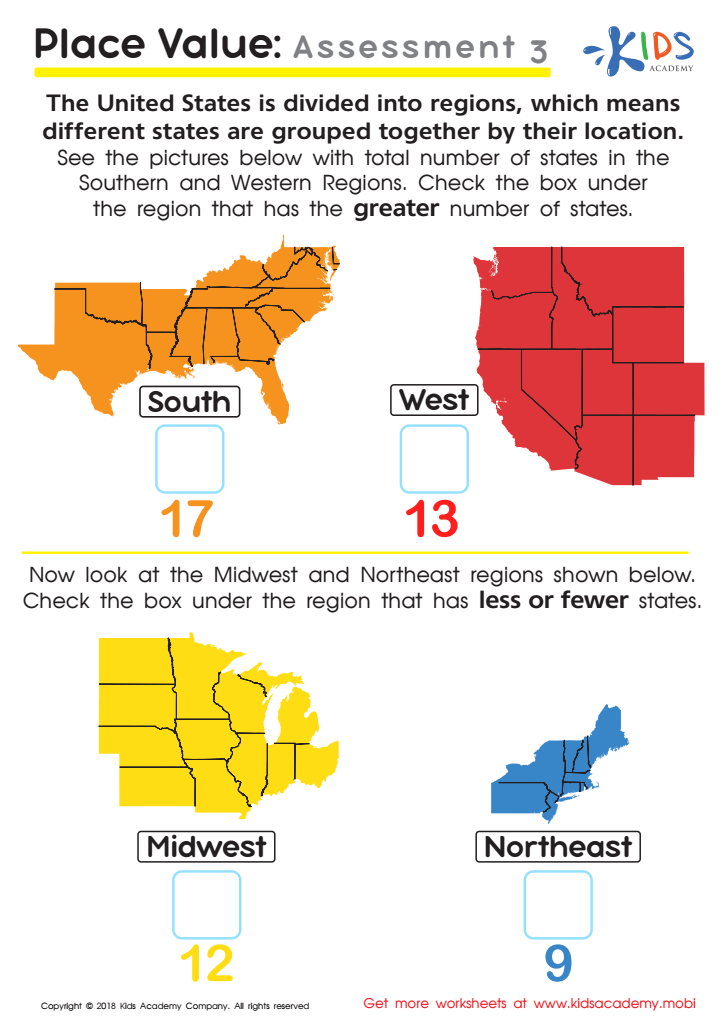
Place Value: Assessment 3 Worksheet
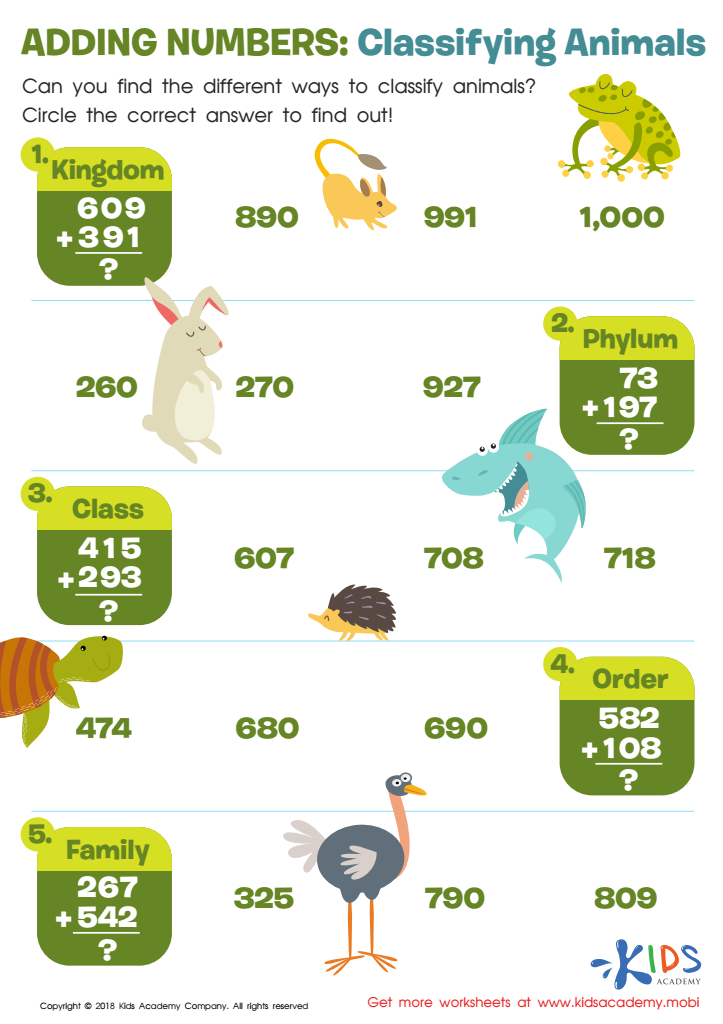
Adding Numbers: Classifying Animals Worksheet
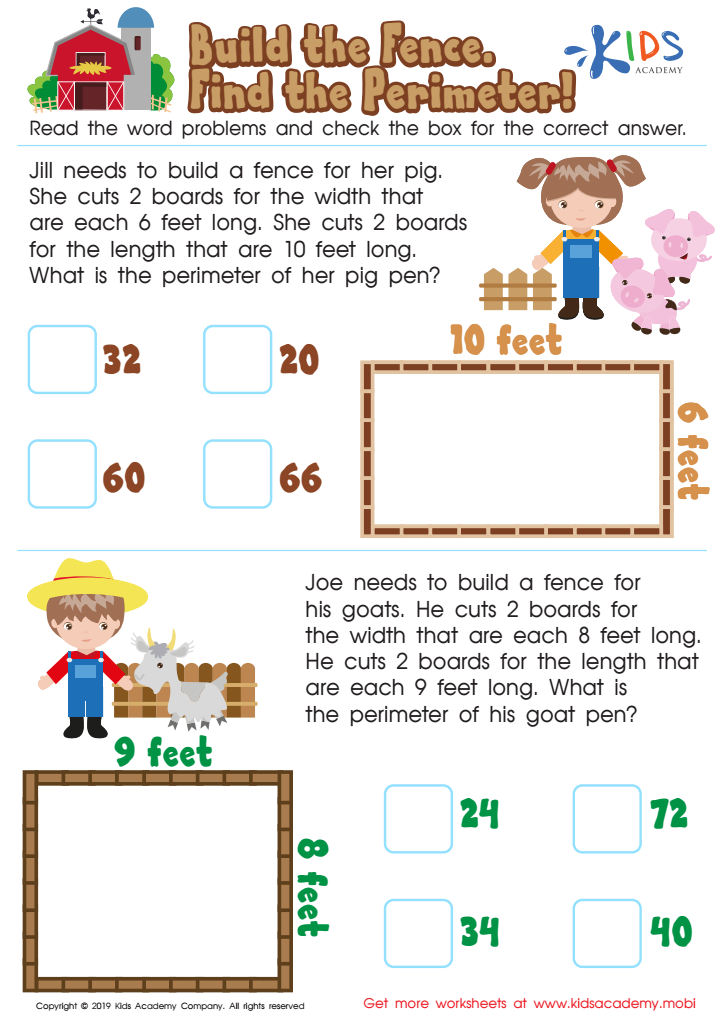
Build the Fence, Find the Perimeter Worksheet
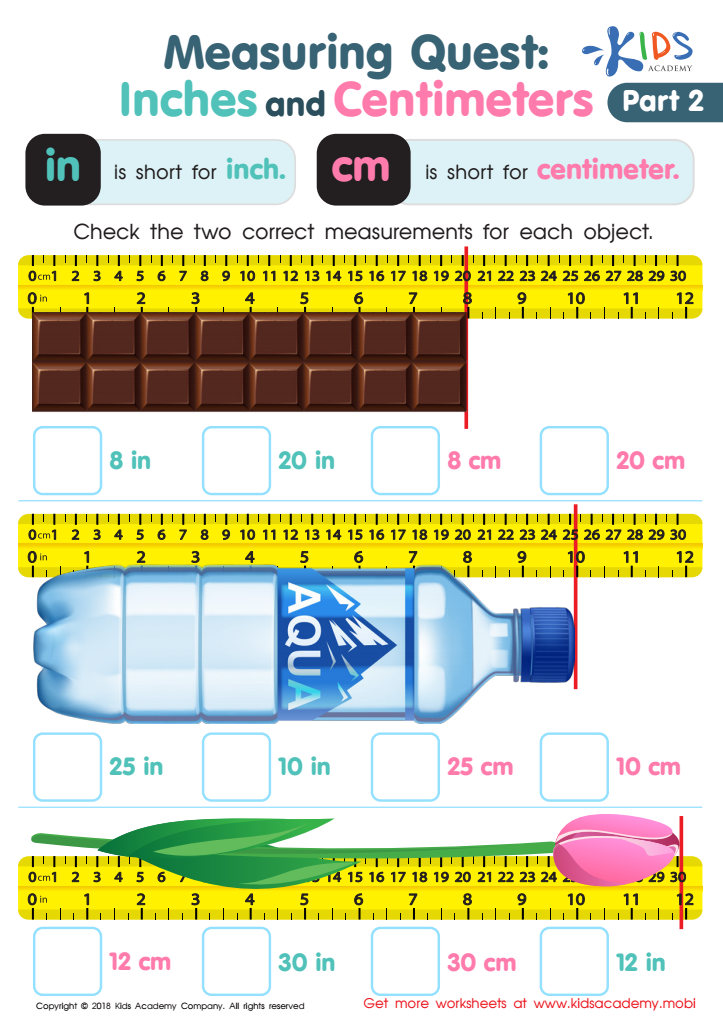
Measuring Quest: Inches and Centimeters - Part 2 Worksheet
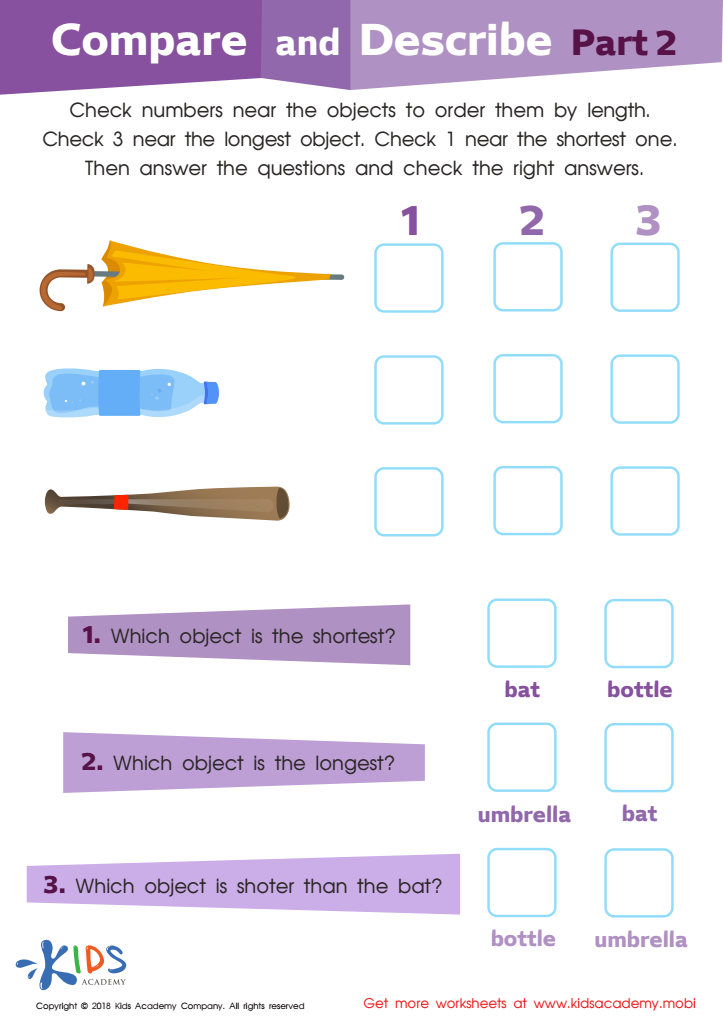
Compare and Describe: Part 2 Worksheet
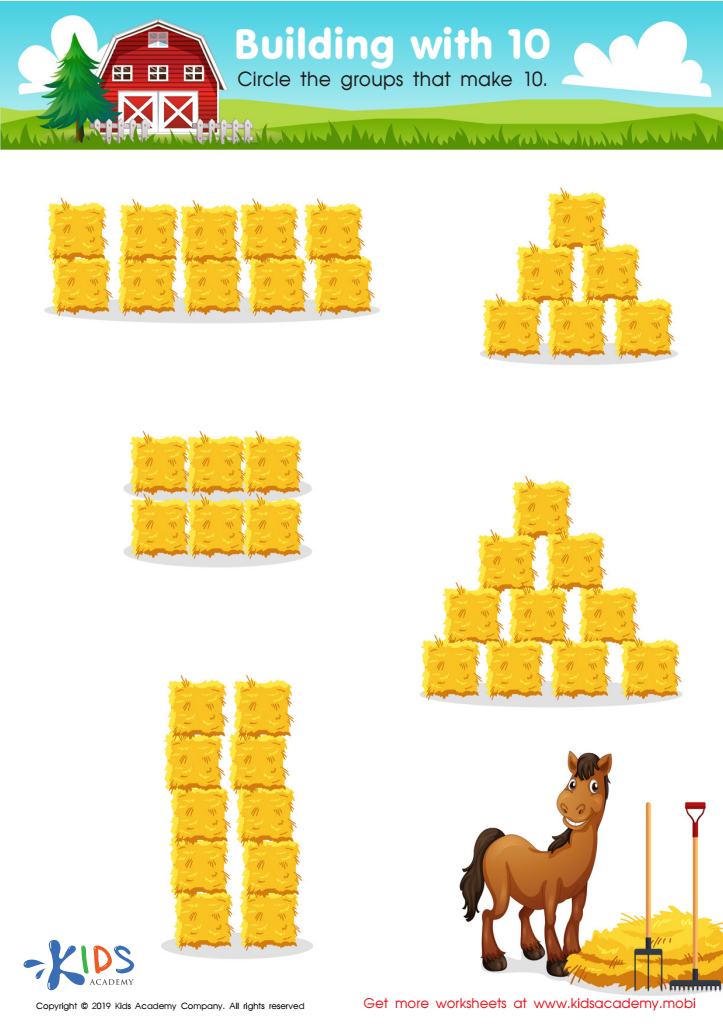
Building with 10 Worksheet
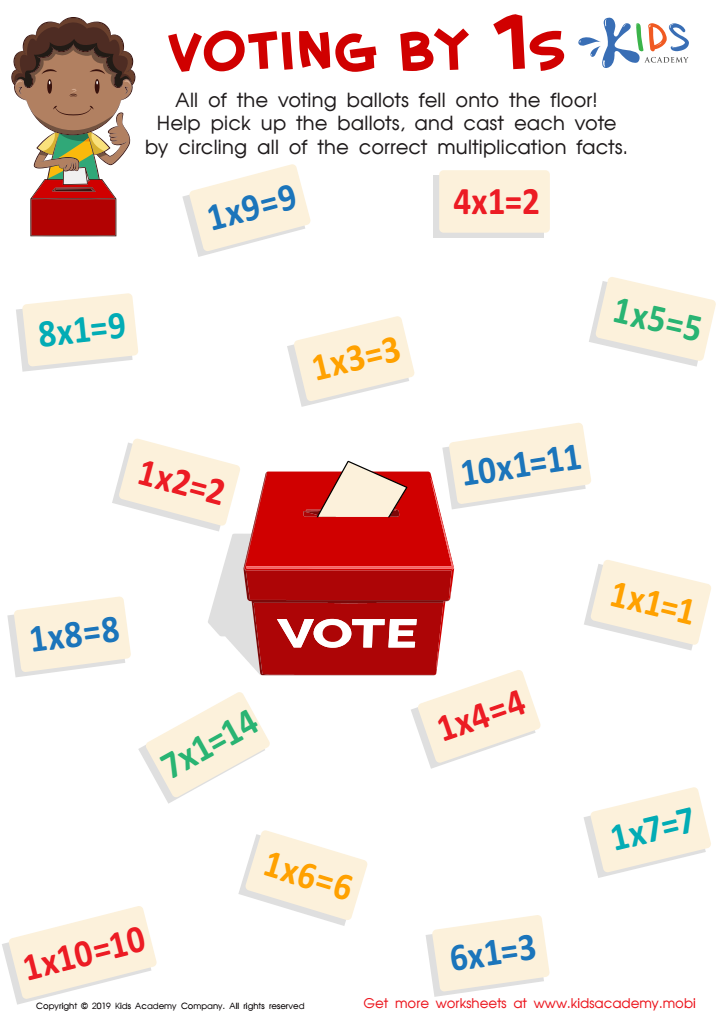
Voting by 1s Worksheet
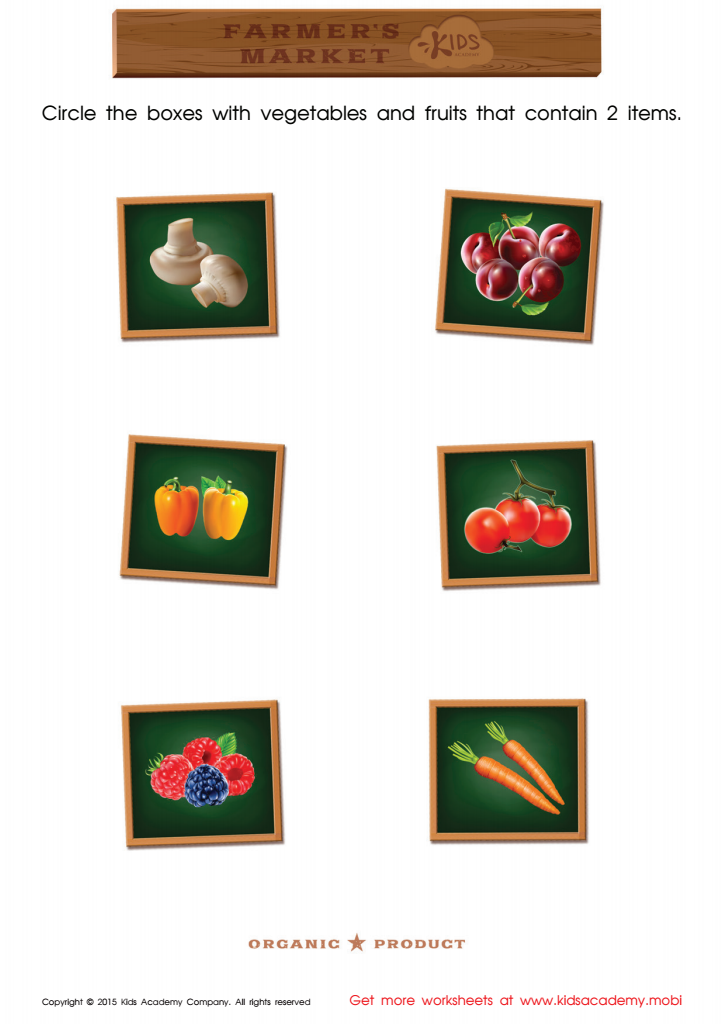
Count and Match Vegetables and Points Math Worksheet







Basic math skills form the foundation for a child's academic journey and everyday problem-solving abilities. For ages 4-9, which typically encompasses preschool to early elementary years, acquiring these skills is crucial. Parents and teachers need to focus on normal mathematical development during this period to ensure children develop strong analytical and critical thinking capabilities.
Firstly, early math skills are closely linked to future academic performance, not just in mathematics but across all subjects. Children who grasp basic concepts such as counting, addition, subtraction, and understanding shapes, tend to perform better in their later school years. These foundational skills pave the way for more complex mathematical concepts.
Secondly, engaging with basic math builds a child's confidence and promotes a growth mindset. Children who experience early success in math are more likely to tackle academic challenges with perseverance and curiosity. They learn that problem-solving involves trying, failing, and trying again, important life lessons that extend beyond the classroom.
Moreover, math is integral to everyday activities, such as telling time, sharing objects fairly, or managing money. Fluency in these basic concepts helps children navigate their world more independently and makes daily life more comprehensible and less frustrating.
Teachers and parents able to nudge children toward a positive and robust mathematical foundation will help set up educational and personal development success, fostering a lifelong appreciation for learning and problem-solving.








