Color Identification Normal Math Worksheets for Ages 4-9
12 filtered results
-
From - To
Discover our engaging Color Identification Normal Math Worksheets, designed specifically for children ages 4-9. These worksheets help young learners enhance their color recognition and mathematical skills through fun and interactive activities. With vibrant illustrations and age-appropriate exercises, kids will joyfully learn to identify colors while practicing fundamental math concepts such as counting and matching. Ideal for both classroom settings and at-home learning, our worksheets stimulate creativity and critical thinking in early learners. Empower your child’s educational journey with these colorful resources, making math an enjoyable experience while reinforcing color identification. Unlock your child's potential today with our thoughtfully crafted worksheets!
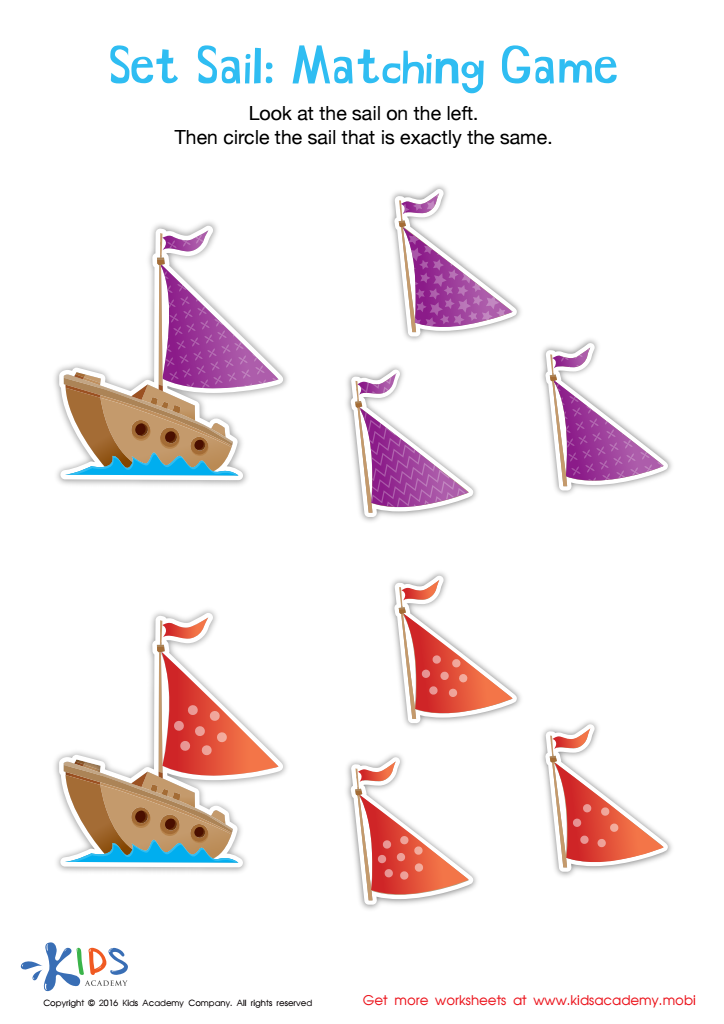
Set Sail Worksheet
 Assign to My Students
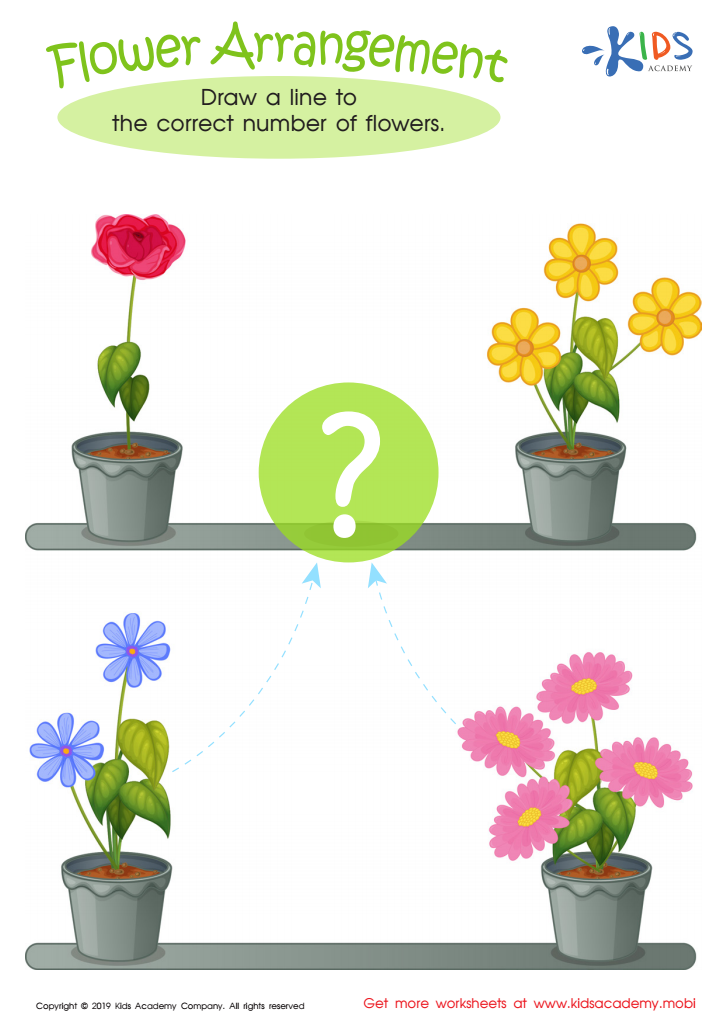
Flower Arrangement Worksheet
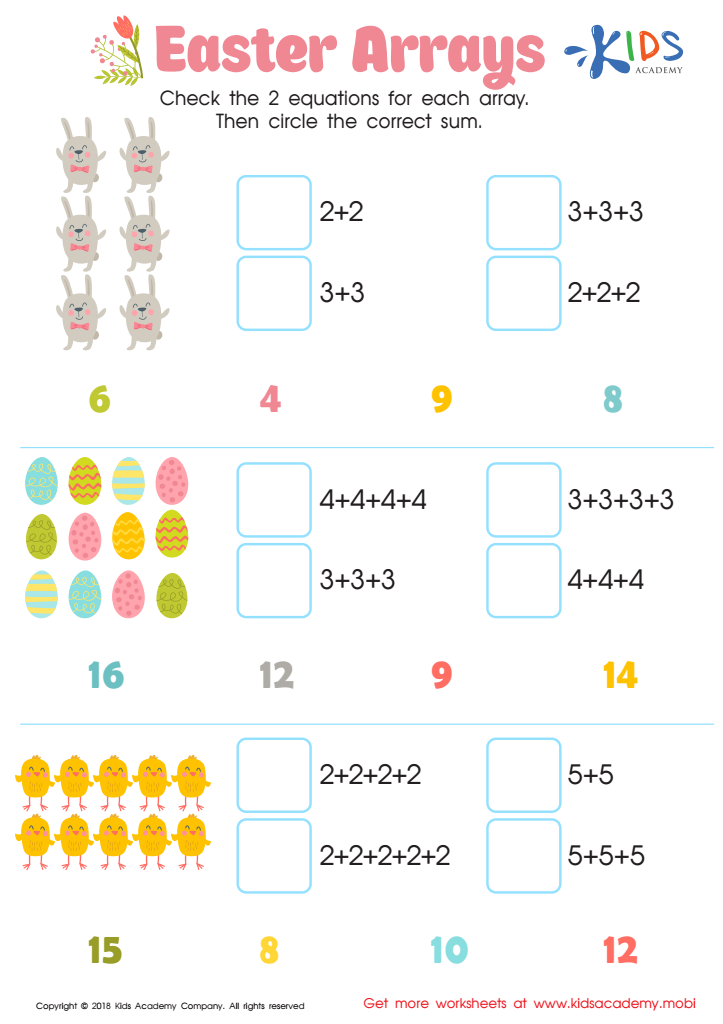
Easter Arrays Worksheet
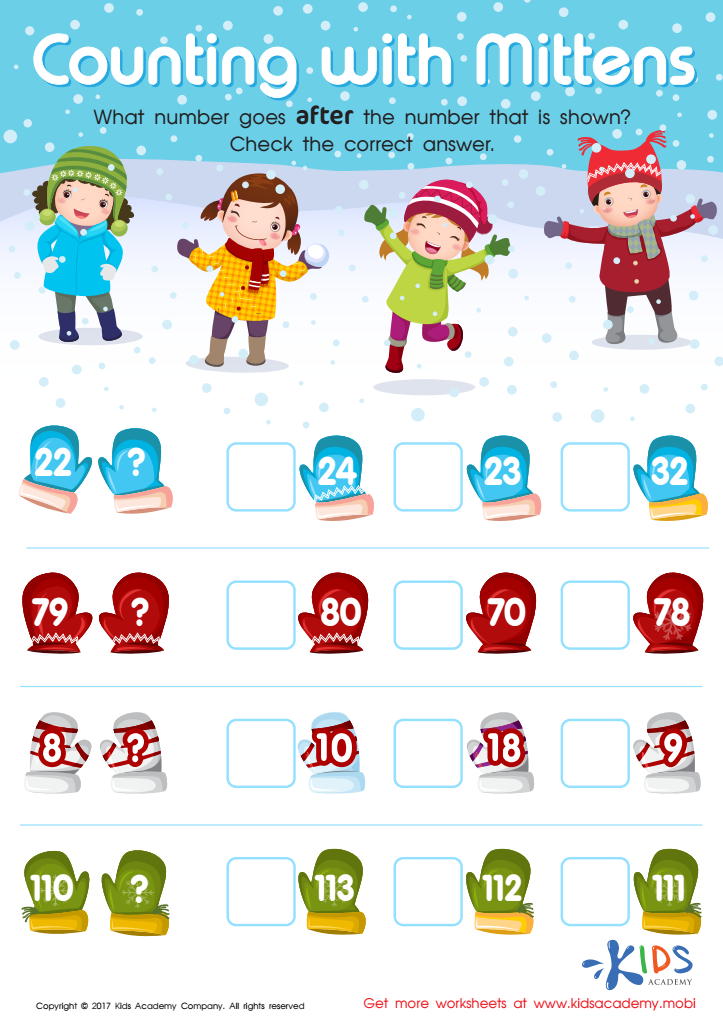
Counting with Mittens Worksheet
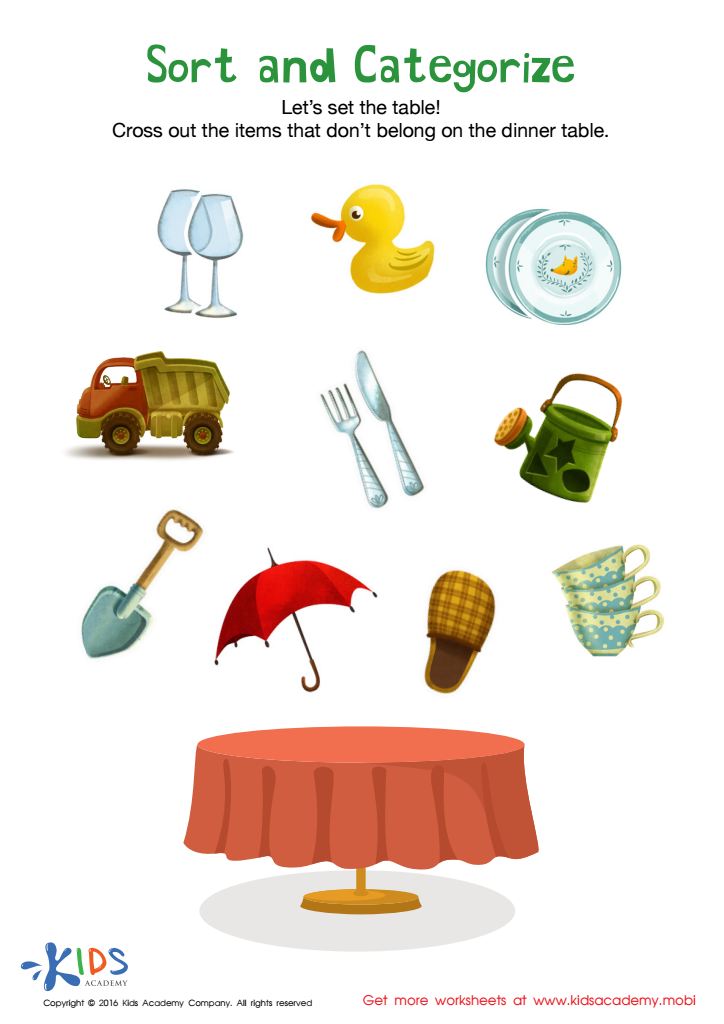
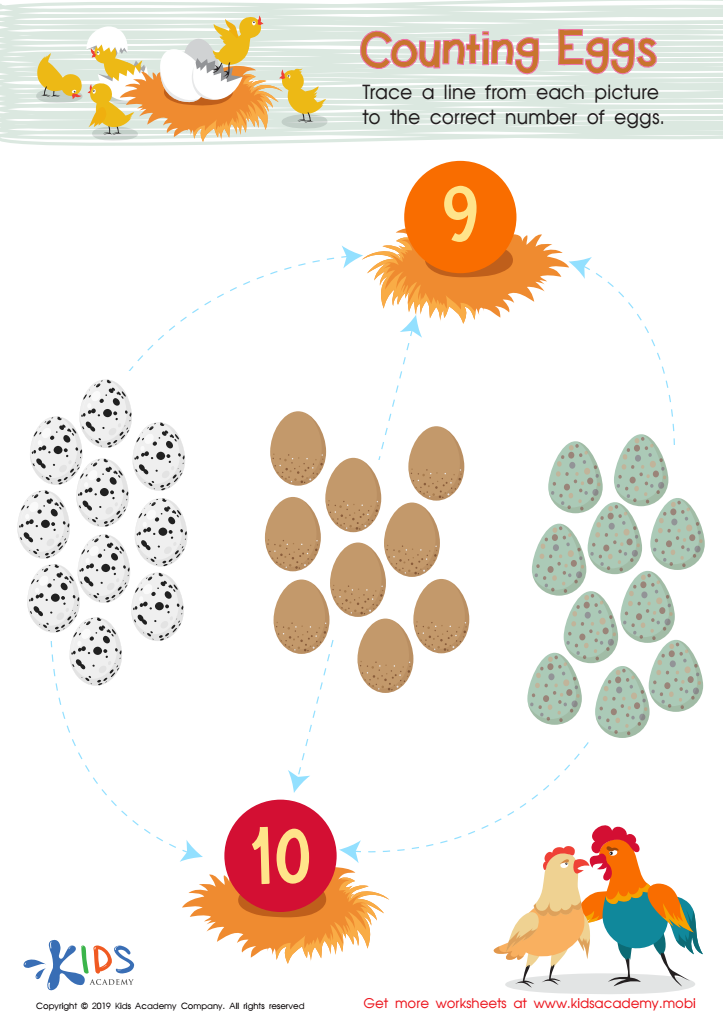
Counting Eggs Worksheet
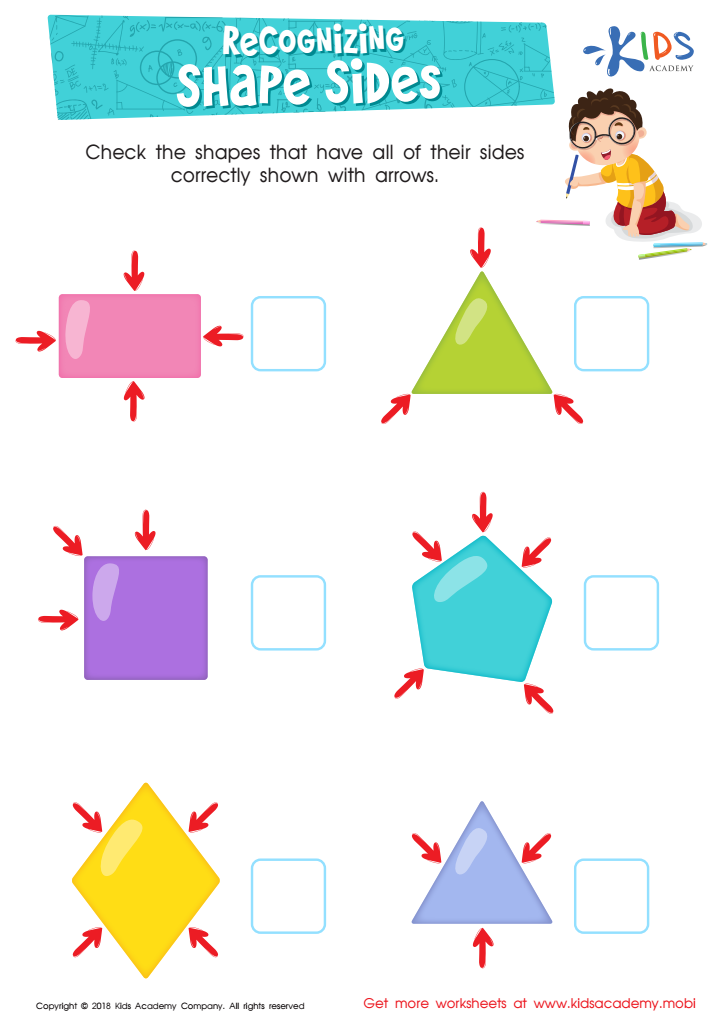
Recognizing Shape Sides Worksheet
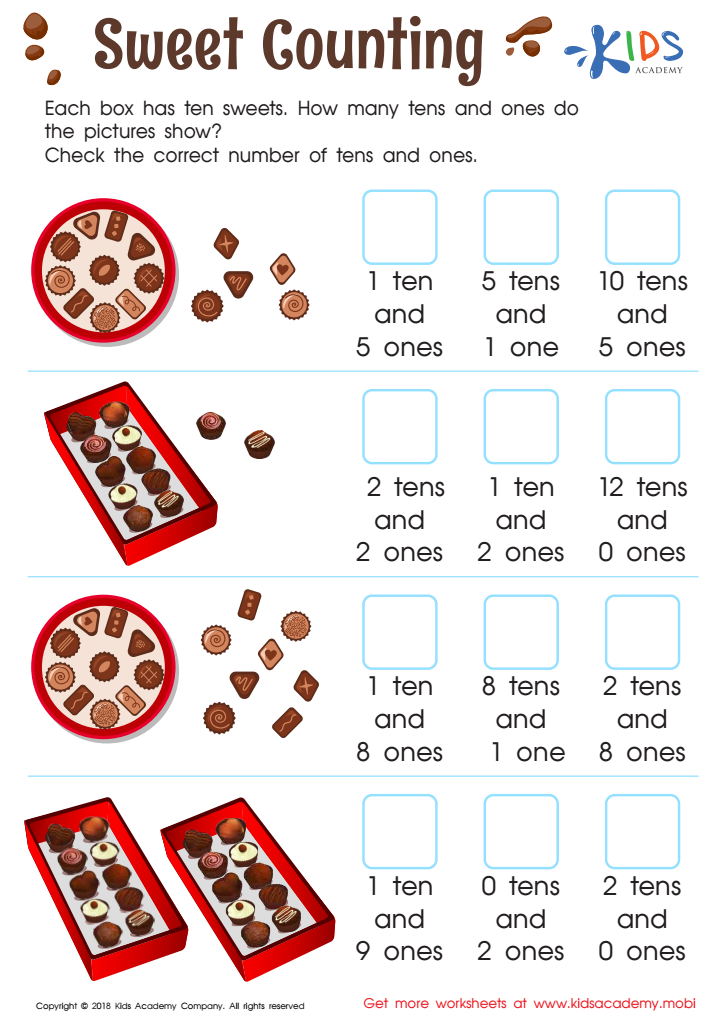
Sweet Counting - Part 2 Worksheet
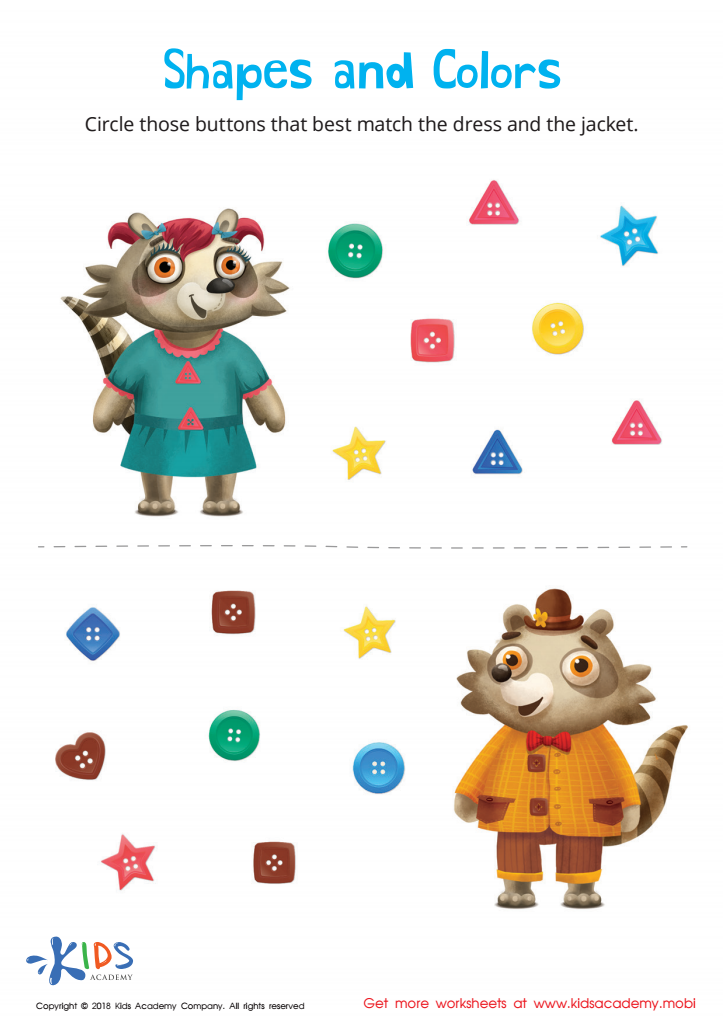
Shapes and Colors Worksheet
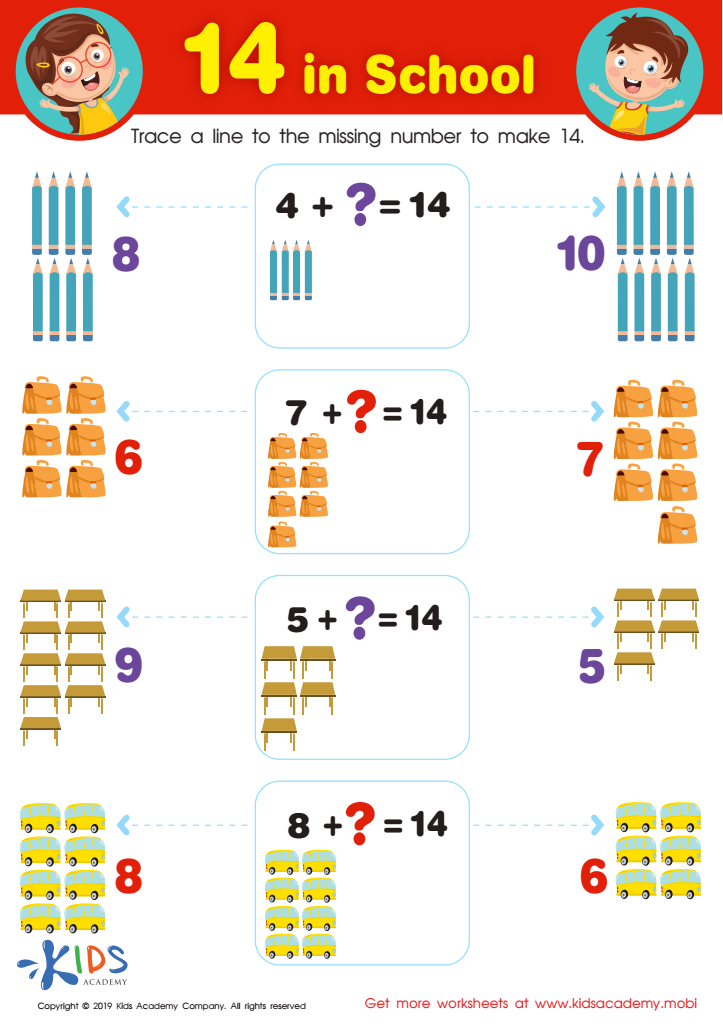
14 in School Worksheet
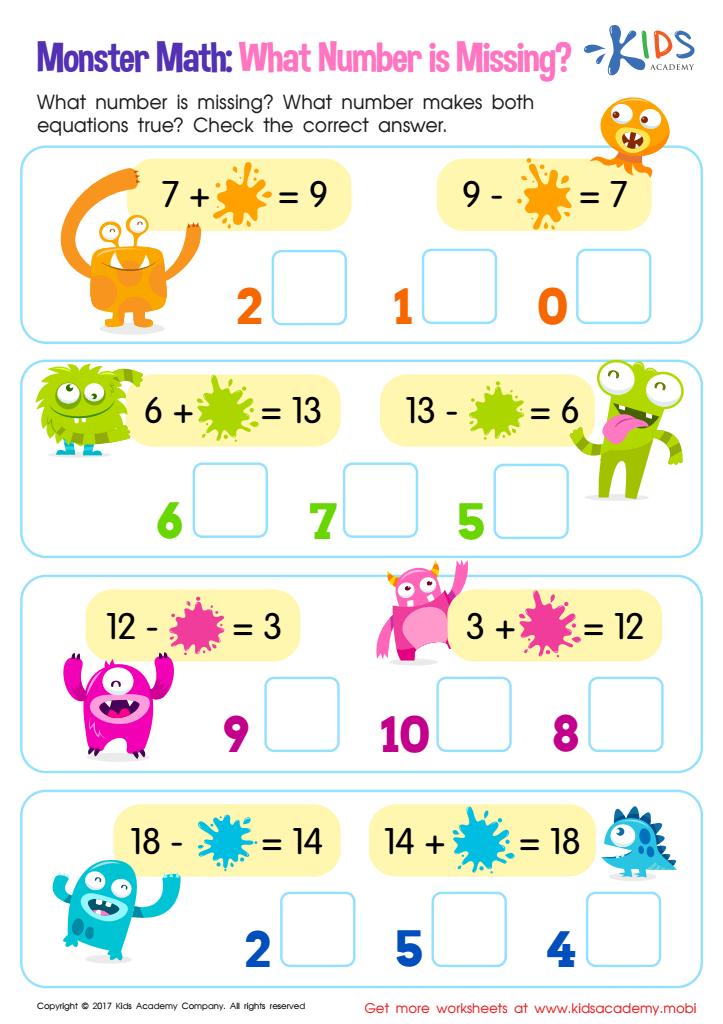
Missing Number: Monster Math Worksheet
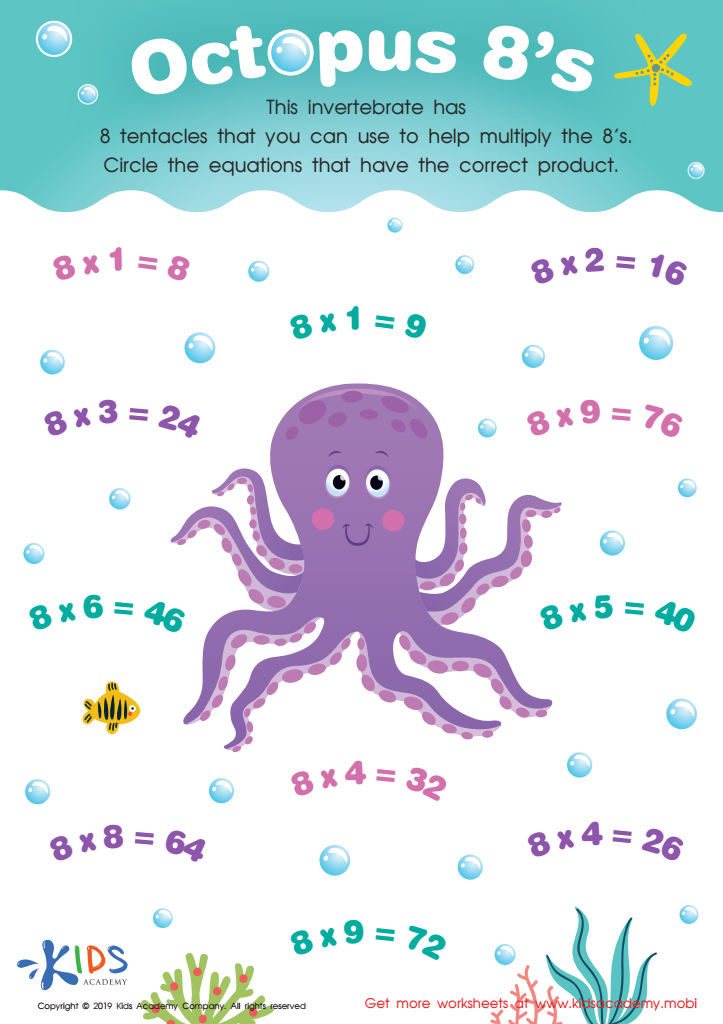
Octopus 8’s Worksheet








Color identification is a fundamental aspect of early childhood education, particularly for children ages 4-9. Parents and teachers should prioritize this skill as it lays the groundwork for various cognitive and social development milestones. Firstly, recognizing colors enhances children's observational skills, enabling them to make connections with the world around them. This heightened awareness fosters creativity, as children can better interpret and express their ideas through art and play.
Additionally, color identification serves as an introduction to basic math concepts. Understanding colors equips students to categorize and sort objects, paving the way for functions like counting and recognizing patterns—all essential skills in mathematics. For example, when children sort colored blocks, they engage in early math reasoning.
Moreover, color plays a significant role in communication and social interactions. Recognizing colors allows children to engage in collaborative play, share opinions, and strengthen language skills as they describe objects and feelings associated with colors. Lastly, building strong color identification fosters confidence and independence in learning, as children explore their environment and express preferences.
In summary, color identification is crucial for cognitive, emotional, and social growth, making it a key focus for parents and educators in the foundational years of childhood development.








