Normal Animals Worksheets for Ages 4-9 - Page 3
49 filtered results
-
From - To
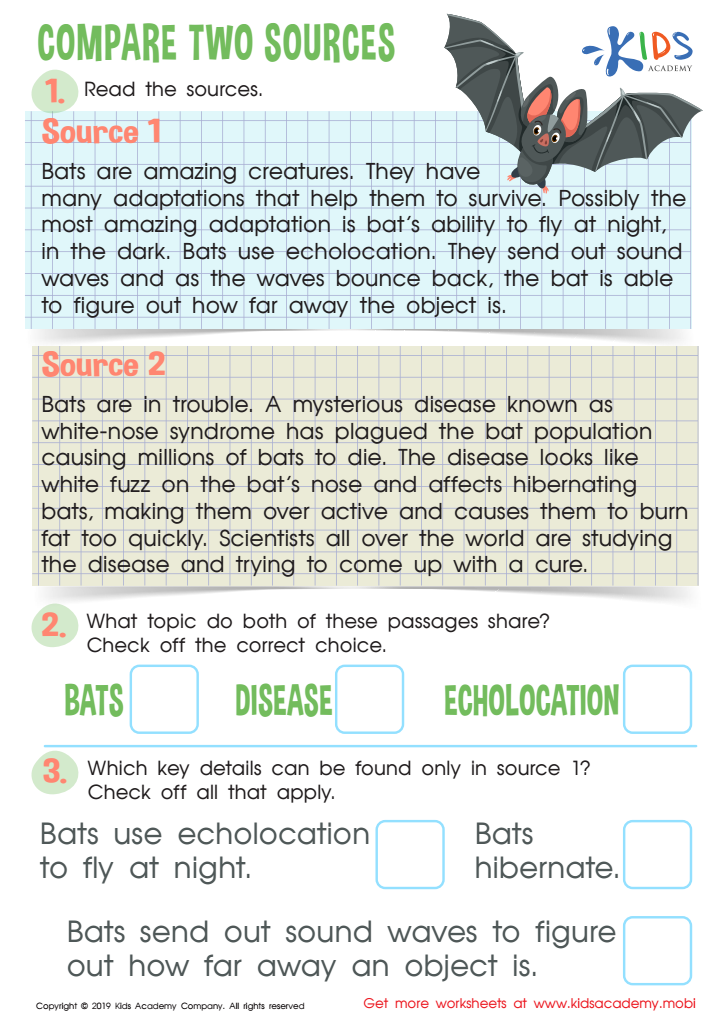
Compare Two Sources Worksheet
 Assign to My Students






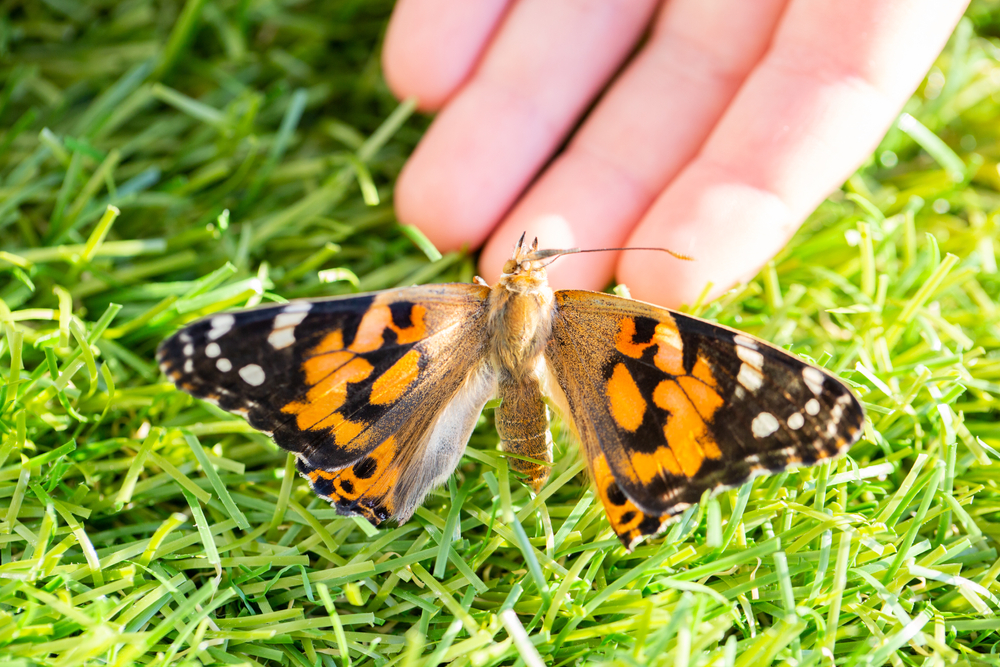
Introducing children aged 4-9 to "normal" animals, such as dogs, cats, squirrels, rabbits, and birds, is essential for their holistic development. First, these animals are familiar and relatable, making it easy for kids to form connections and stay engaged. Caring for and learning about these animals fosters empathy and compassion, as children understand the importance of treating all living beings kindly. Furthermore, normal animals offer tangible, real-life biology lessons. Kids can observe behaviors, diets, and habitats, laying the groundwork for scientific understanding and curiosity.
Interacting with domesticated animals like dogs and cats can also increase a child's confidence and socialization skills. Tasks like feeding or grooming a pet teach responsibility and build a sense of accomplishment. For those in less animal-friendly environments, reading books or educational materials about these creatures can simulate interaction and stimulate imagination.
Finally, exposure to normal animals can also be emotionally soothing. Petting and playing with animals reduce stress and can contribute to better mental well-being in children. By including "normal" animals in education and daily life, parents and teachers set the stage for nurturing respectful, responsible, and scientifically curious individuals.








