Critical Thinking Normal Plants and Animals Worksheets for Ages 4-9
8 filtered results
-
From - To
Unlock your child's potential with our "Critical Thinking Normal Plants and Animals Worksheets," designed specifically for ages 4-9! These engaging activities encourage young learners to explore the fascinating world of plants and animals, promoting essential critical thinking skills. Each worksheet provides fun, interactive exercises that stimulate curiosity and enhance comprehension. As children observe, categorize, and make connections between various species, they not only gain knowledge about nature but also develop problem-solving abilities and creativity. Perfect for home or classroom use, our worksheets offer a delightful way to nurture your child's scientific exploration. Start their journey toward becoming confident thinkers today!
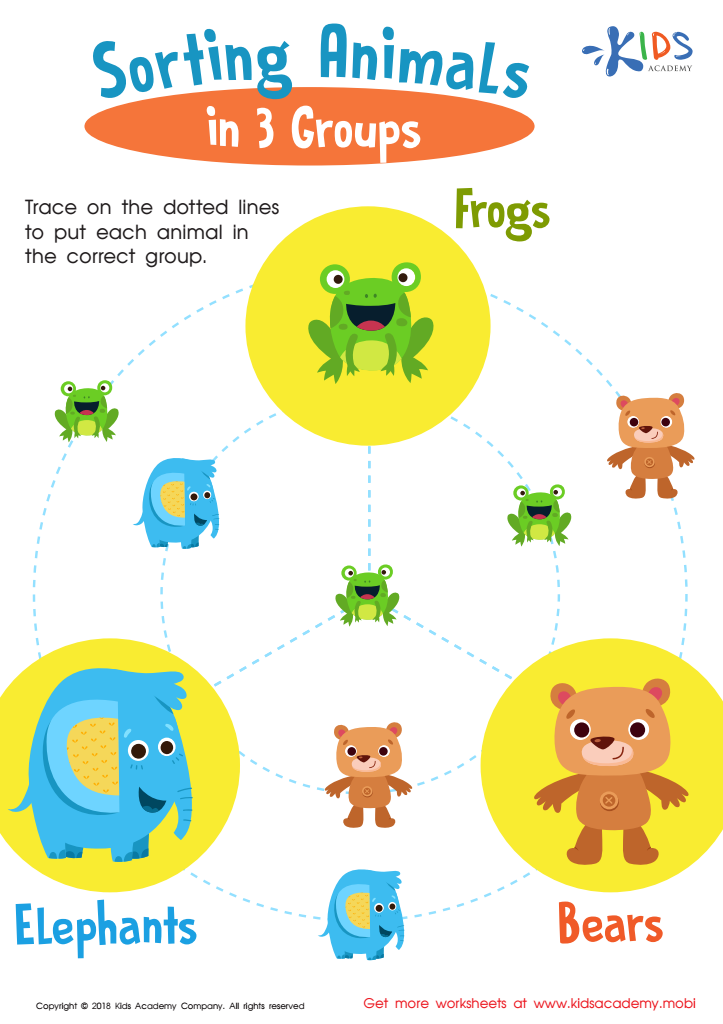
Sorting Animals in 3 Groups Worksheet
 Assign to My Students











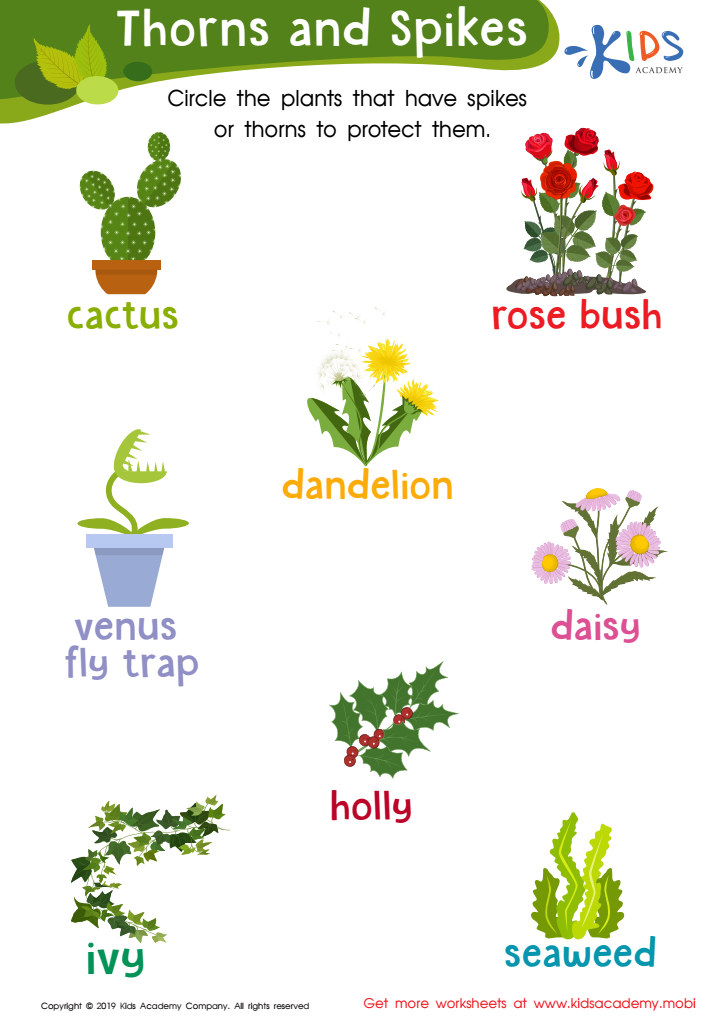
Thorns and Spikes Worksheet
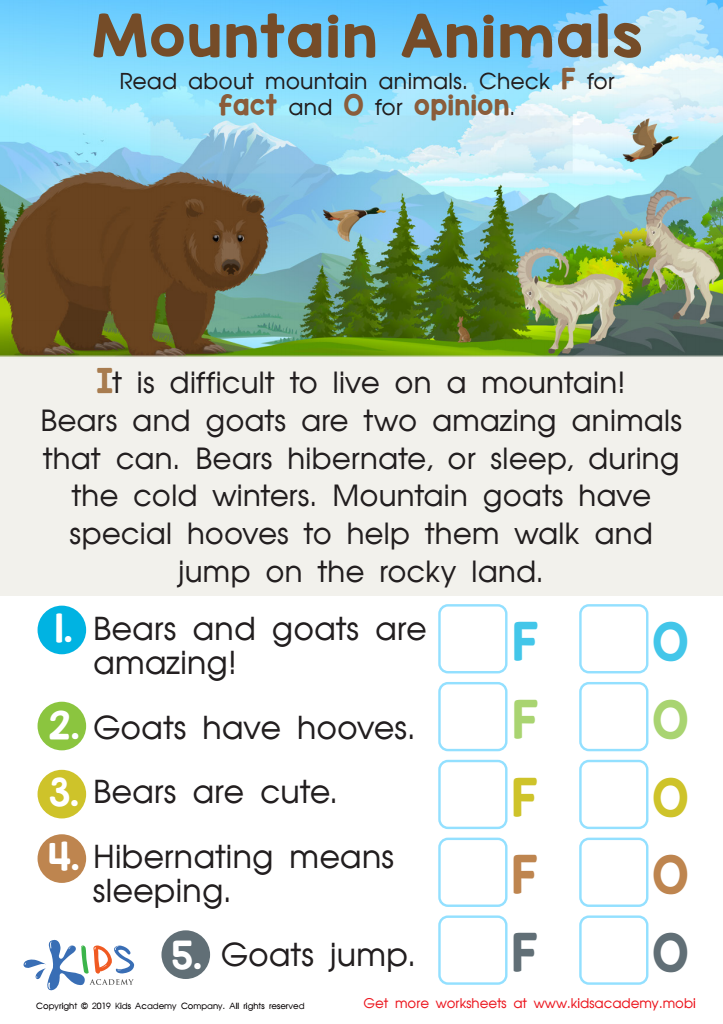
Mountain Animals Worksheet
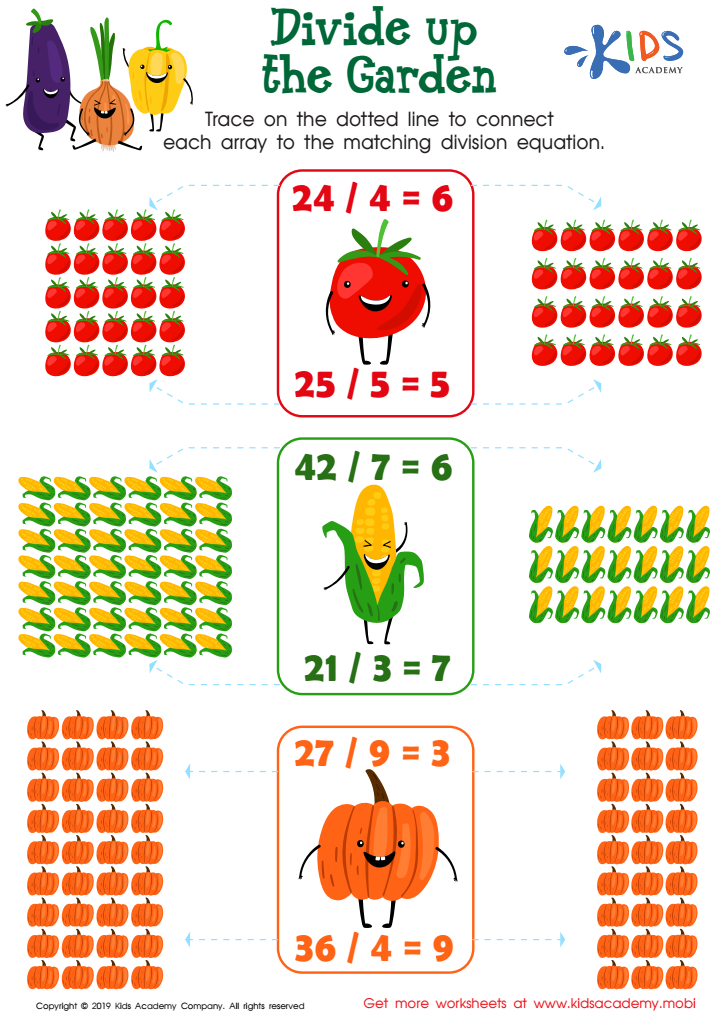
Divide up the Garden Worksheet
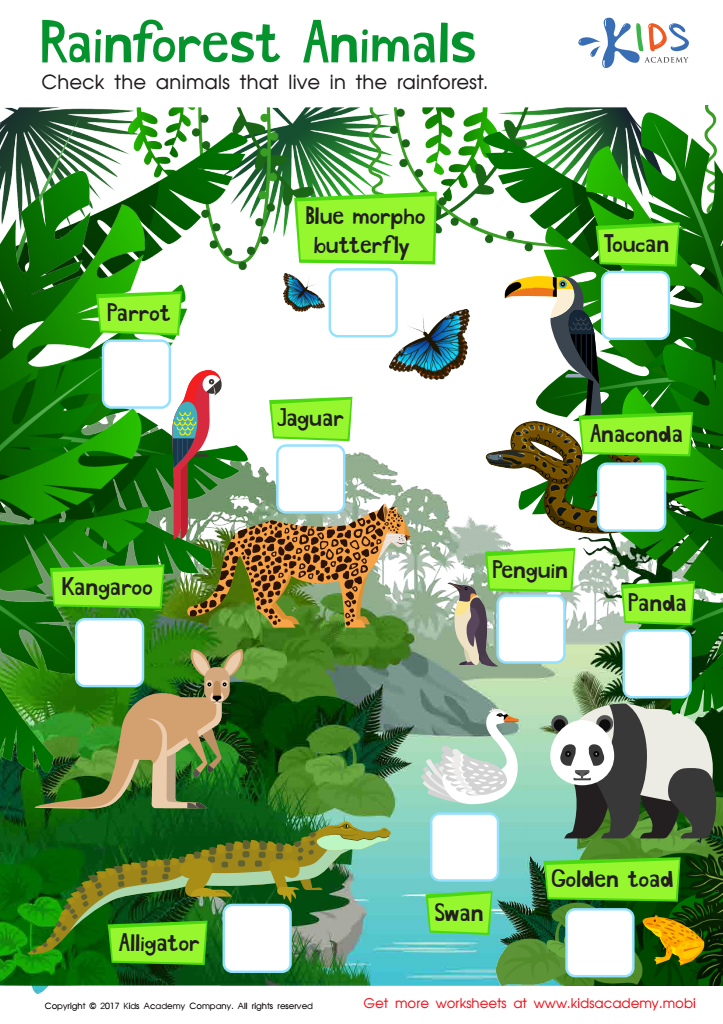
Rainforest Animals Worksheet
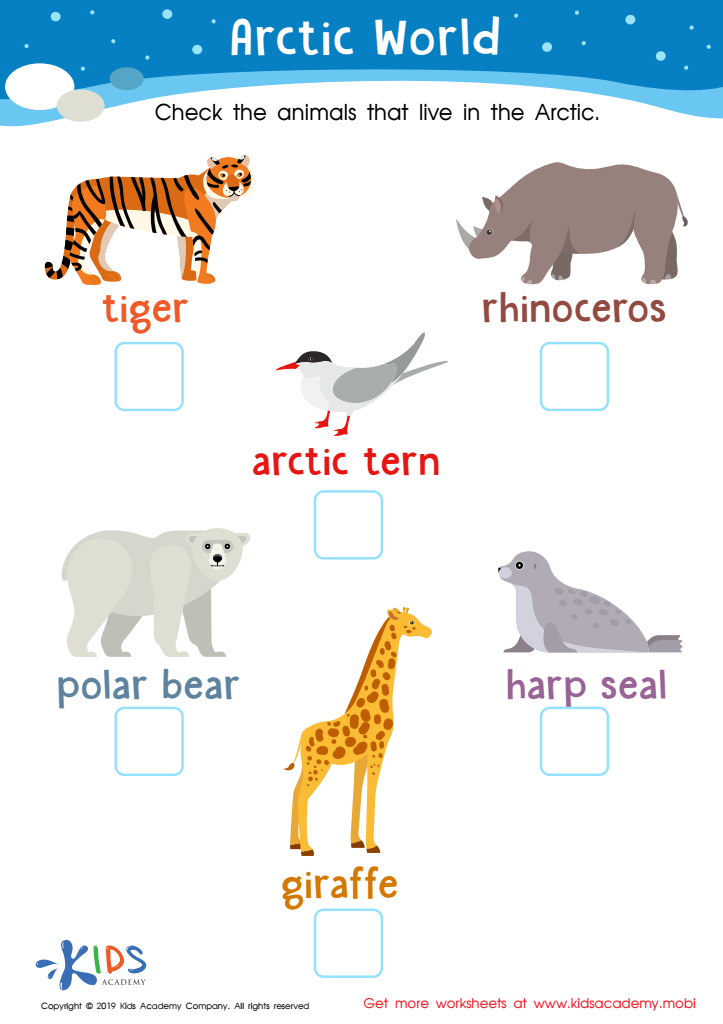
Arctic World Worksheet
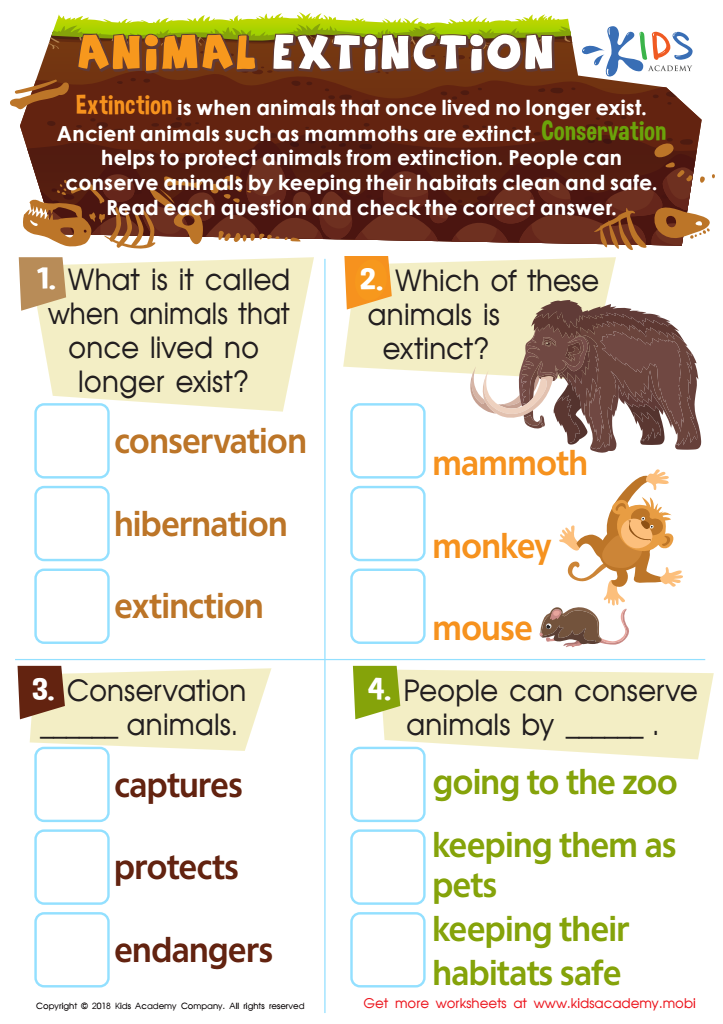
Animal Extinction Worksheet
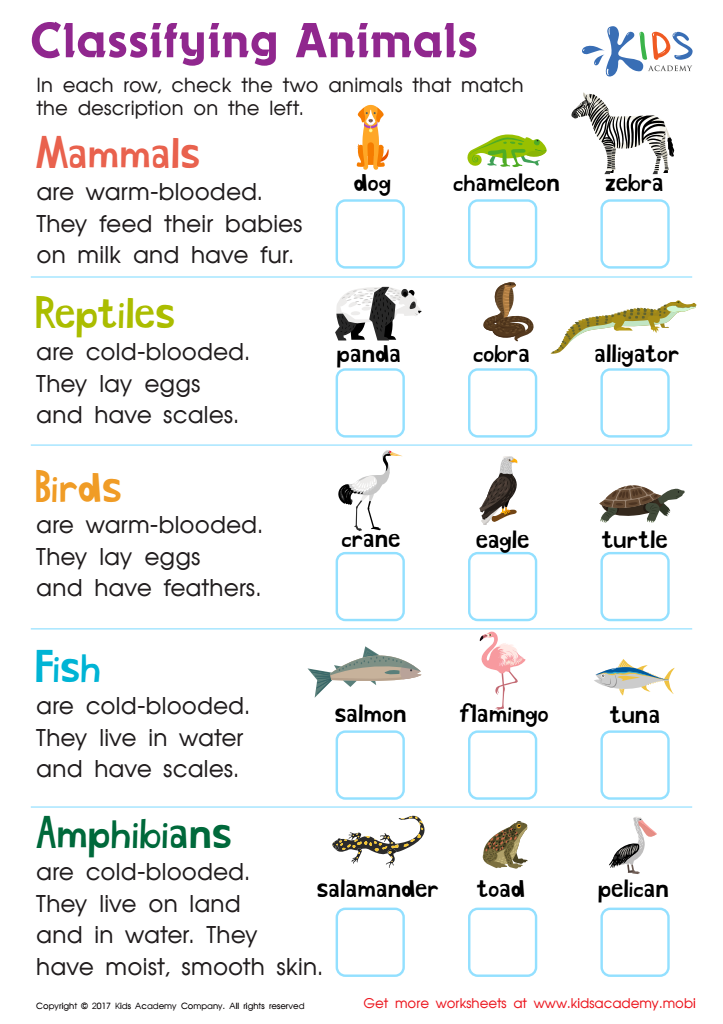
Classifying Animals Worksheet








Critical thinking about normal plants and animals is essential for children ages 4-9 as it fosters their cognitive development and enhances their observational skills. At this young age, children are inherently curious about the world around them. Engaging them in activities that encourage critical thinking allows them to explore the characteristics, behaviors, and habitats of various plants and animals in a structured way.
Parents and teachers should care about nurturing this skill because it strengthens analytical abilities, enabling children to ask questions, make connections, and productively critique their findings. Understanding the natural world also cultivates a sense of responsibility towards the environment, instilling values of conservation and respect for living organisms.
Furthermore, critical thinking encourages creativity. Children learn to imagine new possibilities for the plants and animals they study, fostering innovation and problem-solving skills. These foundational skills are vital in developing future scientists, environmentalists, and informed citizens.
Incorporating critical thinking with plants and animals promotes social interaction, as children often work in groups to discuss their observations and experiences. This collaborative learning experience facilitates communication skills and empathy. Thus, fostering critical thinking about plants and animals is beneficial not only for cognitive growth but also for emotional and social development in young learners.







