Logical Reasoning Normal Worksheets for 4-Year-Olds
15 filtered results
-
From - To
Introducing our "Logical Reasoning Normal Worksheets for 4-Year-Olds" – a fun and engaging way to develop critical thinking and problem-solving skills in young learners. These expertly designed worksheets feature age-appropriate activities that challenge kids to recognize patterns, sort objects, and solve puzzles, all while having fun. Perfect for home or classroom use, our worksheets encourage curiosity and lay a strong foundation for future academic success. Easy to use and visually appealing, they provide a balanced mix of education and entertainment, ensuring that learning becomes a joyful experience. Give your child the tools they need to think logically and thrive!
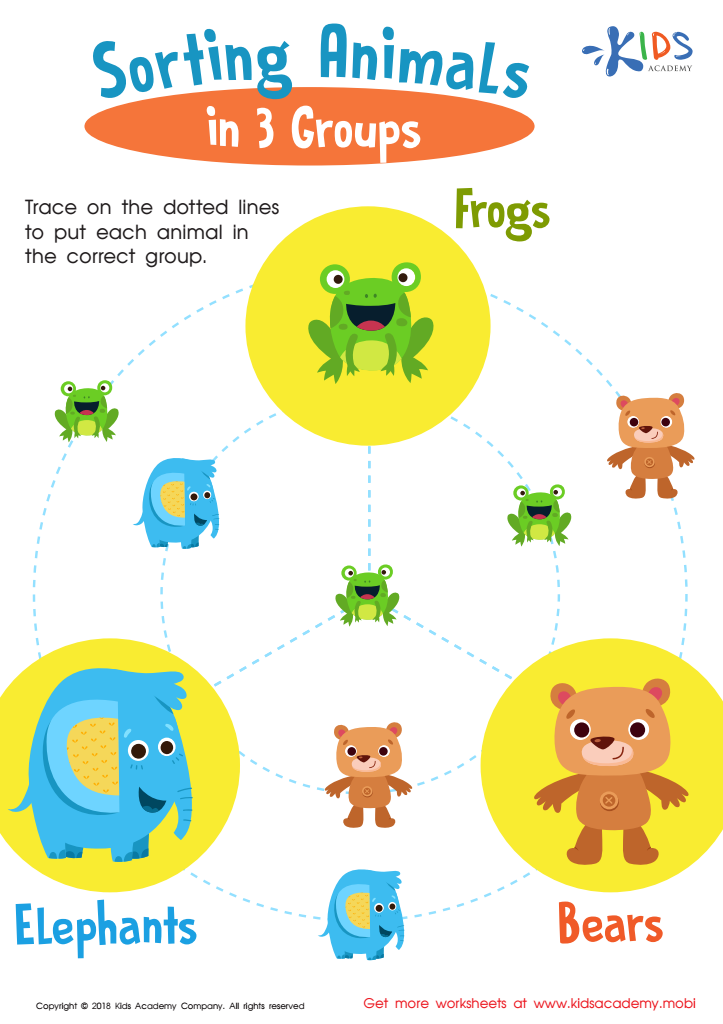
Sorting Animals in 3 Groups Worksheet
 Assign to My Students
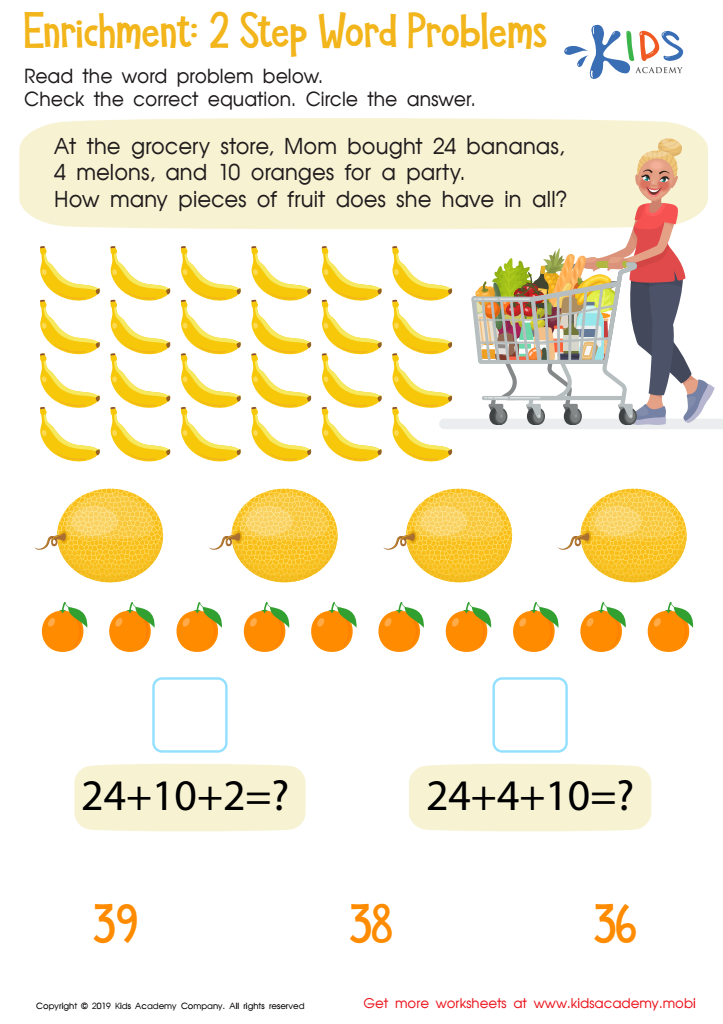
Enrichment -2 Step Word Problems Worksheet
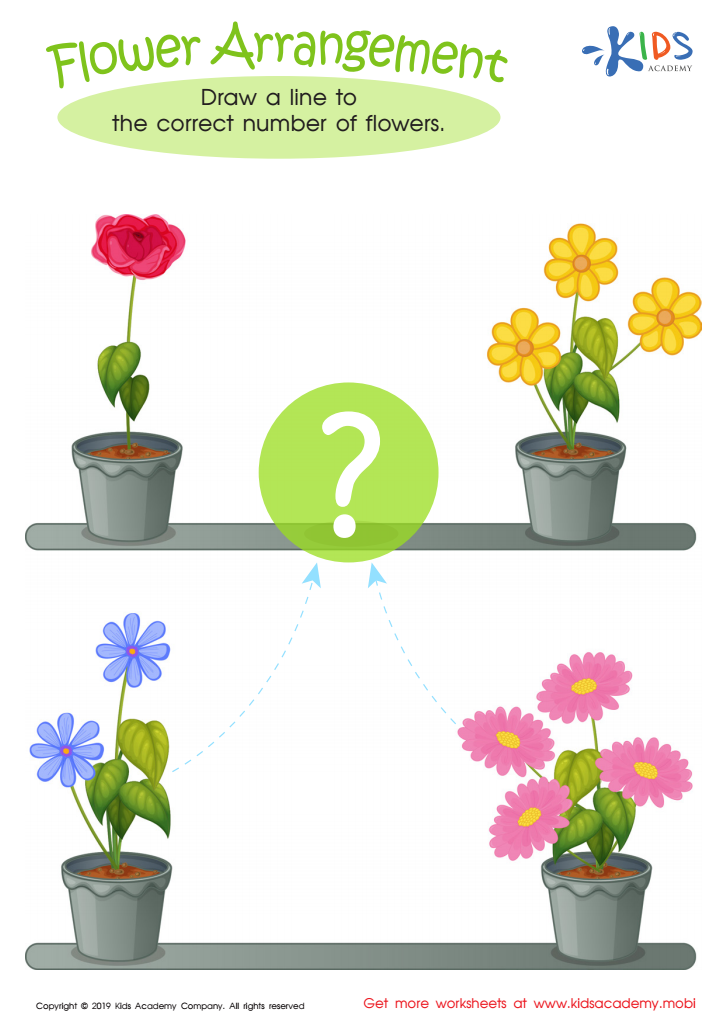
Flower Arrangement Worksheet
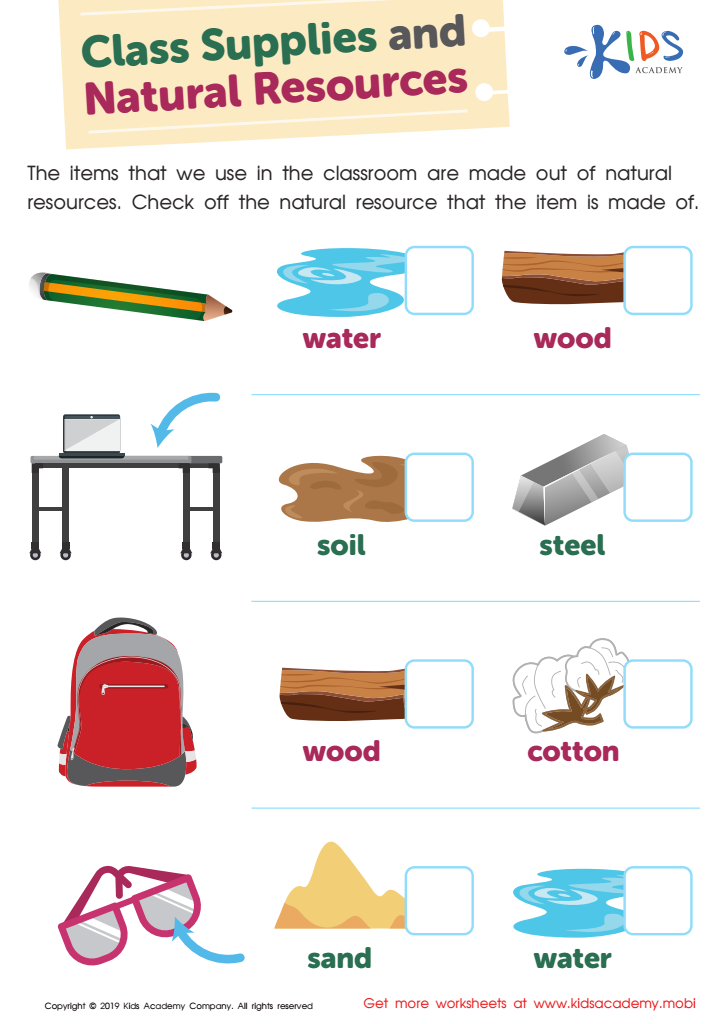
Class Supplies and Natural Resources Worksheet
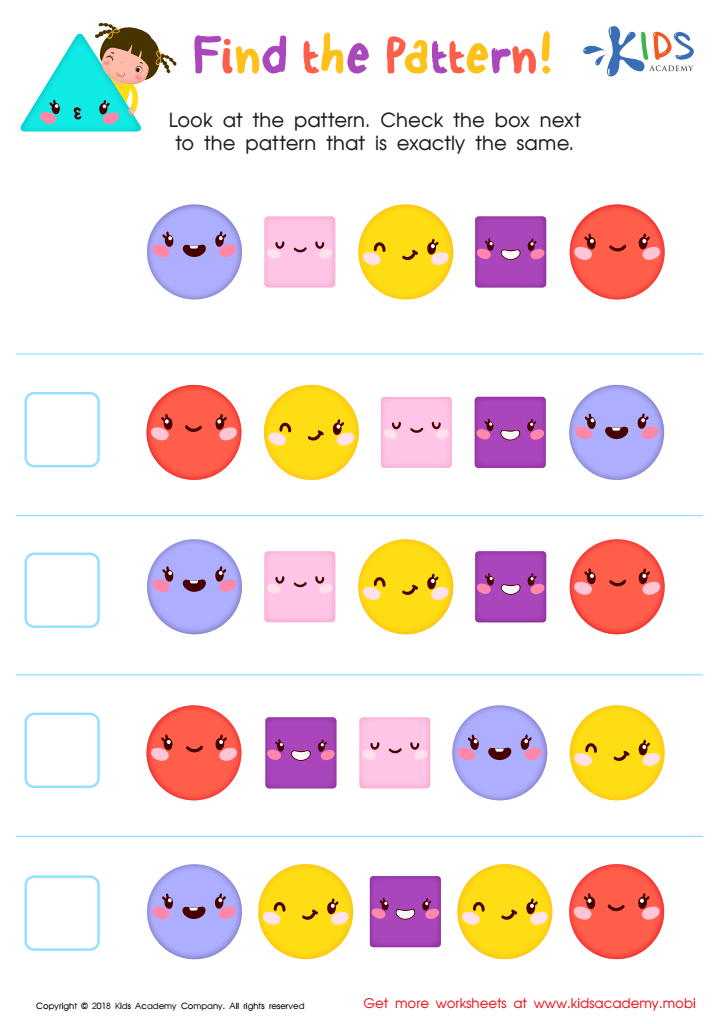
Find the Pattern Worksheet
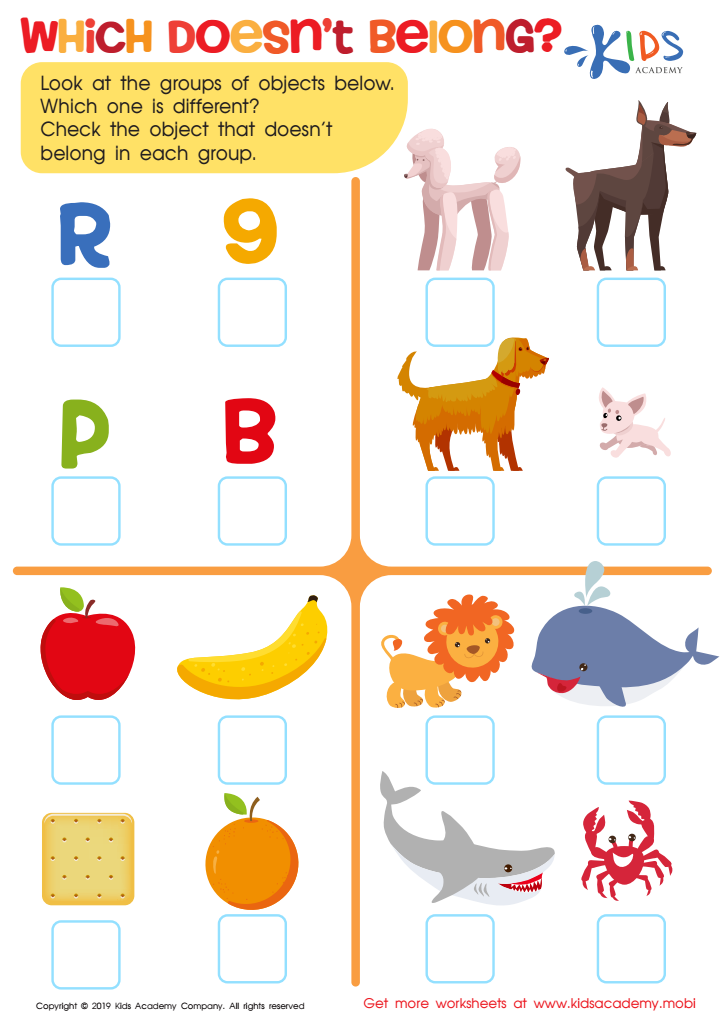
Which Doesn't Belong? Worksheet
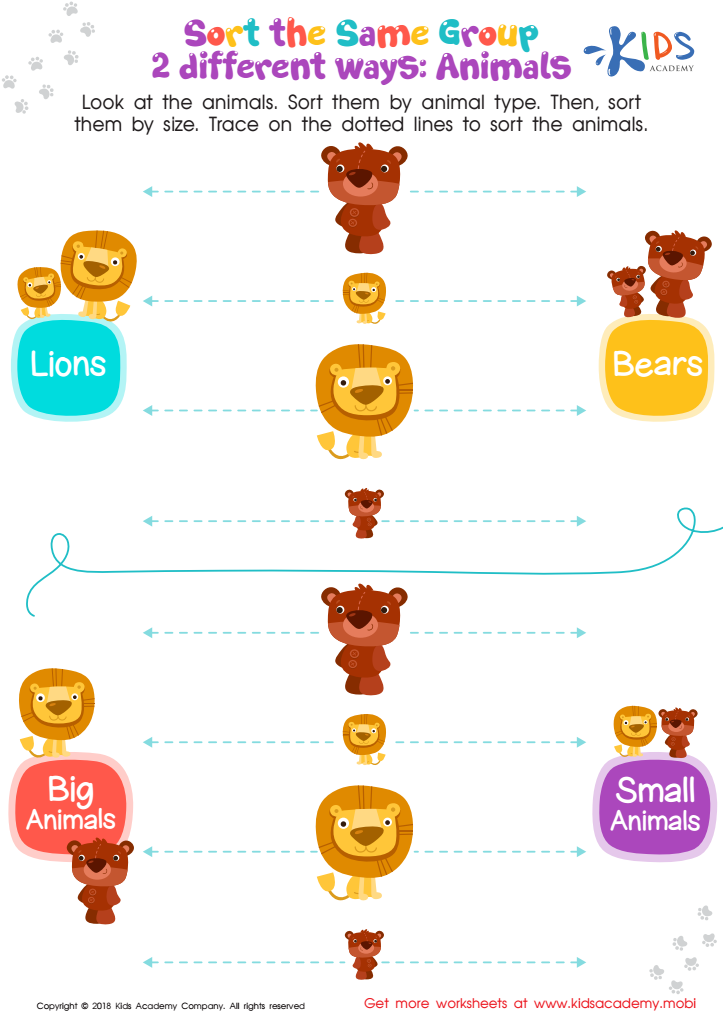
Sort the Same Group 2 Different Ways: Animals Worksheet
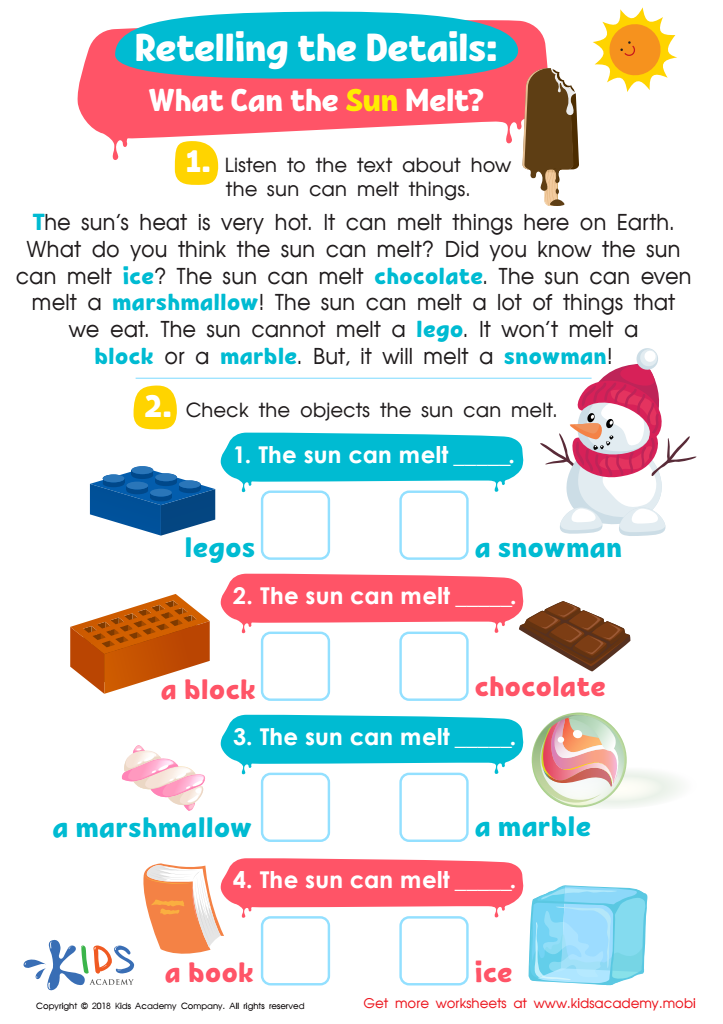
Retelling the Details: What Can the Sun Melt? Worksheet
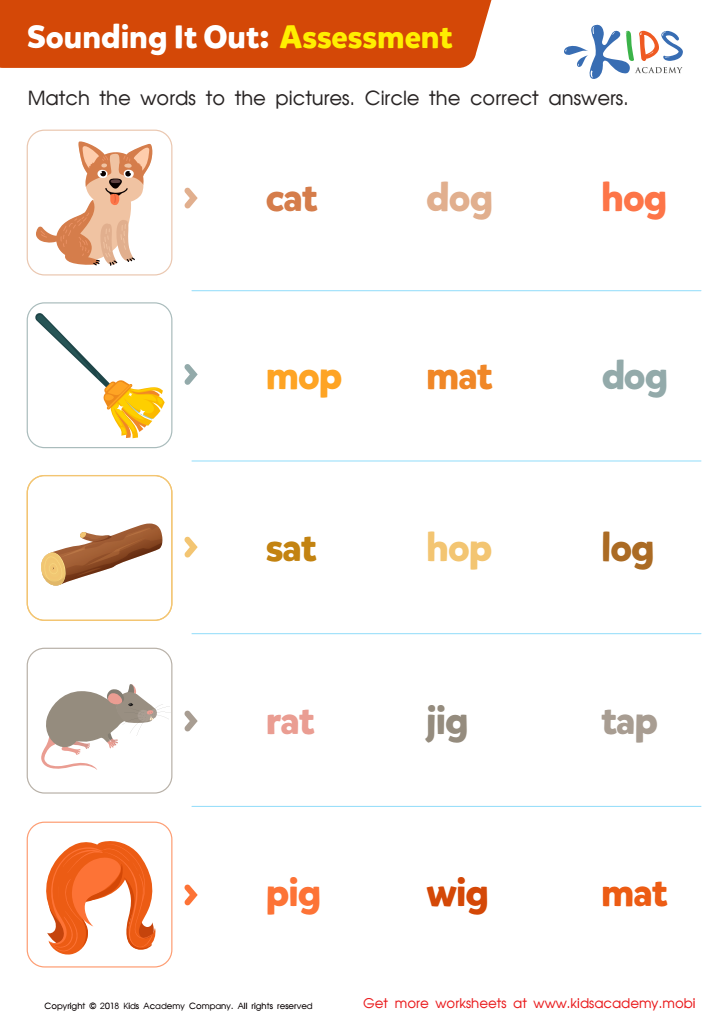
Sounding it Out: Assessment Worksheet
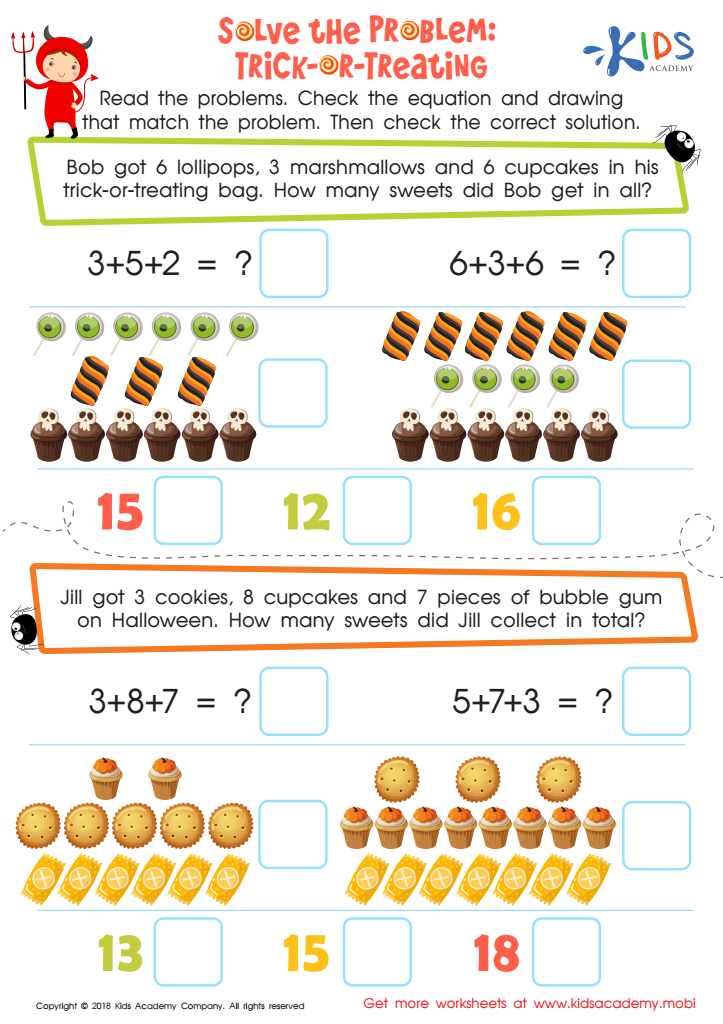
Solve the Problem: Trick–or–treating Worksheet
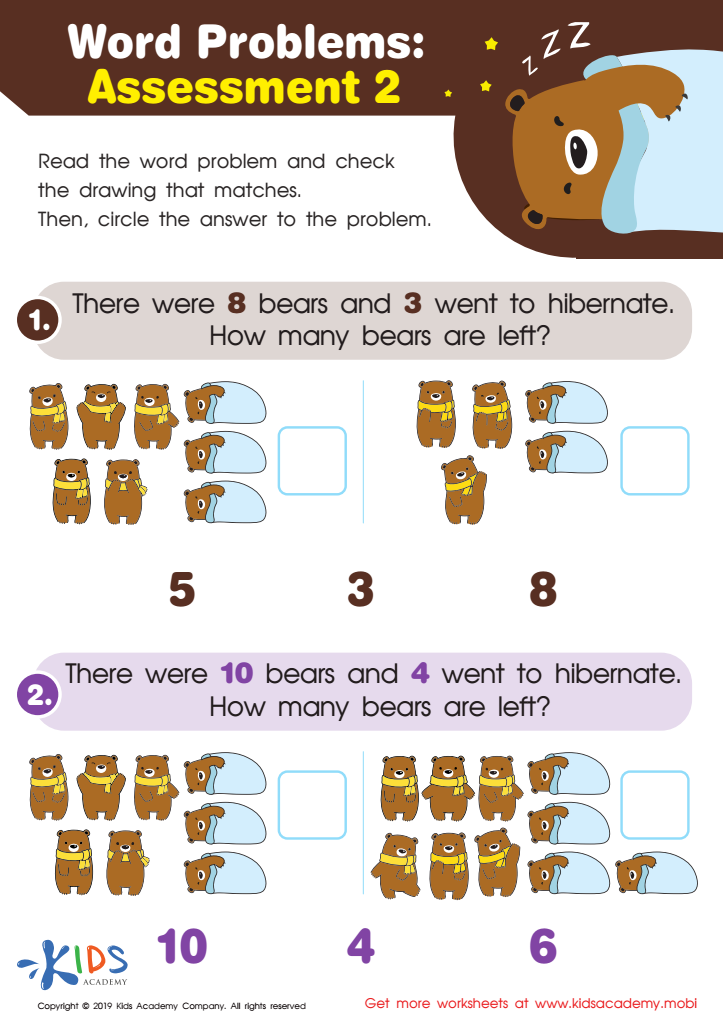
Word Problems: Assessment 2 Worksheet
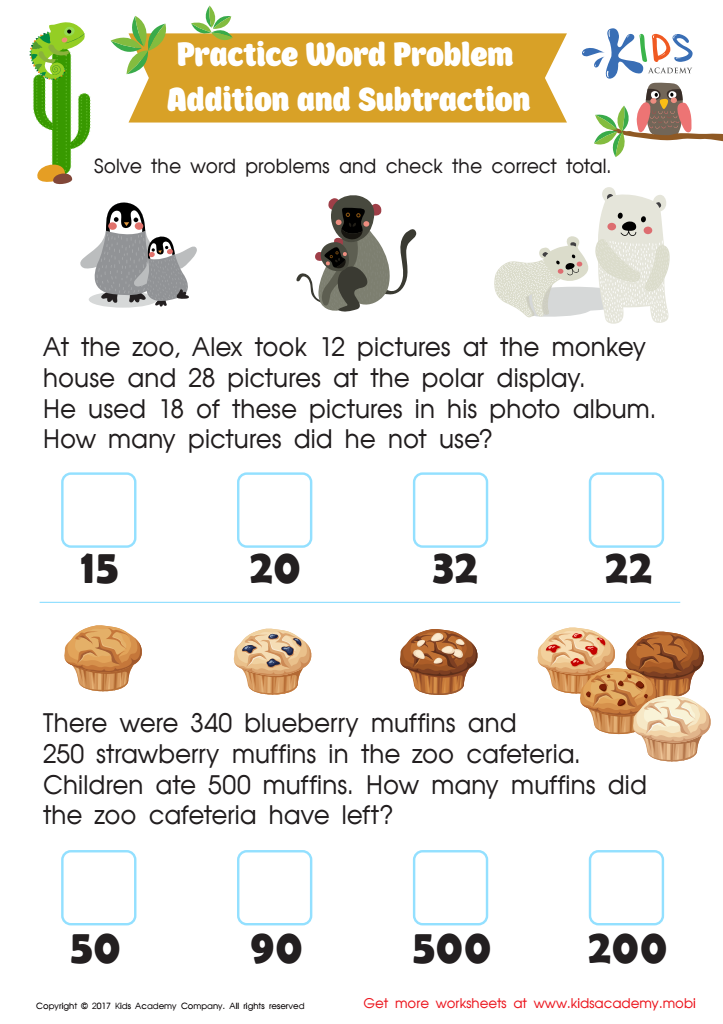
Addition and Subtraction: Word Problems Worksheet
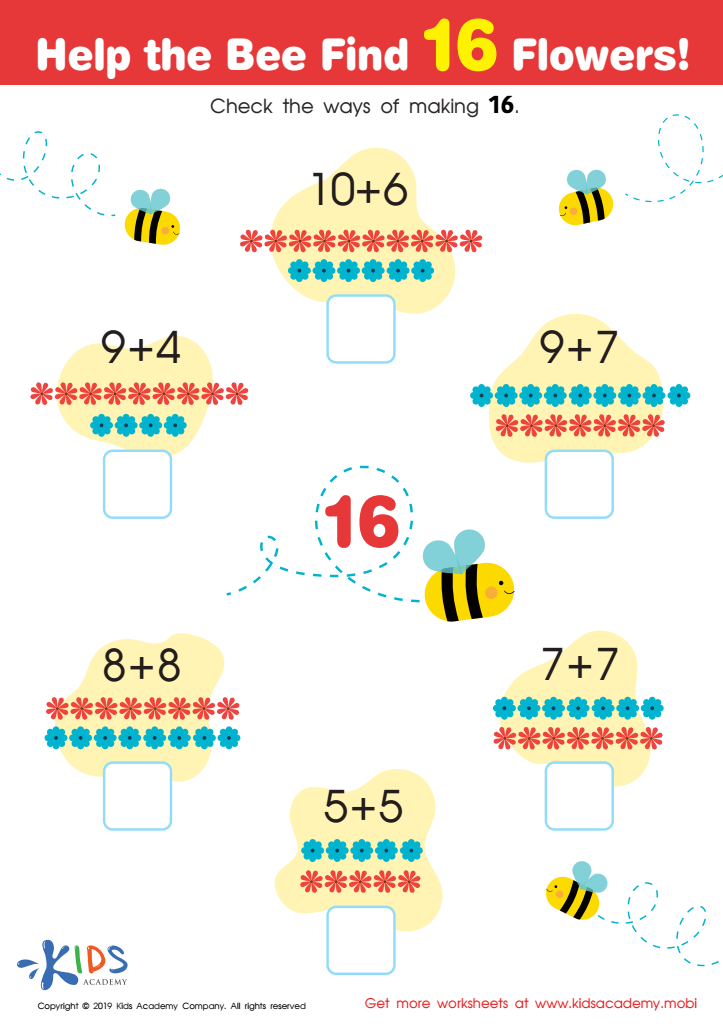
Help the Bee Find 16 Flowers Worksheet
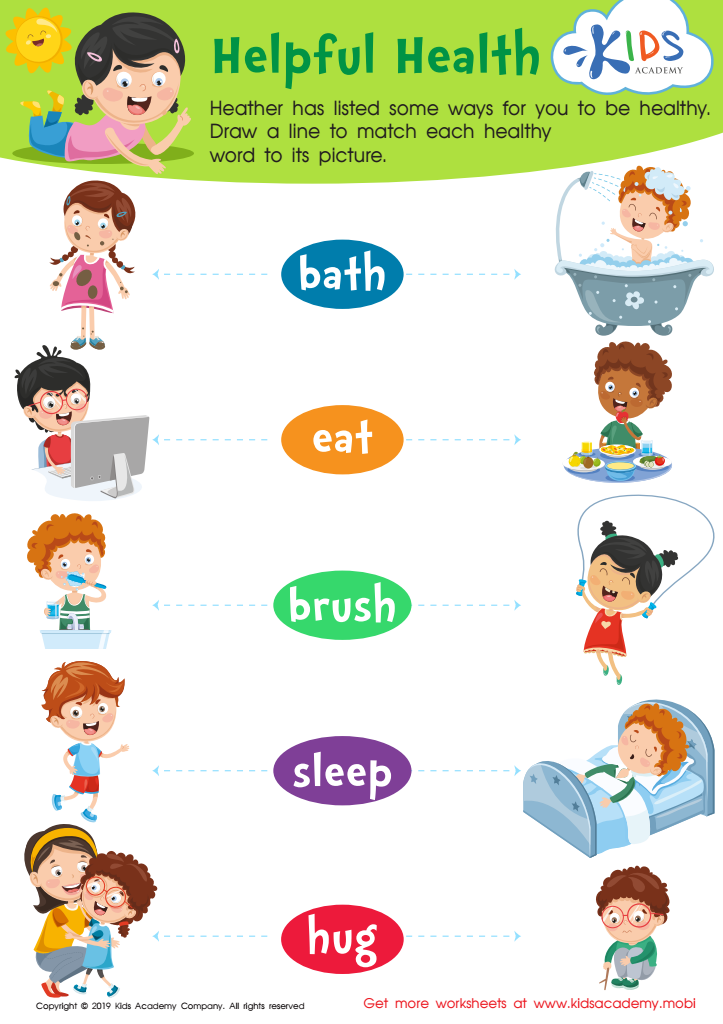
Helpful Health Worksheet







Logical reasoning is a foundational skill that supports a child's overall cognitive development, and it's crucial for parents and teachers to foster this ability in 4-year-olds. At this formative age, children are naturally curious and eager to understand the world around them. By nurturing logical reasoning, adults can promote critical thinking, problem-solving skills, and the ability to make sense of new information.
Developing logical reasoning helps children improve their academic abilities in subjects like mathematics and science, where sequencing, patterns, and cause-and-effect relationships are key. For instance, when children sort objects by color, size, or shape, they engage in an elementary form of classification that enhances their cognitive abilities. Cultivating these skills early can prepare children for more complex cognitive tasks in the future and can contribute significantly to their success in school.
Moreover, possessing strong logical reasoning abilities boosts a child’s self-confidence. When children can make connections and understand how things work, it gives them a sense of accomplishment and encourages a positive attitude towards learning. Socially, logical reasoning skills help children understand the perspectives of others and develop better communication skills, as they learn to predict outcomes and articulate their thoughts more clearly.
Therefore, by prioritizing logical reasoning skills, parents and teachers provide a strong foundation for not only academic growth but also social and emotional development, ultimately helping children become more well-rounded individuals.








