Pattern recognition Normal Worksheets for 4-Year-Olds
10 filtered results
-
From - To
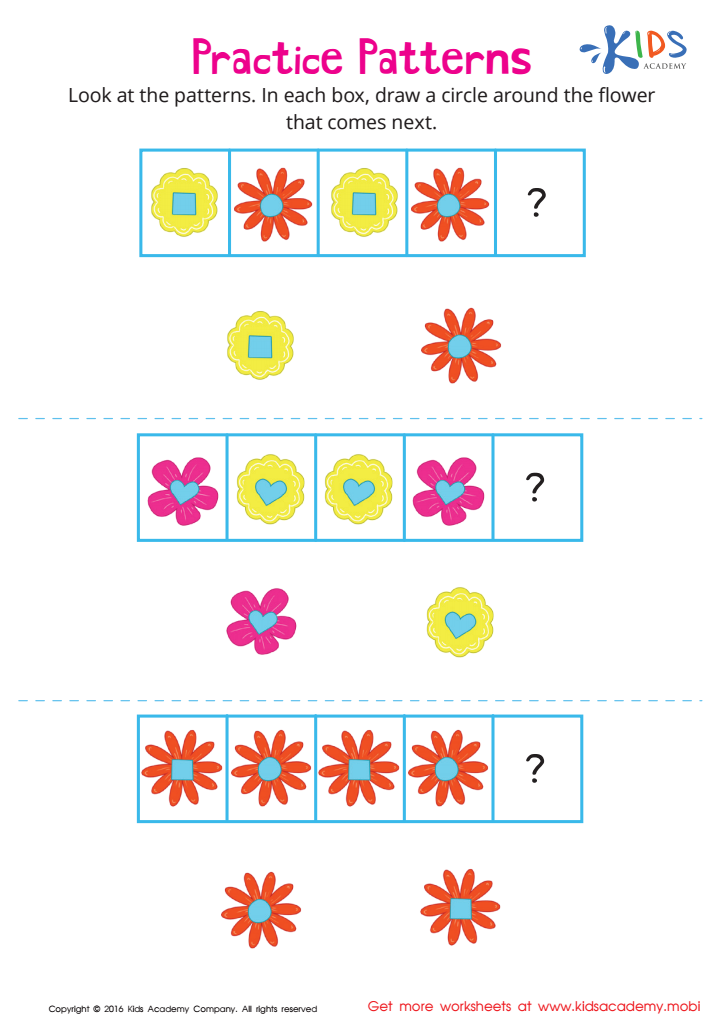
Discover our engaging Pattern Recognition Normal Worksheets designed specifically for 4-year-olds to boost their cognitive skills! These printable worksheets help young learners identify, create, and extend patterns using vibrant images and fun activities. Tailored to enhance critical thinking and visual discrimination, our resources encourage children to recognize sequences in colors, shapes, and objects. Ideal for home or classroom use, these worksheets offer a hassle-free way to promote early math skills and support developmental milestones. Inspire your child's love for learning with our thoughtfully crafted materials that make pattern recognition a delightful experience! Browse our collection and watch their skills flourish!
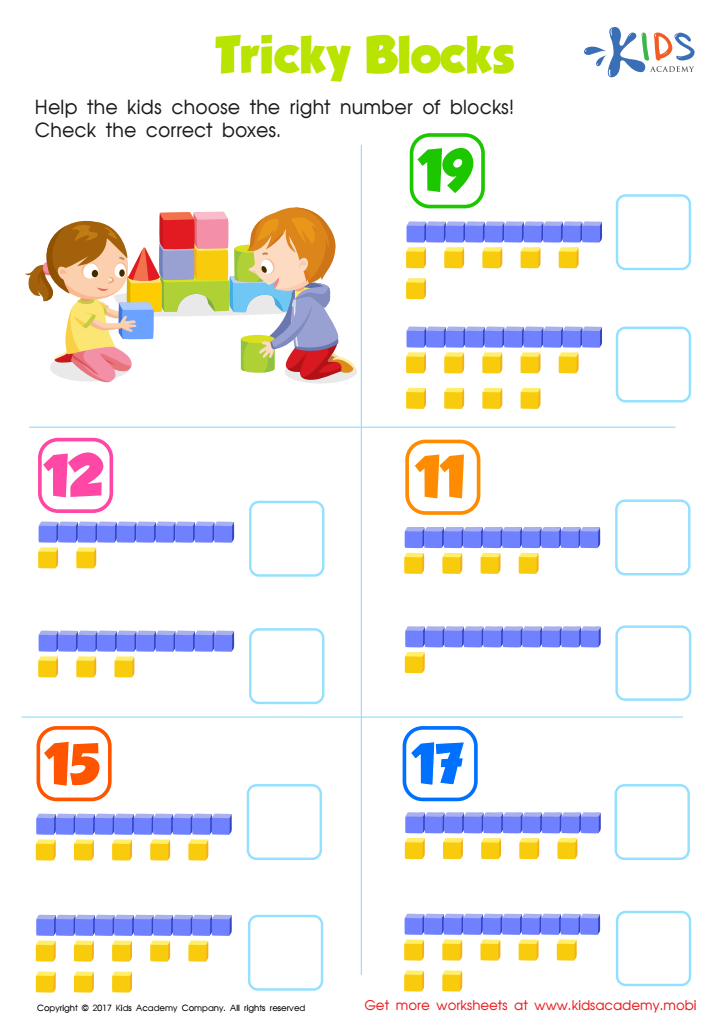
Tricky Blocks Worksheet
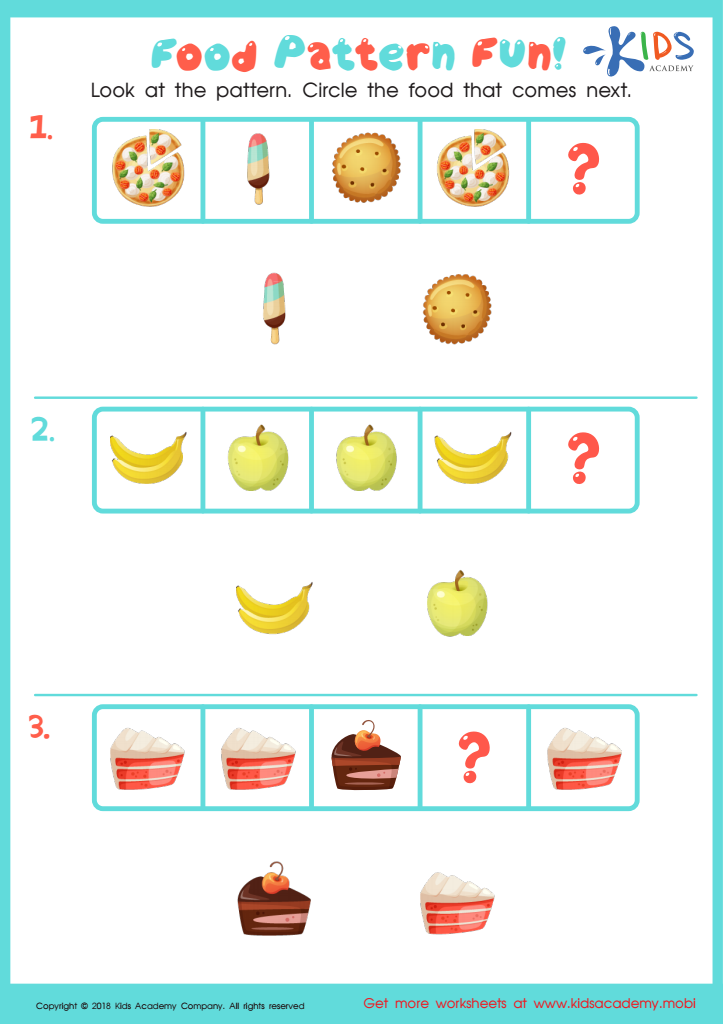
Food Pattern Fun Worksheet
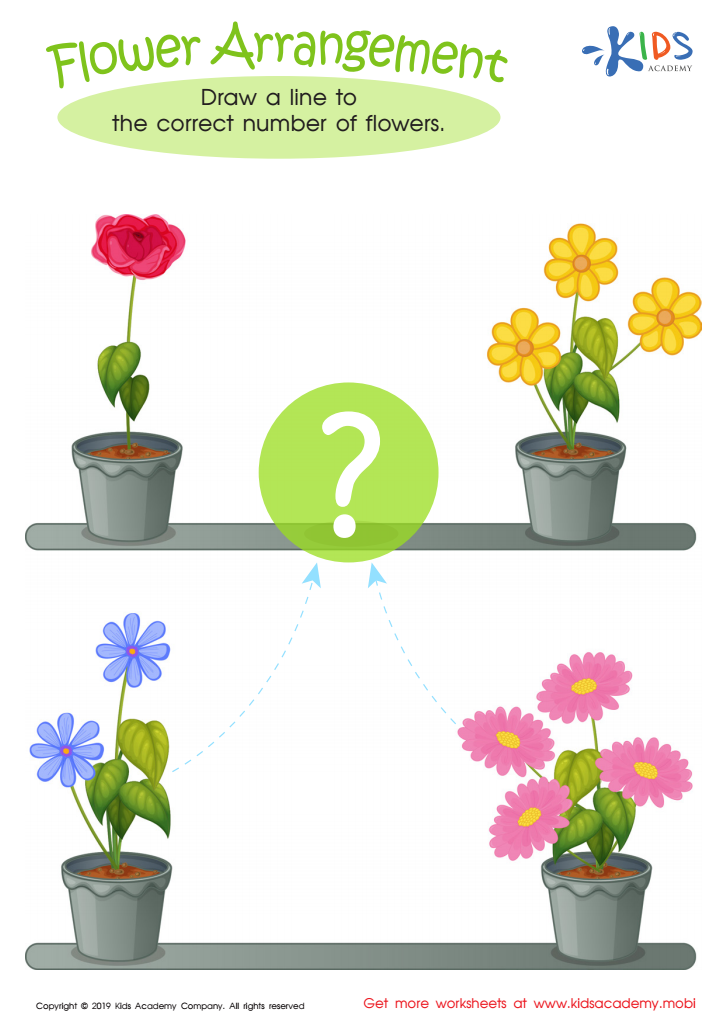
Flower Arrangement Worksheet
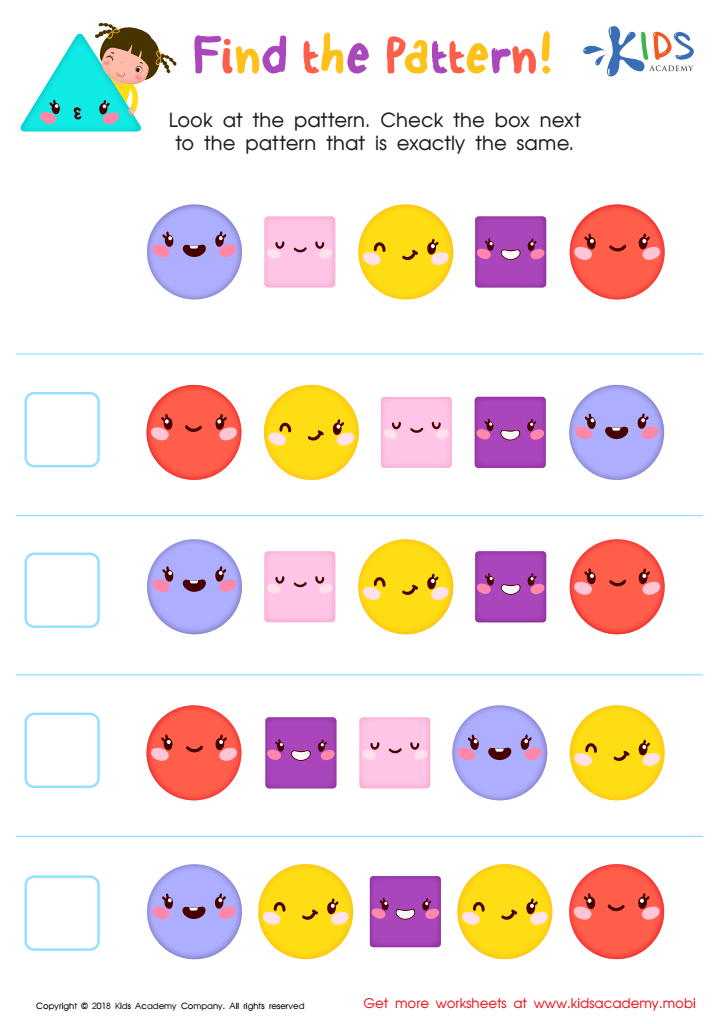
Find the Pattern Worksheet
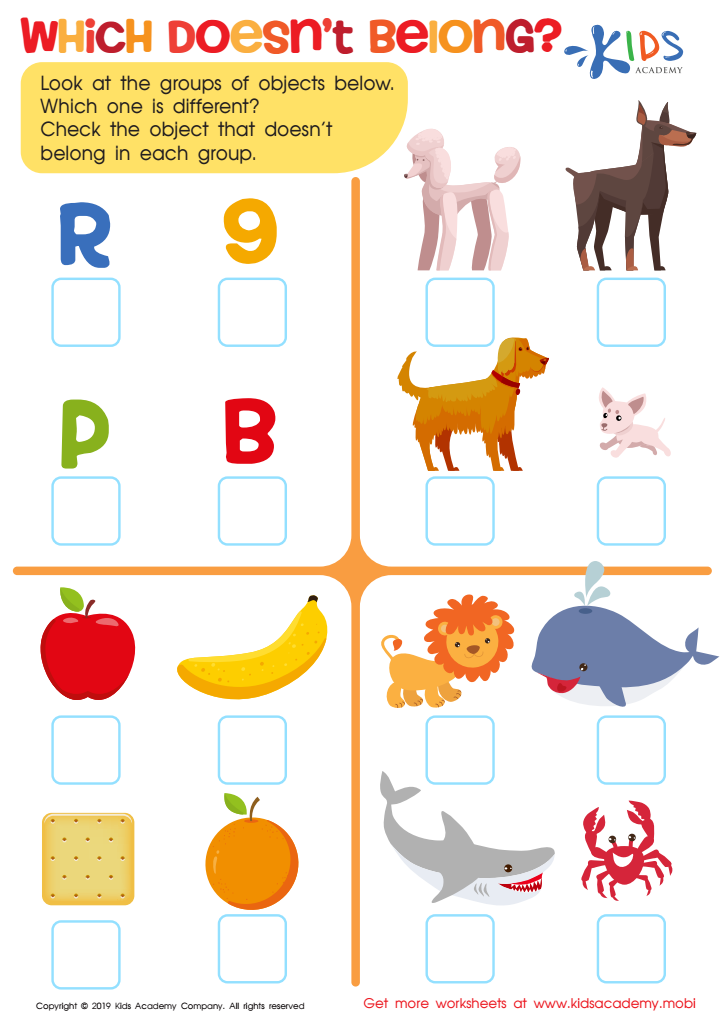
Which Doesn't Belong? Worksheet
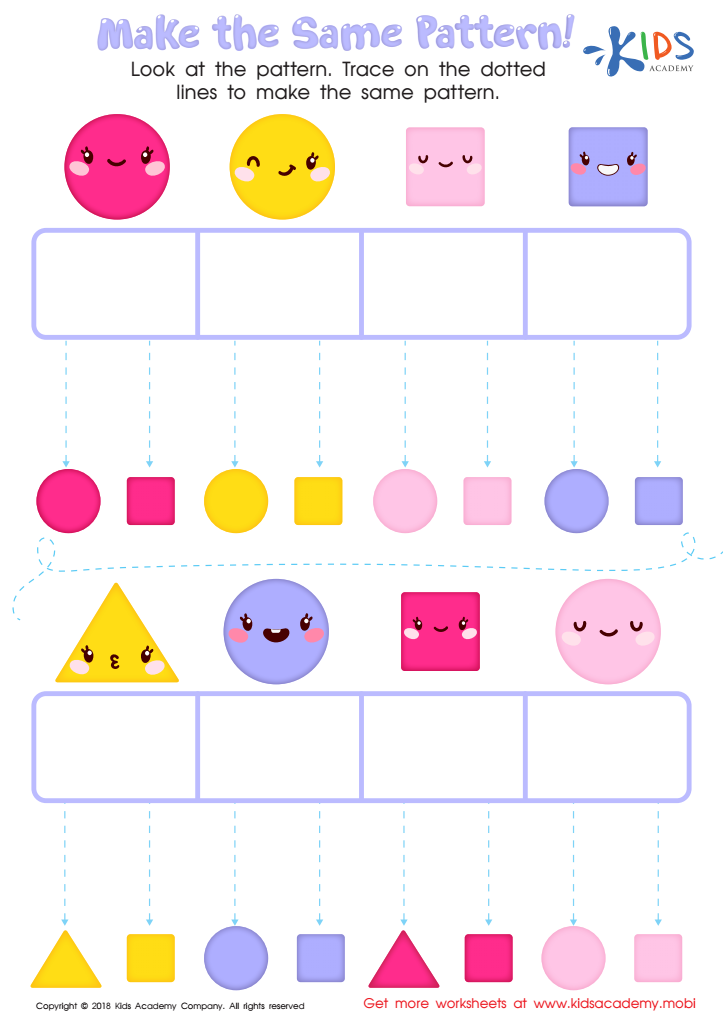
Make the Same Pattern Worksheet
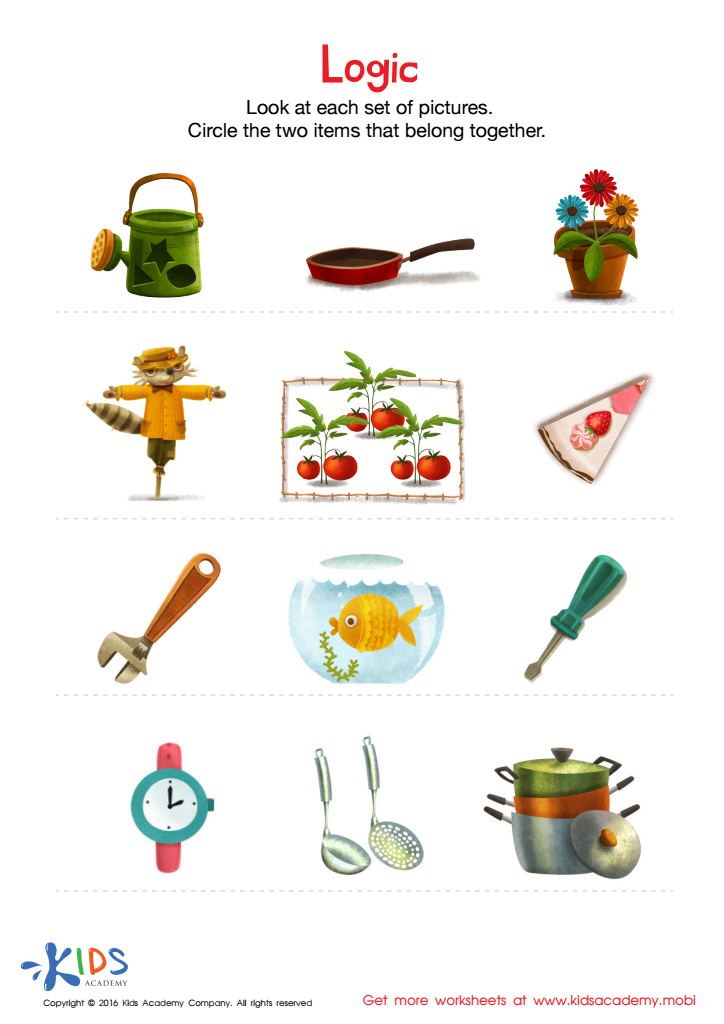
Logic Game Sorting Worksheet
Christmas: Christmas Tree Printable
 Assign to My Students
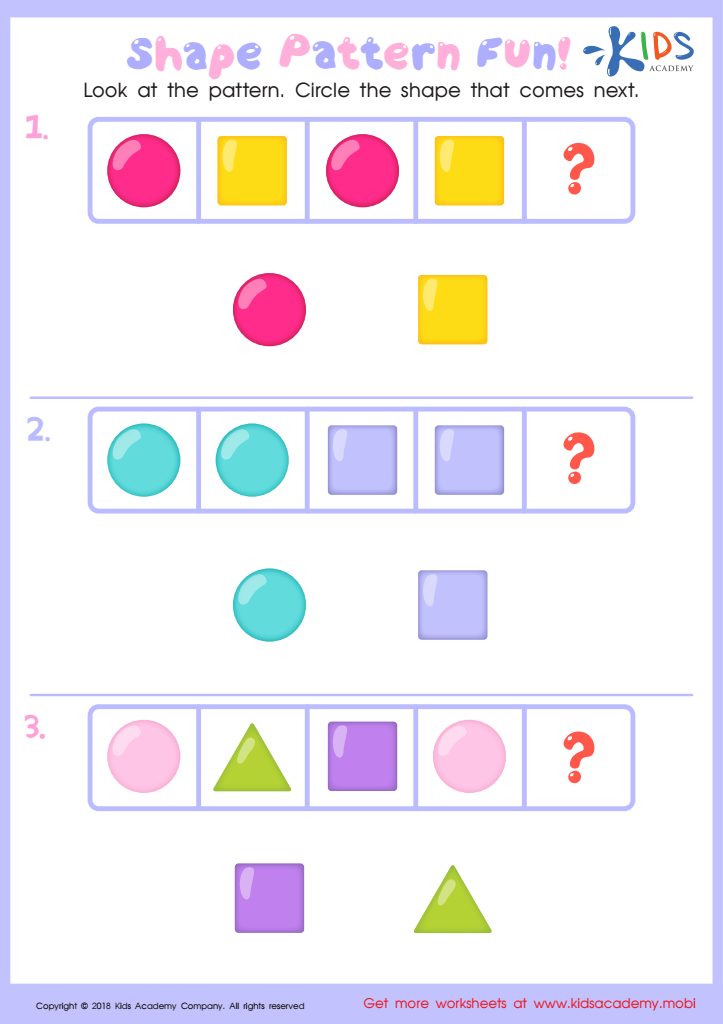
Shape Pattern Fun Worksheet






Pattern recognition is a fundamental cognitive skill that serves as the building block for various aspects of learning in preschoolers. For 4-year-olds, engaging in pattern recognition activities helps sharpen their analytical skills, enhances their ability to think critically, and fosters a love for problem-solving. When parents and teachers prioritize this skill, they are nurturing essential academic competencies that will benefit children in later stages of education, particularly in mathematics, reading, and science.
Furthermore, recognizing patterns supports a child's understanding of cause-and-effect relationships, sequences, and categorization, which are vital for effective reasoning. Activities such as sorting objects, tessellating shapes, or identifying rhythms in music can enrich their learning experience, promote creative thinking, and engage multiple senses.
Additionally, this skill bolsters children's social development by improving their communication abilities, as they learn to express their observations and thoughts. As a result, parents and teachers should make pattern recognition a fun and integral part of early childhood education, weaving it into daily activities and routines. By doing so, they will not only reinforce fundamental cognitive habits but also cultivate a playful curiosity in children that fosters lifelong learning.








