Pattern recognition Normal Worksheets for Ages 5-6
13 filtered results
-
From - To
Boost your child's cognitive skills with our Pattern Recognition Normal Worksheets designed for ages 5-6. Our engaging, age-appropriate worksheets from Kids Academy help young learners identify, understand, and create patterns, enhancing their problem-solving abilities and critical thinking. Bright and colorful exercises make learning fun and effective, laying a strong foundation for future math success. Encourage your child to practice observing sequences, shapes, and colors, as they develop essential learning skills. Perfect for both classroom and at-home learning, these worksheets support your child's educational journey with structured and rewarding activities.
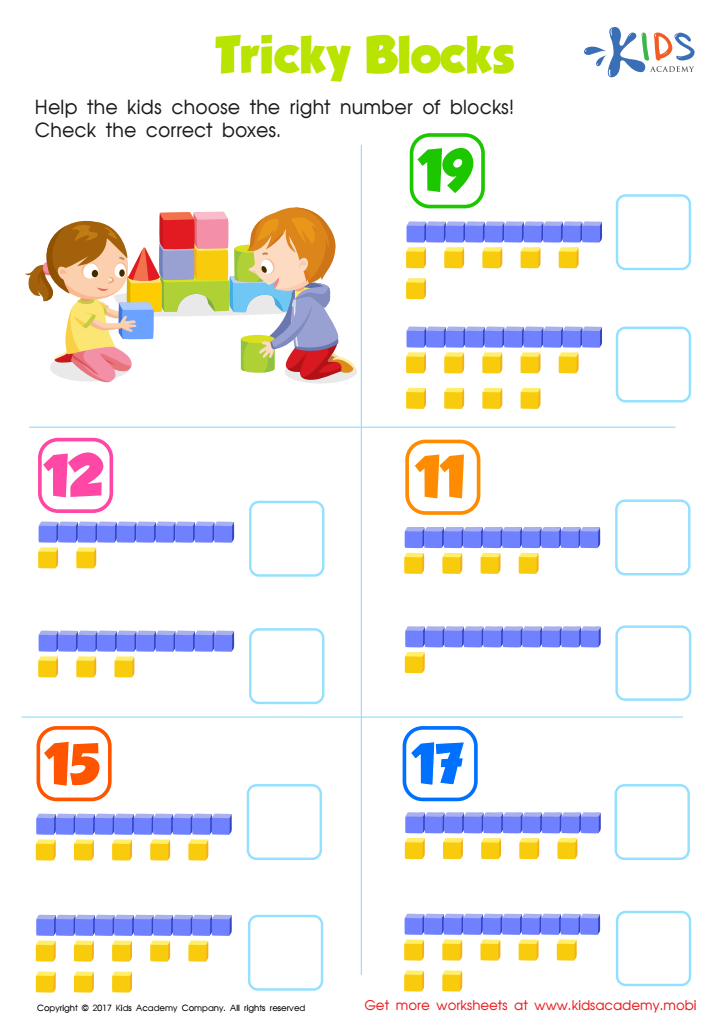
Tricky Blocks Worksheet
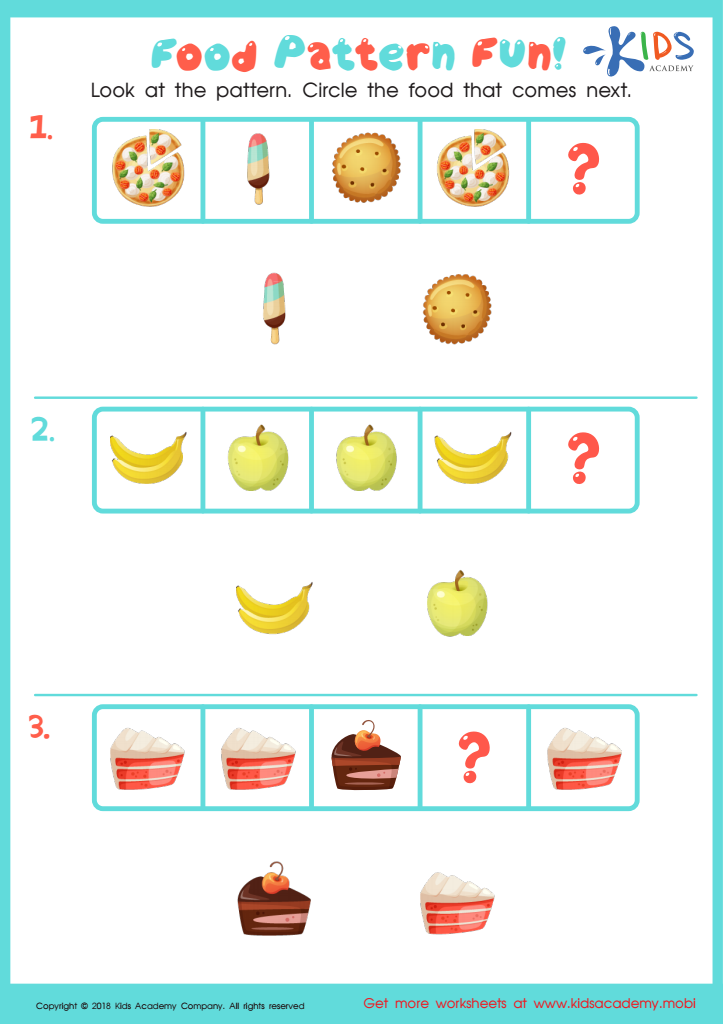
Food Pattern Fun Worksheet
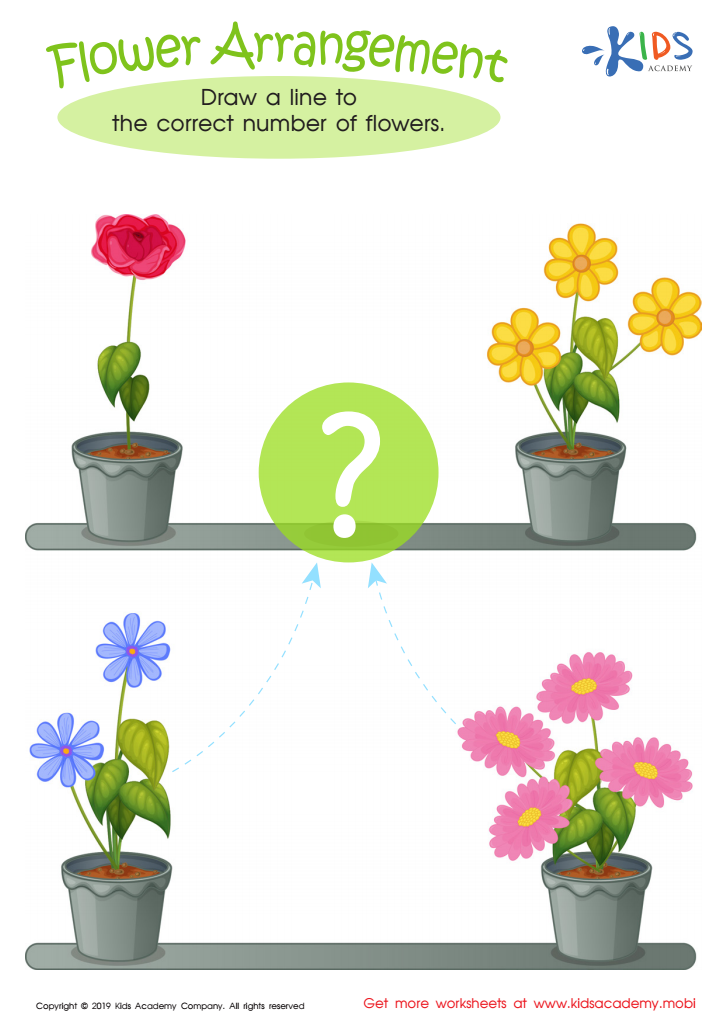
Flower Arrangement Worksheet
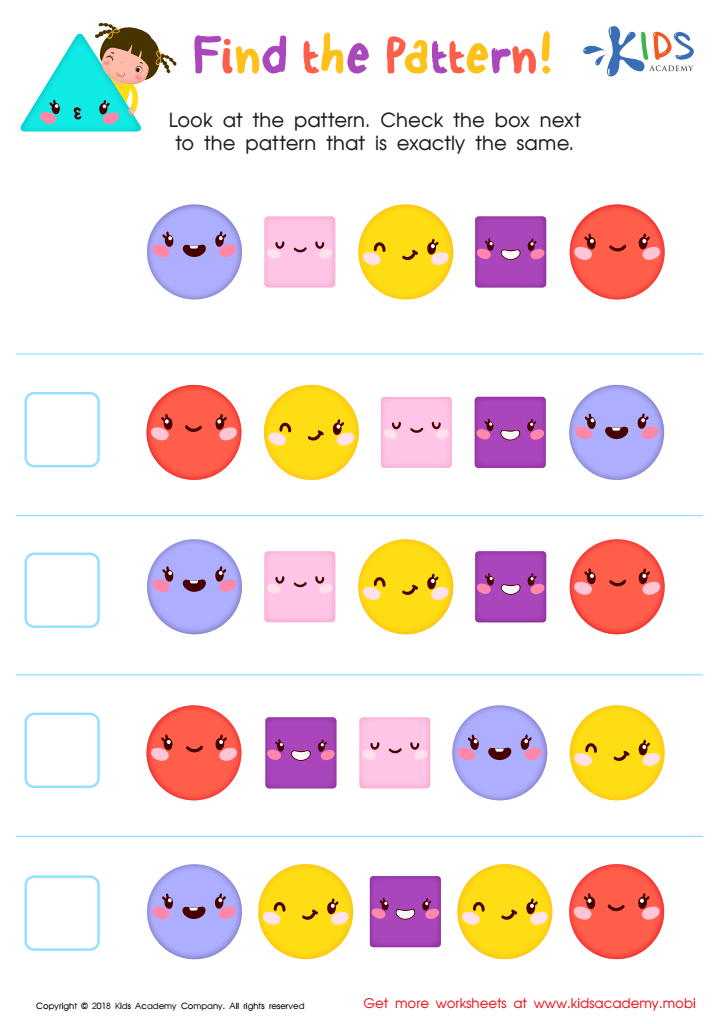
Find the Pattern Worksheet
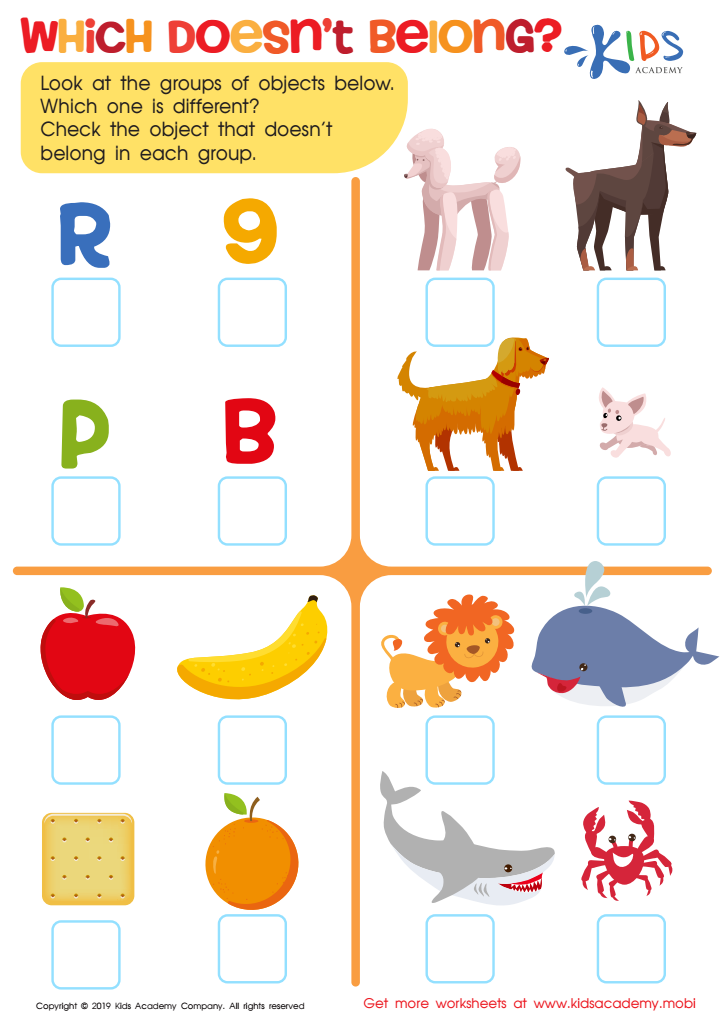
Which Doesn't Belong? Worksheet
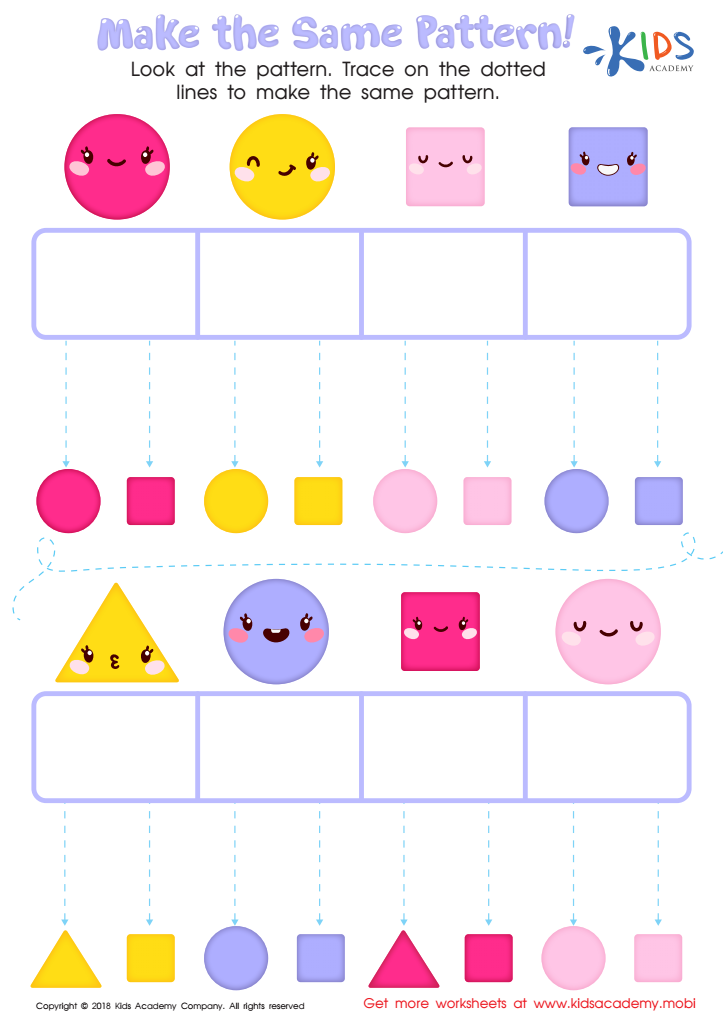
Make the Same Pattern Worksheet
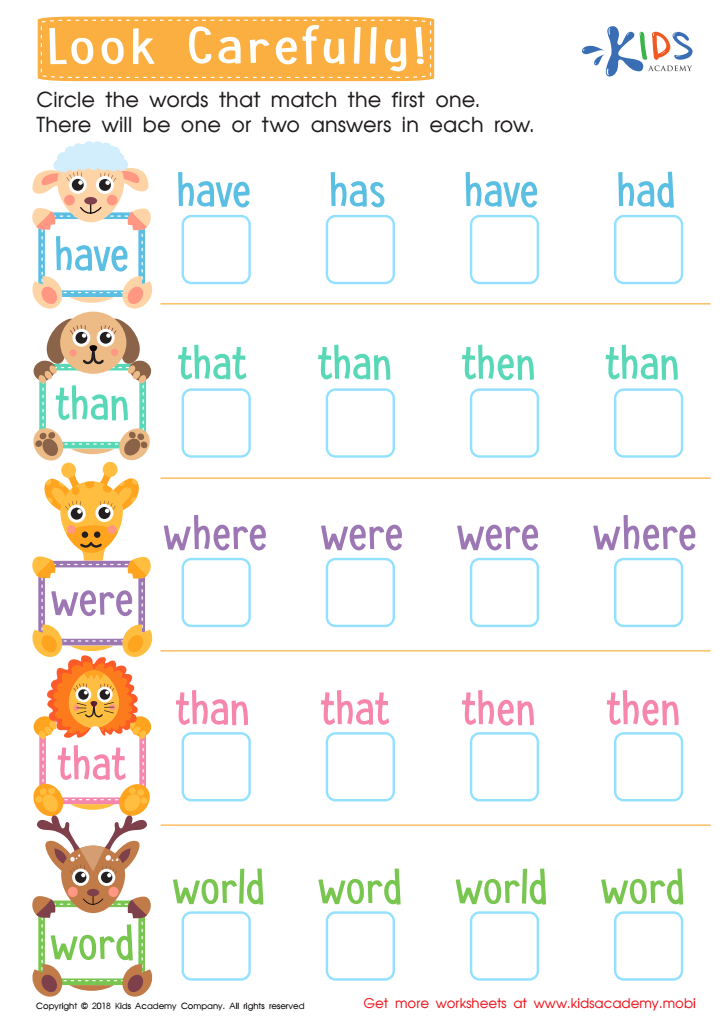
Look Carefully Worksheet
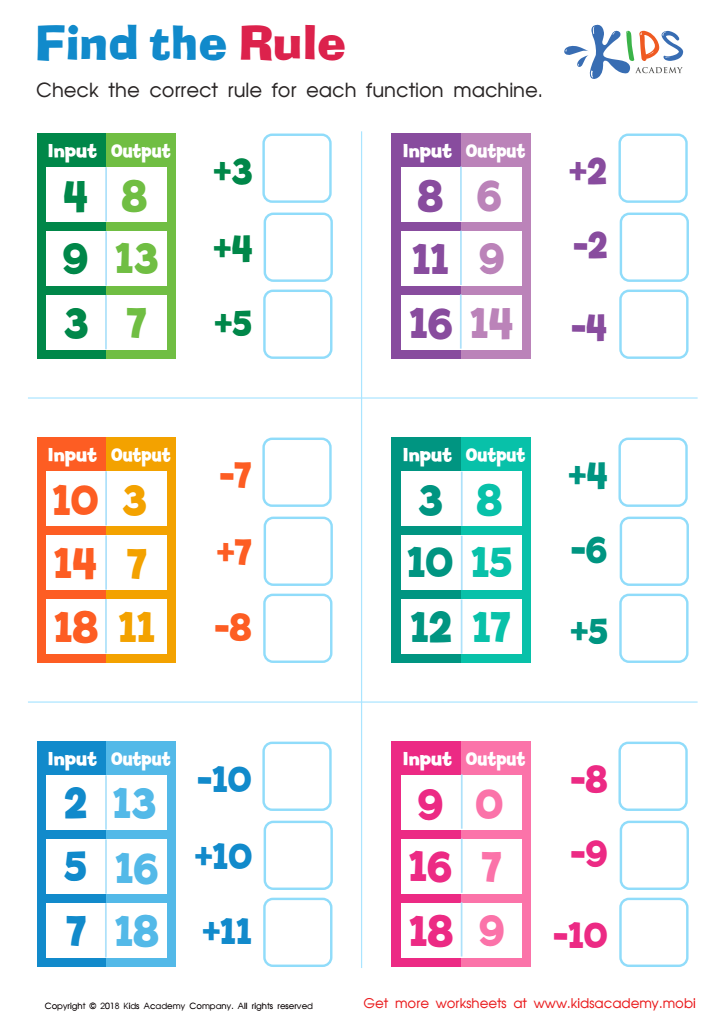
Find the Rule Worksheet
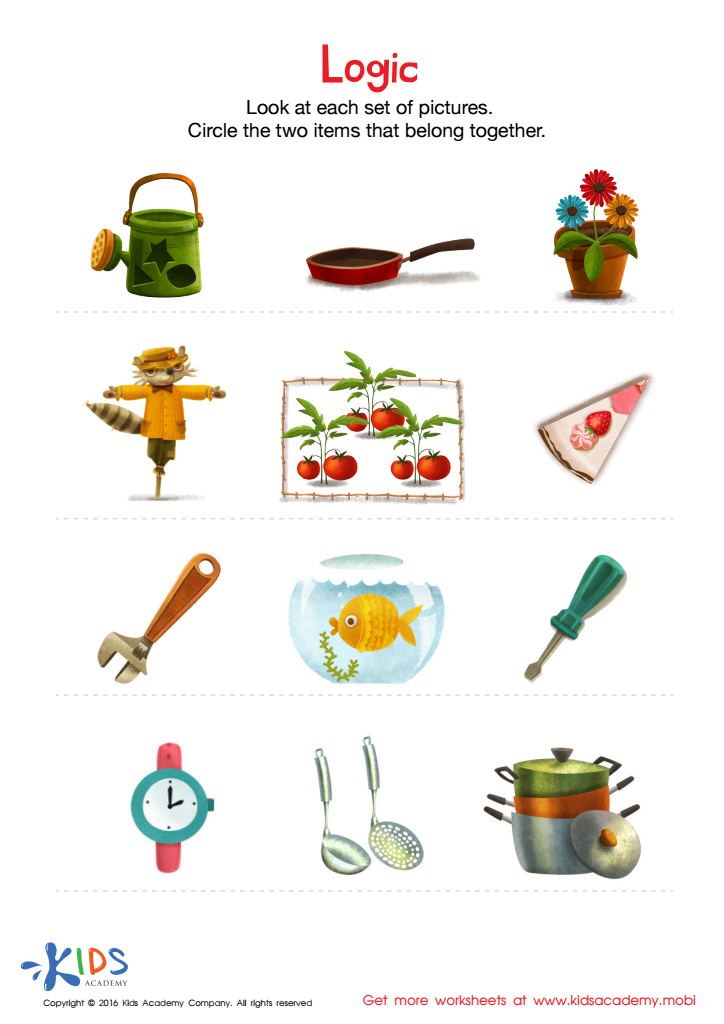
Logic Game Sorting Worksheet
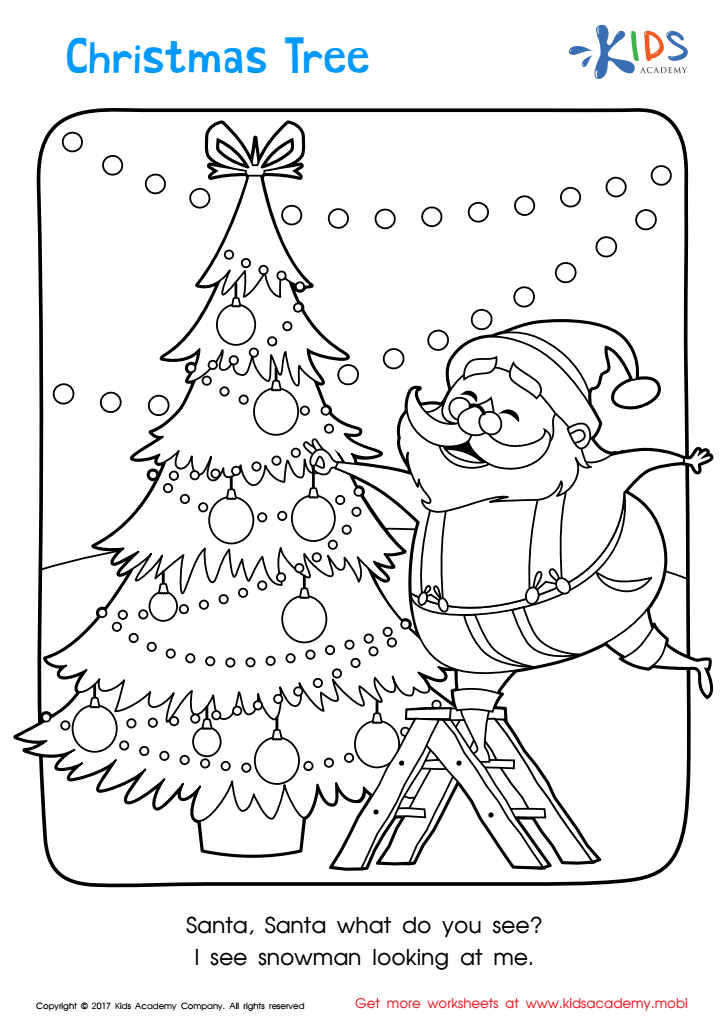
Christmas: Christmas Tree Printable
 Assign to My Students
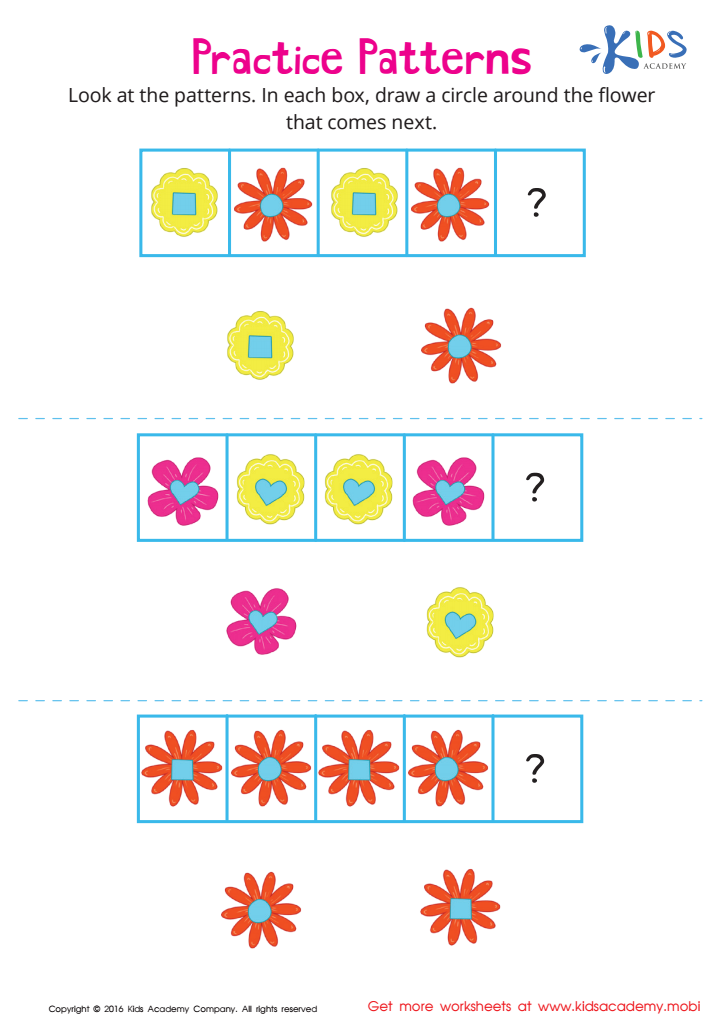
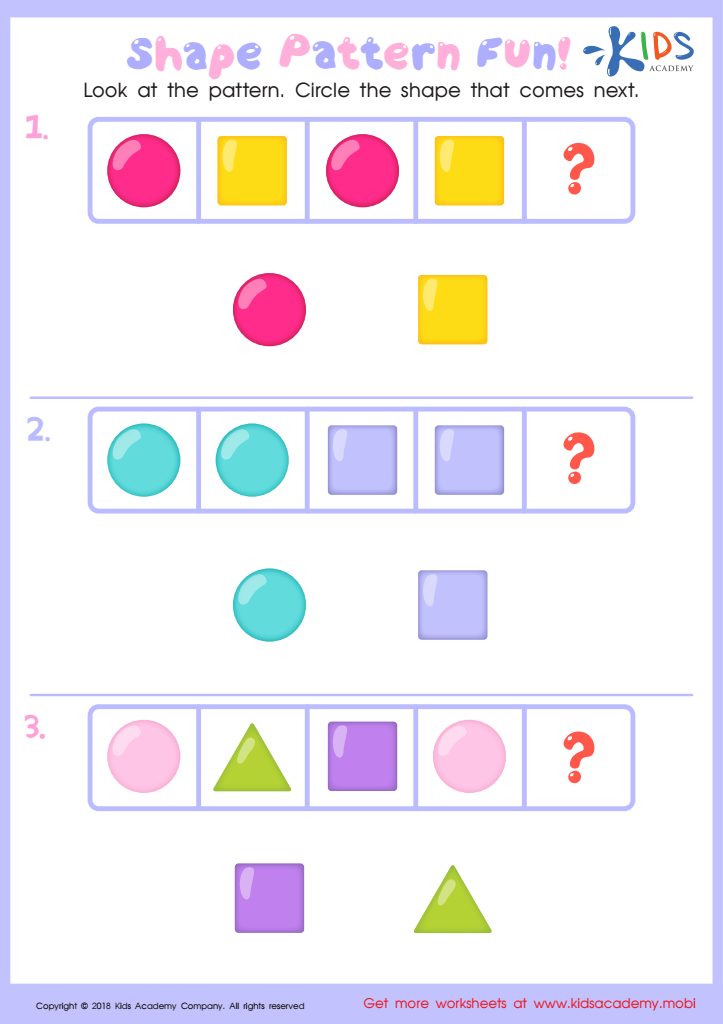
Shape Pattern Fun Worksheet
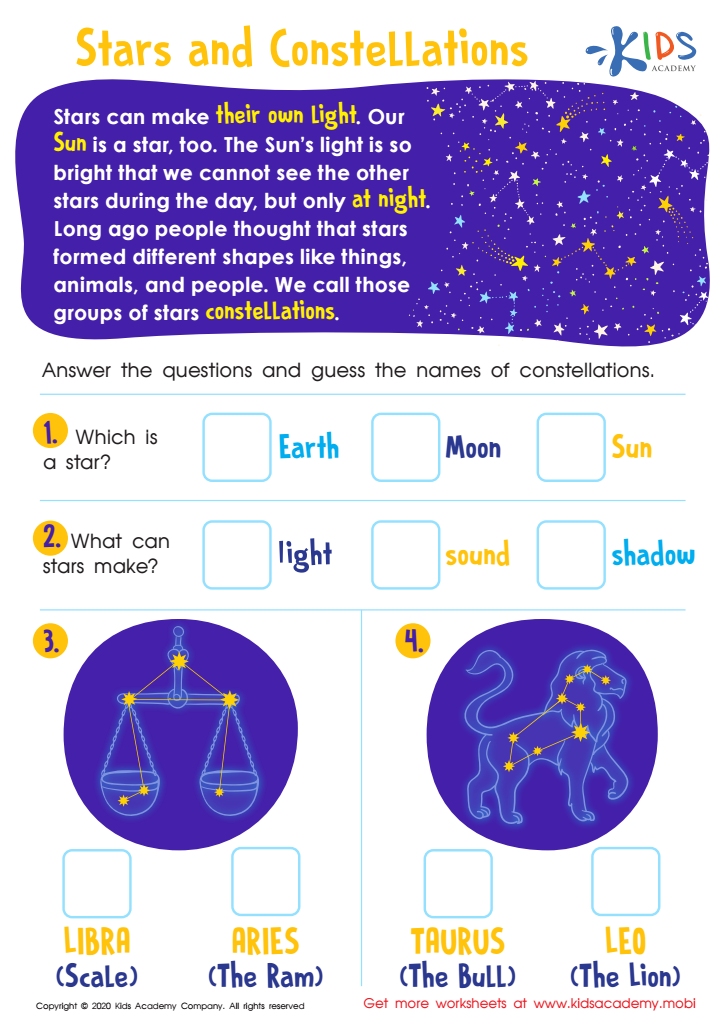
Stars and Constellations Worksheet






.jpg)

Pattern recognition is a crucial skill for children aged 5-6, and parents and teachers should prioritize its development due to its foundational role in various aspects of learning. At this young age, children are essentially sponges, absorbing and organizing information from their environment. Recognizing patterns helps them make sense of the world by identifying predictable sequences and organizing their thoughts accordingly.
Firstly, pattern recognition facilitates early math skills. When children can identify and extend patterns, they grasp basic math concepts such as counting, sorting, and recognizing shapes. These skills are fundamental as they pave the way for more complex mathematical reasoning later on.
Secondly, patterns play a key role in language development. Recognizing repetitive patterns in sounds and words helps children understand phonics and word families, which are critical for reading and writing proficiency. By seeing patterns in stories and sentences, they develop better comprehension and storytelling abilities.
Moreover, pattern recognition enhances problem-solving and critical thinking skills. When children learn to notice patterns, they become better at predicting outcomes and making informed decisions, which are essential skills both in academic settings and in everyday life.
Overall, fostering pattern recognition in young children equips them with the tools they need for mathematical understanding, language development, and critical thinking, forming a foundation for future academic and intellectual growth.








