Phonics Skills Normal Worksheets for Ages 5-6 - Page 2
47 filtered results
-
From - To
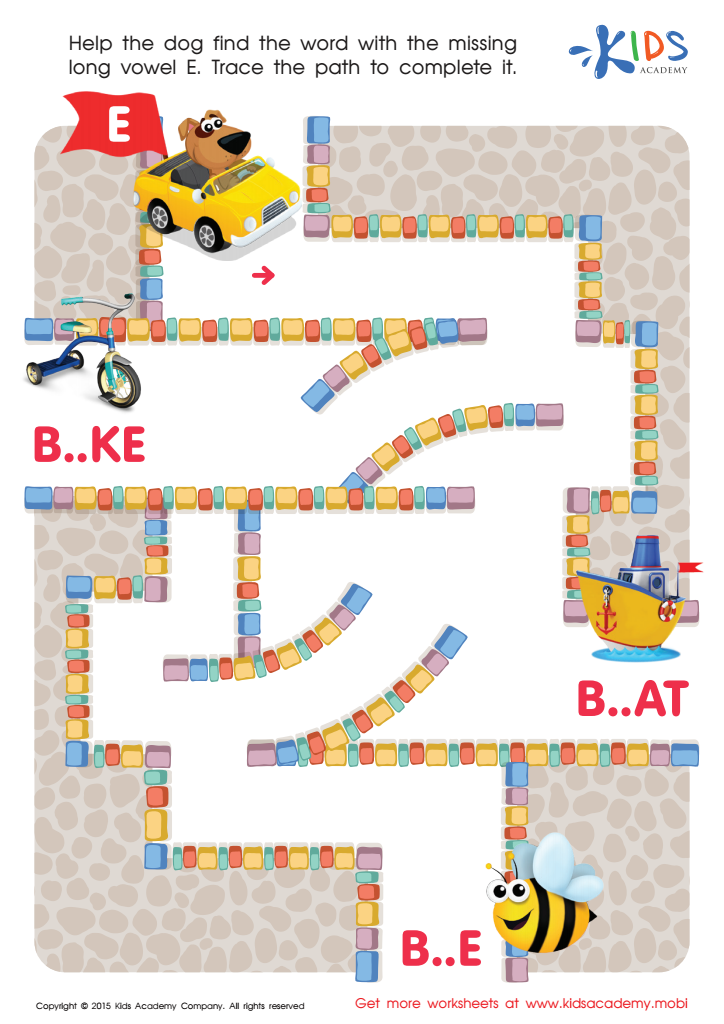
Long Vowel Sound E Worksheet
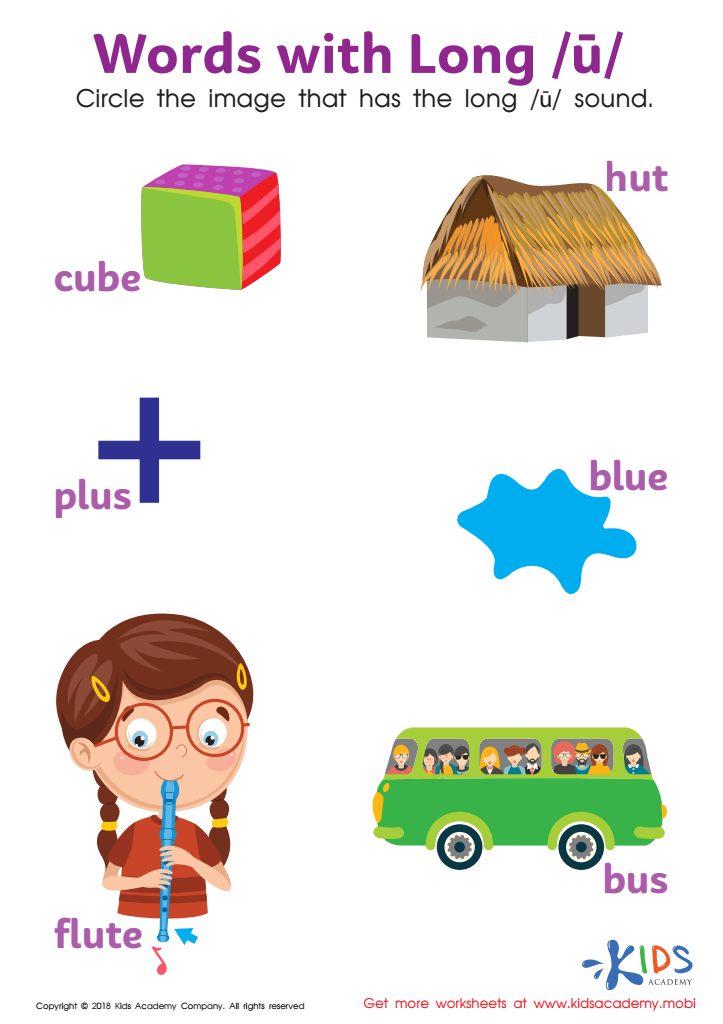
Words with Long U Reading Worksheet
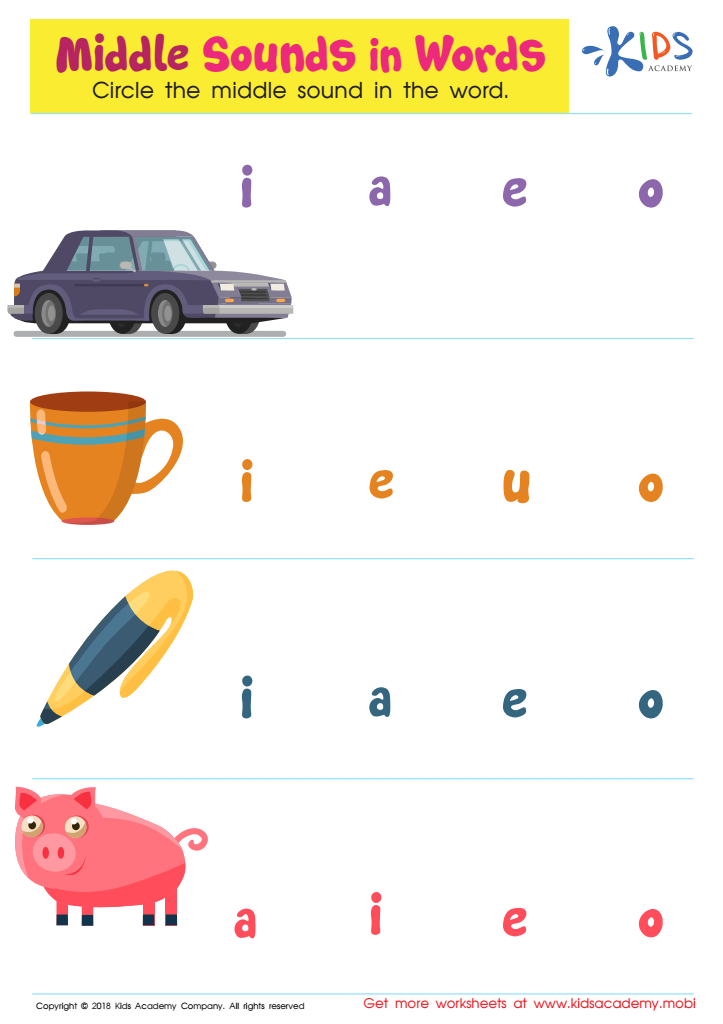
Middle Sounds in Words Worksheet
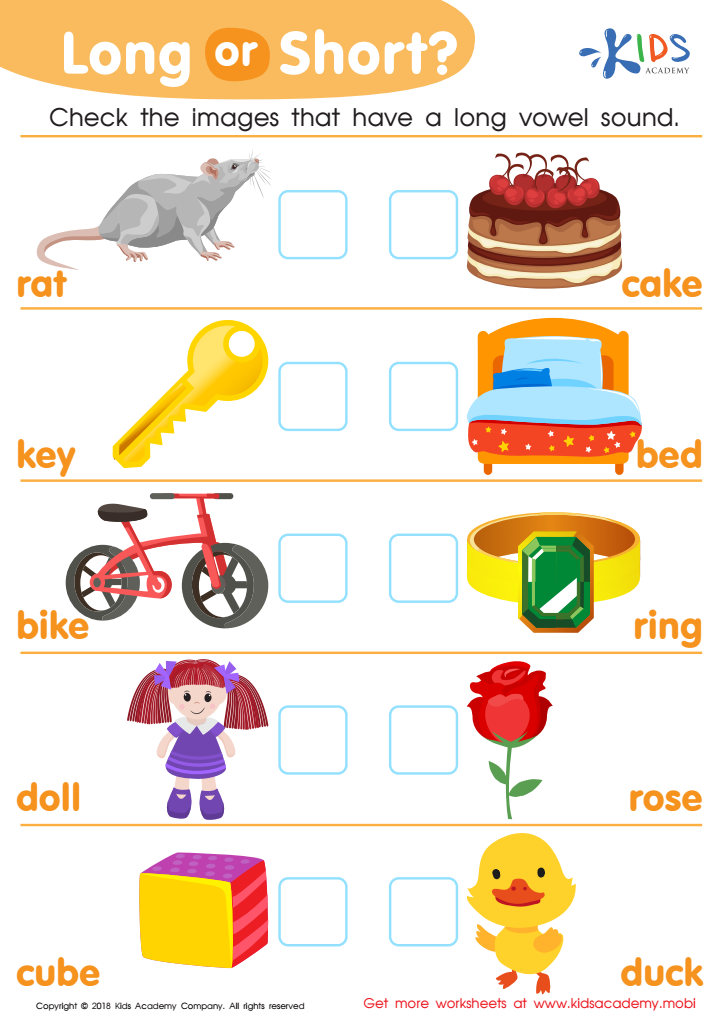
Long or Short Reading Worksheet
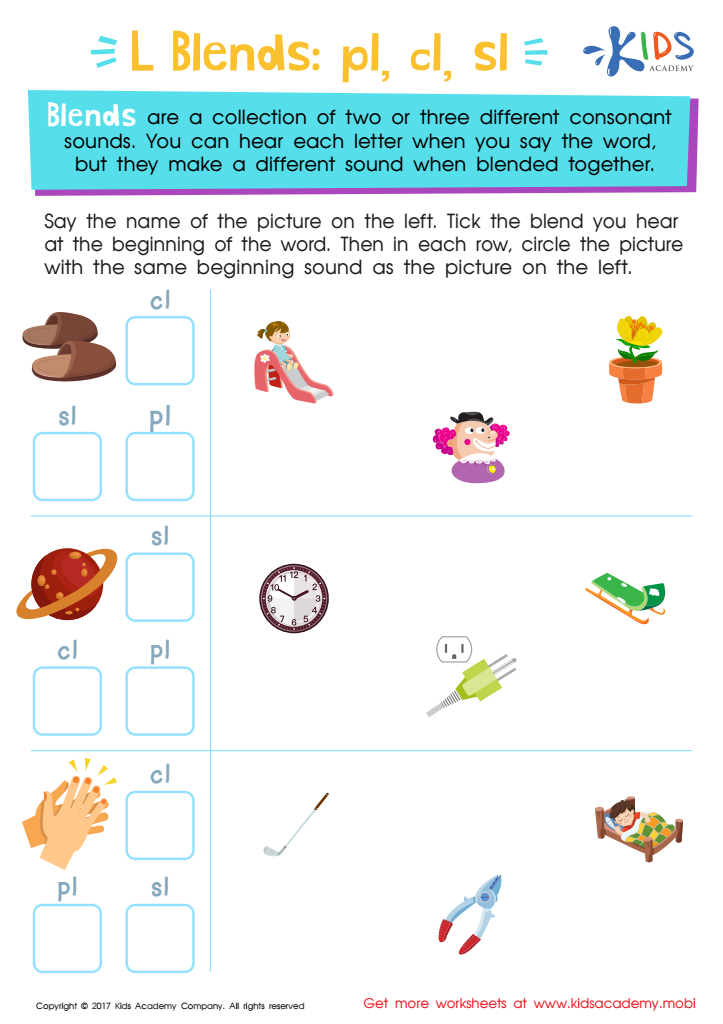
L Blends: "Pl", "Cl" and "Sl" Printable
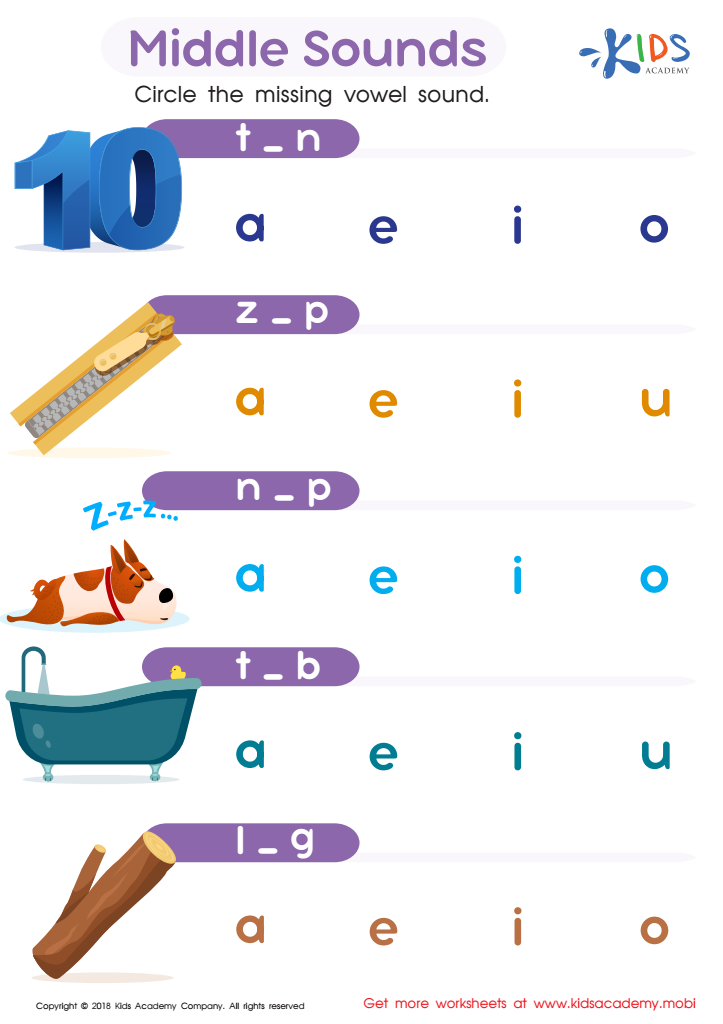
Middle Sounds Worksheet
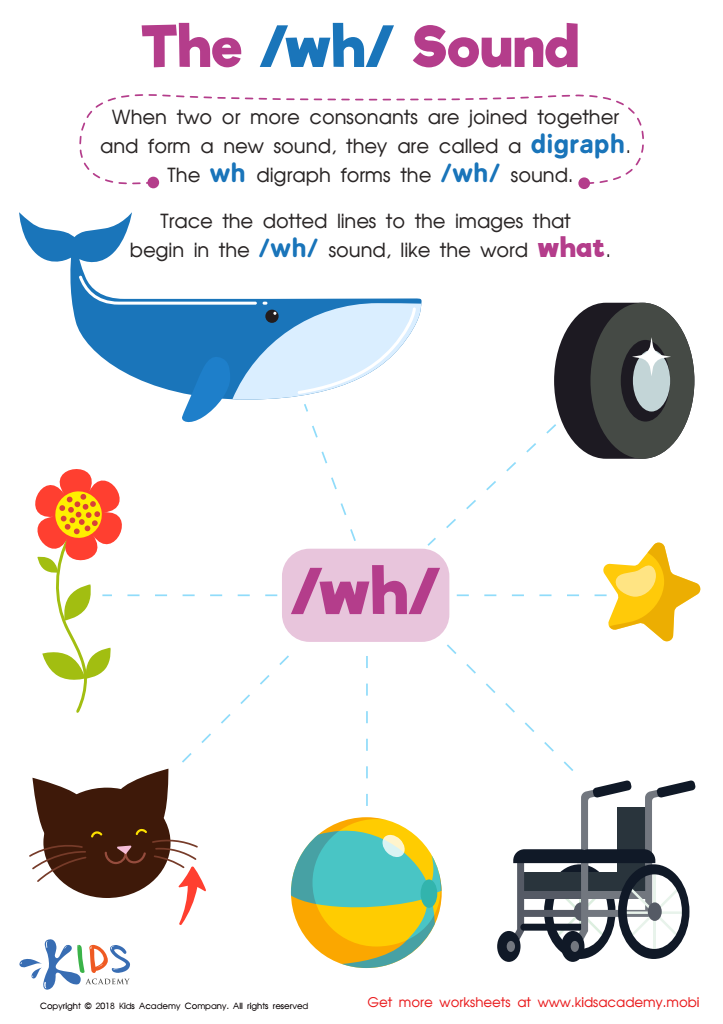
The /wh/ Sound Worksheet
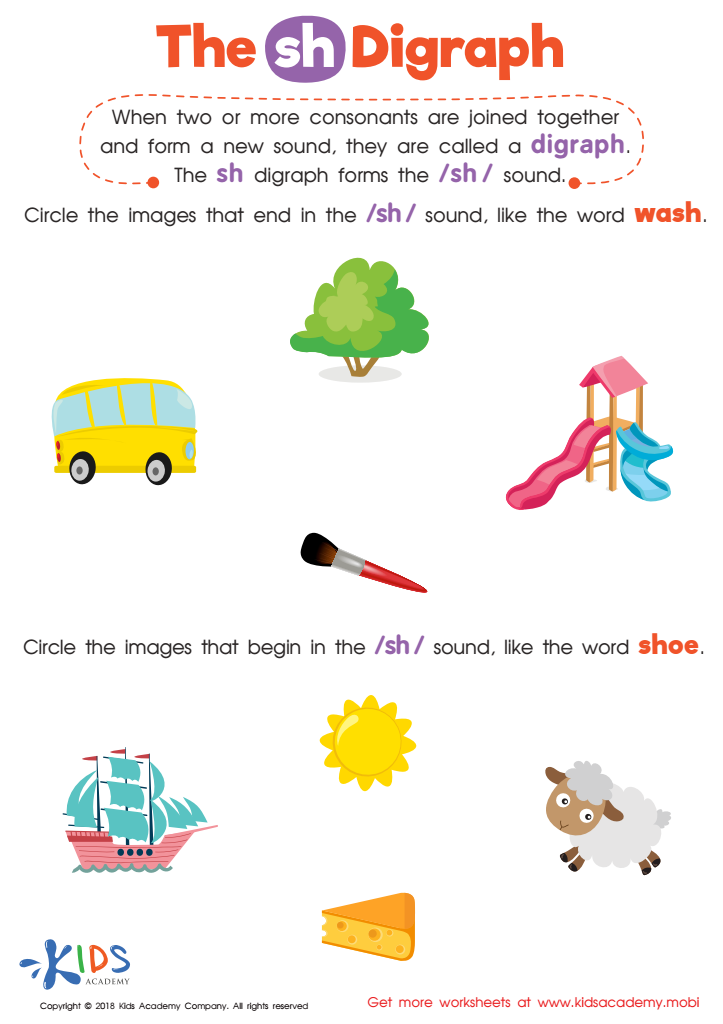
The SH Digraph Worksheet
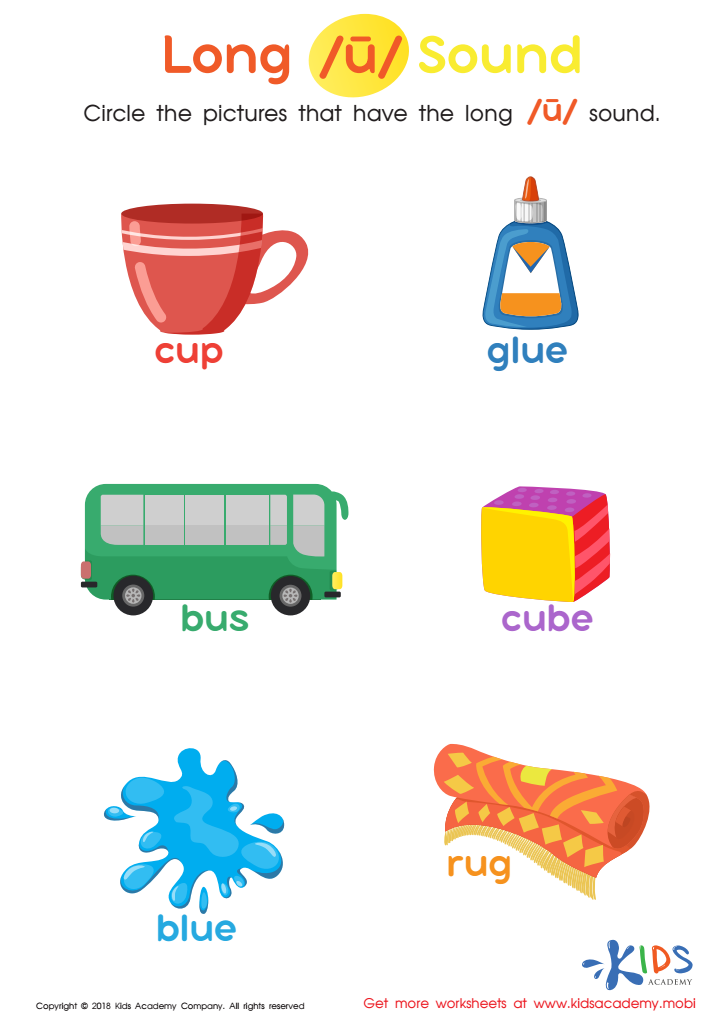
Long «u» Sound Worksheet
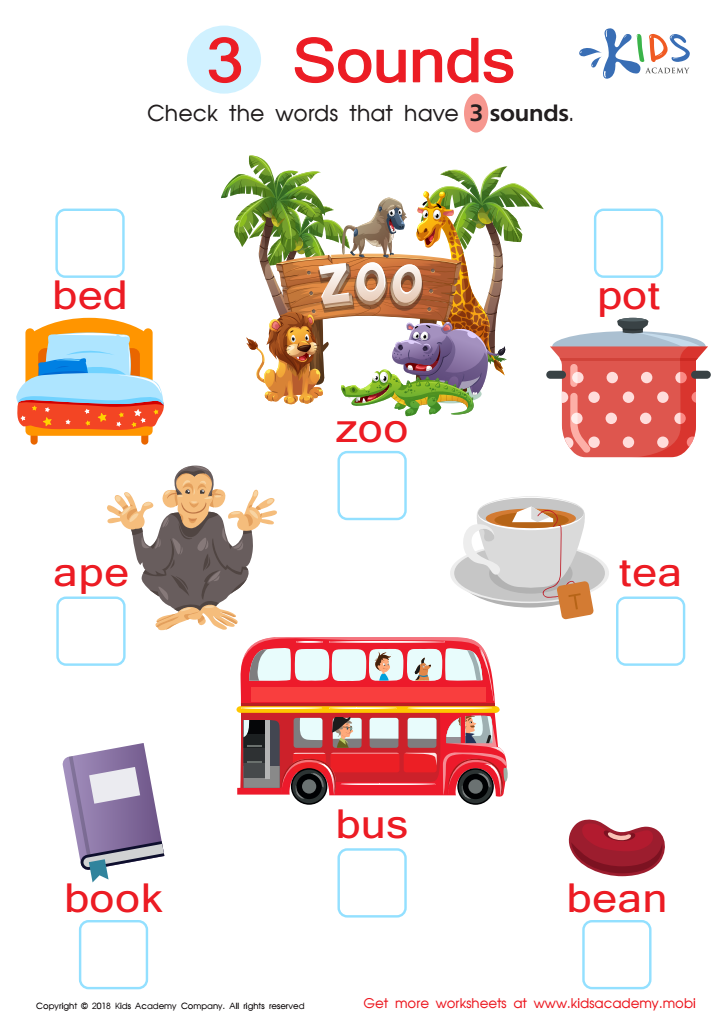
3 Sounds Worksheet
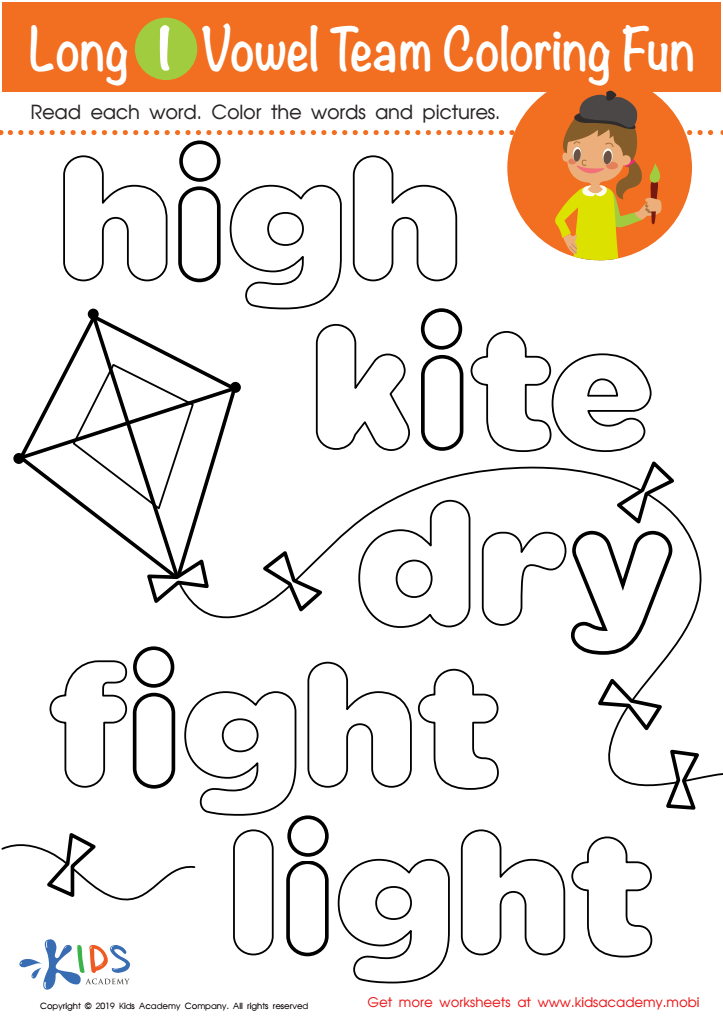
Long I Vowel Team Coloring Worksheet
 Assign to My Students
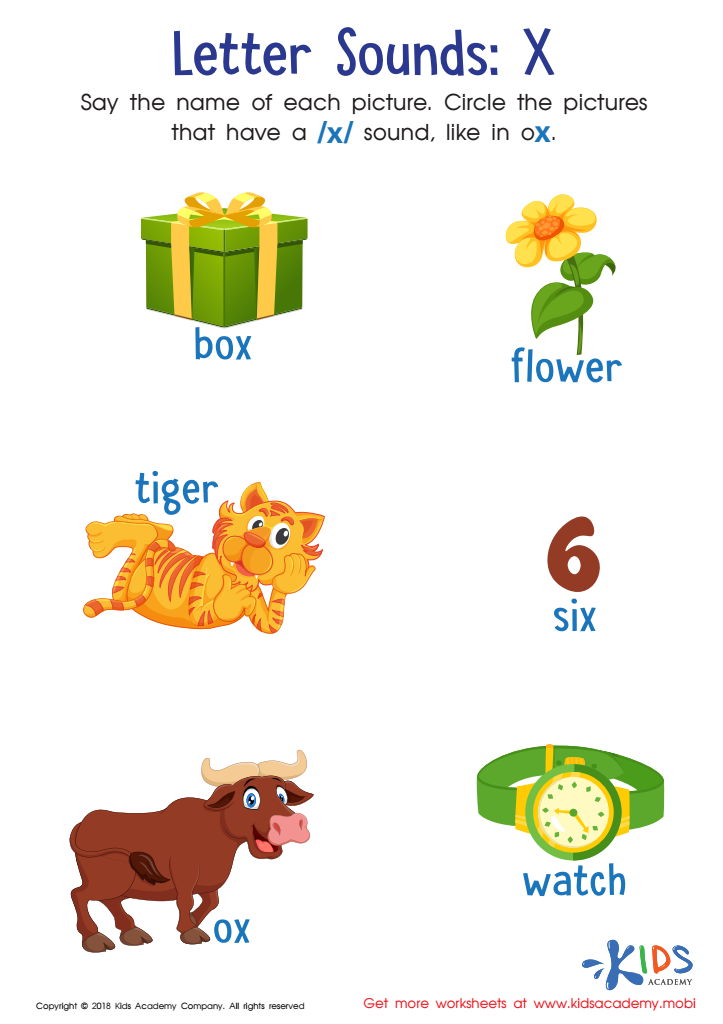
Letter X Sounds Worksheet
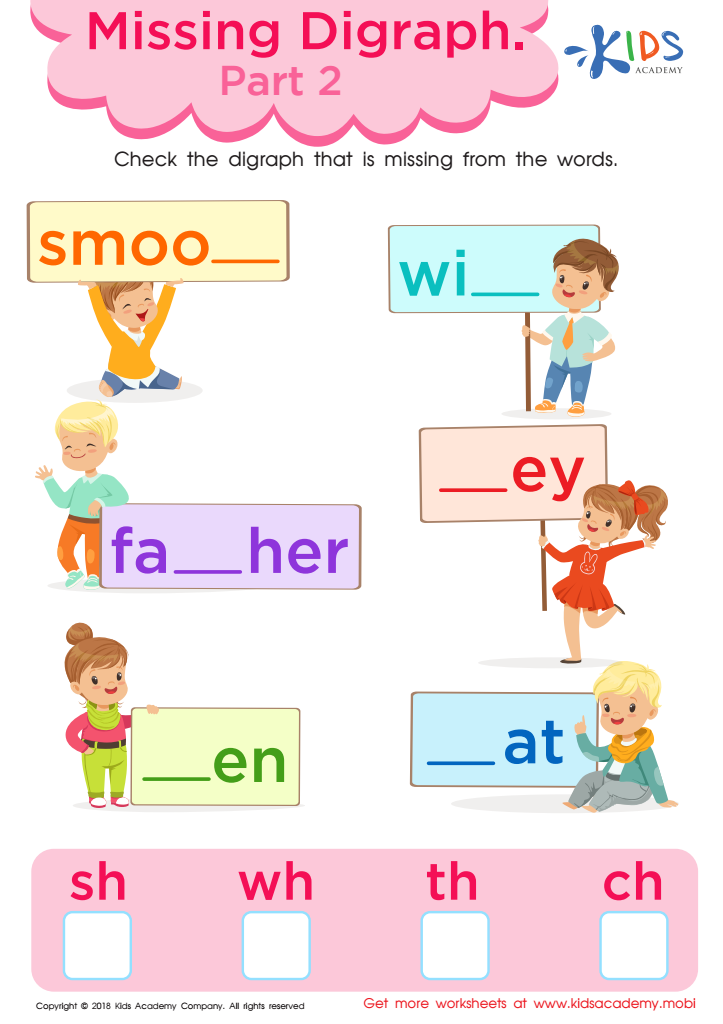
Missing Digraph: Part 2 Worksheet
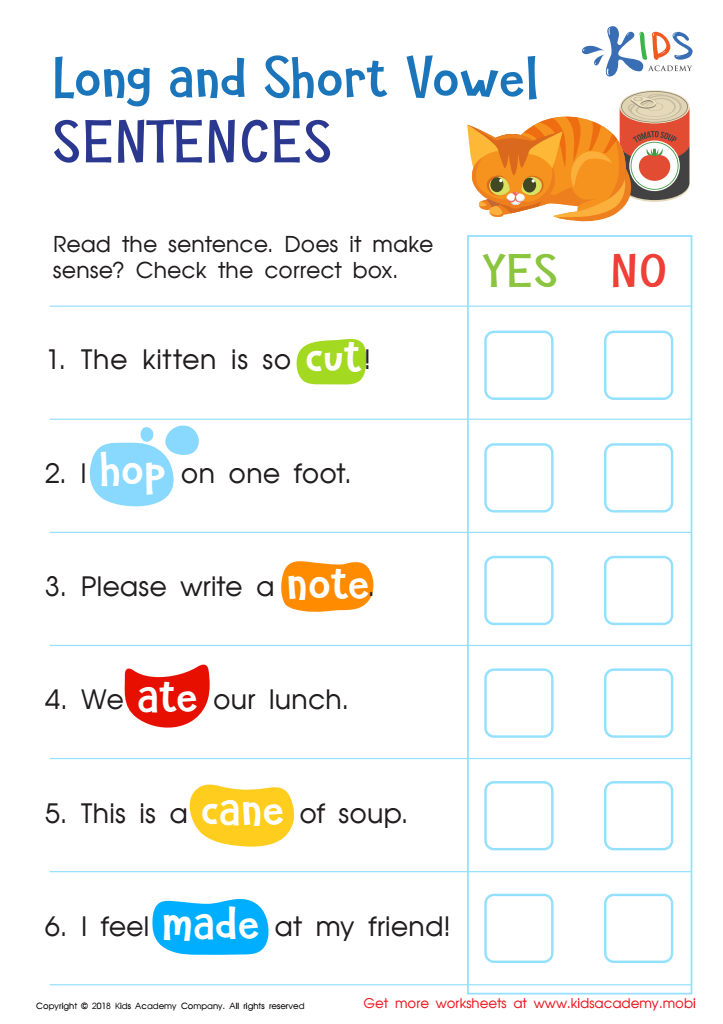
Long and Short Vowel Sentences: Assessment Worksheet
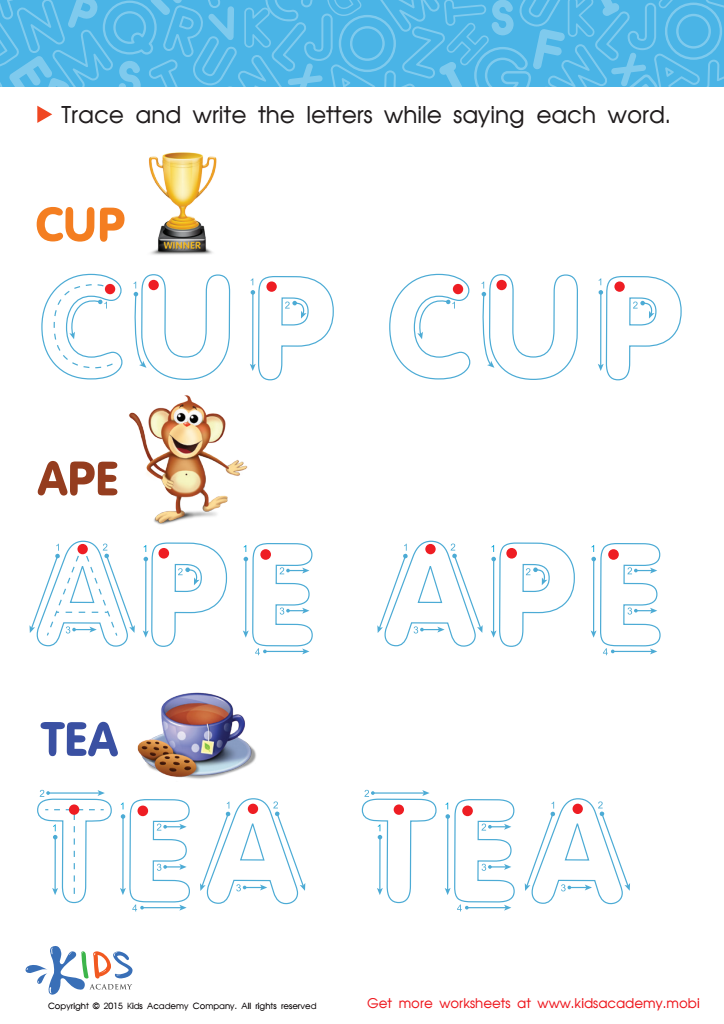
A Cup, an Ape and Tea Spelling Worksheet
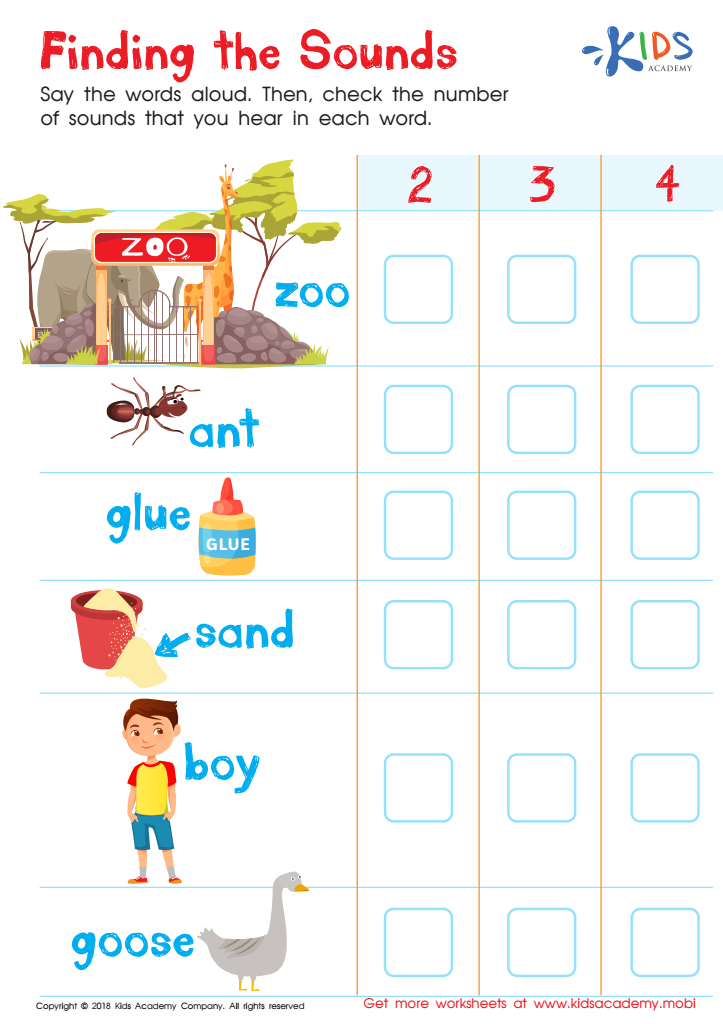
Finding the Sounds Worksheet
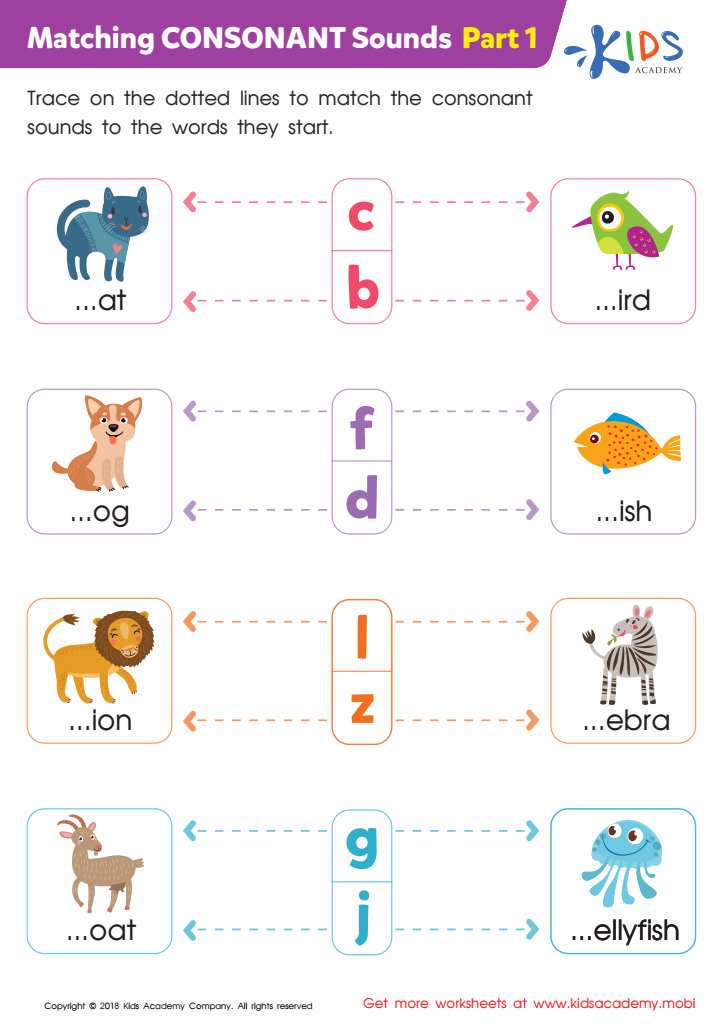
Matching Consonant Sounds: Part 1 Worksheet
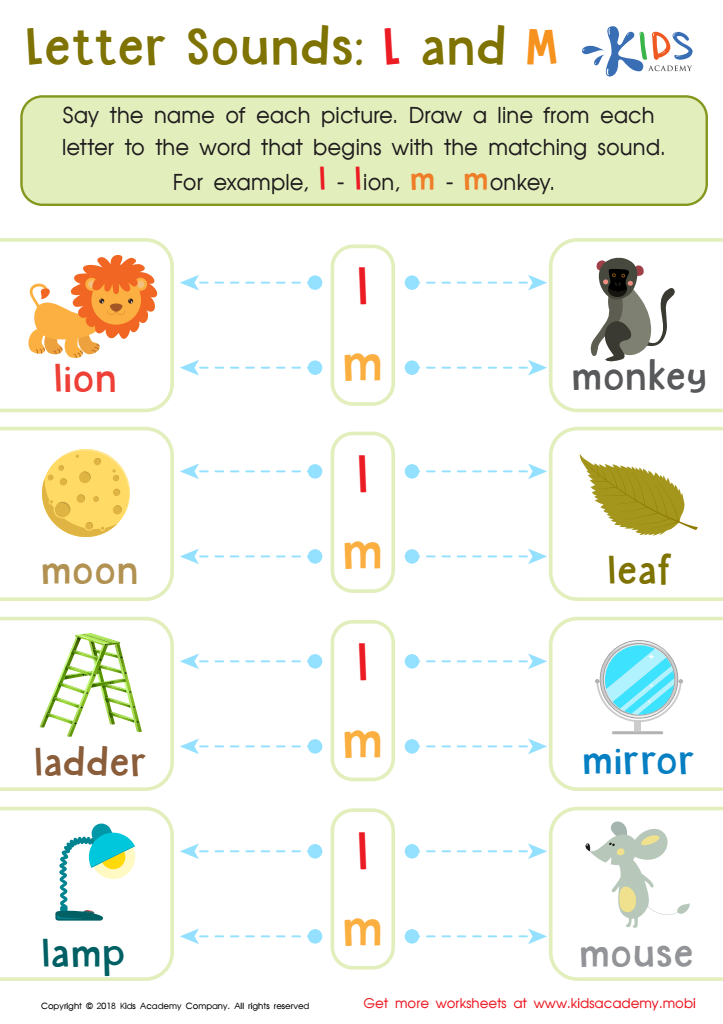
Letter l and M Sounds Worksheet
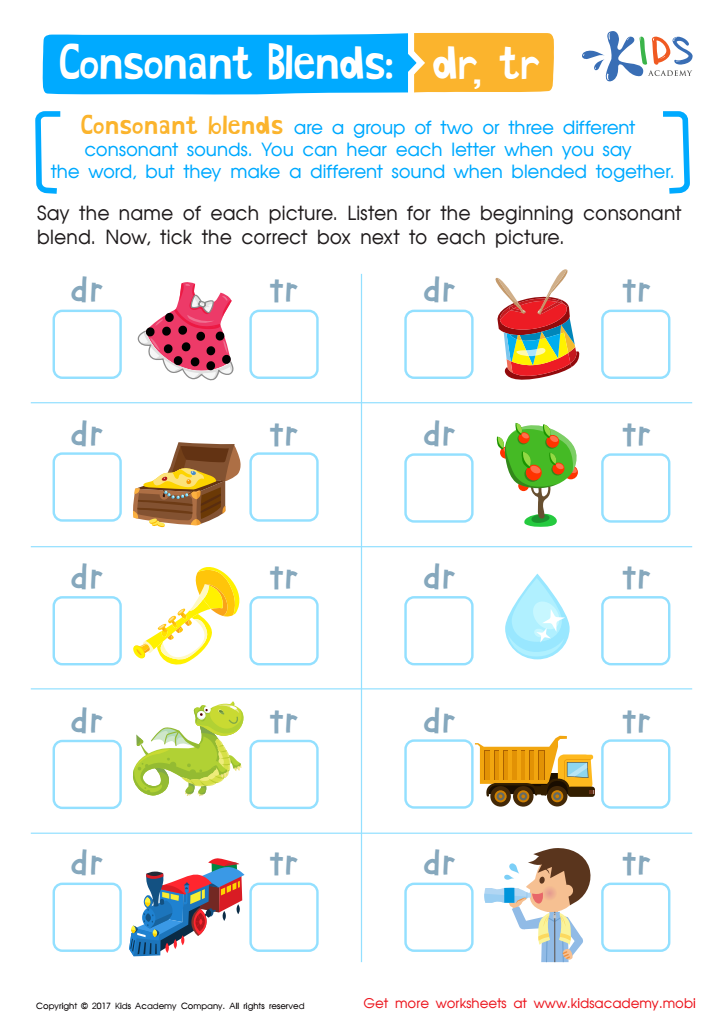
Consonant Blends: "Dr" and "Tr" Printable
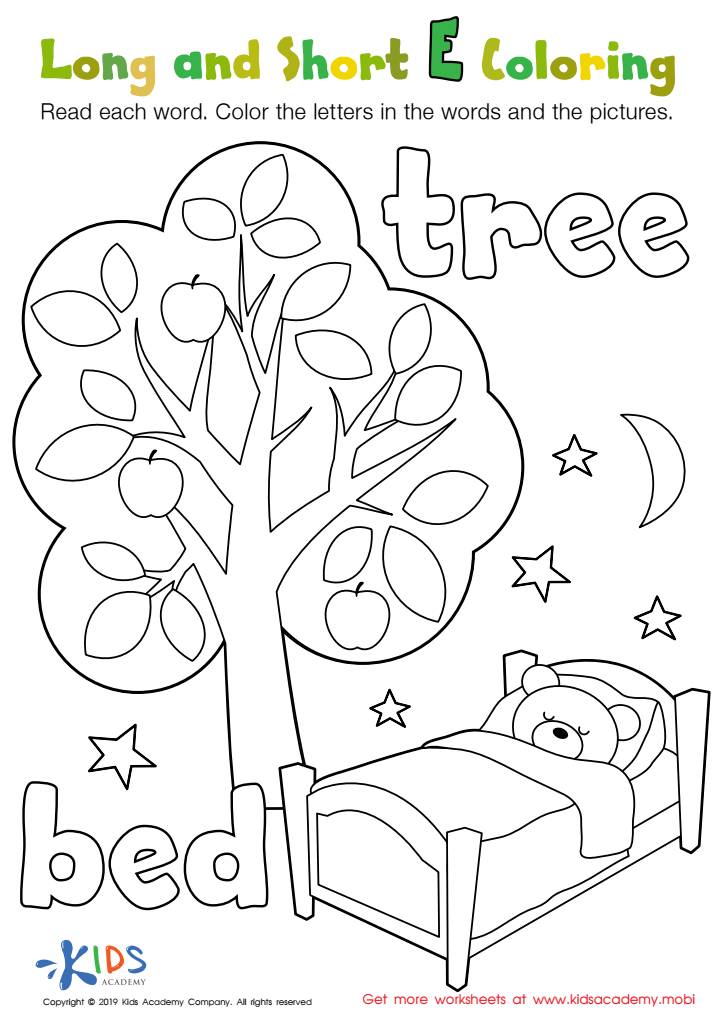
Long and Short E Worksheet
Assign to My Students
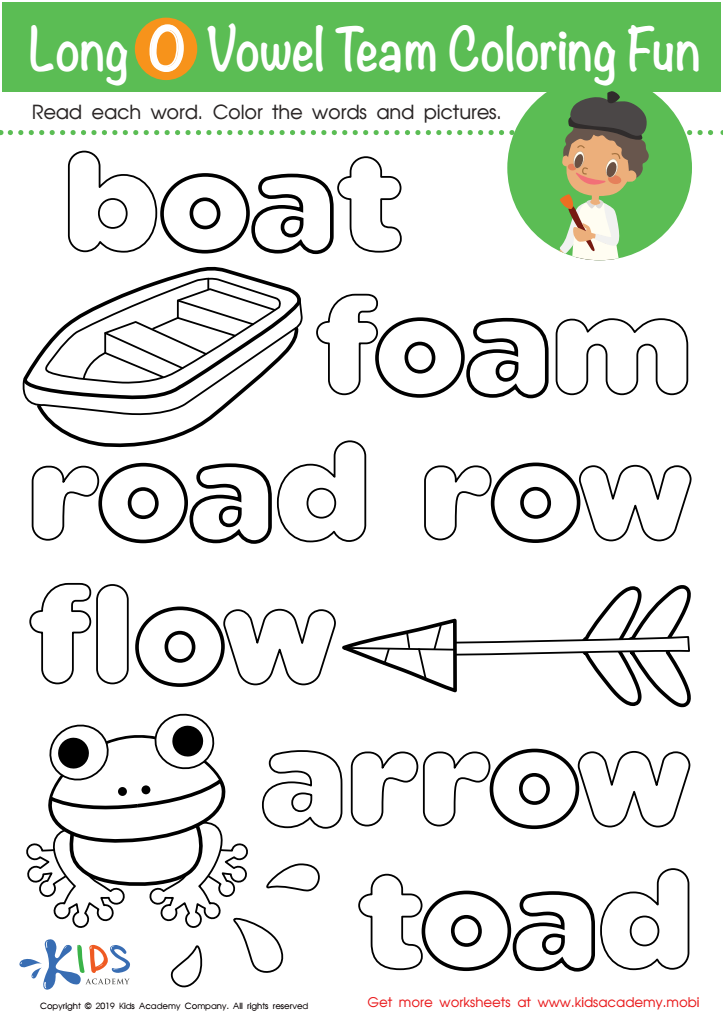
Long O Vowel Team Coloring Worksheet
Assign to My Students
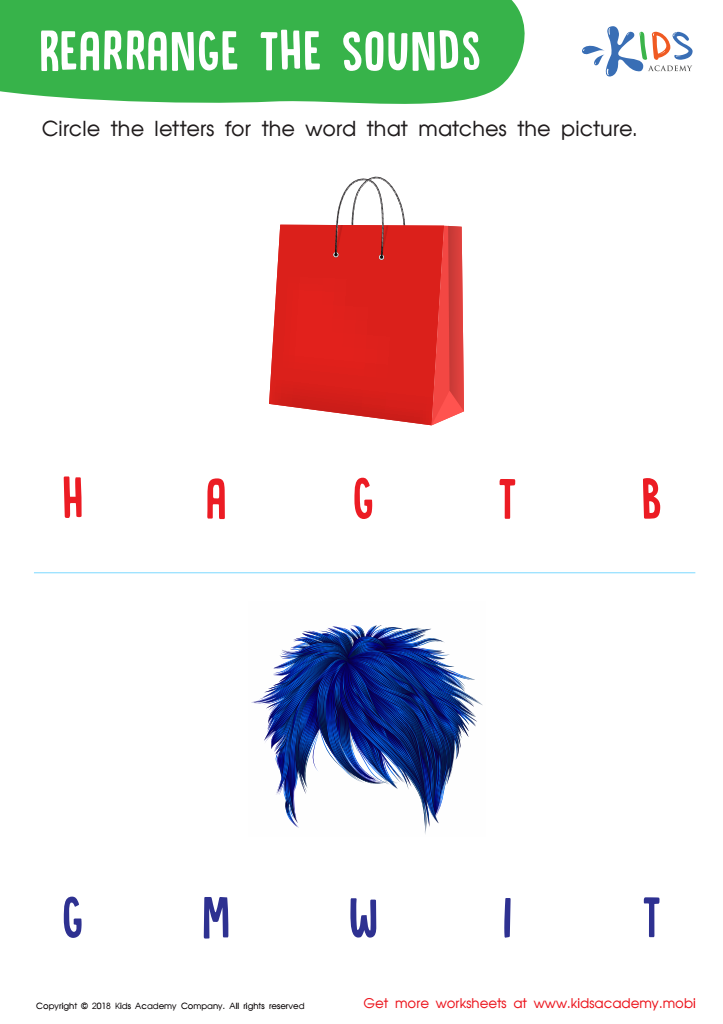
Rearrange the Sounds Worksheet
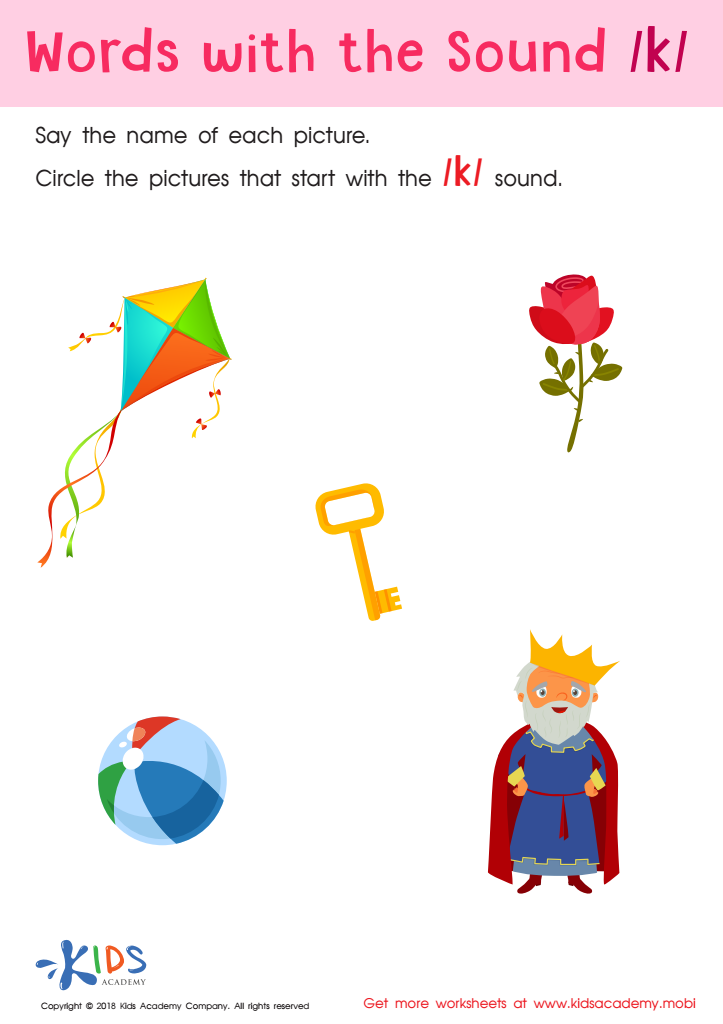
Words with sound k Reading Worksheet



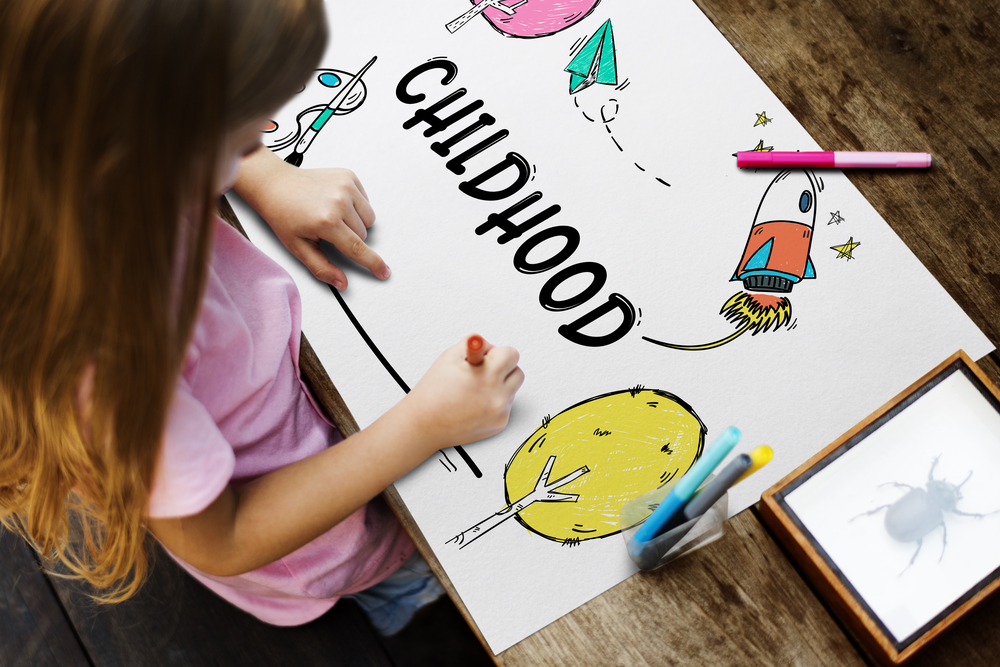




Understanding phonics skills is crucial for children aged 5-6 as it lays the foundation for successful reading and writing. At this developmental stage, kids are typically in kindergarten or early first grade, a prime time for language acquisition. Phonics teaches them the relationship between letters and sounds, enabling them to decode new words, blend sounds, and improve their reading proficiency. This skill is vital because strong early reading abilities can boost self-confidence, academic performance, and foster a lifelong love for learning.
Parents and teachers should prioritize phonics to help identify and address any reading difficulties early on. Effective phonics instruction can minimize the risk of long-term reading challenges, ensuring that students do not fall behind their peers. Moreover, a structured phonics approach integrates listening, speaking, reading, and writing skills, making it comprehensive.
Investing in phonics education has long-term benefits: it equips children with the tools necessary for interpreting more complex texts as they progress academically. Research consistently shows that children who grasp phonics are more likely to become fluent readers. By caring about phonics for ages 5-6, parents and teachers provide a strong educational foundation that supports ongoing school success and reduces the achievement gap.








