Vocabulary Building Normal Matching Worksheets for Ages 5-6
5 filtered results
-
From - To
Discover our engaging Vocabulary Building Normal Matching Worksheets designed specifically for children aged 5-6. These interactive worksheets help young learners enhance their vocabulary skills through fun matching activities. By connecting words to their corresponding images, children develop language comprehension, boost creativity, and improve communication skills while having fun. Ideal for classroom settings or at-home learning, our worksheets cater to various learning styles and encourage independent thinking. Download our Vocabulary Building Normal Matching Worksheets to ensure your preschooler builds a strong language foundation while enjoying an enjoyable educational experience. Dive into the world of words and prepare your little ones for future academic success!
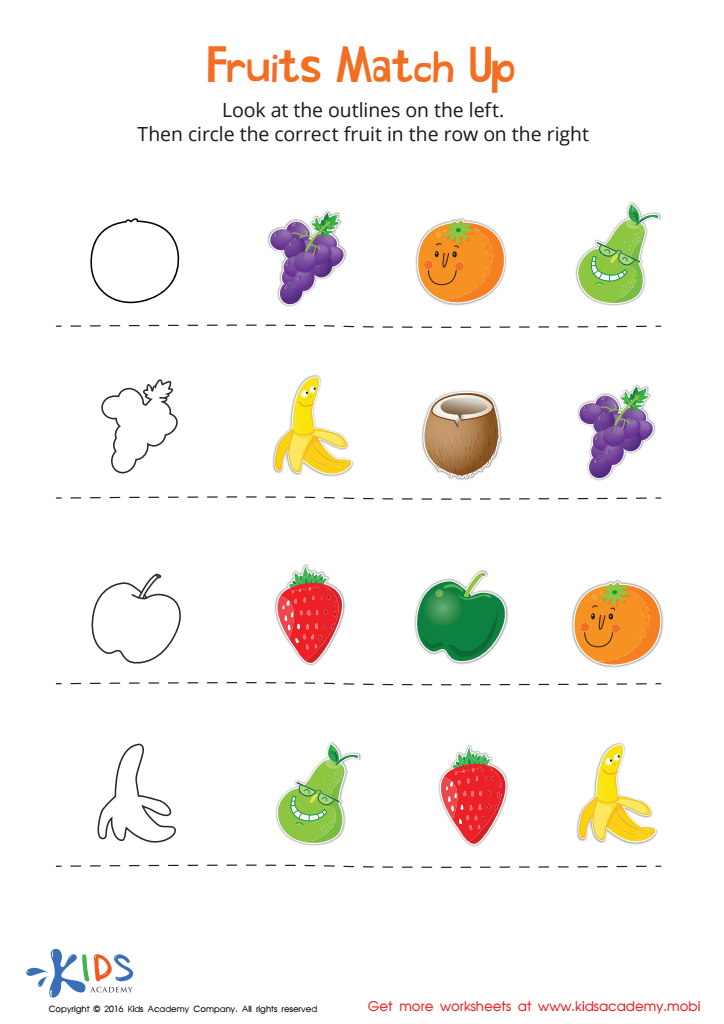
Fruits Match Up Worksheet
 Assign to My Students
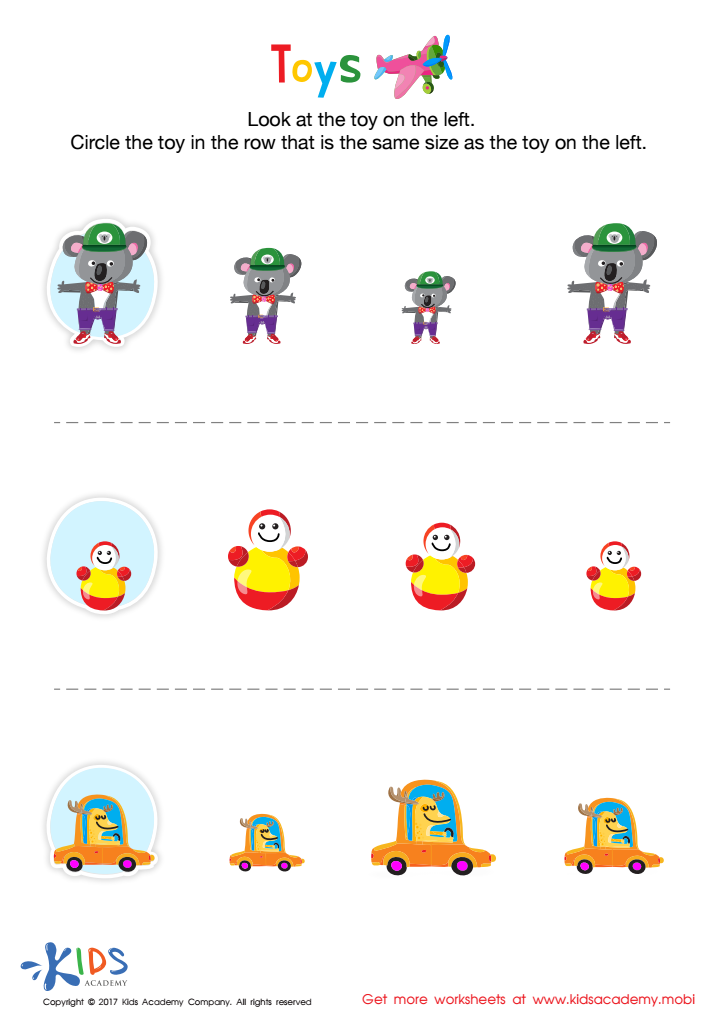
Matching: Classifying Toys by Size Worksheet
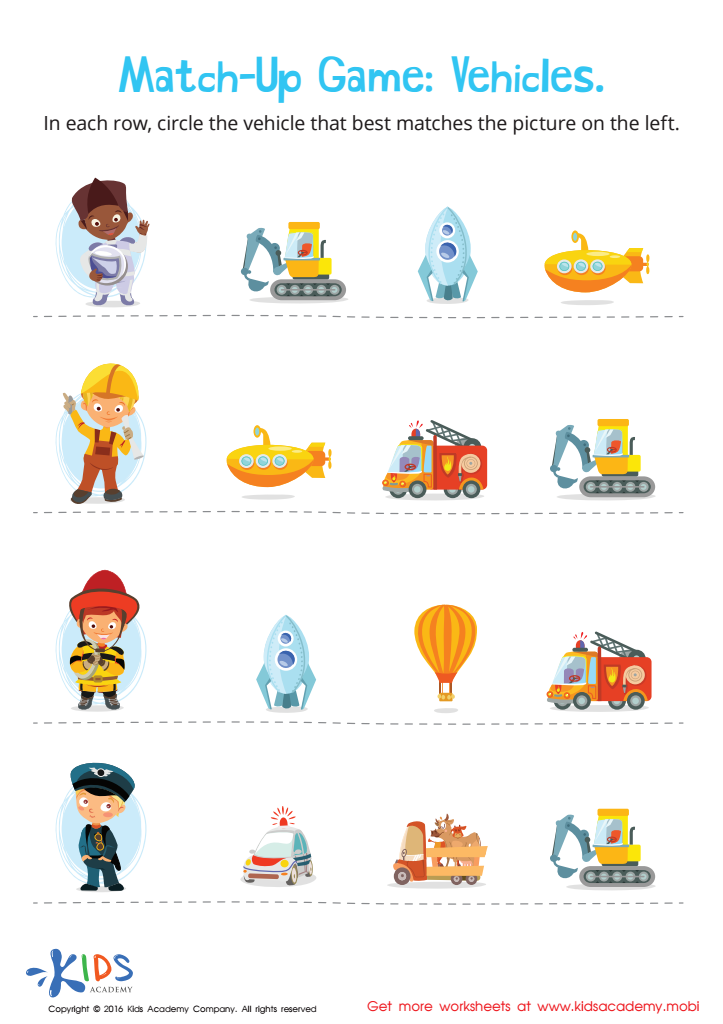
Vehicles Worksheet
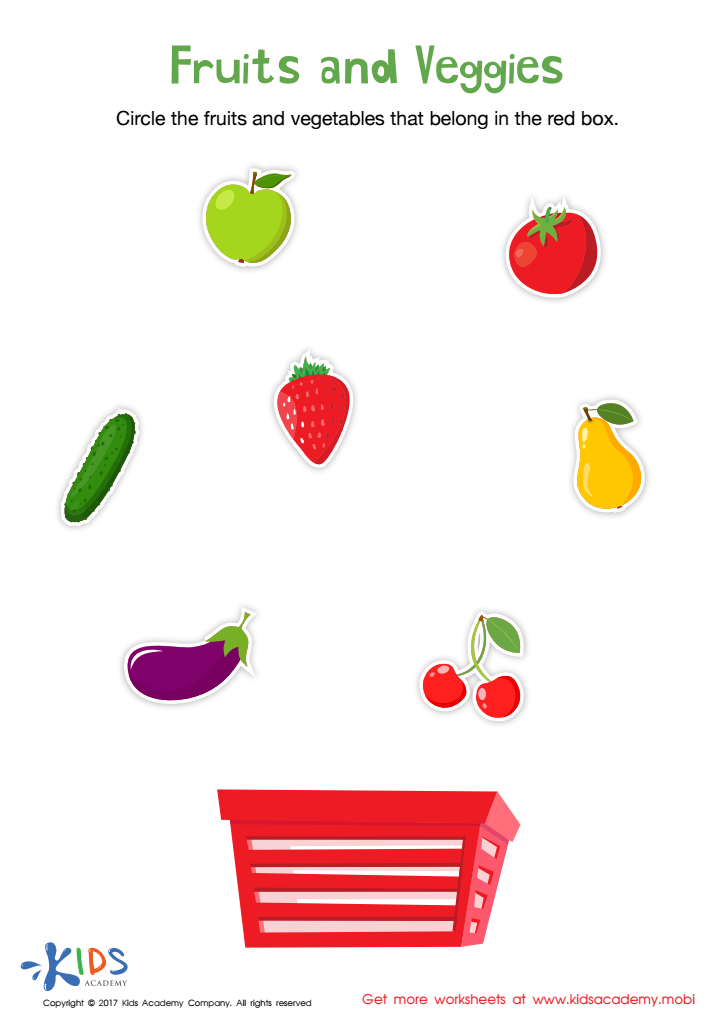
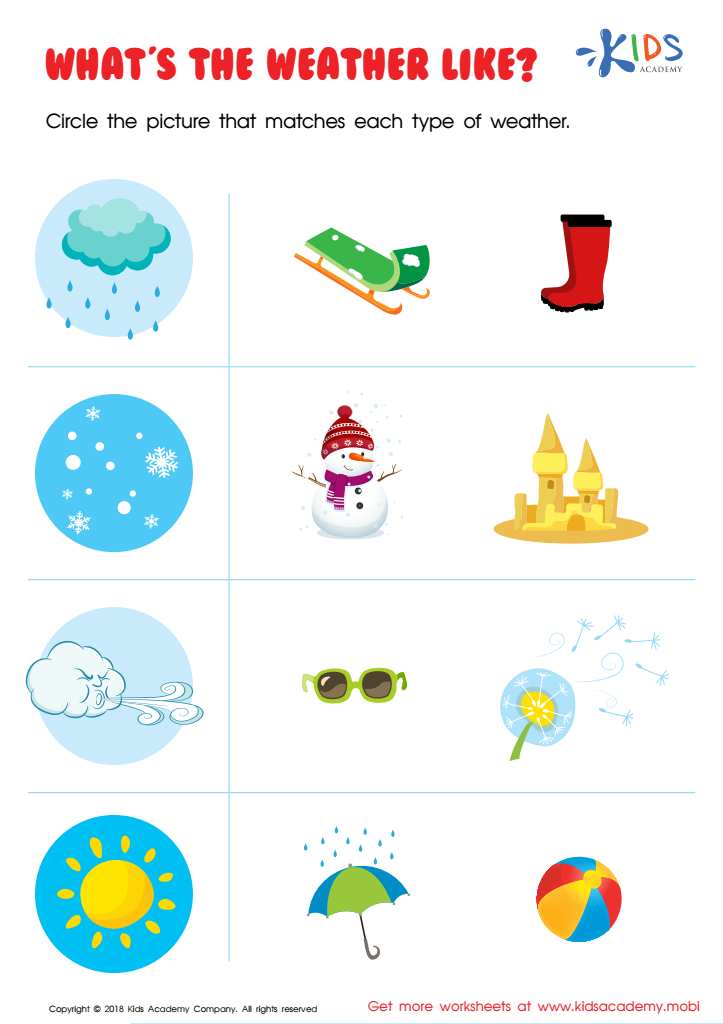
What's the Weather Like? Worksheet







Vocabulary Building Normal Matching for ages 5-6 is crucial for early childhood development as it lays the foundation for literacy and effective communication skills. In this stage, children are rapidly expanding their vocabulary, and matching activities can significantly enhance their word recognition, comprehension, and usage. Engaging in vocabulary-building exercises allows children to connect words with their meanings and contexts, strengthening neural pathways essential for cognitive development.
For parents and teachers, prioritizing vocabulary matching helps children to not only learn new words but also to use them in conversations and written expression. This is vital as a robust vocabulary is closely linked to academic success; children with rich vocabularies often excel in reading and writing.
Moreover, vocabulary building fosters confidence in children, encouraging them to participate in discussions and express their thoughts clearly. It can also enhance social interactions as children better understand and articulate their feelings and ideas.
Incorporating vocabulary-building activities into daily routines promotes a love for language, supporting children’s overall language development. Therefore, parents and teachers should actively participate in vocabulary-building efforts to ensure children develop the skills necessary for lifelong learning and effective communication.








