Normal Beginning Sounds Worksheets for Ages 5-7
13 filtered results
-
From - To
Introduce young learners to phonics with our "Normal Beginning Sounds Worksheets" designed for ages 5-7! These fun and engaging worksheets help children identify and practice the initial sounds of words, a crucial foundational skill for reading and spelling. Our age-appropriate activities feature vibrant illustrations and a variety of exercises to maintain interest and encourage independent learning. Perfect for both classroom and at-home practice, these worksheets align with early education standards to support the development of essential literacy skills. Explore our collection and give your child a head start on their reading journey with confidence!
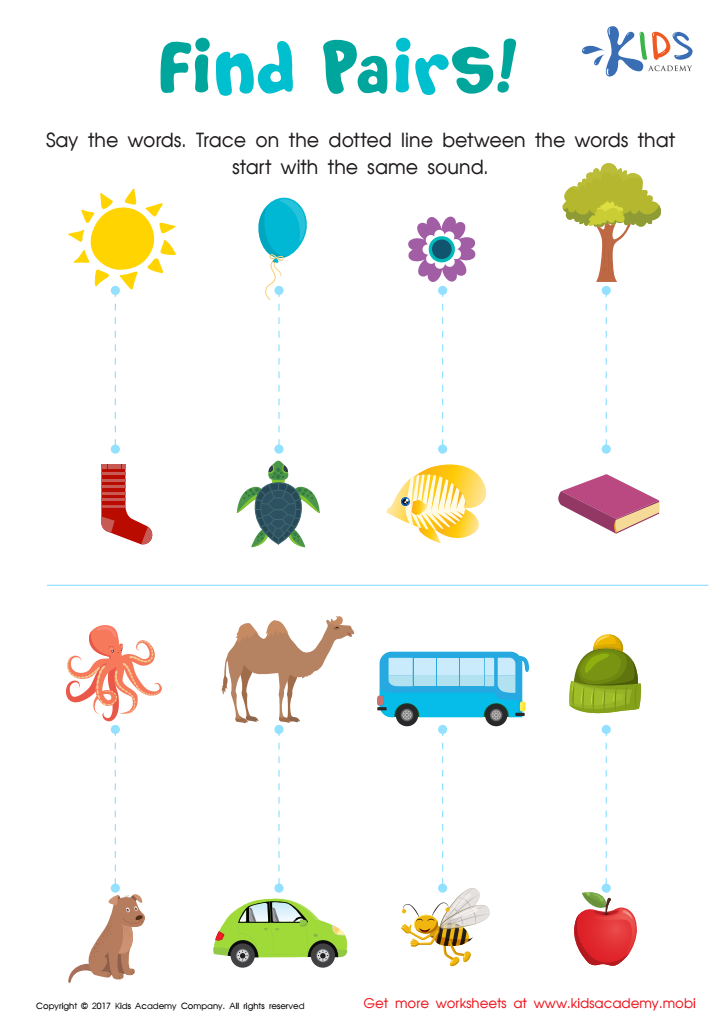
Beginning Sound: Find Pairs Worksheet
 Assign to My Students
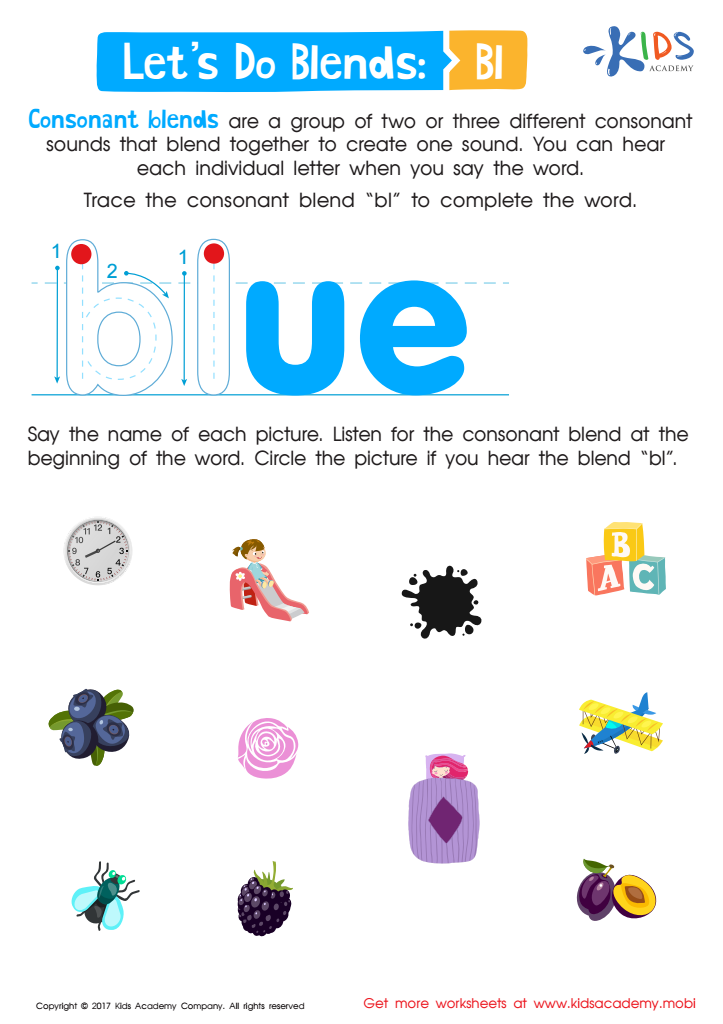
Beginning Blends: "Bl" Words Worksheet
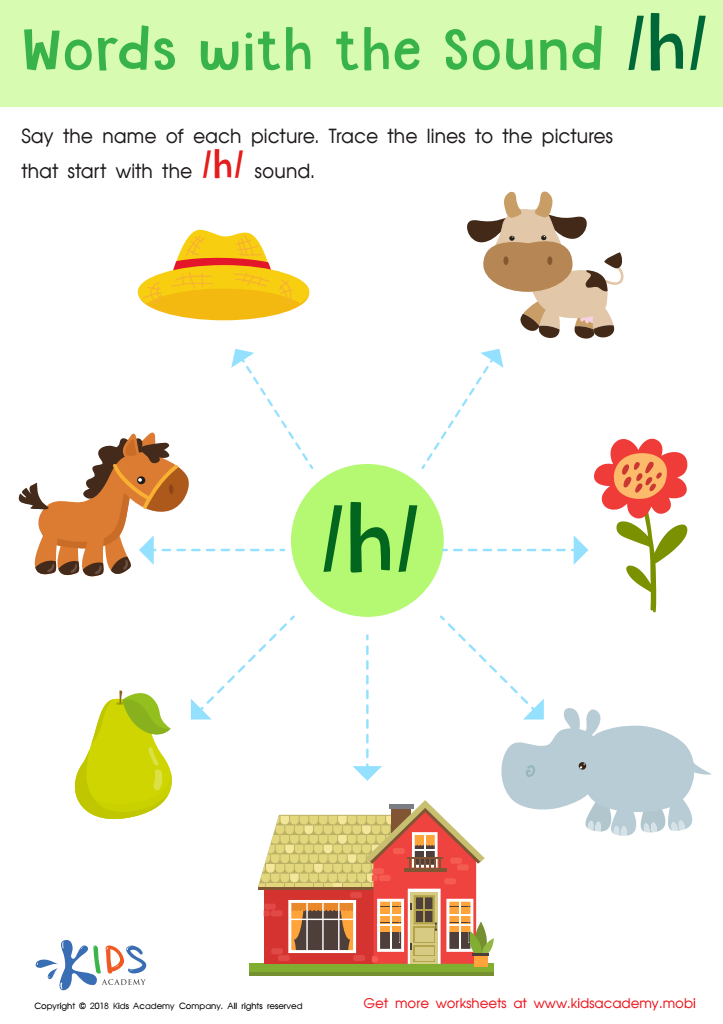
Words with sound h Reading Worksheet
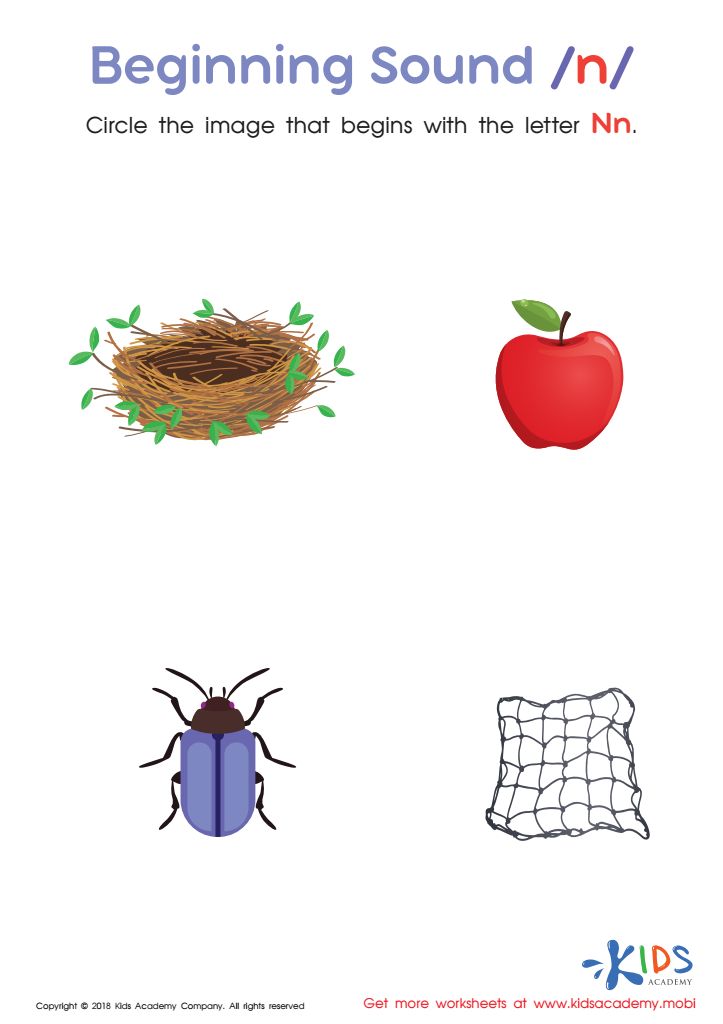
Beginning Sound «n» Worksheet
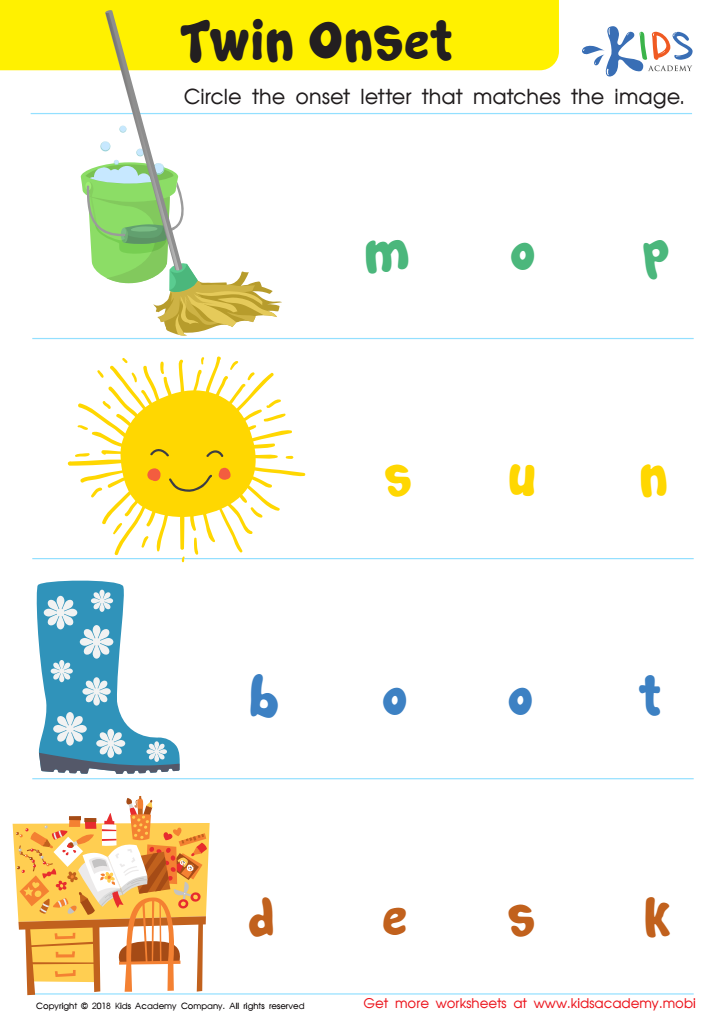
Twin Onset Worksheet
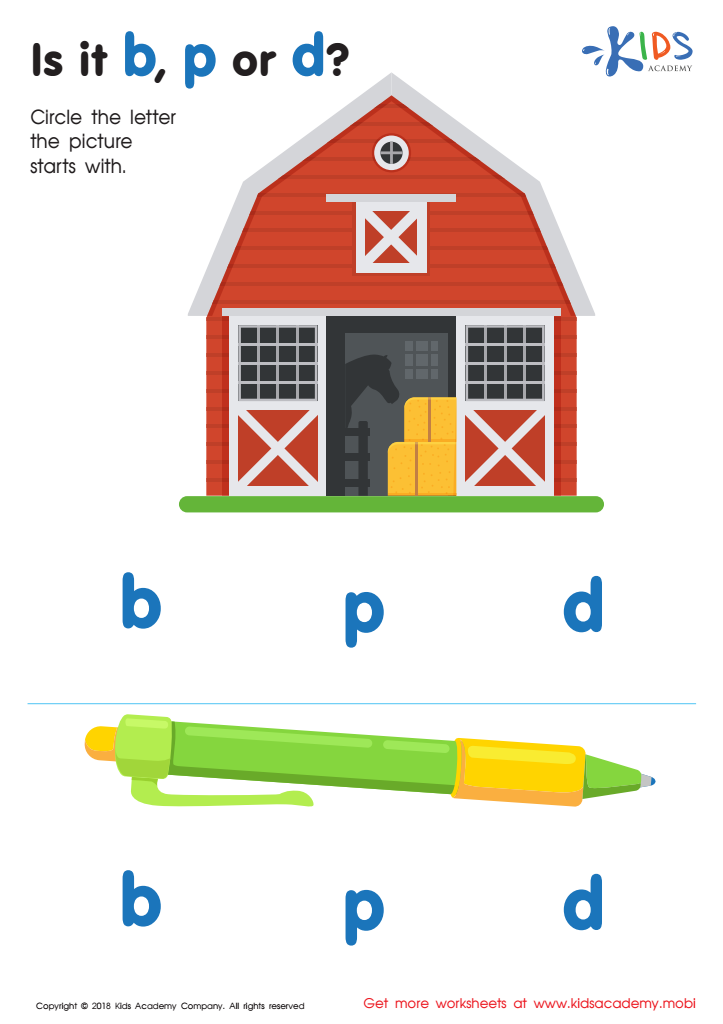
Is it b, p or d? Worksheet
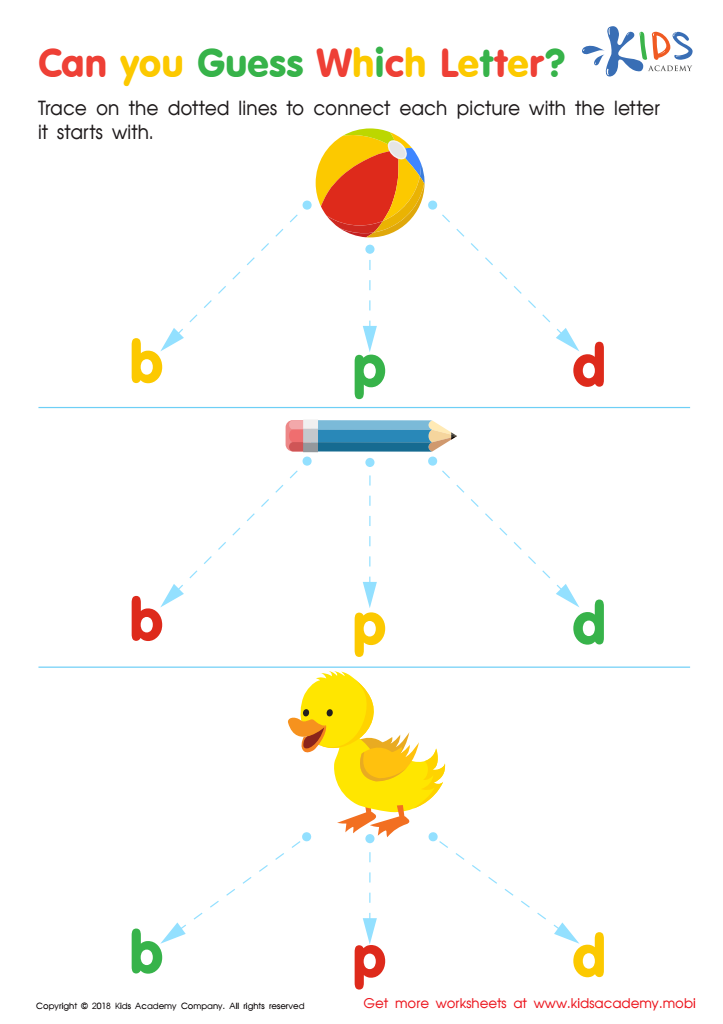
Can you Guess Which Letter? Worksheet
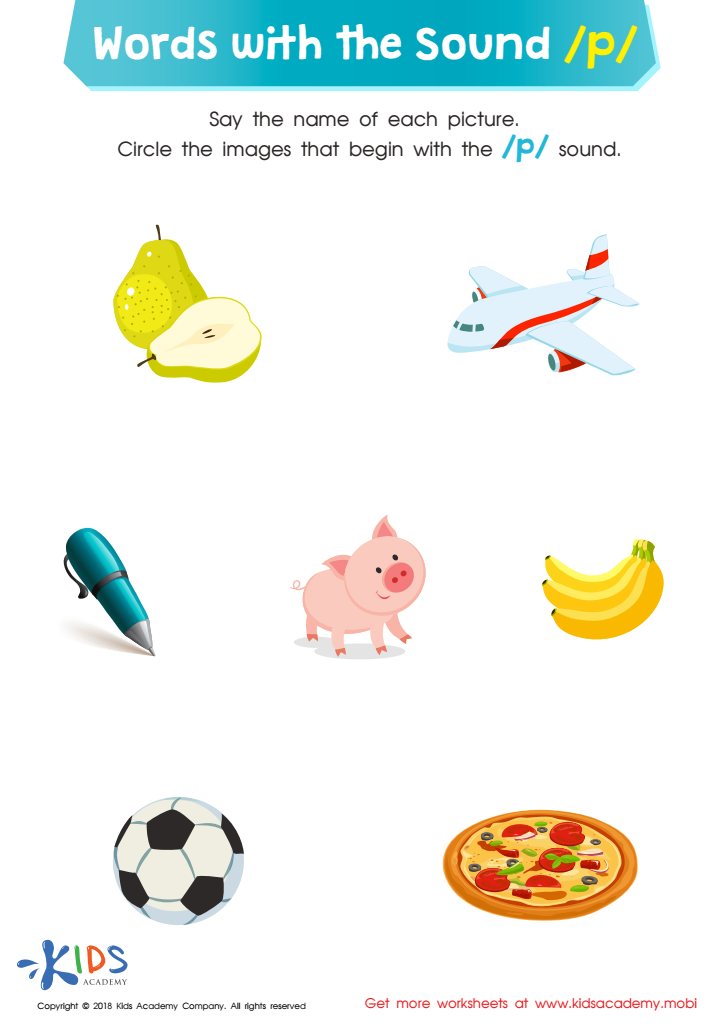
Words with sound p Reading Worksheet
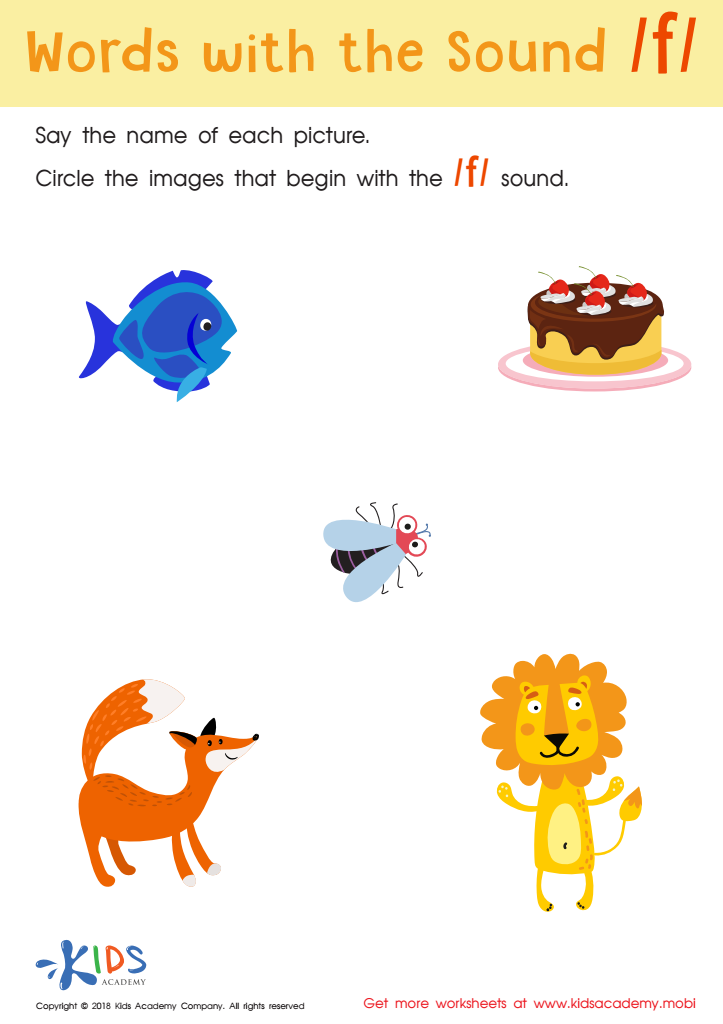
Words with sound f Reading Worksheet
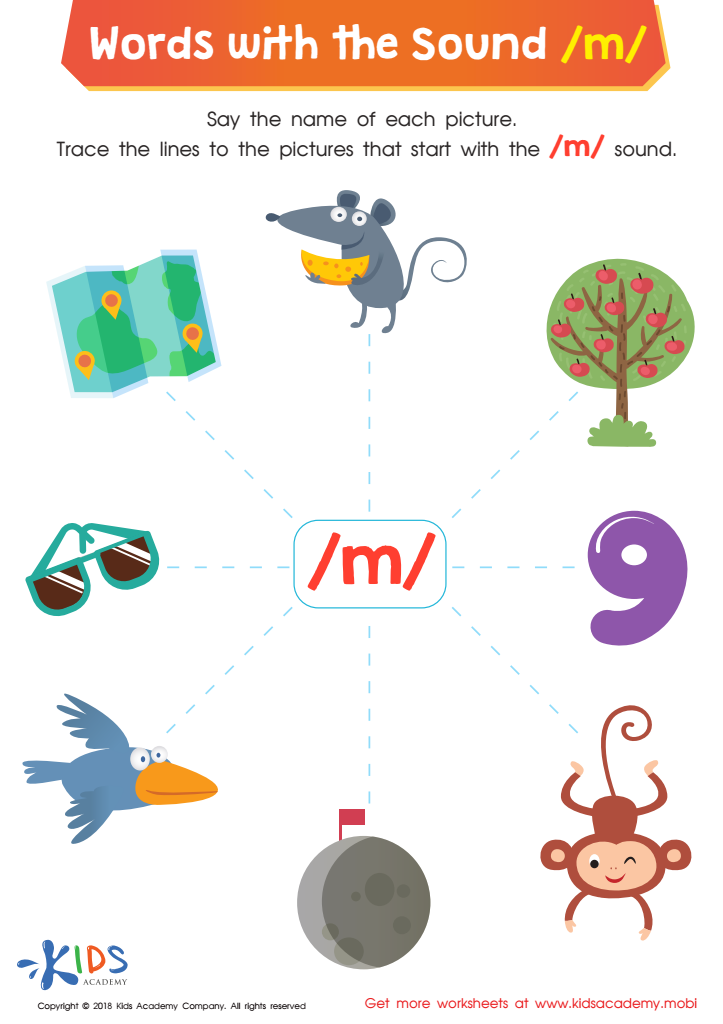
Words with Sound M Reading Worksheet
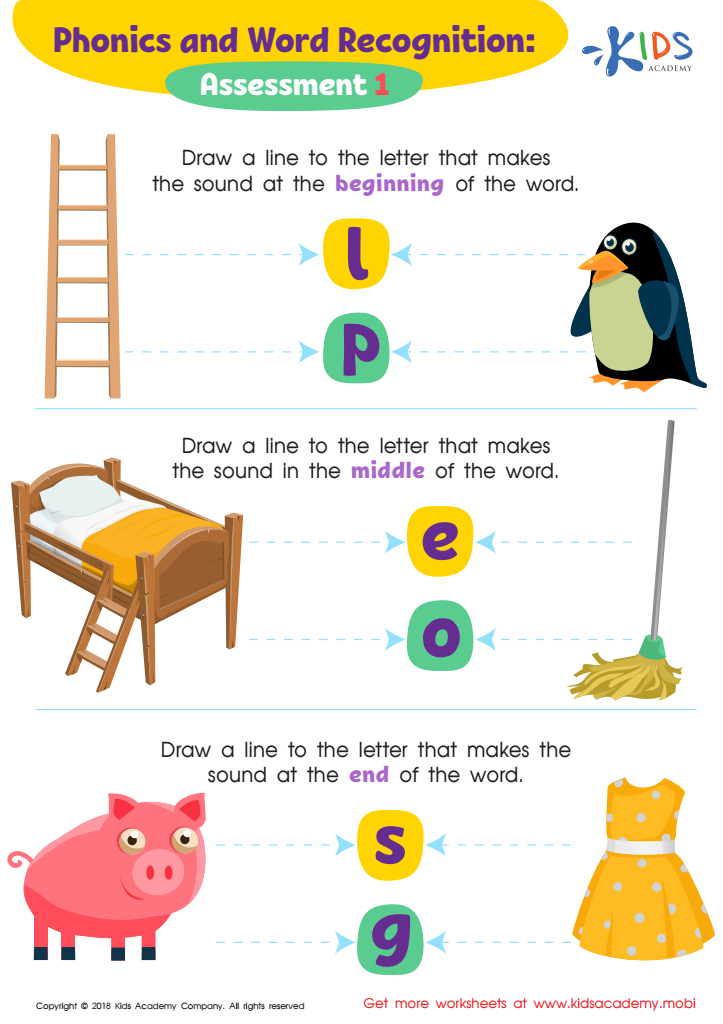
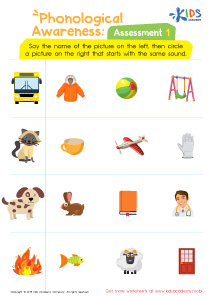
Phonics and Word Recognition: Assessment 1 ELA Worksheet
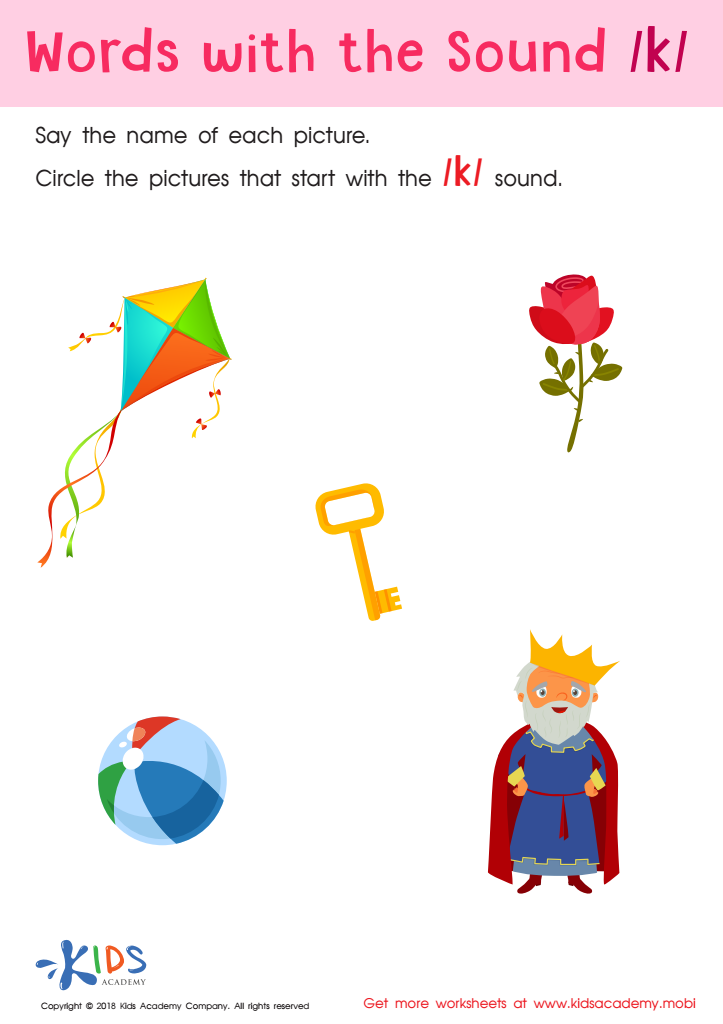
Words with sound k Reading Worksheet
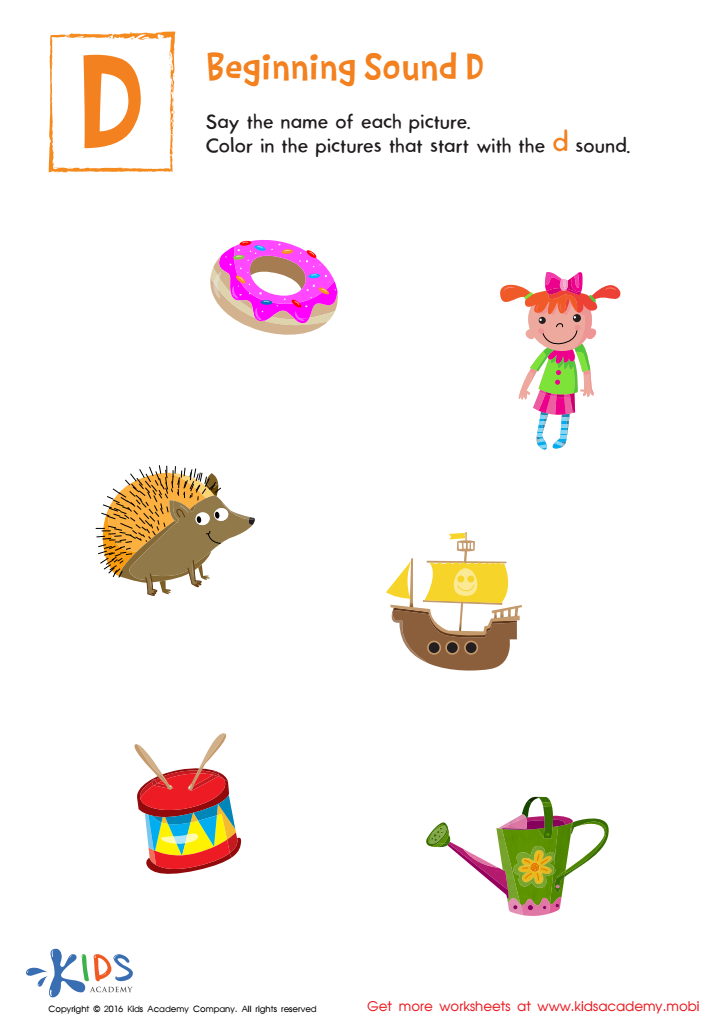
Beginning Sound D Worksheet








Understanding normal beginning sounds is crucial for children aged 5-7 because it's a foundational skill that greatly influences their reading and writing success. At this age, kids are in the early stages of literacy development and learning to recognize, differentiate, and produce beginning sounds of words is an essential step in this process. For parents and teachers, fostering skills such as phonemic awareness is vital because it helps children decode words, an ability fundamental to fluent reading.
When children can identify beginning sounds, they can start forming connections between letters and their corresponding sounds, making it easier to spell and read new words. This skill enhances their vocabularies and comprehension abilities, both critical components of literacy. Moreover, the ability to identify sounds aids in other language skills, such as listening and speaking.
Neglecting this aspect can lead to significant challenges in reading development, leading to frustration and a potential aversion to learning. By paying close attention to and supporting the development of beginning sounds, adults can provide children with a strong literacy foundation, leading to increased confidence, academic success, and a lifelong love of reading. Taken together, this conscientious approach sets the stage for children to become proficient readers and successful learners as they grow older.