Logical Reasoning Normal Worksheets for Ages 5-7
28 filtered results
-
From - To
Discover our engaging Logical Reasoning Normal Worksheets designed specifically for children aged 5-7! These worksheets help young learners develop essential critical thinking and problem-solving skills through fun and interactive activities. With a variety of exercises that include pattern recognition, sorting, and visual puzzles, children will enhance their cognitive abilities while enjoying the learning process. Perfect for home or classroom use, these resources support early childhood education curricula and promote independent thinking. Help your child build a strong foundation in logical reasoning with our thoughtfully crafted worksheets, ensuring they are ready for future academic challenges. Explore our collection today!
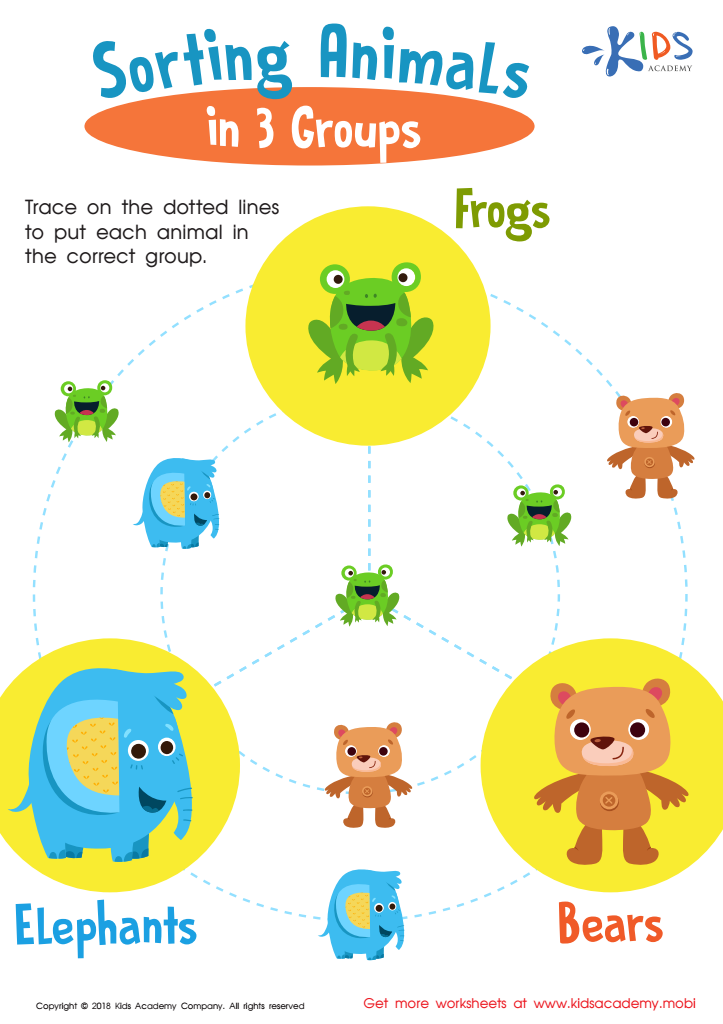
Sorting Animals in 3 Groups Worksheet
 Assign to My Students
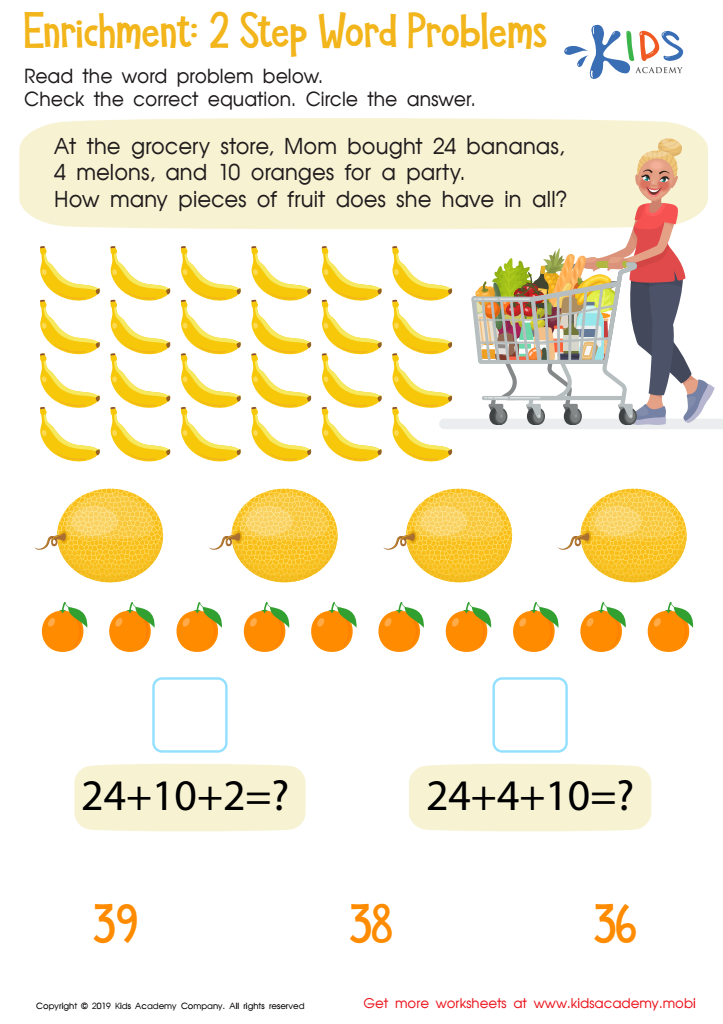
Enrichment -2 Step Word Problems Worksheet
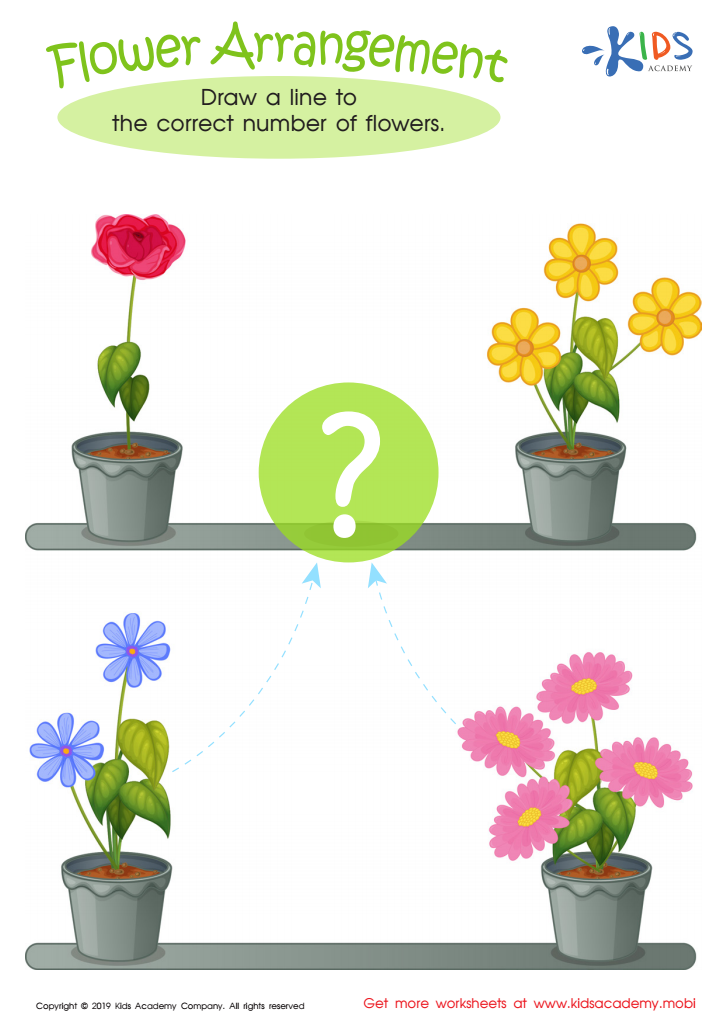
Flower Arrangement Worksheet
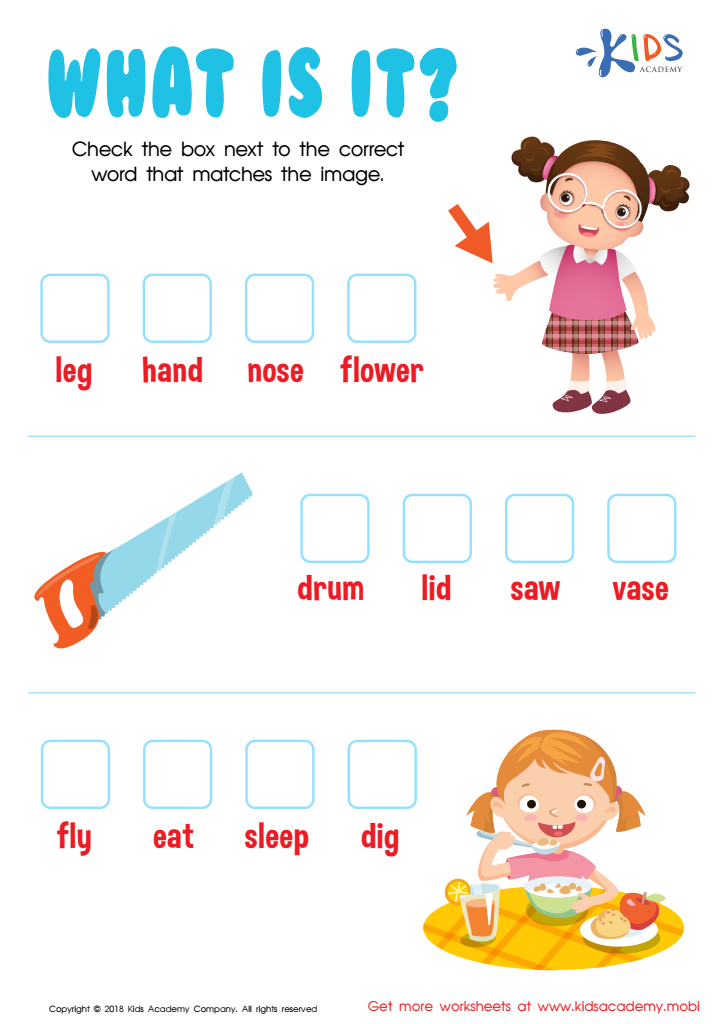
What Is It? Worksheet
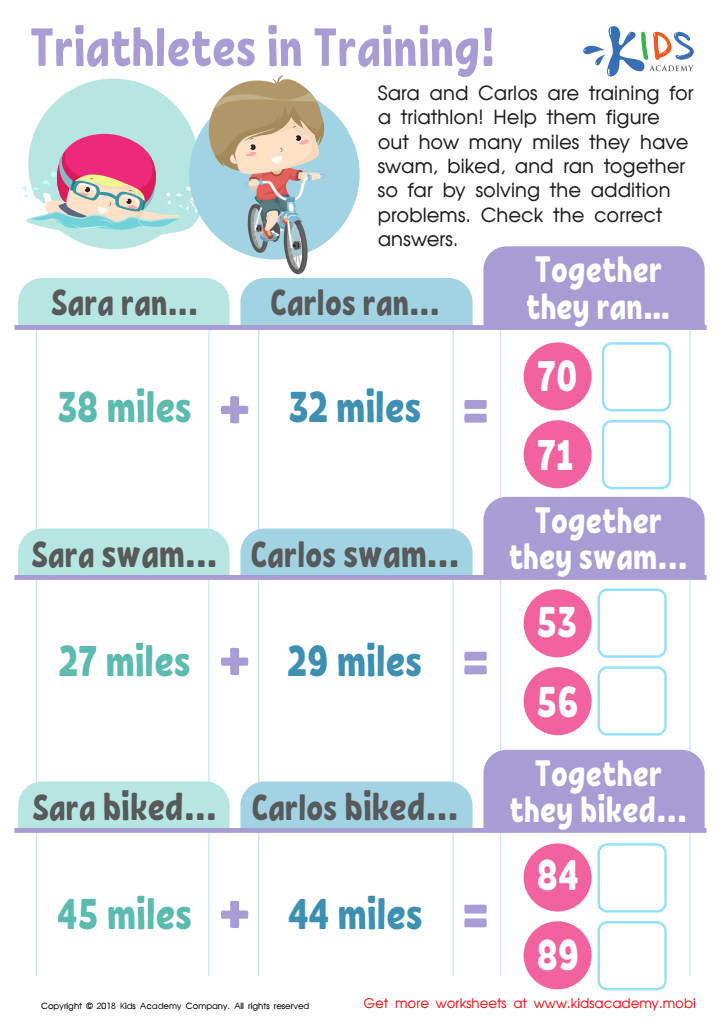
Triathletes in Training Worksheet
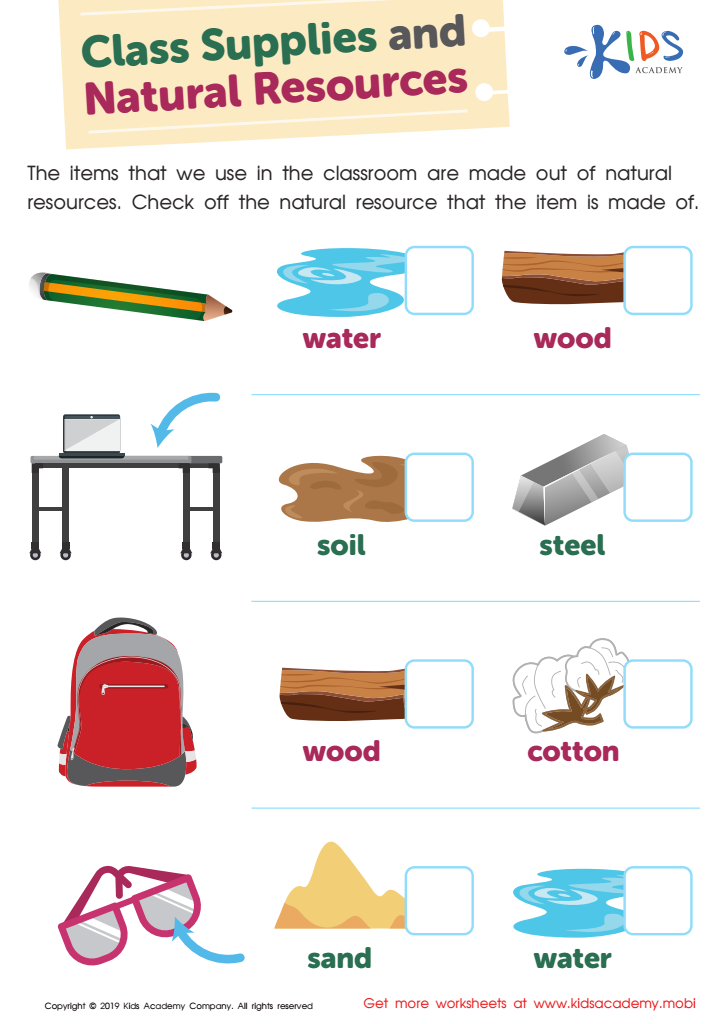
Class Supplies and Natural Resources Worksheet
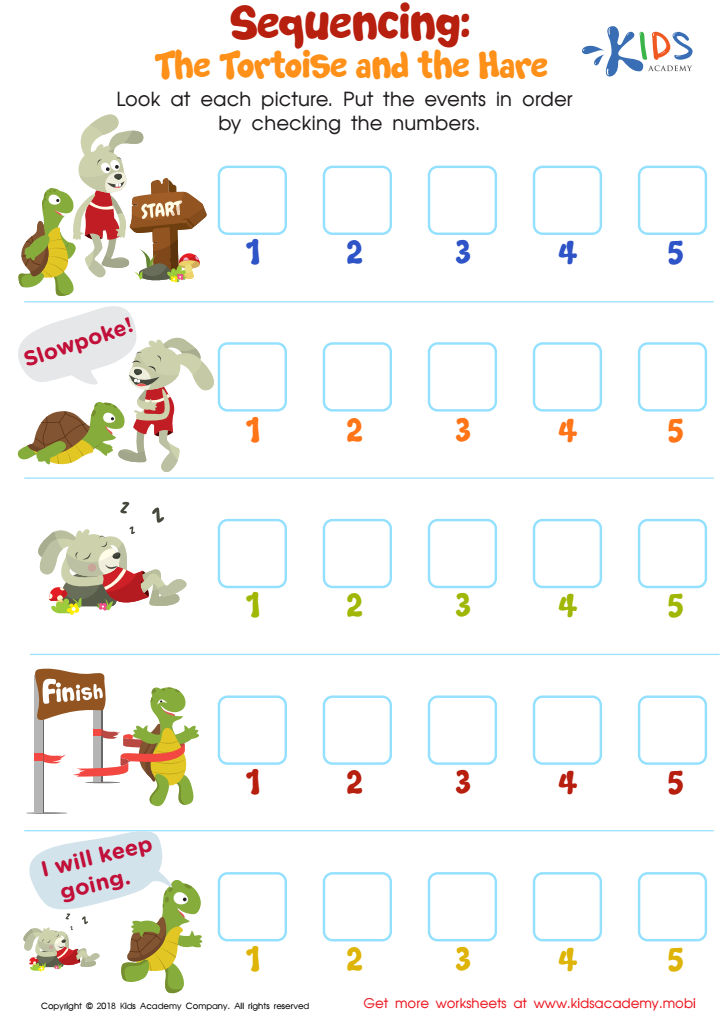
Sequencing: The Tortoise and the Hare Worksheet
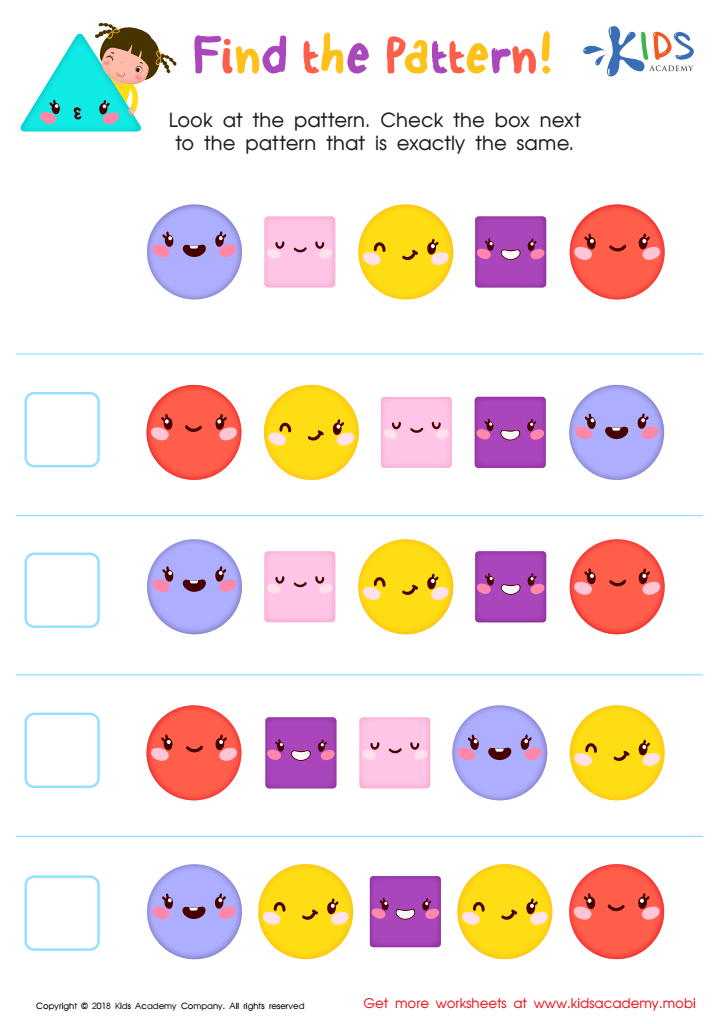
Find the Pattern Worksheet
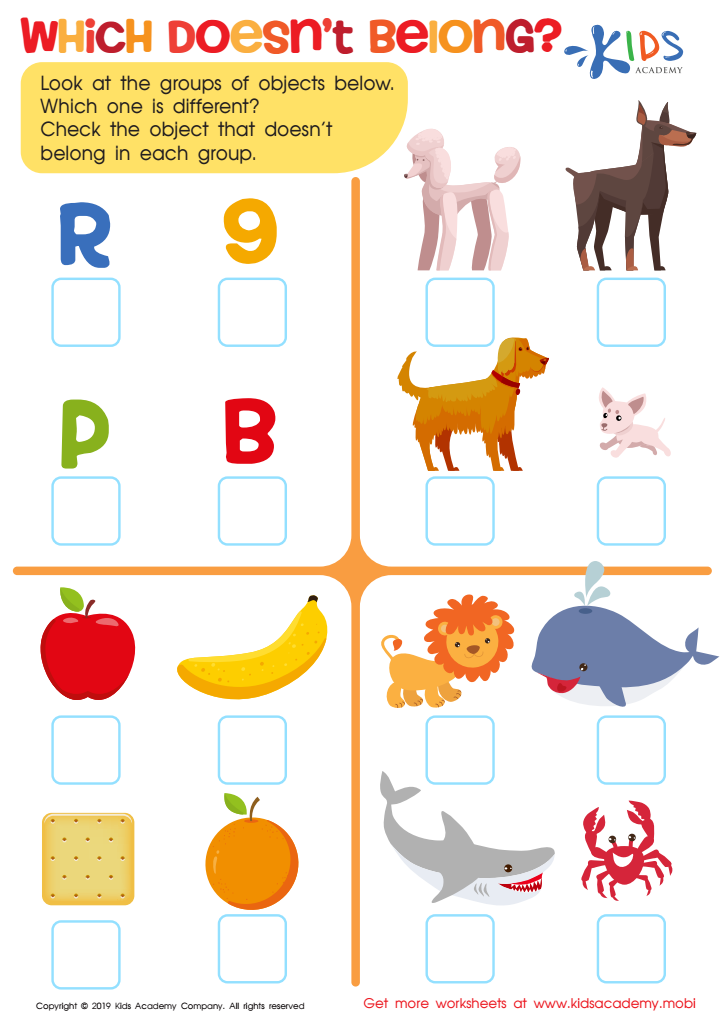
Which Doesn't Belong? Worksheet
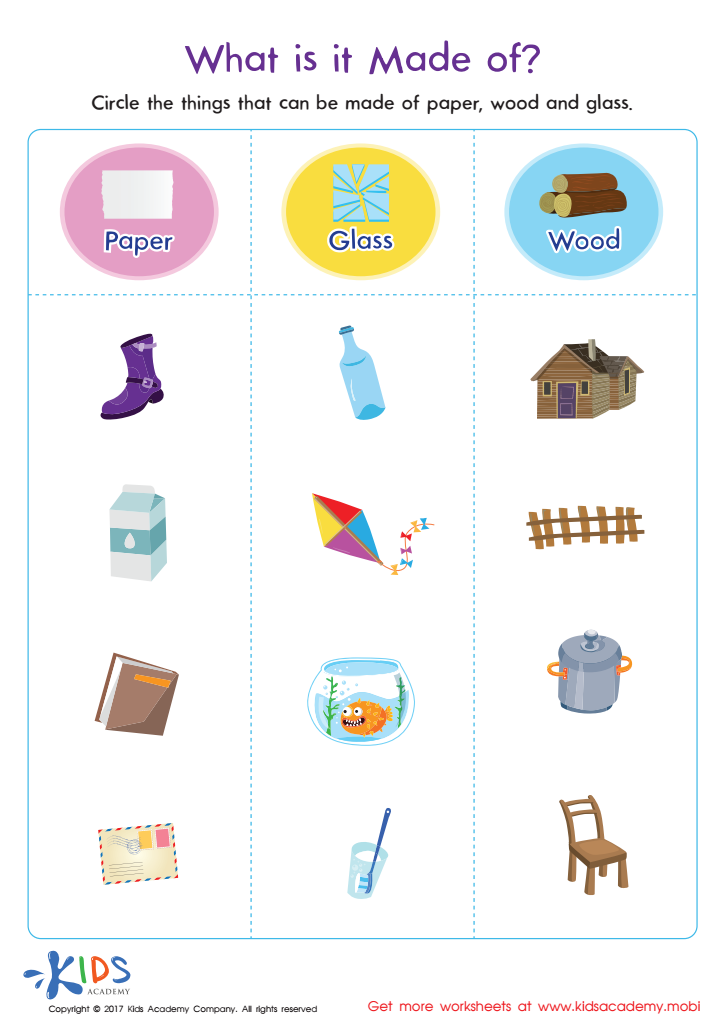
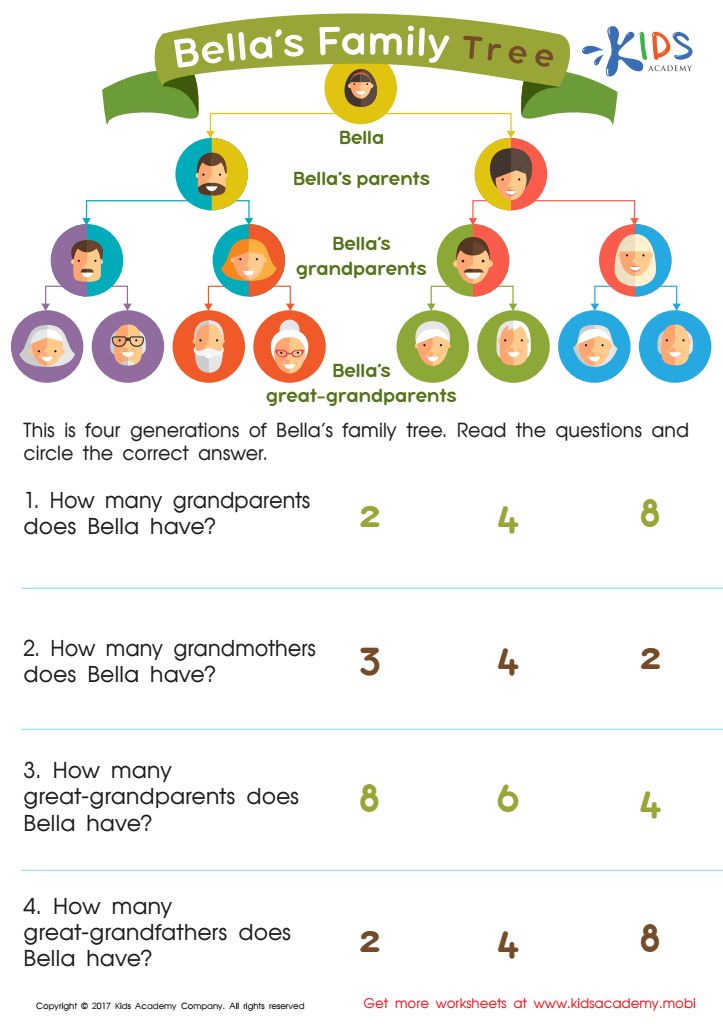
Bella's Family Tree Worksheet
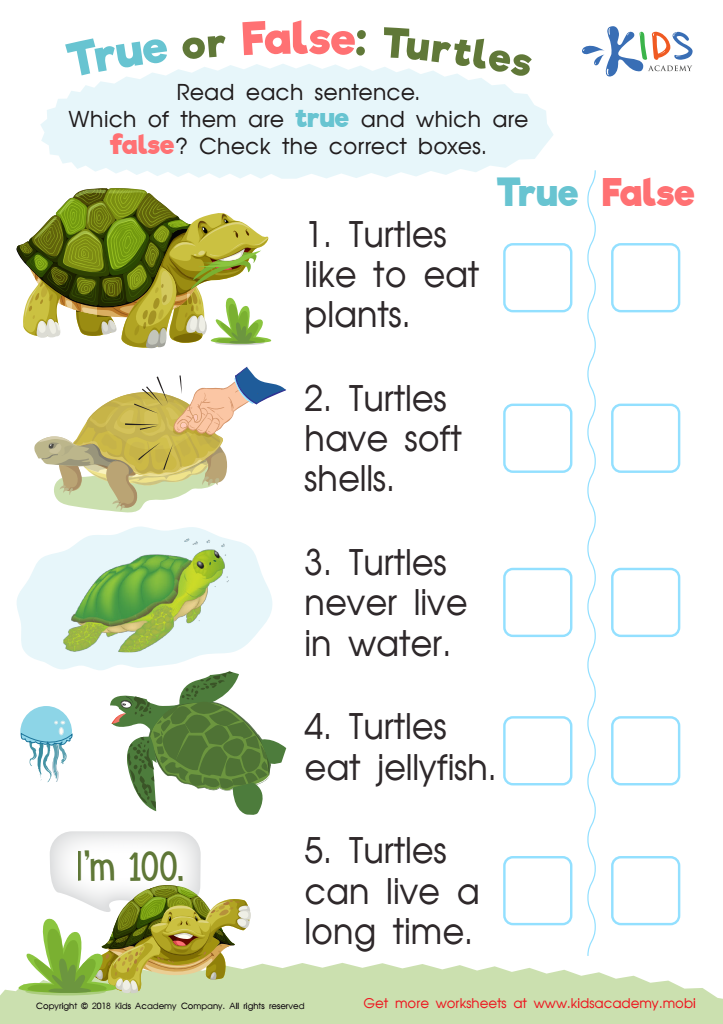
True or False: Turtles Worksheet
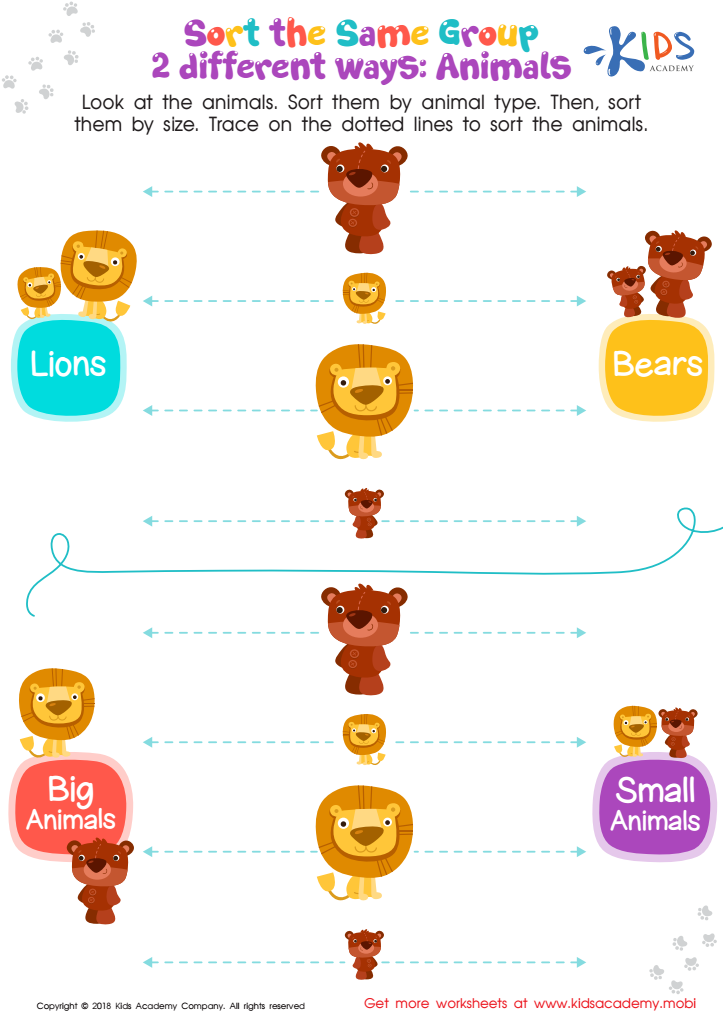
Sort the Same Group 2 Different Ways: Animals Worksheet
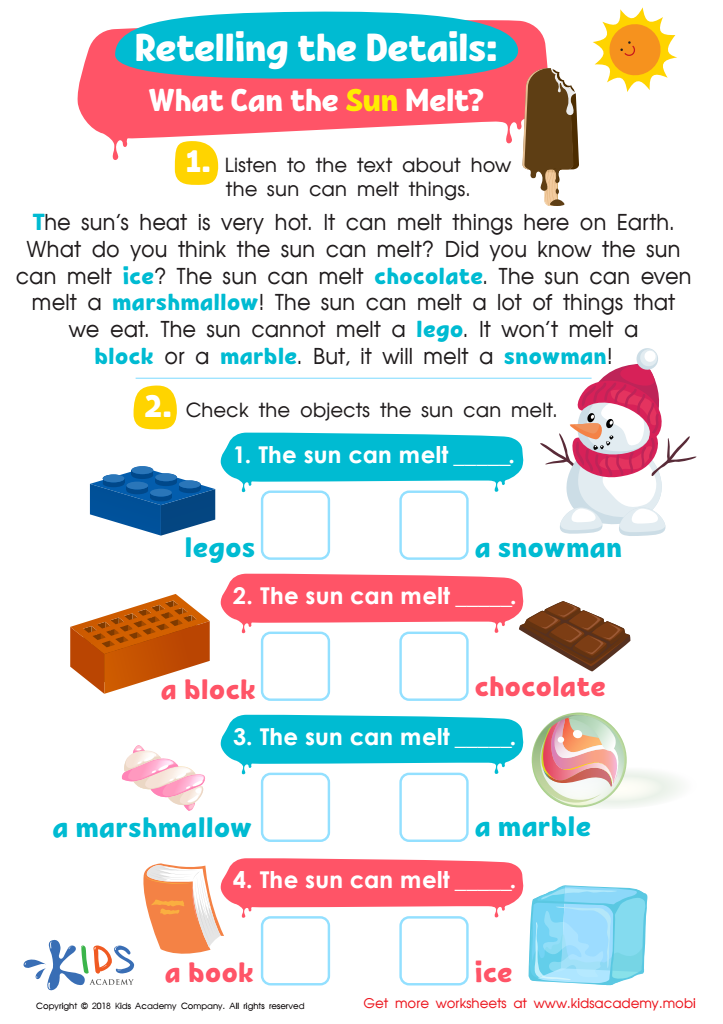
Retelling the Details: What Can the Sun Melt? Worksheet
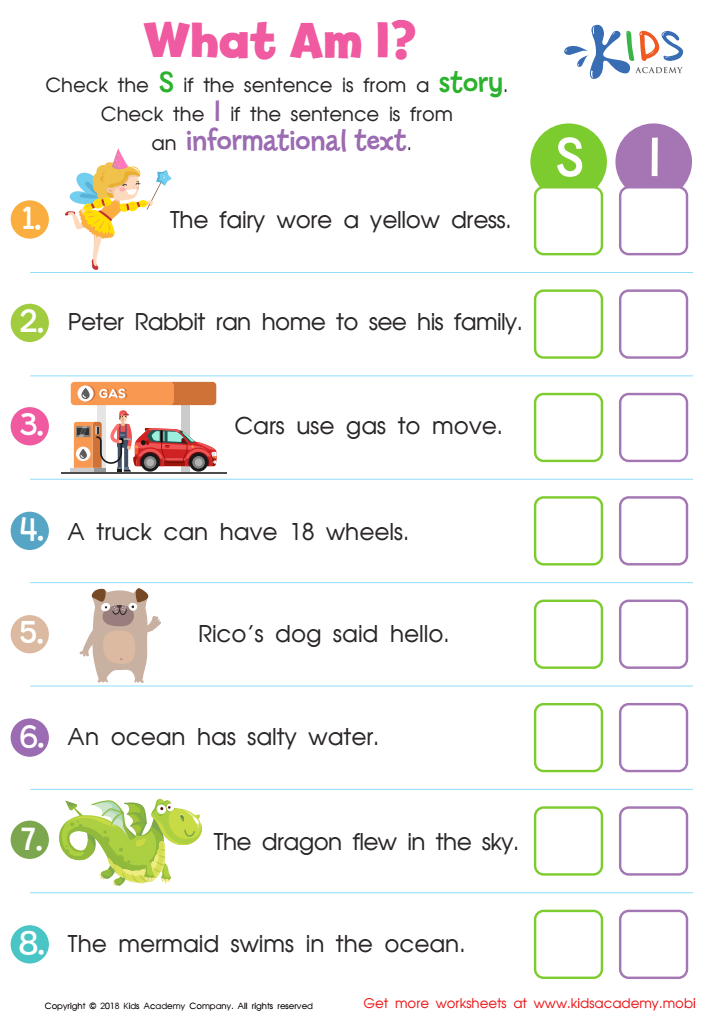
What Am I? Worksheet
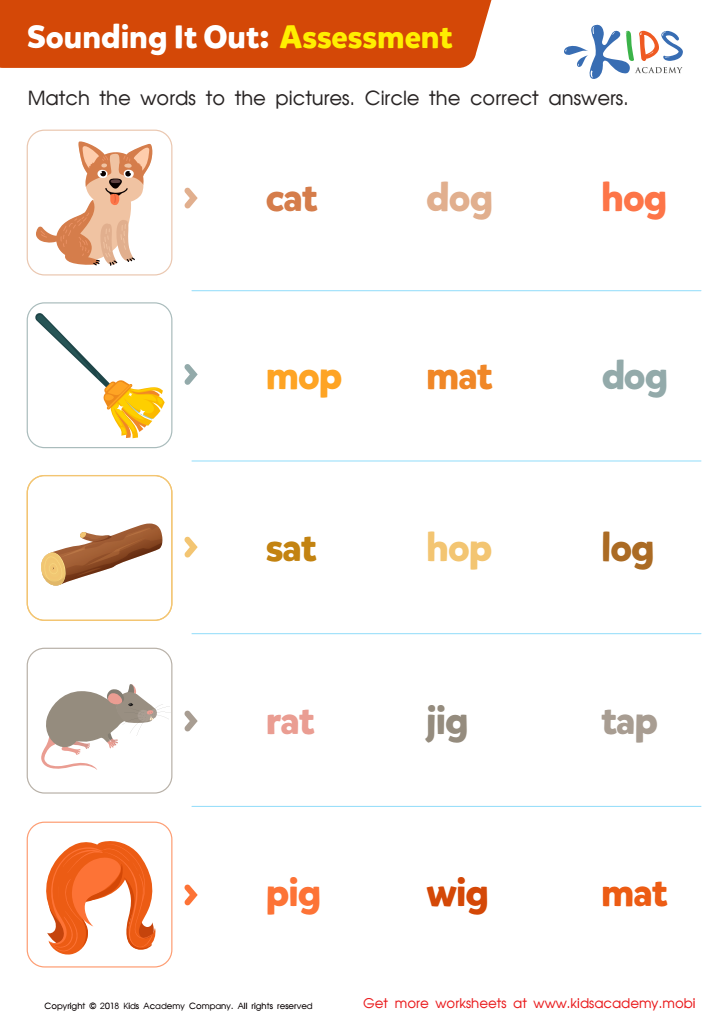
Sounding it Out: Assessment Worksheet
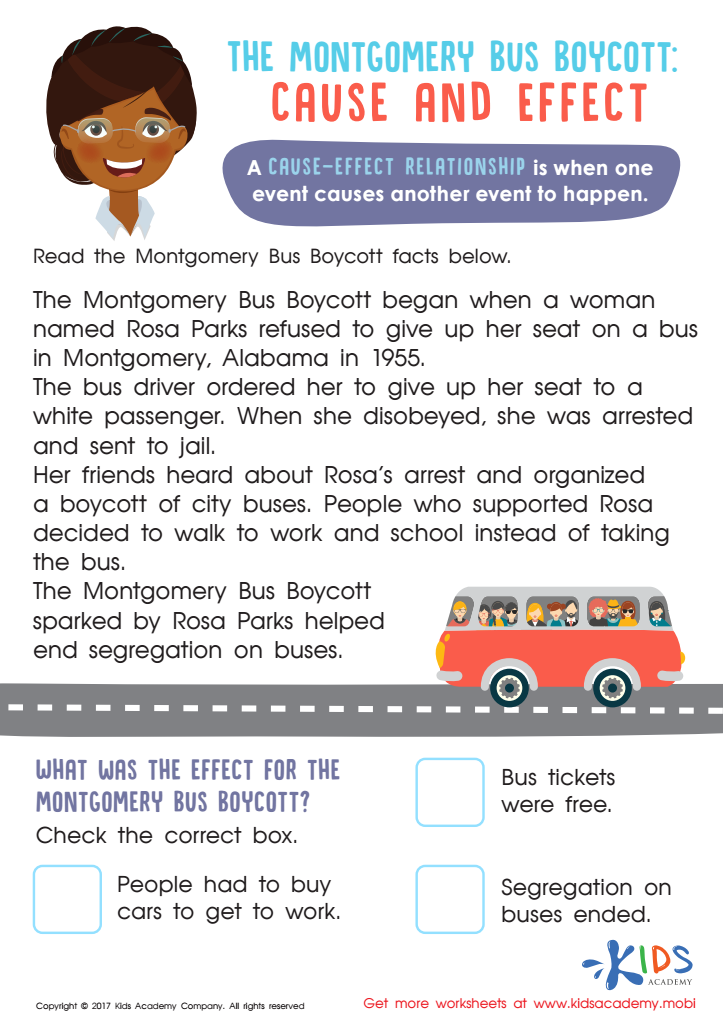
The Montgomery Bus Boycott Cause and Effect Worksheet
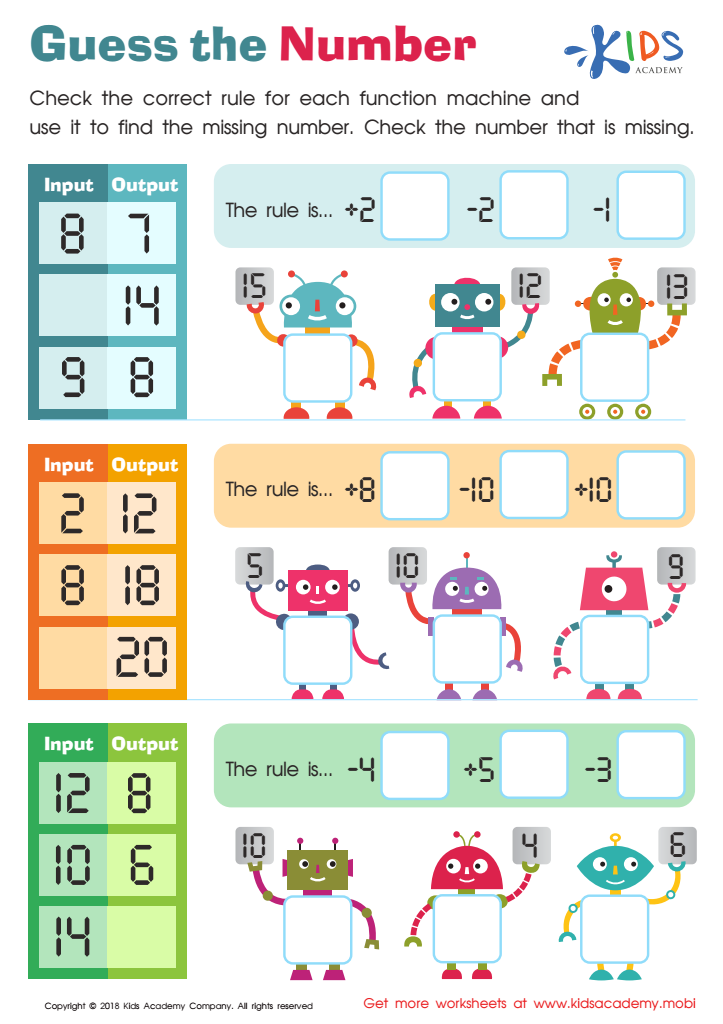
Guess the Number Worksheet
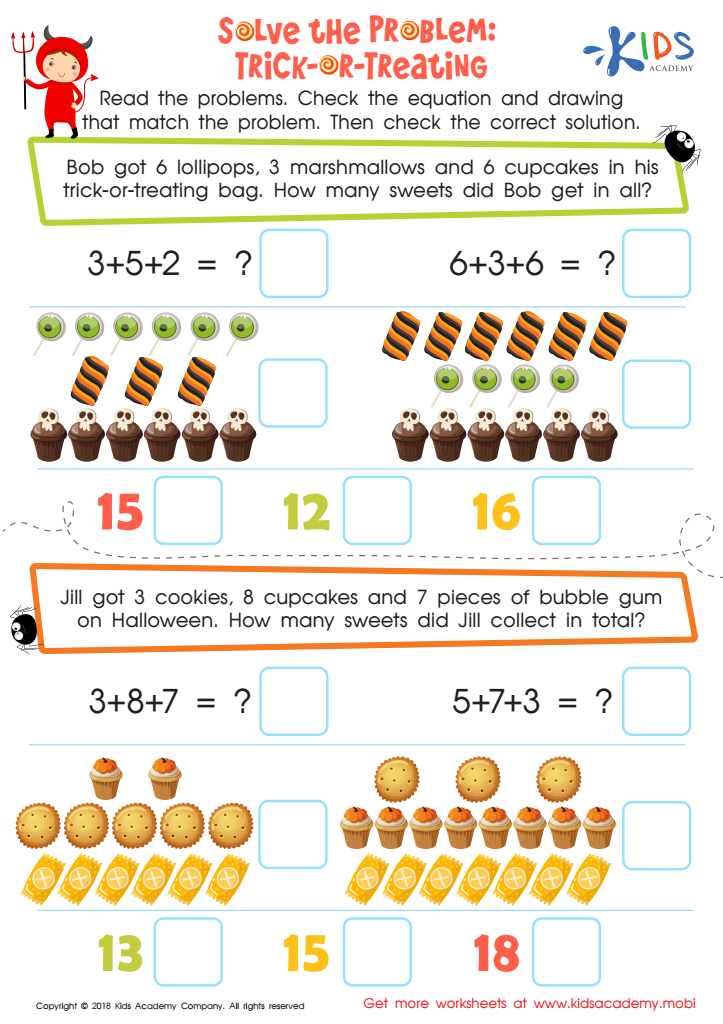
Solve the Problem: Trick–or–treating Worksheet
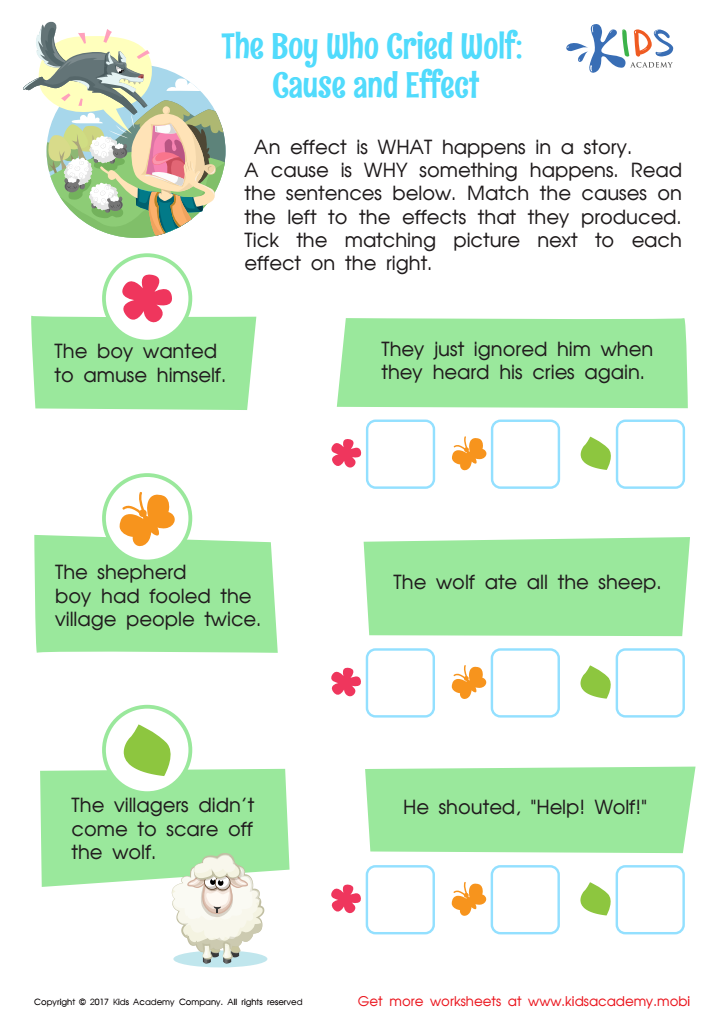
The Boy Who Cried Wolf: Cause and Effect Worksheet
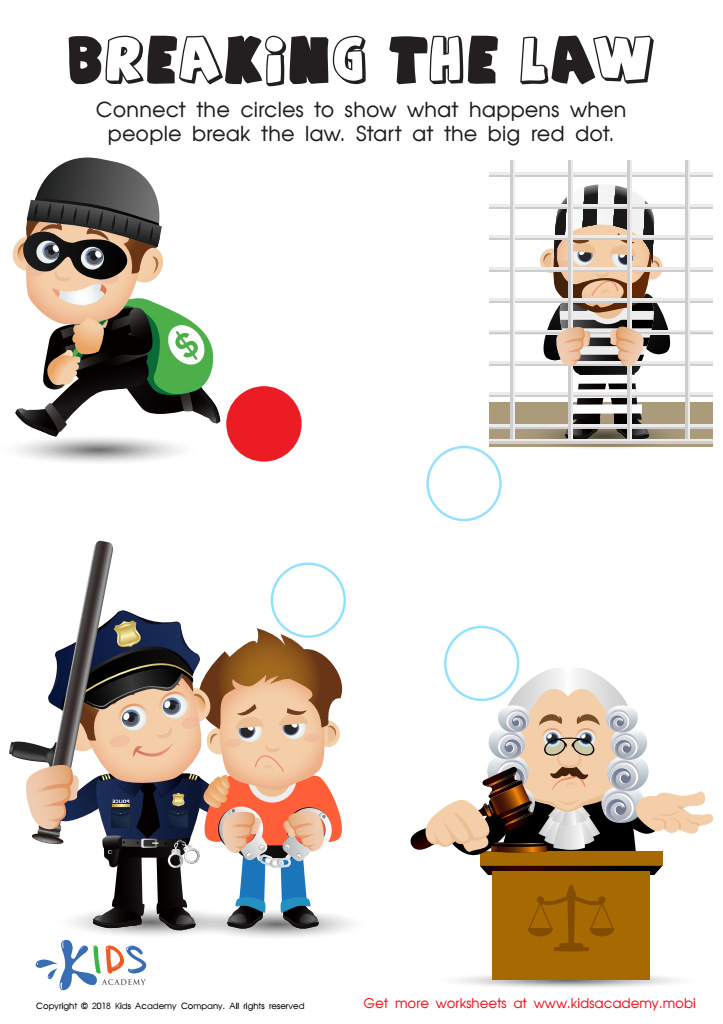
Breaking the Law Worksheet
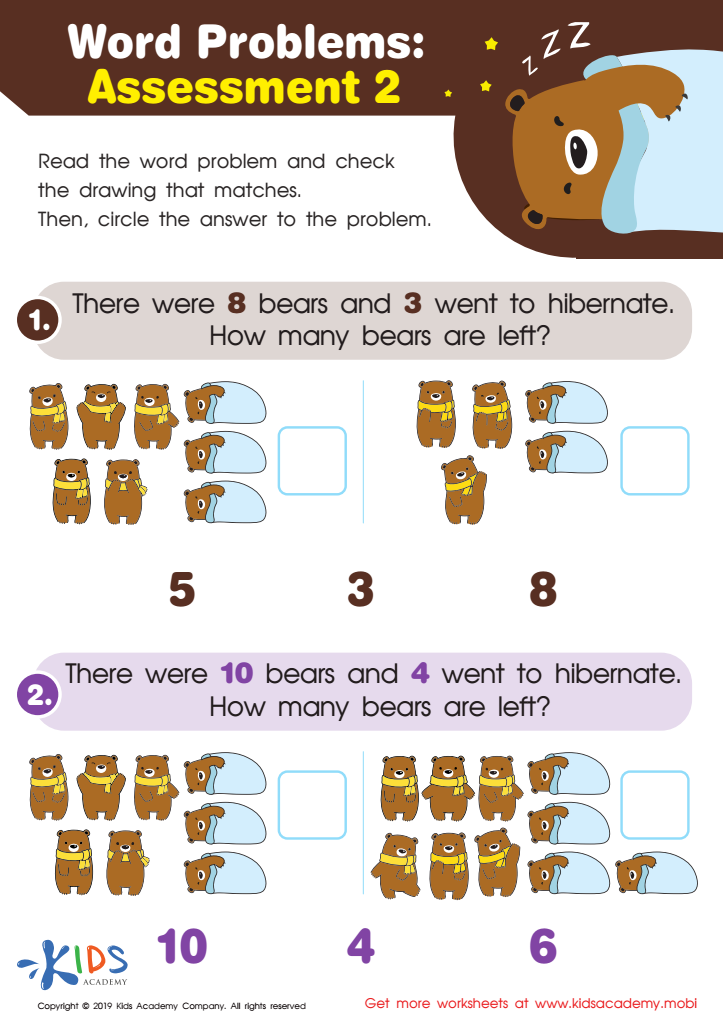
Word Problems: Assessment 2 Worksheet
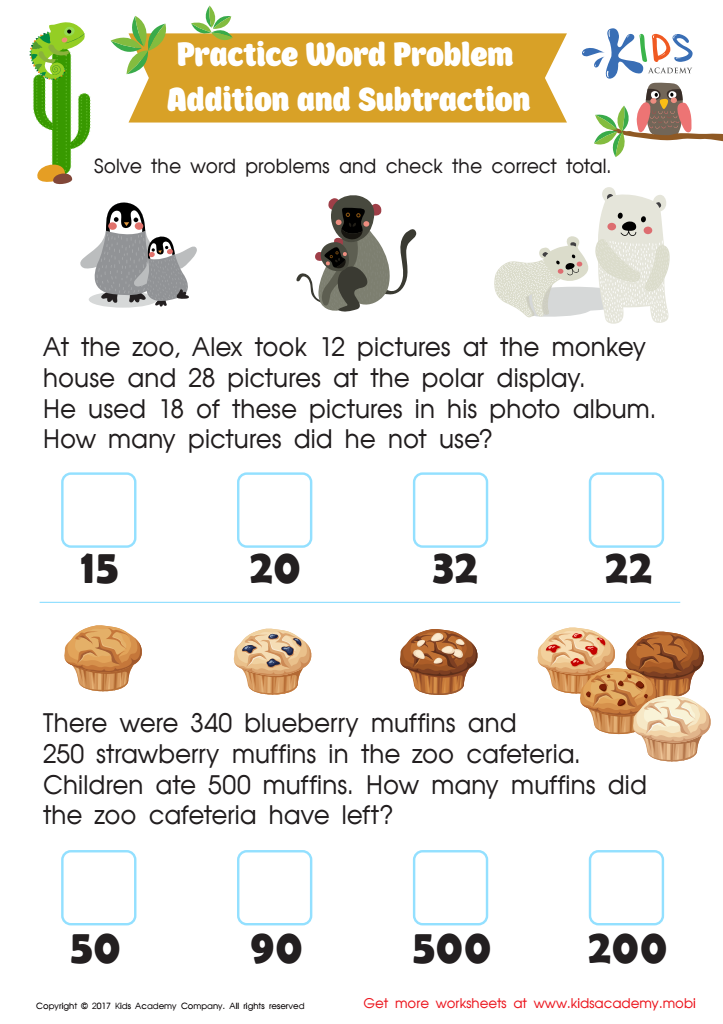
Addition and Subtraction: Word Problems Worksheet
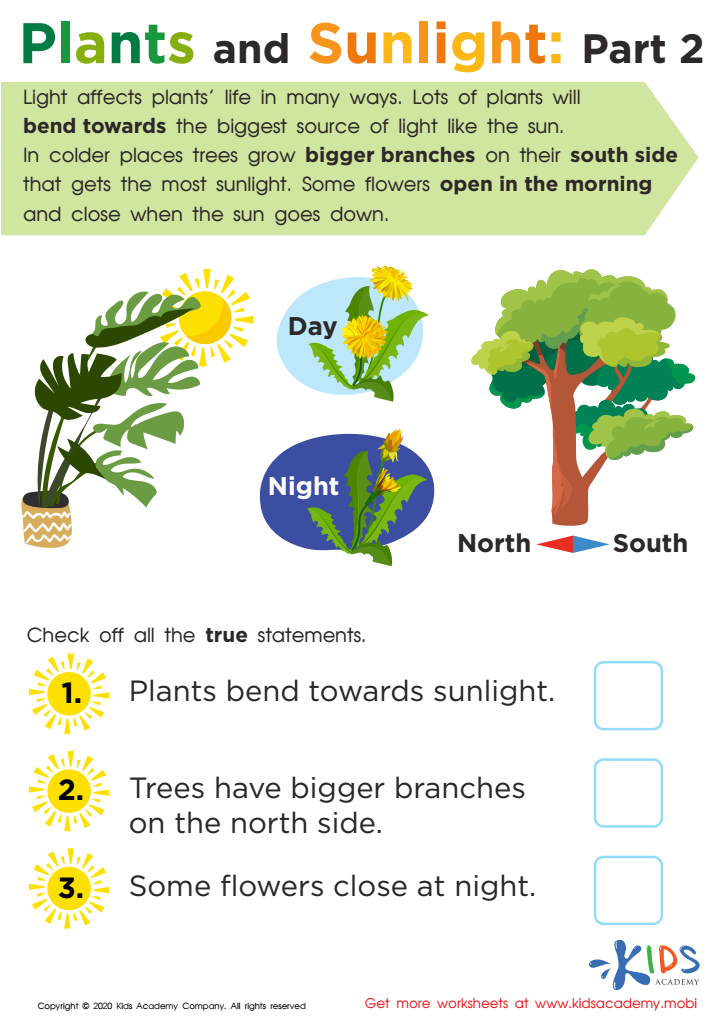
Plants and Sunlight: Part 2 Worksheet








Logical reasoning skills are crucial for children aged 5-7 as they lay the foundation for critical thinking and problem-solving abilities that will serve a child throughout their educational journey and life. During these formative years, children's brain development is at its peak; hence, introducing logical reasoning activities can effectively stimulate cognitive growth.
Parents and teachers should prioritize logical reasoning because it enhances a child's ability to analyze information, make decisions, and understand cause-and-effect relationships. Engaging in activities that foster logical reasoning—such as puzzles, pattern recognition, and classification games—helps children develop essential skills that are not only vital for academic success but also important in everyday situations.
Moreover, logical reasoning fosters a sense of curiosity and motivates children to ask questions and explore their surroundings. By learning to approach problems methodically, children become more confident and independent thinkers. Furthermore, cultivating these skills at an early age can make the learning process more enjoyable and enriching, instilling a love for knowledge.
In summary, nurturing logical reasoning in early childhood education is key for developing analytical skills, boosting confidence, and encouraging a lifelong love for learning, making it imperative for both parents and teachers to support this crucial aspect of child development.








