Pattern recognition Normal Worksheets for Ages 5-7
13 filtered results
-
From - To
Explore our engaging Pattern Recognition Worksheets for children ages 5-7, designed to enhance cognitive skills through fun activities! These worksheets help young learners identify and analyze patterns in a variety of formats, promoting critical thinking and problem-solving abilities. With colorful graphics and interactive exercises, your child will enjoy tracing, completing sequences, and sorting items while developing essential math and reasoning skills. Perfect for both classroom use and at-home learning, our worksheets cater to diverse learning styles and keep children motivated. Download today to introduce your little ones to the exciting world of patterns and boost their confidence in early math concepts!
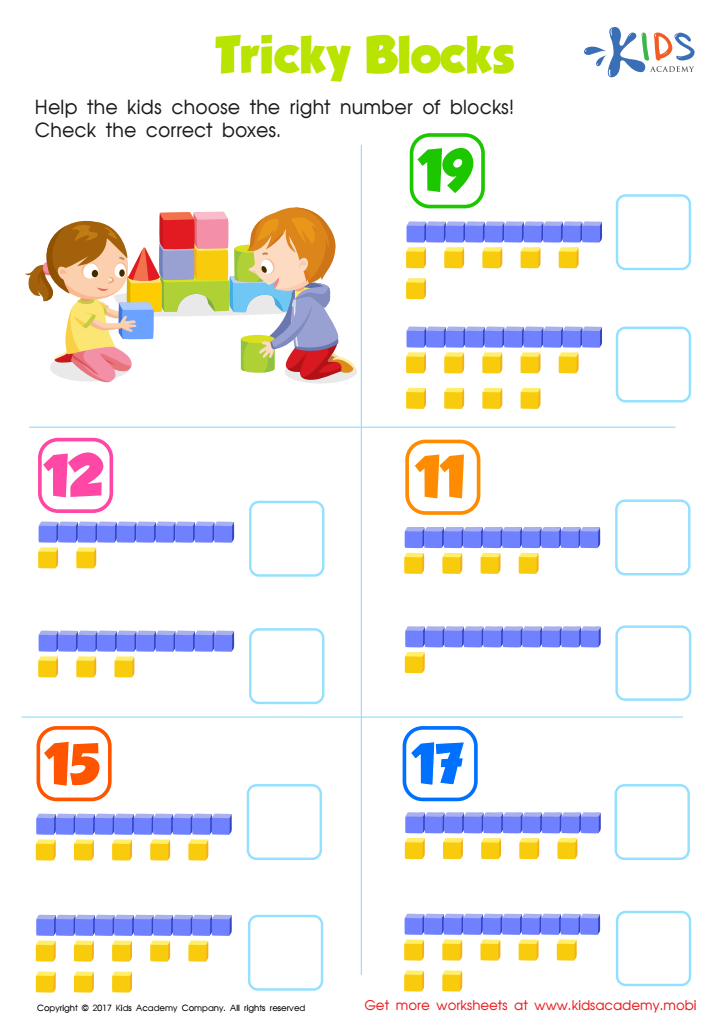
Tricky Blocks Worksheet
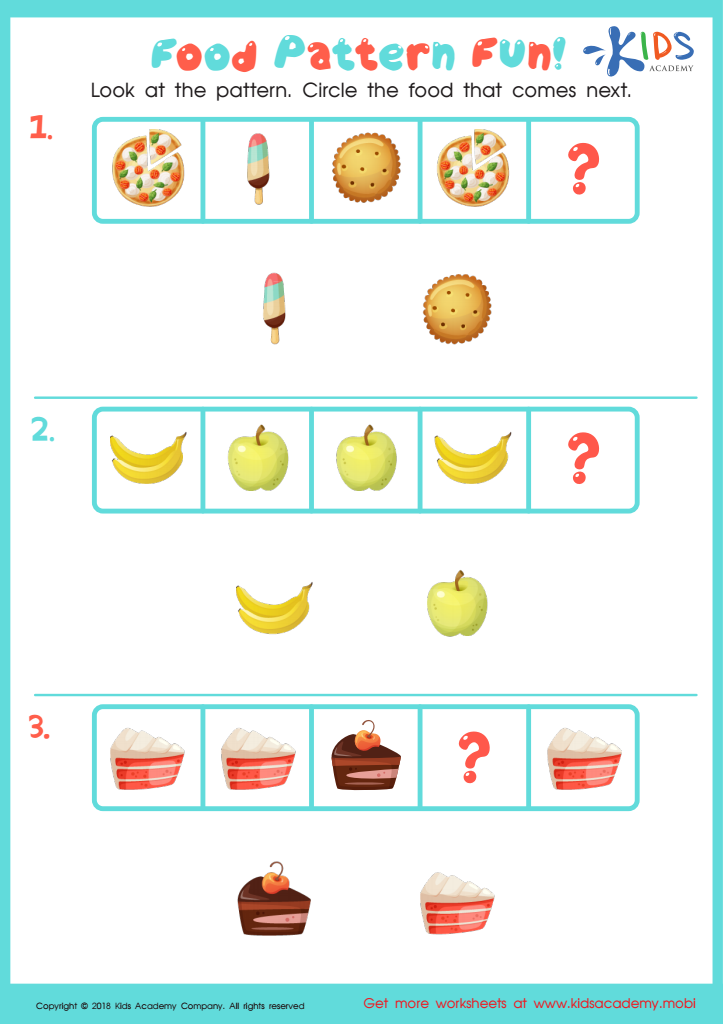
Food Pattern Fun Worksheet
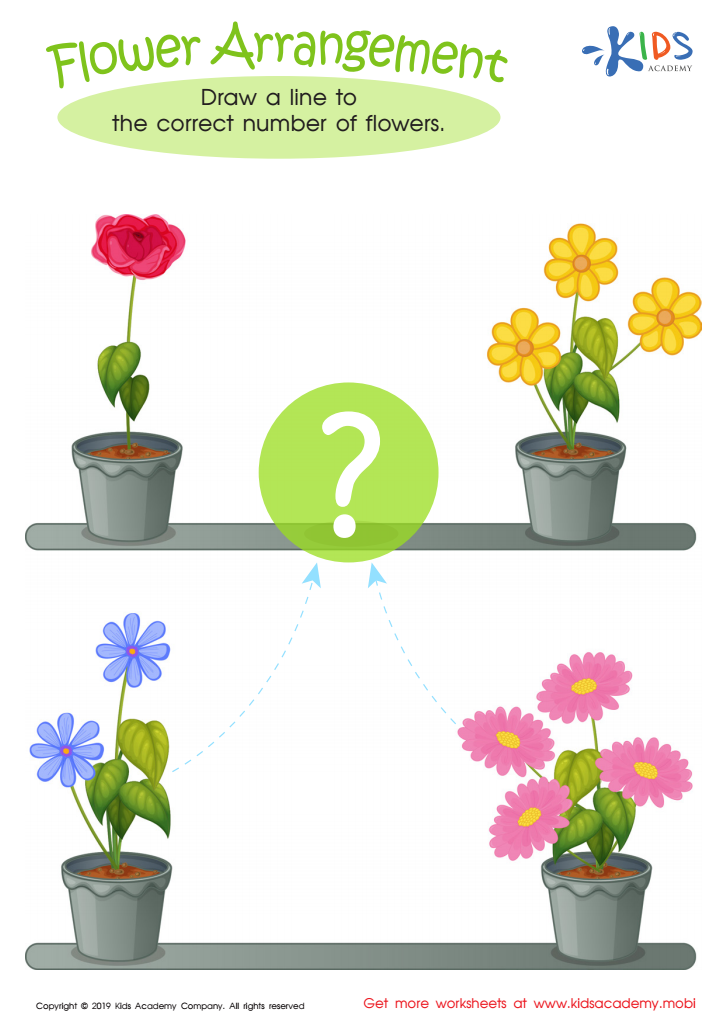
Flower Arrangement Worksheet
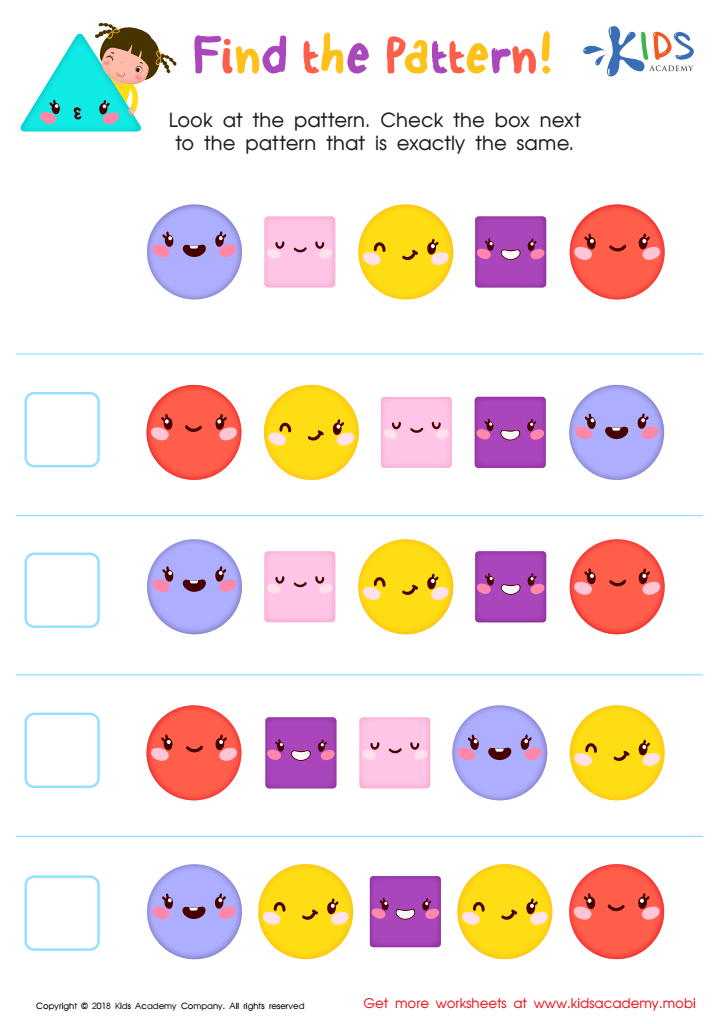
Find the Pattern Worksheet
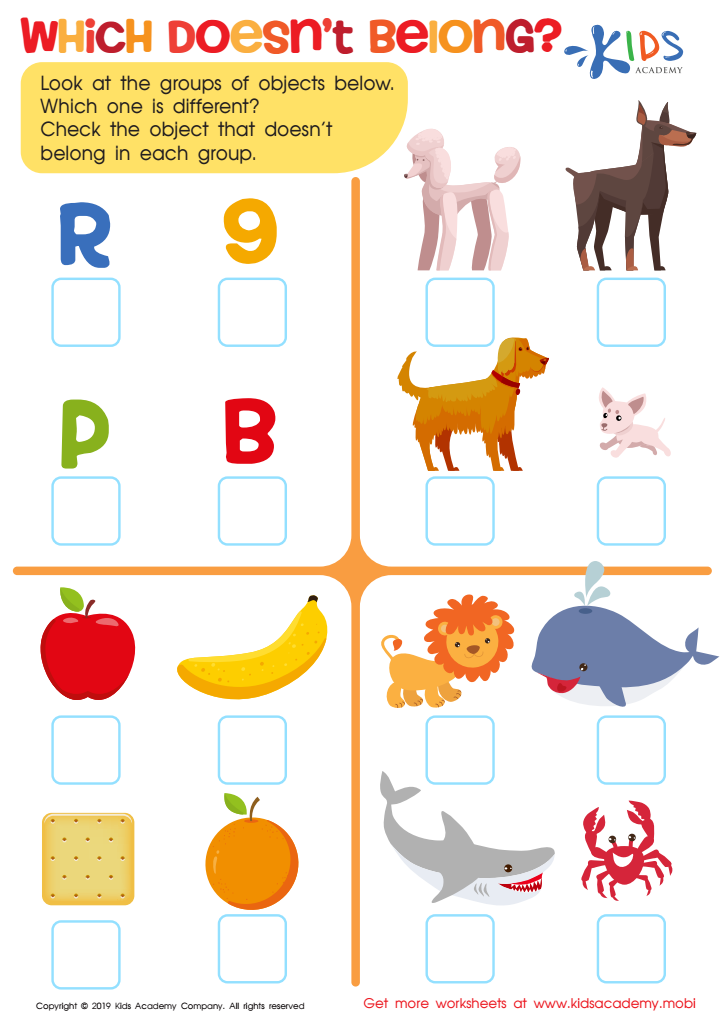
Which Doesn't Belong? Worksheet
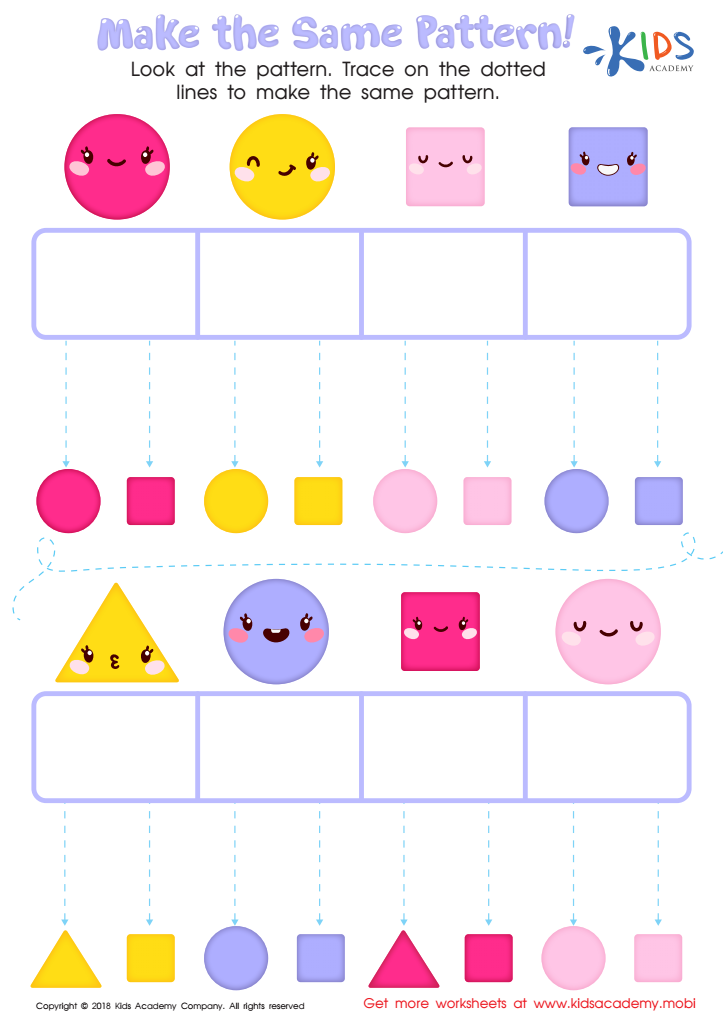
Make the Same Pattern Worksheet
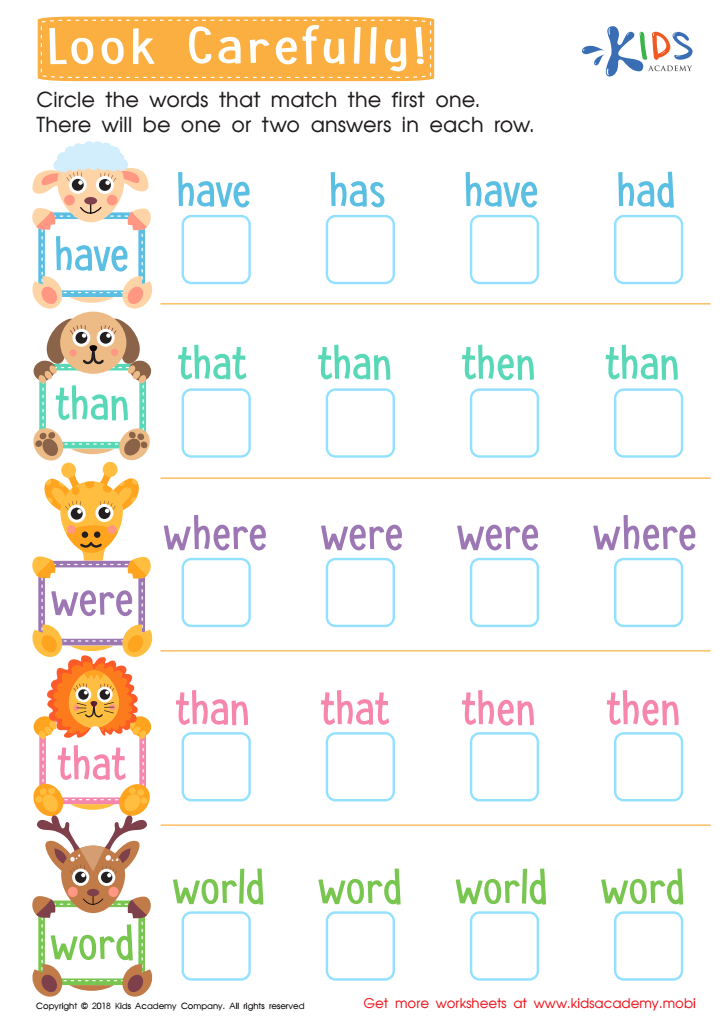
Look Carefully Worksheet
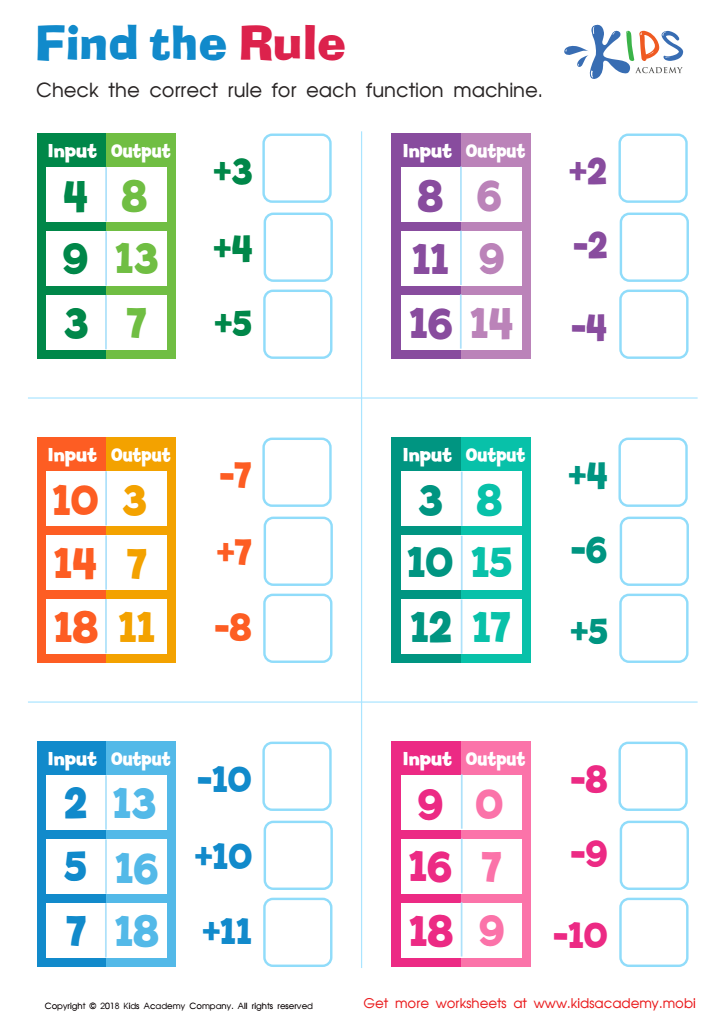
Find the Rule Worksheet
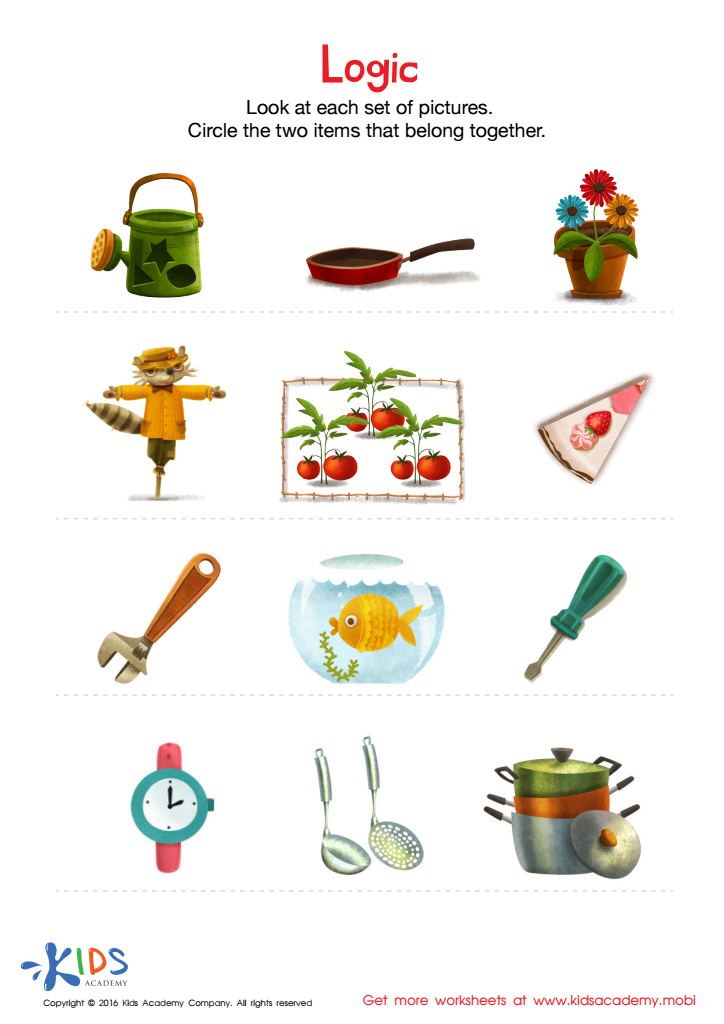
Logic Game Sorting Worksheet
Christmas: Christmas Tree Printable
 Assign to My Students
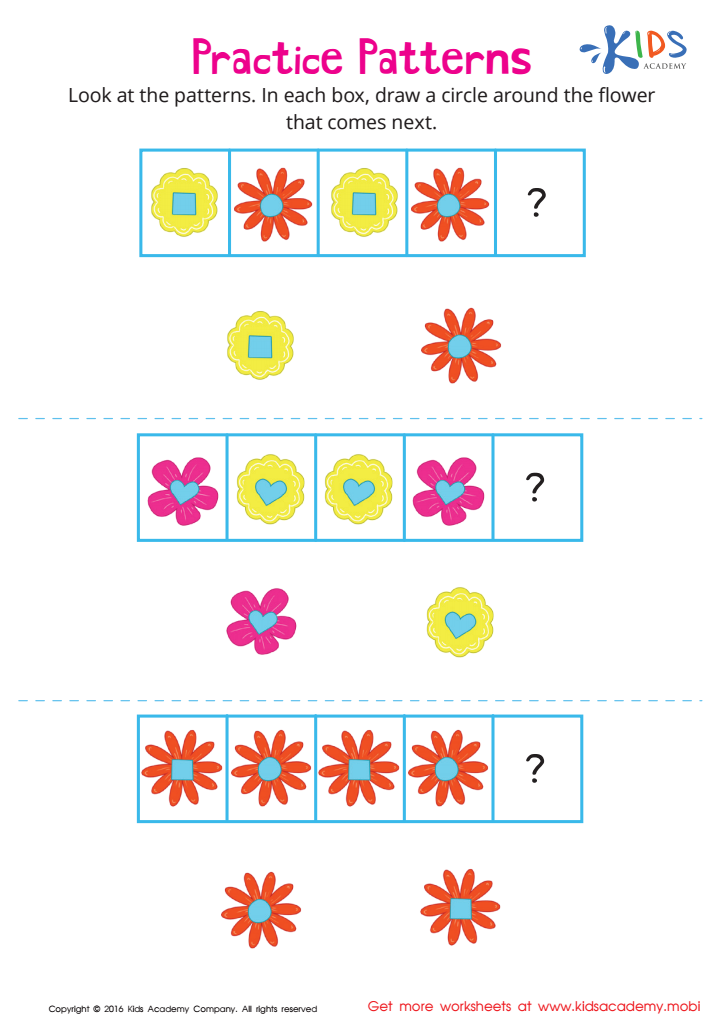
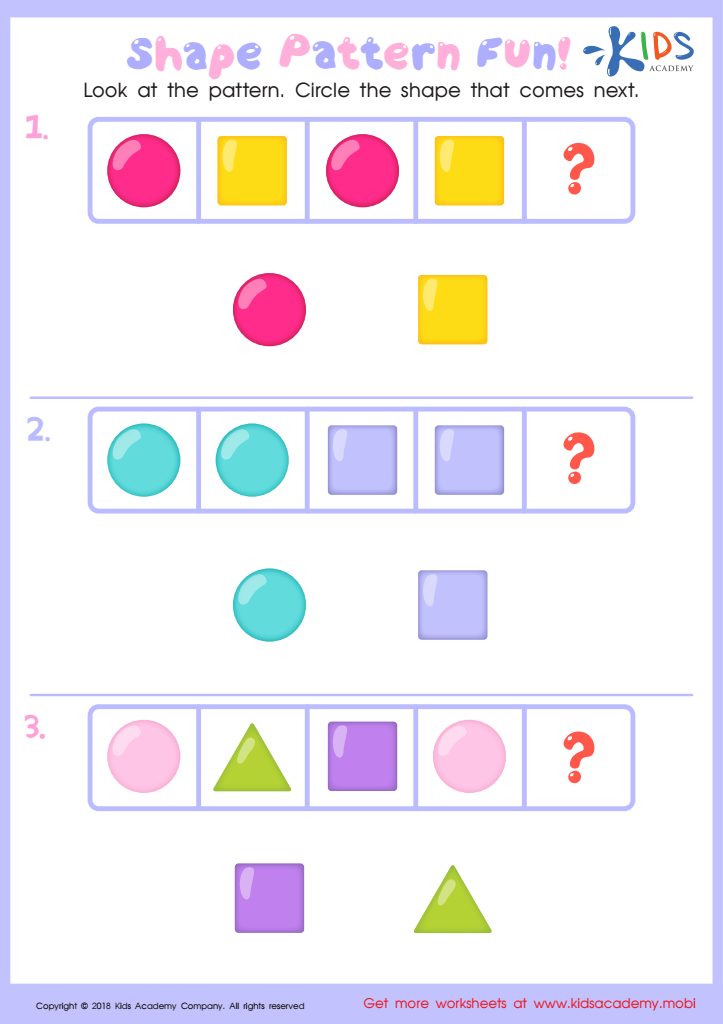
Shape Pattern Fun Worksheet
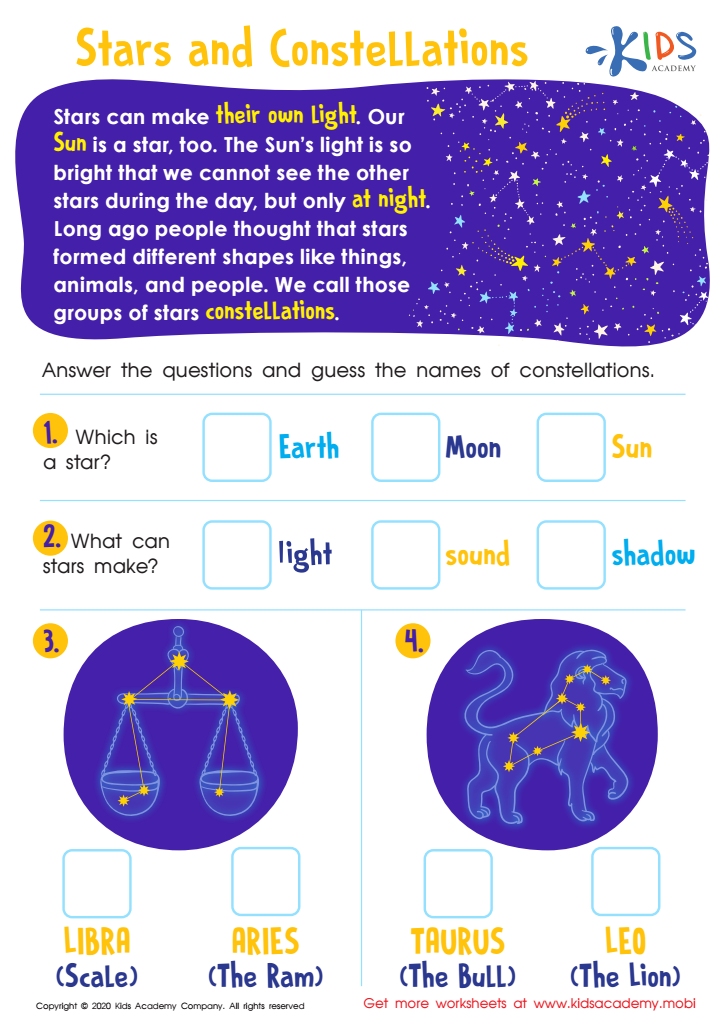
Stars and Constellations Worksheet


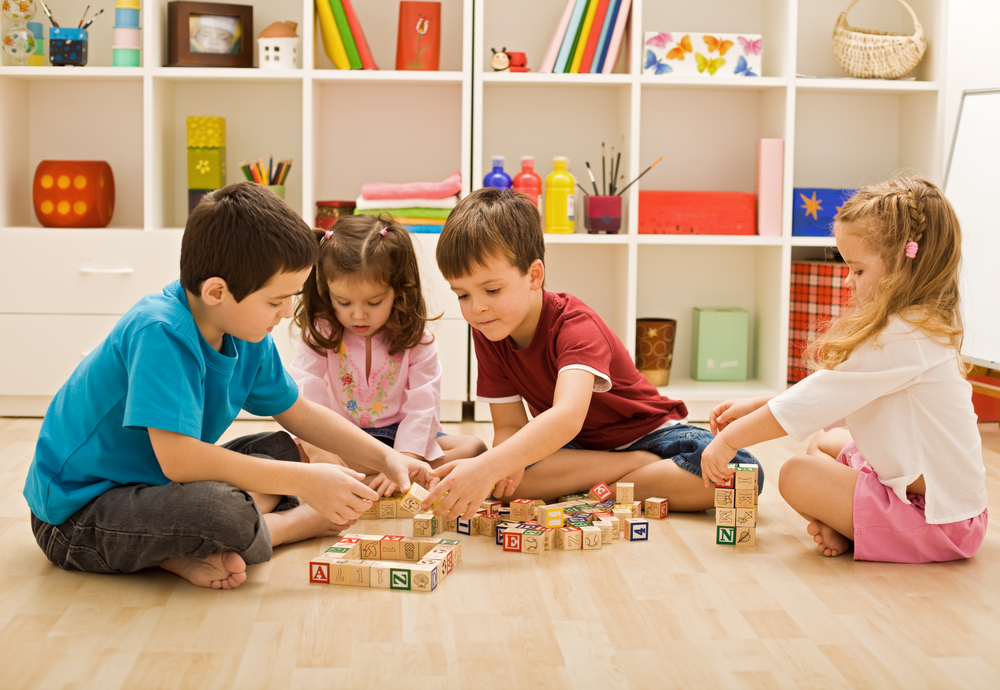



.jpg)

Pattern recognition is a fundamental cognitive skill that plays a crucial role in the early learning process for children aged 5-7. Parents and teachers should care about fostering this ability because it lays the groundwork for mathematical understanding and critical thinking. Recognizing patterns helps children identify relationships between concepts, which is essential for subjects like math and science. For instance, learning to discern patterns in numbers or shapes enhances problem-solving skills and boosts confidence in these areas.
Moreover, pattern recognition is tied to language development. It enables children to identify rhythms, rhymes, and sequences in stories, which enhances their literacy skills. Encouraging children to recognize patterns in everyday life—like the changing seasons or the structure of their favorite stories—fosters curiosity and observational skills.
Lastly, engaging activities that promote pattern recognition can enhance social skills by encouraging collaborative play and discussions among peers. Overall, instilling pattern recognition in young learners not only enriches their educational experience but also equips them with essential skills for lifelong learning and adaptability in an increasingly complex world. By prioritizing this skill, parents and teachers contribute to a well-rounded foundation for a child's academic and social development.








