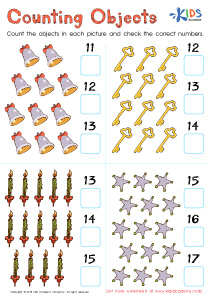
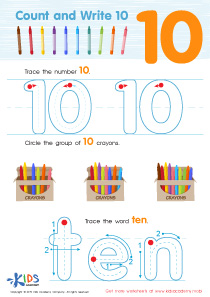
Normal Numbers up to 100 Worksheets for Ages 5-7
22 filtered results
-
From - To
Discover the fun and engaging world of "Normal Numbers up to 100 Worksheets" designed specifically for children ages 5-7! Our worksheets offer a variety of activities that help young learners develop their number recognition, counting, and basic math skills. Each printable sheet features colorful illustrations and stimulating exercises to keep children motivated while they learn. These resources are perfect for reinforcing classroom lessons or providing valuable practice at home. Help your child build a strong mathematical foundation with our tailored worksheets that make learning numbers enjoyable and effective. Start exploring now to enrich your child's learning journey!
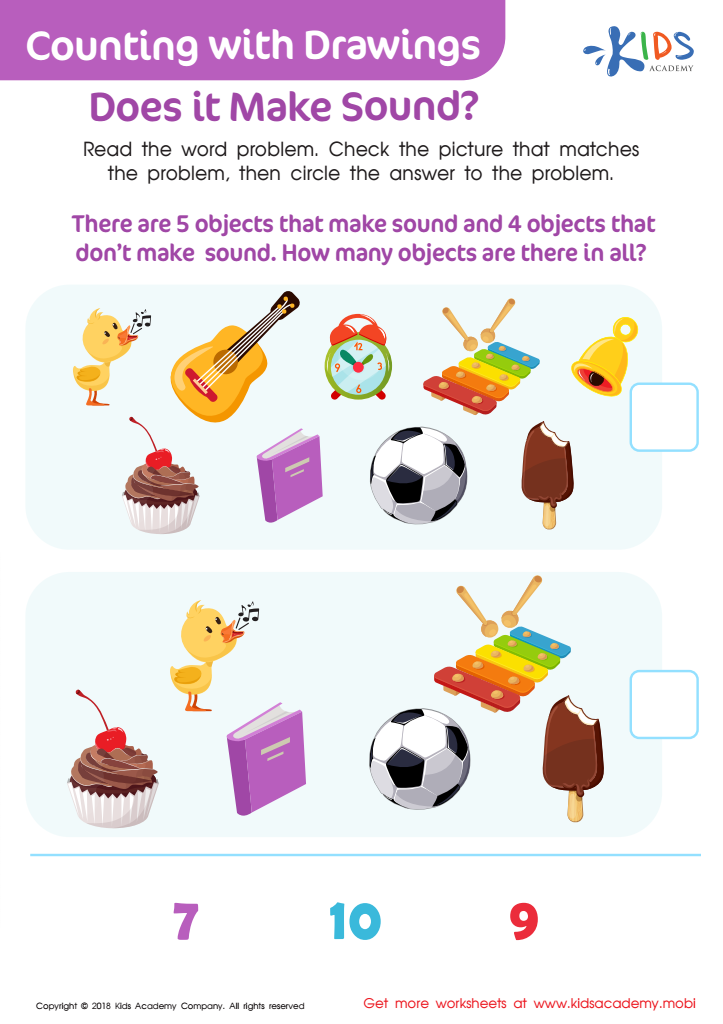
Counting With Drawings. Does It Make Sound? Worksheet
 Assign to My Students
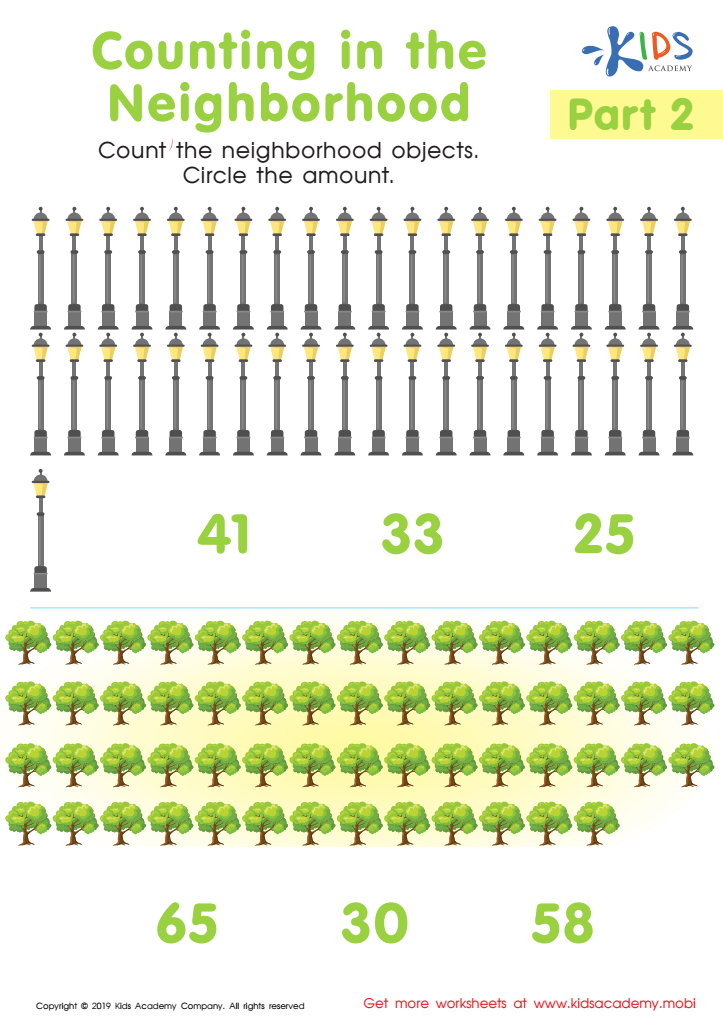
Counting In The Neighborhood Part 2 Worksheet
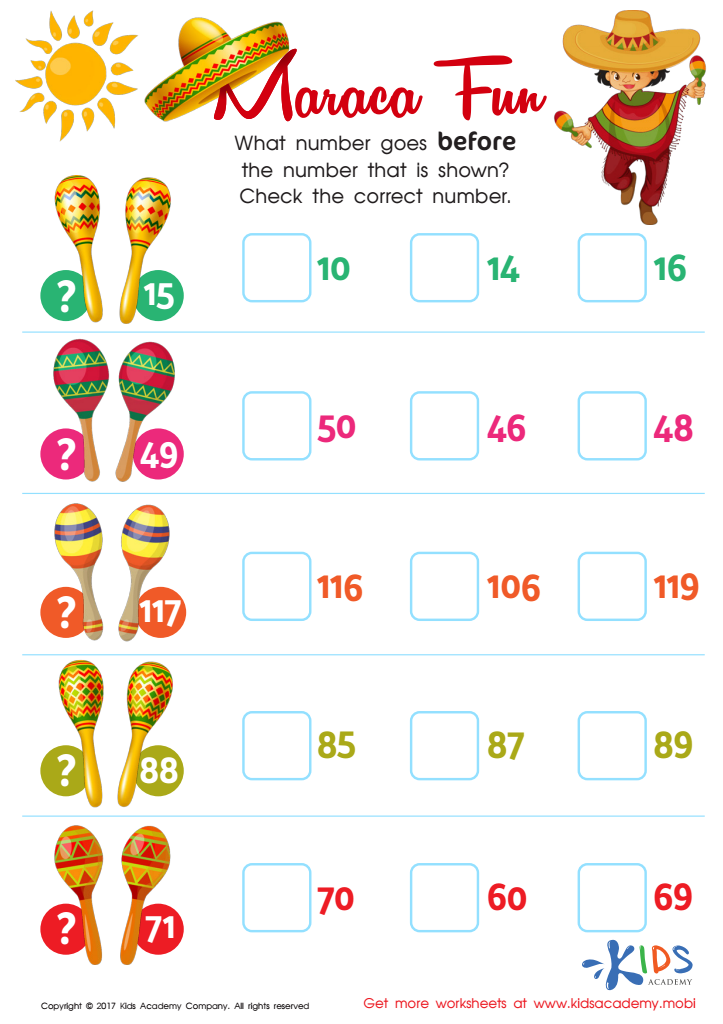
Counting: Maraca Fun Worksheet
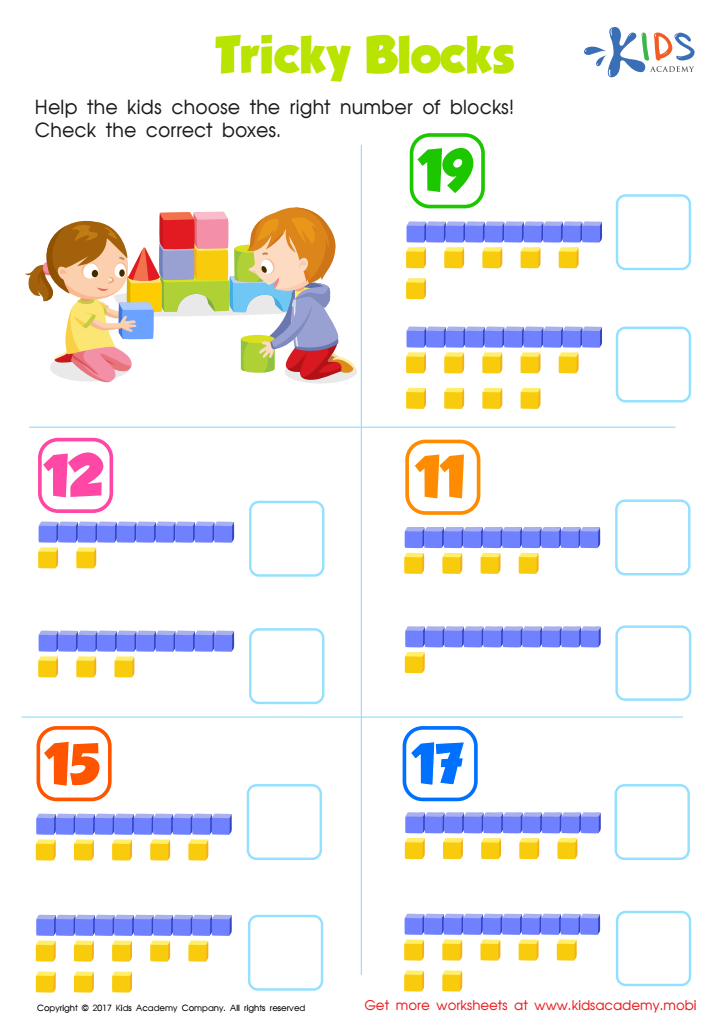
Tricky Blocks Worksheet
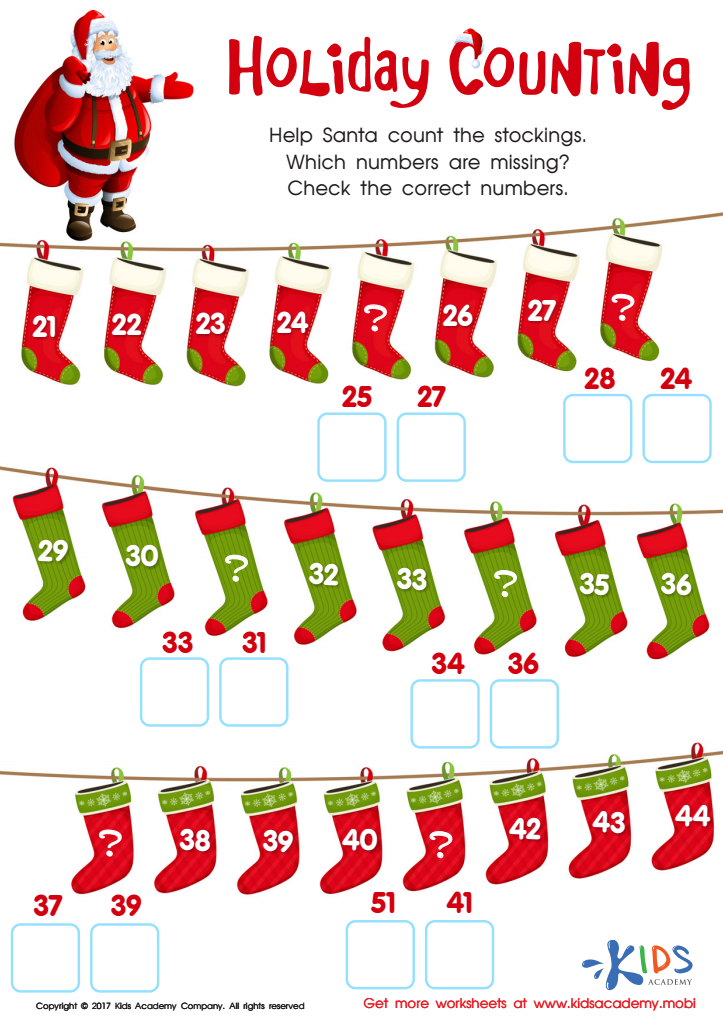
Holiday Counting Worksheet
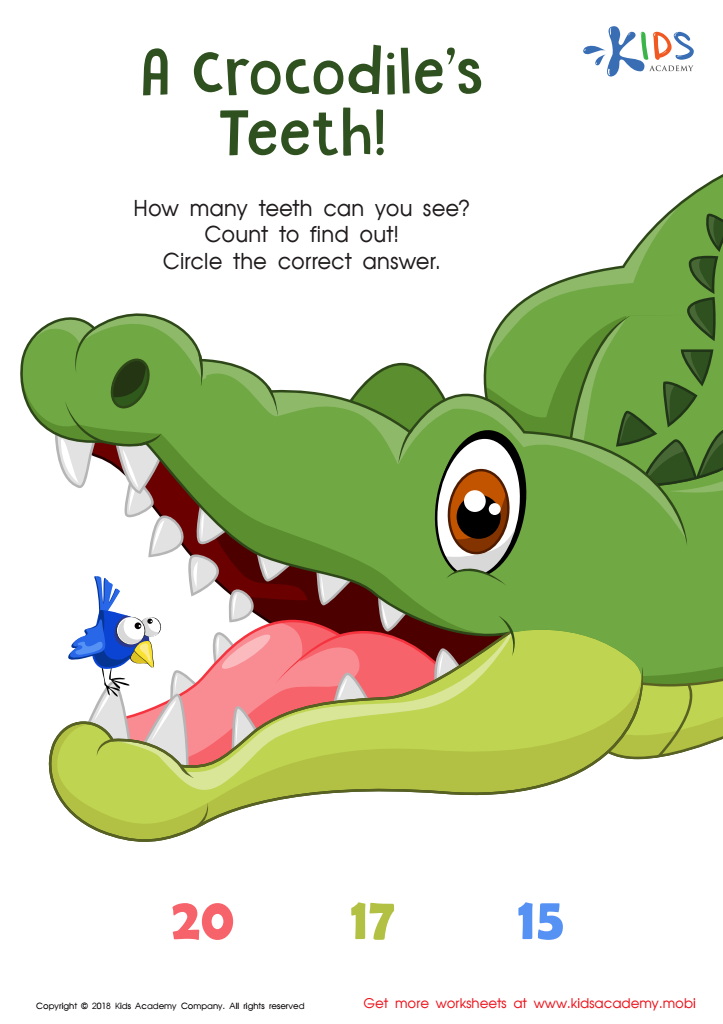
A Crocodile's Teeth Worksheet
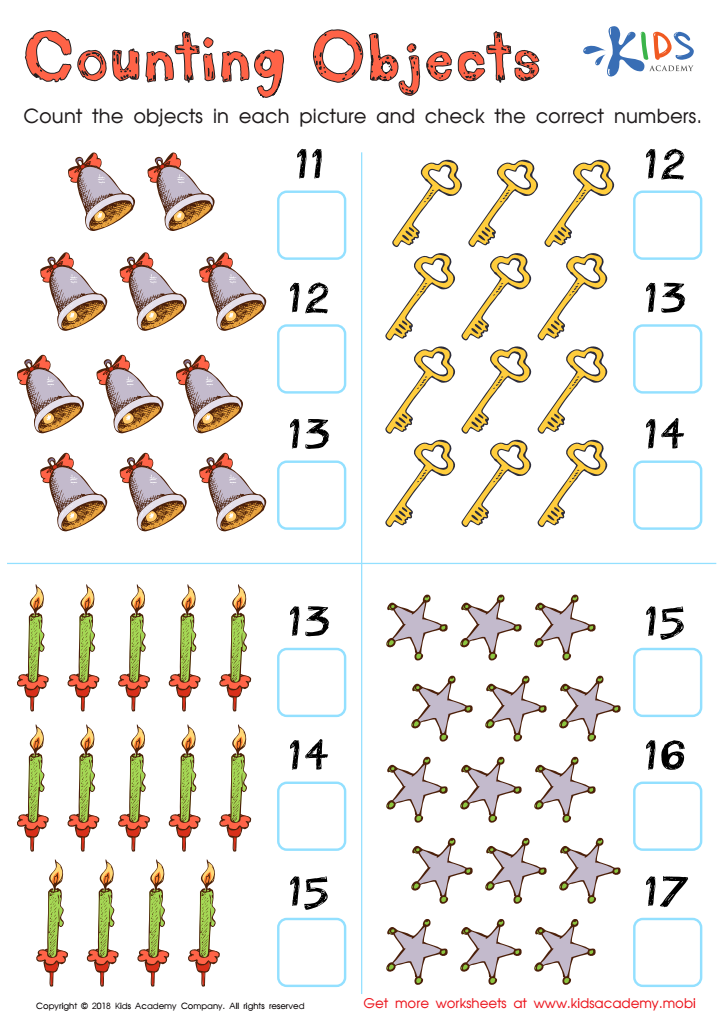
Counting Numbers Worksheet For Kindergarten
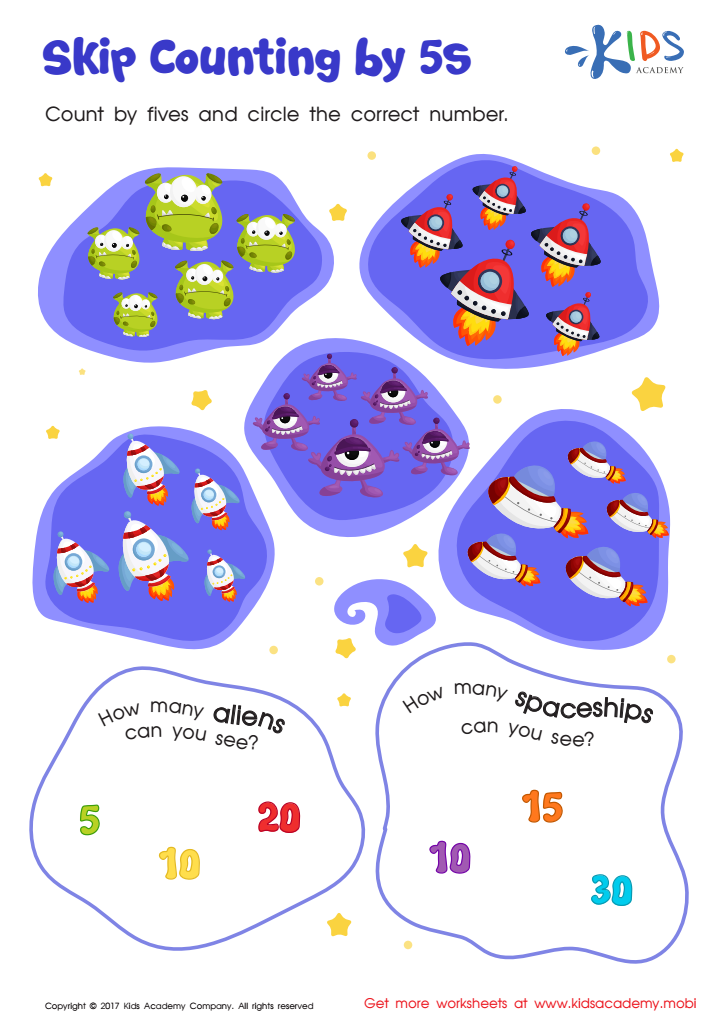
Skip Counting by 5s: Aliens and Spaceships Printable
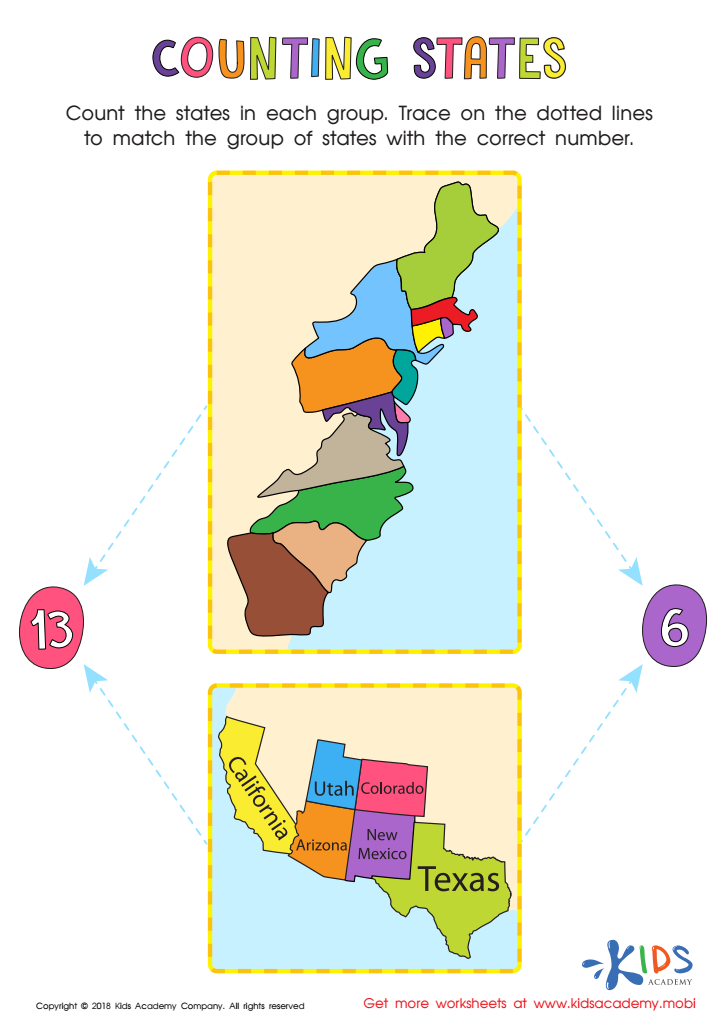
Counting States Worksheet
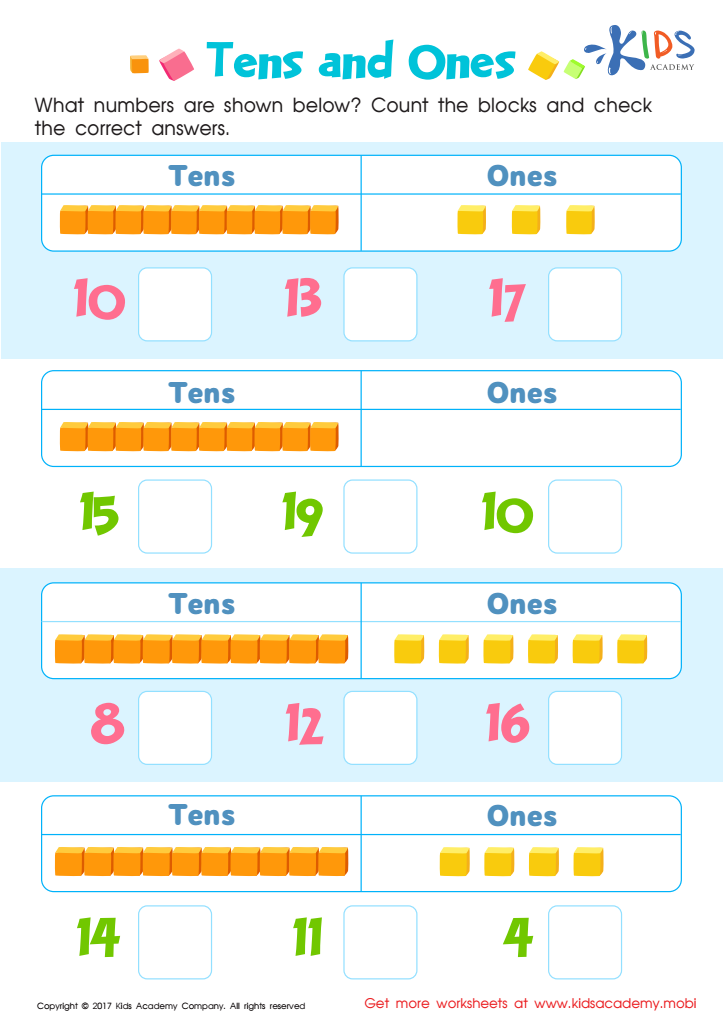
Tens and Ones Worksheet
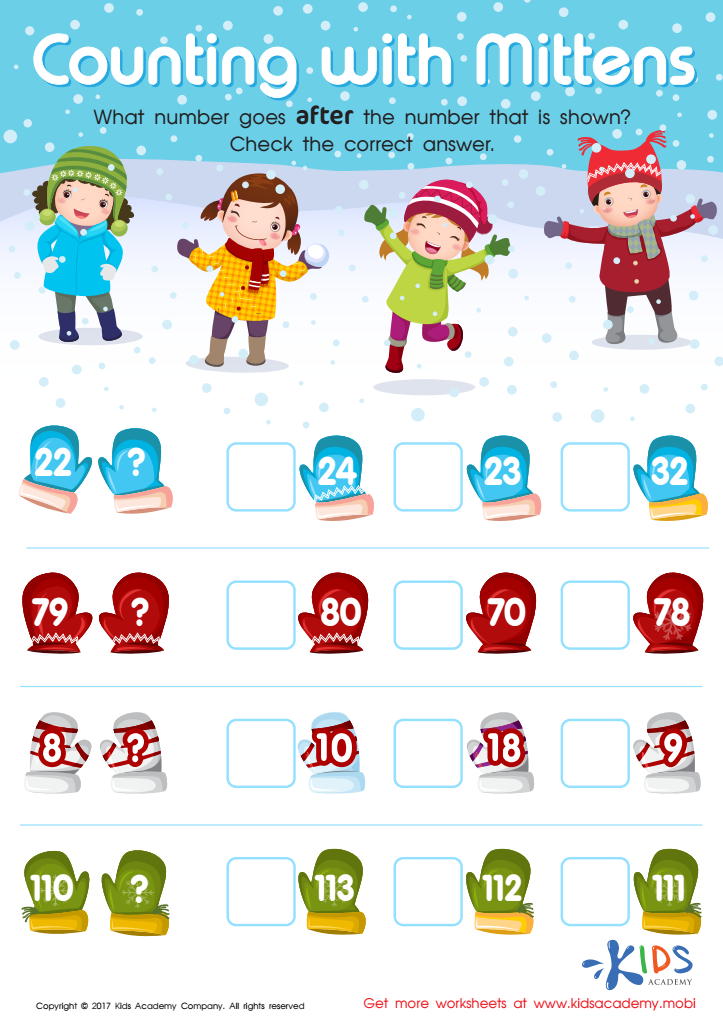
Counting with Mittens Worksheet
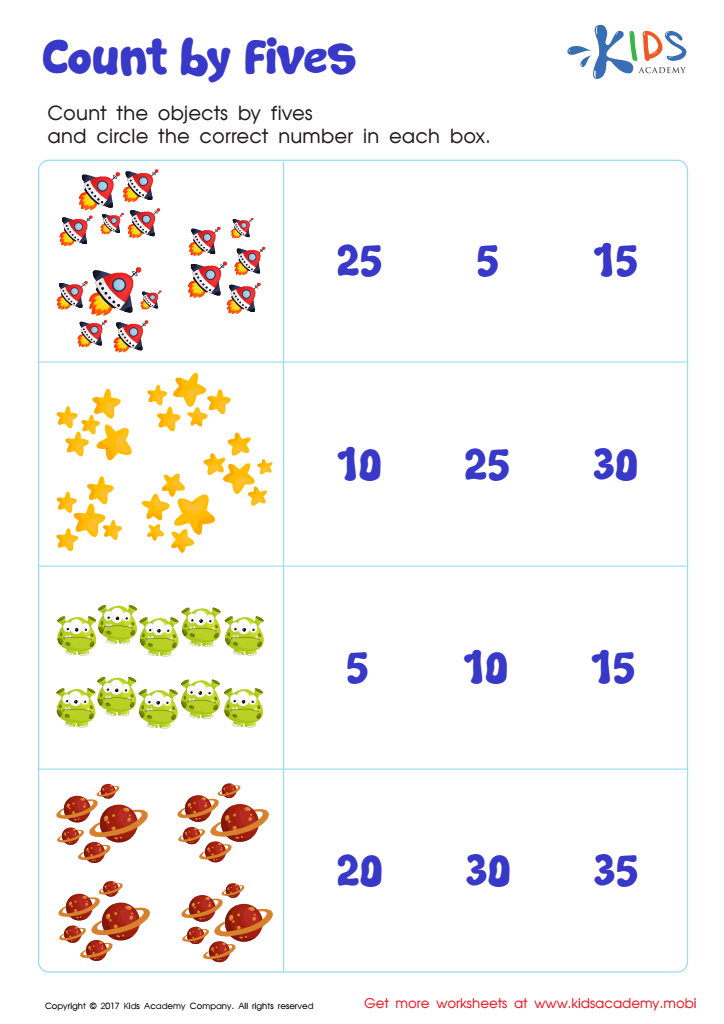
Skip Counting by 5s: Space Math Printable
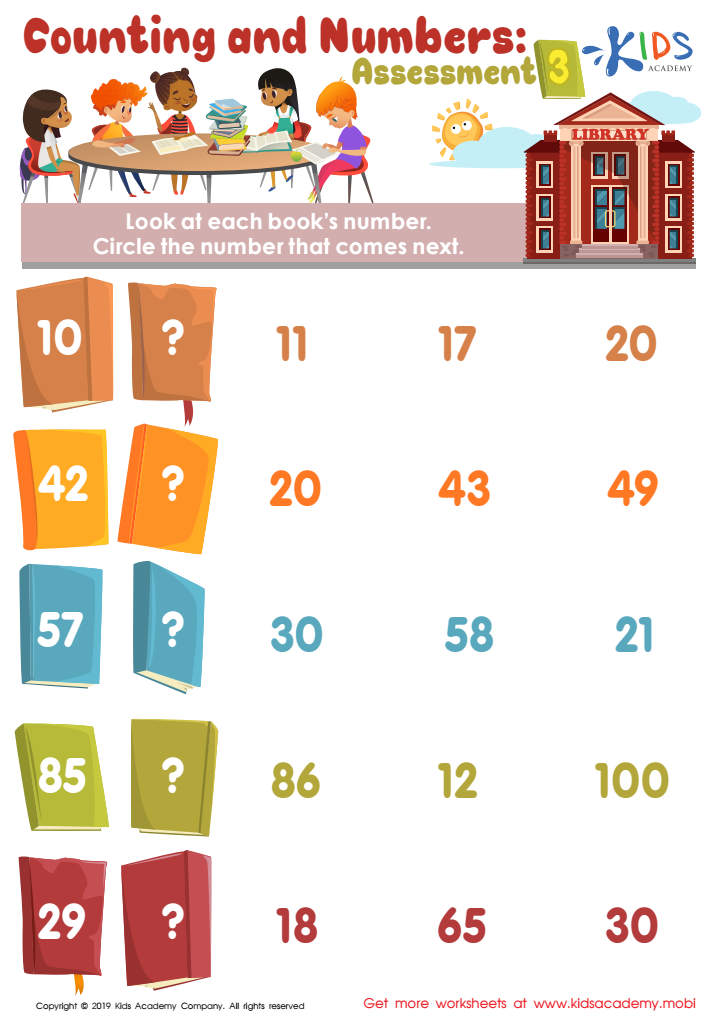
Counting and Numbers: Assessment Worksheet
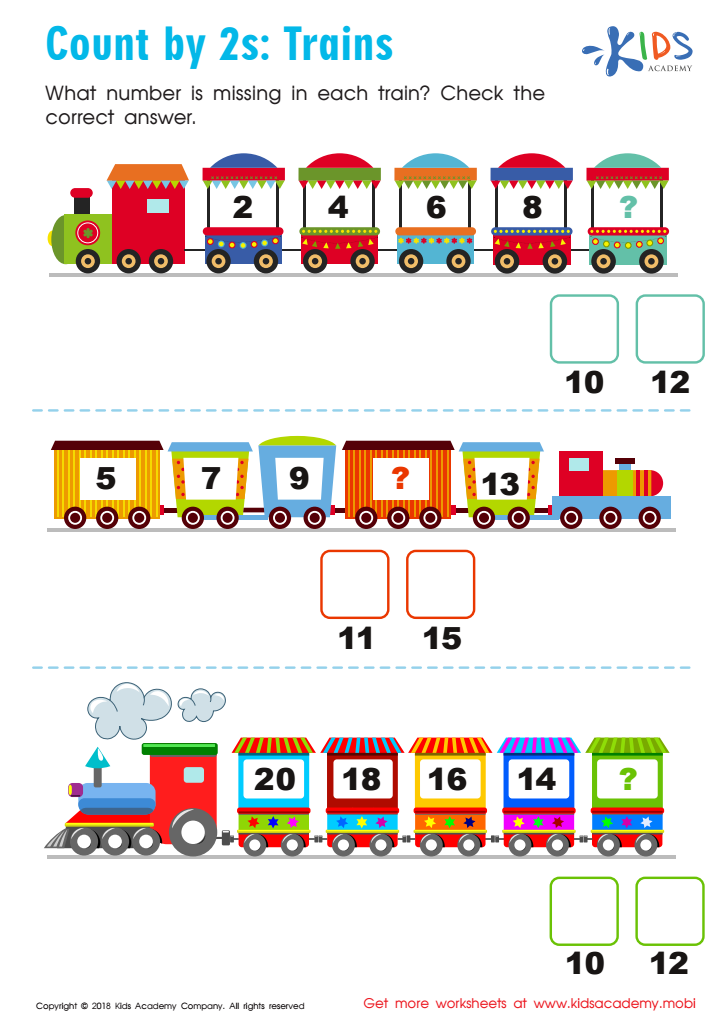
Count by 2's: Trains Worksheet
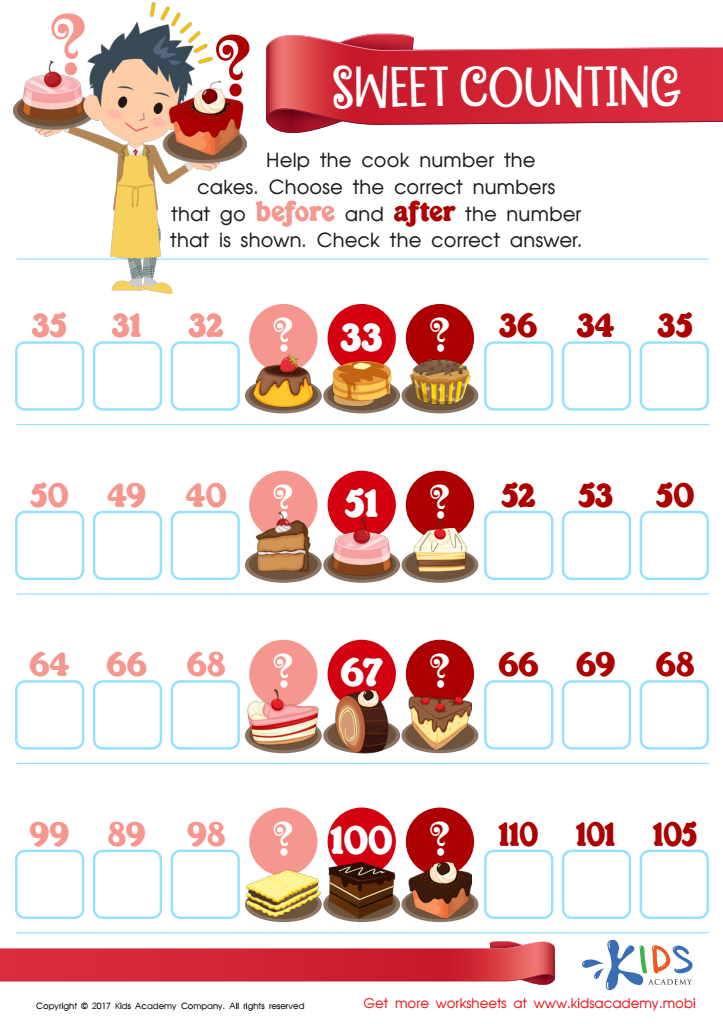
Sweet Counting - Part 1 Worksheet
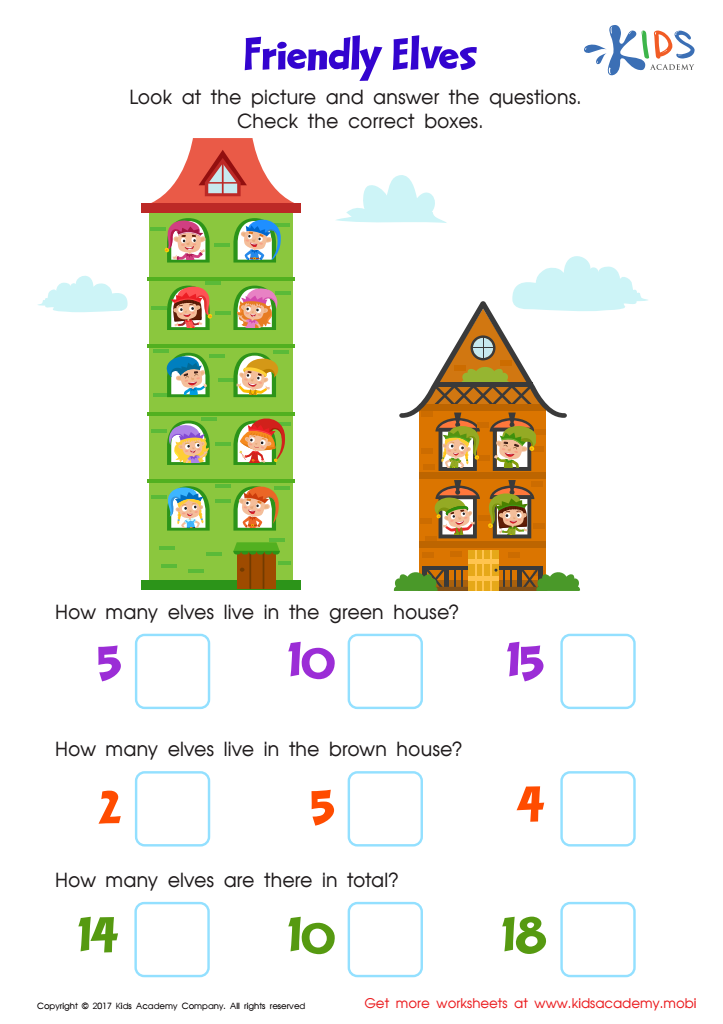
Place Value: Friendly Elves Worksheet
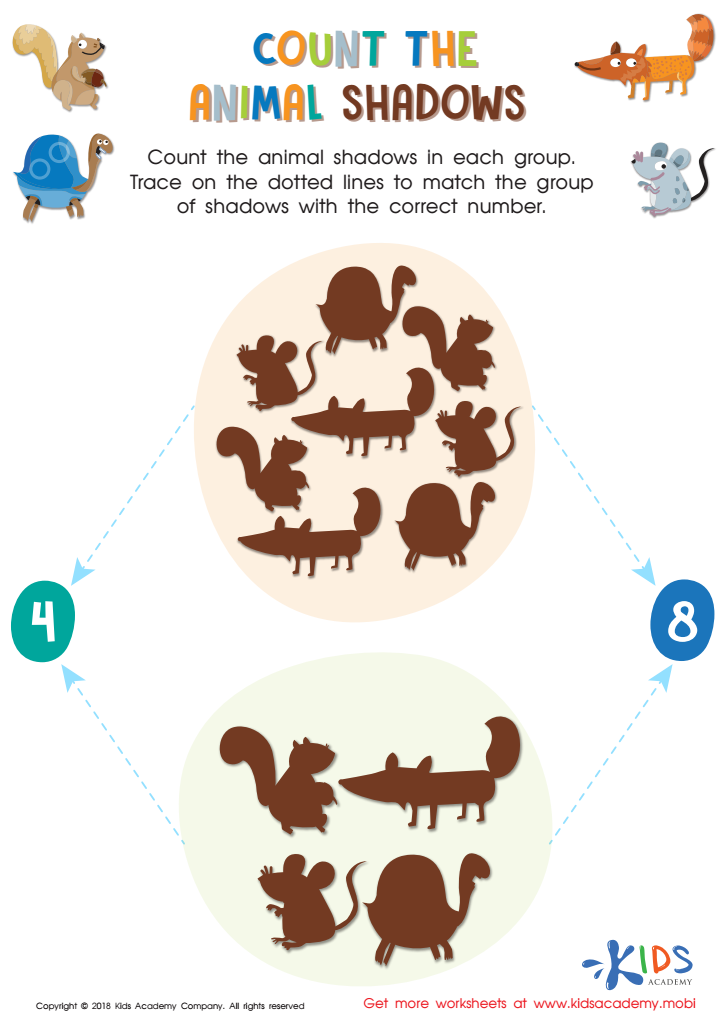
Count the Animal Shadows Worksheet
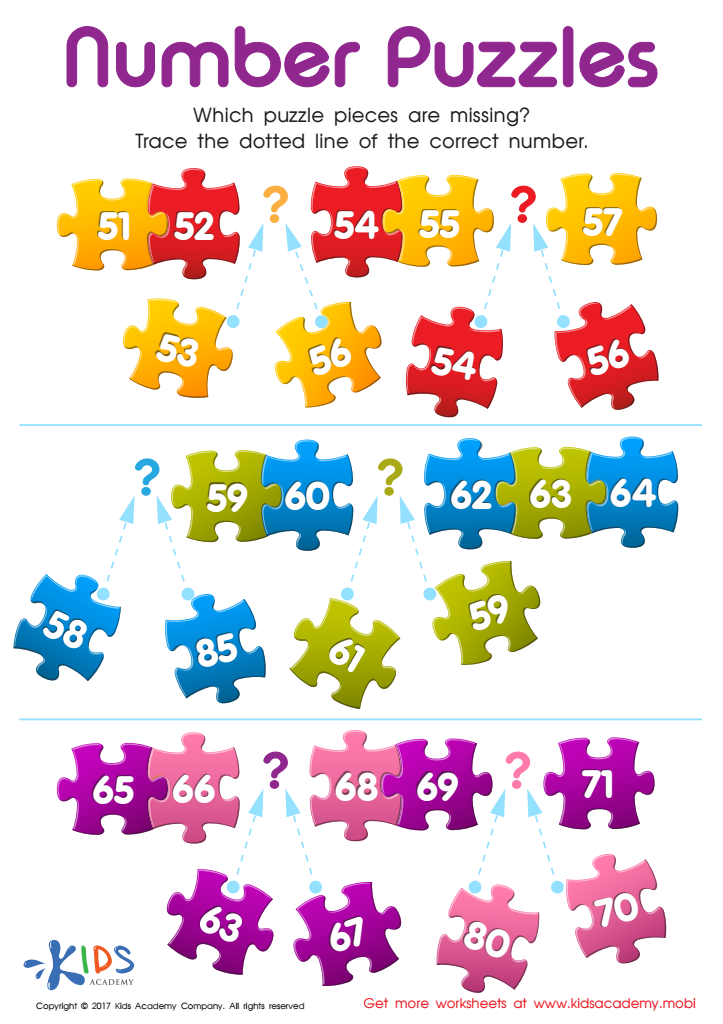
Number Puzzles Worksheet
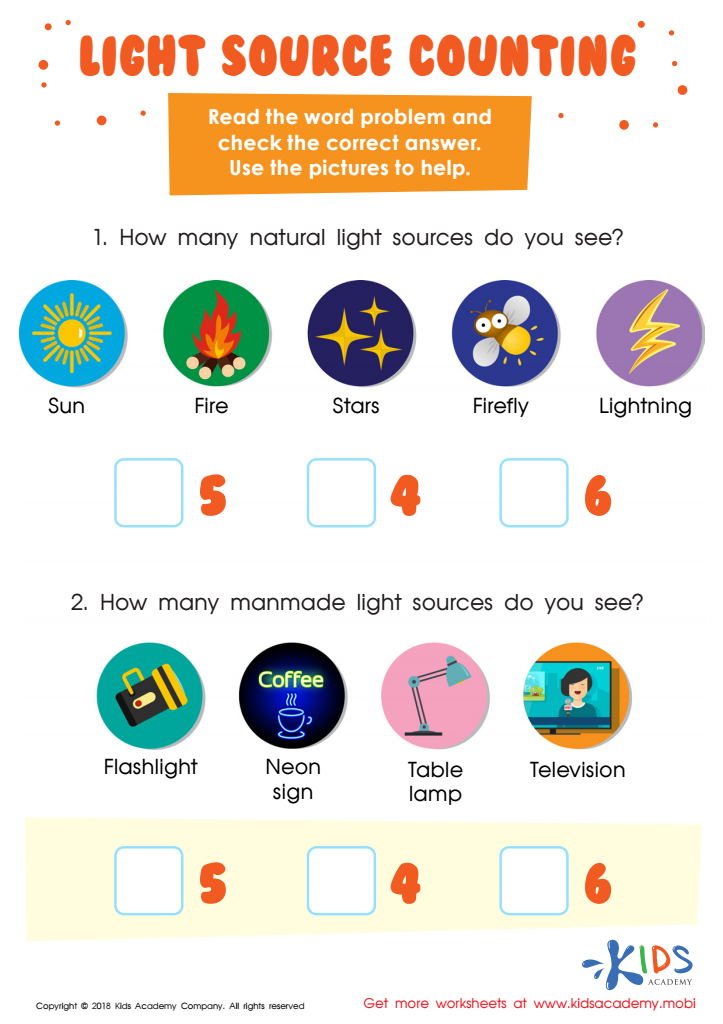
Light Source Counting Worksheet
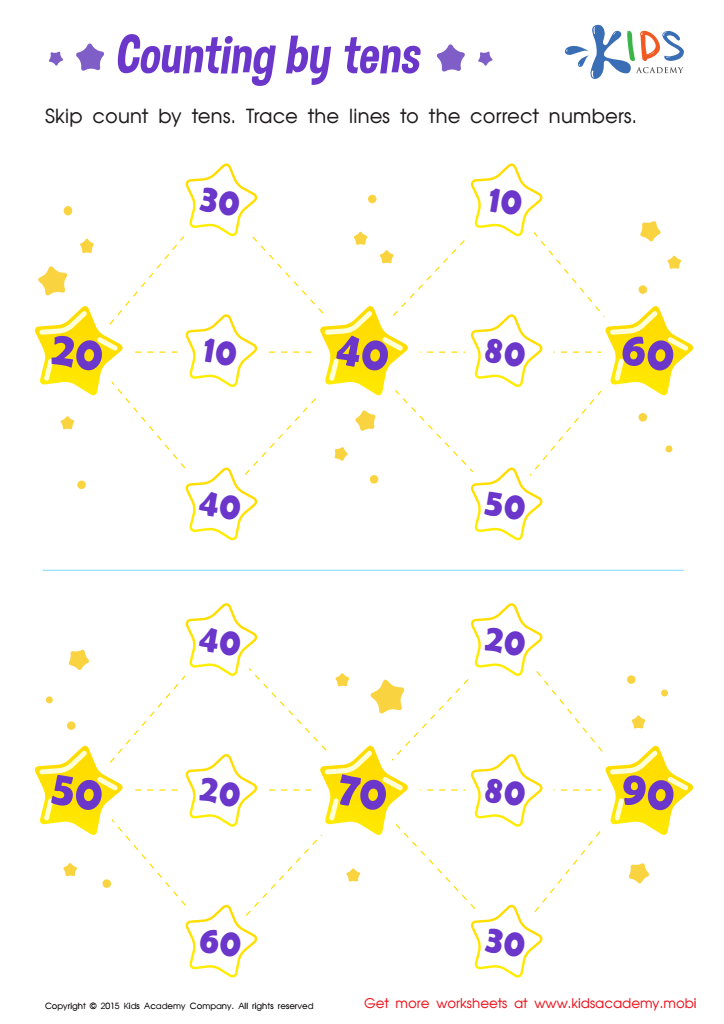
Learn Dozens: Counting by Tens Printable
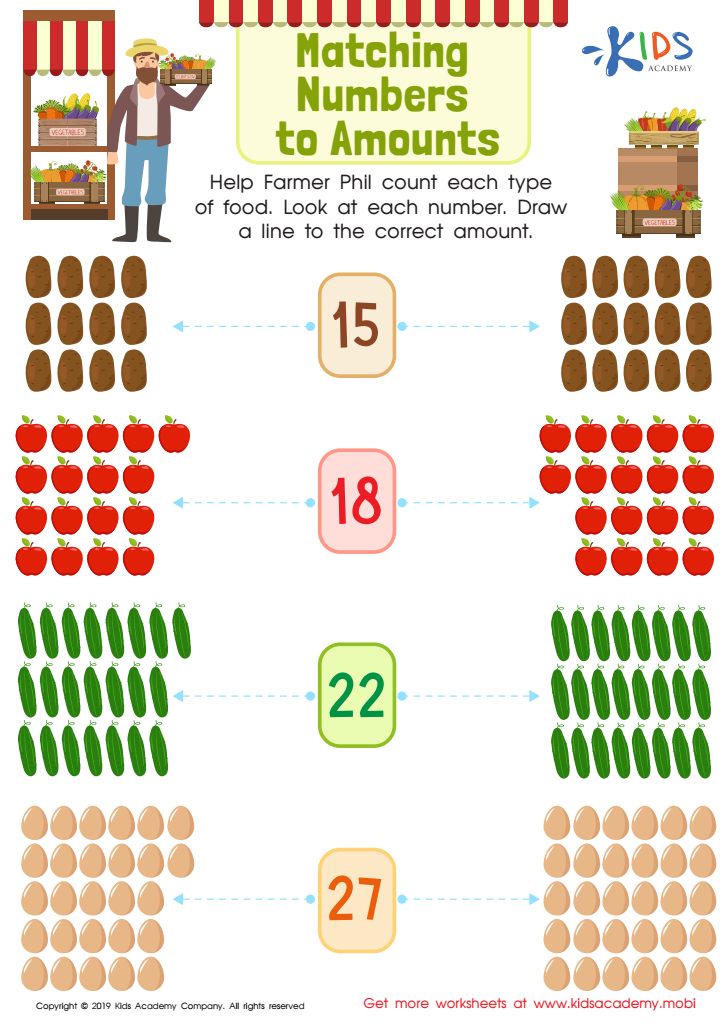
Matching Numbers to Amounts Worksheet


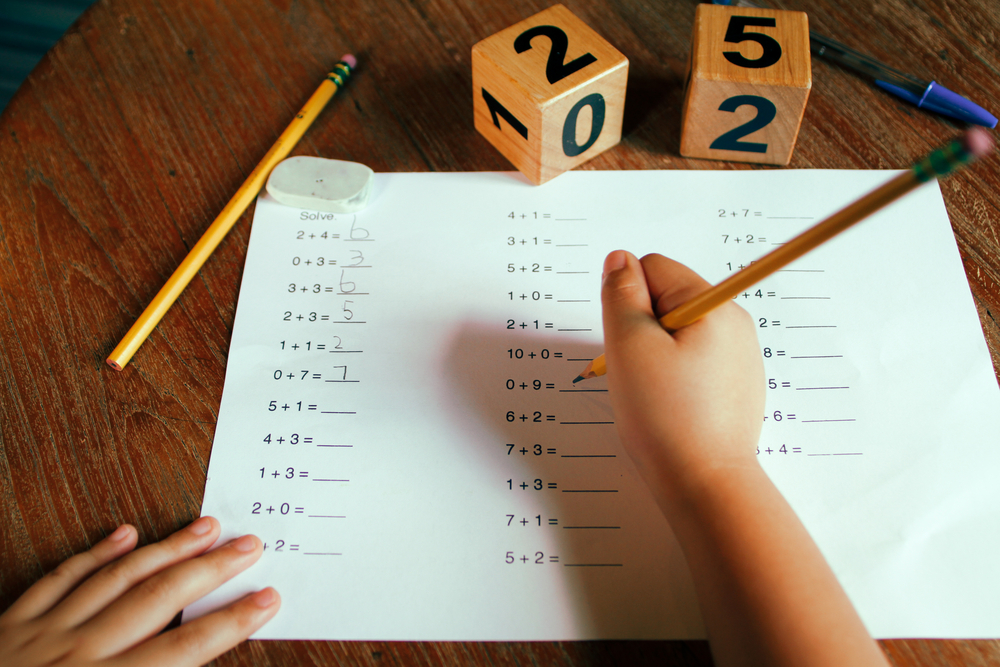





Understanding normal numbers up to 100 is essential for children ages 5-7 as it lays a strong foundation for their mathematical development. Normal numbers, typically referring to whole numbers within this range, help children gain a sense of number recognition, counting, and basic arithmetic operations. Mastering these core concepts boosts their confidence in math, which is crucial for their overall academic success.
Parents and teachers should care about this foundational knowledge because it encourages critical thinking and problem-solving skills. When children learn to recognize and manipulate numbers, they begin to make connections between quantities, enhancing their reasoning abilities. For instance, recognizing patterns in numbers or understanding simple addition and subtraction builds their cognitive skills and lays the groundwork for more complex mathematical concepts later.
Moreover, establishing a solid number sense in these early years positively impacts a child’s ability to handle everyday situations, like measuring, shopping, or sharing. The skills garnered through engaging with normal numbers empower children to become independent thinkers, and encourage a positive attitude towards math, ideal for lifelong learning. Thus, focusing on normal numbers is not merely about math; it fosters overall cognitive and emotional development in young learners.