Normal Word Problems Worksheets for Ages 5-7 - Page 2
41 filtered results
-
From - To
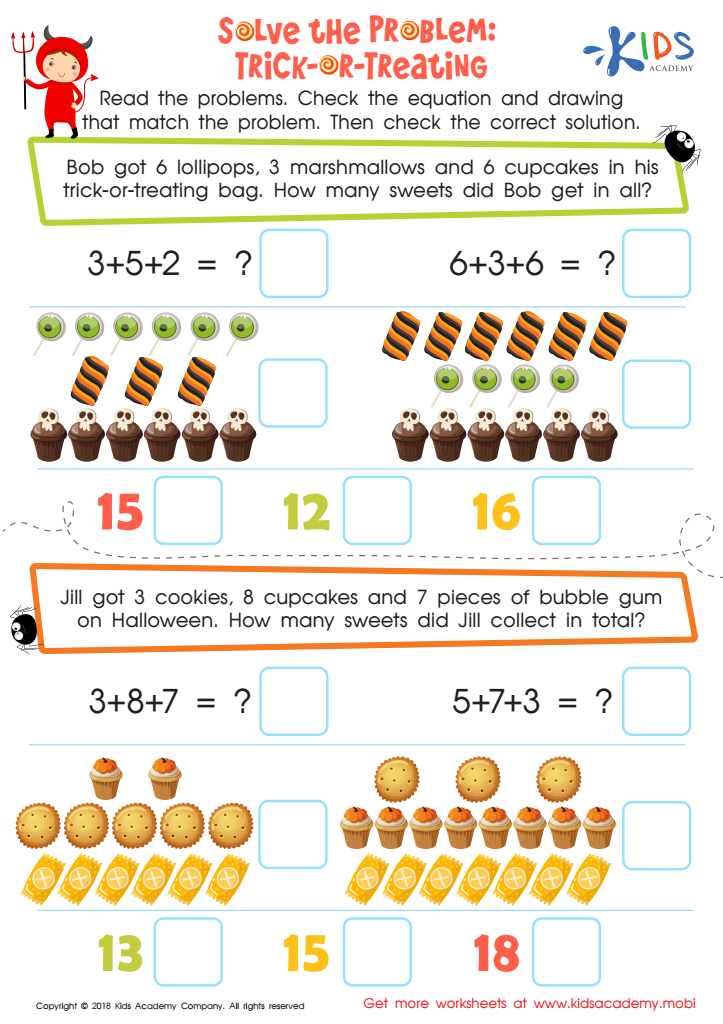
Solve the Problem: Trick–or–treating Worksheet
 Assign to My Students
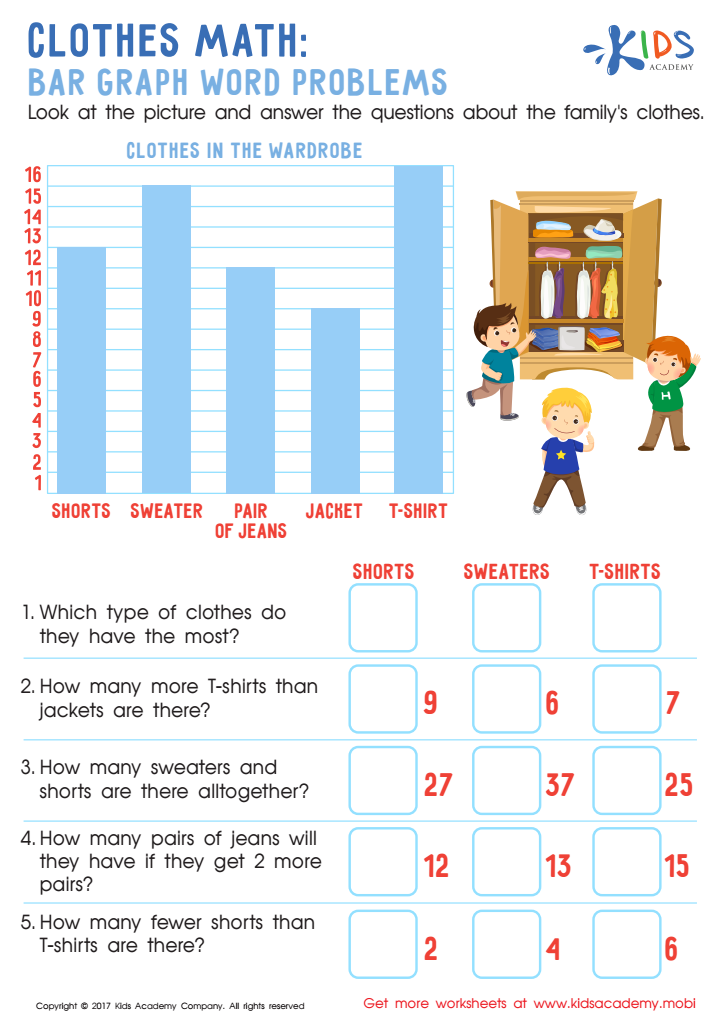
Clothes Math: Bar Graph Word Problems Worksheet
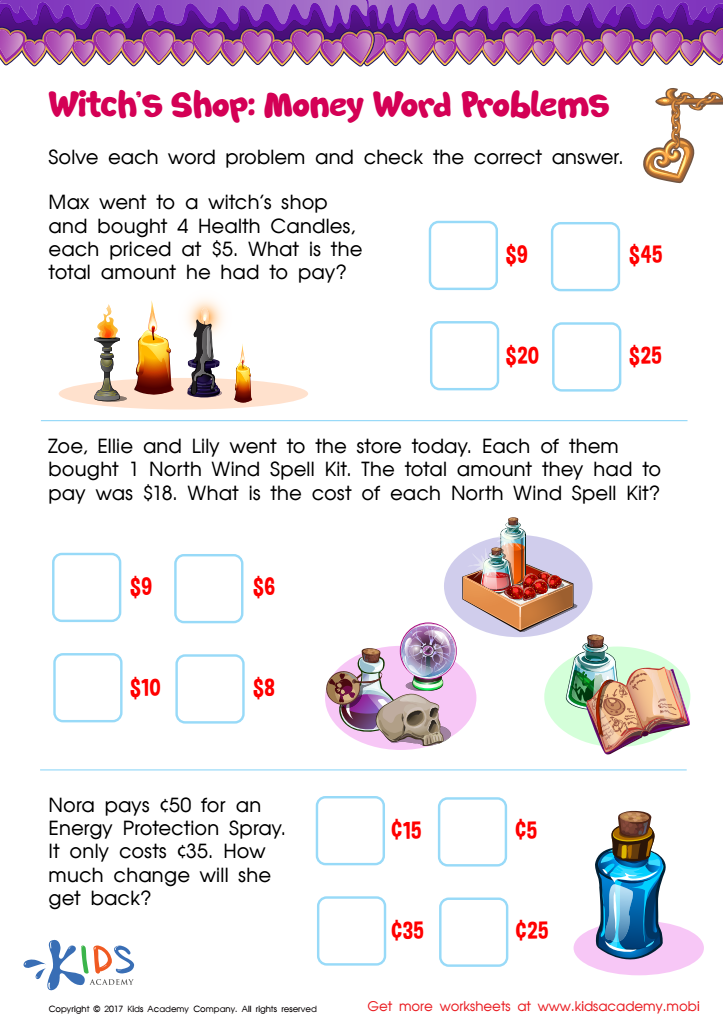
Money Word Problems Printable
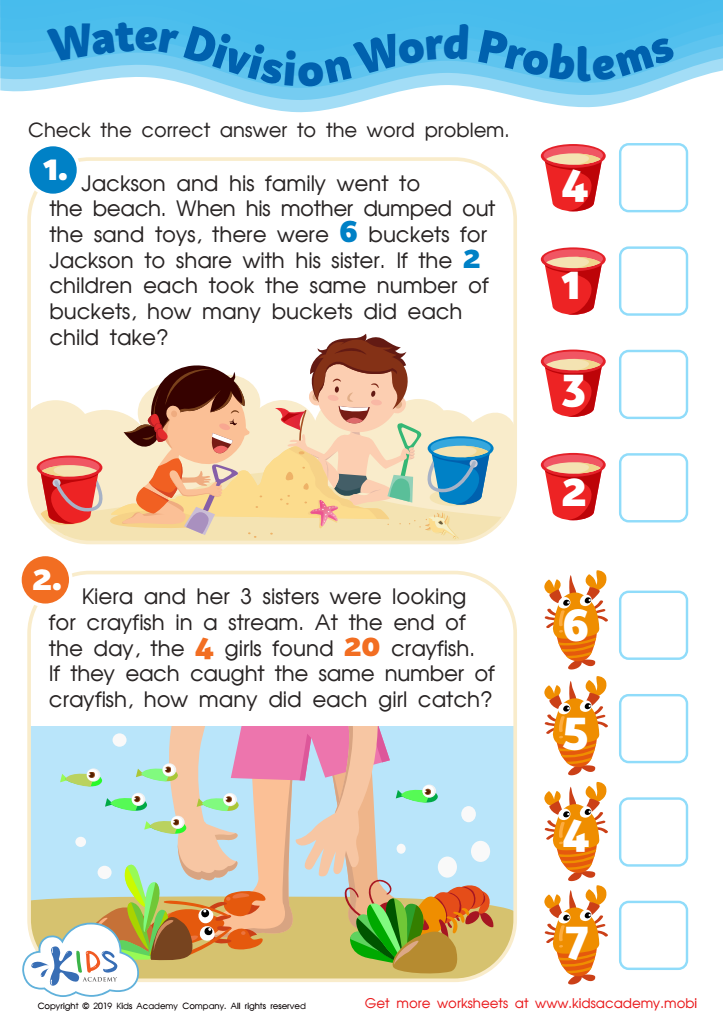
Water Division Word Problems Worksheet
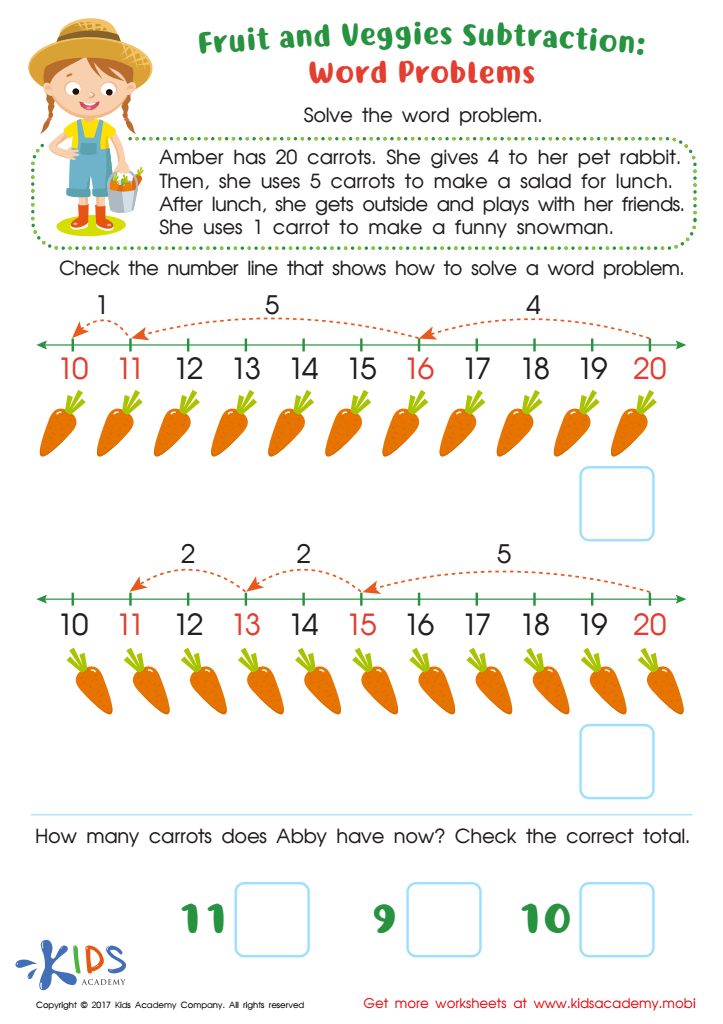
Subtraction Word Problems Printable
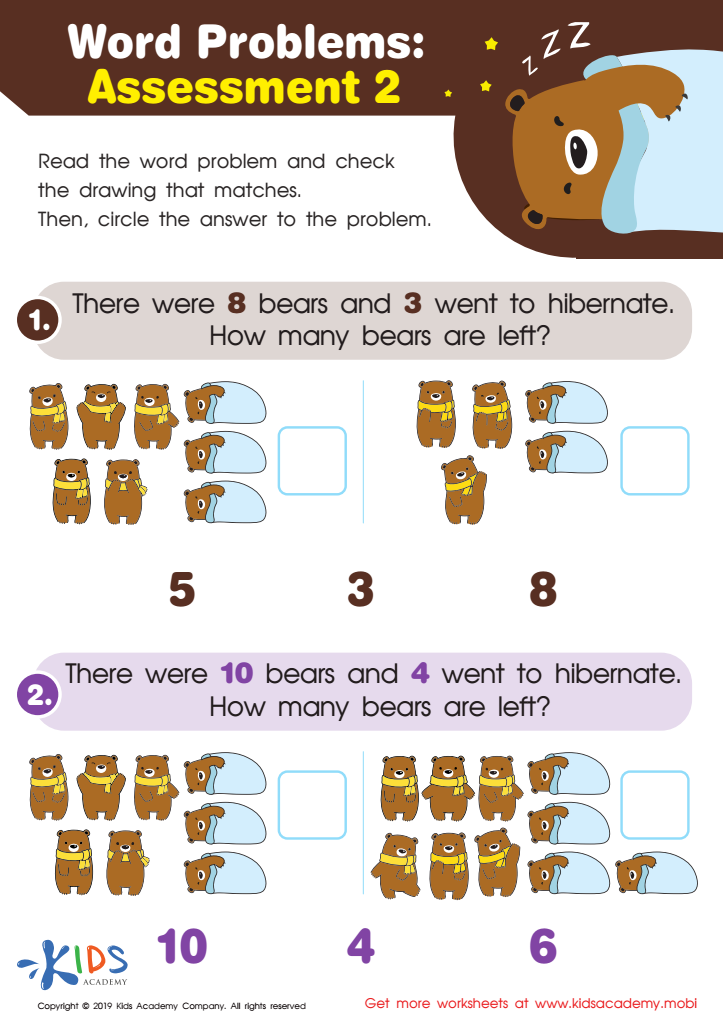
Word Problems: Assessment 2 Worksheet
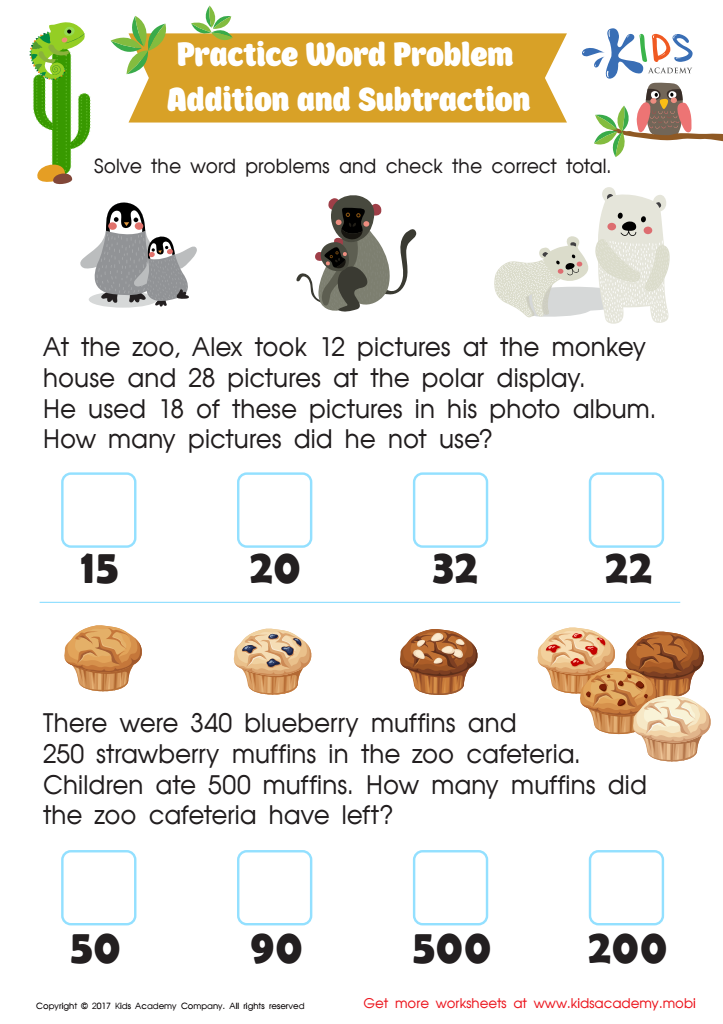
Addition and Subtraction: Word Problems Worksheet
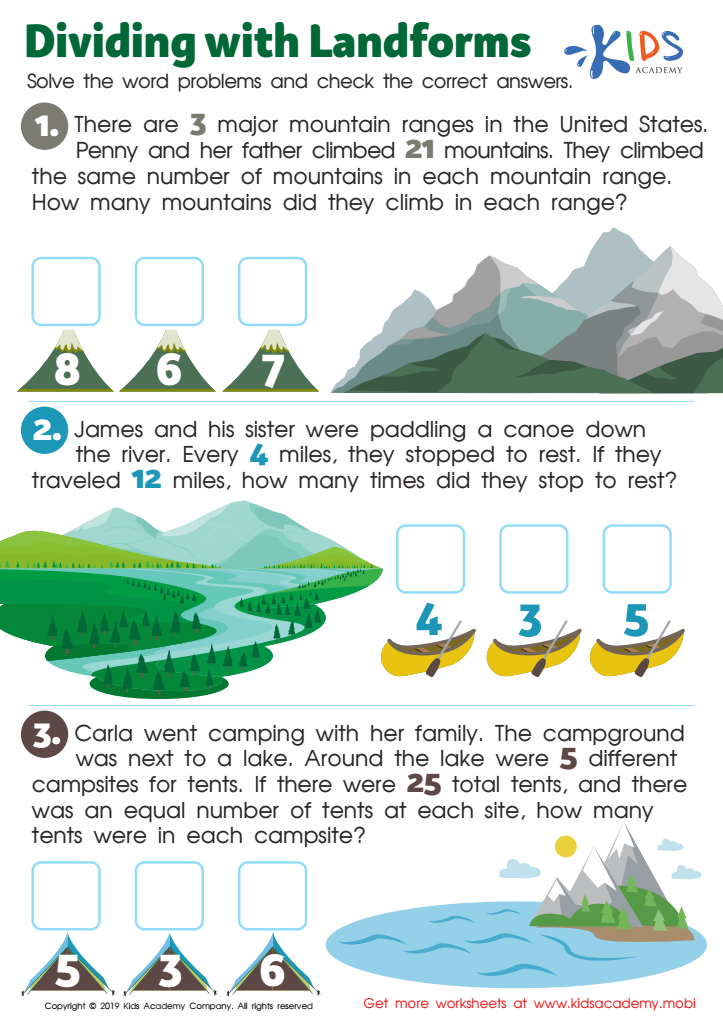
Dividing with Landforms
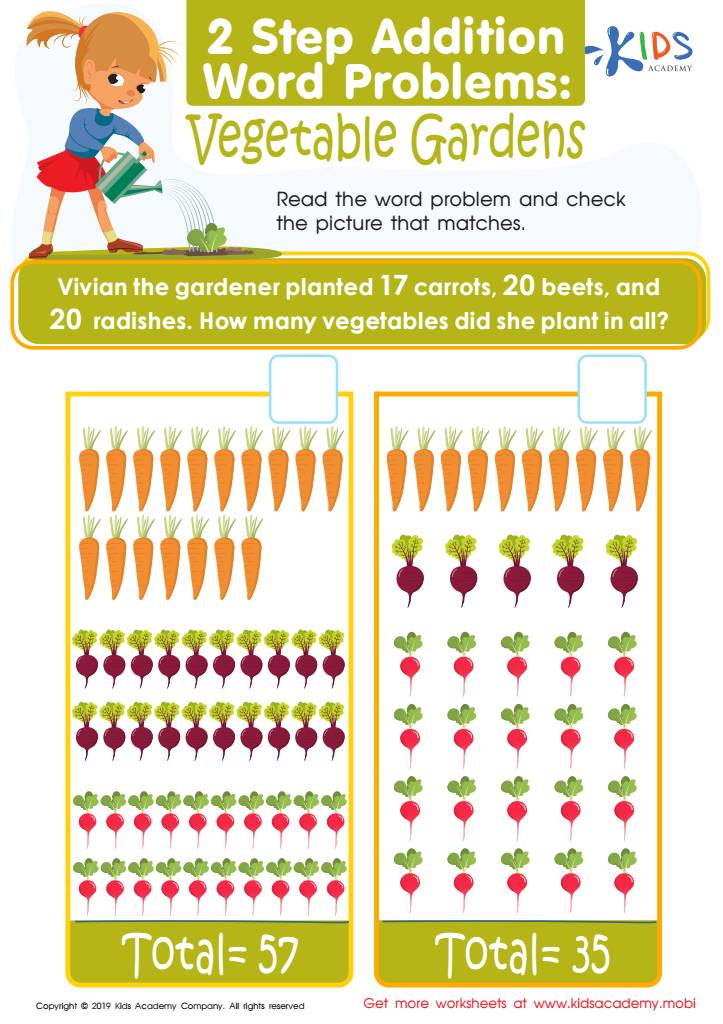
Vegetable Gardens Worksheet
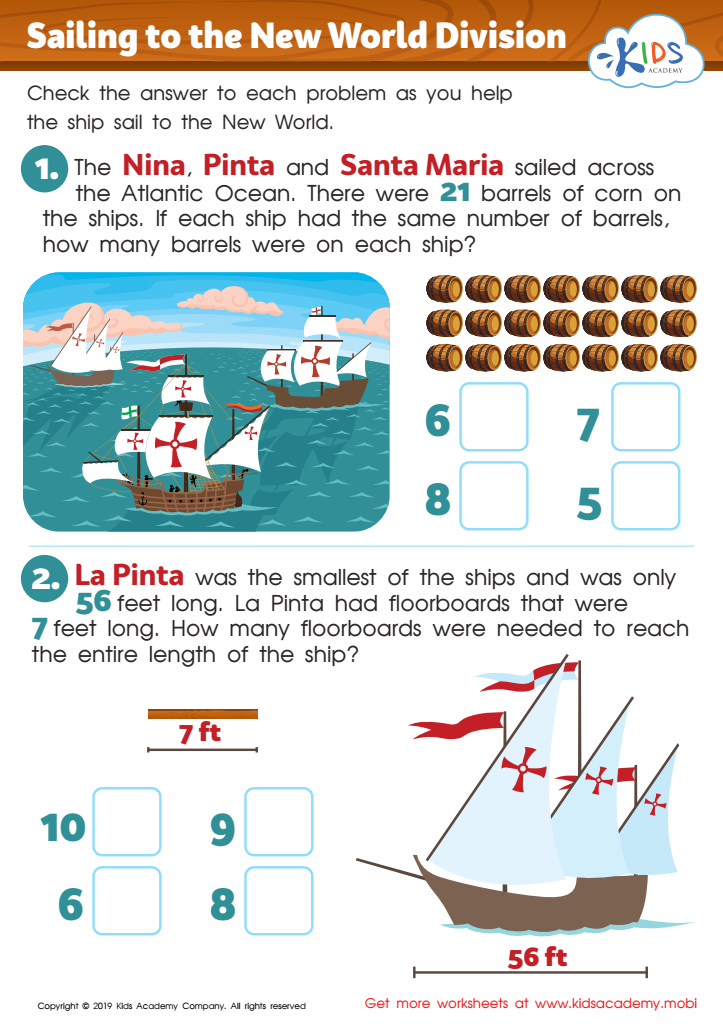
Sailing to the New World Division Worksheet
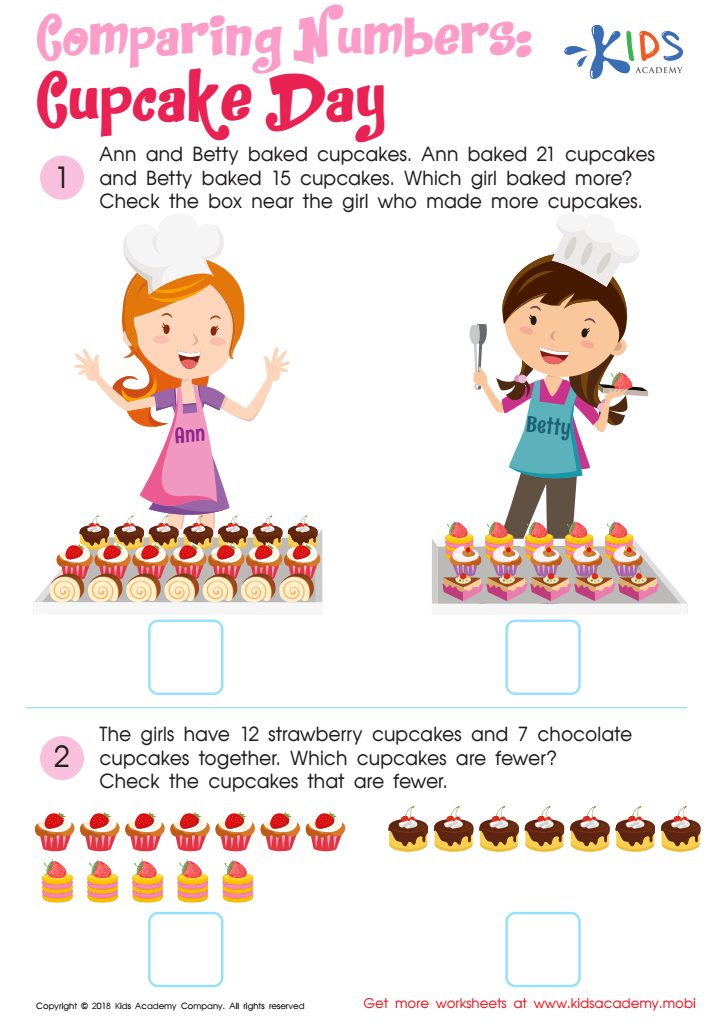
Cupcake Day Worksheet
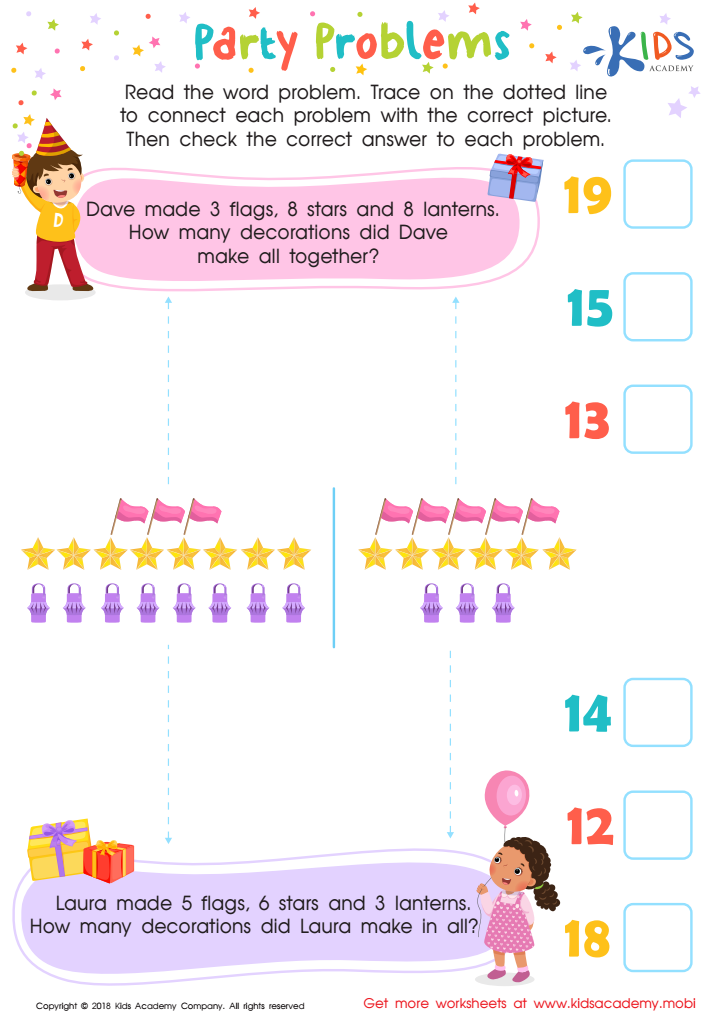
Party Problems Worksheet
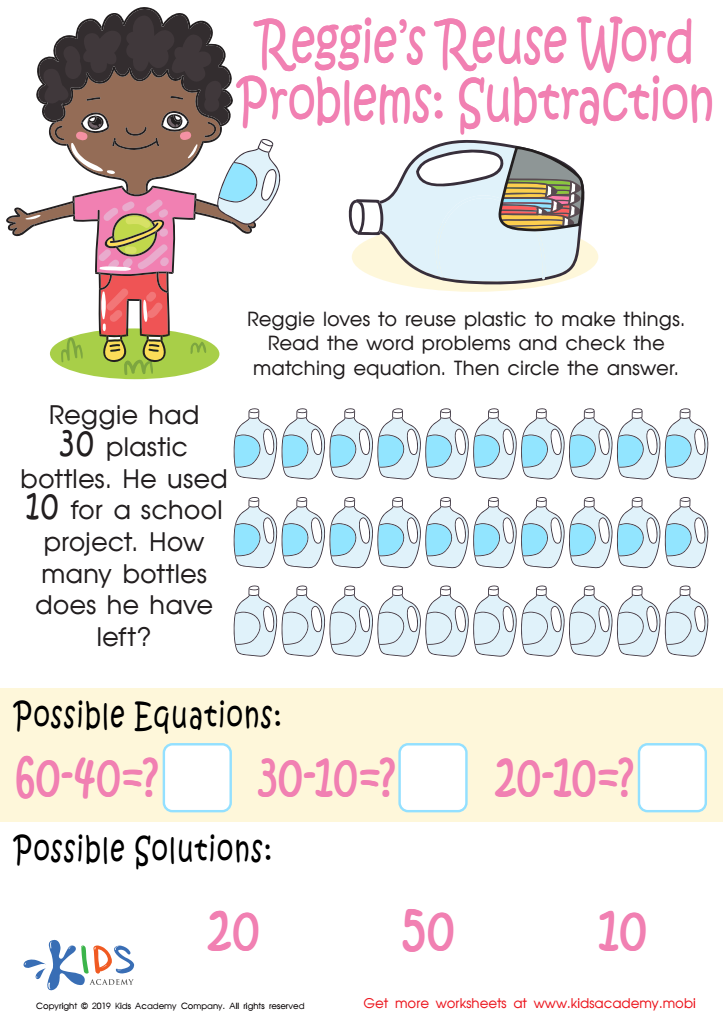
Reggie's Reuse Word Problems: Subtraction Worksheet
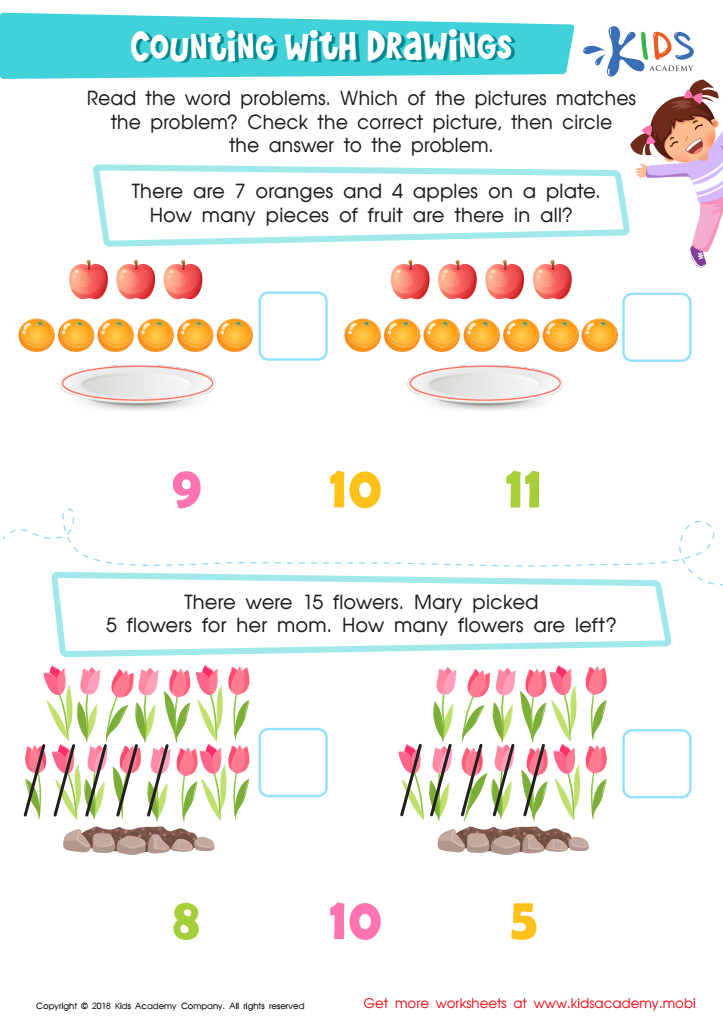
Counting with Drawings:Fruits & Flowers Worksheet
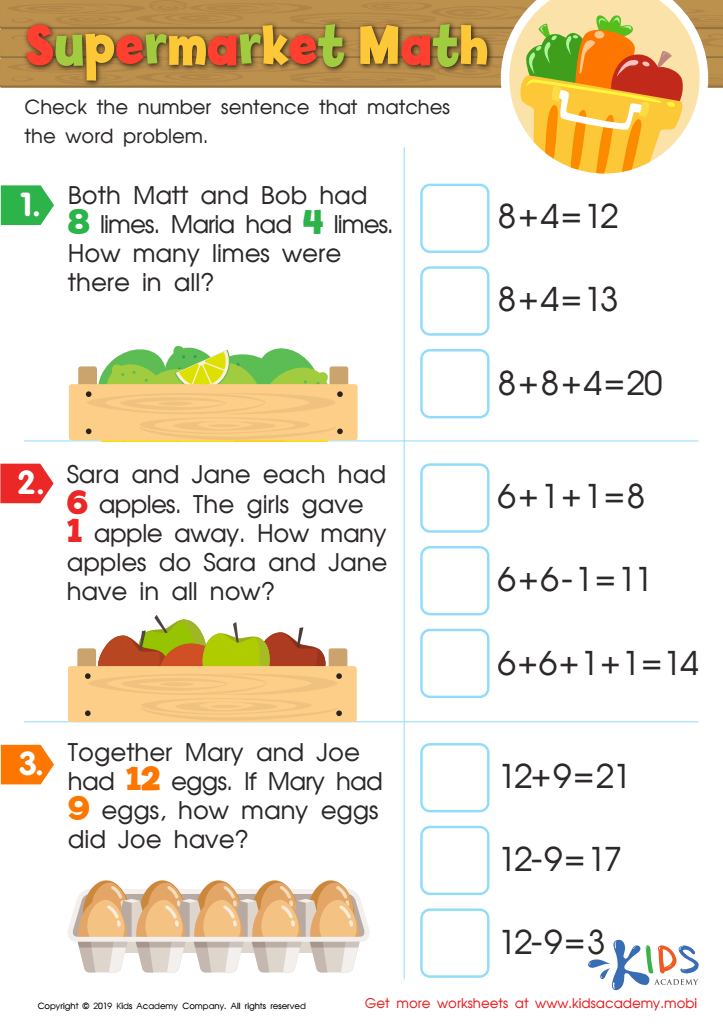
Supermarket Math Worksheet
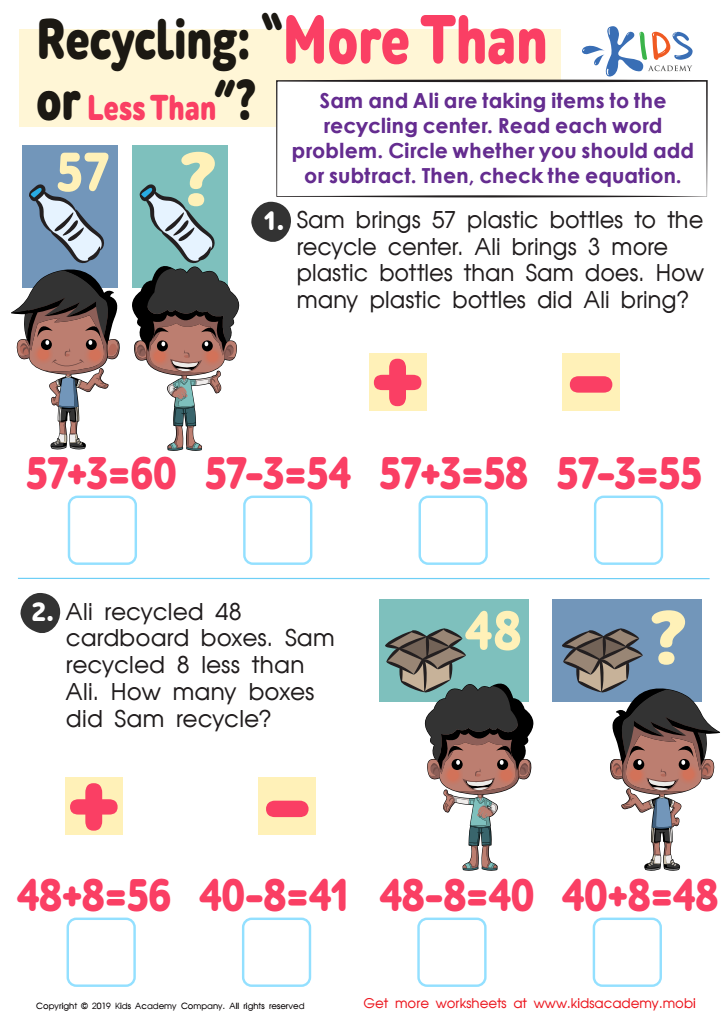
Recycling - More or Less Worksheet
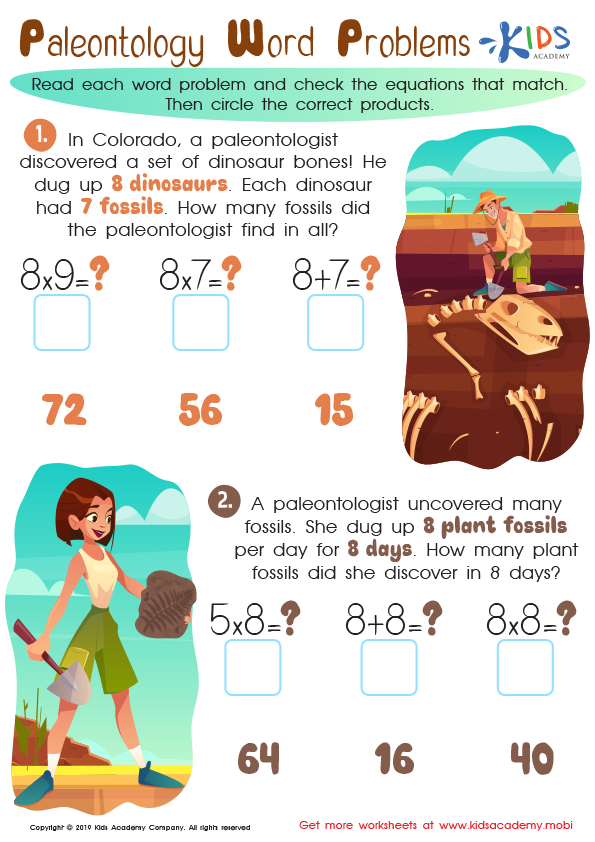
Archeology Word Problems Worksheet







Parents and teachers should care about normal word problems for children aged 5-7 because these problems provide an essential foundation in mathematical thinking and problem-solving skills. At this crucial developmental stage, young children are building their cognitive abilities, and engaging with word problems helps foster critical thinking, comprehension, and the application of math in real-world contexts. By integrating narrative and numerical elements, word problems offer a more meaningful and relatable way for children to see the relevance of math in daily life.
Normal word problems engage multiple learning modalities – visual, auditory, and kinesthetic – thus catering to various learning styles. This multifaceted approach aids in better understanding and retention of basic math concepts such as addition, subtraction, counting, and number sense. Moreover, these problems encourage verbal skills as children have to read and comprehend the problem, further enhancing language development.
Furthermore, successfully solving word problems boosts a child's confidence and develops a positive attitude towards mathematics. It builds perseverance and critical thinking as students learn to break down problems into manageable steps. For educators and parents, observing how children approach these problems can offer valuable insights into their thought processes and pinpoint areas that may need more focused attention, thereby enabling personalized and effective teaching strategies.








