Normal Tracing Words Worksheets for Ages 5-7
34 filtered results
-
From - To
Unlock the world of writing for young learners aged 5-7 with our engaging Normal Tracing Words Worksheets! Carefully designed to develop fine motor skills and handwriting proficiency, these printable worksheets offer a fun and interactive way for kids to trace and write common vocabulary. Filled with colorful illustrations and easy-to-follow instructions, each activity helps reinforce letter recognition, spelling, and word formation. Ideal for both classroom settings and home practice, these worksheets support beginners in building a solid foundation for reading and writing success. Download now from Kids Academy and watch your child’s confidence grow!
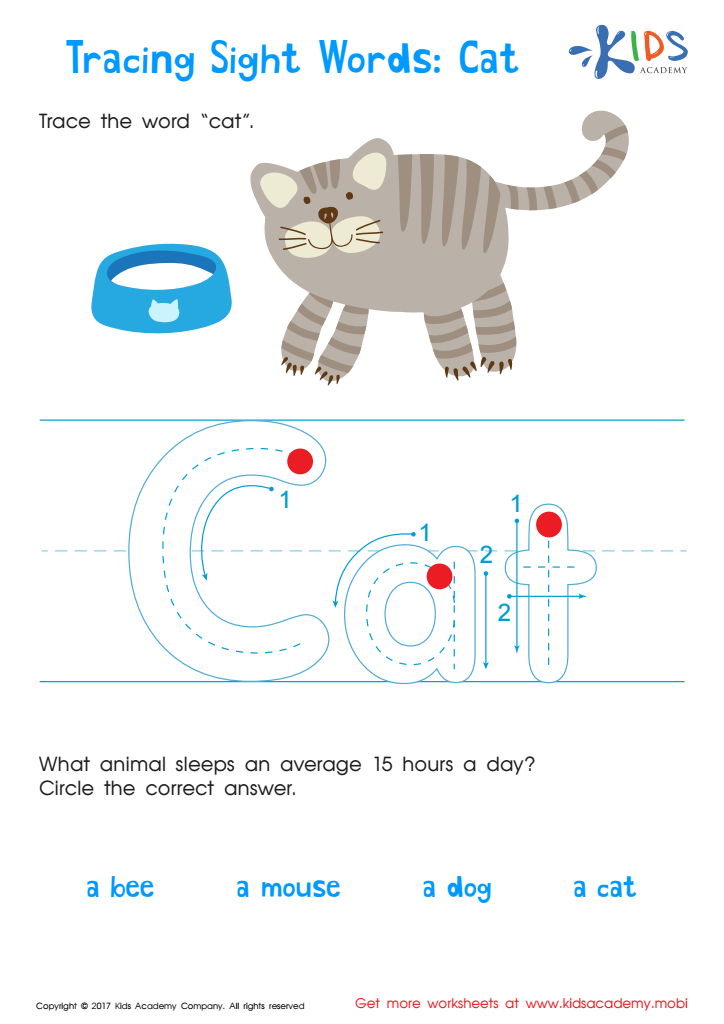
Cat Printable Sight Words Worksheet
 Assign to My Students
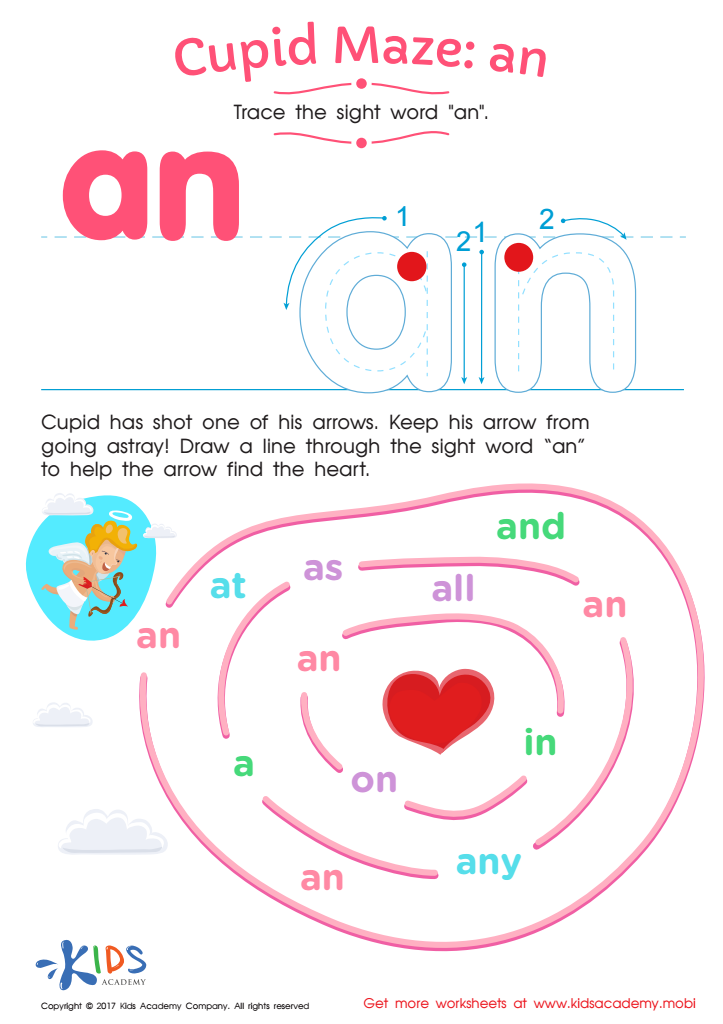
Cupid Maze: An Printable
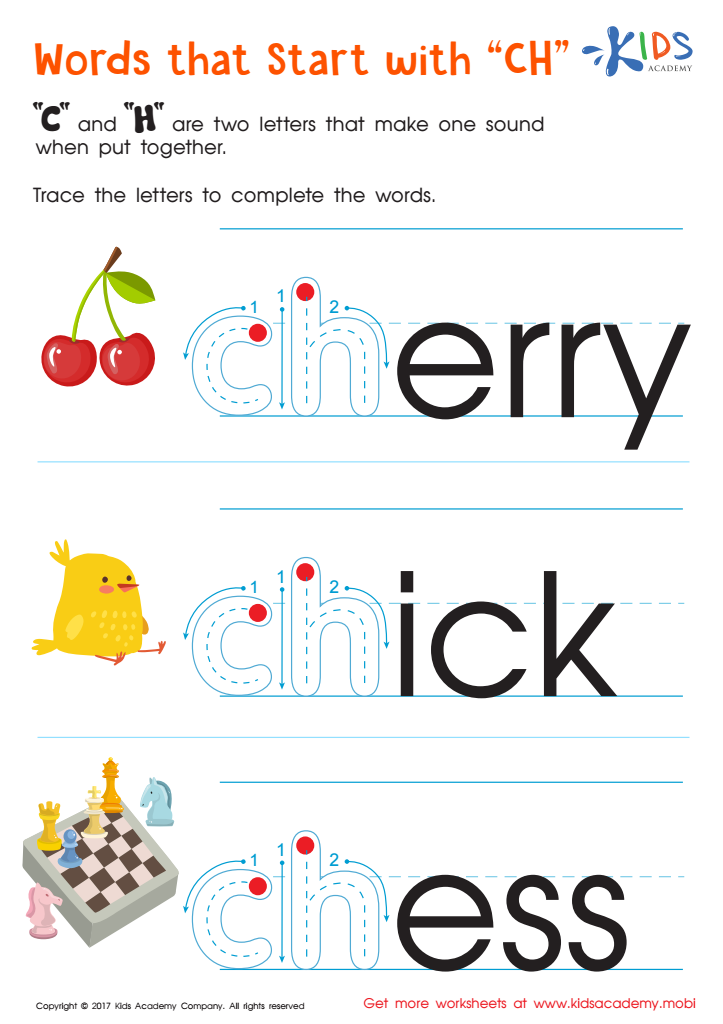
Words That Start with "ch" Spelling Worksheet
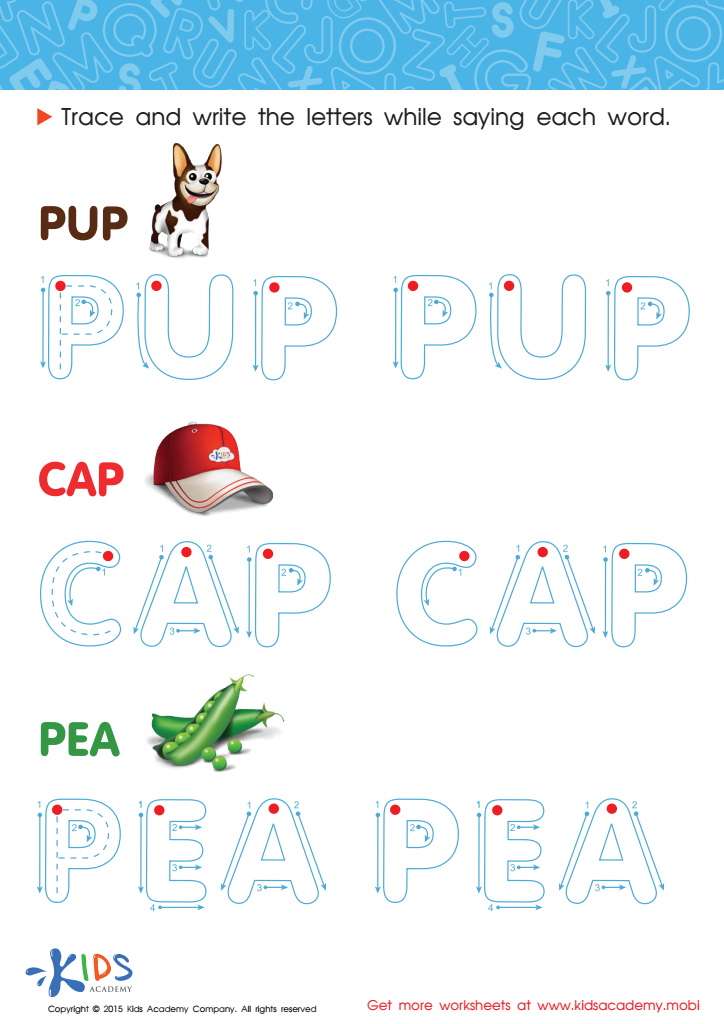
A Pup, a Cap and a Pea Spelling Worksheet
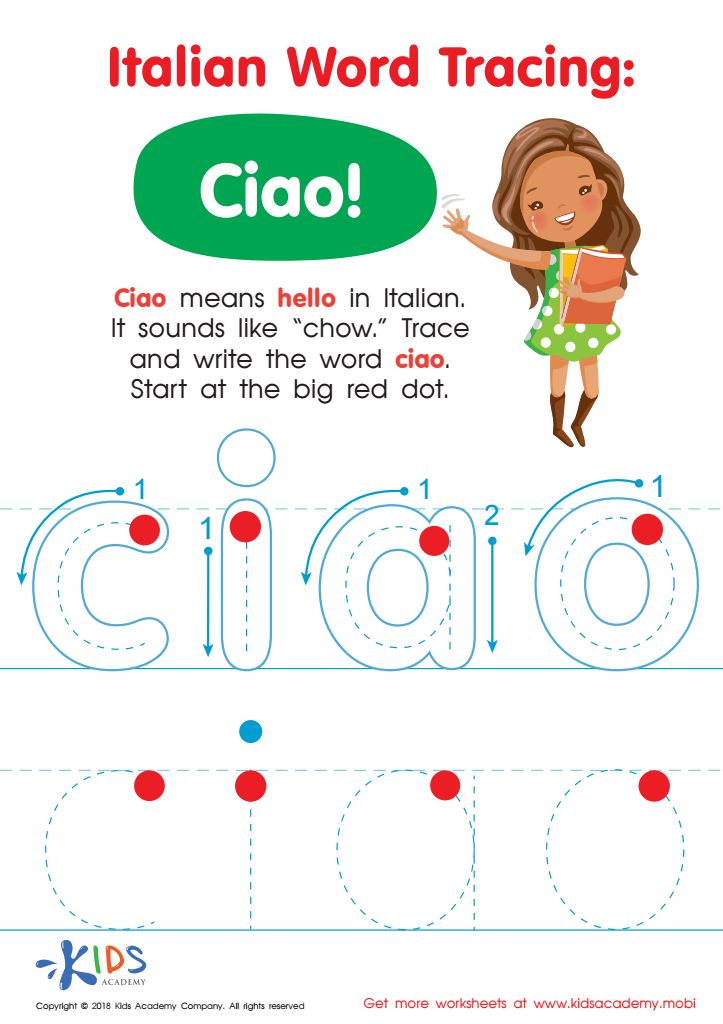
Italian Word Tracing: Ciao Worksheet
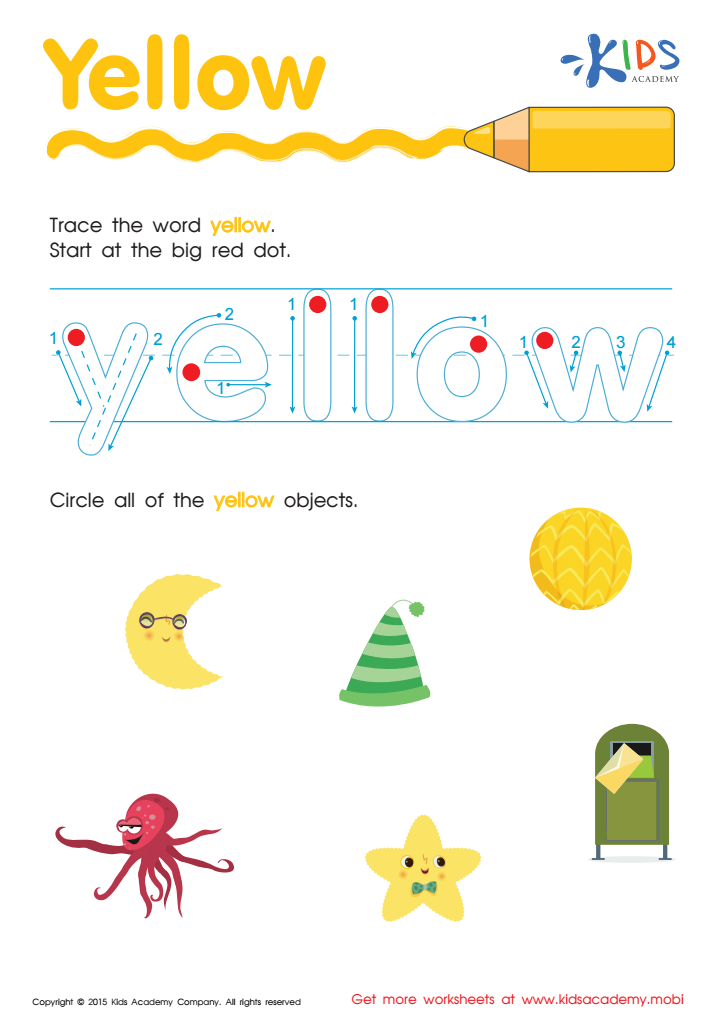
Yellow Tracing Color Words Worksheet
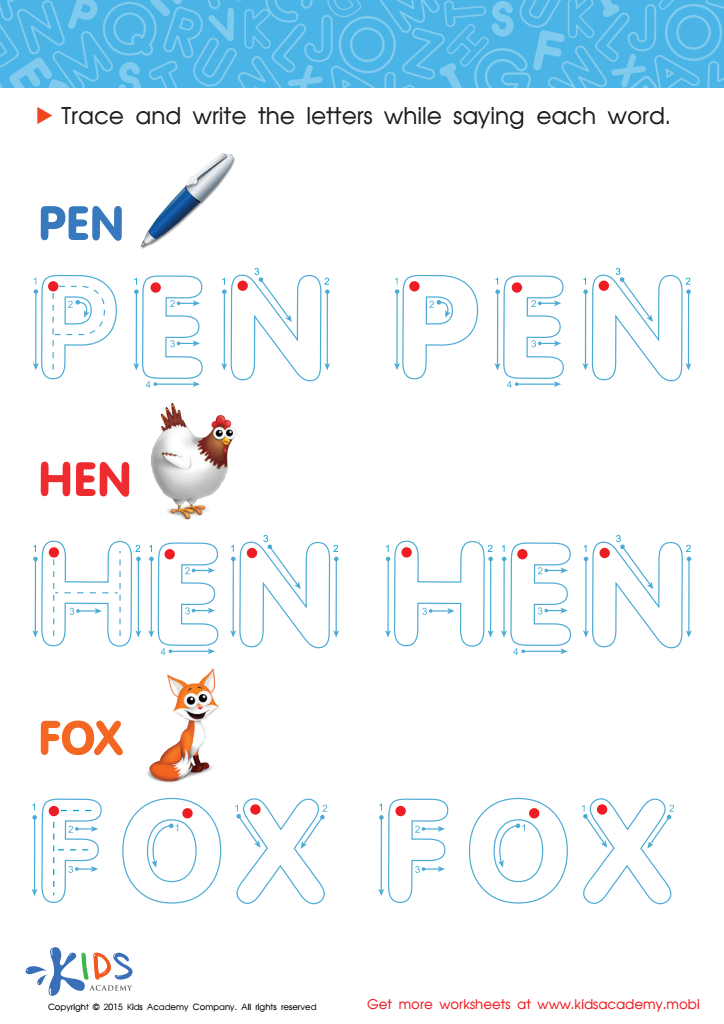
A Pen, a Hen and a Fox Spelling Worksheet
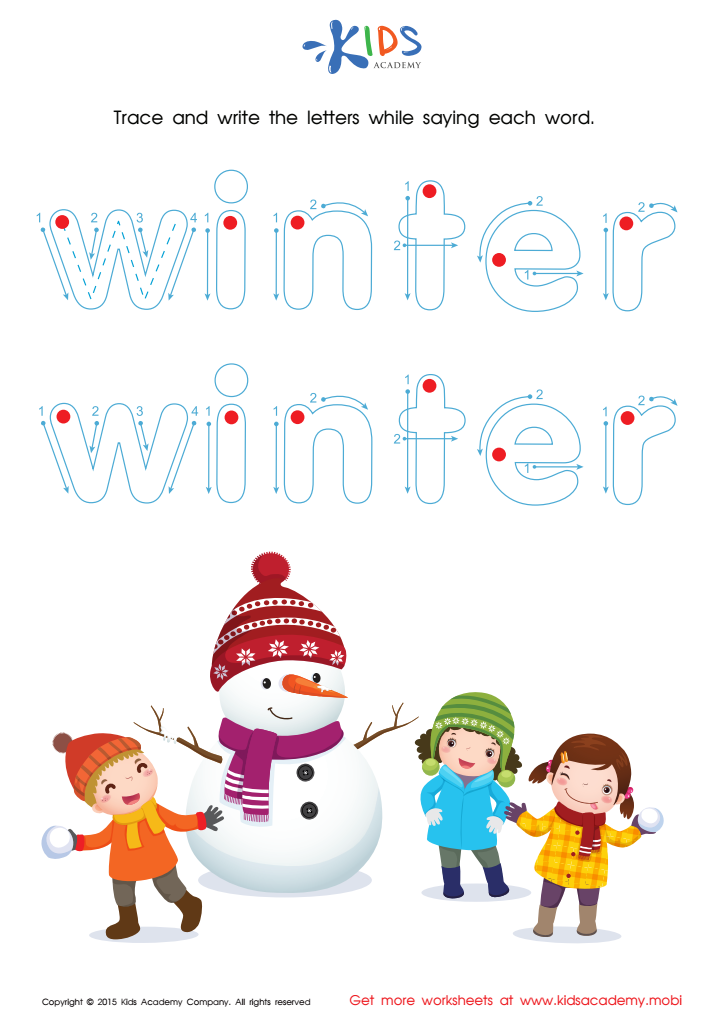
Snowman Tracing Winter Words Worksheet
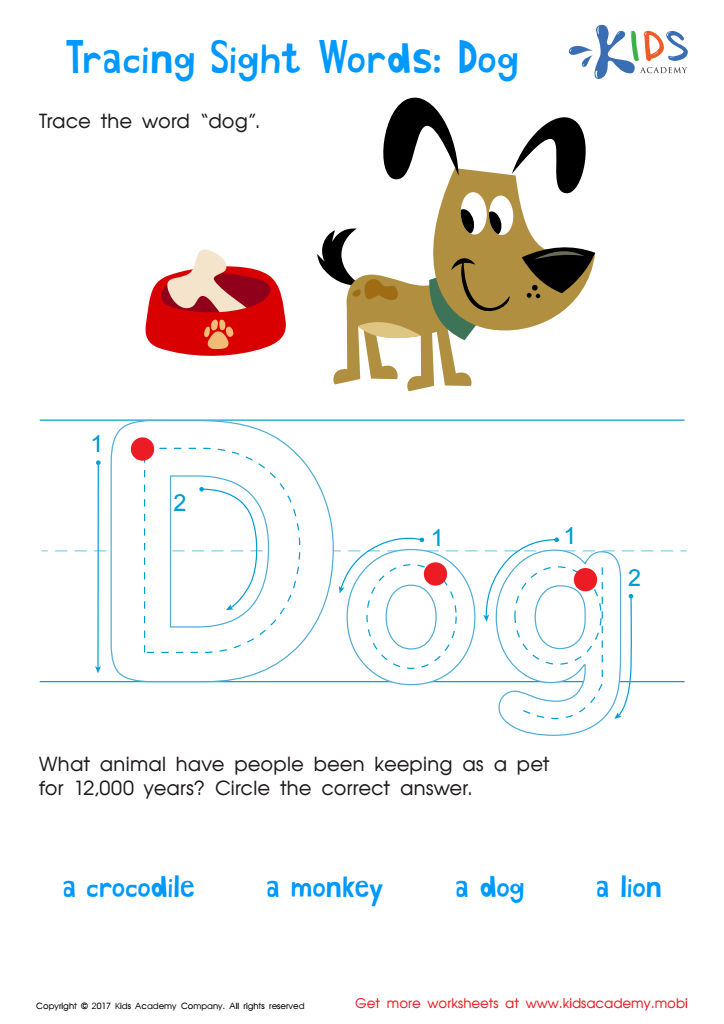
Dog Worksheet Sight Words Worksheet
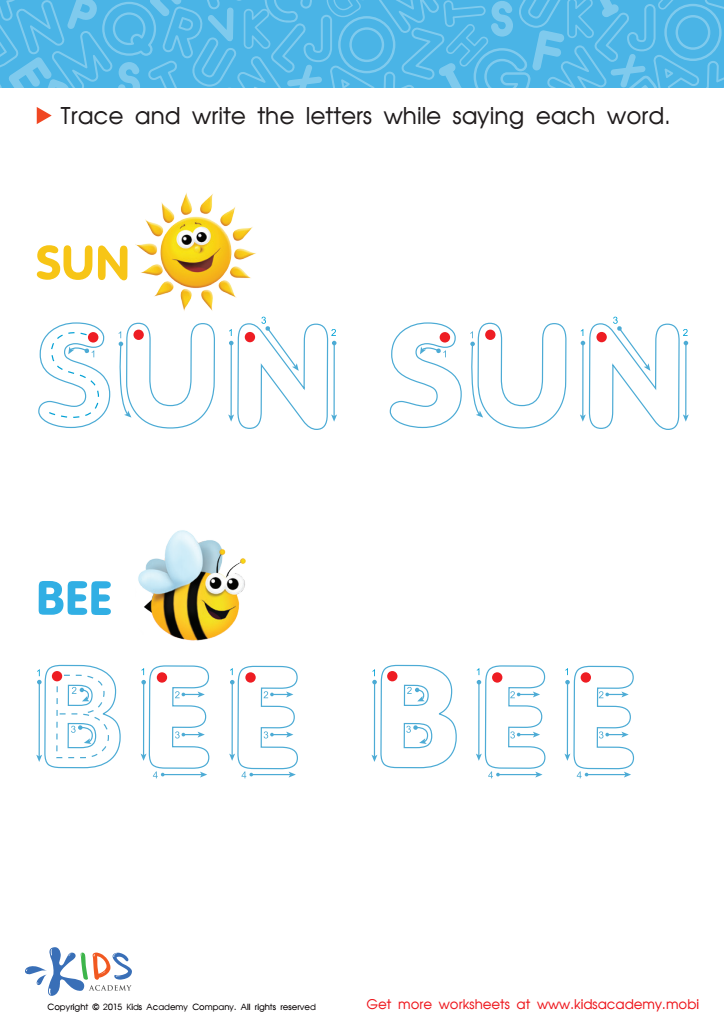
The Sun and a Bee Spelling Worksheet
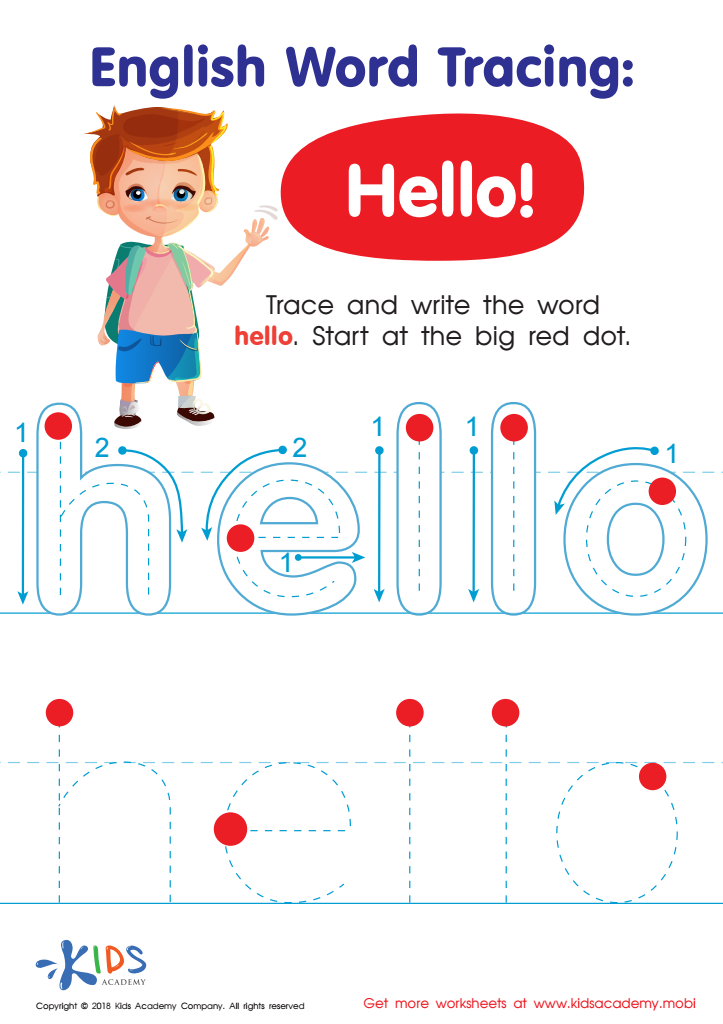
English Word Tracing: Hello Worksheet
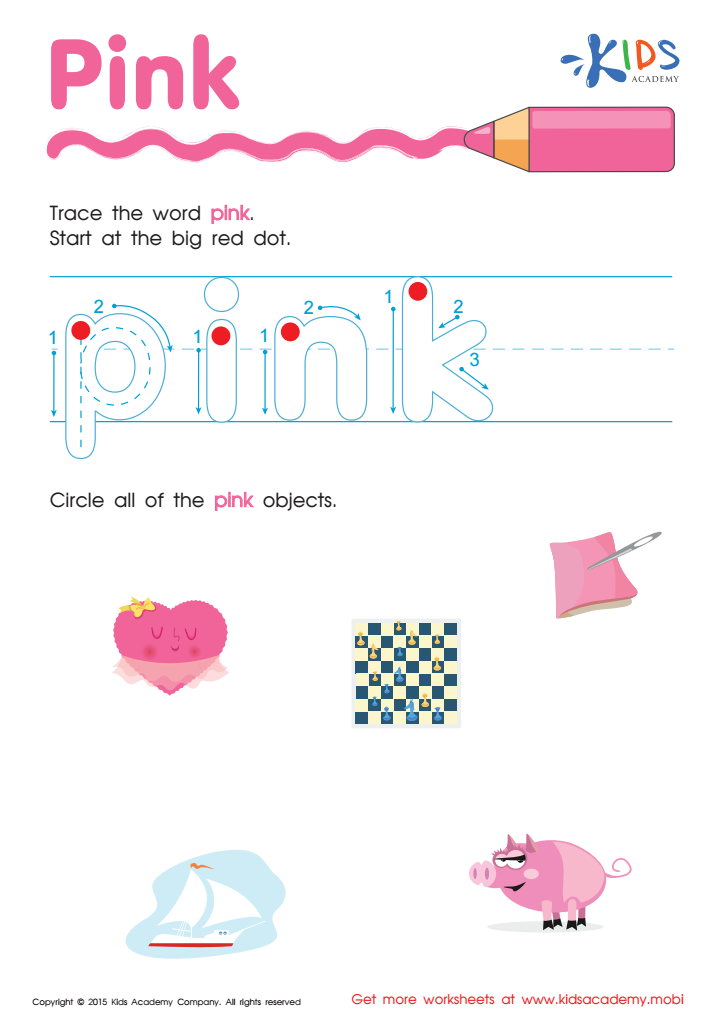
Pink Tracing Color Words Worksheet
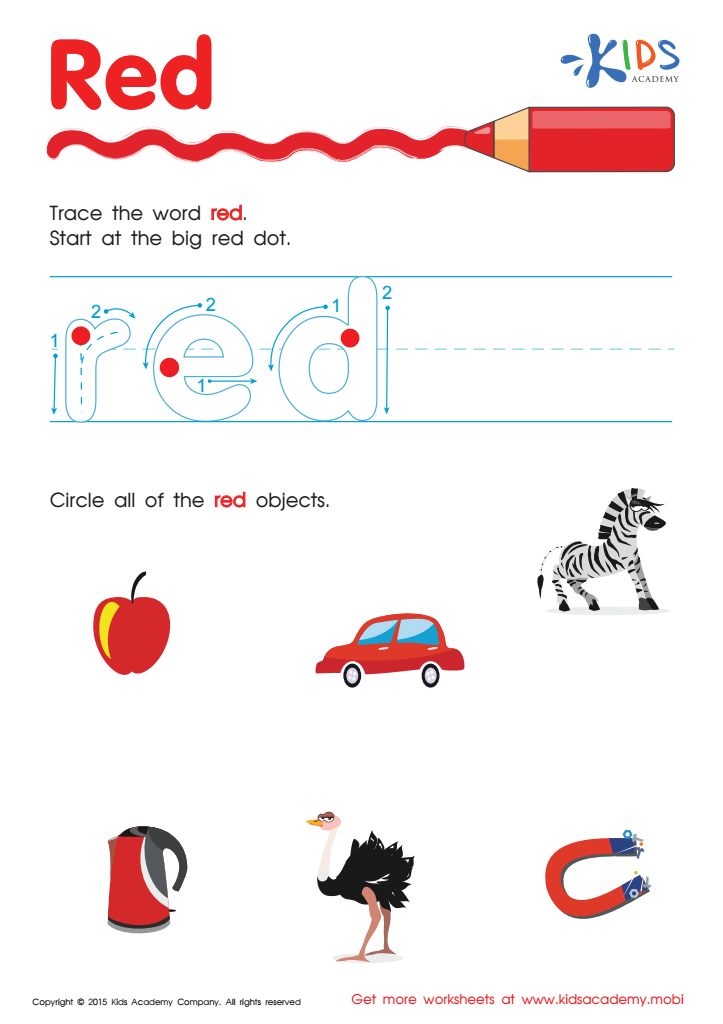
Red Tracing Color Words Printable
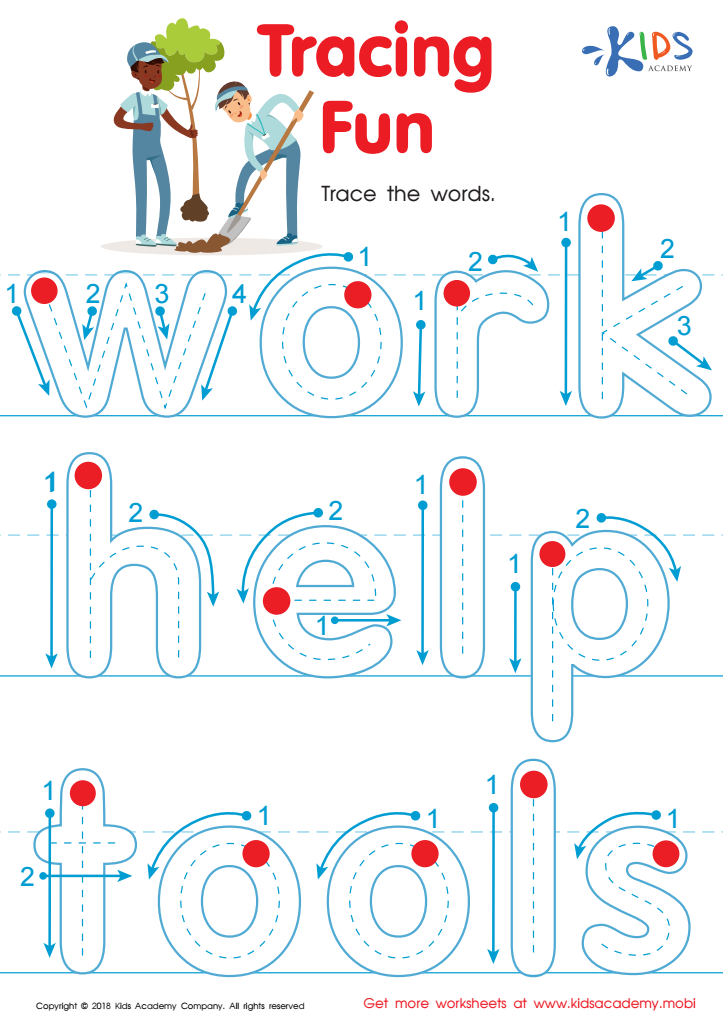
Tracing Fun Worksheet
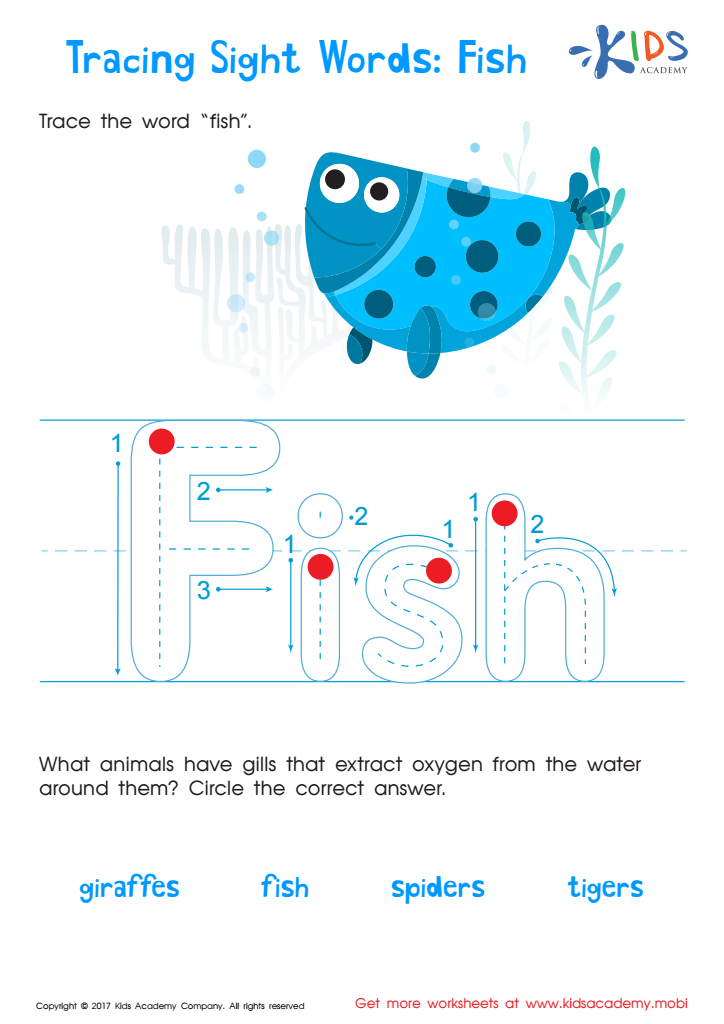
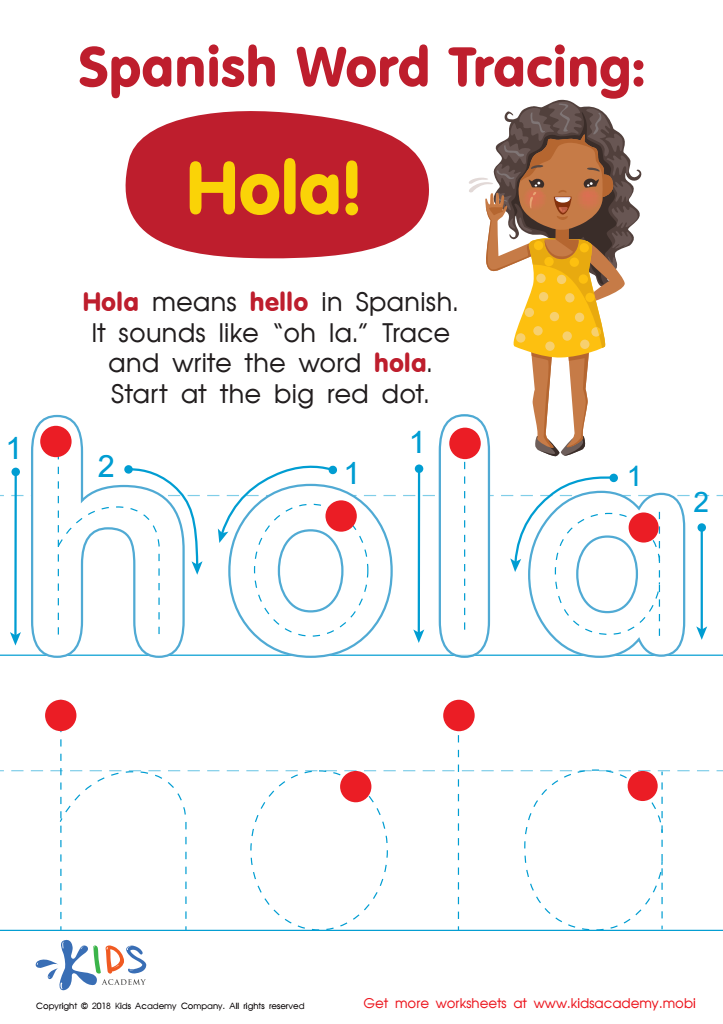
Spanish Word Tracing: Hola Worksheet
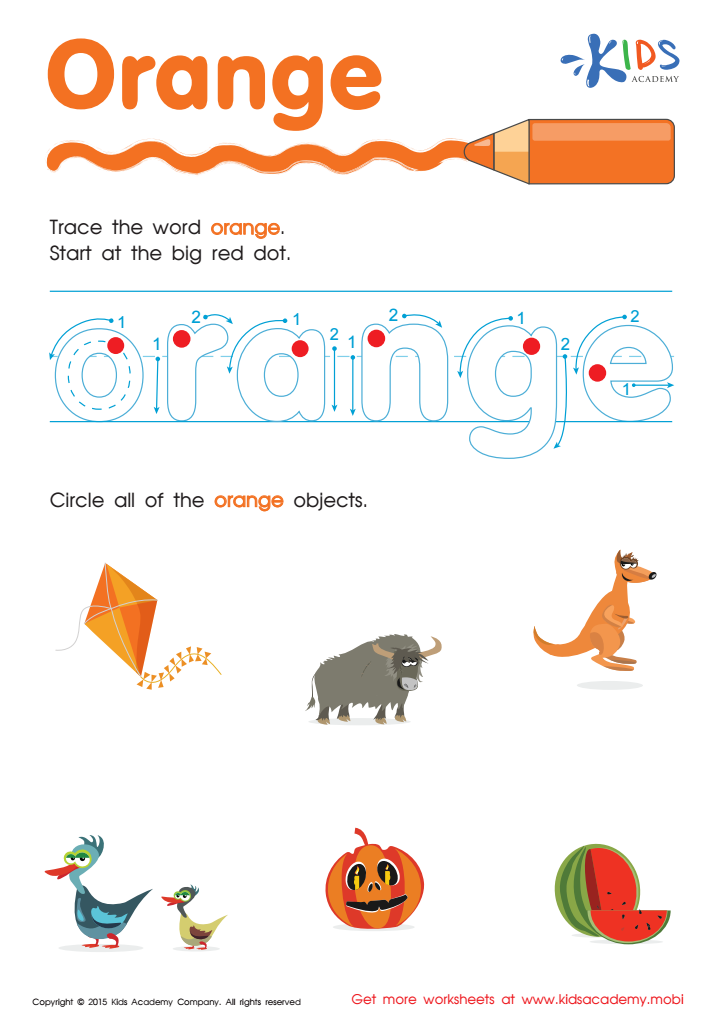
Orange Tracing Color Words Worksheet
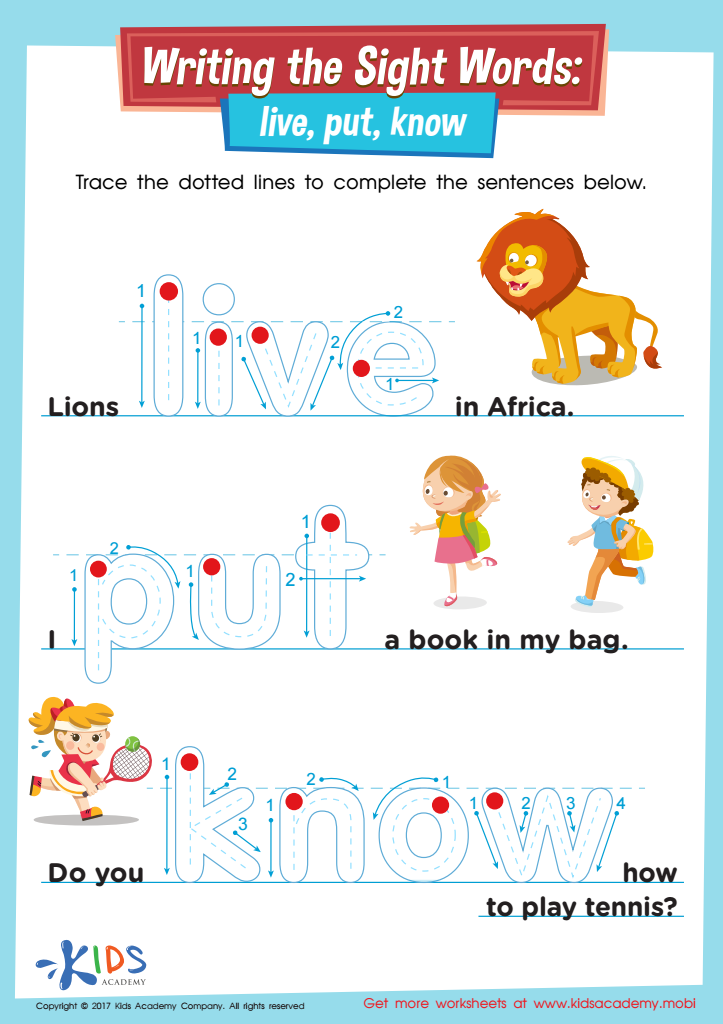
Live, Put, Know Printable Sight Words Worksheet
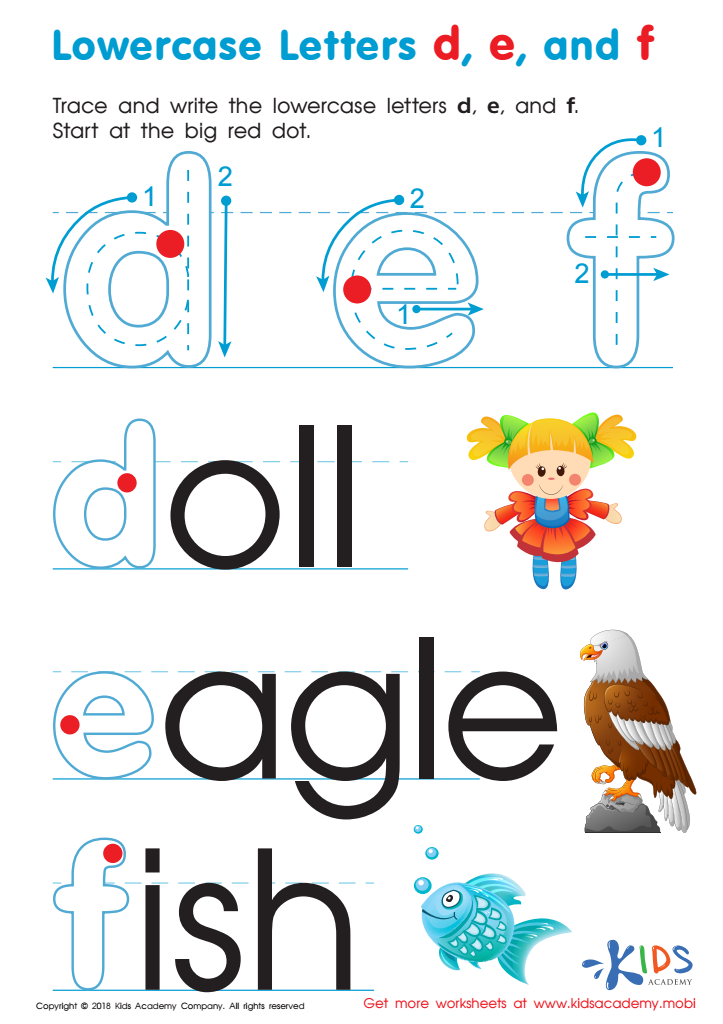
Lowercase Letters d e f Worksheet
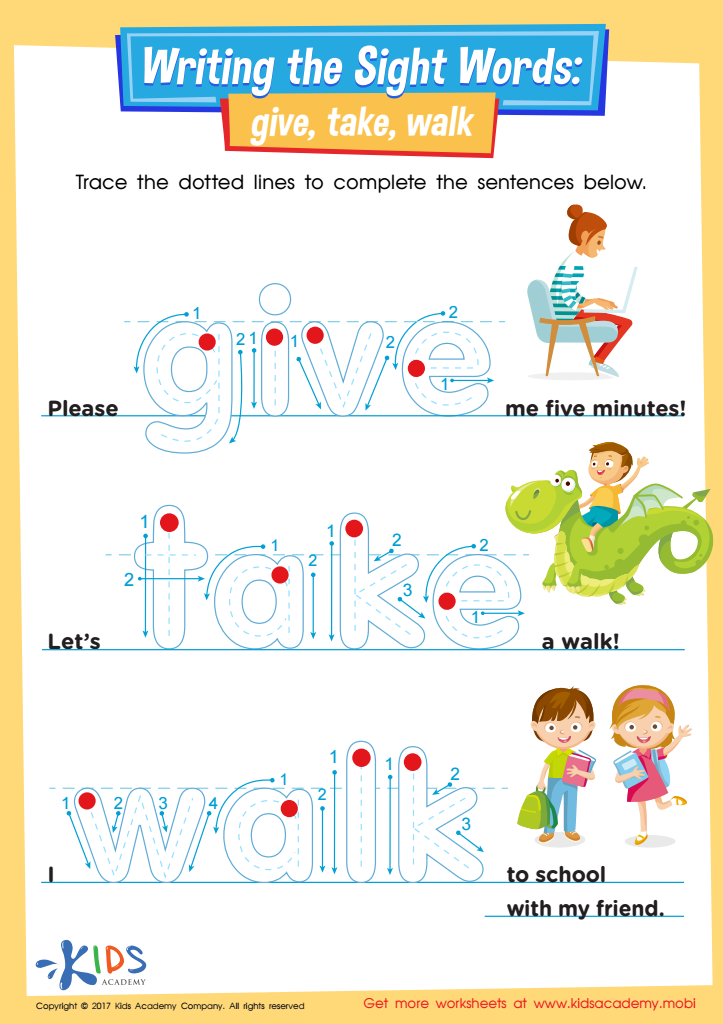
Give, Take, Walk Printable Sight Words Worksheet
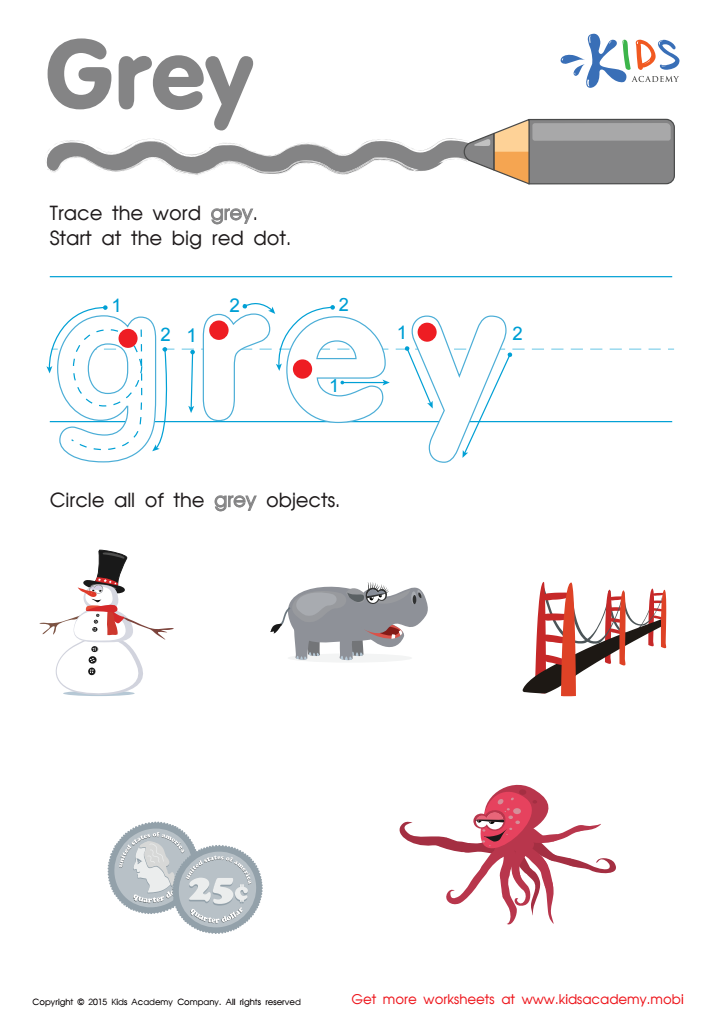
Grey Tracing Color Words Worksheet
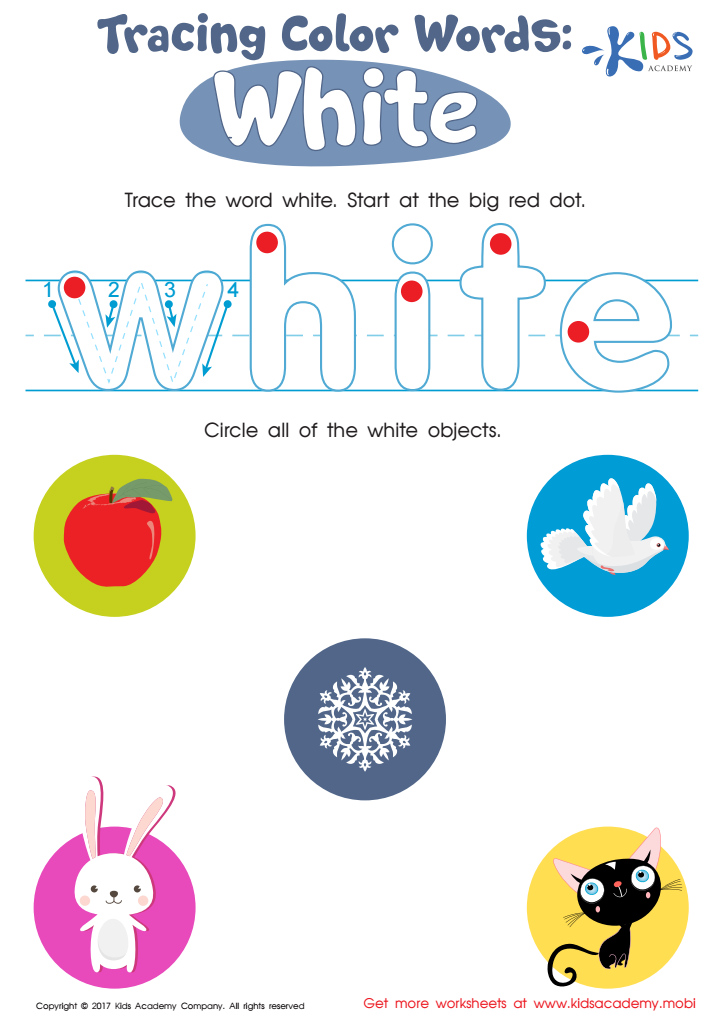
White Tracing Color Words Worksheet
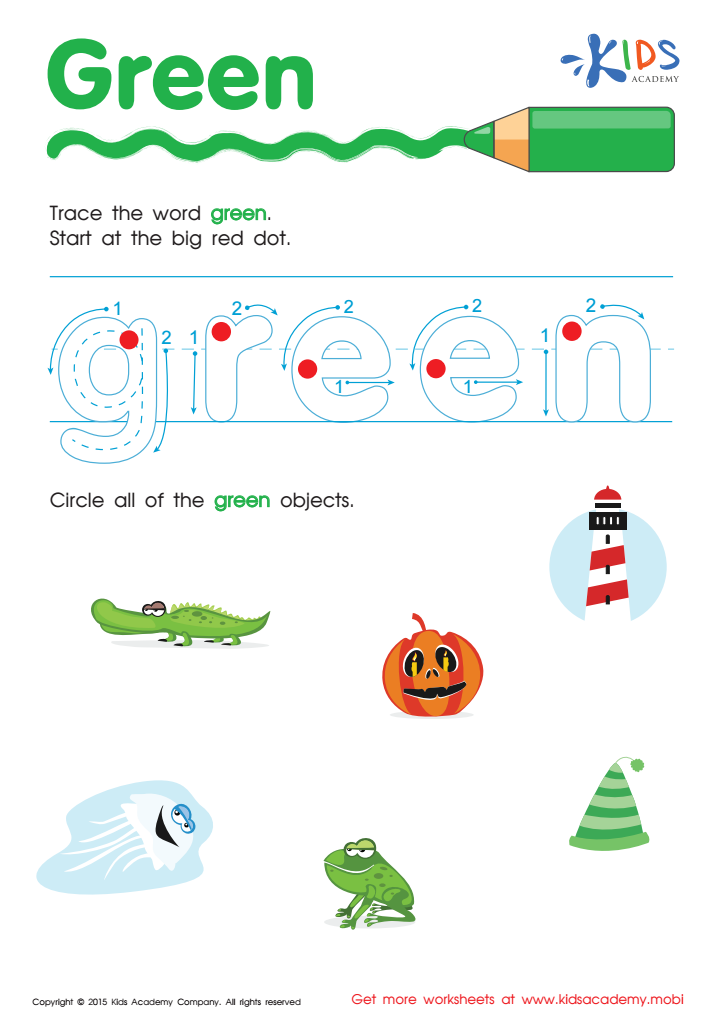
Green Tracing Color Words Worksheet
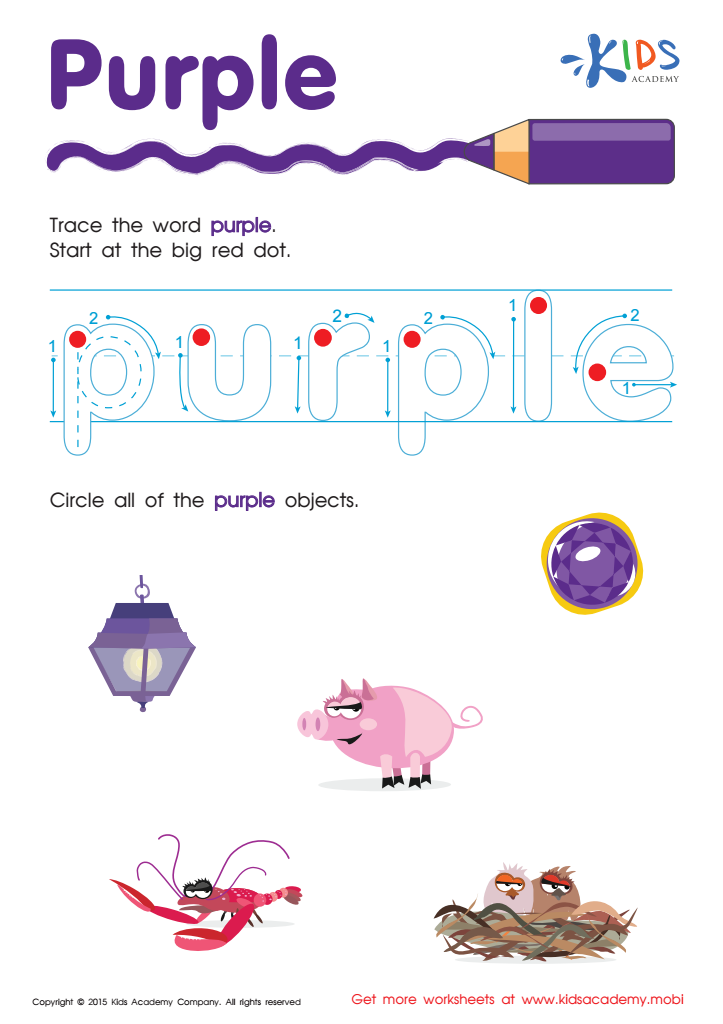
Purple Tracing Color Words Worksheet








Parents and teachers should care about normal tracing words for children aged 5-7 because it plays a critical role in the development of fine motor skills, letter recognition, and early writing abilities. During these formative years, children are just beginning to learn how to write, and tracing provides a structured and supportive way to practice. By guiding their hand to follow the shapes of letters, tracing helps children develop muscle memory and control, which are essential for legible handwriting.
Moreover, normal tracing words also aid in language and literacy development. As children trace words, they internalize letter shapes and the left-to-right sequence of writing in the English language, strengthening their understanding of printed text. This understanding is crucial for reading readiness, as recognizing and writing letters are foundational skills for fluency in reading and writing.
Engaging with tracing activities fosters a sense of accomplishment and builds confidence in young learners. Consistent practice helps them develop patience and persistence as they master each letter. In an educational setting, tracing can be tailored to a child's individual pace, providing a personalized learning experience that supports varied developmental needs.
Therefore, investing time in normal tracing words is not just about teaching children to write; it’s about playfully encouraging their cognitive growth, language skills, and confidence, laying a strong groundwork for future academic success.