Normal Letter Sounds Worksheets for Ages 5-8
24 filtered results
-
From - To
Enhance your child's phonetic skills with our engaging Normal Letter Sounds Worksheets, designed specifically for ages 5-8. These worksheets provide a fun and effective way to help young learners recognize and pronounce letter sounds, building a strong foundation for reading. Featuring colorful illustrations and interactive activities, children will enjoy practicing essential phonics while developing their vocabulary. Perfect for home or classroom use, our worksheets cater to various learning styles, ensuring that every child progresses at their own pace. Explore our collection and watch your child flourish as they embark on their exciting literacy journey! Suitable for preschool and early elementary students.
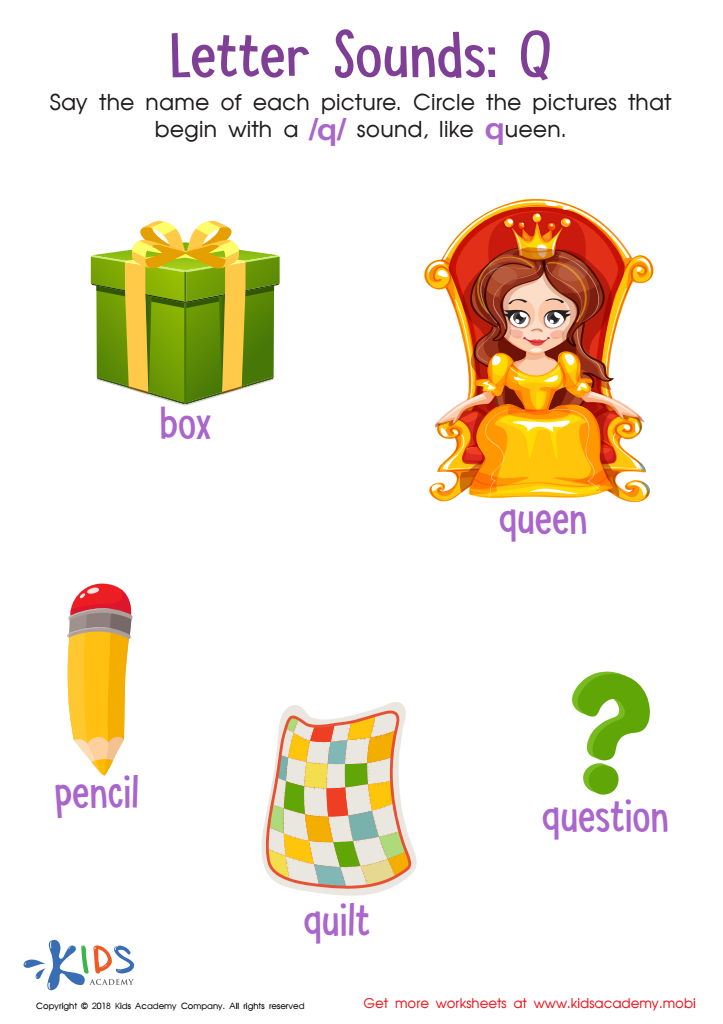
Letter Q Sounds Worksheet
 Assign to My Students
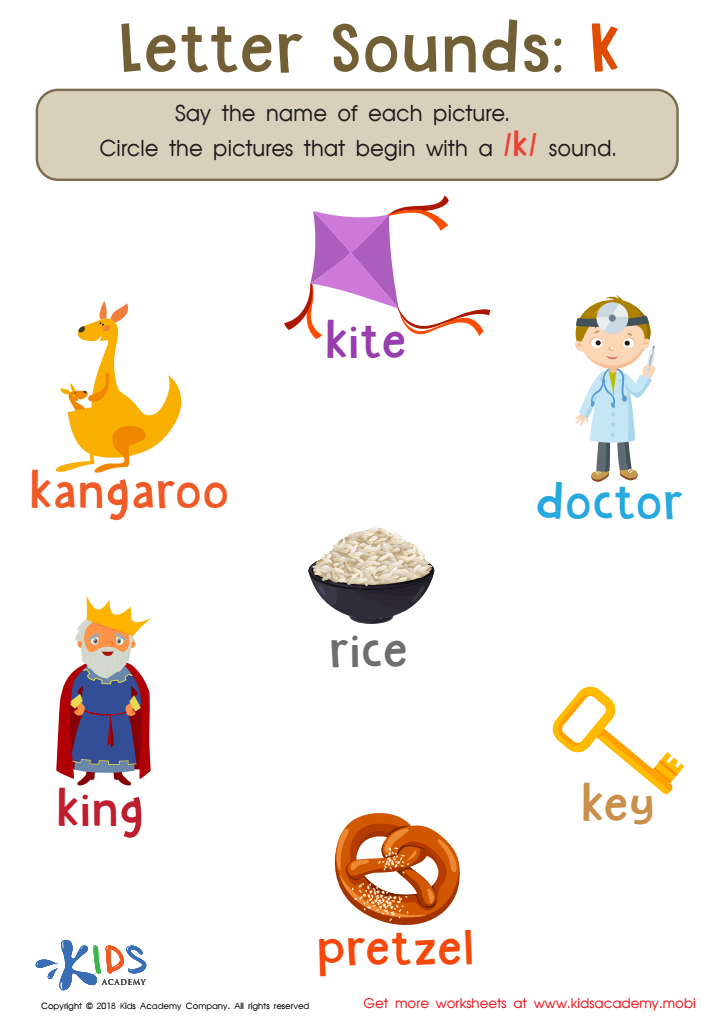
Letter K Sounds Worksheet
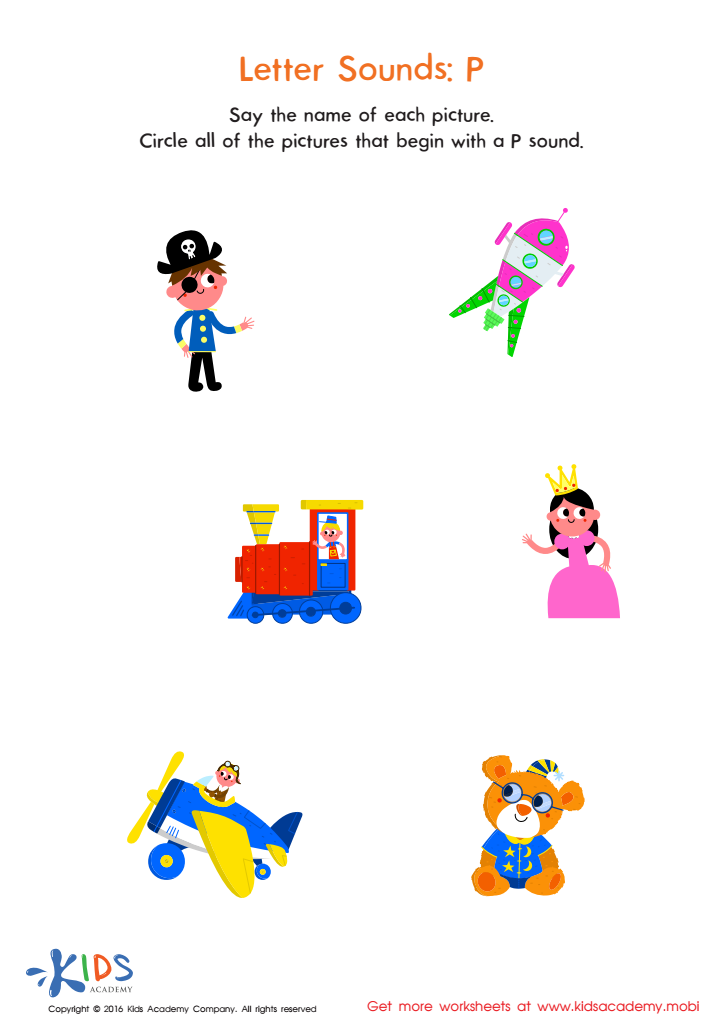
Letter P Sound Worksheet
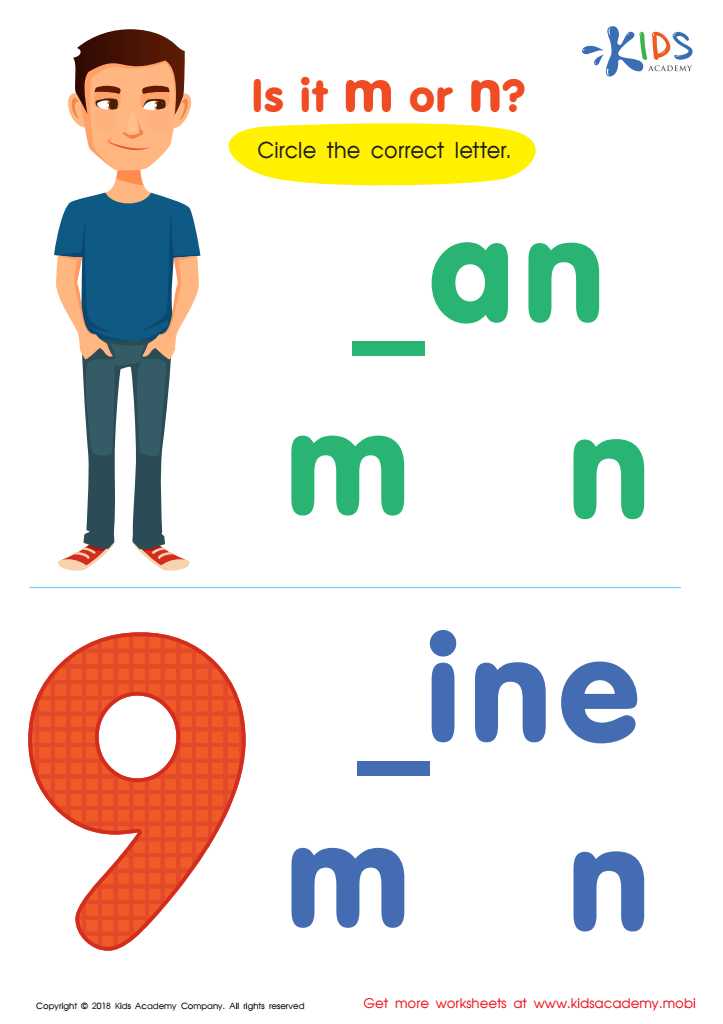
Is It m or n? Worksheet
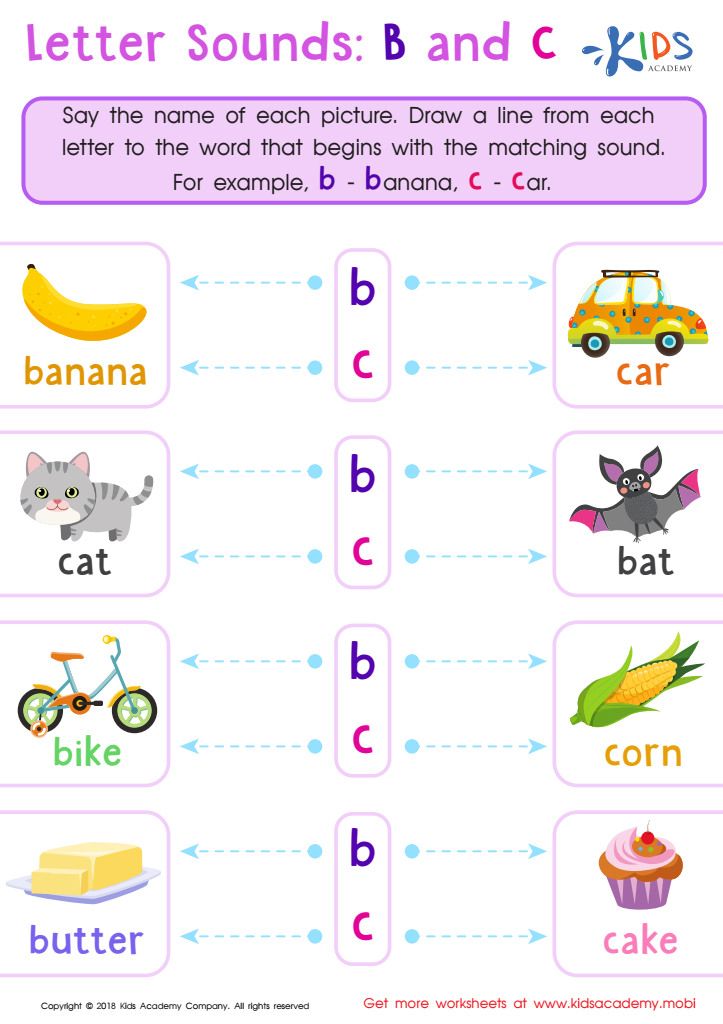
Letter B and C Sounds Worksheet
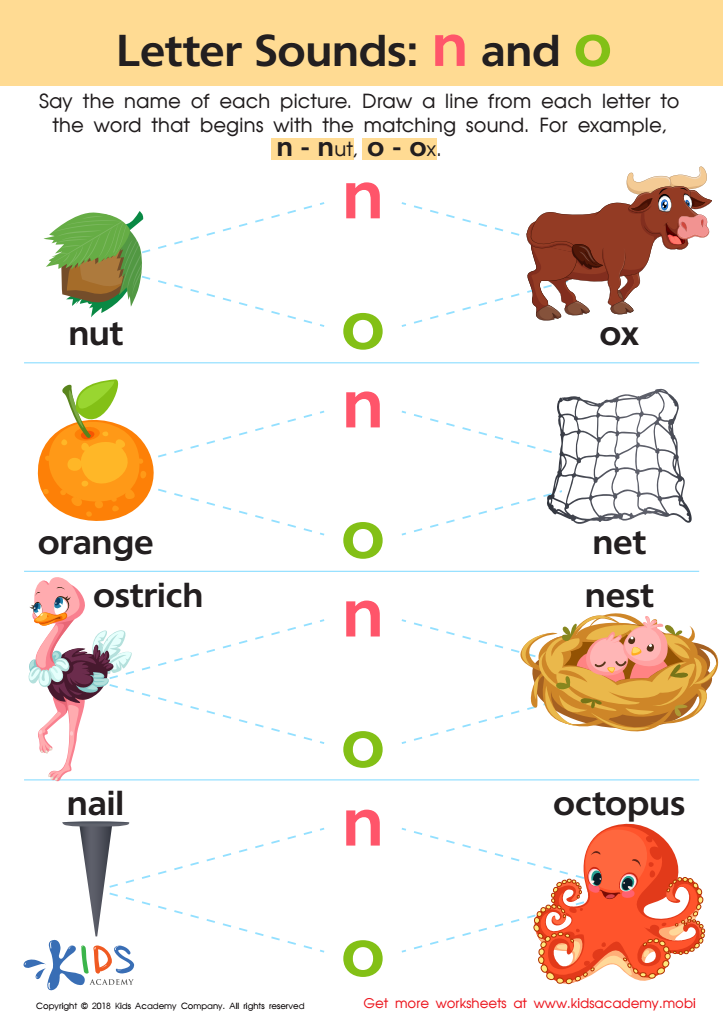
Letter N and O Sounds Worksheet
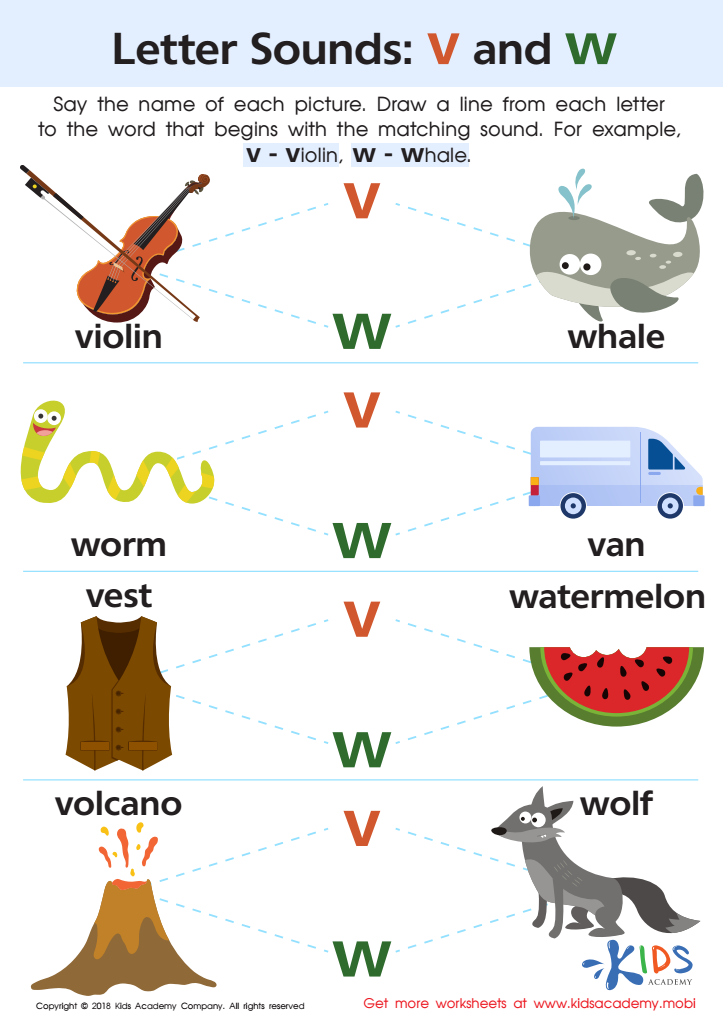
Letter V and W Sounds Worksheet
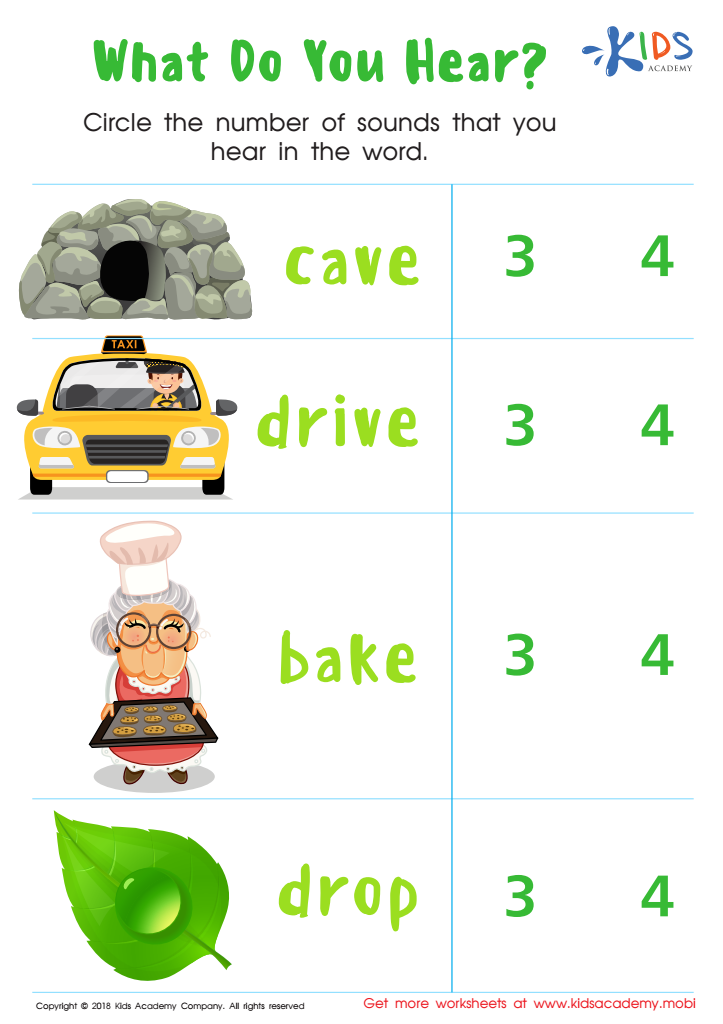
What Do You Hear? Worksheet
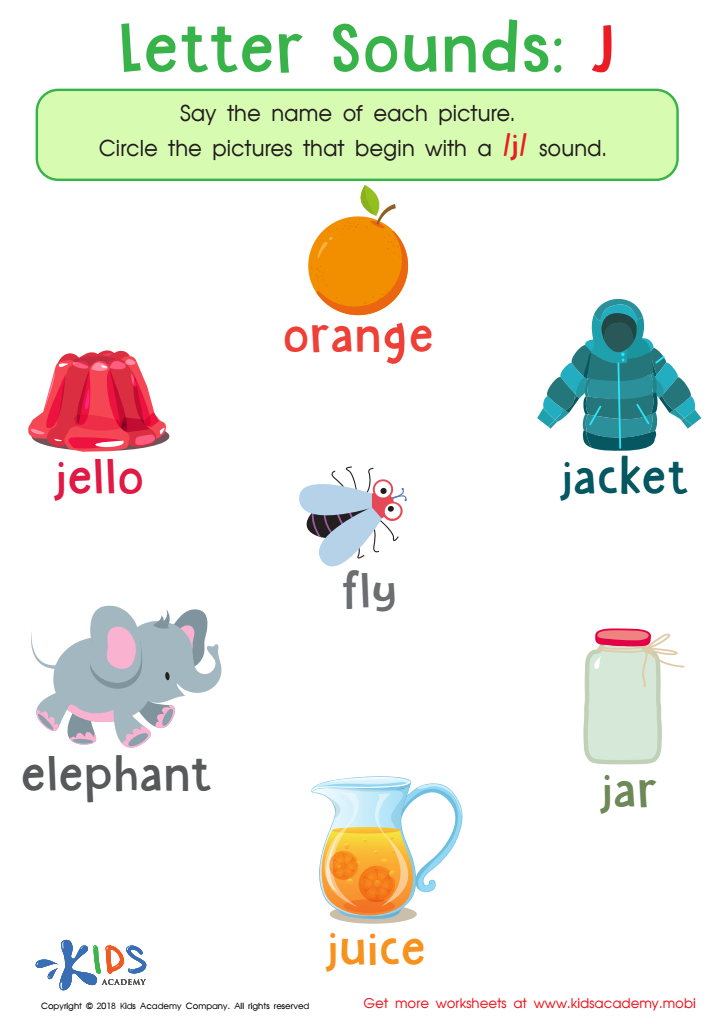
Letter Sounds: J Printable Worksheet
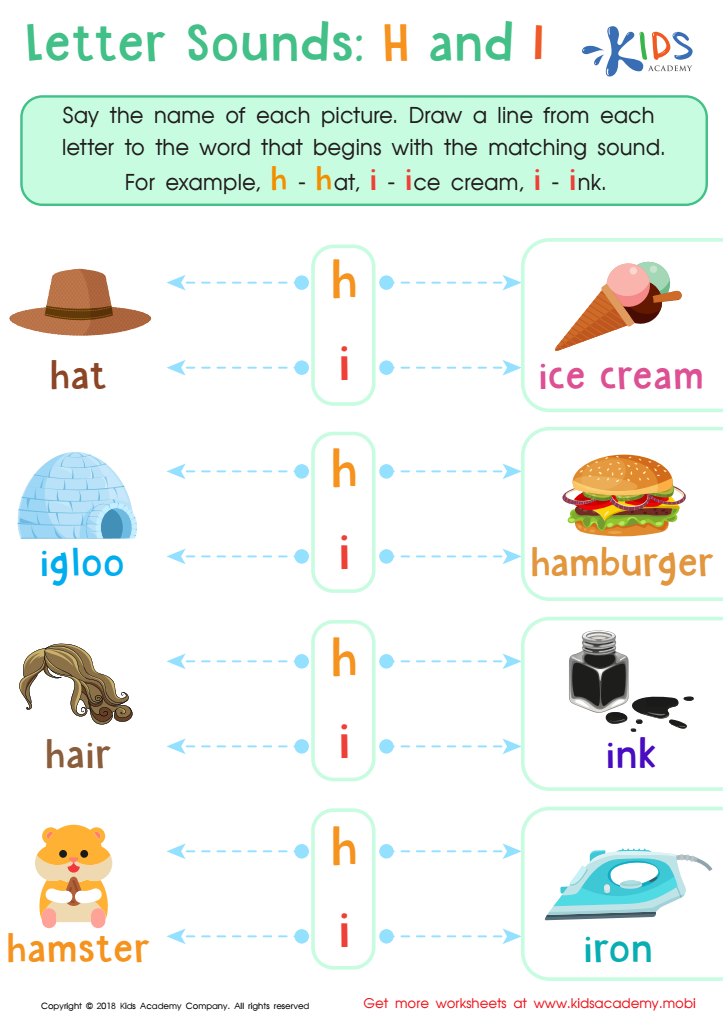
Letter H and I Sounds Worksheet
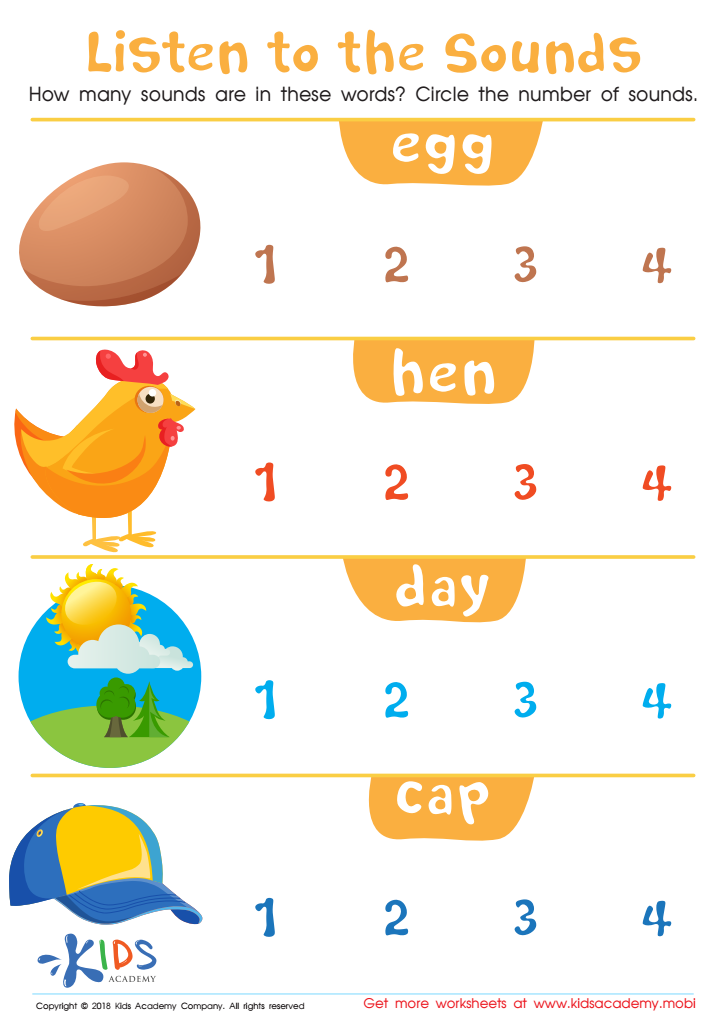
Listen to the Sounds Worksheet
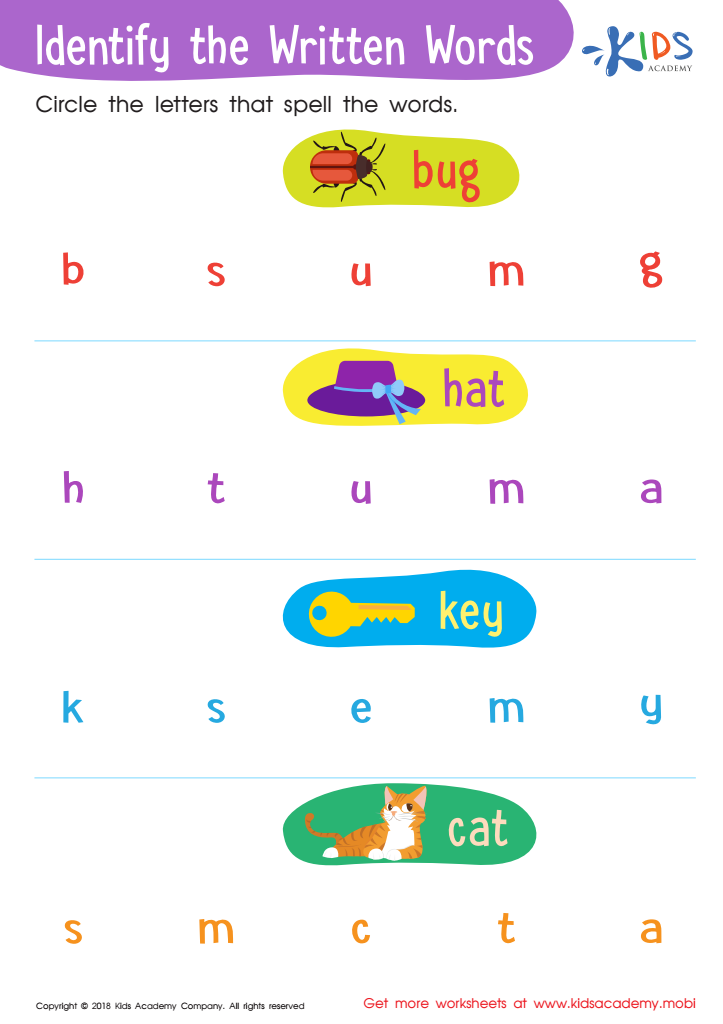
Identify the Written Words Worksheet
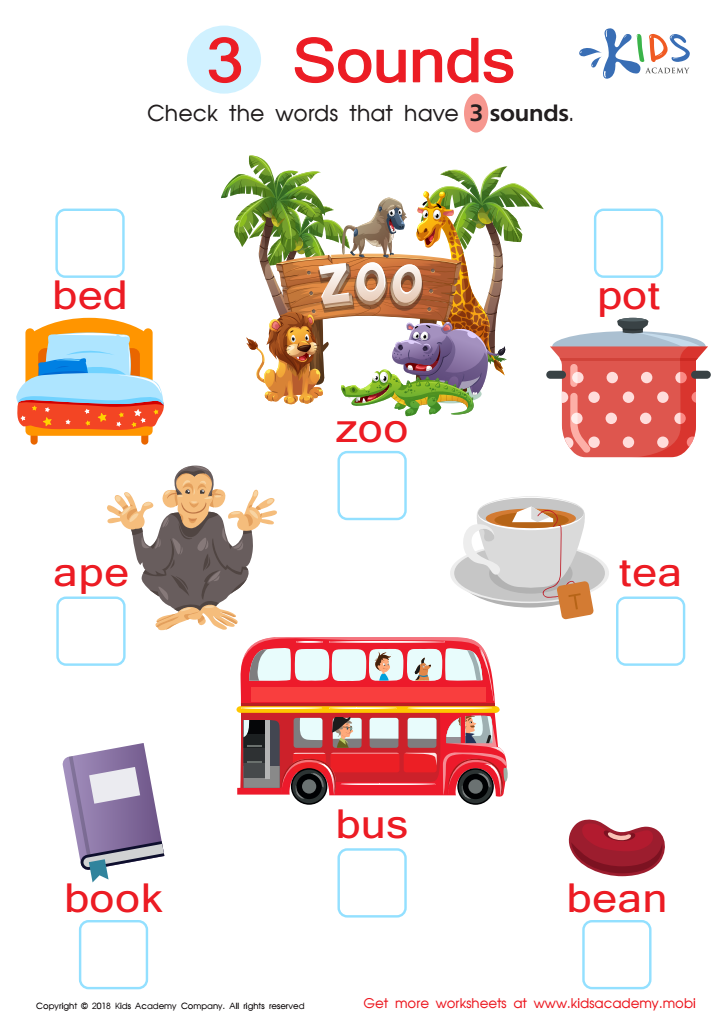
3 Sounds Worksheet
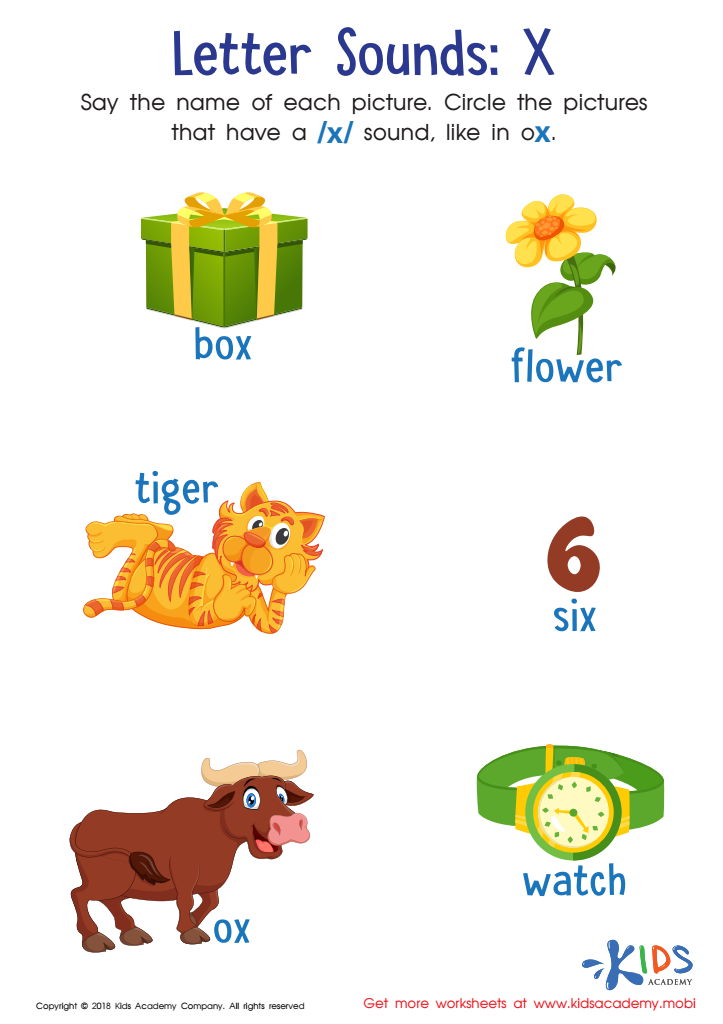
Letter X Sounds Worksheet
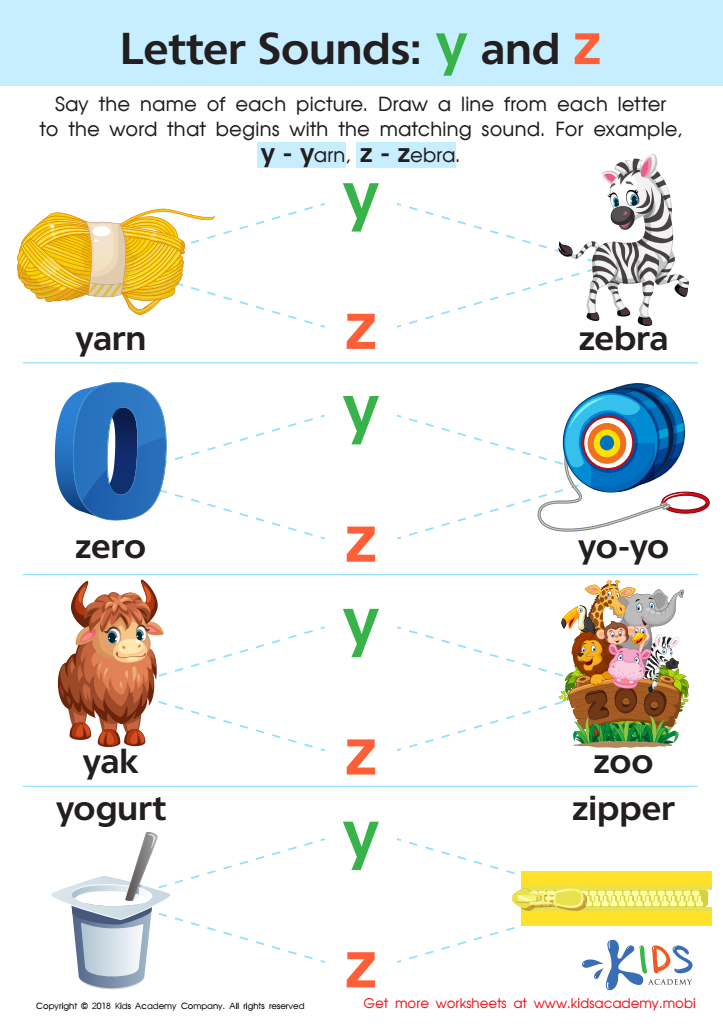
Letter Y and Z Sounds Worksheet
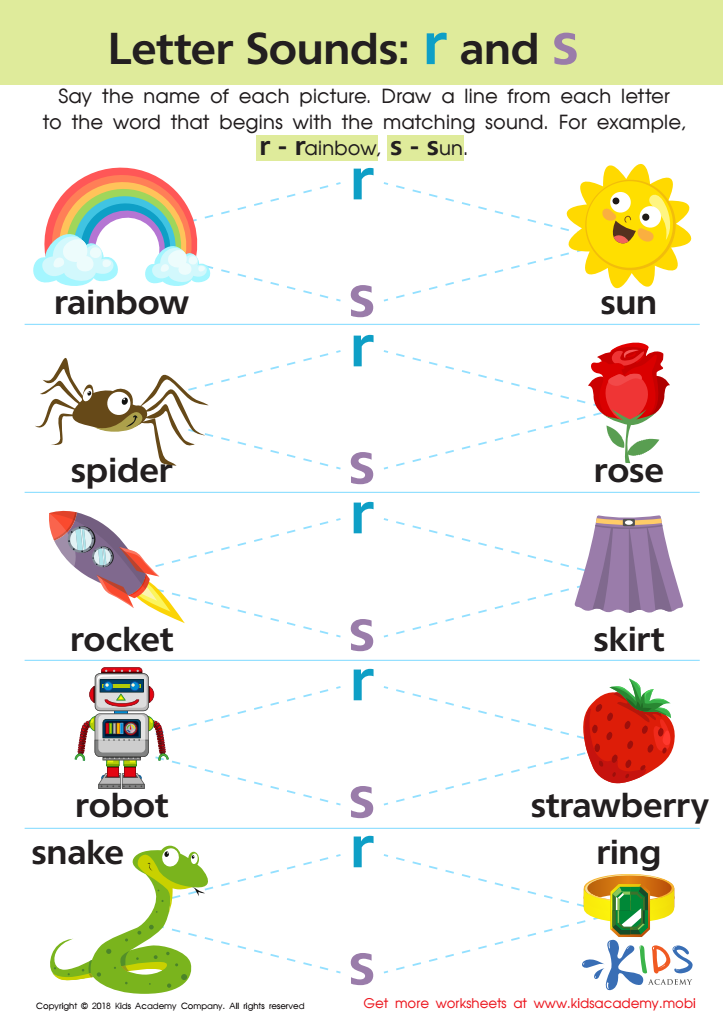
Letter R and S Sounds Worksheet
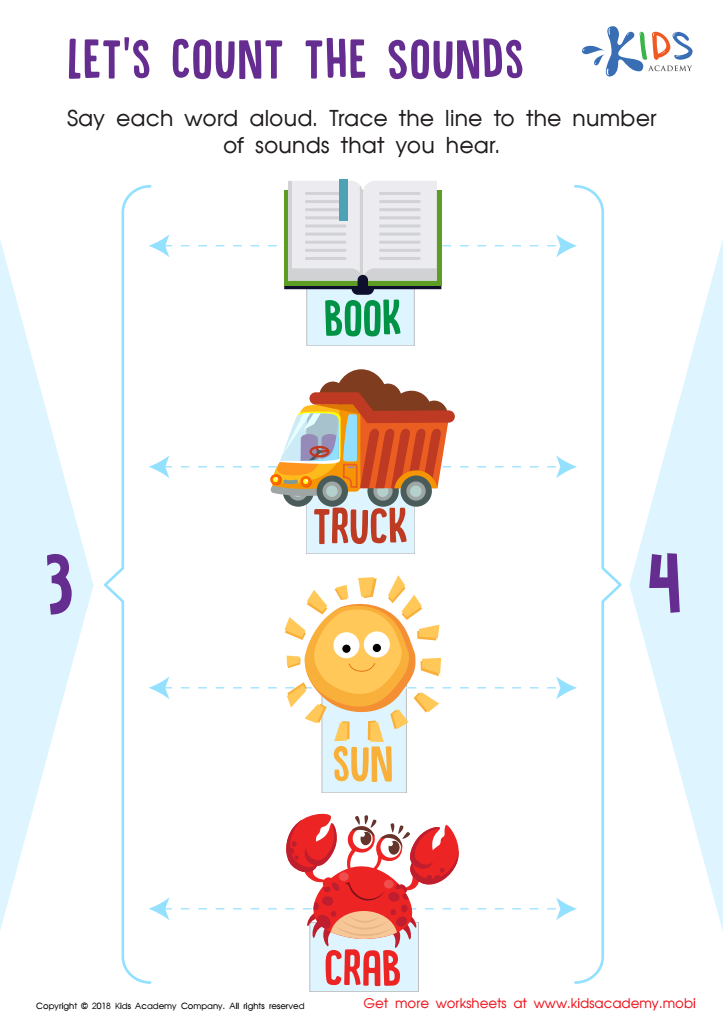
Let's Count the Sounds Worksheet
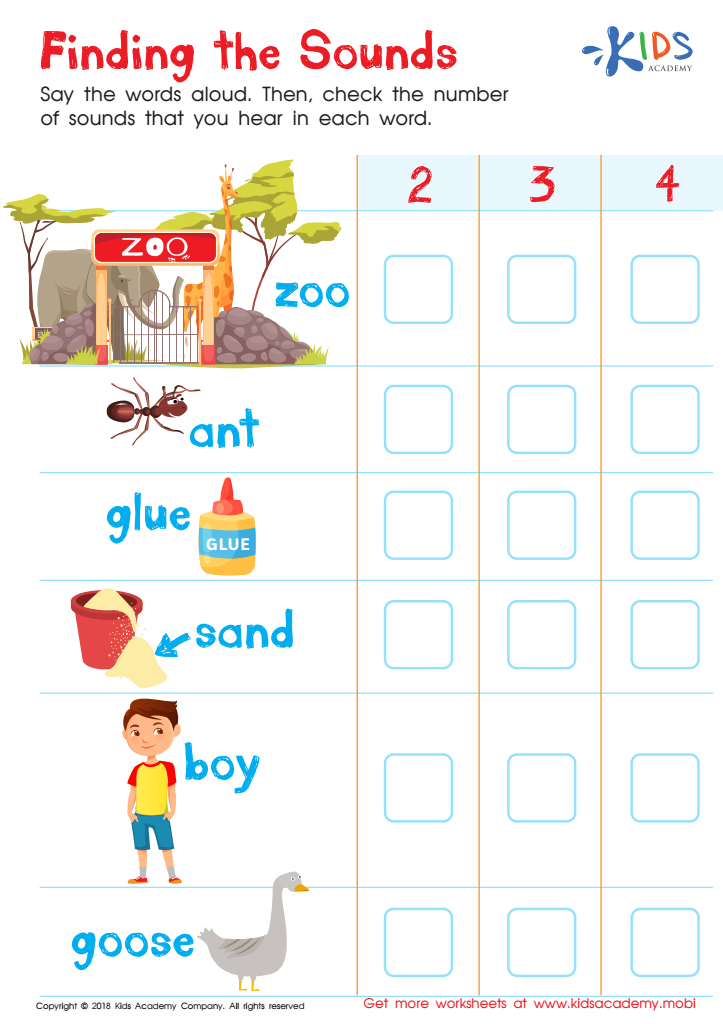
Finding the Sounds Worksheet
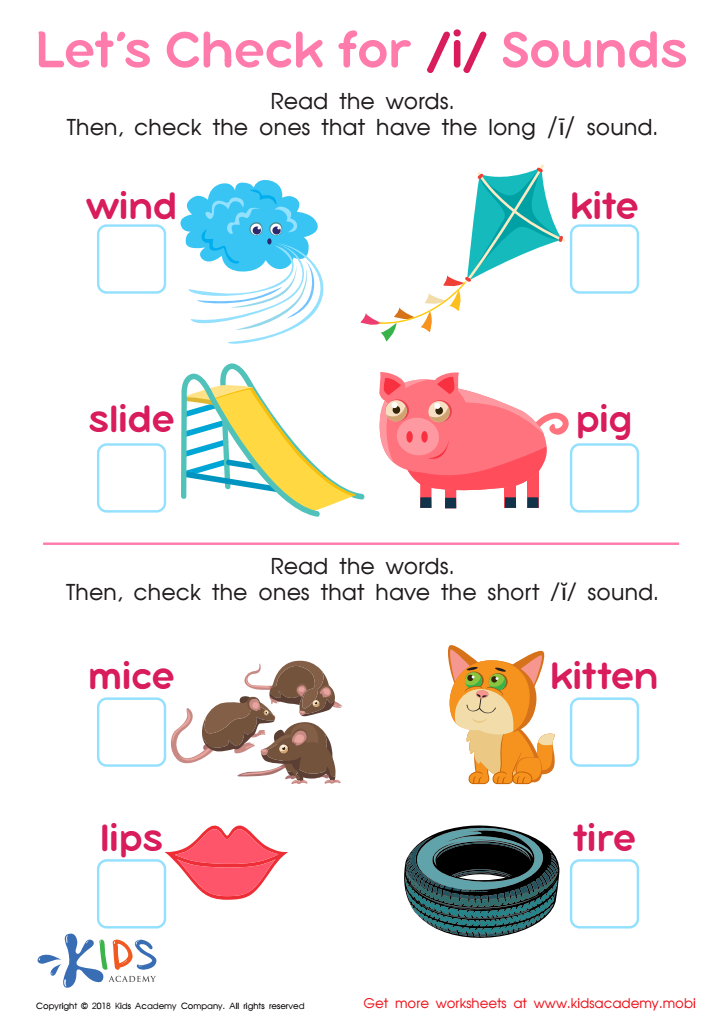
Let's Check for «i» Sounds Worksheet
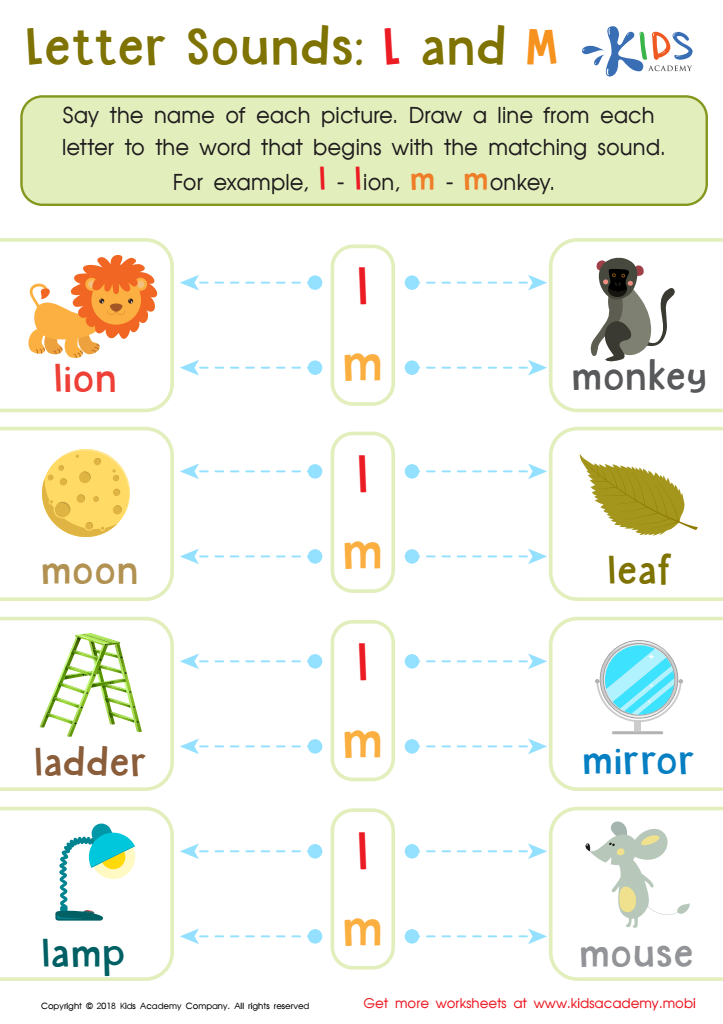
Letter l and M Sounds Worksheet
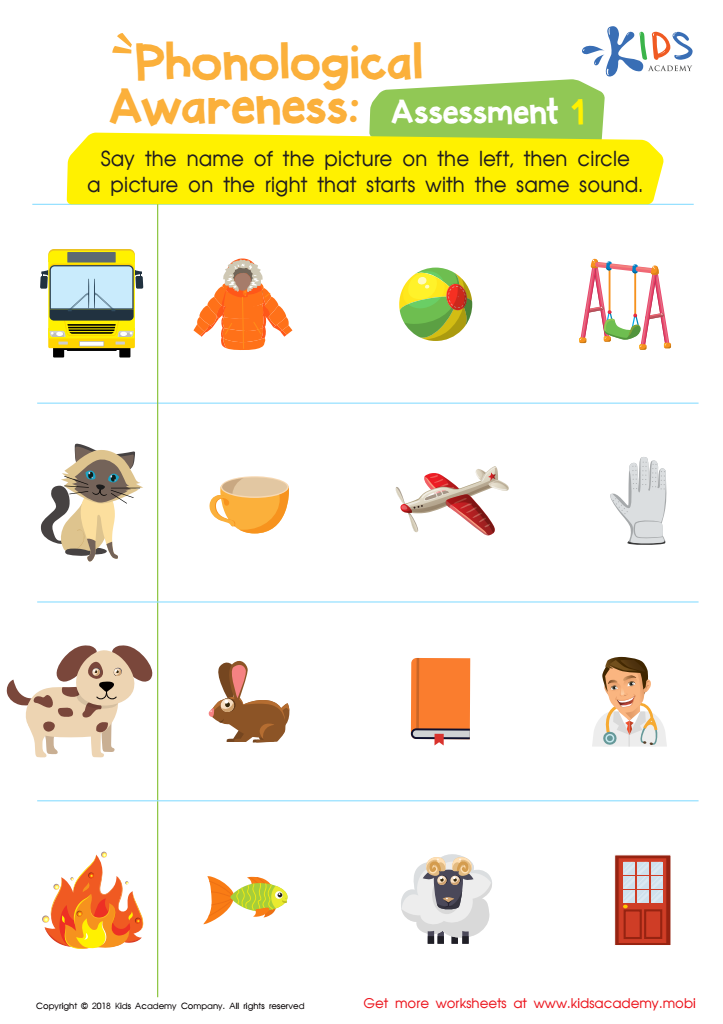
Phonological Awareness: Assessment 1 Worksheet
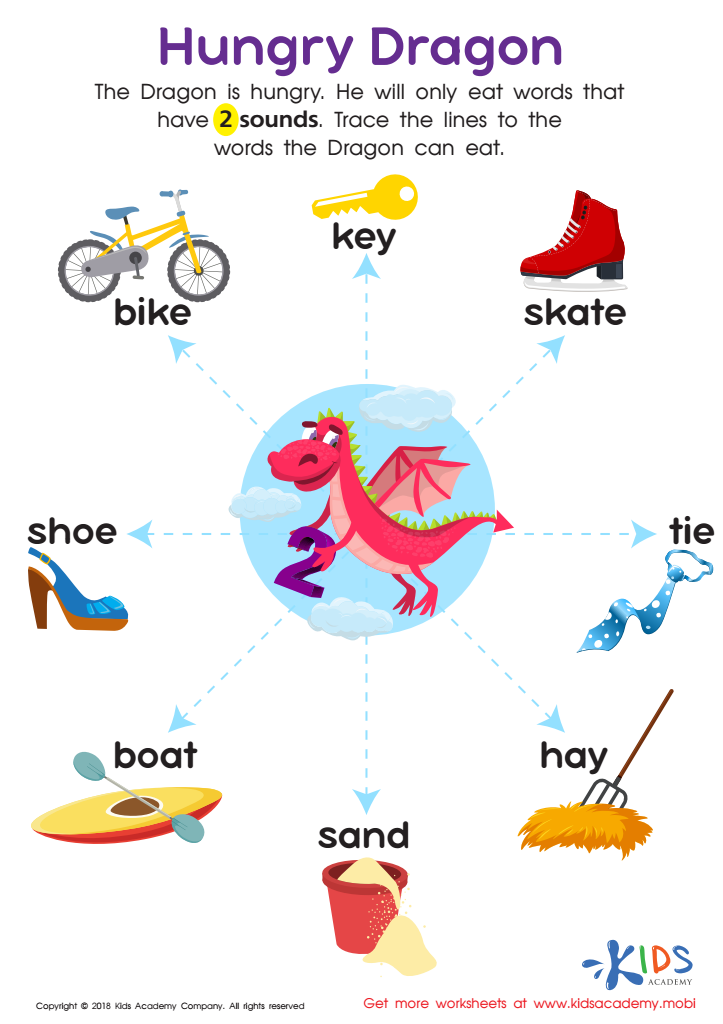
Hungry Dragon Worksheet
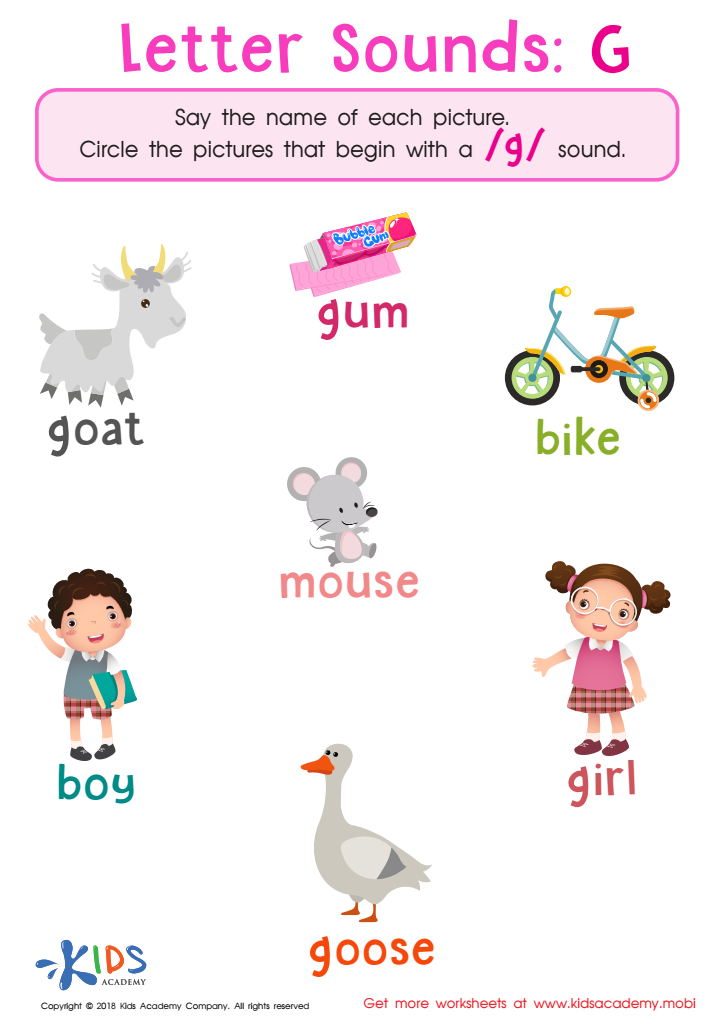
Letter G Sounds Worksheet
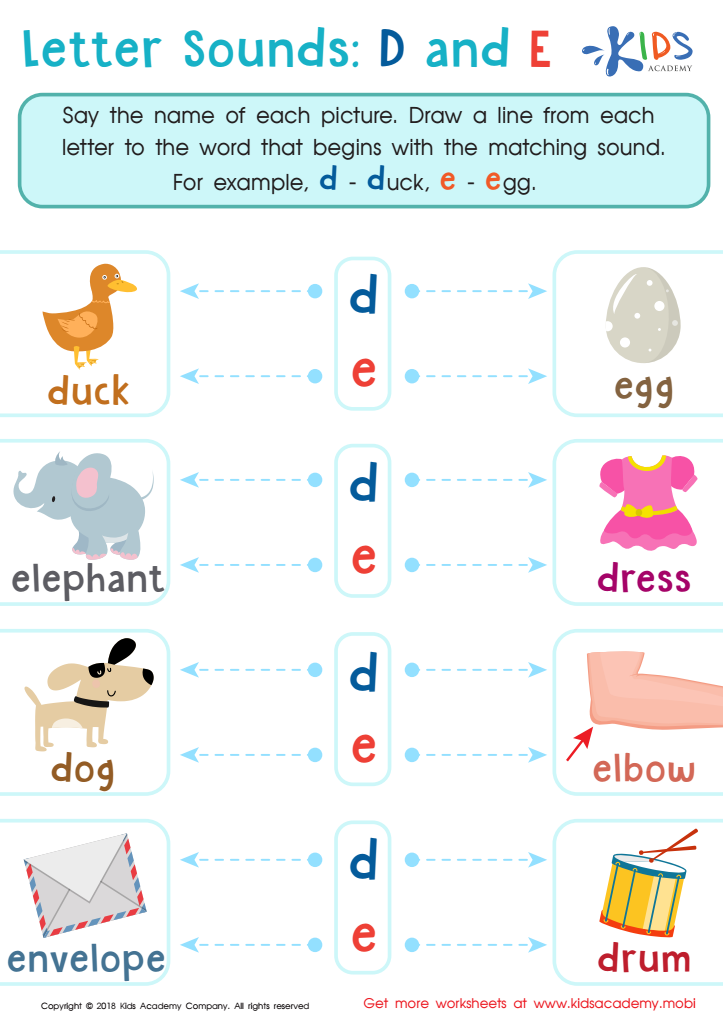
Letter D and E Sounds Worksheet








Normal letter sounds are fundamental to early literacy development for children aged 5-8. Understanding these sounds forms the backbone of phonics, helping kids blend and segment words—essential skills for reading and writing. When parents and teachers emphasize normal letter sounds, they provide children with essential tools to decode unfamiliar words, boosting their confidence and fostering a love for reading.
Furthermore, mastering normal letter sounds enables children to develop strong spelling skills, as they can relate sounds to letters and create words. This early foundation is crucial, as struggles in reading during these formative years can lead to long-term academic challenges and lowered self-esteem.
Additionally, children exposed to phonemic awareness through normal letter sounds are more likely to succeed in later literacy tasks. Engaging parents in this learning process enhances home literacy environments, allowing for consistent reinforcement. When parents and teachers collaborate to teach these sounds through interactive activities, they create an enriching learning experience that helps children thrive.
Ultimately, understanding and practicing normal letter sounds lays the groundwork for future reading capabilities, critical thinking, and overall academic success, making it essential for educators and caregivers to prioritize this aspect of early education.






