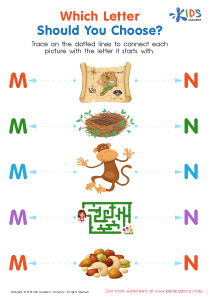
Normal Lowercase/Small Letters Worksheets for Ages 5-8
20 filtered results
-
From - To
Welcome to our collection of Normal Lowercase/Small Letters Worksheets designed for children ages 5-8! These engaging worksheets help young learners master the art of writing lowercase letters through fun activities. Each worksheet features vibrant illustrations and interactive exercises that promote letter recognition, handwriting skills, and phonemic awareness. Perfect for homeschooling or classroom use, these resources make learning enjoyable and effective. Our worksheets adhere to educational standards, ensuring that children build a strong foundation in literacy. Explore our diverse selection to support your child’s development in reading and writing, making learning lowercase letters an exciting journey!
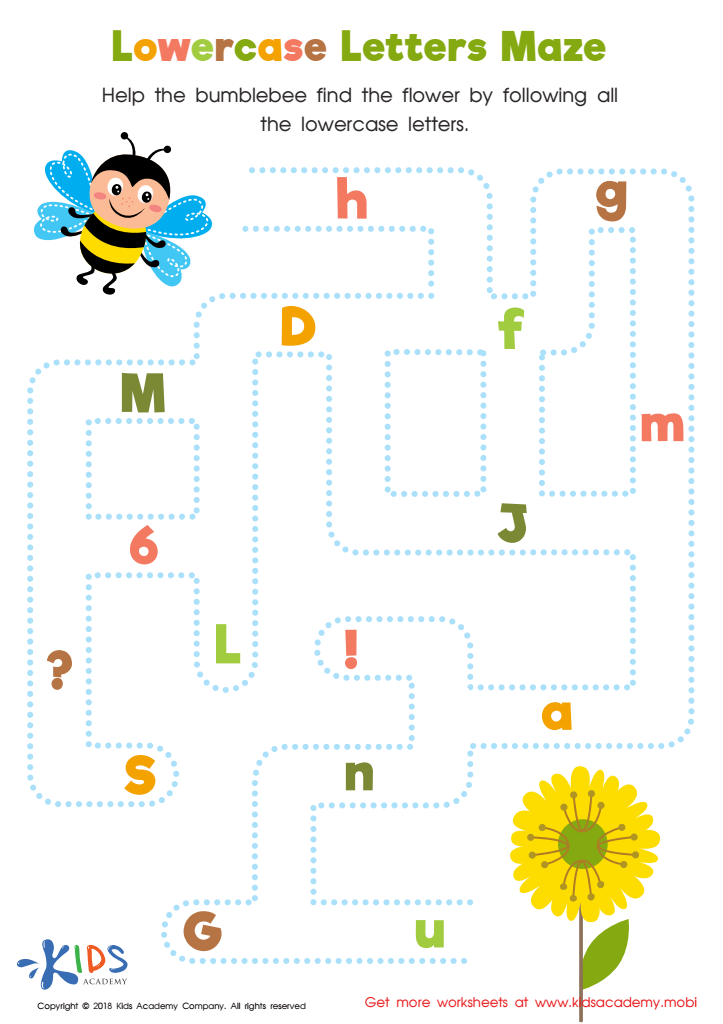
Lowercase Letters Maze Worksheet
 Assign to My Students
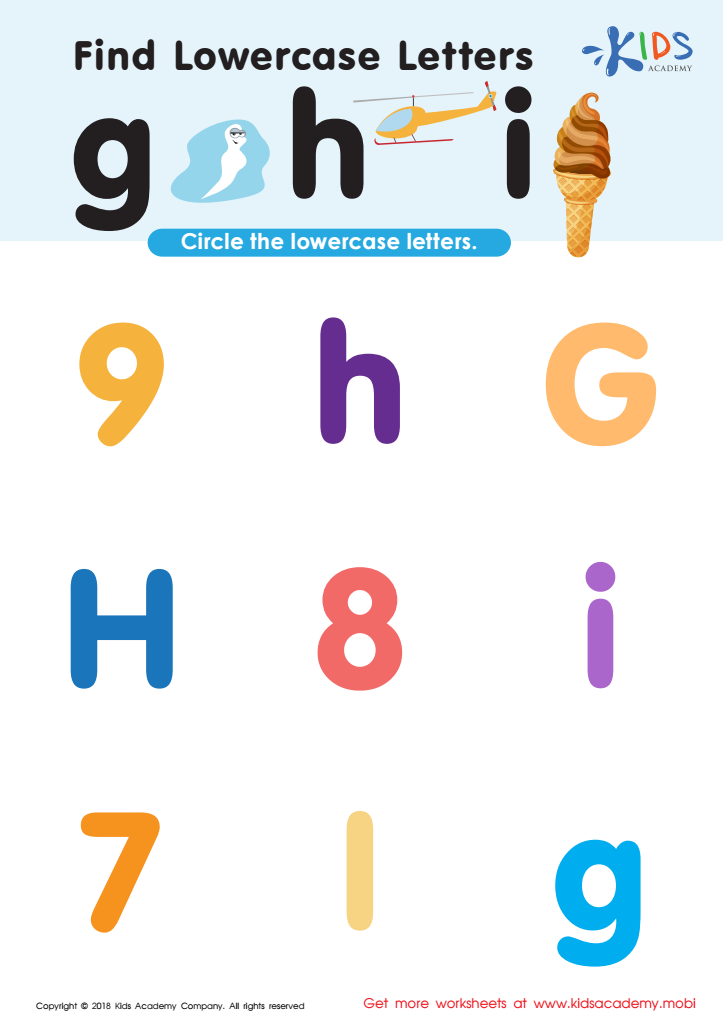
Find Lowercase Letters g h i Worksheet
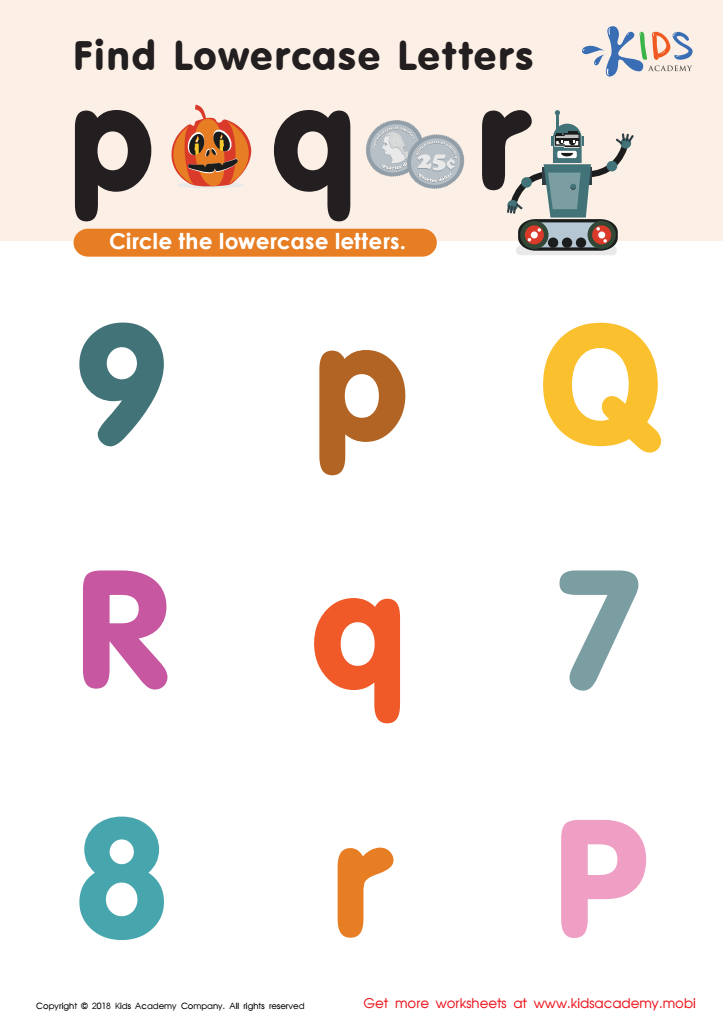
Find lowercase Letters p q r Worksheet
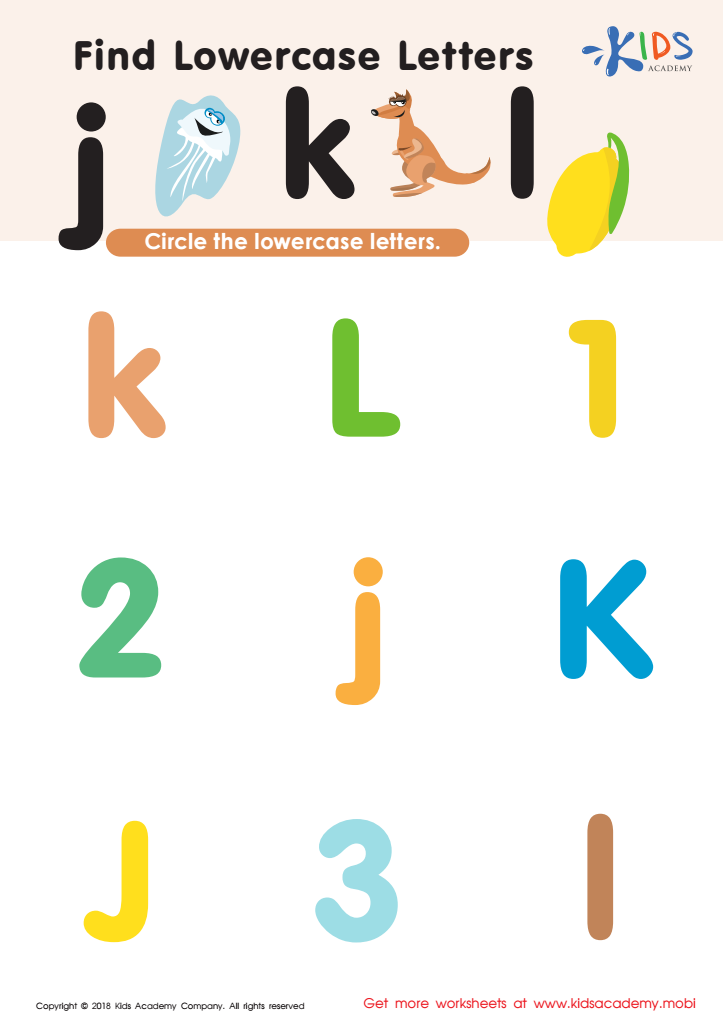
Find Lowercase Letters j k l Worksheet
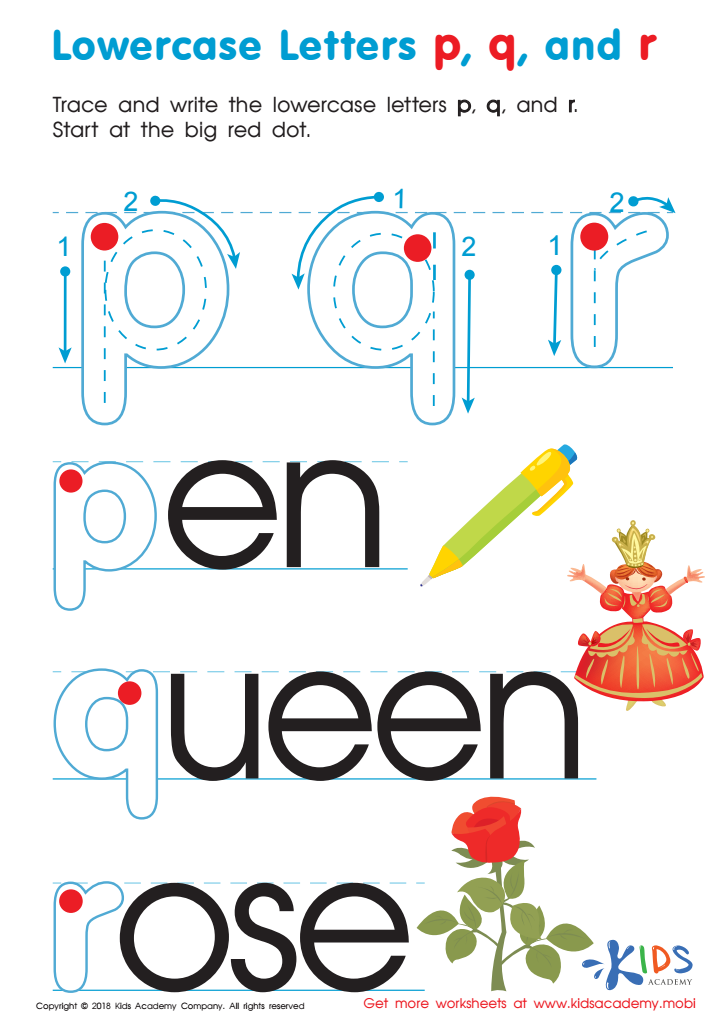
Lowercase Letters p q r Worksheet
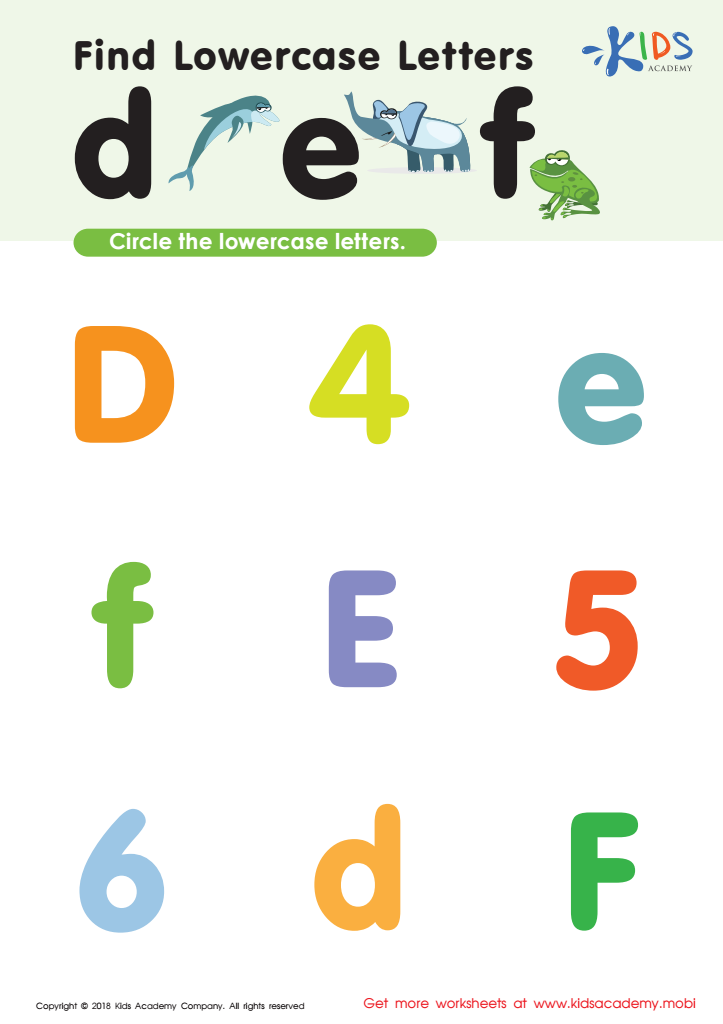
Find Lowercase Letters d e f Worksheet
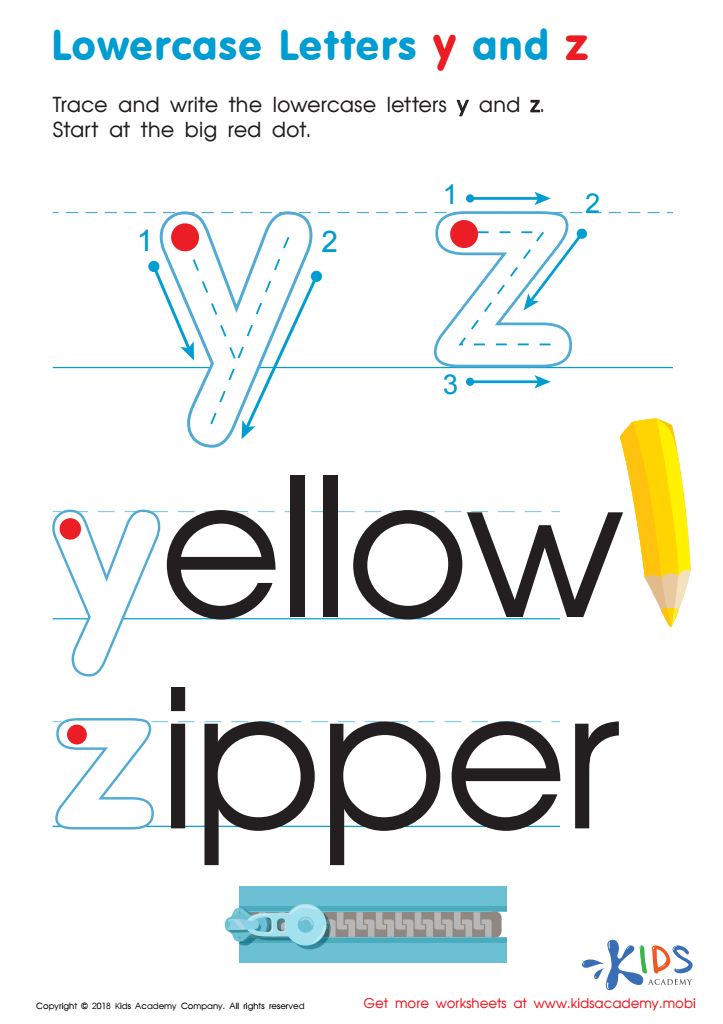
Lowercase Letters y z Worksheet
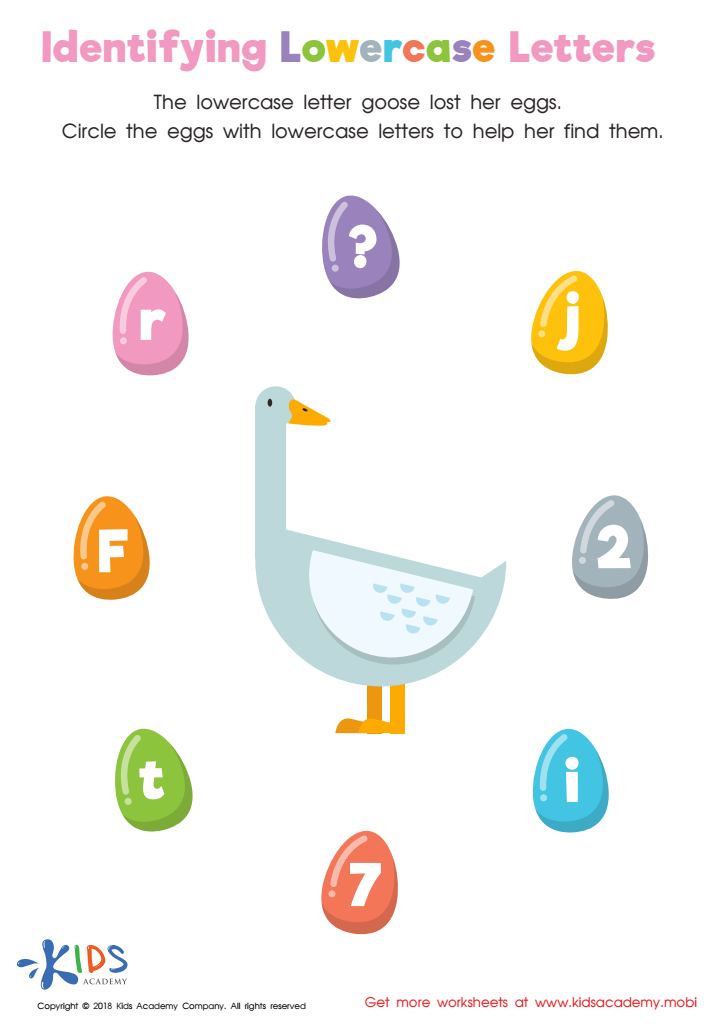
Identifying Lowercase Letters Worksheet
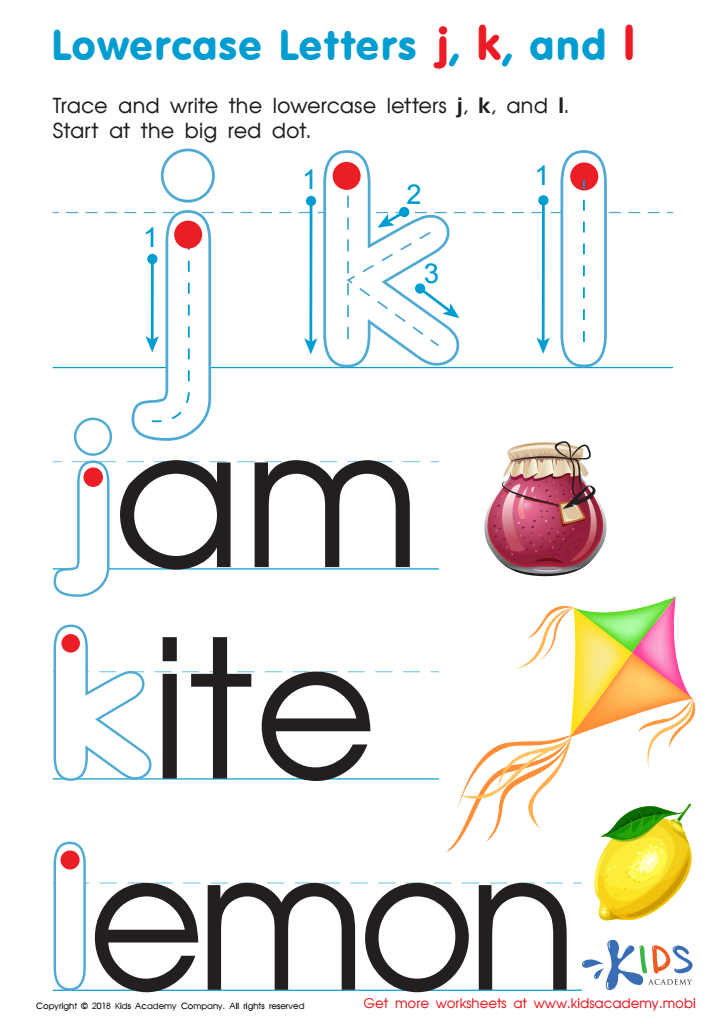
Lowercase Letters j k l Worksheet
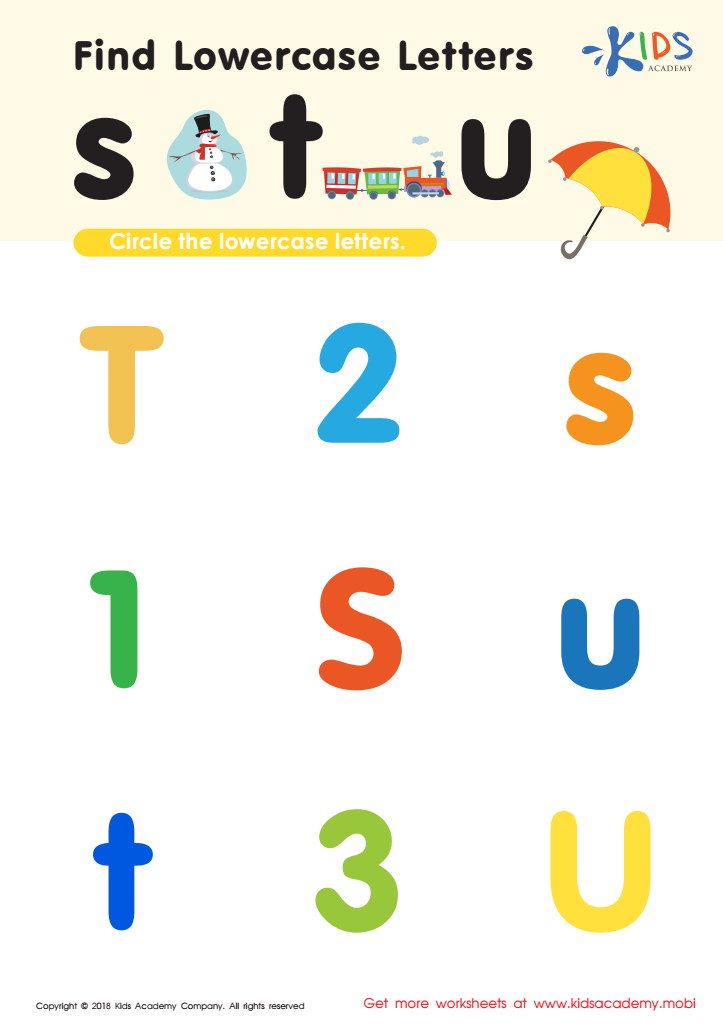
Find lowercase Letters s t u Worksheet
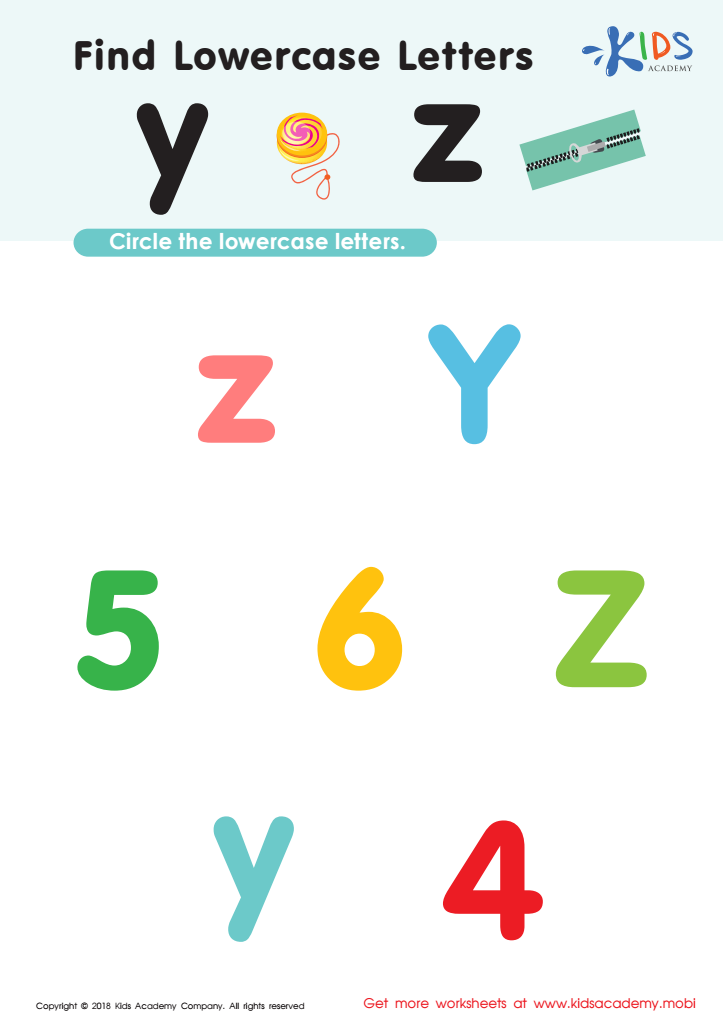
Find Lowercase Letters y z Worksheet
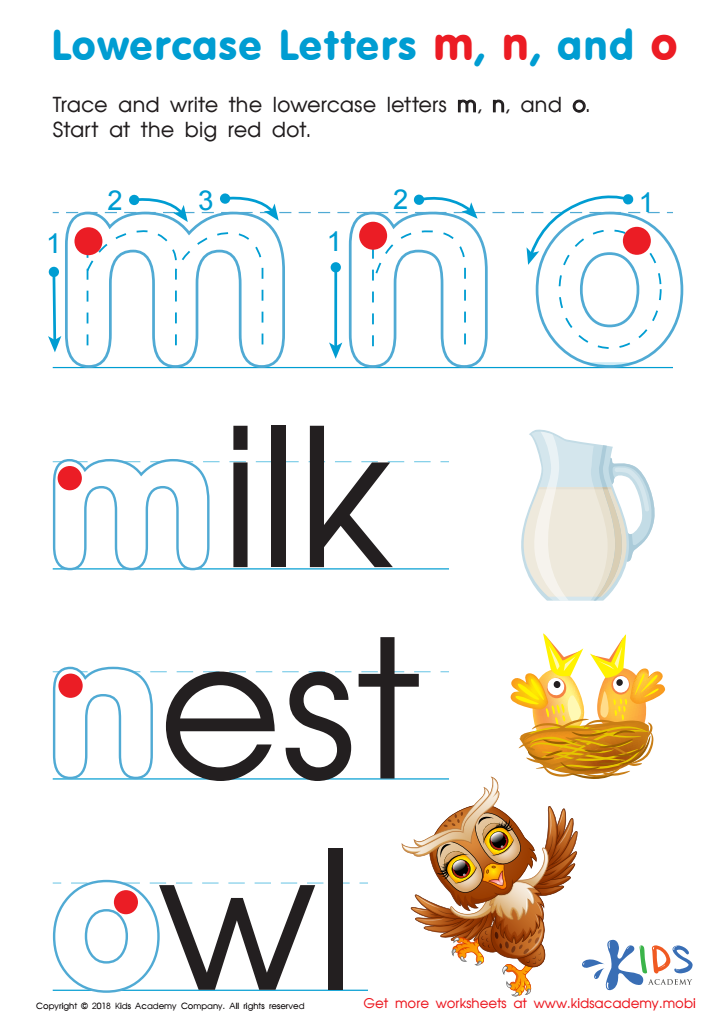
Lowercase Letters m n o Worksheet
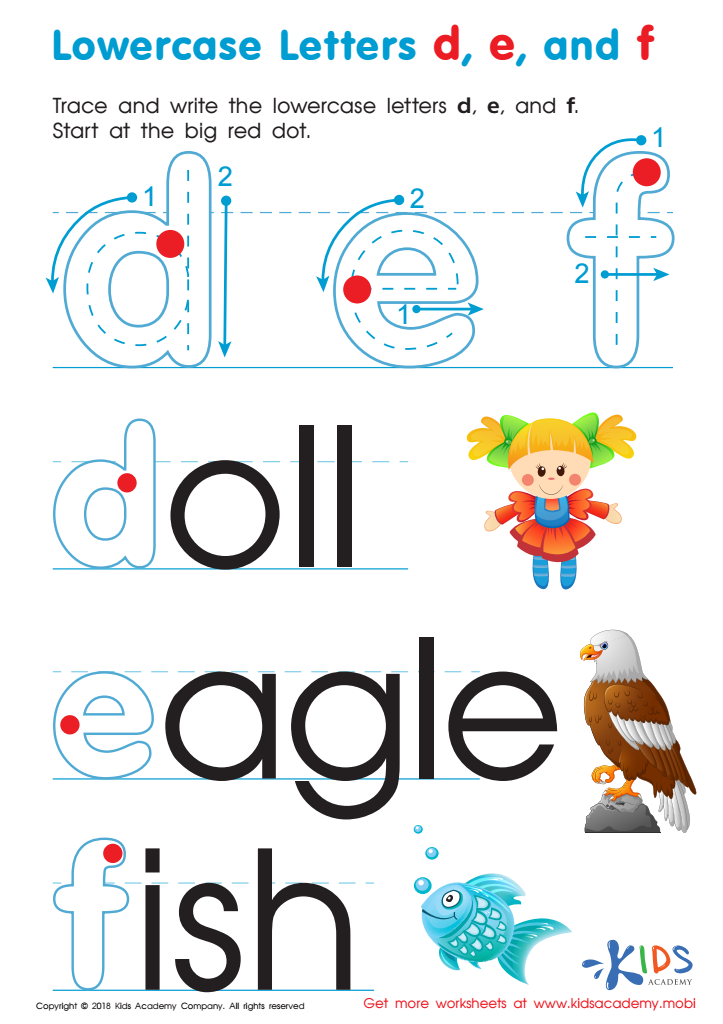
Lowercase Letters d e f Worksheet
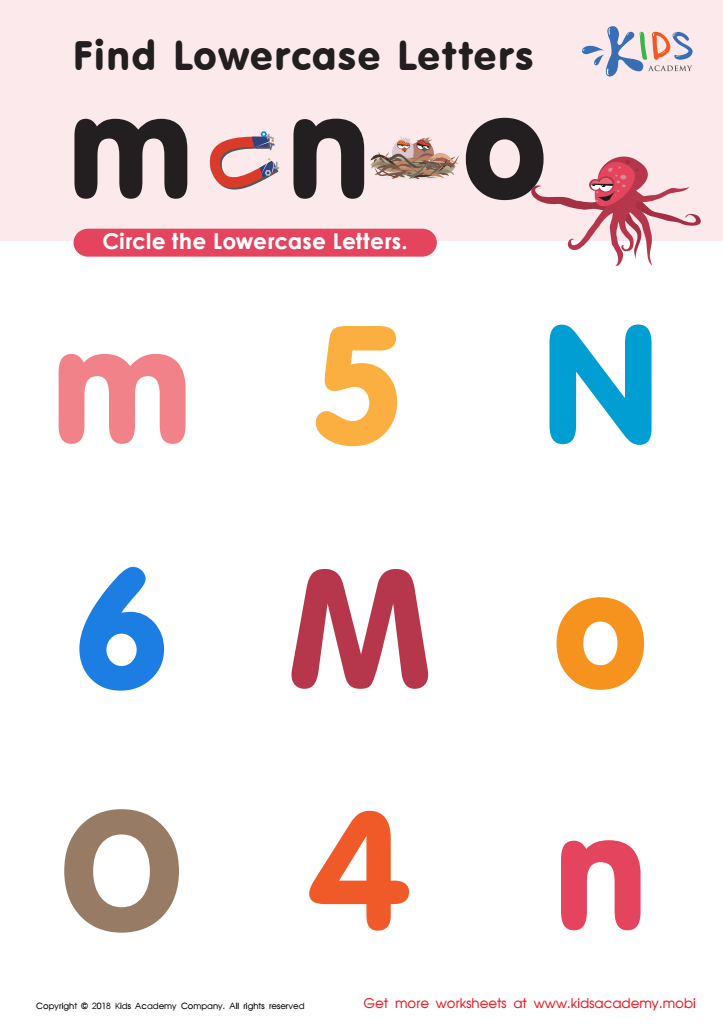
Find Lowercase Letters m n o Worksheet
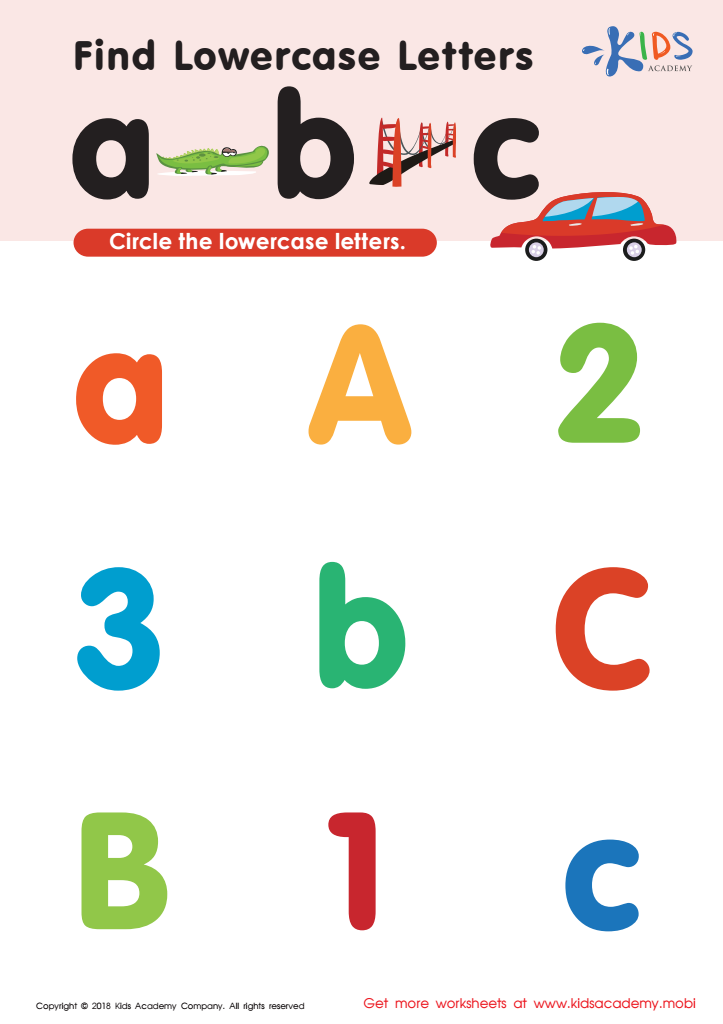
Find lowercase letters a b c Worksheet
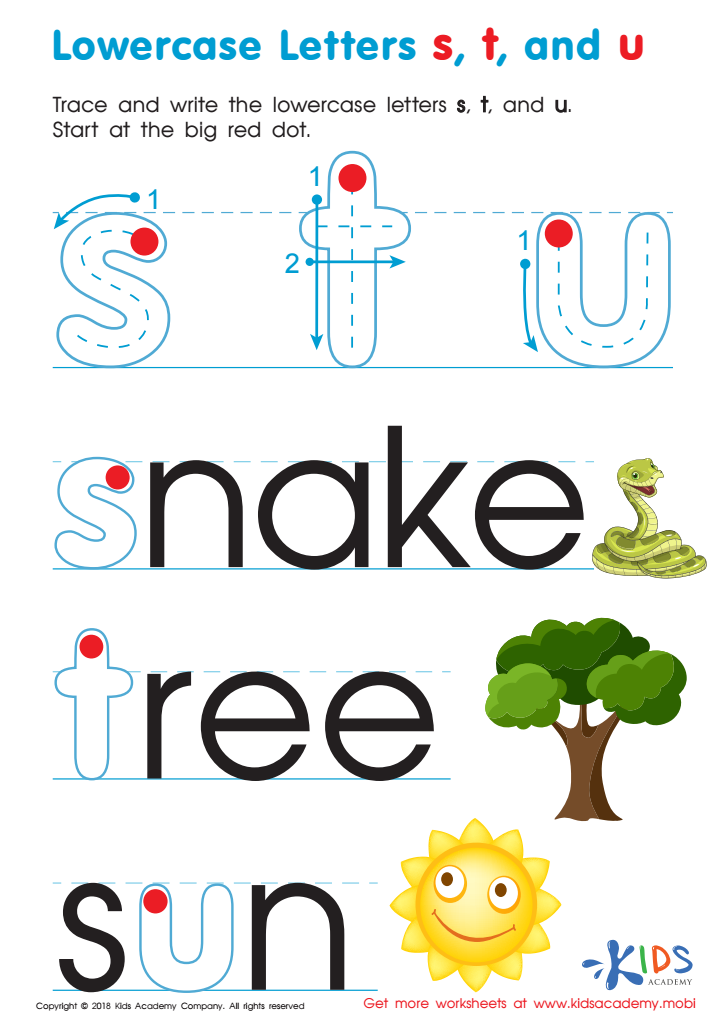
Lowercase Letters s t u Worksheet
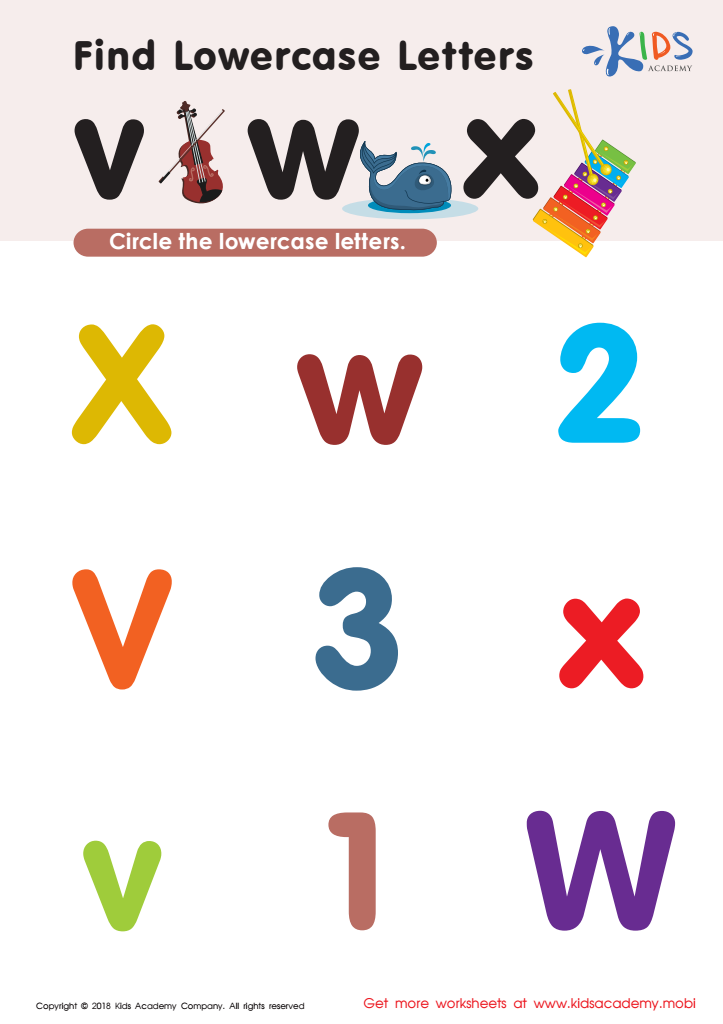
Find Lowercase Letters v w x Worksheet
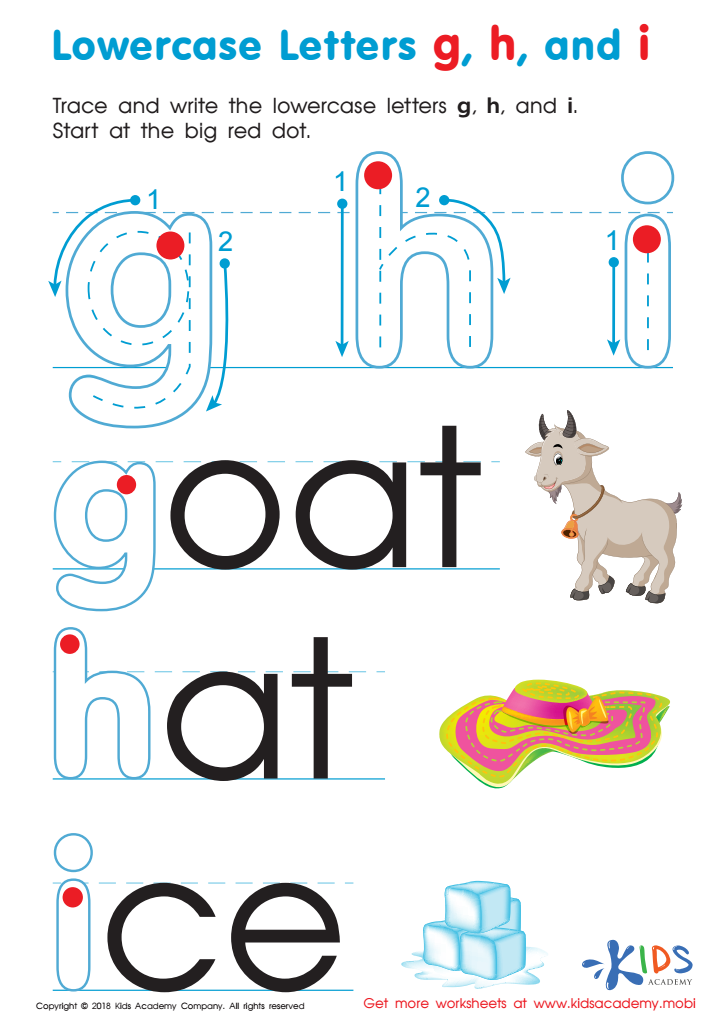
Lowercase Letters g h i Worksheet
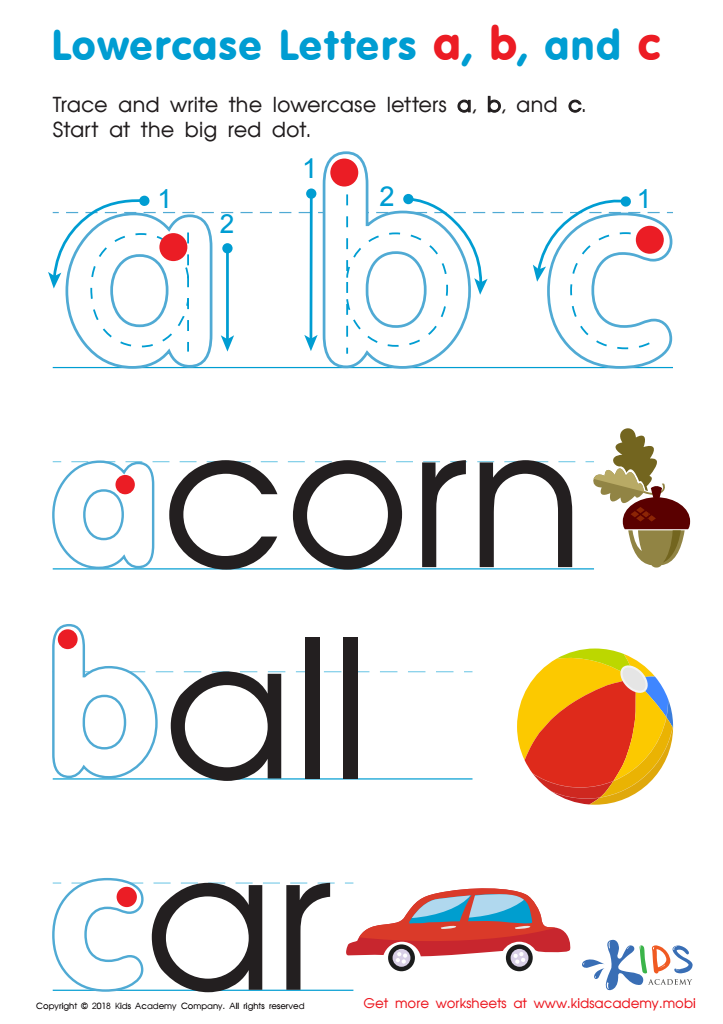
Lowercase Letters a b c Worksheet
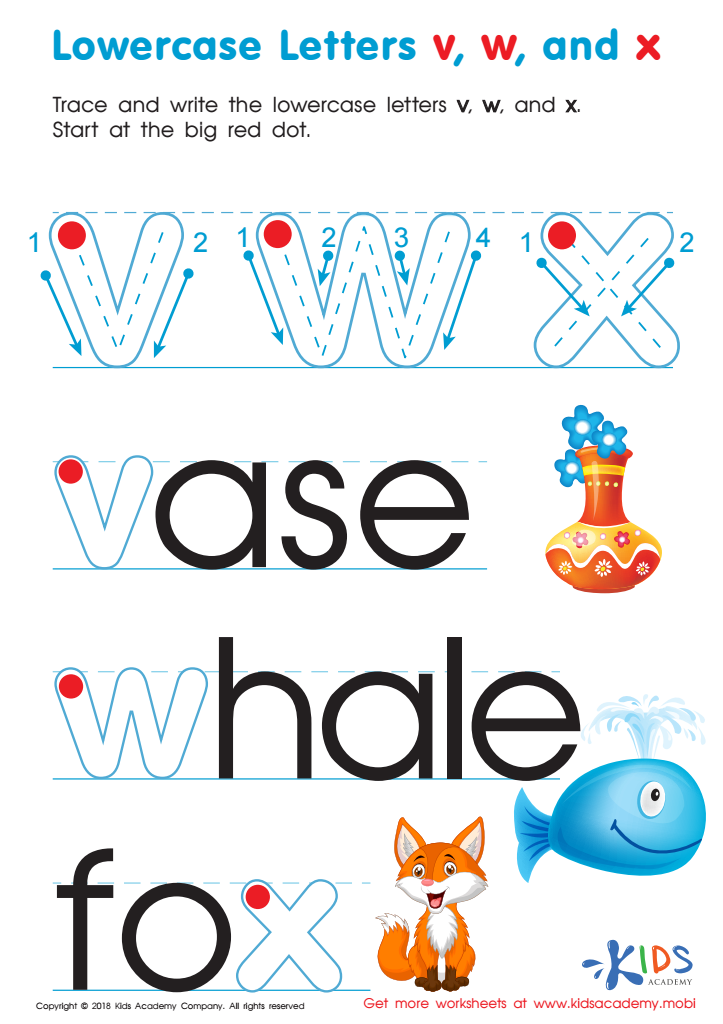
Lowercase Letters v w x Worksheet


Understanding and mastering normal lowercase or small letters is crucial for children aged 5-8 as they lay the foundation for effective reading and writing skills. At this developmental stage, children are enhancing their phonemic awareness and grappling with the fundamental concepts of letter recognition and formation. Lowercase letters make up the majority of text in books, signs, and schoolwork, so recognizing and writing them becomes essential for literacy.
Parents and teachers should care about lowercase letters because they are pivotal in developing fluency in reading. When children become proficient in identifying these letters, they can decode words more easily, which fosters a love for reading and learning. Additionally, writing in lowercase helps children express their thoughts more clearly and reduce the frustration associated with penmanship.
Beyond academic skills, mastering lowercase letters also supports cognitive development. It encourages fine motor skills through writing practice and nurtures a child’s ability to pay attention to details. Establishing a solid grip on lowercase letters ultimately boosts children's confidence in their literacy abilities. As lifelong learners, children equipped with these foundational skills are more likely to engage positively with educational content and build a strong literacy framework for future success.