Handwriting practice Normal Tracing Letters Worksheets for Ages 5-8
15 filtered results
-
From - To
Enhance your child’s penmanship with our Handwriting Practice Normal Tracing Letters Worksheets, designed specifically for ages 5-8. These engaging and progressive worksheets help young learners develop fine motor skills and proper letter formation. Each page provides ample space for practice, featuring dotted letter outlines that guide children as they trace each character. By regularly practicing with these worksheets, students build confidence in their handwriting abilities and lay a solid foundation for future writing success. Perfect for home or classroom use, these expertly crafted worksheets make learning to write a fun and productive endeavor. Start your child’s writing journey today!
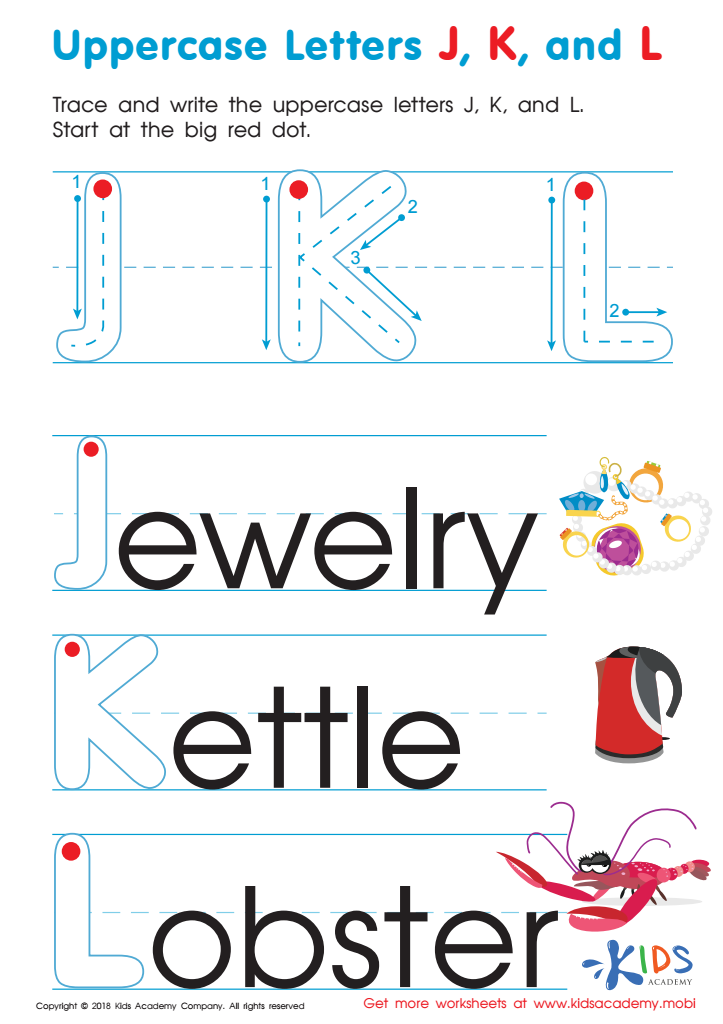
Uppercase Letters J, K, and L Worksheet
 Assign to My Students
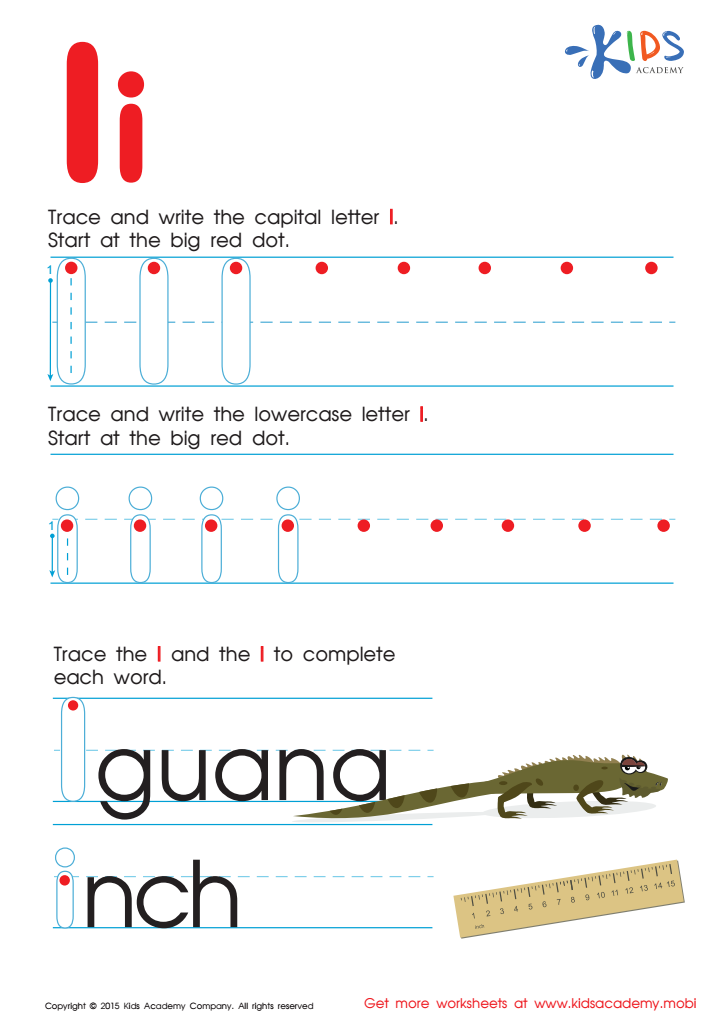
Letter I Tracing Page
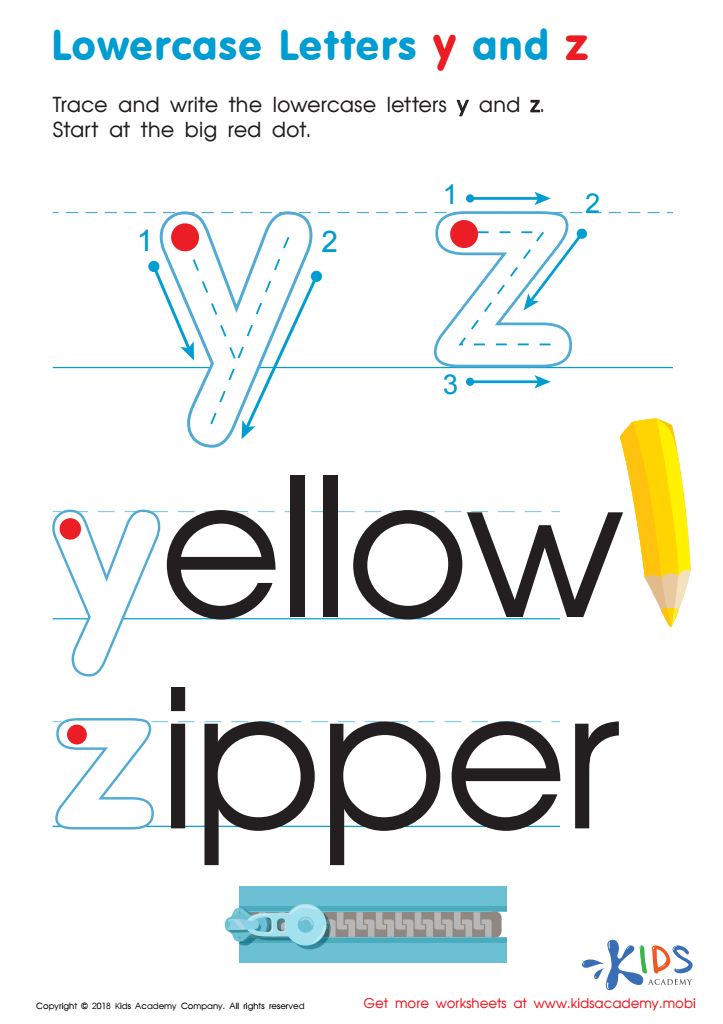
Lowercase Letters y z Worksheet
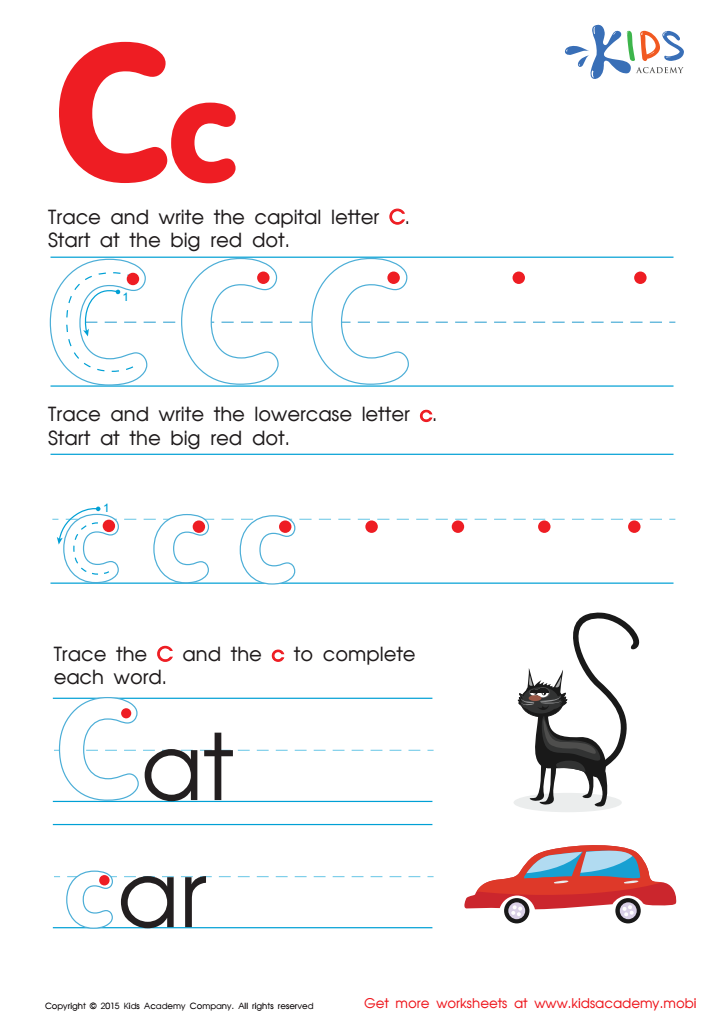
Letter C Tracing Page
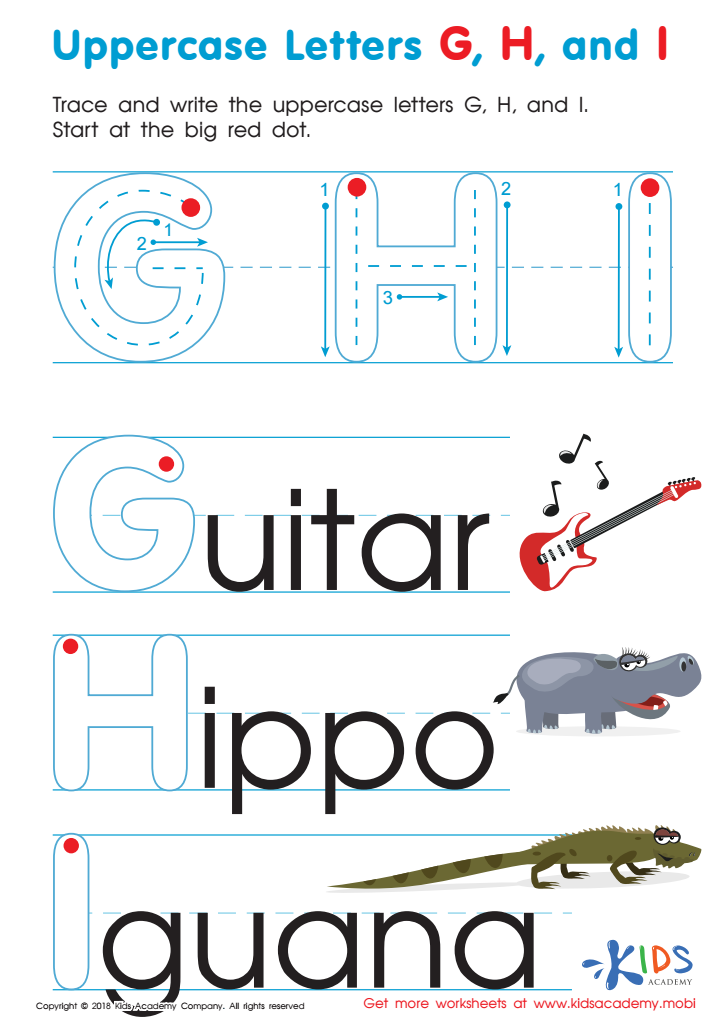
Uppercase Letters G, H, and I Worksheet
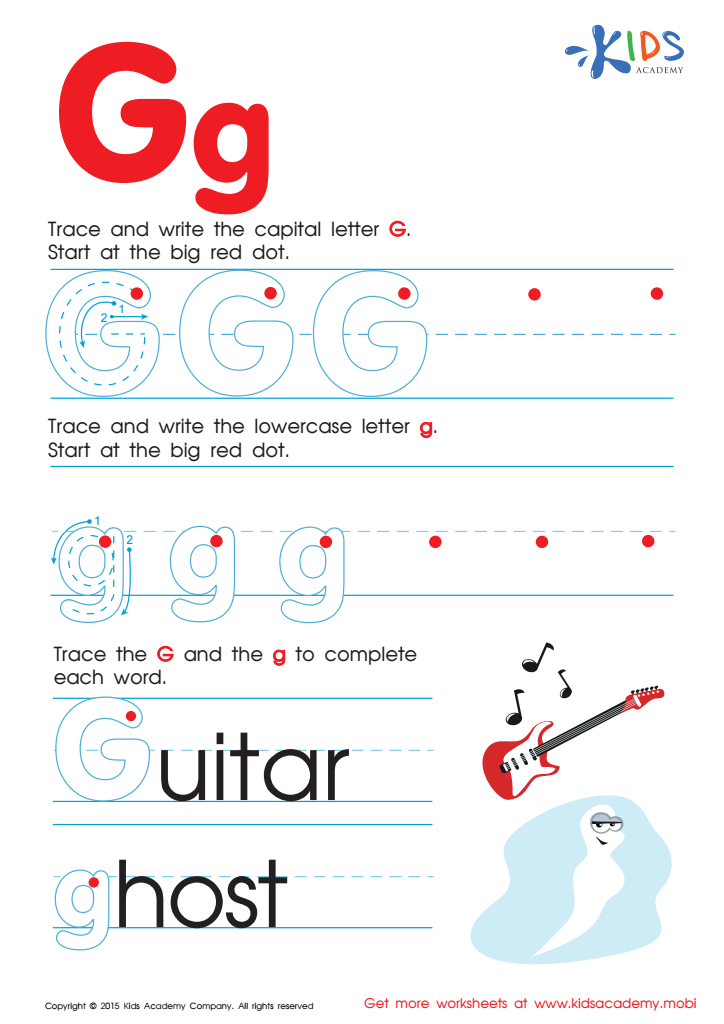
Letter G Tracing Page
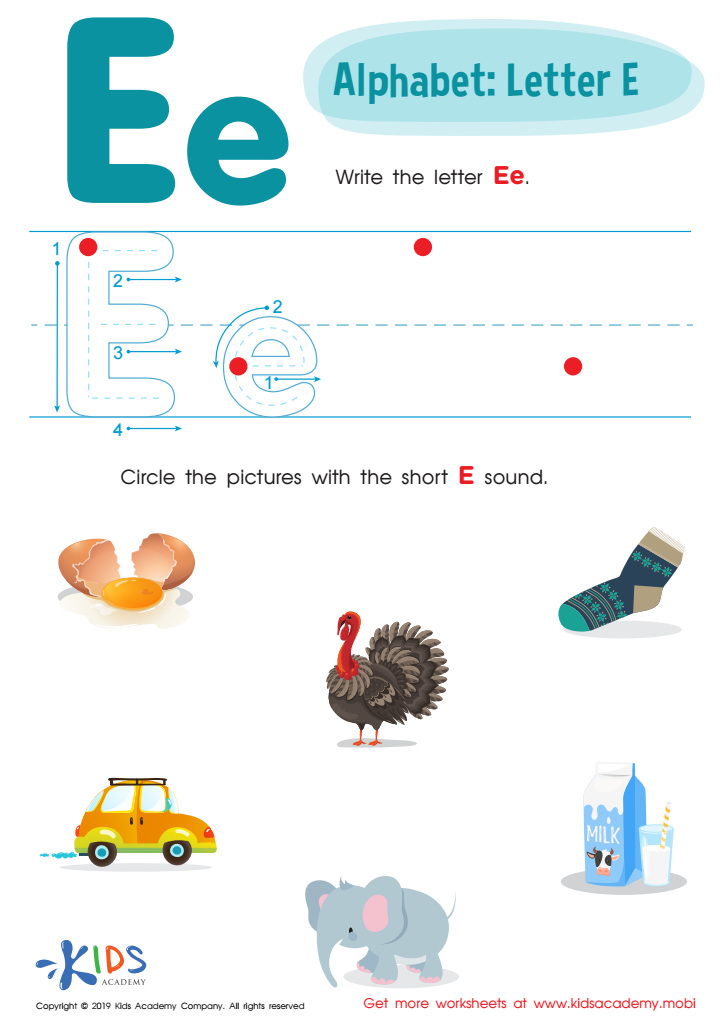
Letter E Tracing Worksheet

Lowercase Letters m n o Worksheet

Letter N Tracing Page

Letter A Tracing Worksheet
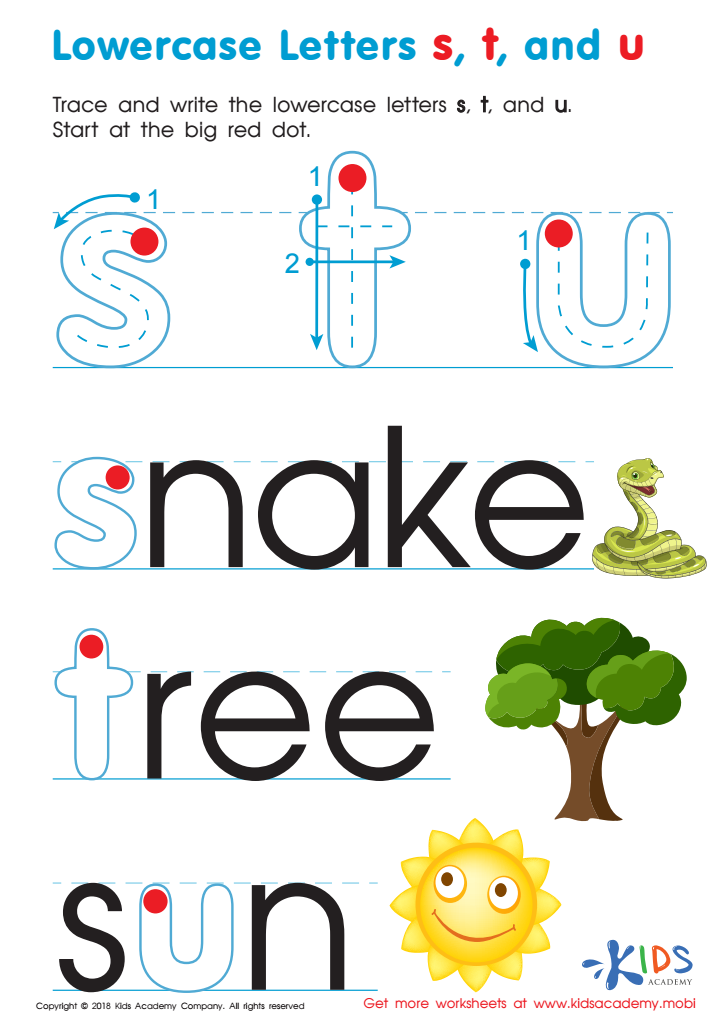
Lowercase Letters s t u Worksheet
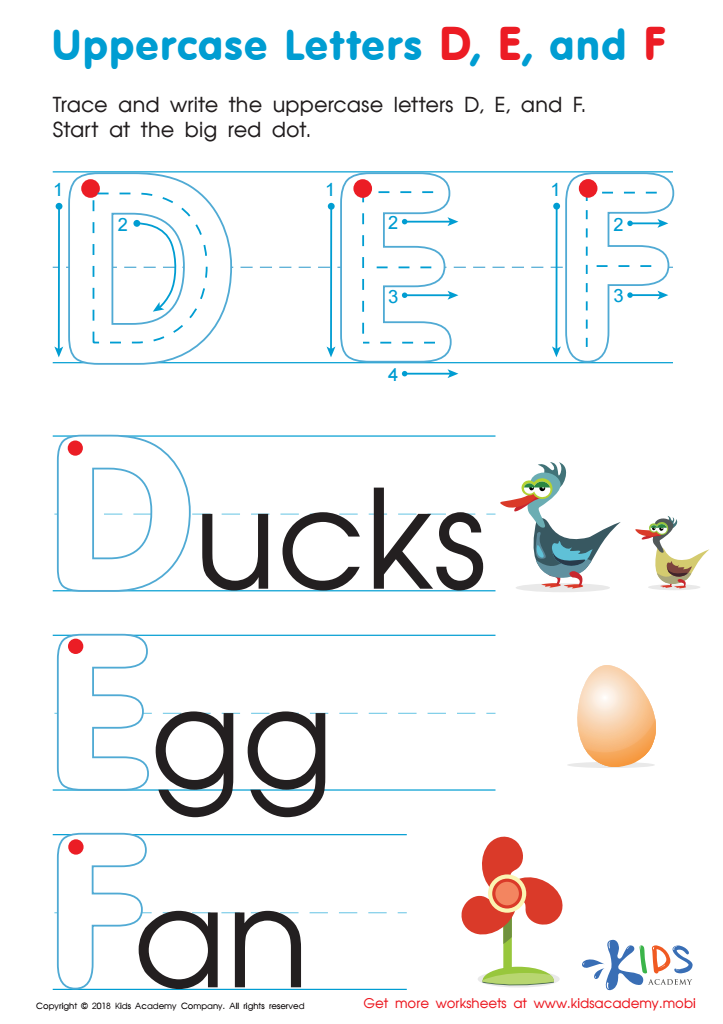
Uppercase Letters D, E, and F Worksheet
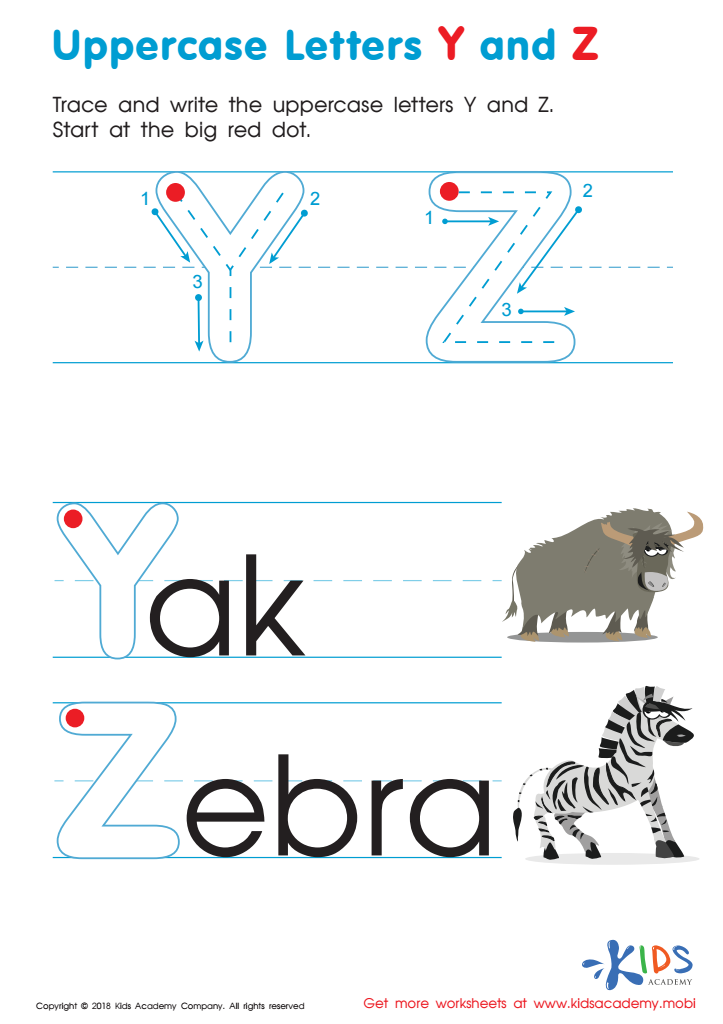
Uppercase Letters Y Z Worksheet
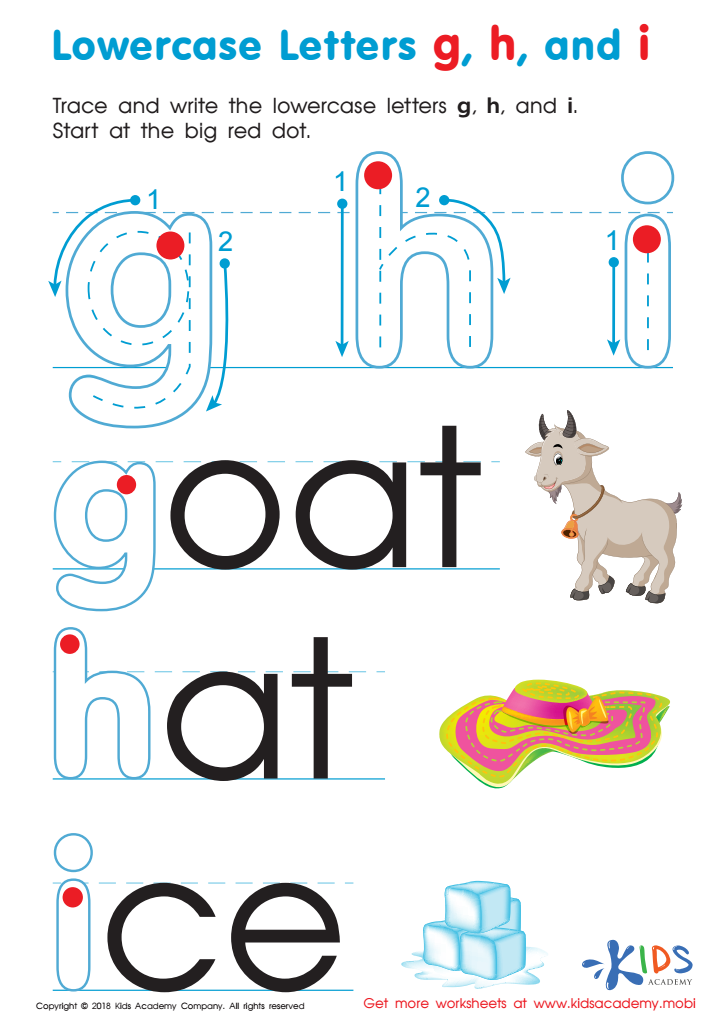
Lowercase Letters g h i Worksheet
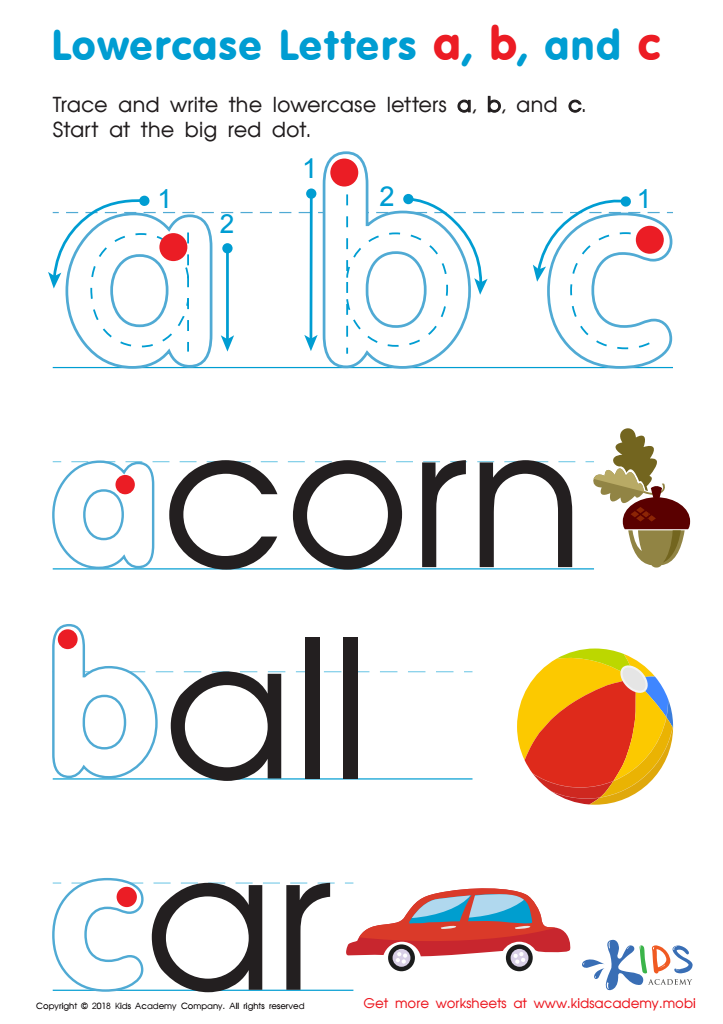
Lowercase Letters a b c Worksheet








Handwriting practice, especially through normal tracing letters, is essential for children aged 5-8 for numerous important reasons. First, it aids in developing fine motor skills by strengthening the small muscles in the hands and fingers. This foundational skill is critical, not just for writing, but for other tasks such as tying shoelaces or buttoning clothes.
Moreover, handwriting practice enhances hand-eye coordination, an essential aspect of all manual tasks and even sports later in life. When young children trace letters consistently, they also improve their focus and concentration, critical cognitive skills they will use throughout their academic career.
Additionally, learning to write and properly form letters lays the groundwork for literacy. The tactile activity of writing helps cement the relationship between sounds and symbols, boosting early reading skills. Children are better able to recognize letters and understand their corresponding sounds, thus improving their phonemic awareness.
Furthermore, handwriting practice fosters a sense of accomplishment and boosts self-esteem. As children see tangible progress in their ability to write neatly and correctly, their confidence grows. Lastly, consistent practice builds a habit of diligence and perseverance, teaching children that practice leads to improvement—a critical lesson for any area of learning and personal development. In short, handwriting practice for young children is beneficial for their physical, cognitive, and emotional growth.








