Spelling practice Normal Vowels Worksheets for Ages 5-8
30 filtered results
-
From - To
Enhance your child's spelling skills with our "Normal Vowels Worksheets" designed specifically for ages 5-8. These engaging worksheets focus on reinforcing the understanding of normal vowels in interactive and fun ways. Each activity encourages children to distinguish between different vowel sounds, build their vocabulary, and improve their overall spelling proficiency. Whether used in the classroom or at home, our worksheets provide a seamless learning experience that supports early literacy development. Perfectly tailored for young learners, these resources foster confidence in spelling while making learning enjoyable. Discover the joy of learning vowels today with our comprehensive collection!
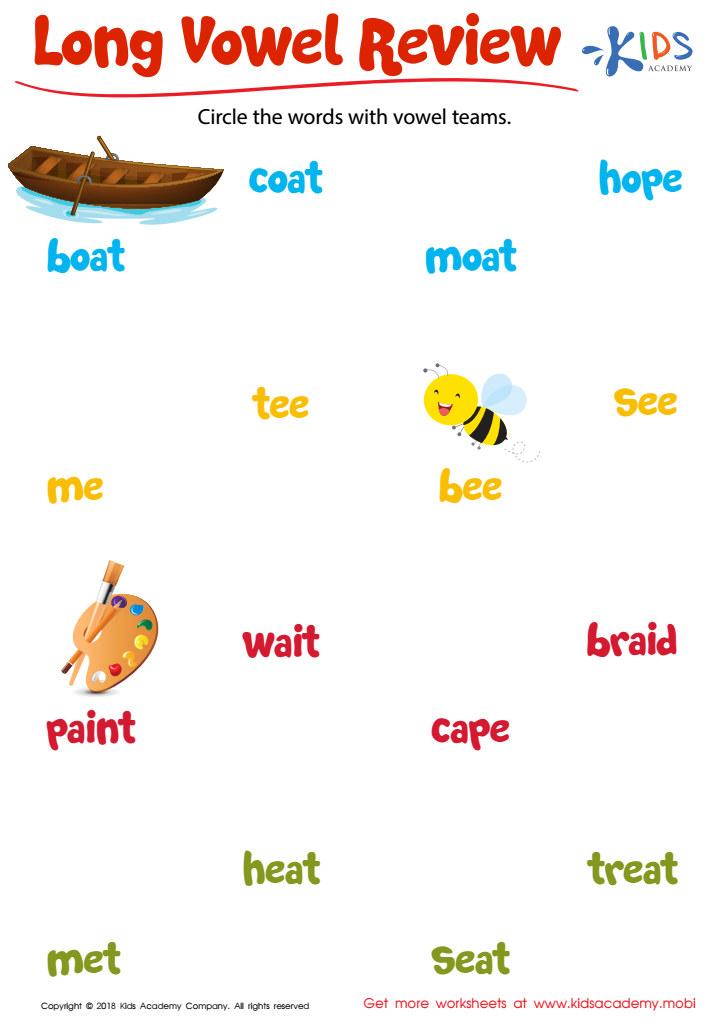
Long Vowel Review Worksheet
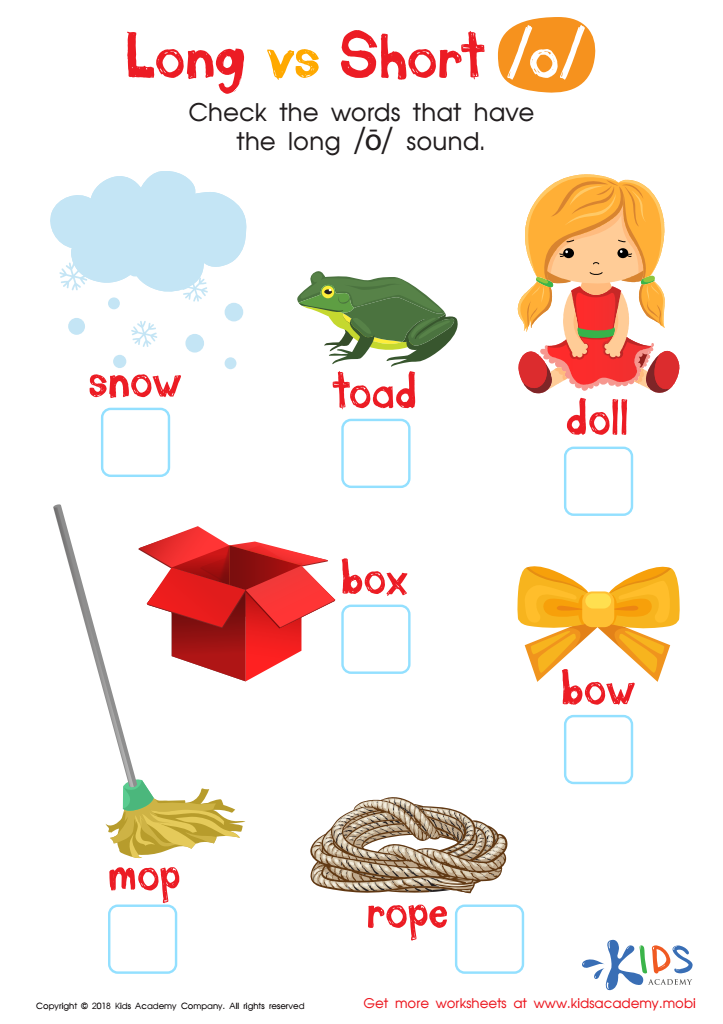
Long vs Short O Reading Worksheet
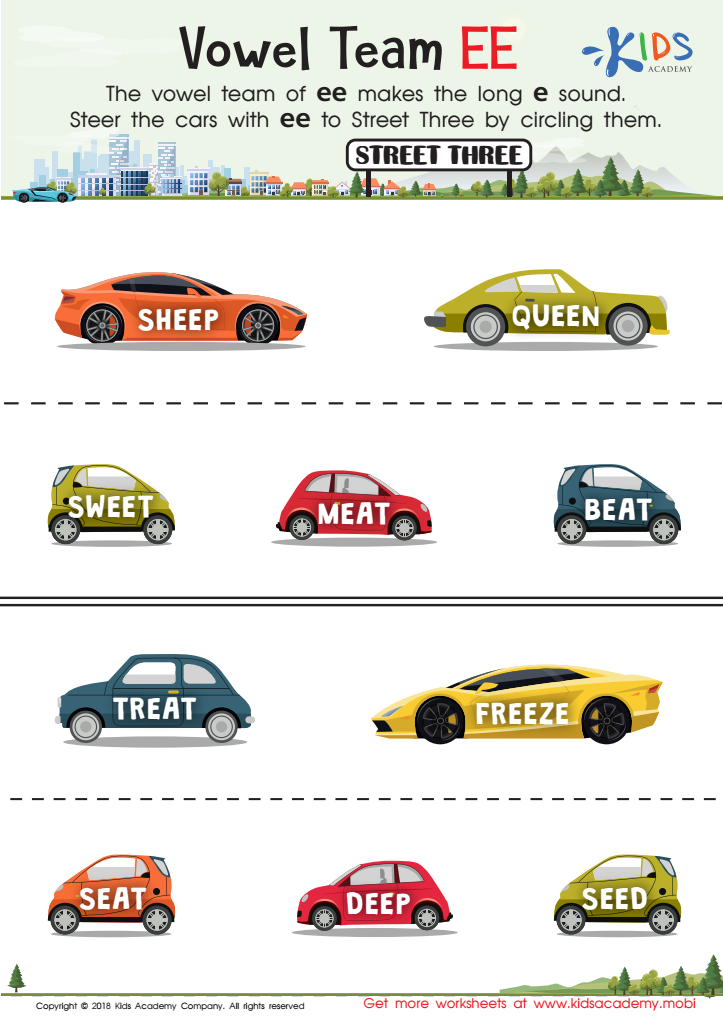
Vowel team ee Worksheet
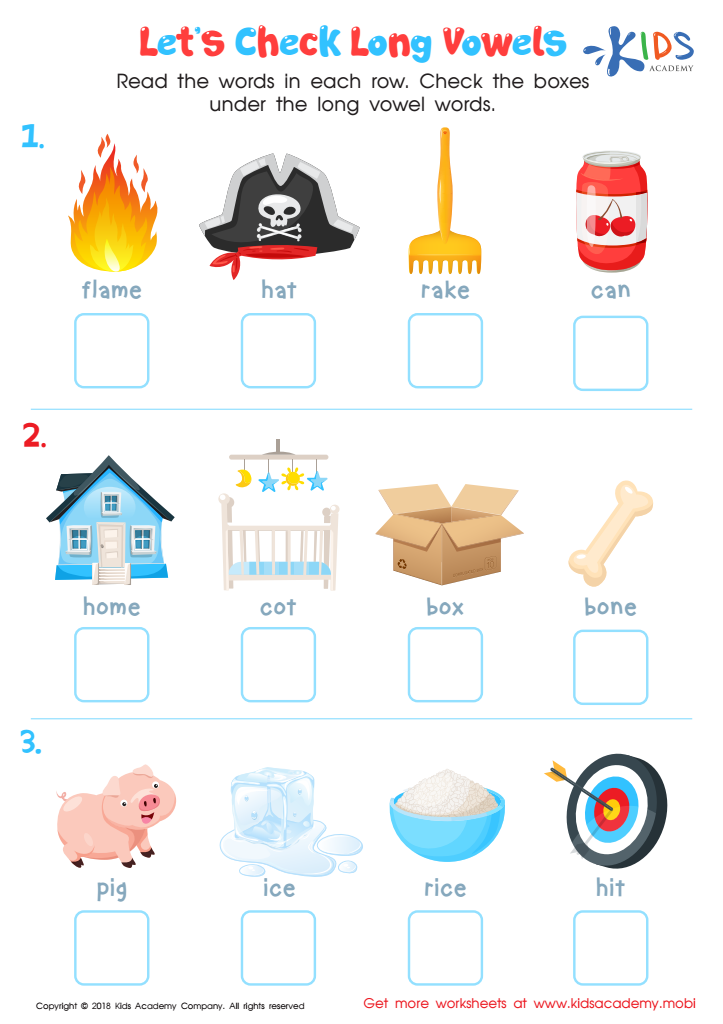
Let's Check Long Vowels: Assessment Worksheet
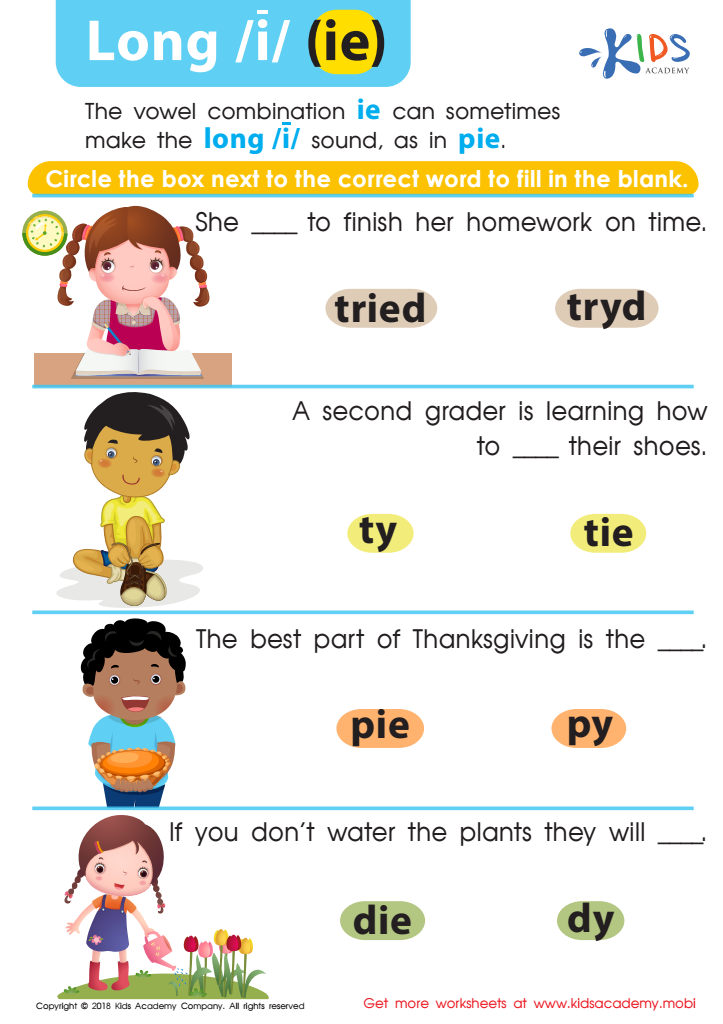
Reading: Long I and IE Worksheet
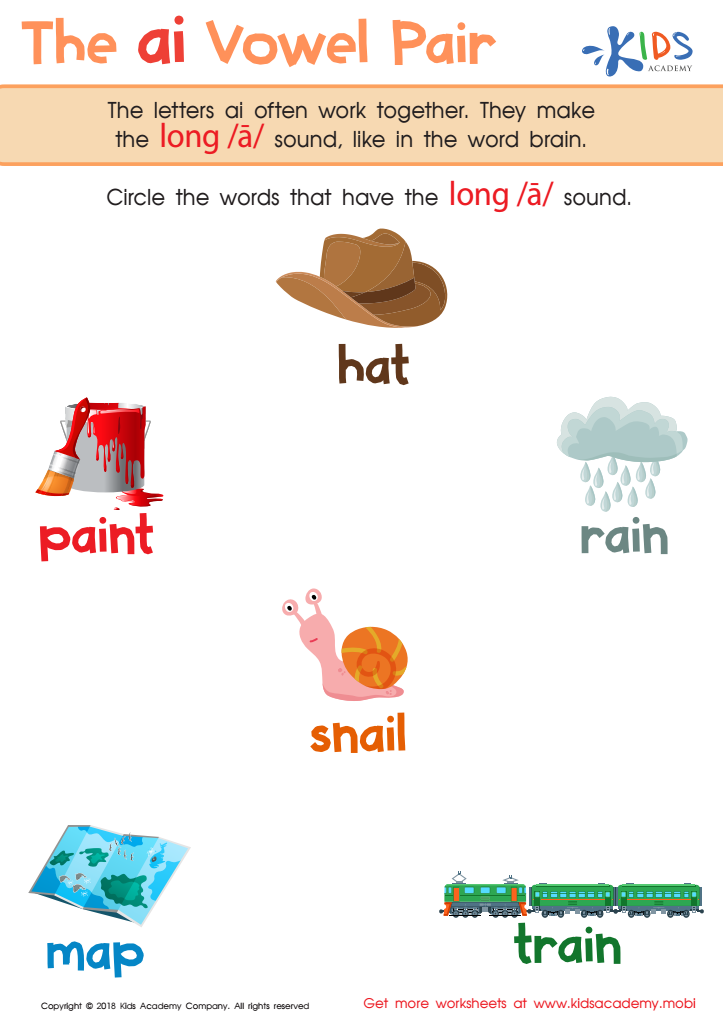
The AI Vowel Pair Worksheet
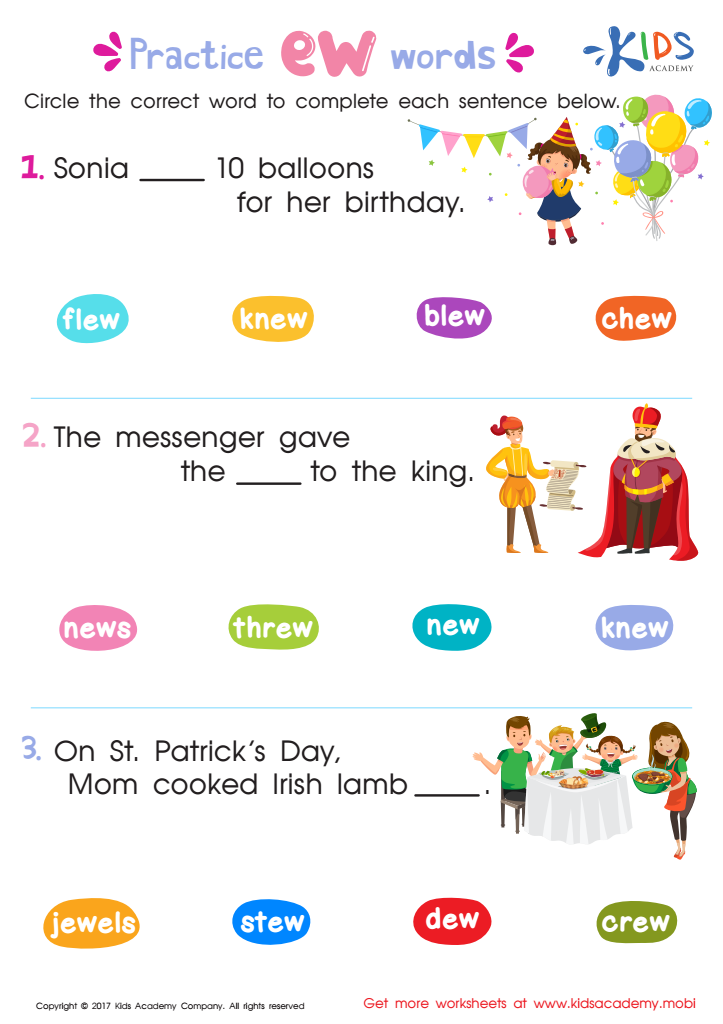
EW Words Worksheet
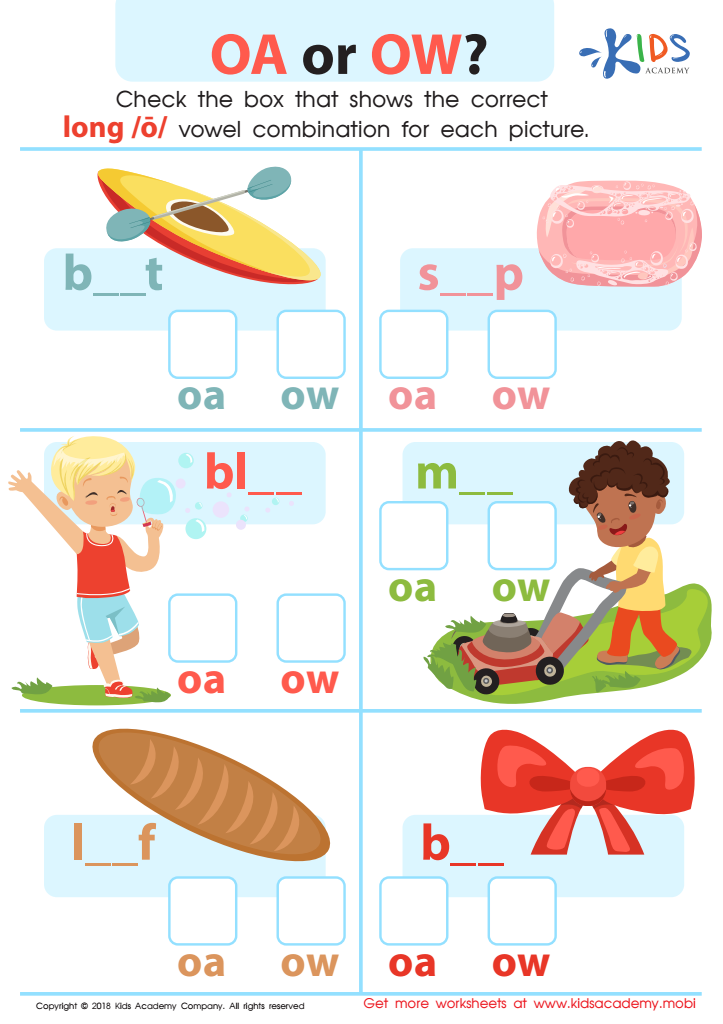
Reading: OA or OW Worksheet
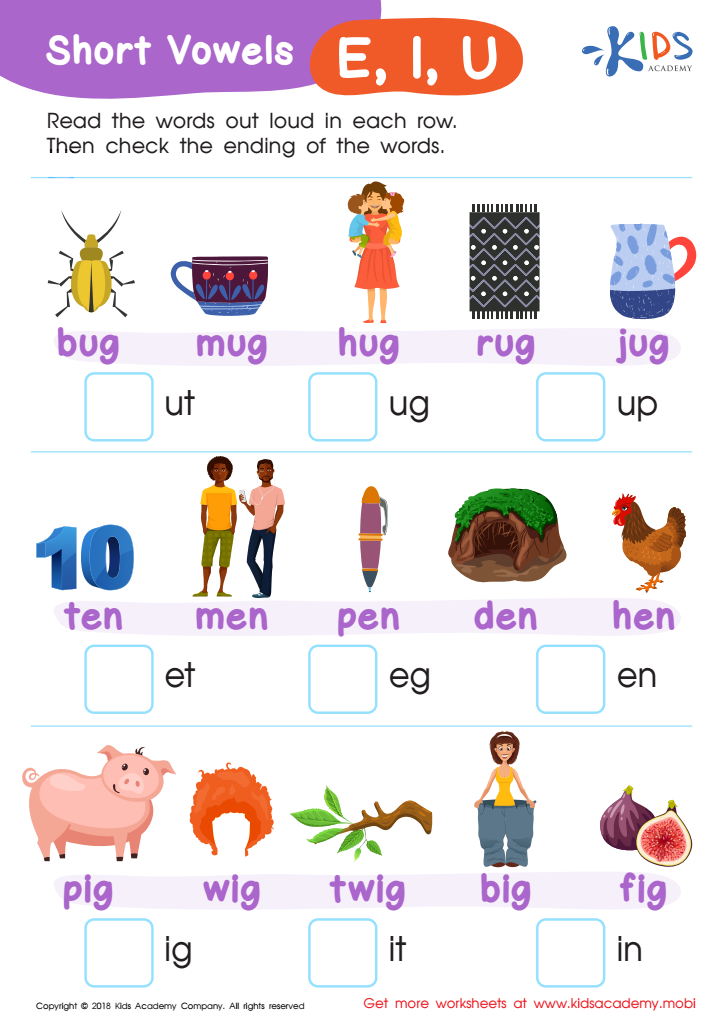
Short Vowels /e/, /i/, and /u/ Worksheet
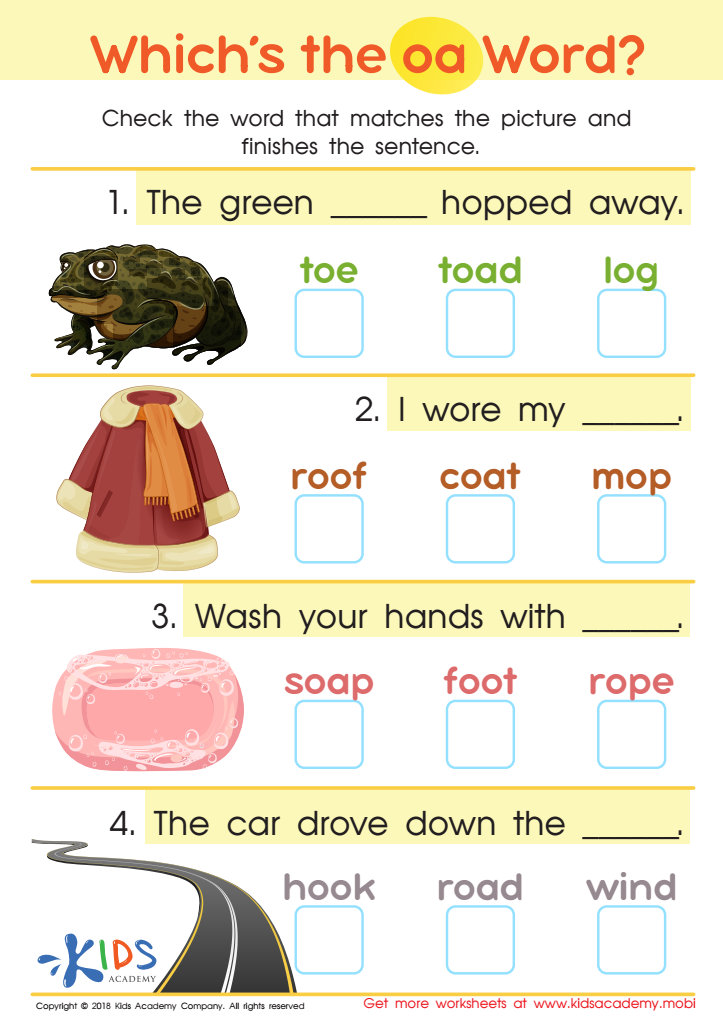
Which's the OA Word? Worksheet
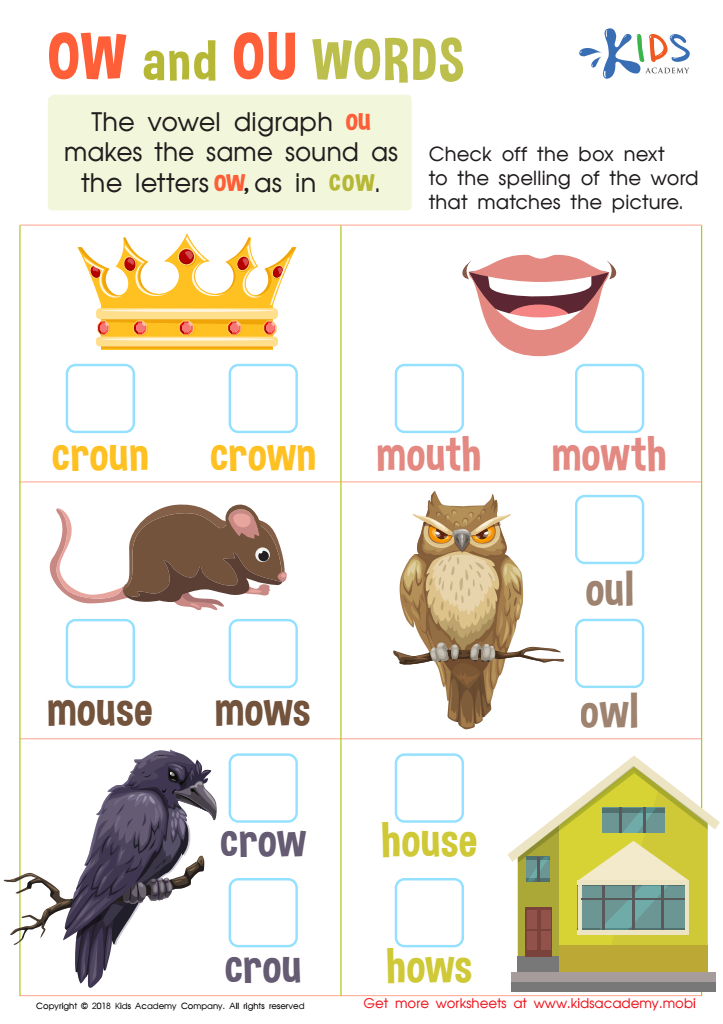
Reading: OW and OU Words Worksheet
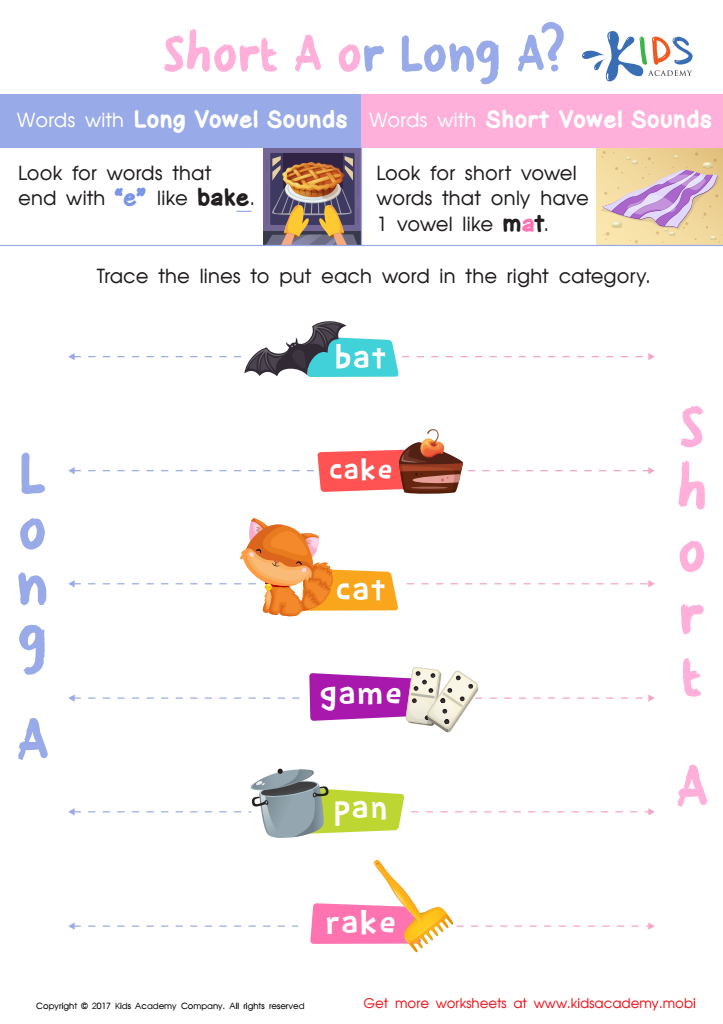
Short /a/ or Long /a/? Worksheet
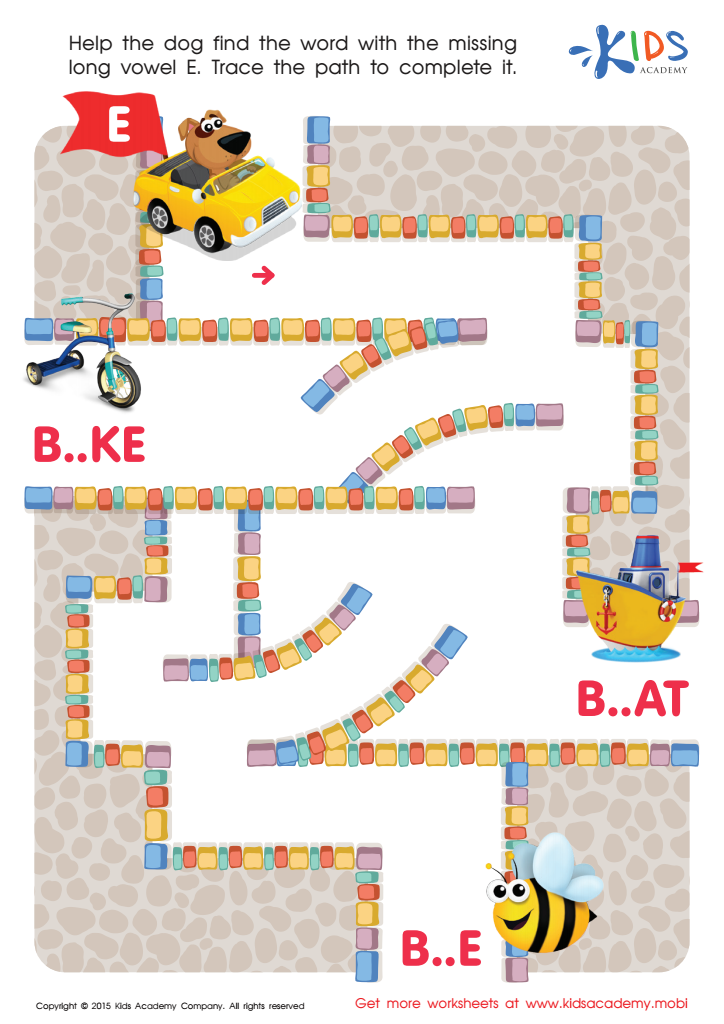
Long Vowel Sound E Worksheet
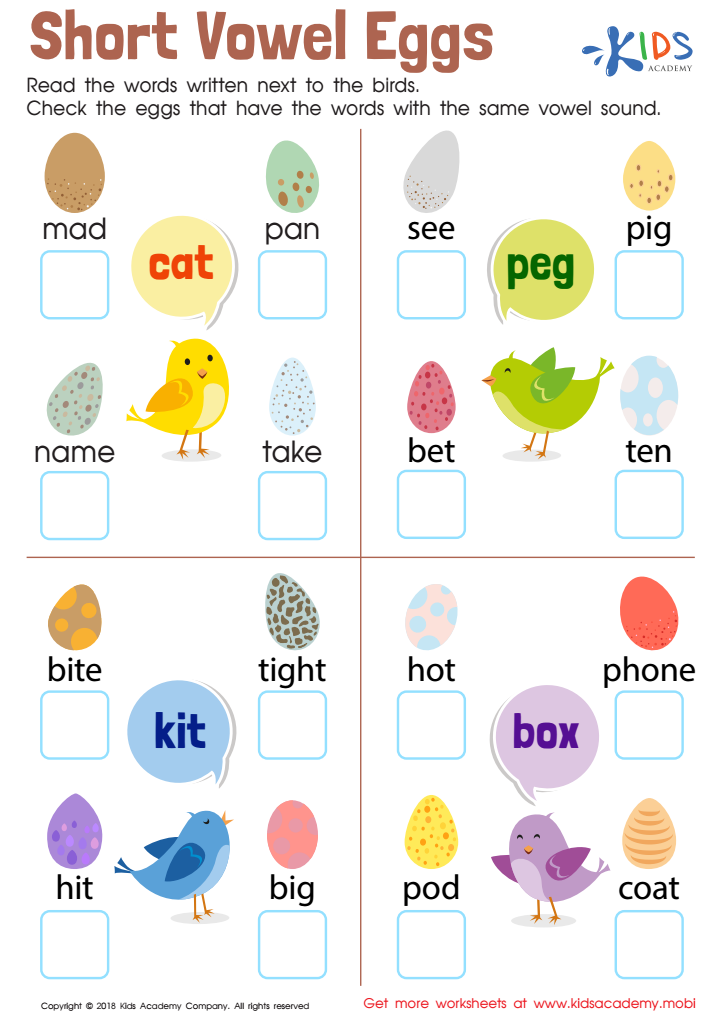
Short Vowel Eggs Worksheet
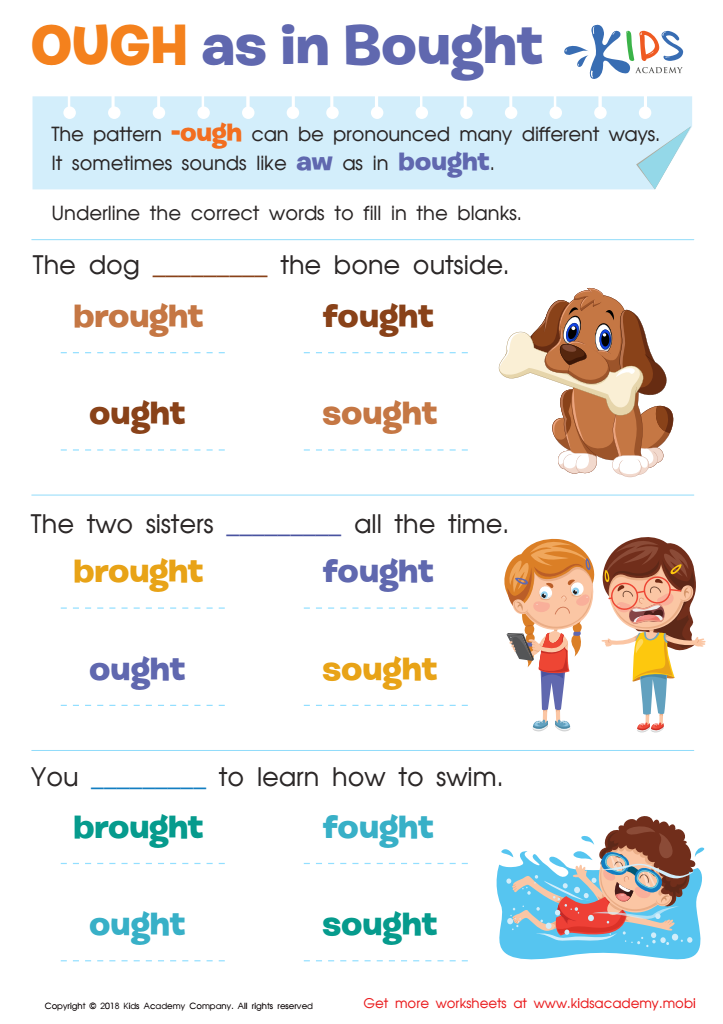
OUGH as in Bought Worksheet
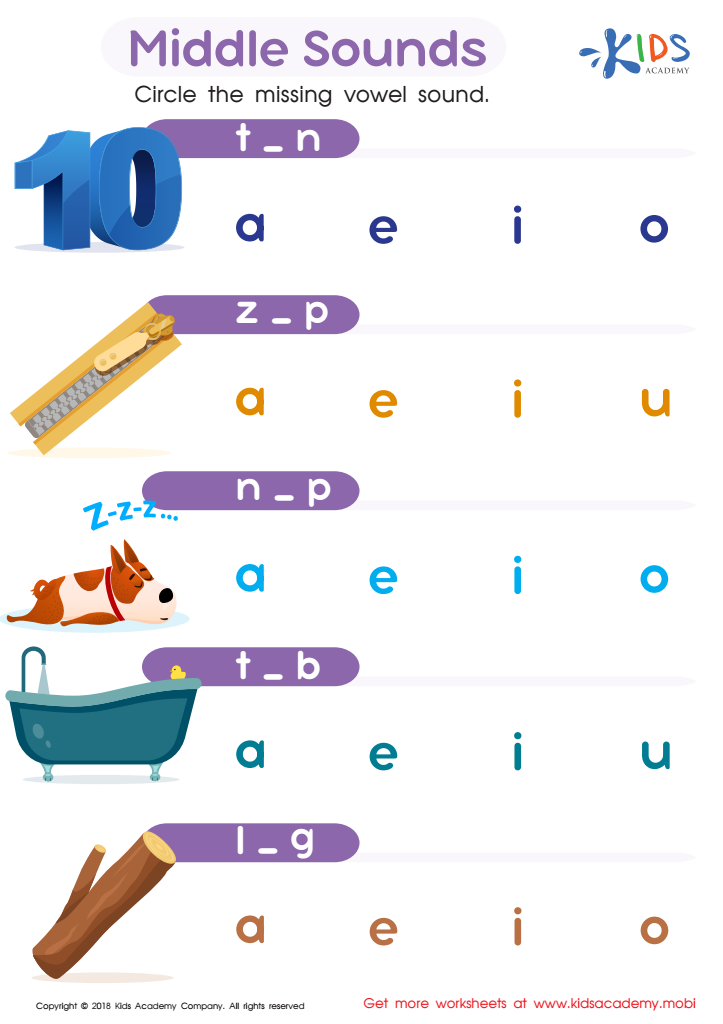
Middle Sounds Worksheet
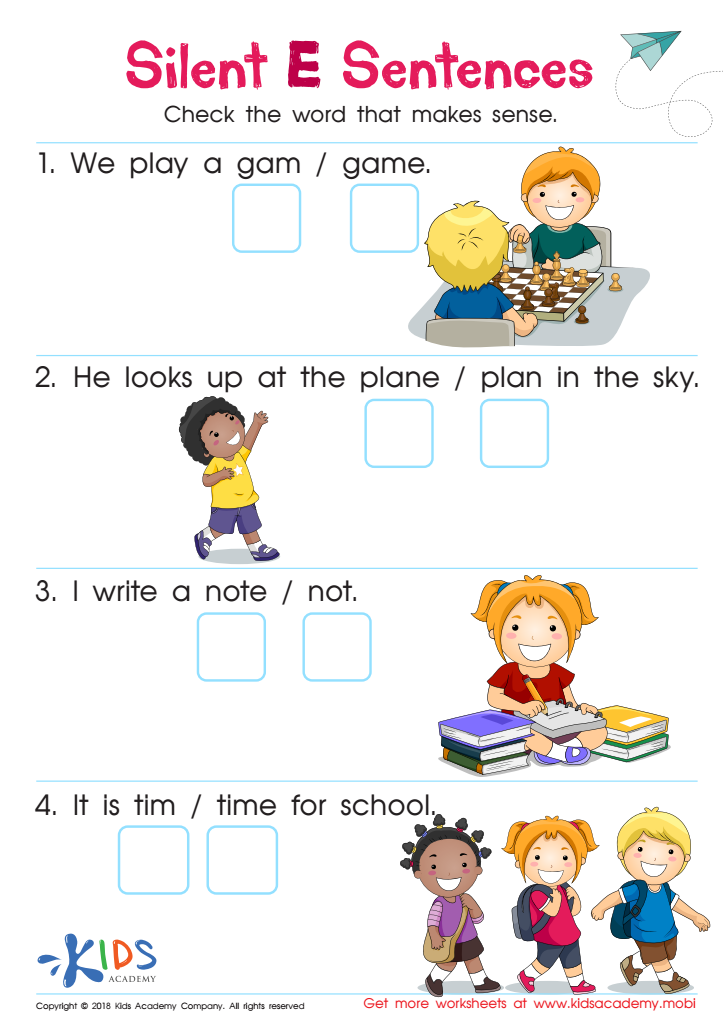
Silent E Sentences Worksheet
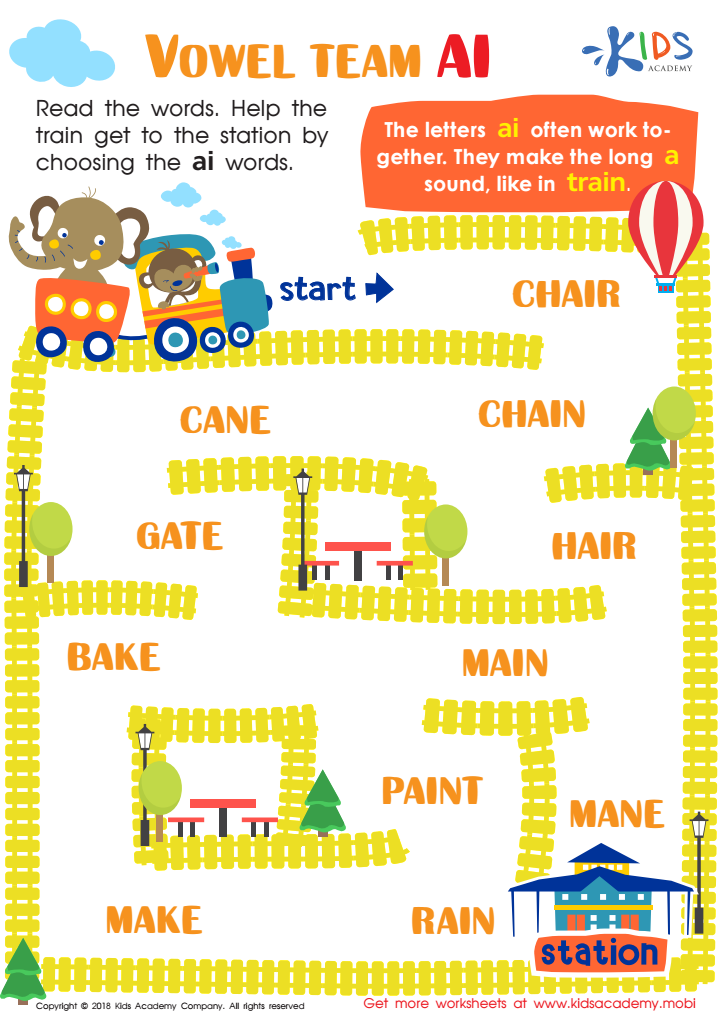
Vowel team ai Worksheet
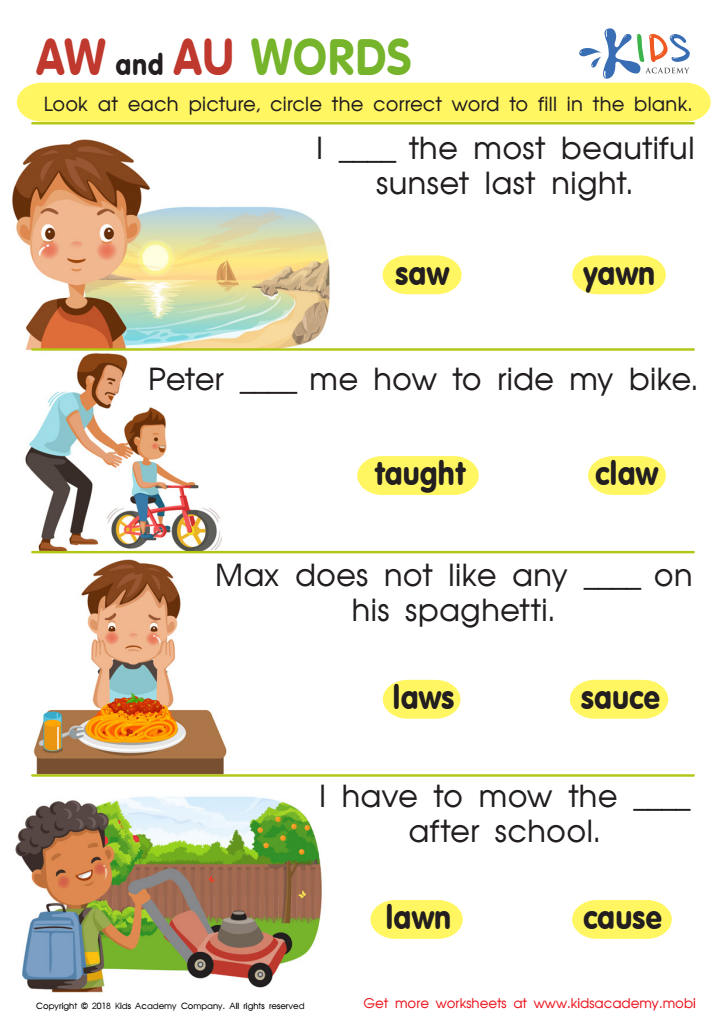
Reading: AW and AU Words Worksheet
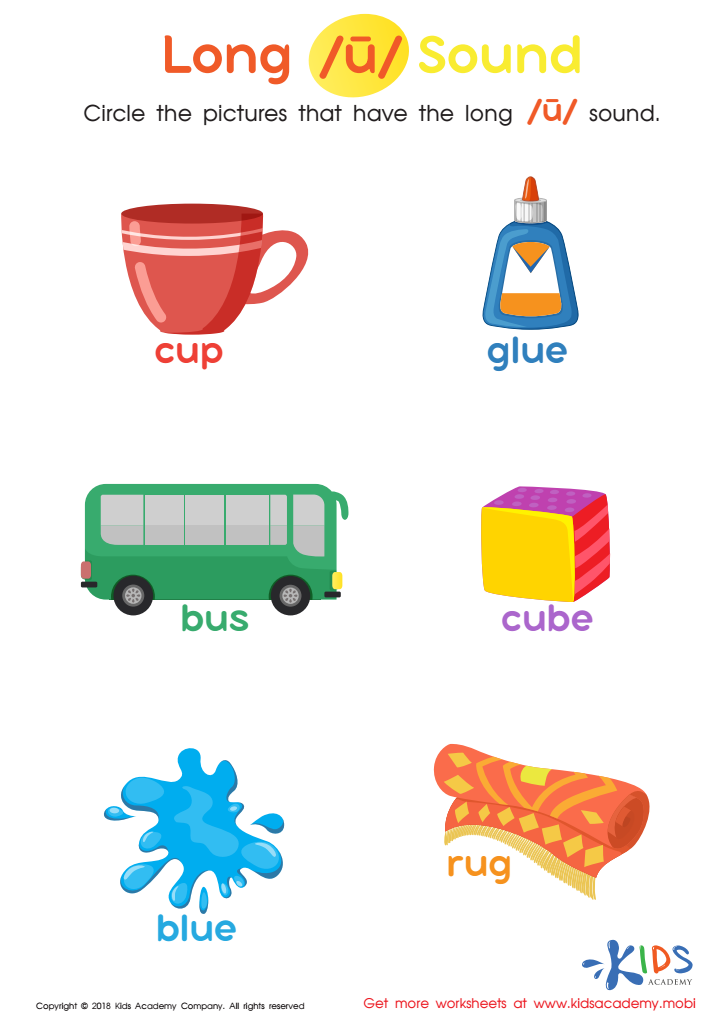
Long «u» Sound Worksheet
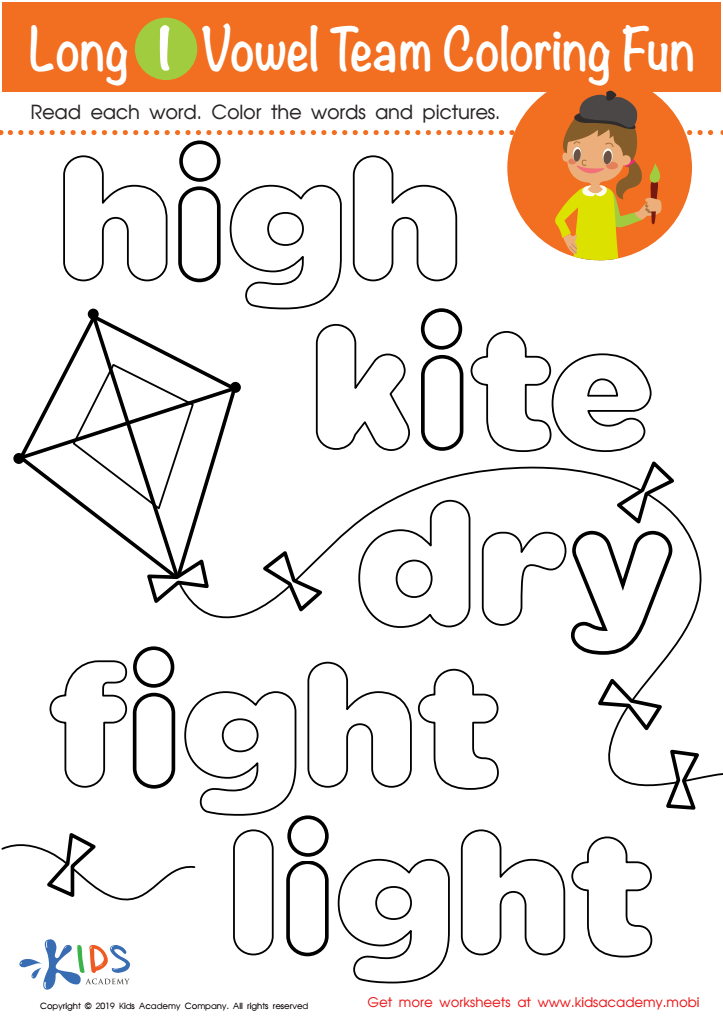
Long I Vowel Team Coloring Worksheet
 Assign to My Students
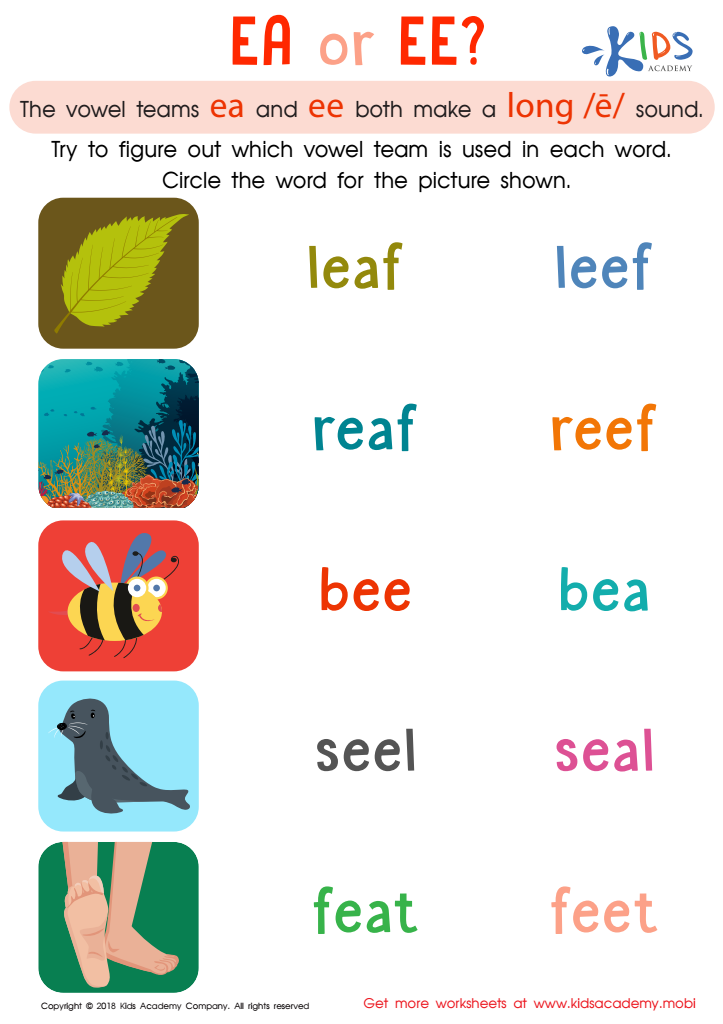
Reading: EA and EE Worksheet
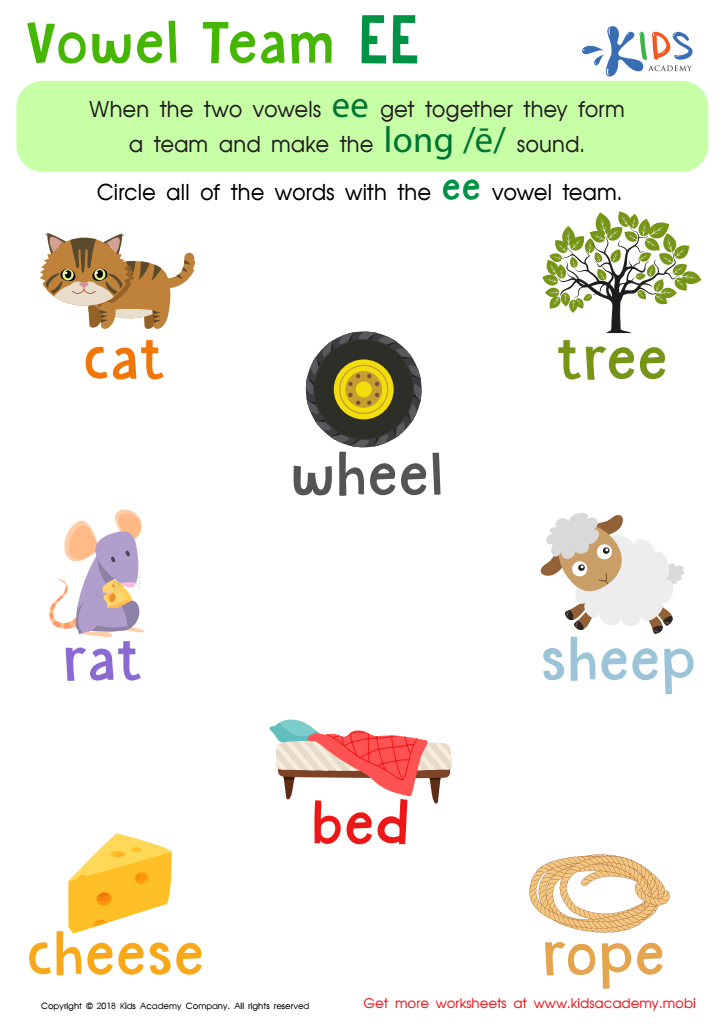
Reading: Vowel Team EE Worksheet
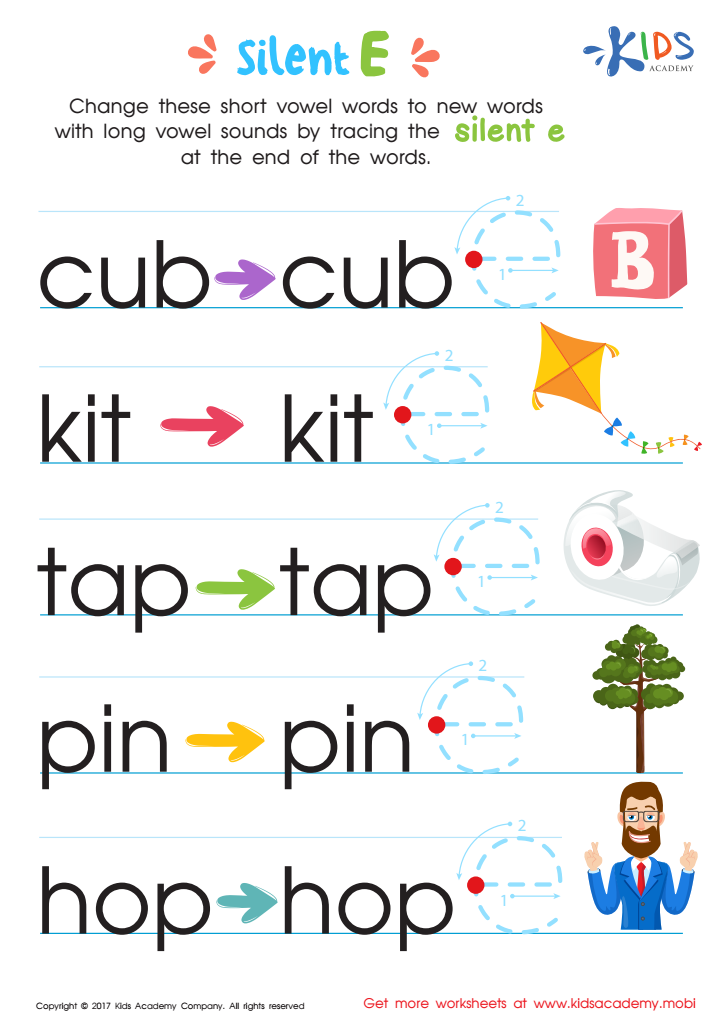
Silent E Words Worksheet





Spelling practice, especially focusing on normal vowels, is crucial for children aged 5-8 for several reasons. First, understanding vowel sounds lays the foundation for reading and writing skills. At this age, children are in the critical stage of developing their phonemic awareness, which enables them to associate sounds with letters. Poor spelling can hinder their reading fluency, making it difficult to comprehend texts.
Moreover, consistent spelling practice fosters confidence in young learners. Children who feel secure in their spelling abilities are more likely to participate in classroom discussions and tackle writing assignments. This confidence can lead to a love for learning, encouraging them to explore new subjects and improve overall literacy.
Additionally, spelling normal vowels correctly helps with effective communication. Children can express their ideas clearly, making it easier for their peers and teachers to understand them. This capability is essential for building social skills and participating in collaborative projects.
Finally, supporting spelling practice reflects a child's cognitive development. As they master spelling, they also enhance memory, critical thinking, and problem-solving skills. By prioritizing normal vowel spellings through engaging activities, parents and teachers can provide essential support for children’s educational journeys.






