Addition Practice Normal Worksheets for Ages 5-8 - Page 2
39 filtered results
-
From - To
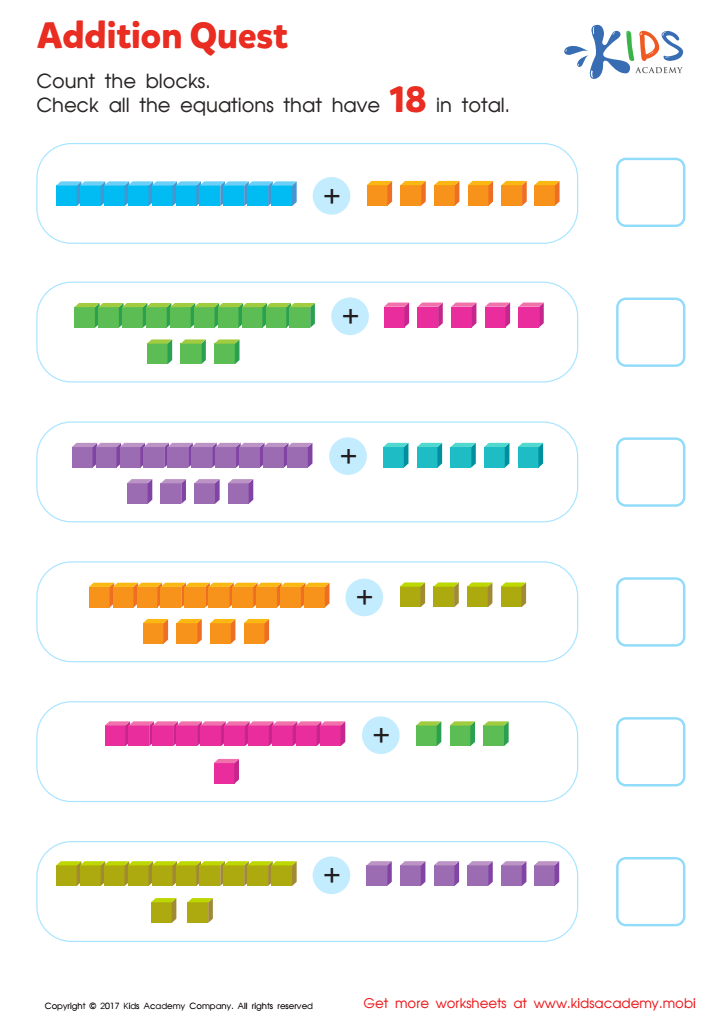
Addition Quest Worksheet: Part 2
 Assign to My Students
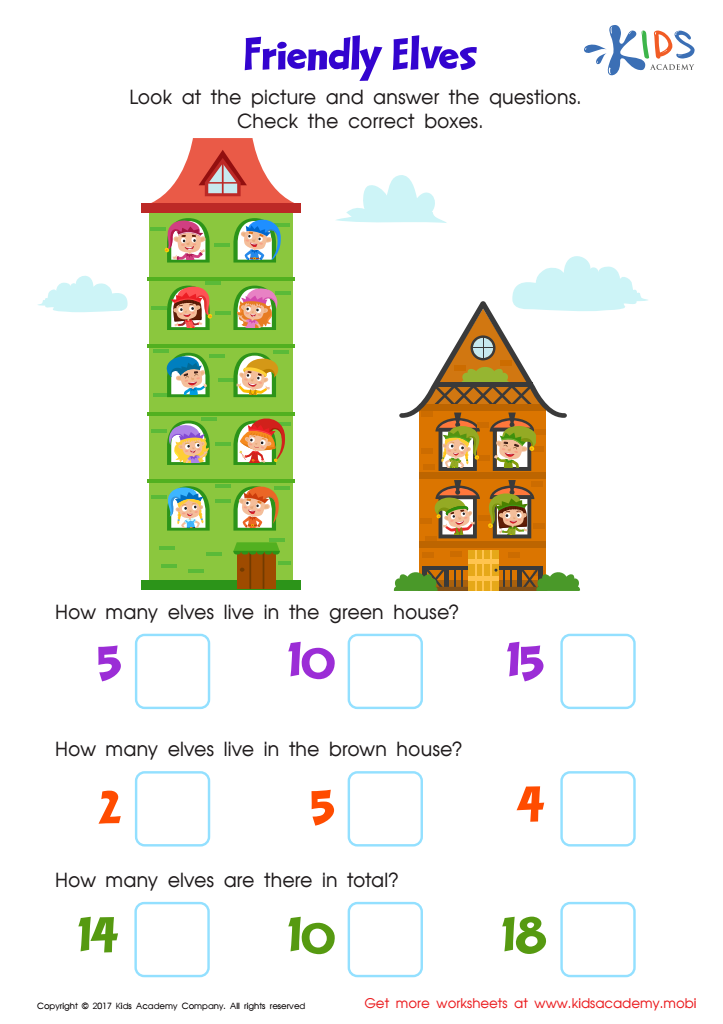
Place Value: Friendly Elves Worksheet
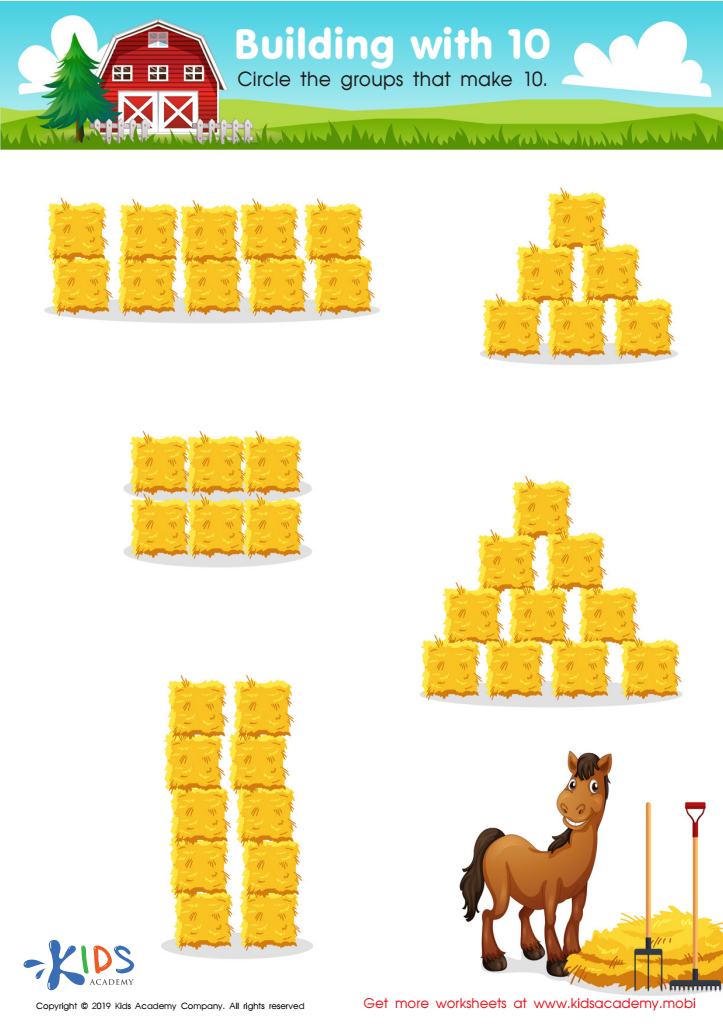
Building with 10 Worksheet
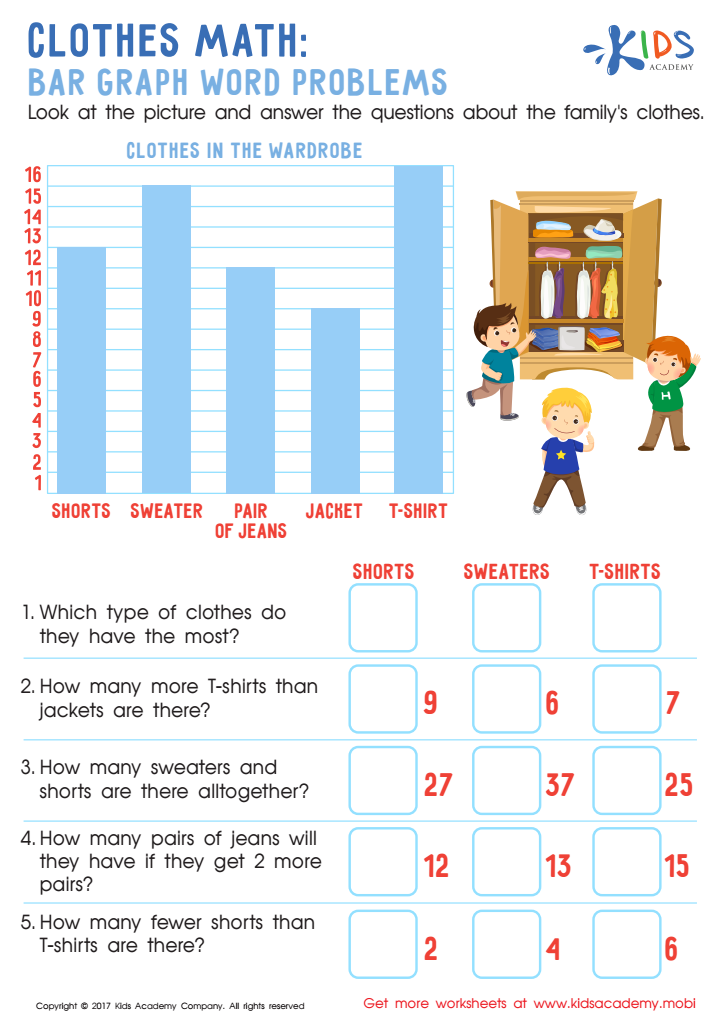
Clothes Math: Bar Graph Word Problems Worksheet
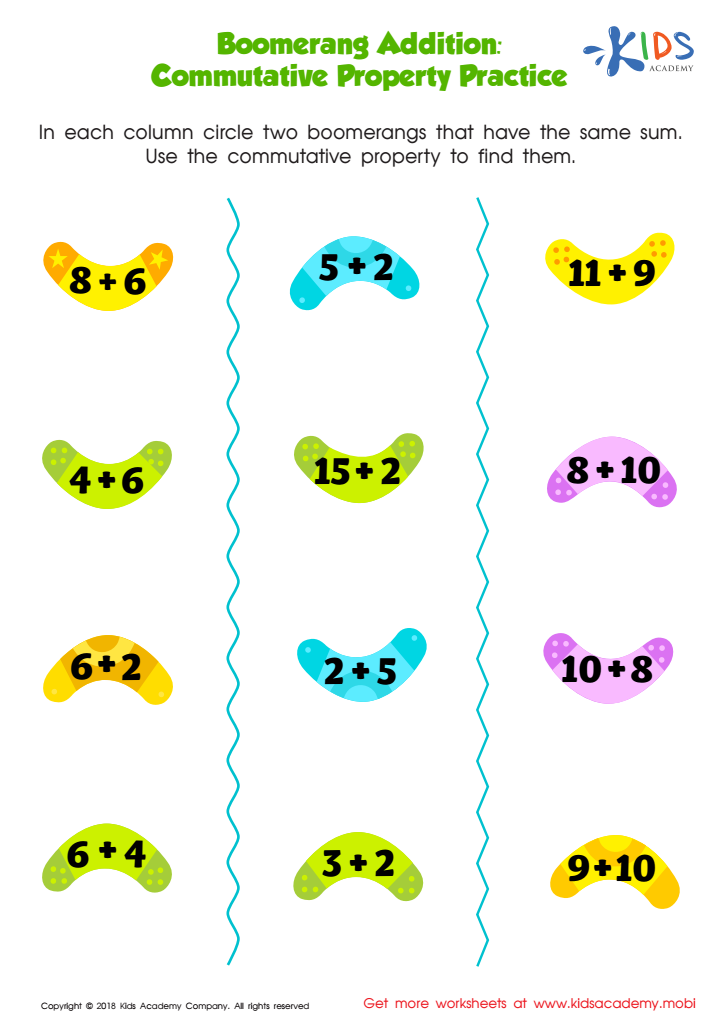
Boomerang Addition Worksheet
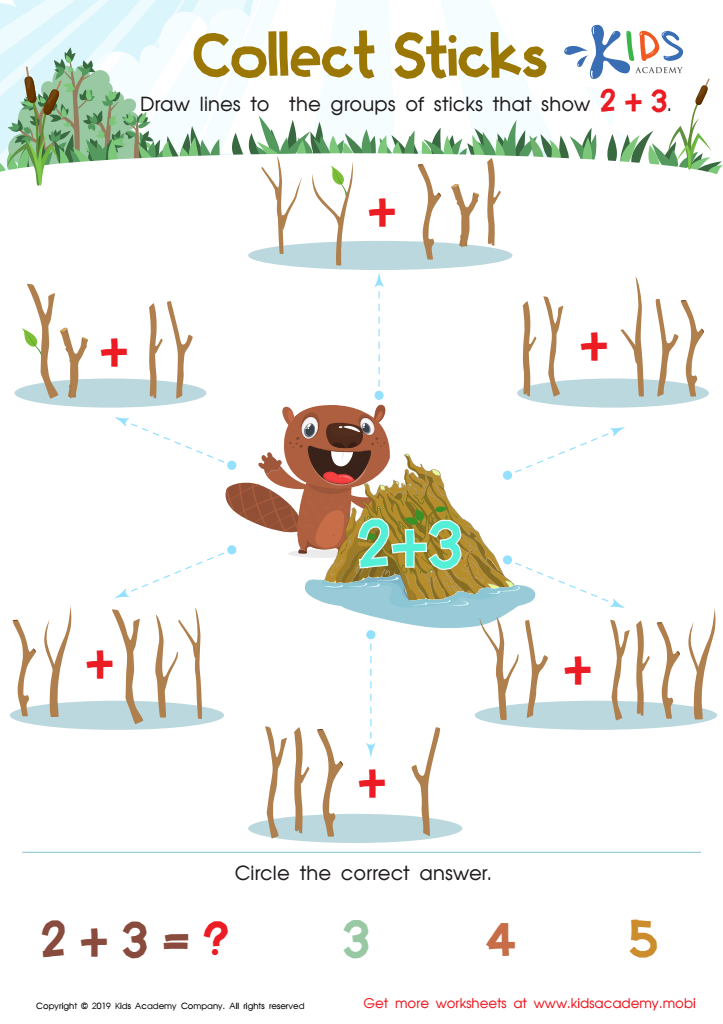
Collect Sticks Worksheet
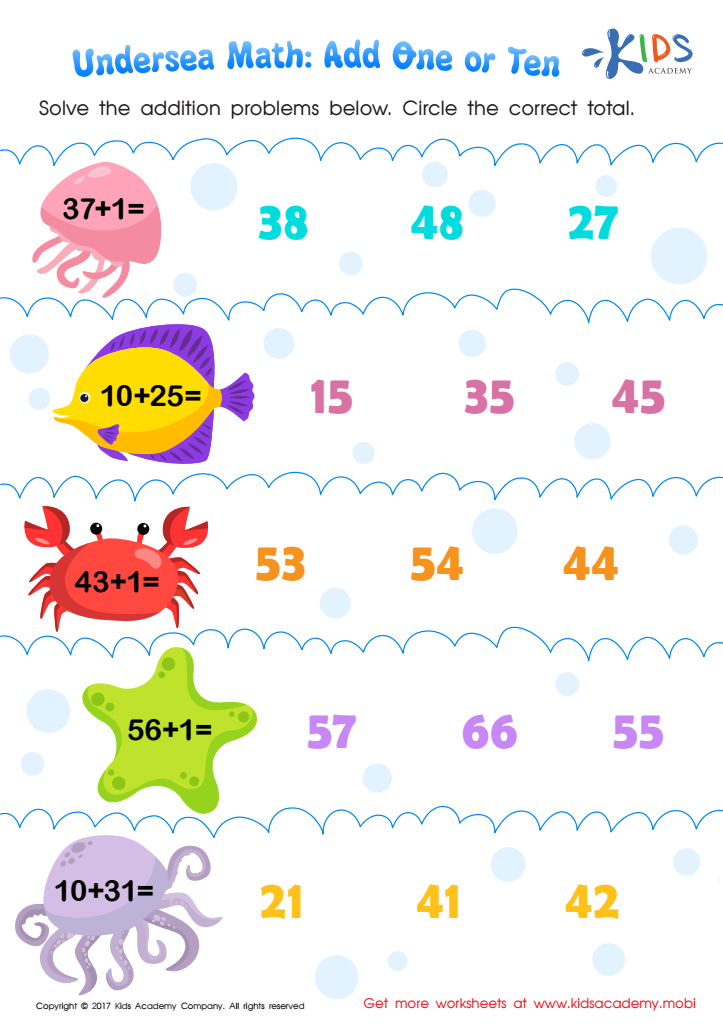
Undersea Math Worksheet
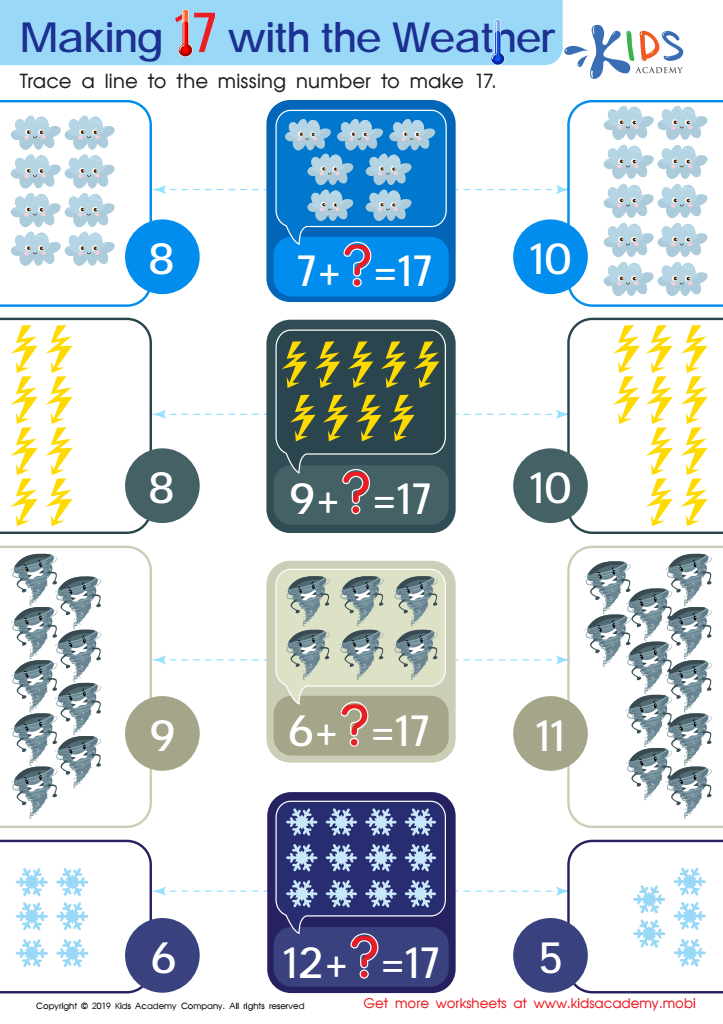
Making 17 with the Weather Worksheet
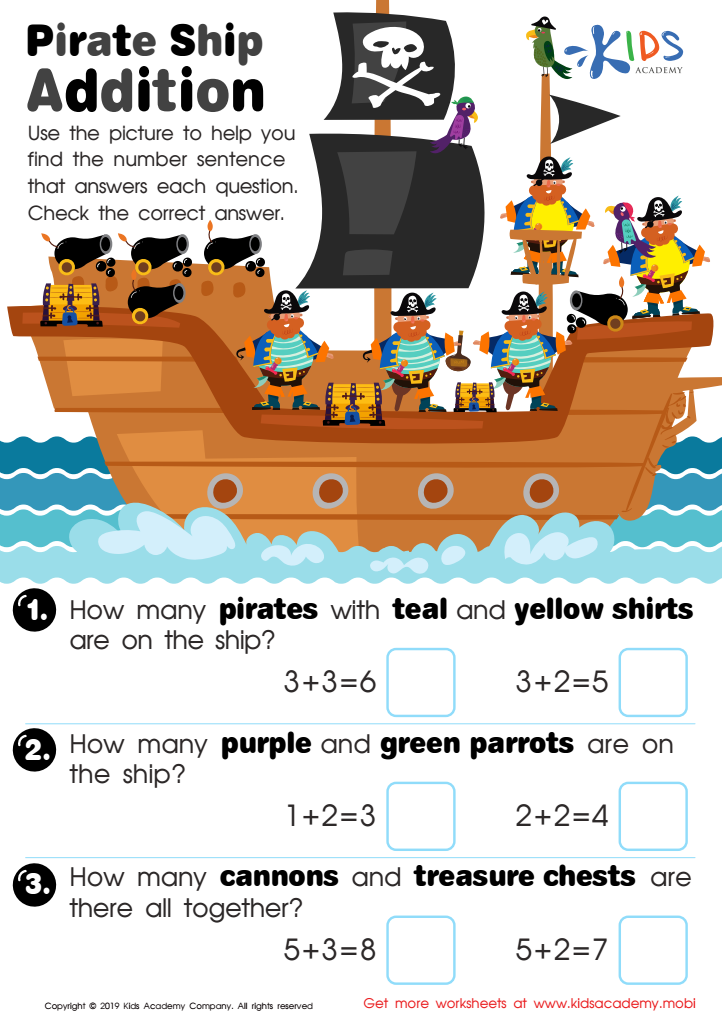
Pirate Ship Addition Worksheet
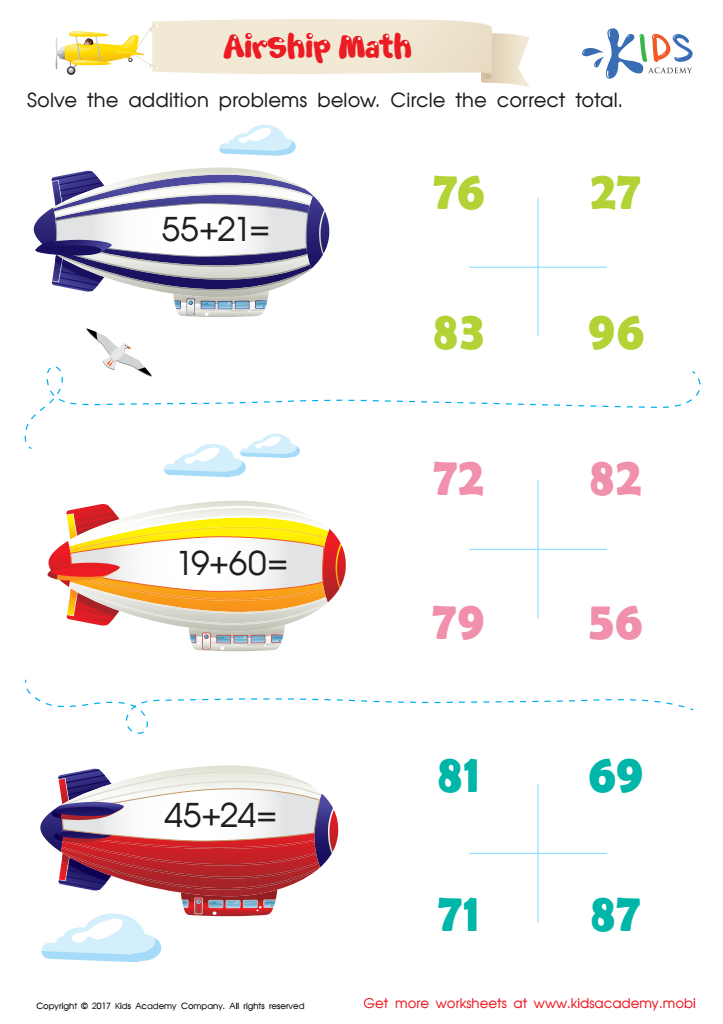
Airship Math Addition Printable
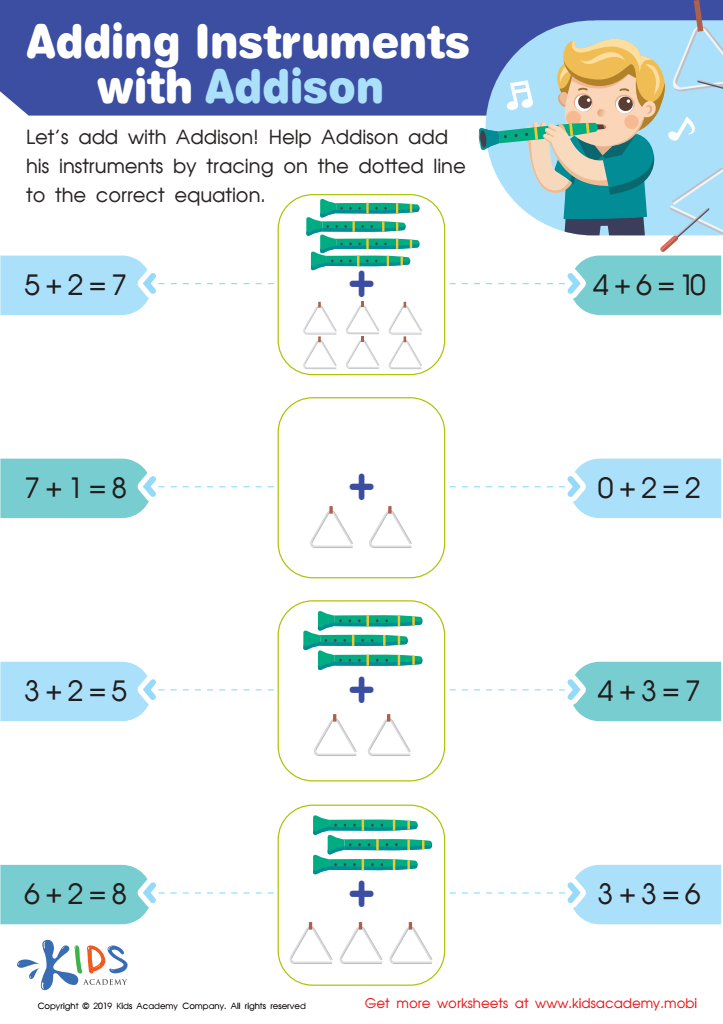
Adding Instruments with Addison Worksheet
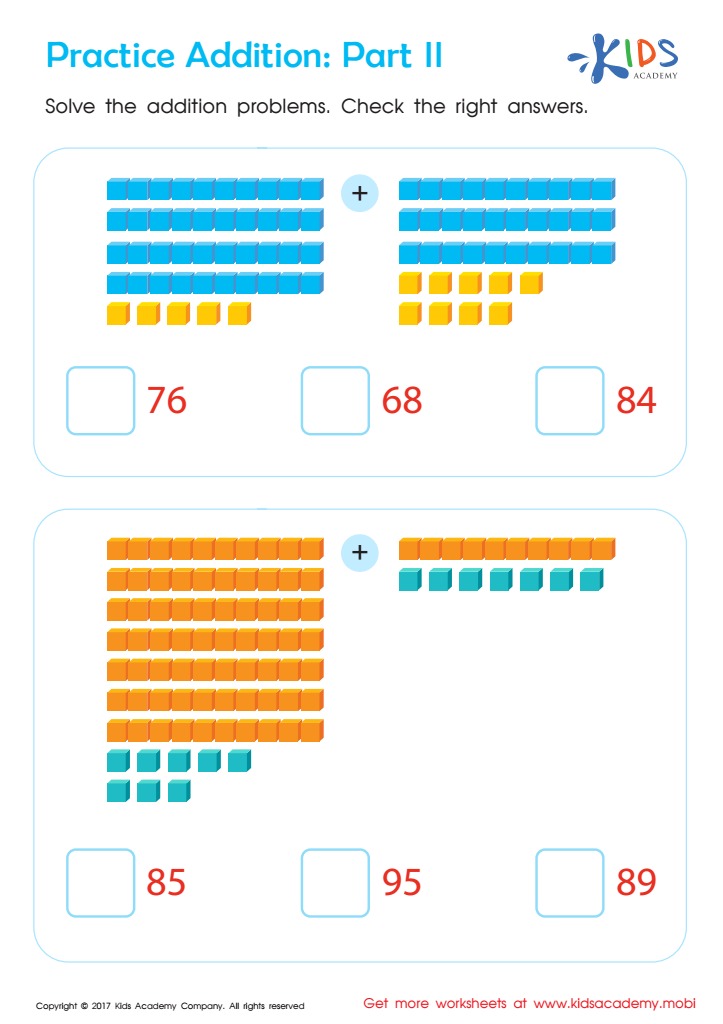
Practice Addition: Part 2 Worksheet
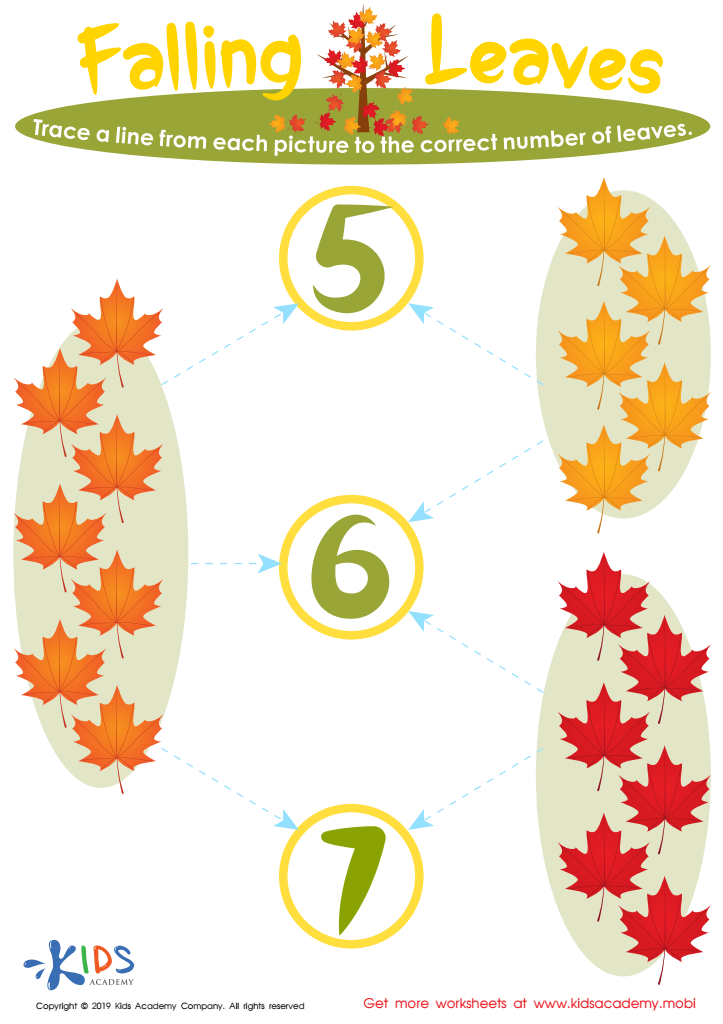
Falling Leaves Worksheet
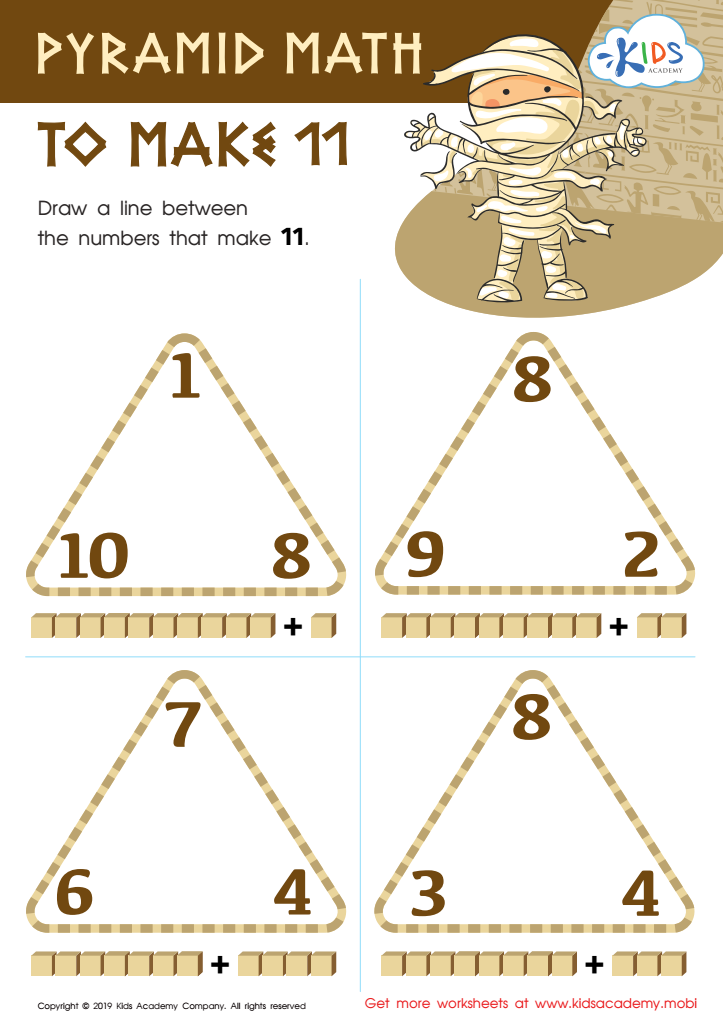
Pyramid Math to Make 11 Worksheet
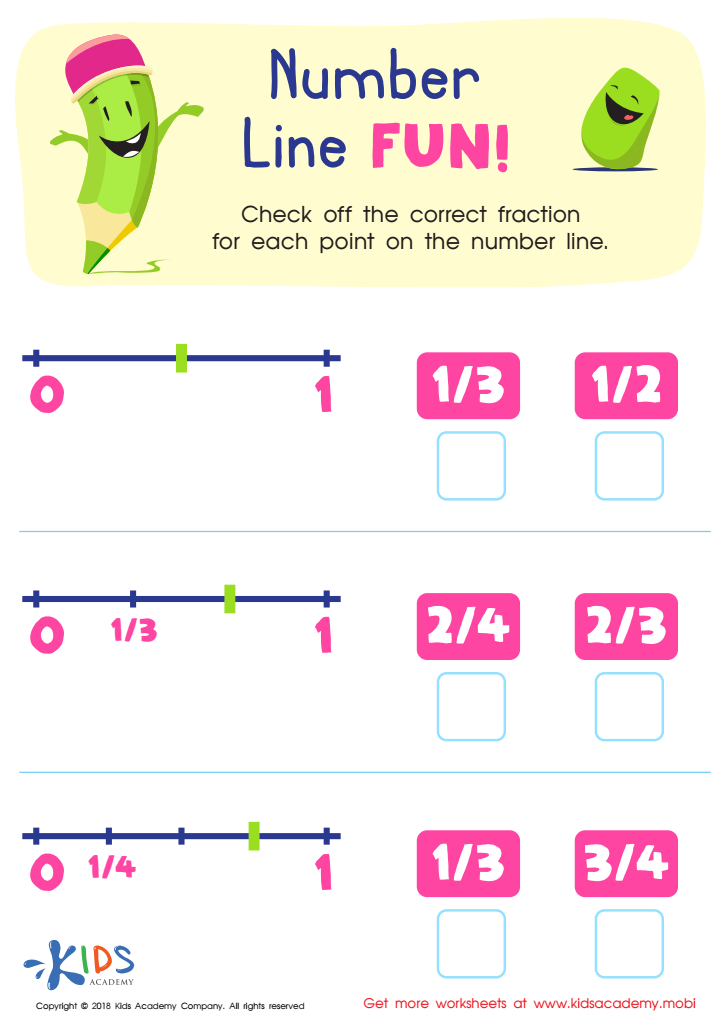
Number Line Fun Worksheet



.jpg)




Parents and teachers should emphasize addition practice for children ages 5-8 to cultivate foundational math skills critical for future academic success. This period, typically spanning Kindergarten to early elementary grades, is when kids develop essential numerical comprehension and cognitive abilities. Mastering addition aids in establishing a strong mathematical foundation, which significantly influences a child's ability to handle more complex topics like subtraction, multiplication, and division.
Practicing addition also offers cognitive benefits, including enhancing memory, attention to detail, and logical thinking. For young learners, these skills extend beyond the math classroom, contributing to overall academic performance and fostering problem-solving abilities applicable in everyday life. Moreover, consistent practice builds confidence, making math enjoyable rather than intimidating.
Incorporating addition practice through engaging activities like games, interactive worksheets, and hands-on learning can also foster a child's love for math. Early positive experiences with mathematics pave the way for a lifelong interest and proficiency in the subject. By supporting regular addition practice, parents and teachers can ensure children develop essential skills, enjoy learning, and are better prepared for future academic challenges.








