Critical Thinking Normal Worksheets for Ages 5-8 - Page 4
99 filtered results
-
From - To
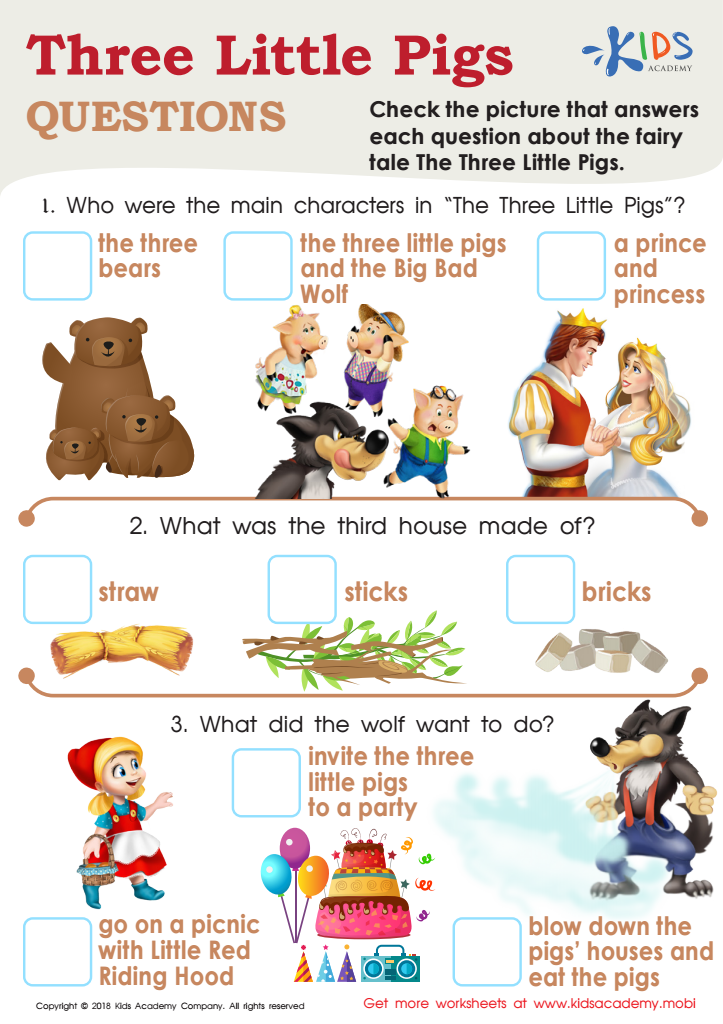
Three Little Pigs Questions Worksheet
 Assign to My Students
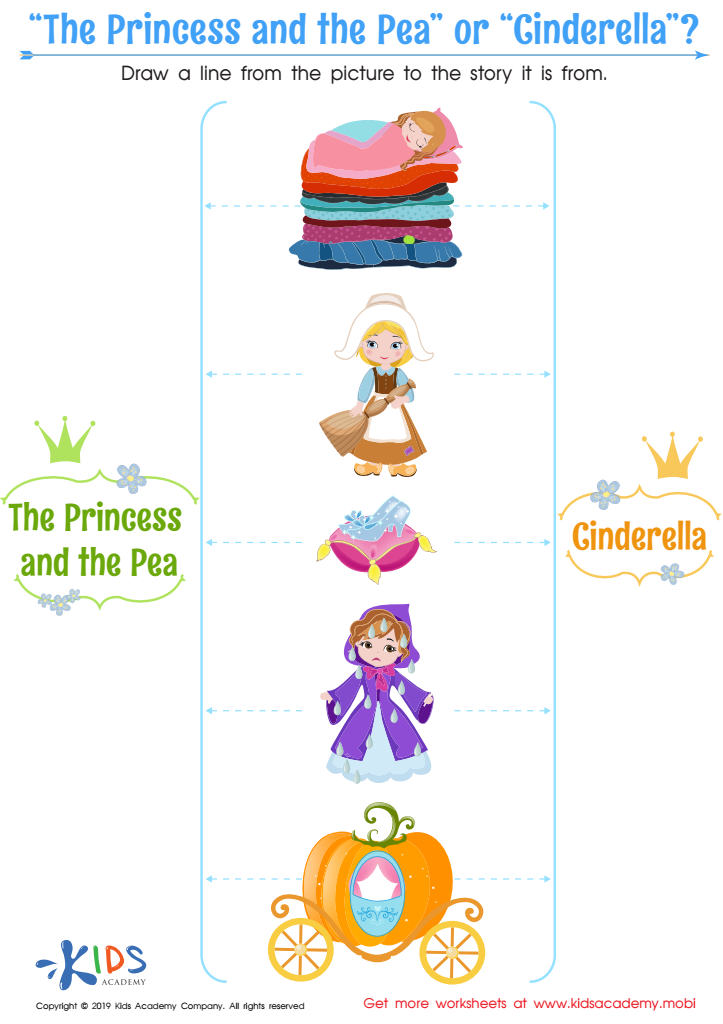
“The Princess and the Pea” or “Cinderella” Worksheet
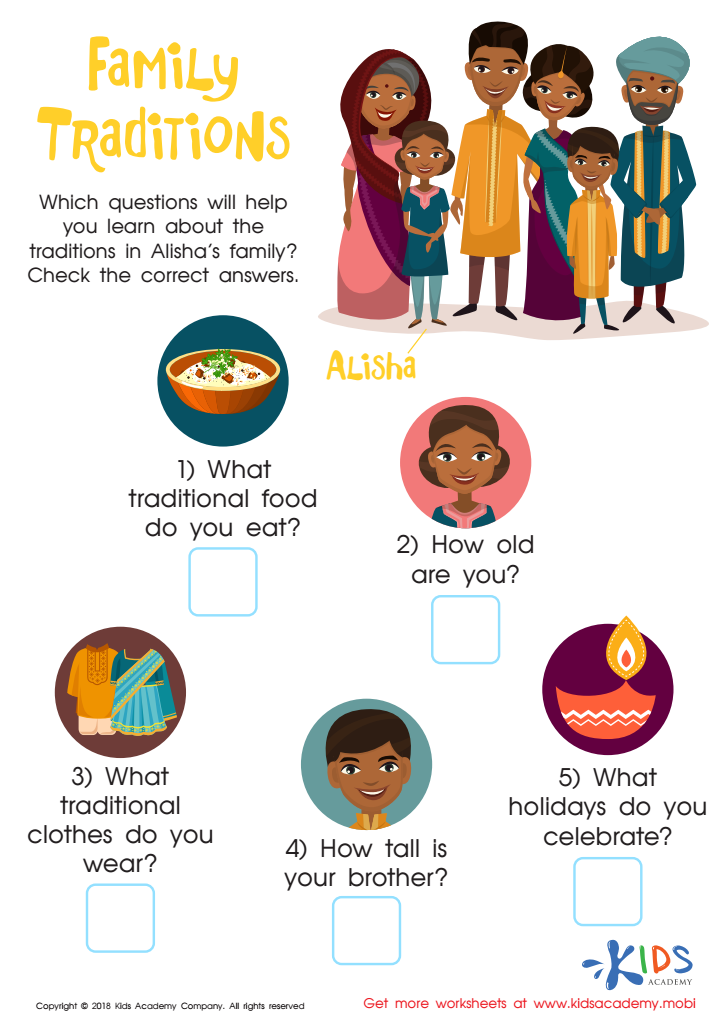
Family Traditions Worksheet
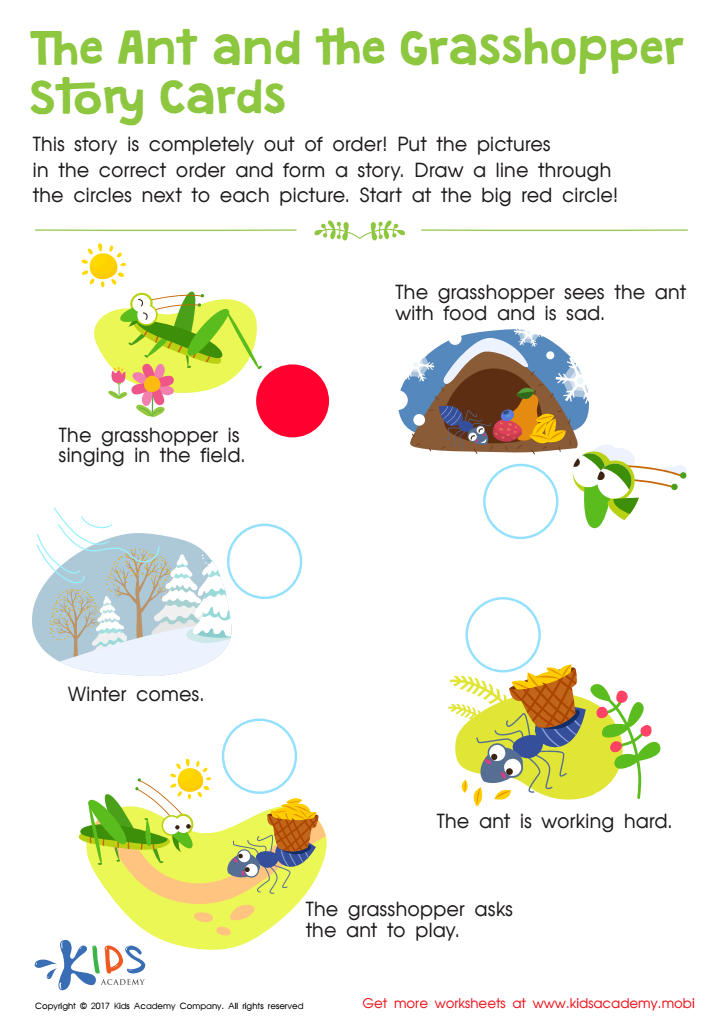
The Ant and The Grasshopper Worksheet
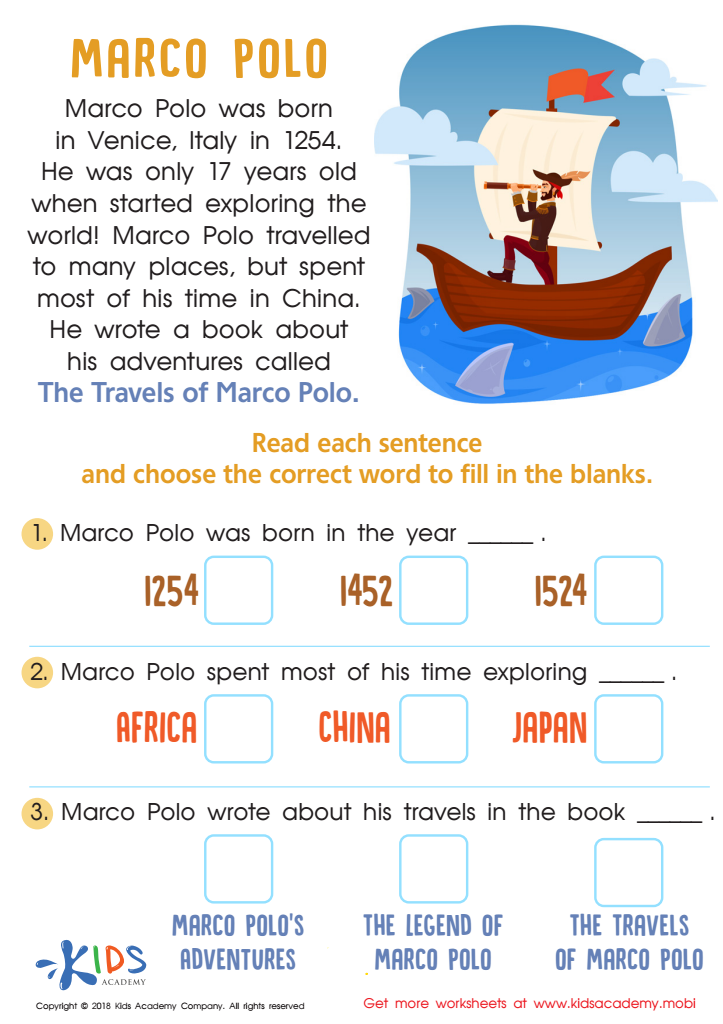
Marco Polo Worksheet
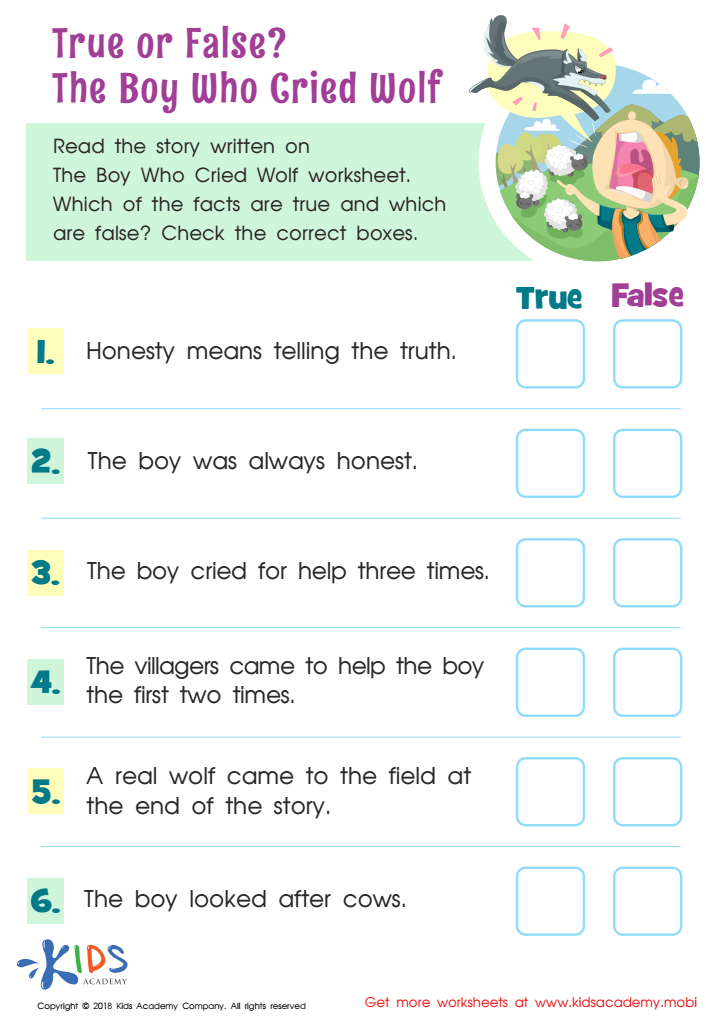
True or False? The Boy Who Cried Wolf Worksheet
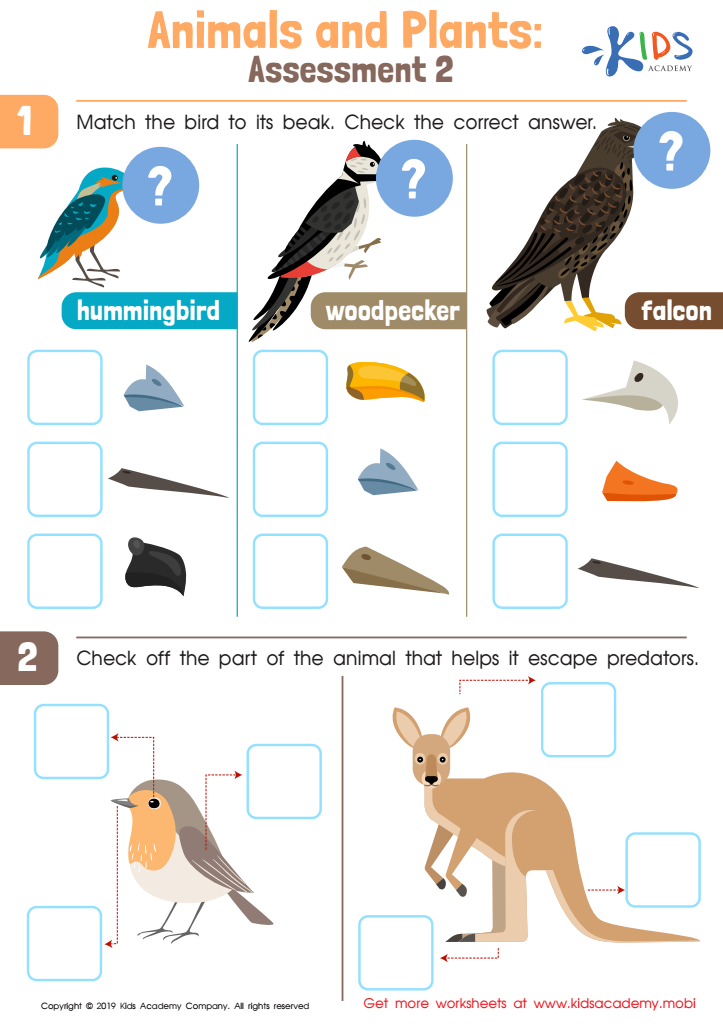
Animals and Plants: Assessment 2 Worksheet
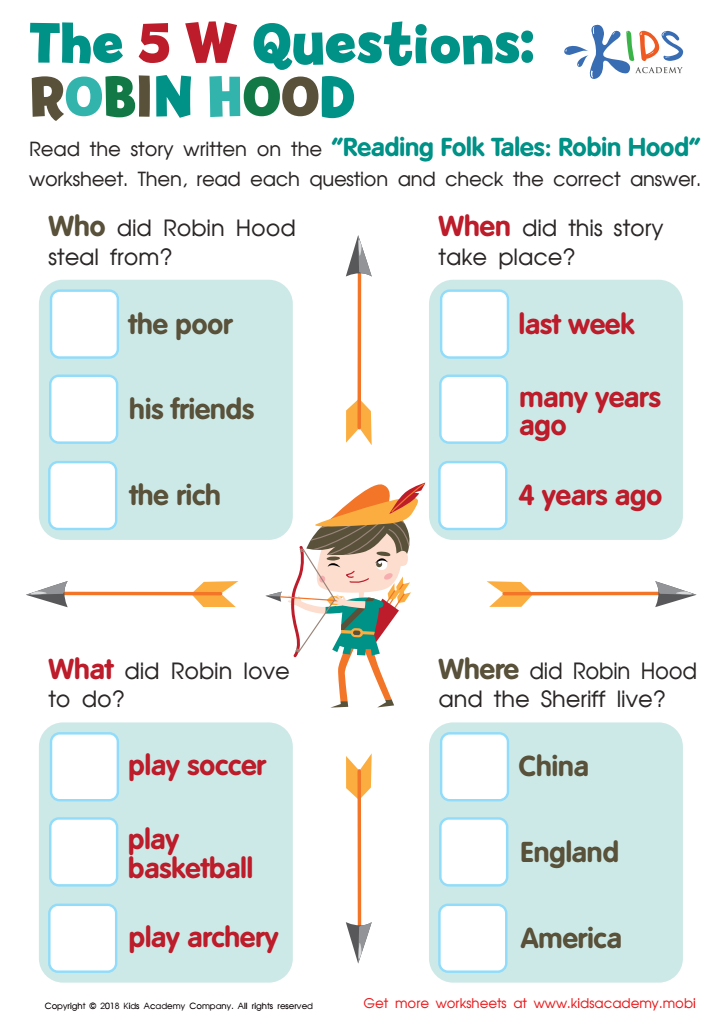
The 5 W Questions: Robin Hood Worksheet
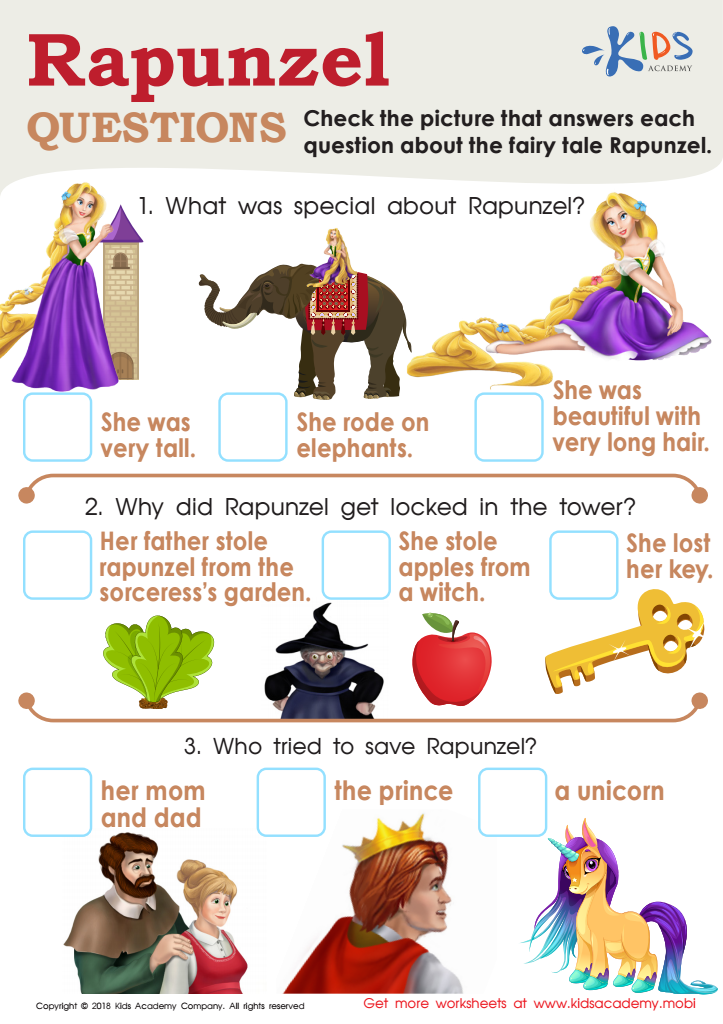
Rapunzel Questions Worksheet
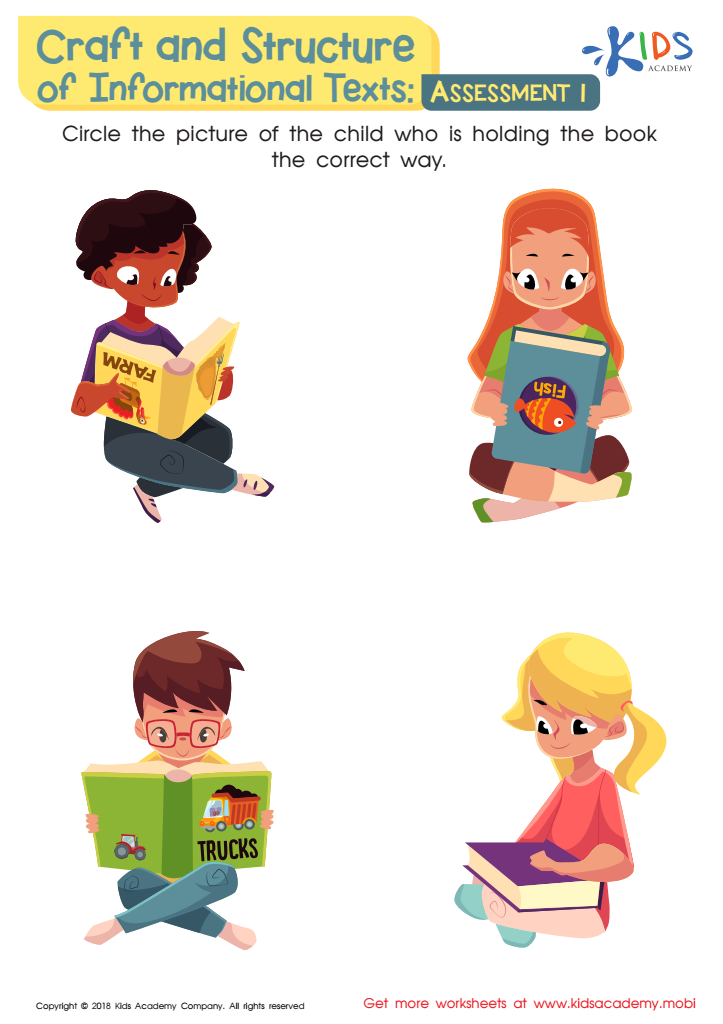
Craft and Structure of Informational Texts: Assessment 1 Worksheet
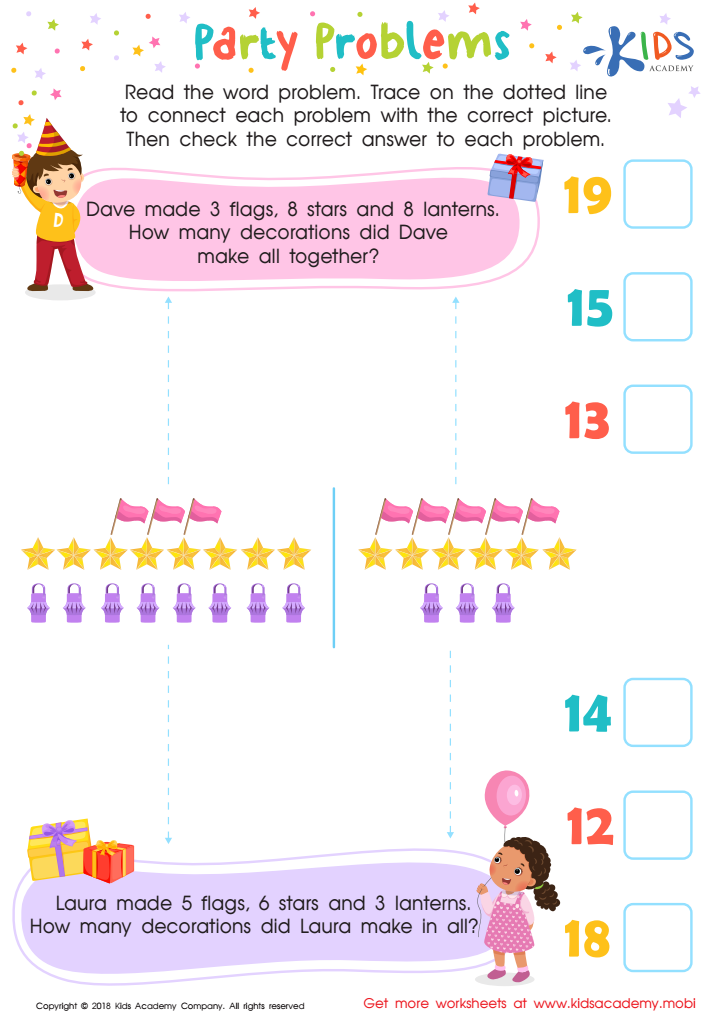
Party Problems Worksheet
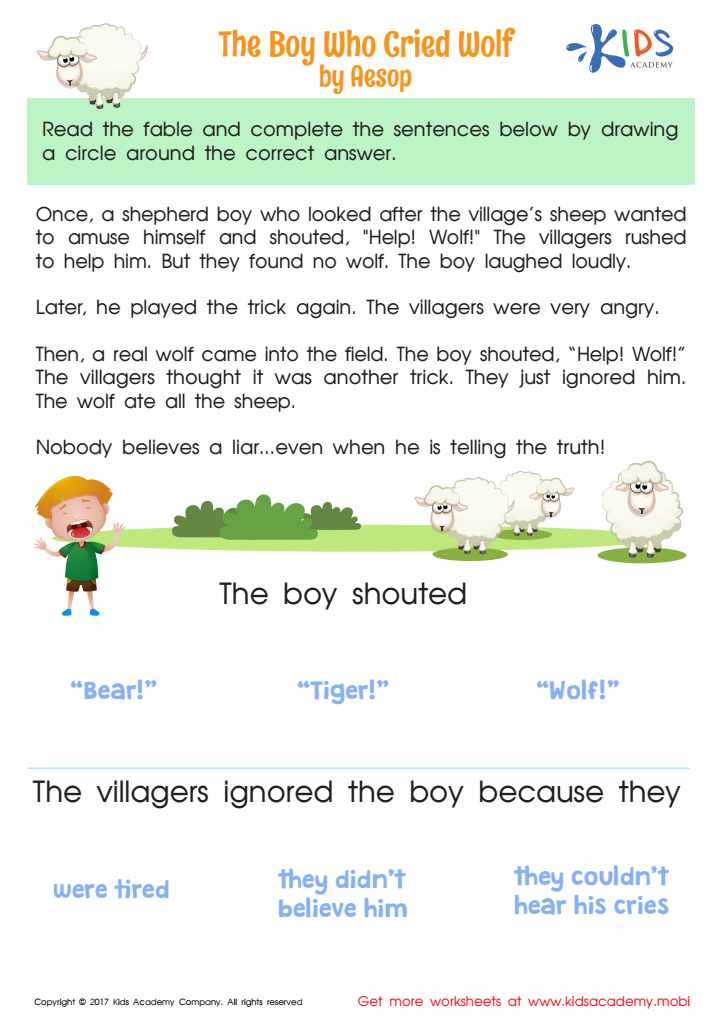
The Boy Who Cried Wolf Worksheet

Assessment: First Thanksgiving Worksheet
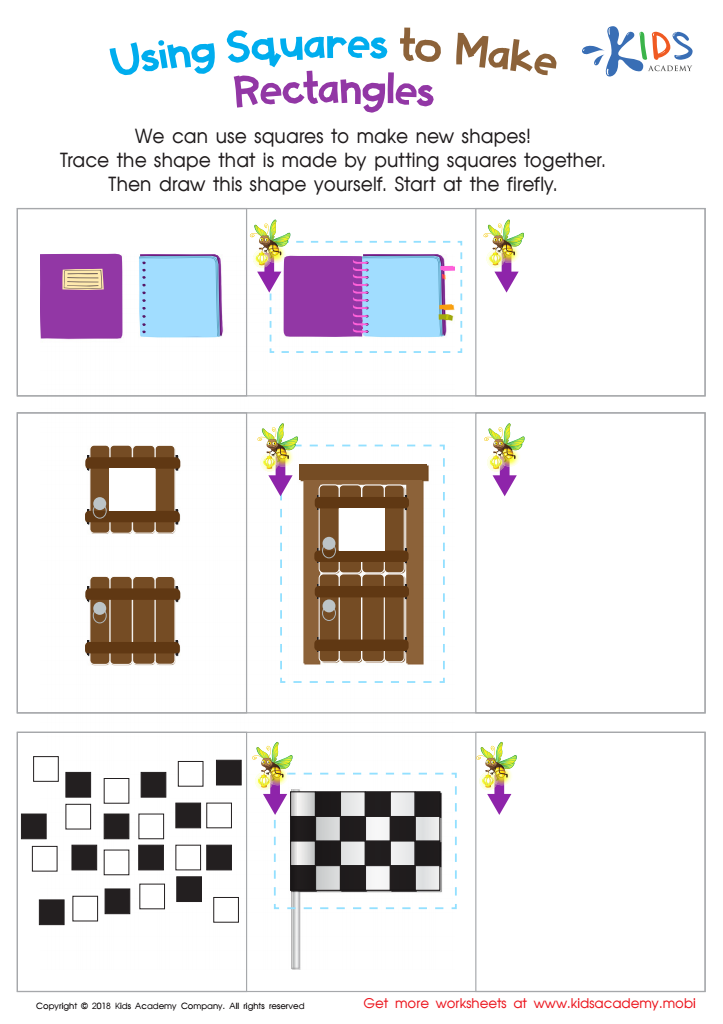
Using Squares to Make Rectangles Worksheet
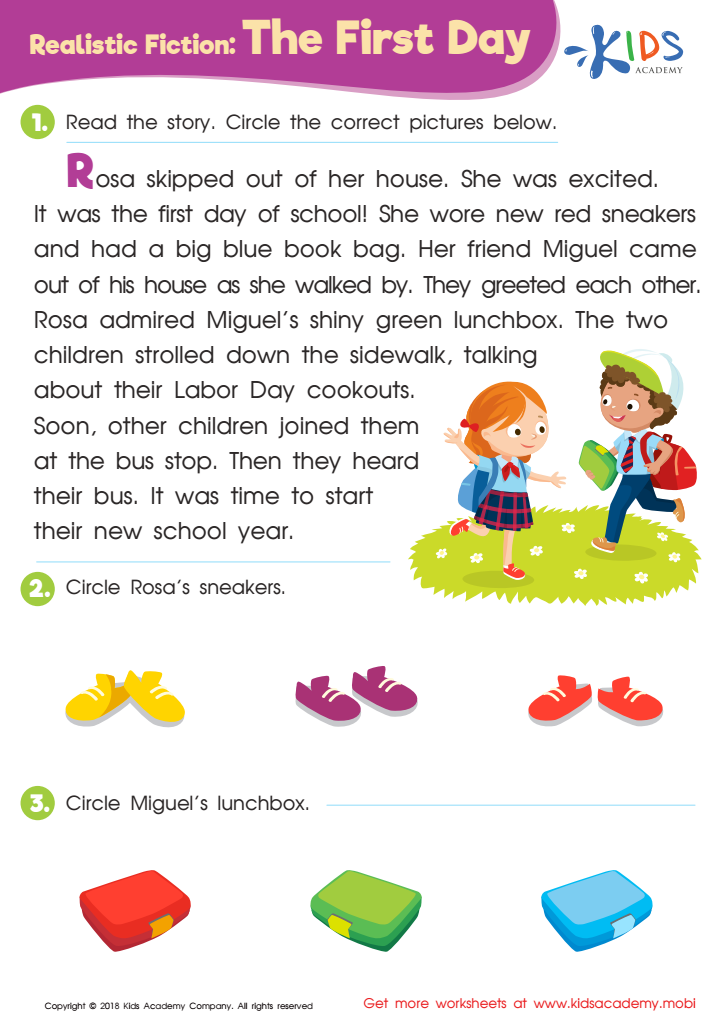
Realistic Fiction: The First Day Worksheet
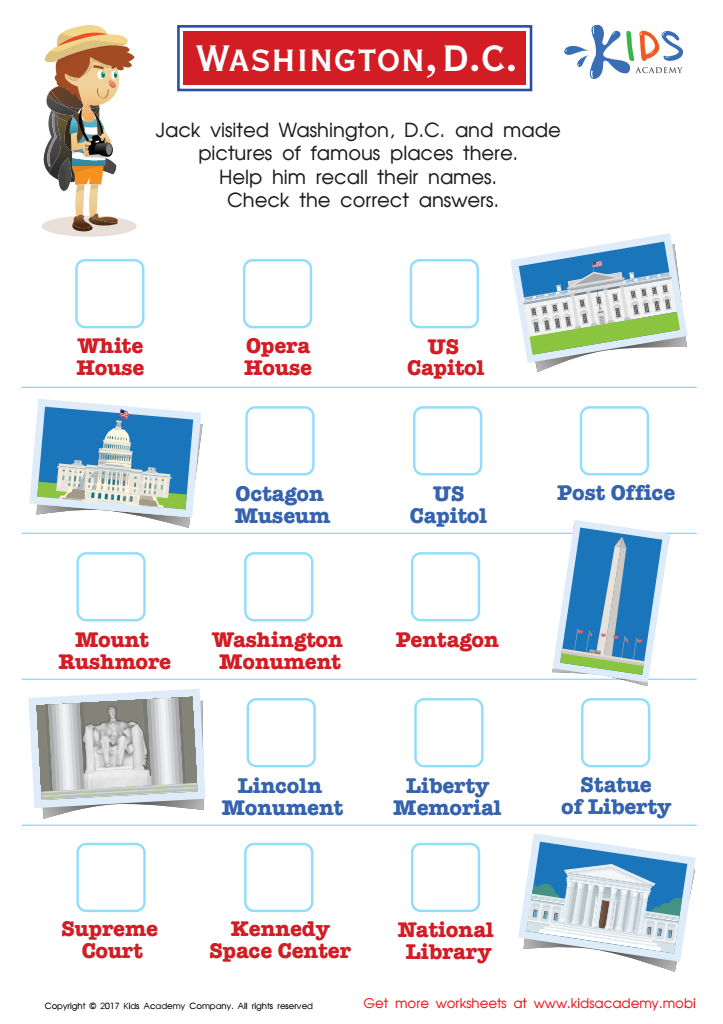
Washington D.C. Printable Worksheet
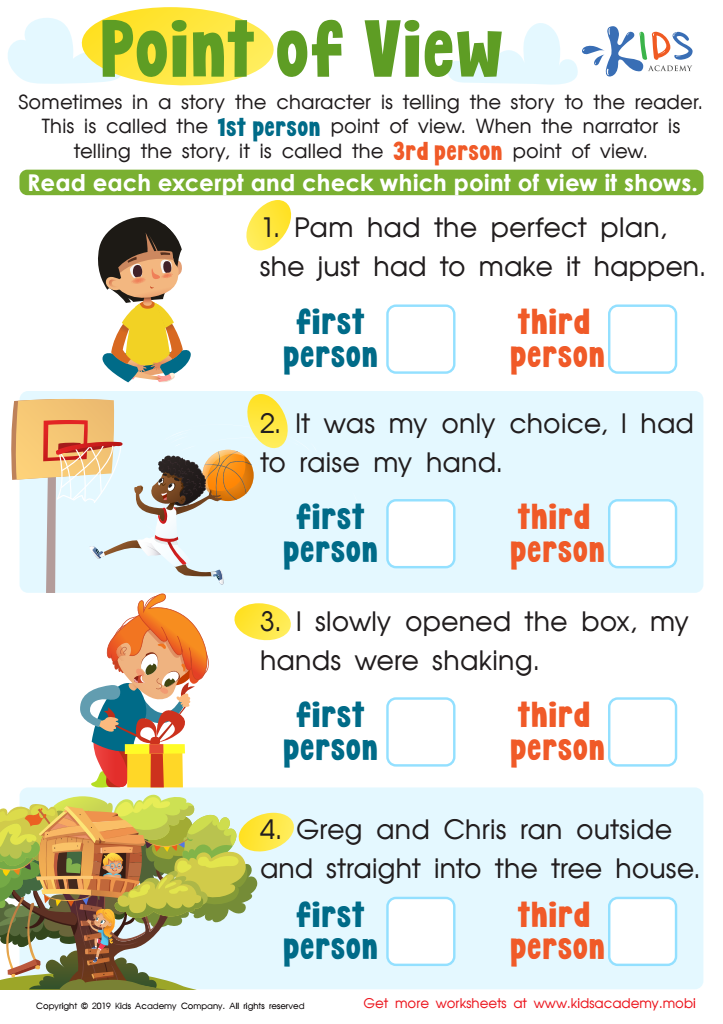
Point of View Printable
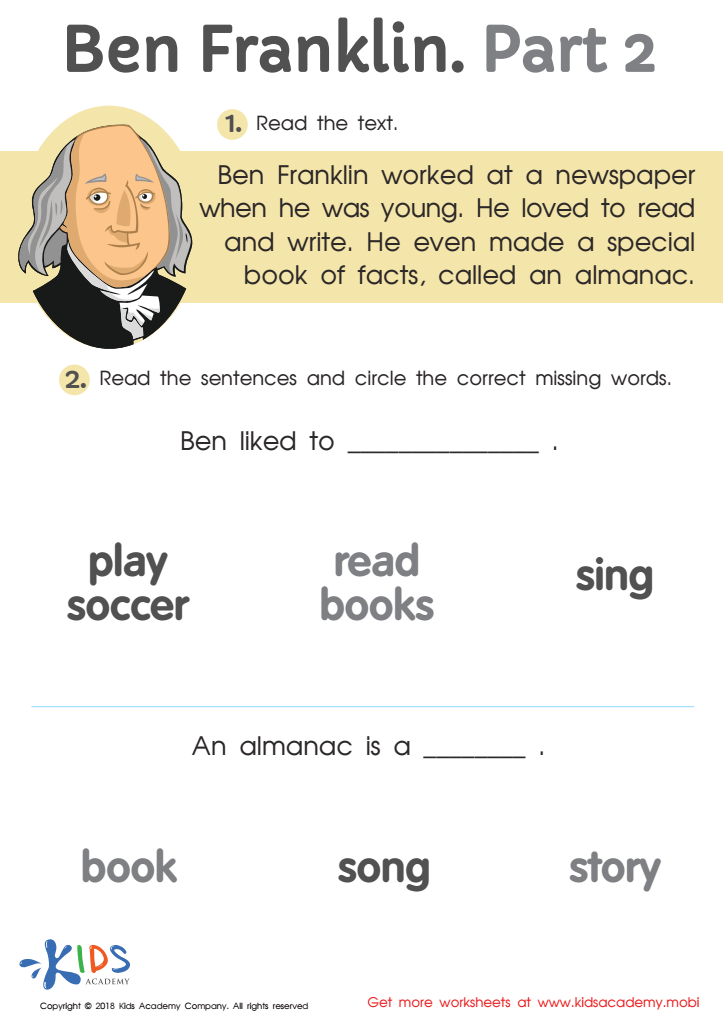
Ben Franklin Part 2 Worksheet

The Four Seasons Worksheet
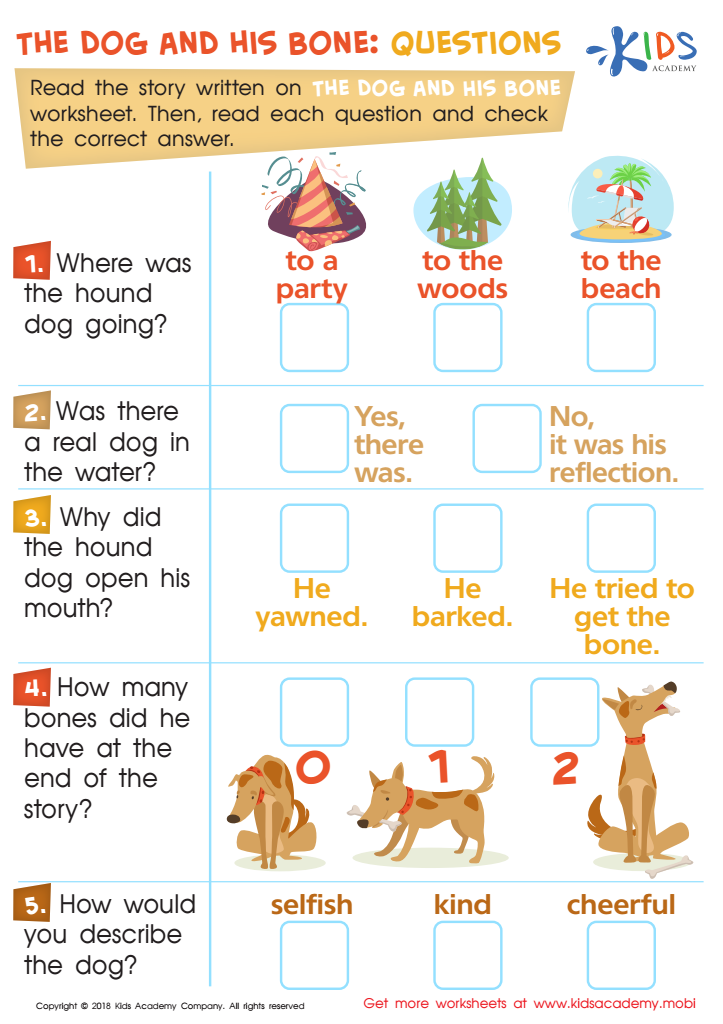
The Dog and His Bone: Questions Worksheet
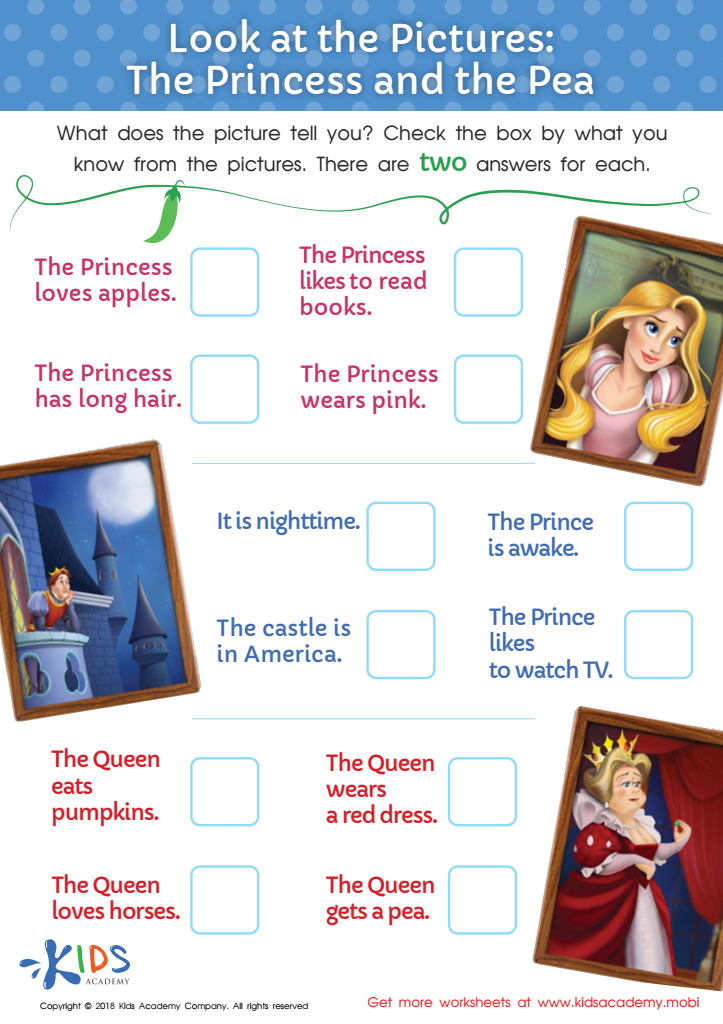
Look at the Pictures: The Princess and the Pea Worksheet
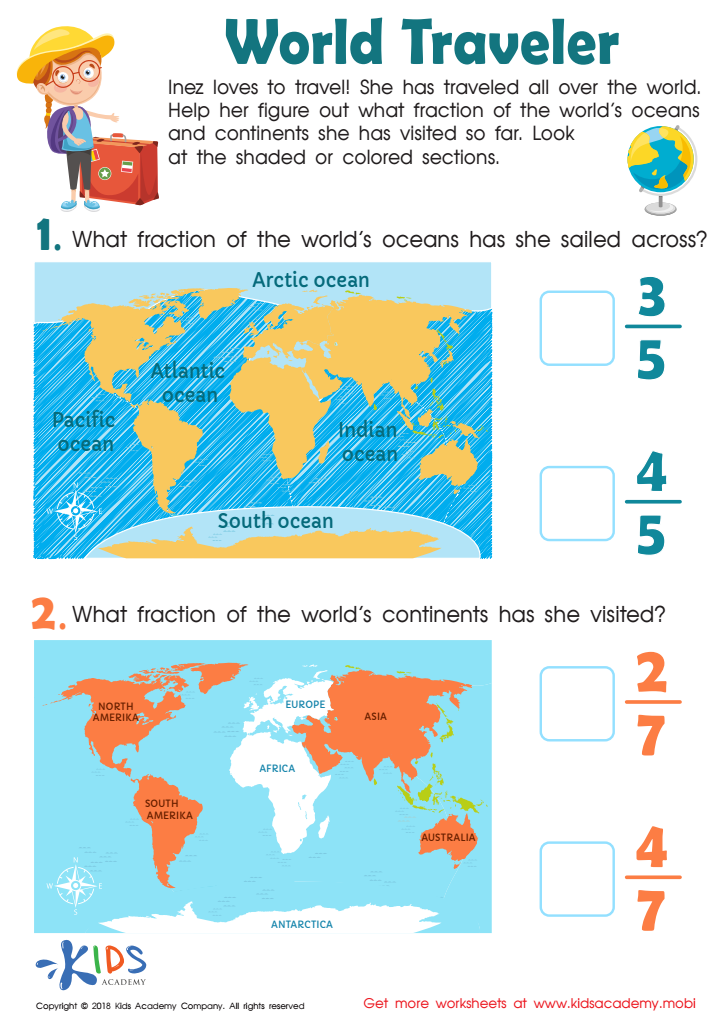
World Traveler Worksheet
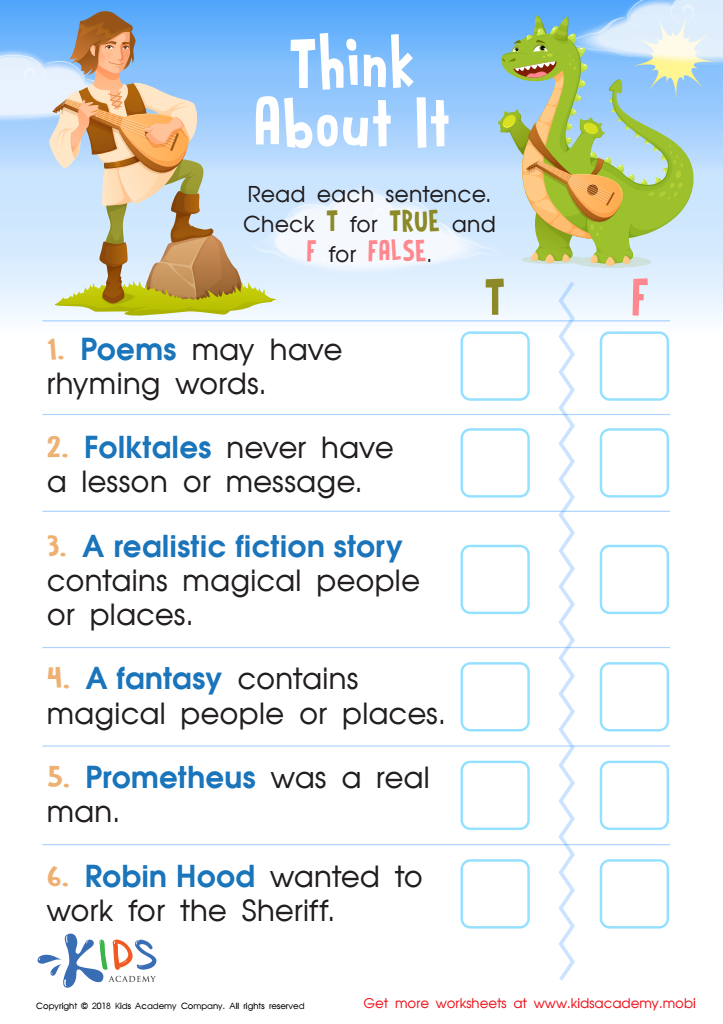
Think About It: Assessment Worksheet
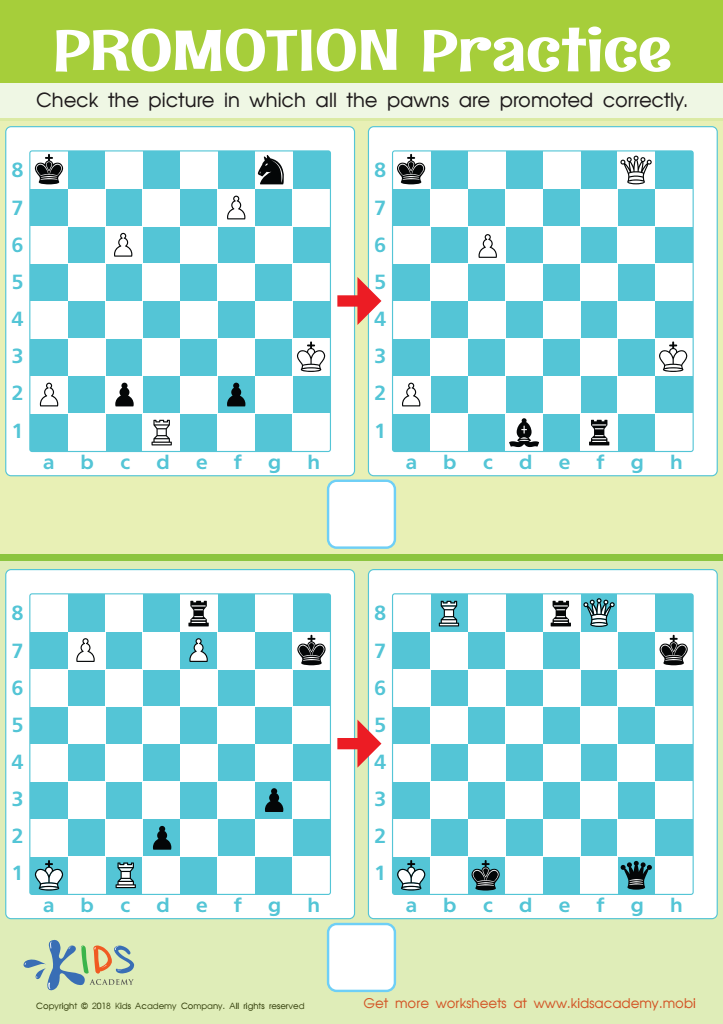
Promotion Practice Worksheet




Critical thinking is essential for children aged 5-8, as it lays the groundwork for lifelong learning and problem-solving skills. At this young age, children's cognitive abilities are rapidly developing, and fostering critical thinking can significantly enhance their ability to analyze information, ask questions, and make informed decisions.
Parents and teachers should prioritize nurturing critical thinking because it encourages curiosity and promotes independent thinking. As they learn to question and evaluate information, children develop the ability to understand various perspectives, which is crucial in our increasingly complex world. Moreover, critical thinking supports academic success, enabling children to tackle math problems, comprehend stories, and engage in scientific inquiry with confidence.
Additionally, instilling critical thinking encourages emotional intelligence by teaching children how to assess their own feelings and the feelings of others. This skill is foundational for effective communication and collaboration, both in school and in future relationships.
Ultimately, by caring about and promoting critical thinking skills, parents and teachers equip children with the tools necessary for navigating life challenges, fostering creativity, and adapting to change, ensuring they become thoughtful, resilient, and responsible individuals. Investing in critical thinking now paves the way for a brighter, more informed future for our children.








