Fine Motor Skills Normal Worksheets for Ages 5-8 - Page 4
134 filtered results
-
From - To
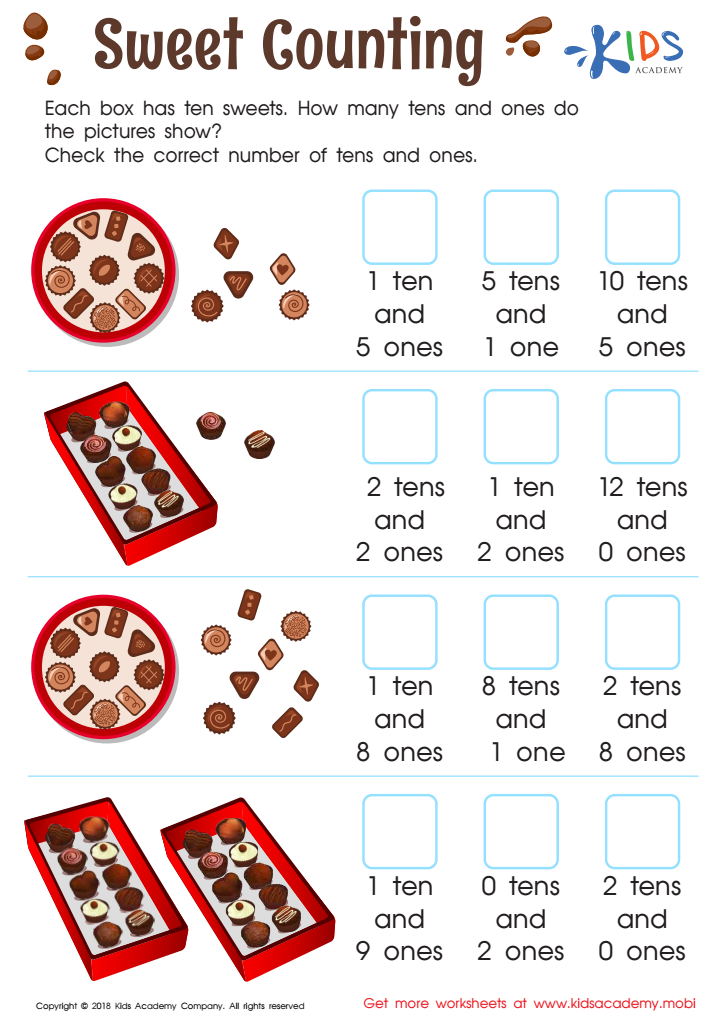
Sweet Counting - Part 2 Worksheet
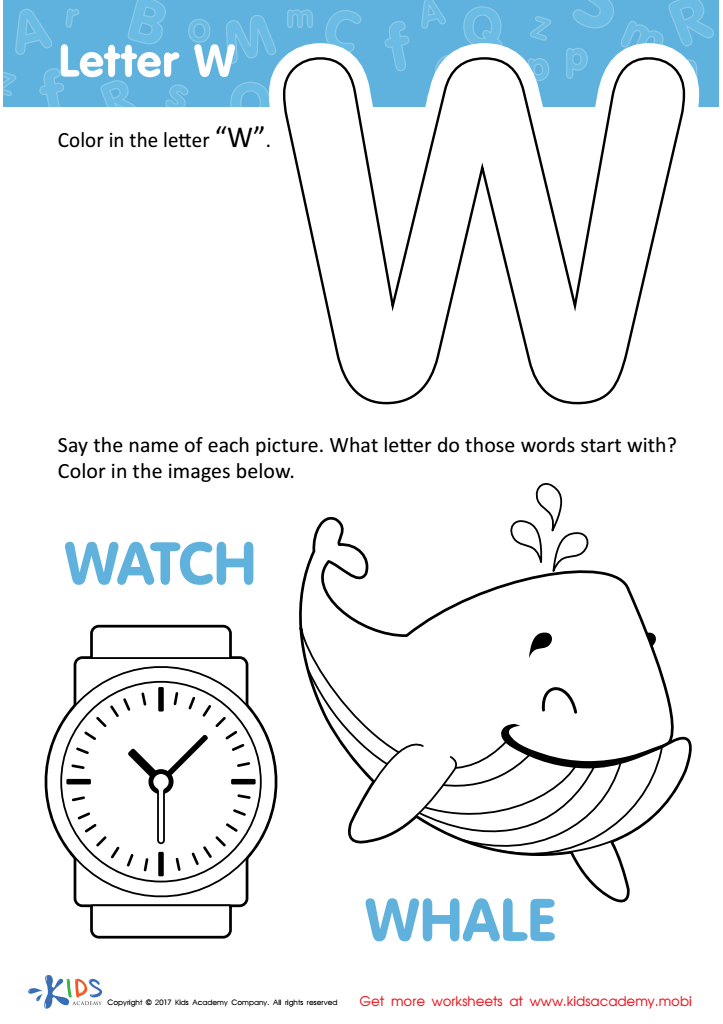
Letter W Coloring Sheet
 Assign to My Students
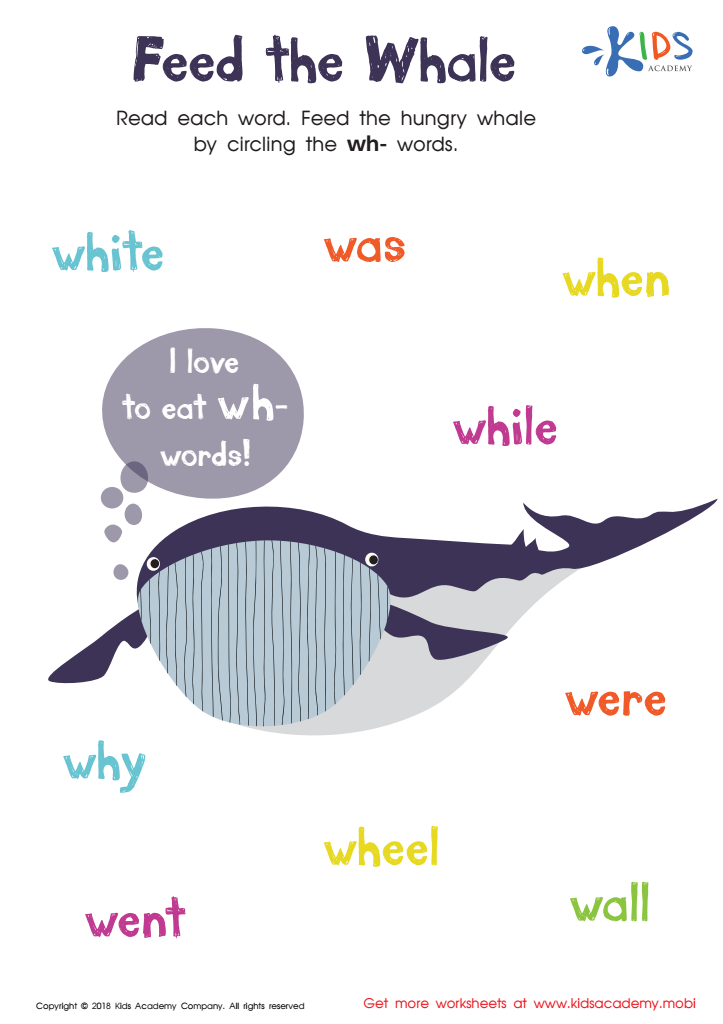
Feed the Whale Worksheet
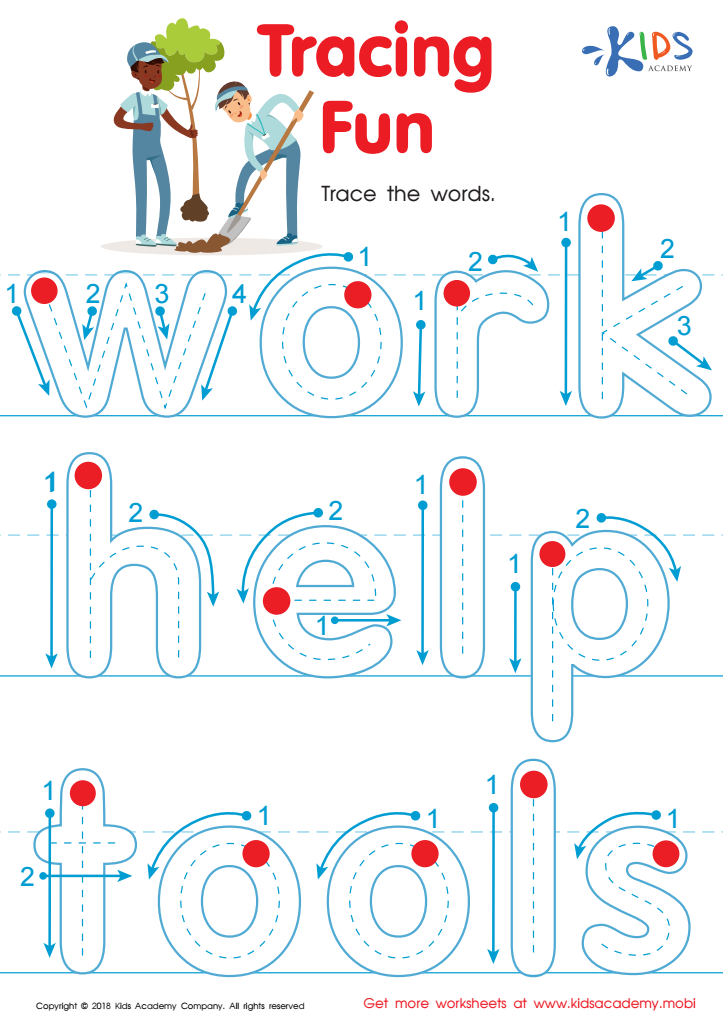
Tracing Fun Worksheet

Red Riding Hood Coloring Page
Assign to My Students

Lowercase Letters m n o Worksheet

Letter N Tracing Page

Find Uppercase Letters V, W, X Worksheet
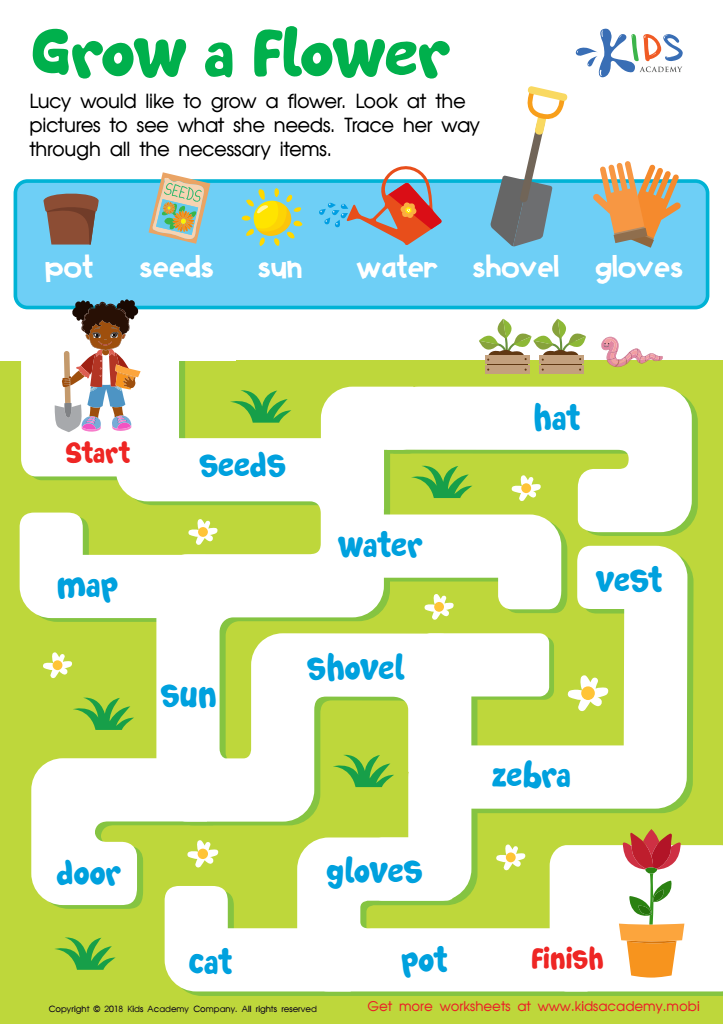
Grow a Flower Worksheet
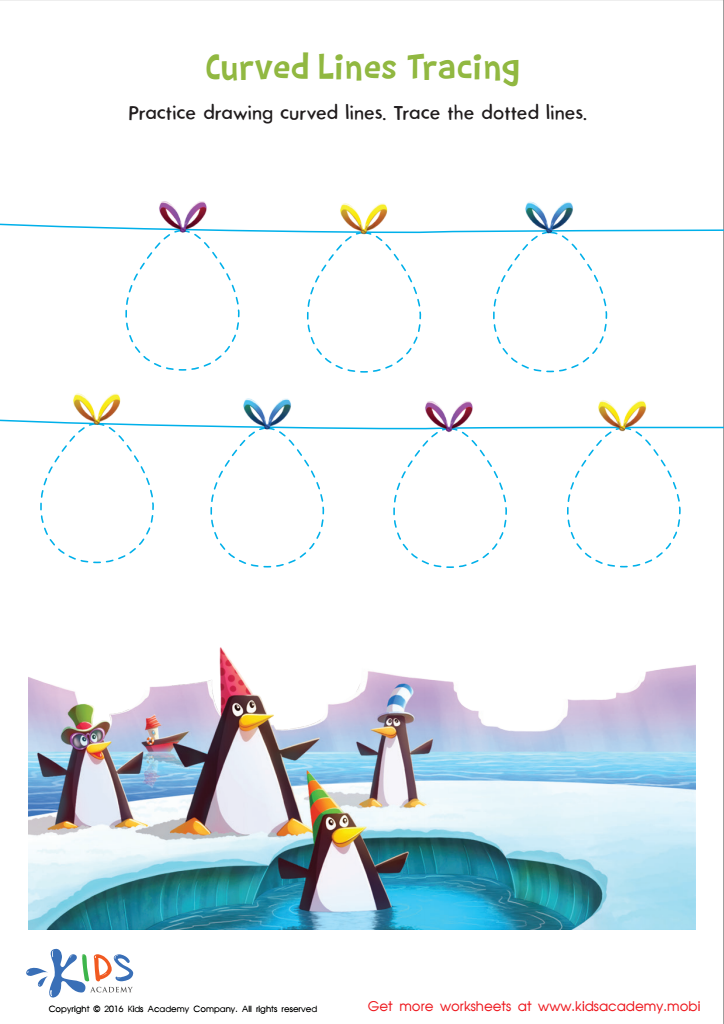
Curved Lines Tracing Worksheet
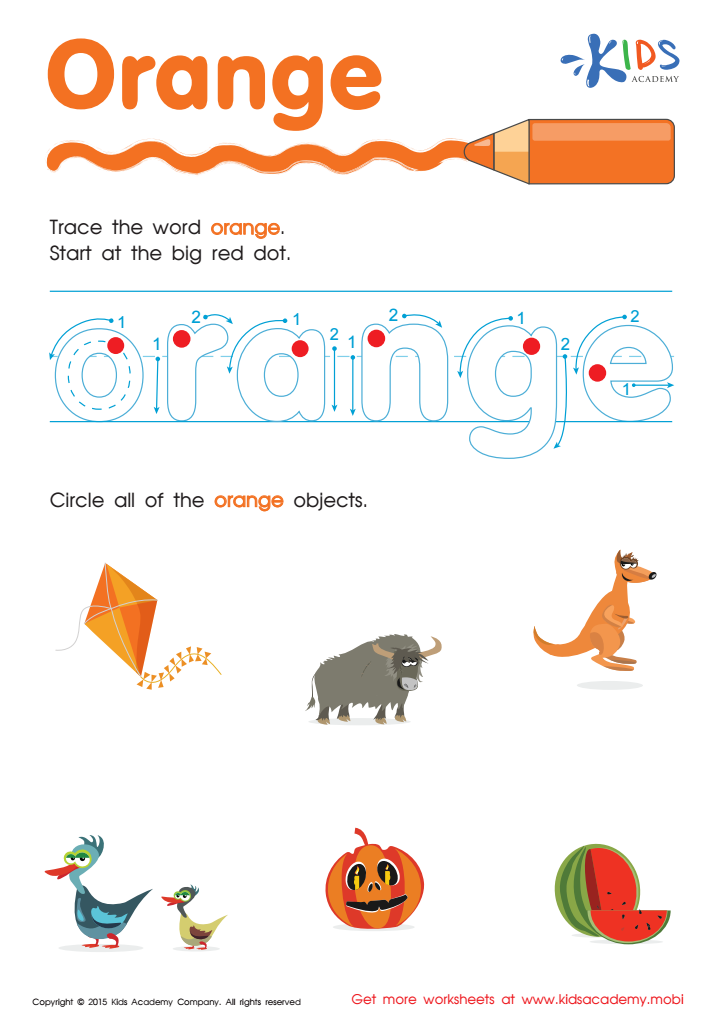
Orange Tracing Color Words Worksheet
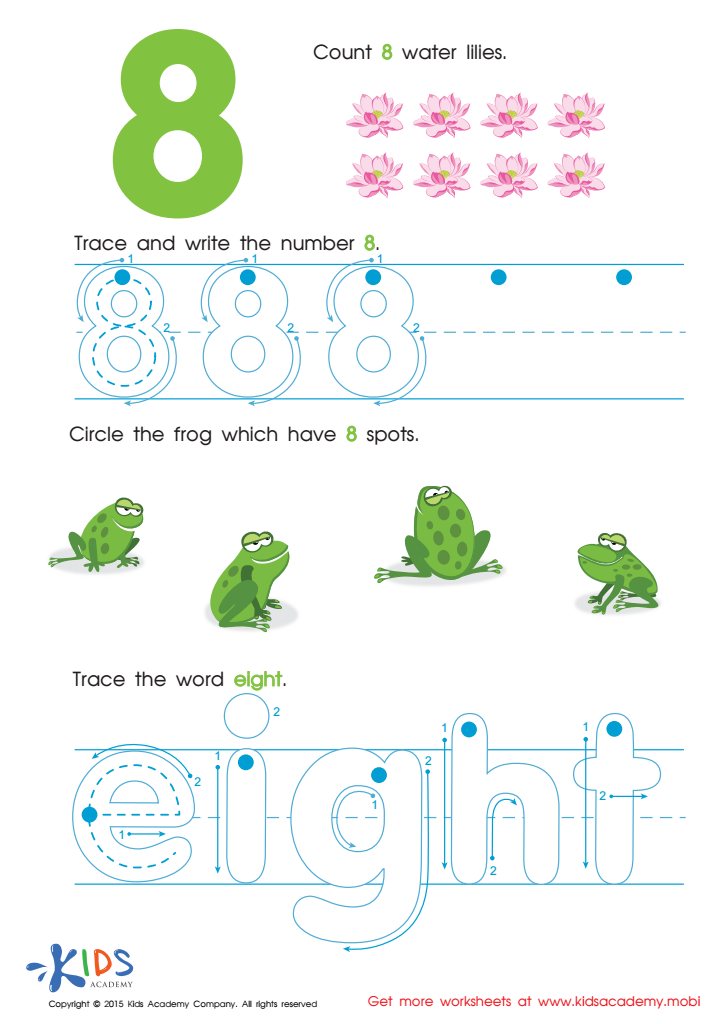
Learn Number 8 Easily Worksheet

Lowercase Letters d e f Worksheet
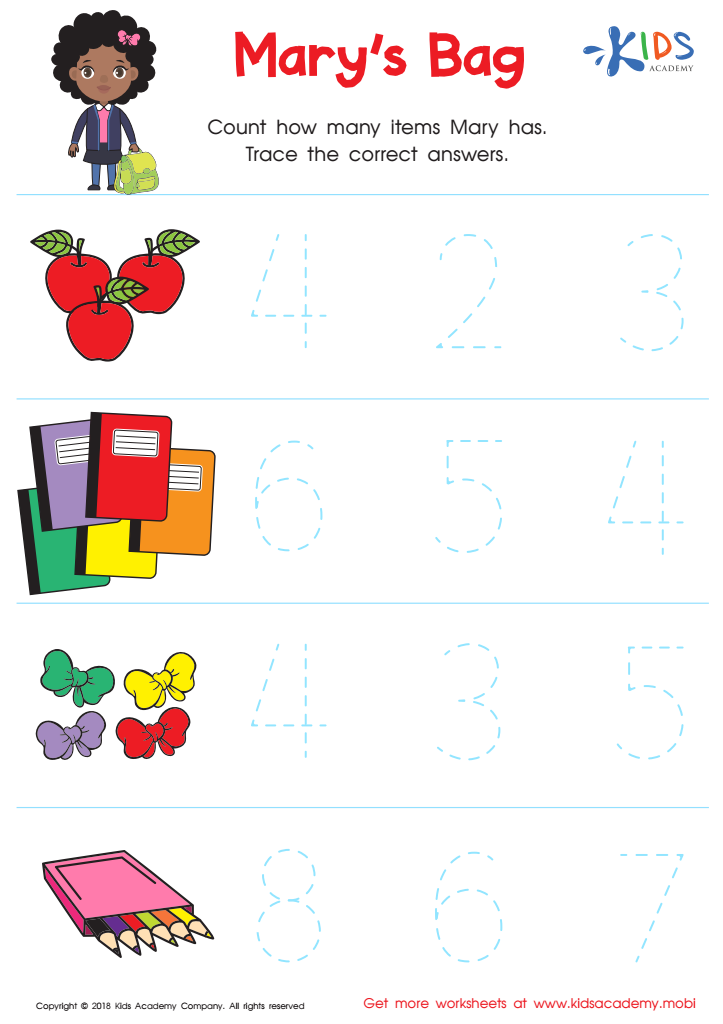
Kindergarten Number Tracing: Mary's Bag Worksheet
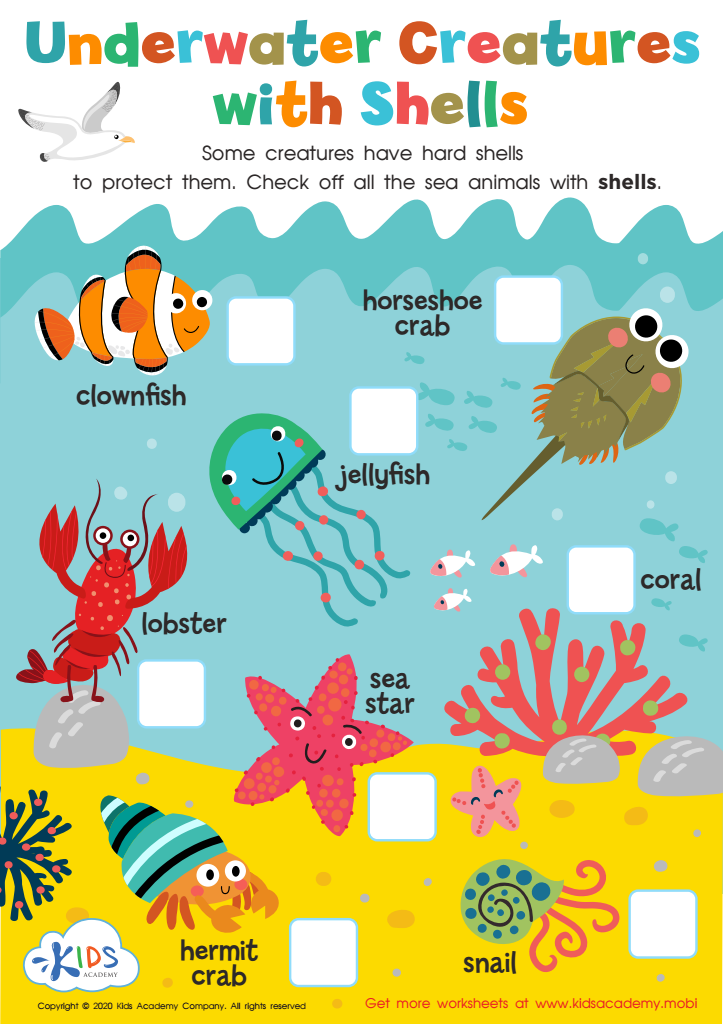
Underwater Creatures with Shells Worksheet

Three–Dimensional Shapes: Cylinder Worksheet
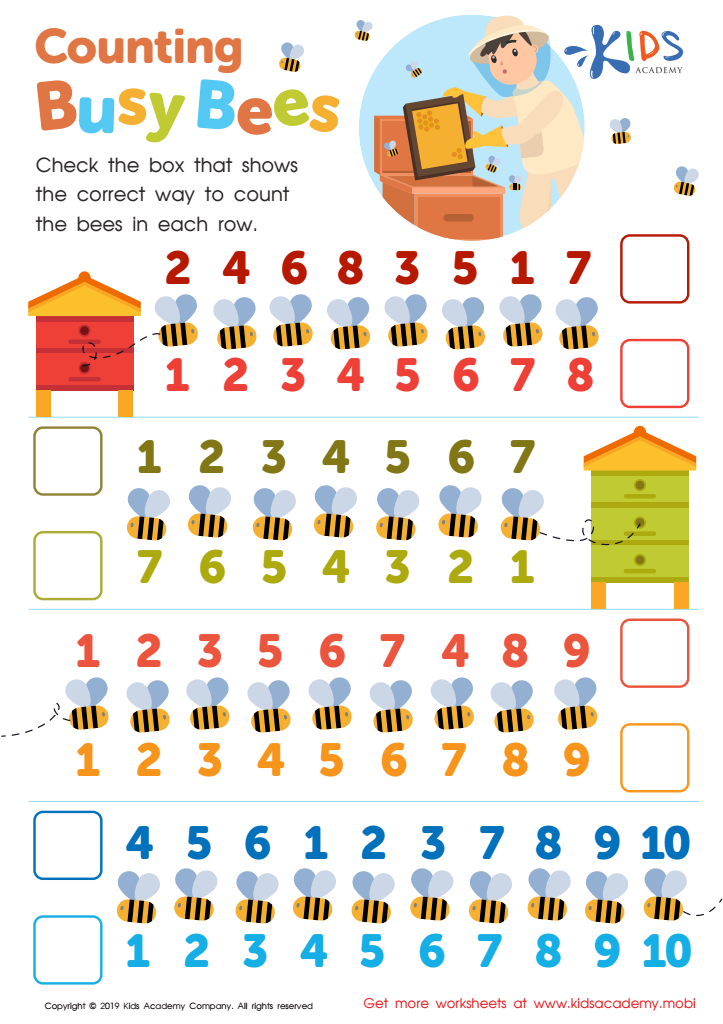
Counting Busy Bees Worksheet

Robot Shapes Worksheet
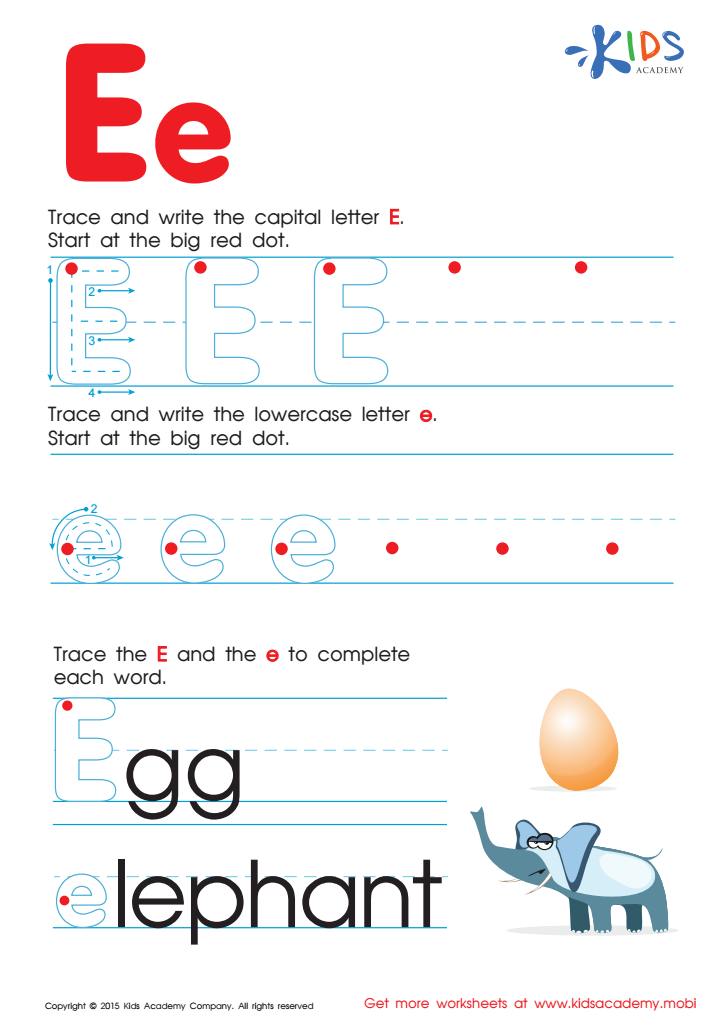
Letter E Tracing Page

Pirate Ship Coloring Page
Assign to My Students

Letter A Tracing Worksheet

White Tracing Color Words Worksheet
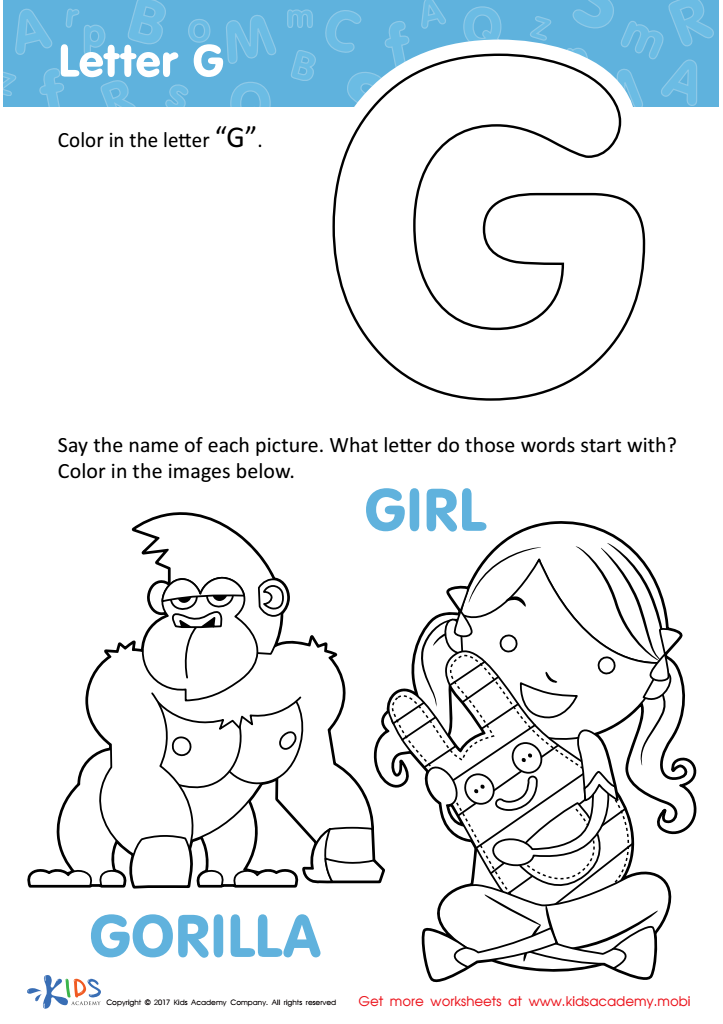
Letter G Coloring Sheet
Assign to My Students
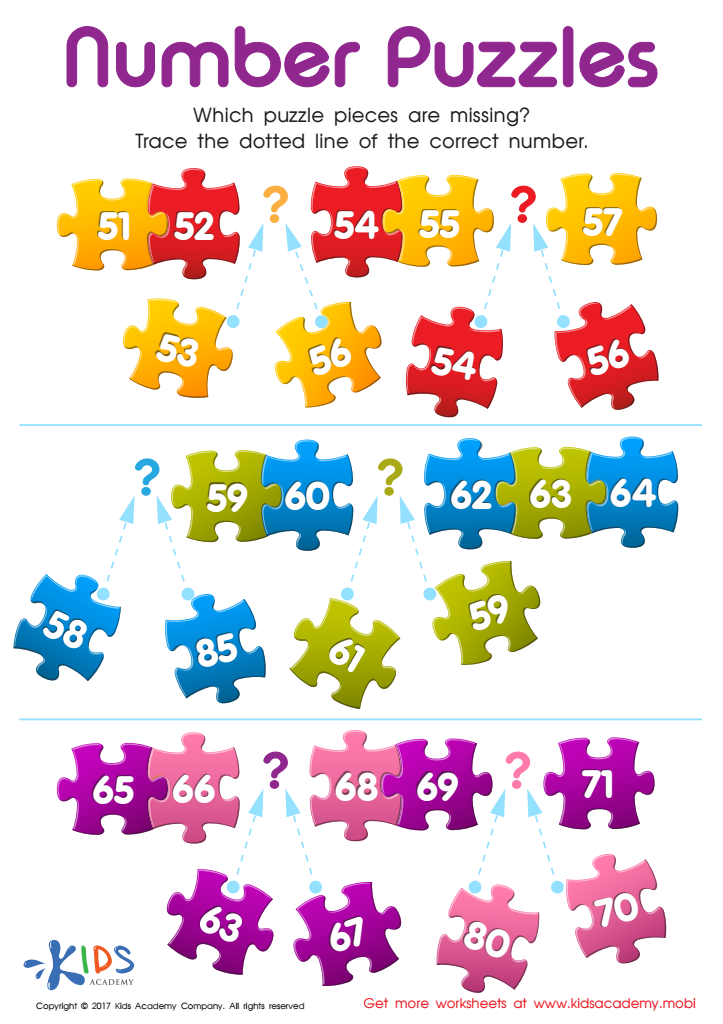
Number Puzzles Worksheet








Fine motor skills, which involve the coordination of small muscles in the hands and fingers, are crucial for children aged 5 to 8 years old. During this developmental stage, children are refining their abilities to perform precise tasks that are essential for daily life and academic success. Parents and teachers should care about these skills because they play a significant role in a child’s overall development.
First, fine motor skills are foundational for many academic activities, such as writing, drawing, cutting, and manipulating classroom materials. A child who struggles with these tasks may find it difficult to keep up with peers, leading to frustration and reduced self-esteem.
Moreover, fine motor skills enhance cognitive development. Activities that promote hand-eye coordination, such as puzzles and crafts, stimulate brain development and improve problem-solving skills. Coordination also contributes to independence in self-care tasks, like dressing and using eating utensils, fostering confidence.
Finally, recognizing and supporting the development of fine motor skills can help catch potential delays early on. By engaging children in play and activities that challenge and build their dexterity, parents and teachers can lay a strong foundation for lifelong learning and skill development. Prioritizing fine motor skills will ultimately nurture well-rounded, capable individuals.








