Handwriting practice Normal Worksheets for Ages 5-8 - Page 3
63 filtered results
-
From - To
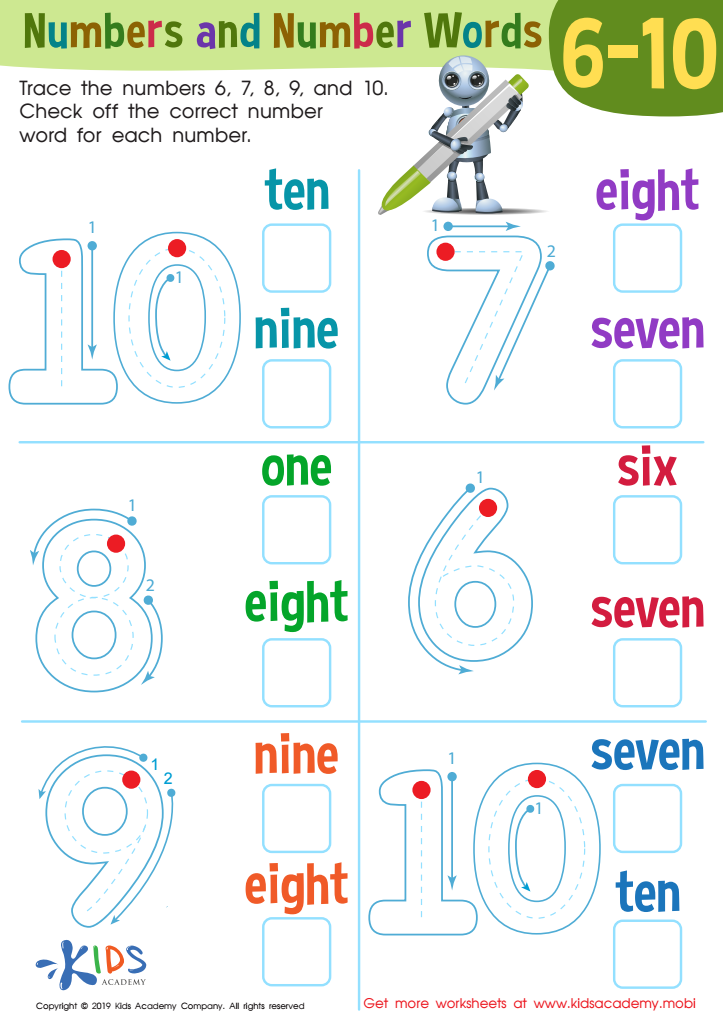
Numbers and Number Words 6–1 Worksheet
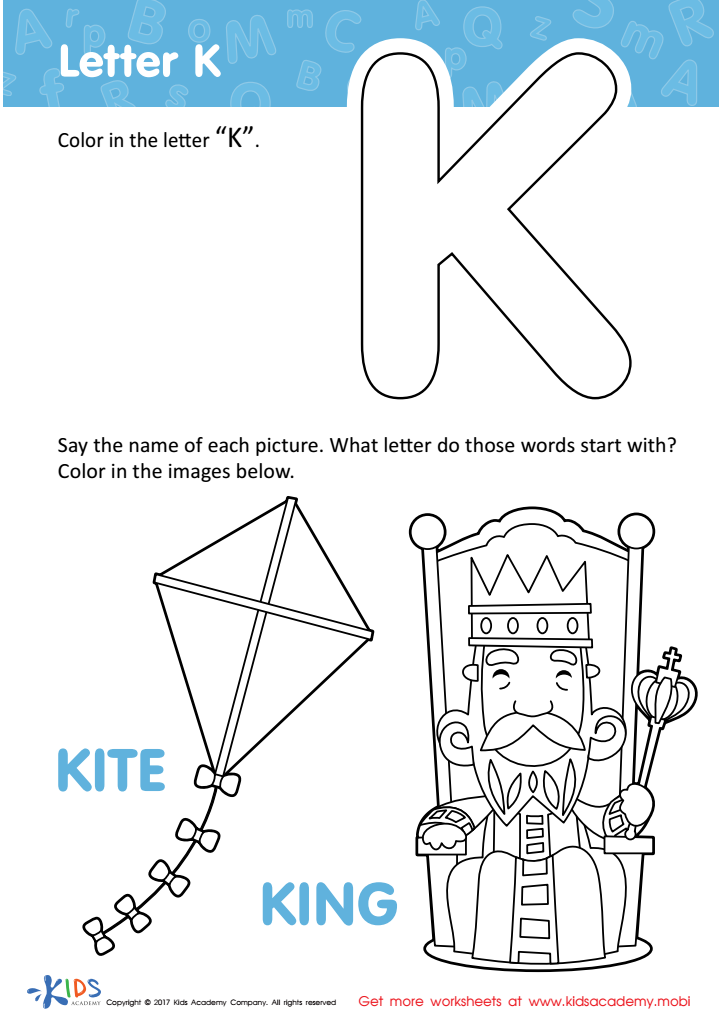
Letter K Coloring Sheet
 Assign to My Students
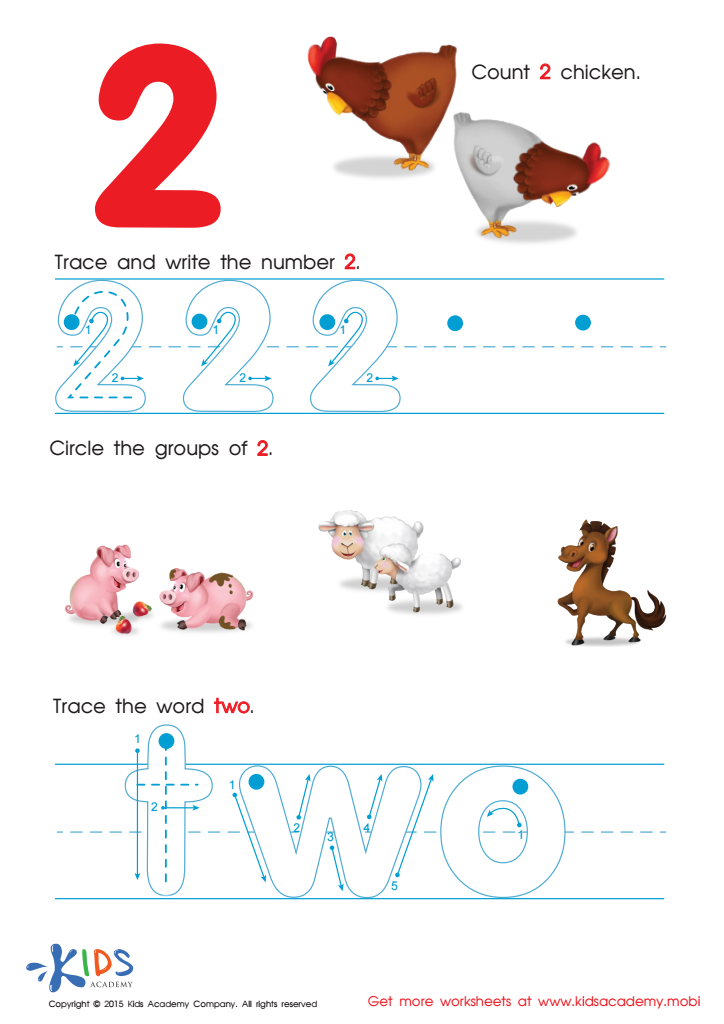
Learn to Write the Number 2 Worksheet

Uppercase Letters Y Z Worksheet
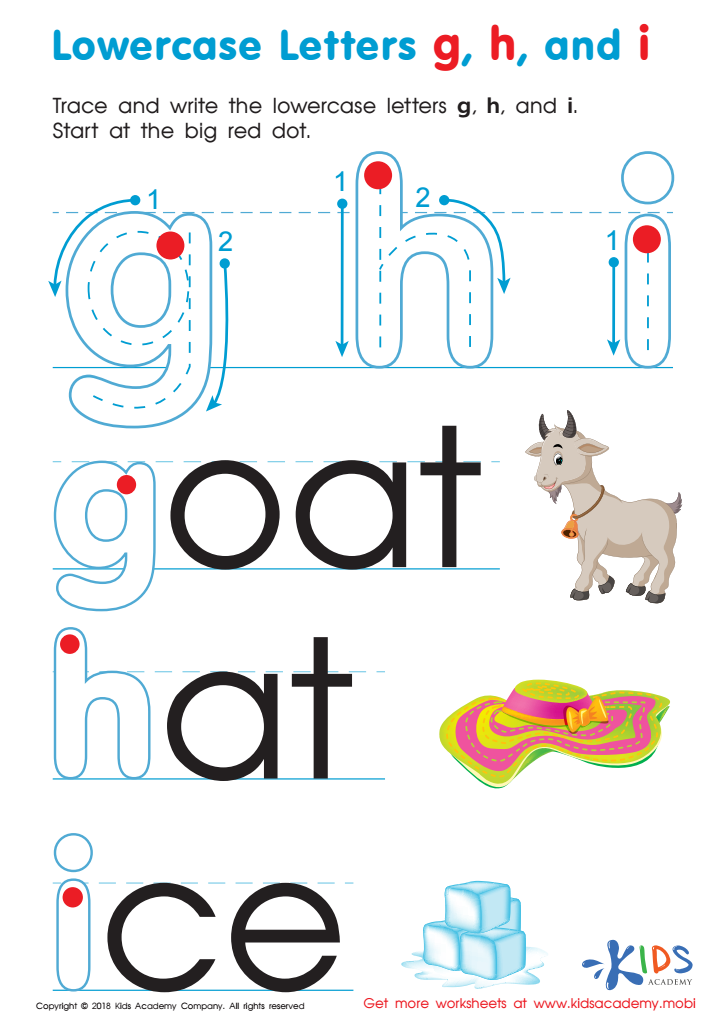
Lowercase Letters g h i Worksheet
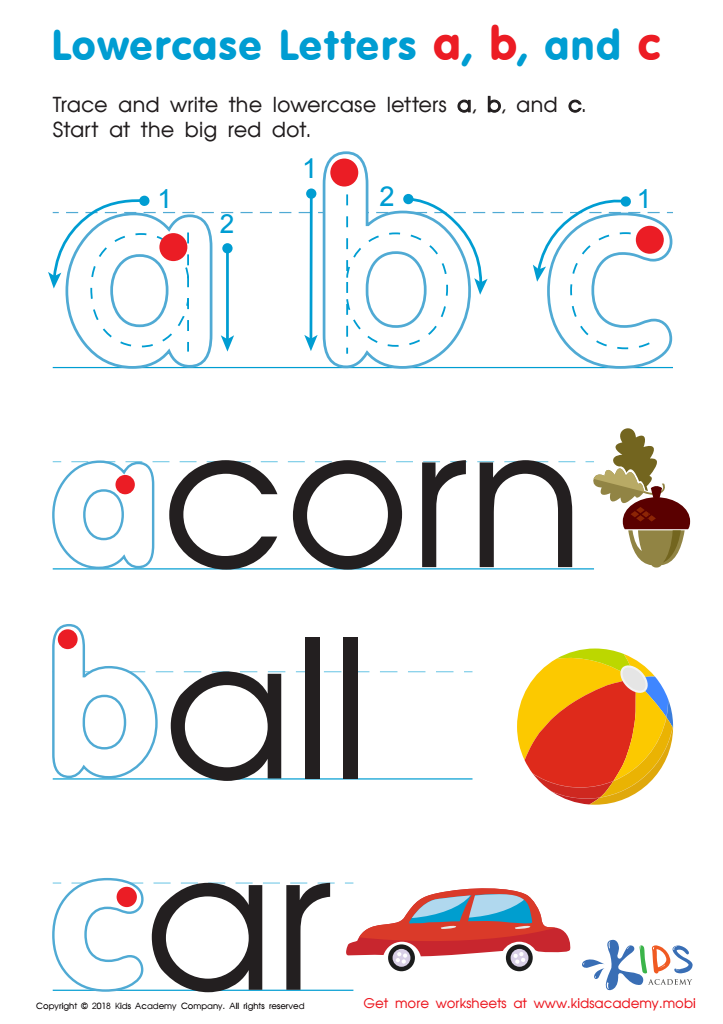
Lowercase Letters a b c Worksheet
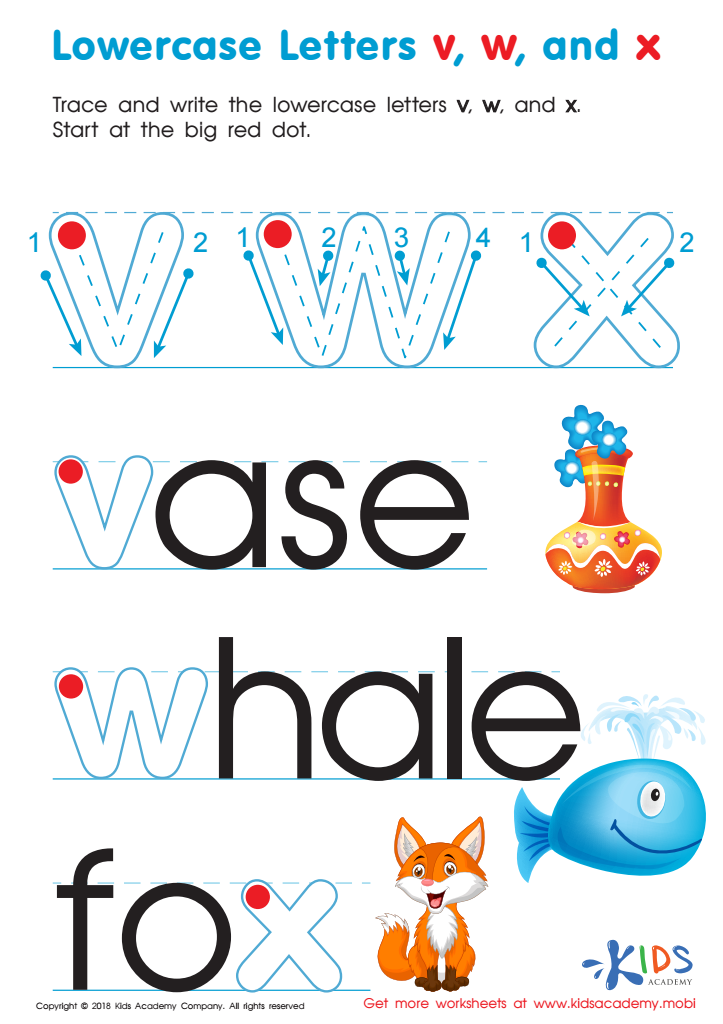
Lowercase Letters v w x Worksheet
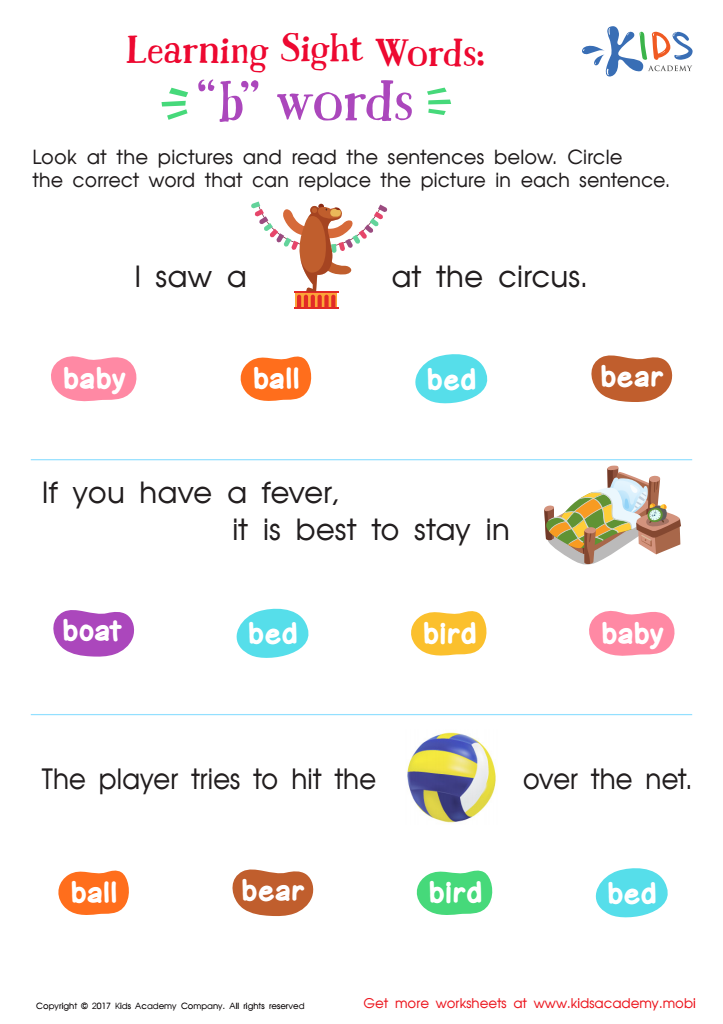
"B" Words Printable Sight Words Worksheet
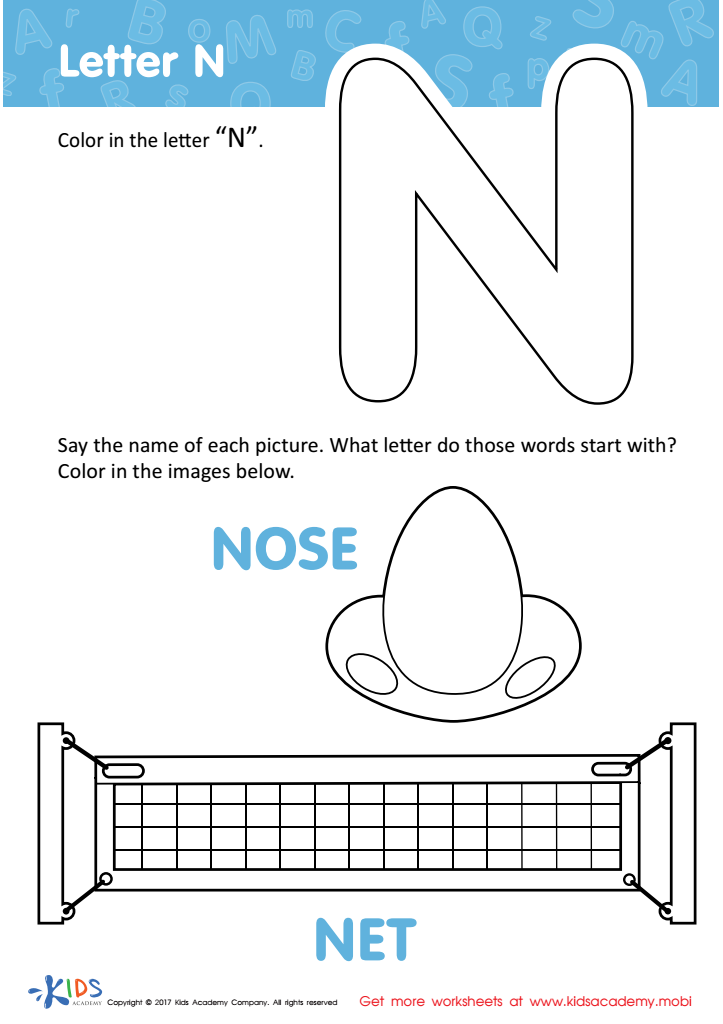
Letter N Coloring Sheet
Assign to My Students
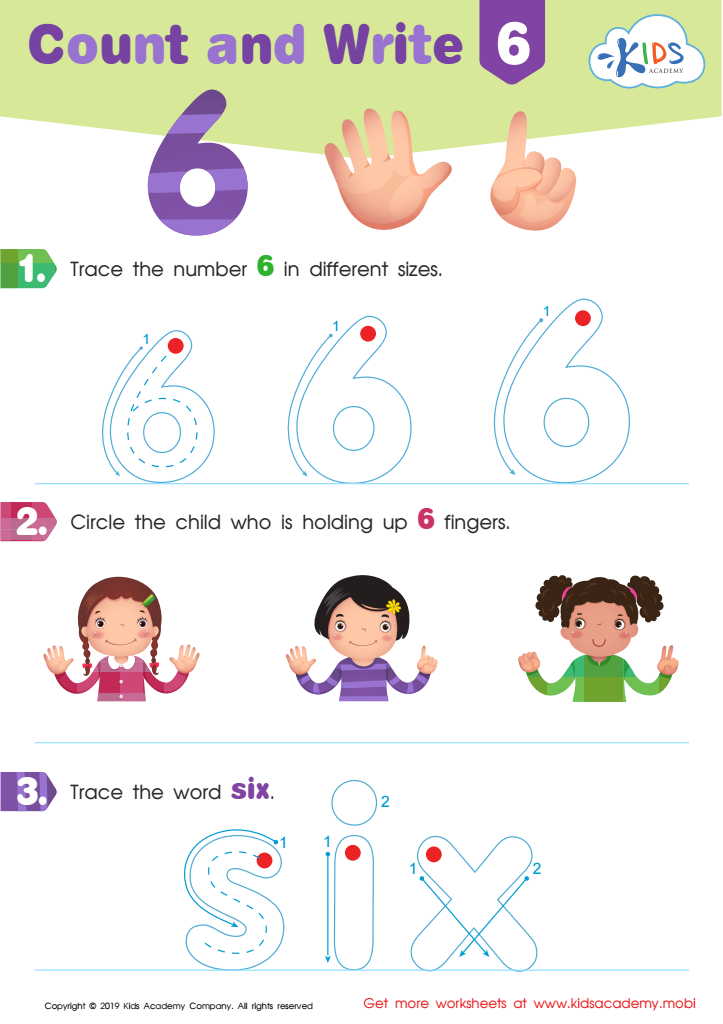
Count and Write 6 Worksheet
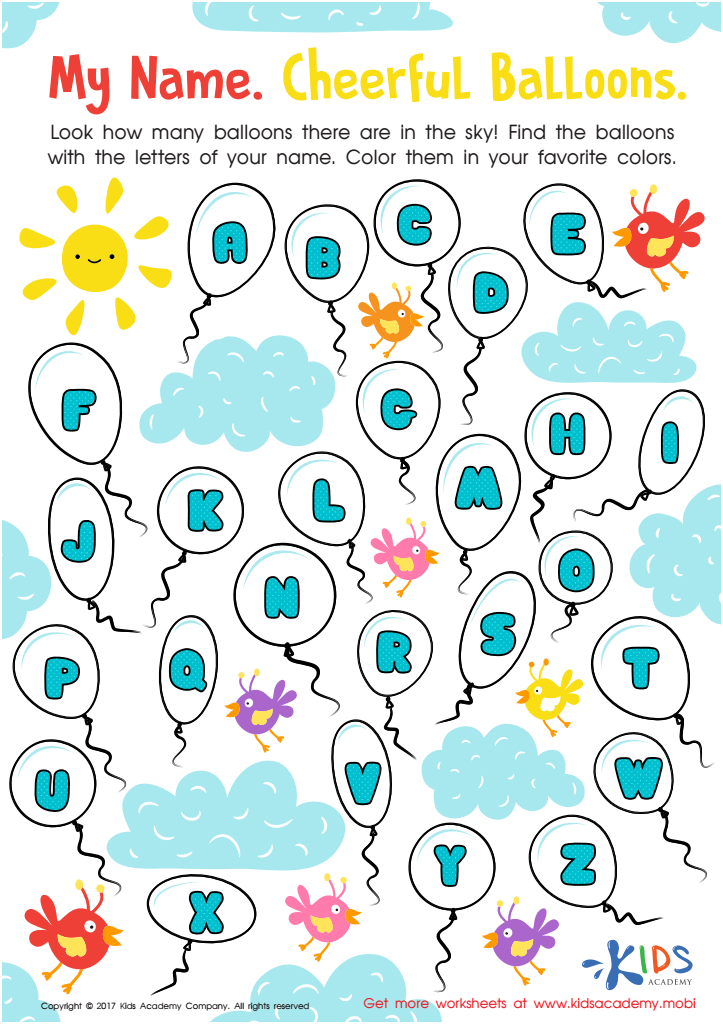
My Name: Cheerful Balloons Worksheet
Assign to My Students
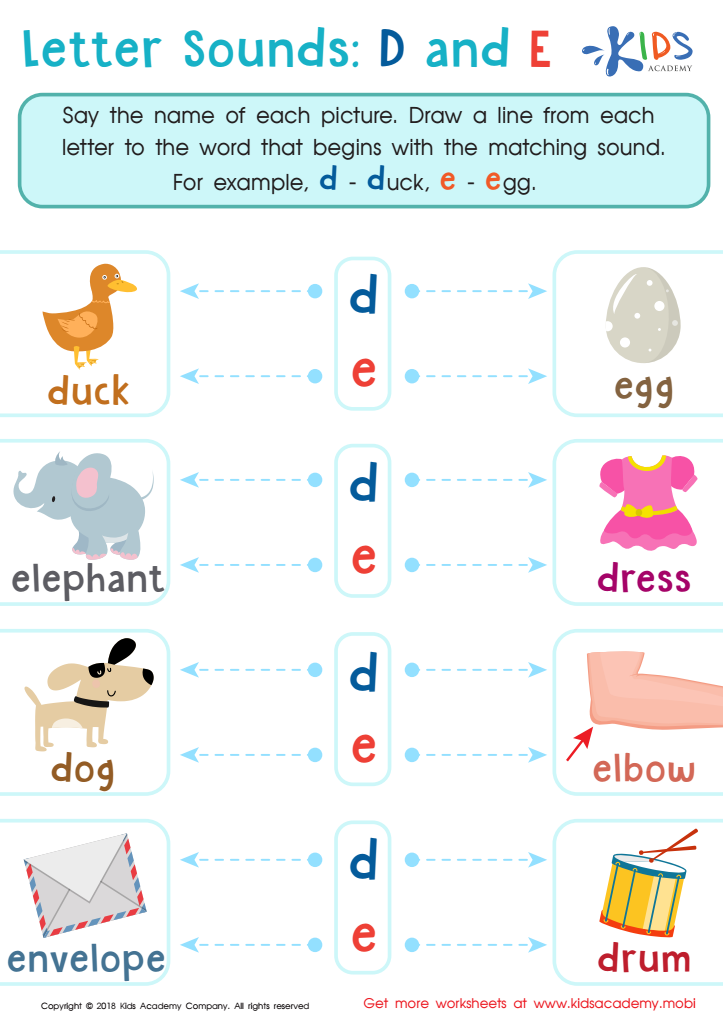
Letter D and E Sounds Worksheet
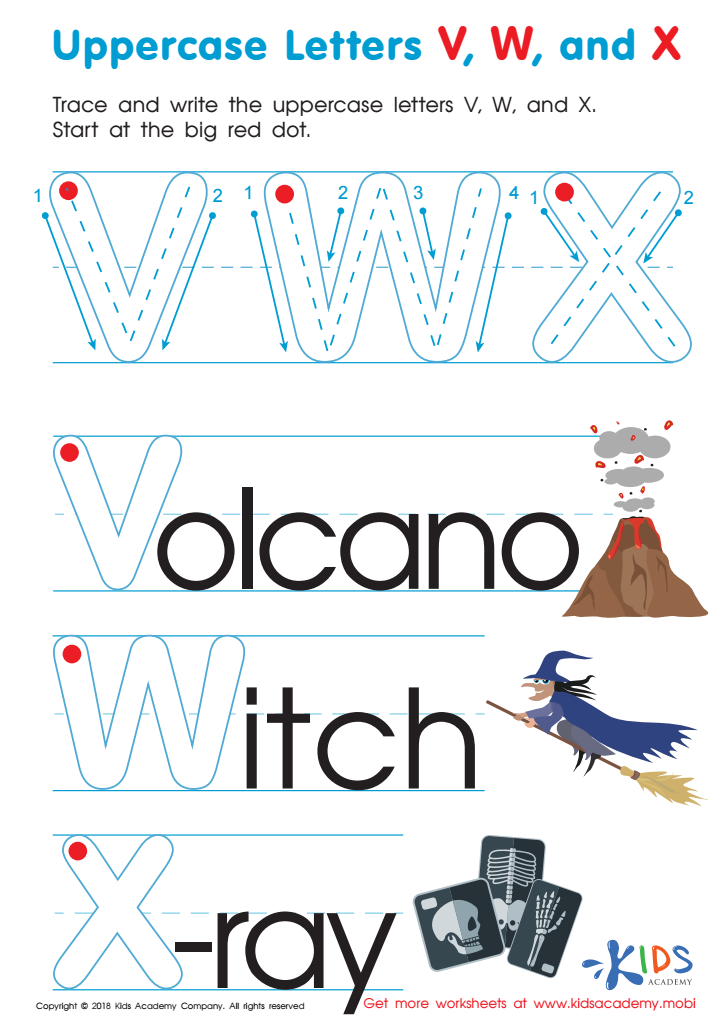
Uppercase Letters V, W, and X Worksheet
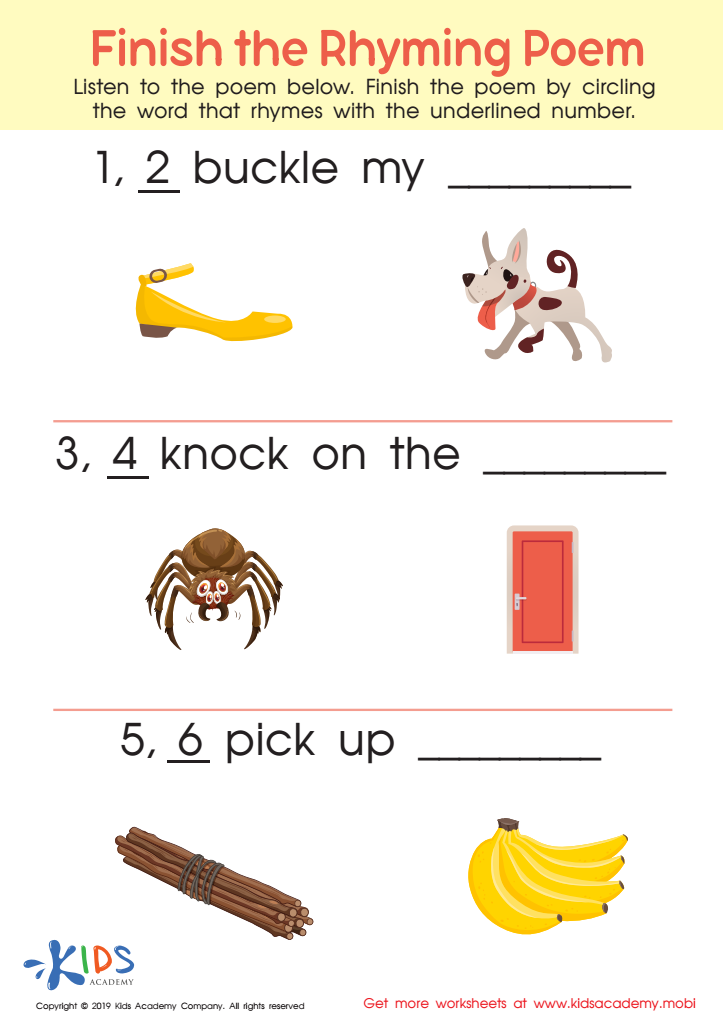
Finish Rhyming Poem Worksheet
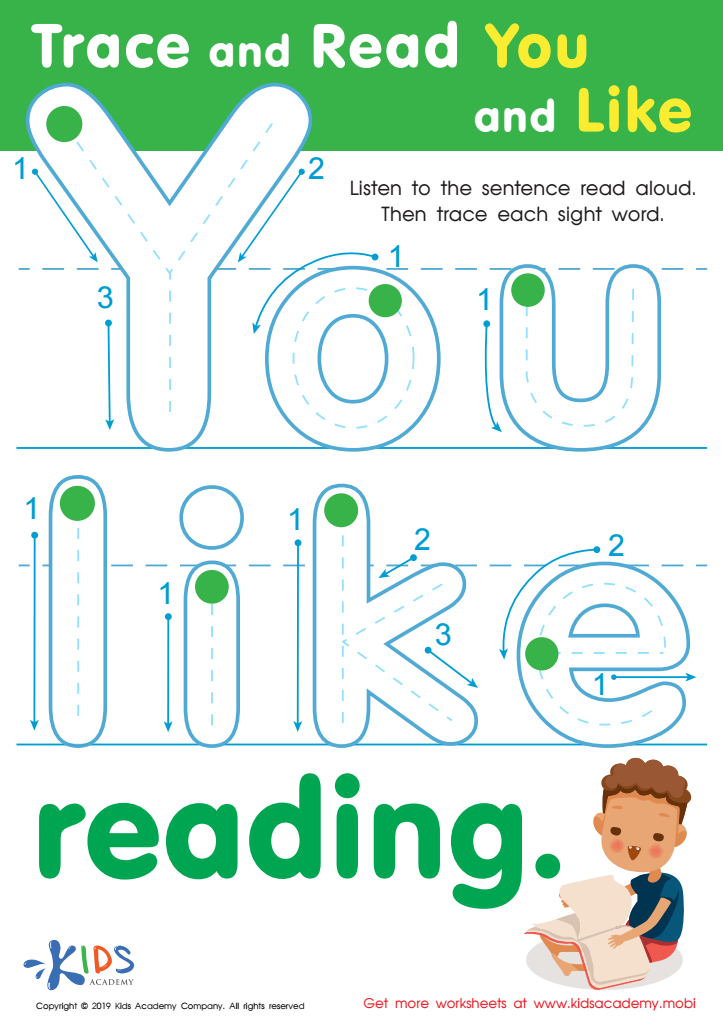
Trace Read You Like Worksheet








Handwriting practice is crucial for young children aged 5-8, and both parents and teachers should pay close attention to it. First, handwriting supports fine motor skill development. Young children strengthen their hand muscles and improve coordination as they manipulate pencils and crayons. This foundational skill is essential for numerous day-to-day tasks.
Moreover, handwriting boosts cognitive development. Forming letters helps children understand shapes and symbols, building critical connections in the brain that aid in reading and spelling. The act of writing supports memory and aids in learning letter recognition, blending phonics practice with muscle memory.
Handwriting also fosters positive academic and emotional outcomes. Proficient writing skills allow children to express their thoughts more freely and clearly, fostering self-confidence and satisfaction in their abilities. Efficient handwriting skills prevent the frustration that might arise when children struggle to produce written work, thus keeping them motivated and engaged in their learning processes.
Lastly, encouragement from parents and teachers can instill good writing habits early. Praise and positive reinforcement guide children toward continued practice and improvement. Ensuring consistent handwriting practice during these formative years equips children with an essential skill set, laying a strong foundation for future academic and personal success.








